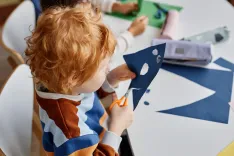
34 Fall Activities for Toddlers: Sensory Play, Crafts & Outdoor Fun

The leaves start turning, the mornings get that first cold snap, and suddenly your toddler wants to touch every single pile of leaves on the sidewalk. That's fall with a toddler in a nutshell — messy, a little chaotic, and honestly one of the best seasons for hands-on play. Good fall activities for toddlers don't need a Pinterest-perfect setup or a trip to a fancy farm; most of what makes this season magical for a 1-, 2-, or 3-year-old is already sitting in your backyard or produce aisle.
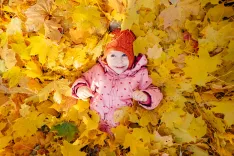
Every toddler fall activity here uses things you likely already have — leaves, a mixing bowl, some paint, maybe a pumpkin — so there's no special shopping trip standing between your toddler and their first leaf pile.
Key Takeaways
- Toddlers under 2 learn largely through touch, taste, and smell, so the safest fall activities for 1 and 2 year olds lean on sensory play rather than crafts with small pieces.
- Kids who spend at least two hours outside daily get roughly 27% more moderate-to-vigorous physical activity than kids who don't.
- Small fall items like acorns, corn kernels, and mini gourds are choking hazards for kids under 3; swap in oversized or edible versions instead of skipping sensory play altogether.
What Are Fall Activities for Toddlers?
Fall activities for toddlers are seasonal, hands-on play ideas — sensory bins, crafts, and outdoor exploration — built around autumn materials like leaves, pumpkins, apples, and pinecones, scaled down to fit a toddler's attention span and safety needs. Unlike activities for older kids, a good fall activity for toddlers rarely involves more than two or three steps, skips anything with small detachable pieces for the under-3 crowd, and expects the "craft" to end up looking nothing like the example photo. Honestly, that's fine. The point isn't the finished product — it's the texture of a crunchy leaf, the smell of cinnamon playdough, or the thrill of stomping in a pile someone just raked.
Why Fall Is a Great Season for Toddler Development
Autumn hands toddlers a rotating cast of new textures, smells, and colors without you having to plan much of anything.
- It's a sensory playground for free. Crunchy leaves, smooth pinecones, and squishy pumpkin guts give toddlers new textures to explore that summer and winter just don't offer.
- It builds fine motor skills. Picking up small leaves, stacking acorns, and squeezing playdough all strengthen the same hand muscles toddlers will later use to hold a crayon or spoon.
- It's an easy vocabulary boost. Naming colors, weather, and new objects — "crunchy," "orange," "bumpy" — happens naturally when there's something new to point at every walk.
- It supports physical activity during a comfortable stretch of weather. Cooler temperatures make outdoor time easier to sustain than summer heat, and research summarized by UNICEF found kids who spend at least two hours outside daily get about 27% more moderate-to-vigorous activity than kids who don't.
- It's a low-stakes way to practice routines. Raking leaves, washing a pumpkin, or helping stir batter are small "jobs" that give toddlers a sense of contribution before they're ready for real chores.
Help your child
grow with Keiki
We’ll help you turn everyday screen time
into real learning progress.
Autumn Activities for 1 Year Olds
Autumn activities for 1 year olds need to work for a kid who's still exploring the world mouth-first, so sensory input matters more than the finished craft. Research on early sensory development notes that touch and taste are a primary way children under 2 learn about their environment, which is exactly why these six lean so heavily on safe textures.
1. Fall Treasure Basket
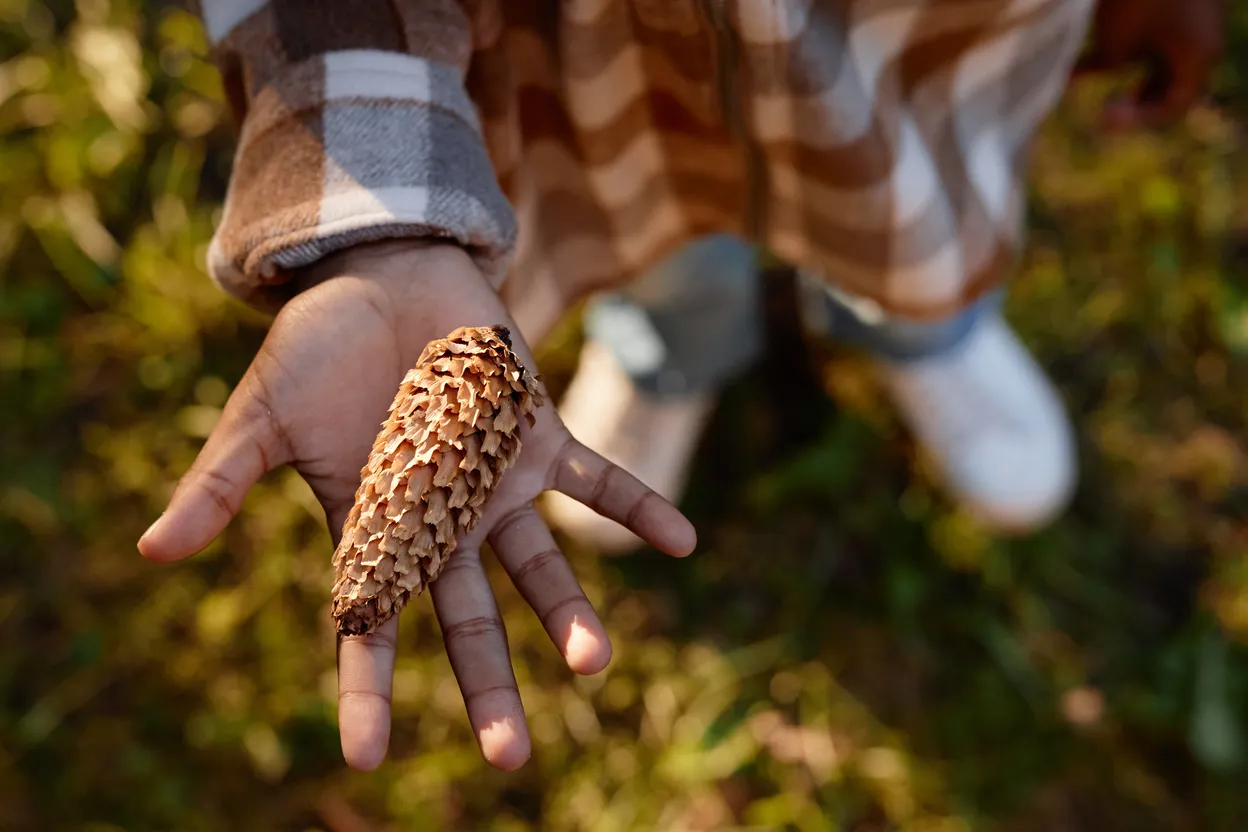
Fill a basket with three or four oversized, smooth fall items — a big pinecone, a chunk of bark, a large gourd — and let your toddler pick each one up, turn it over, and examine it while you name what they're touching. Keep the group small so nothing gets lost in the shuffle and cleanup stays easy. Stay within arm's reach the whole time, since even oversized items can still end up in a curious mouth.
2. Pumpkin Bath
Set a small pumpkin in a tub of warm soapy water with a sponge and let your toddler scrub, splash, and "wash" it just like a real chore. Lay a towel down first, because water inevitably ends up somewhere other than the tub.
3. Edible Fall Sensory Bin
Fill a bin with Cheerios, a few soft-cooked apple chunks, and a scoop or two, so your toddler can dig in with hands (and mouth) safely. Swap in soft-cooked sweet potato cubes or plain oat cereal for variety across a few different sessions.
4. Crinkly Leaf Bag
Seal a handful of dry leaves inside a zip-top bag with clear tape over the seal, so your toddler can squish, step on, and listen to the crunch with zero mess and zero loose pieces. Lay a few bags side by side on the floor for a simple "crunchy path" your toddler can crawl or toddle across.
5. Finger Paint an Autumn Tree
Draw a simple tree trunk on paper and let your toddler finger paint orange, red, and yellow "leaves" onto the branches with washable, non-toxic paint. Tape the paper down first, since 1 year olds tend to push the page right off the table mid-masterpiece.
6. Leaf Basket Dump-and-Fill
Hand your toddler a small basket of large leaves and a bigger empty bin, and let them dump the leaves in, scoop them back out, and repeat. Refill the basket as many times as they'll tolerate — repetition is the whole point at this age, not variety.
Fall Activities for 2 Year Olds
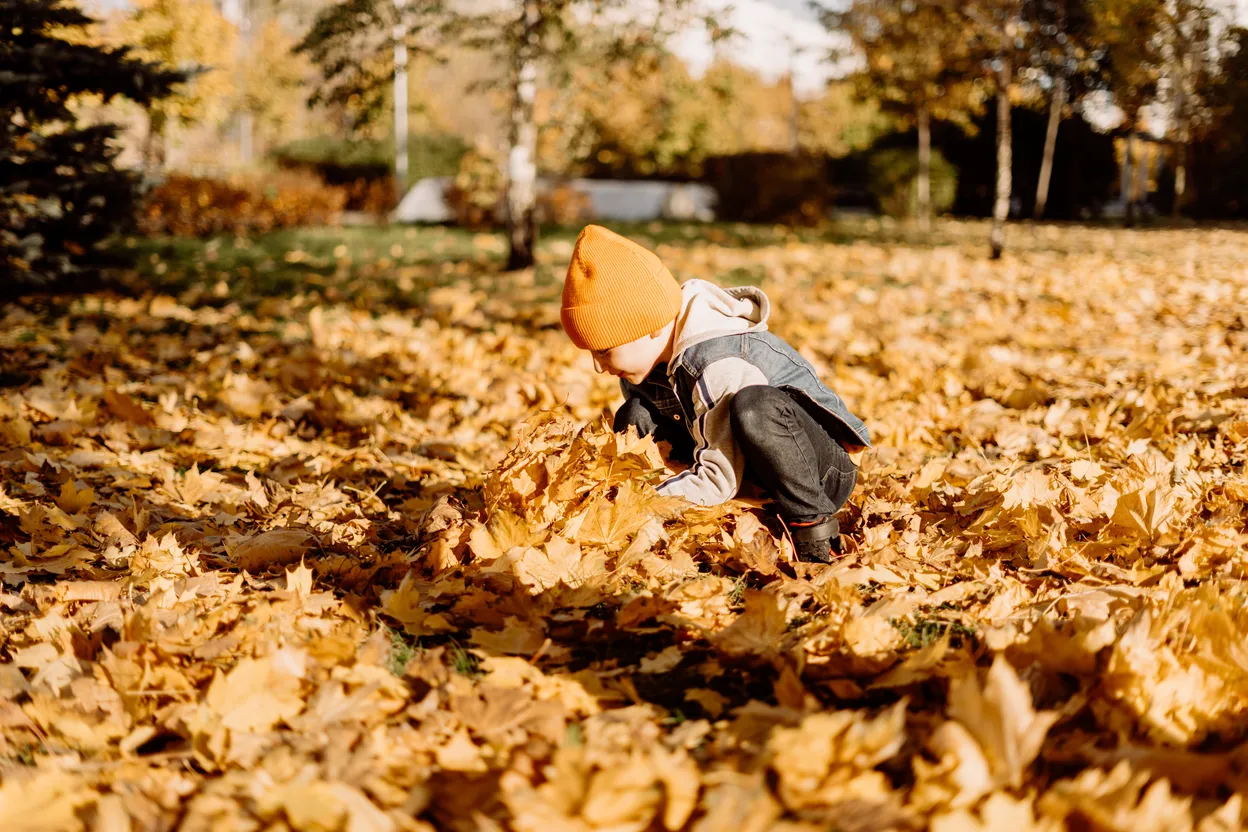
Fall activities for 2 year olds (some parents search this as autumn activities for 2 year olds) can add a little more structure than sensory-only play, since most 2 year olds can follow a simple two-step instruction and have outgrown some — though not all — of the mouthing phase. Basically, this is the age where "touch it" starts turning into "do something with it."
7. Leaf Pile Jump
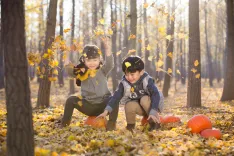
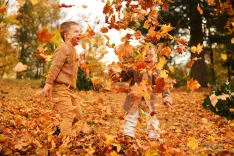
Rake a pile of leaves and let your toddler run, jump, and flop into it as many times as their legs hold out. Check the pile for hidden sticks or rocks before the first jump, and expect to be re-raking it every few minutes.
8. Apple Stamping
Cut an apple in half, dip the cut side in washable paint, and stamp prints across paper for an instant fall-colored pattern. Use a paper plate as a paint tray to keep the mess contained to one surface.
9. Fall Sensory Bin with Scoops
Fill a bin with dried corn kernels, a couple of mini pumpkins, and cups or scoops for pouring and transferring. Supervise closely the entire time, since dried corn is still small enough to pose a choking risk if it ends up in a toddler's mouth.
10. Pumpkin Ring Toss
Stand a small pumpkin up on a sturdy surface and let your toddler try tossing soft rings or bracelets around the stem. Move the pumpkin closer for younger 2 year olds and farther back as their aim improves.
11. Nature Scavenger Hunt
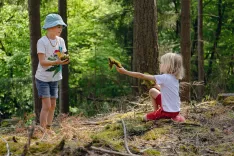
Make a simple picture list of three or four items — a leaf, an acorn, a stick — and walk around the yard or park together checking them off. Keep the list short; a 2 year old's attention for "finding things" tends to run out well before yours does.
12. Cinnamon Playdough
Knead cinnamon or pumpkin spice into a basic flour-and-water playdough so your toddler gets a new scent to go with the usual squishing and rolling. Store it in an airtight container between uses, since the spice keeps the dough usable for a couple of weeks.
13. Leaf Rubbing
Place a leaf vein-side up under a sheet of paper and show your toddler how to rub a crayon sideways over it until the leaf's shape appears. Thinner, drier leaves tend to leave the clearest pattern, so skip the thick, waxy ones if you have a choice.
14. Pinecone Painting
Give your toddler a pinecone, a shallow dish of paint, and paper, and let them roll or dab the pinecone across the page for a textured print. Tie a piece of string around the pinecone first if you want a built-in handle that keeps sticky fingers a little cleaner.
Fall Activities for 3 Year Olds
Autumn activities for 3 year olds can handle more steps and a bit of pretend play, since most 3 year olds are ready for short sequences and simple categorizing.
15. Leaf Sorting and Counting
Collect a mix of leaves and have your toddler sort them by color or size, then count how many landed in each pile. Line the piles up side by side afterward and ask which pile has more.
16. Apple Orchard Pretend Play
Hang paper apples on a "tree" (a coat rack or cardboard cutout works fine) and let your toddler "pick" and sort them by color into baskets. Add a few "rotten" apples in a different color for them to sort out separately.
17. Pumpkin Patch Scavenger Hunt
On an actual visit to a pumpkin patch, turn it into a hunt for the biggest pumpkin, the smallest pumpkin, and one shaped like a circle. Bring a small bag or basket so they have somewhere to "collect" evidence of what they found, even if you don't buy every pumpkin they point to.
18. Fall Color Mixing
Give your toddler red and yellow paint on a paper plate and let them mix their own orange. Add a drop of white to the orange afterward for round two, since a lighter shade often gets an even bigger reaction.
19. Leaf Face Collage
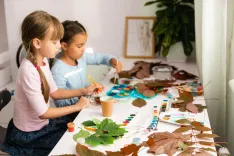
Glue a few leaves onto paper and add crayon or marker details to turn them into silly faces. Save a handful of extra leaves so a face that "doesn't work" can be redone without ending the activity early.
20. Fall-Themed Puzzle
Cut a simple fall picture — a pumpkin, a tree — into four or five large pieces and let your toddler practice putting it back together. Trace the picture's outline onto the base paper first if your toddler needs a visual guide for where each piece goes.
21. Mud Kitchen Baking
Set up an old muffin tin, some sticks, and mud outside, and let your toddler "bake" pretend fall treats, deciding what's a pie, what's a cupcake, and who it's "for." This is genuinely one of the most requested fall activities for 3 year olds among parents who try it, mud and all, so plan on a change of clothes afterward.
22. Fall Matching Game
Make simple pairs of fall picture cards (two leaves, two pumpkins, two acorns) and lay them face down for an early memory-matching game. Start with just four or five pairs and add more once they're winning consistently.
Indoor Fall Toddler Activities for Rainy or Cold Days
Every fall activity for toddlers on this list can move indoors when the weather doesn't cooperate, but these twelve are built for the day you actually need them — including the cozy stretch once November rolls around. You know the one — hour three of steady rain, the backyard's basically a mud swamp, and your toddler has flopped onto the floor announcing they're "so bored" even though the last activity ended ten minutes ago. Basically, this is the emergency kit for when cabin fever hits before lunch even happens, whether that's a rainy October afternoon or a dark november evening once toddlers are into gratitude and Thanksgiving activities instead of pumpkins.
23. Pumpkin Handprint Art
Paint your toddler's palm orange, stamp it onto paper, and add a green stem for an instant pumpkin keepsake. Have a warm, damp washcloth ready before you start, since orange paint dries fast and gets harder to wipe off the longer it sits.
24. Indoor Leaf Toss and Catch
Toss a handful of paper or silk leaves into the air and let your toddler try to catch them as they float down. Turn it into a simple game by counting out loud how many they catch before the leaves hit the floor.
25. Fall Color Sorting
Set out orange, red, yellow, and brown blocks or pom-poms and have your toddler sort them by color into cups or bowls. Mix in a few "trick" colors that don't belong to any cup once sorting gets easy, and see if they notice.
26. Baking Pumpkin Muffins Together
Let your toddler dump pre-measured ingredients into a bowl and stir, then help spoon the batter into the muffin tin. Measure everything into small cups ahead of time so the "cooking" part stays simple and the mess stays contained.
27. Shaving Cream Ghost Painting
Squirt shaving cream into the bathtub and let your toddler swirl in dark food coloring to make "ghosts." Cleanup is essentially built in here, since everything rinses straight down the drain once playtime is over.
28. Cozy Fall Storytime with a Paper Bag Puppet
Turn a small paper bag into a simple pumpkin or leaf puppet, then use it to act out a short fall-themed story before nap or bedtime. Let your toddler hold the puppet and make it "talk" back once they've watched you do it a few times.
November activities for toddlers work best when they shift away from pumpkins and toward gratitude, cozy routines, and the fact that it's suddenly dark by dinnertime. Let's be honest — by 5 p.m. it feels like midnight, dinner's not even started, and everyone in the house is a little more on edge than they were back in October. The good news is toddlers don't need much to mark the shift: a few paper leaves and a short flashlight walk cover most of it.
29. Gratitude Leaf Garland
Tape paper leaves to a string, and each day have your toddler point to something they like — a toy, a pet, a snack — while you write it on the leaf. Hang the finished garland somewhere low enough that they can point to old leaves and "read" them back to you.
30. Turkey Handprint Craft
Paint your toddler's hand and stamp it onto paper, then add eyes and feet to turn it into a turkey. Label it with the date on the back before it goes up on the fridge.
31. Thankful Tree
Draw a bare tree trunk on paper and let your toddler add fingerprint "leaves" in fall colors, one for each thing they point to as something they like. Keep a damp cloth nearby, since fingerprint crafts always end up on more than just the paper.
32. Pretend Cranberry Stringing
Skip real cranberries, which are a choking hazard for toddlers, and use large wooden beads or dry pasta shapes instead, threading them onto yarn for a Thanksgiving-table decoration. Tape one end of the yarn to a table edge so your toddler has something steady to thread against.
33. Early Dark Sky Walk
Since sunset comes earlier in November, take a short after-dinner walk to point out the first stars or a bright moon, naming what you see along the way. Keep it brief and bundle up, since November evenings cool off fast once the sun's down.
34. Thanksgiving Sensory Bin
Fill a bin with dried oats, a cinnamon stick or two, and a couple of mini gourds for a scent-forward sensory bin. Add a few plastic serving spoons or measuring cups so your toddler can "prep" alongside you if you're cooking for the holiday.
Safety Tips for Fall Sensory Play
A few precautions keep fall's best textures from turning into an ER visit — because nothing ends a good sensory bin session like Googling "is a corn kernel a choking hazard" at 9 p.m.
- Skip small natural items for kids under 3. Acorns, corn kernels, and mini gourds are classic choking hazards — go oversized (big pinecones, whole apples) or edible (Cheerios, cooked apple chunks) instead.
- Check playdough ingredients before handing it to a mouthy toddler. A basic flour-salt-water dough is generally fine in small amounts, but skip glitter or small add-ins for kids who still taste-test everything.
- Keep pumpkin carving strictly hands-off for toddlers. Let them wash, paint, or decorate a pumpkin, but save any cutting tools for adults only — no toddler needs to be quite that invested in "helping."
- Rinse hands after mud or dirt play. Fall's mud kitchens and nature walks are great for sensory input, but toddlers still need a hand wash before snack time.
- Layer clothing for cooler outdoor sessions. Fall temperatures swing fast between morning and afternoon, so a light jacket that's easy to add or remove keeps outdoor play comfortable longer.
- Supervise sensory bins the entire time. Even "safe" fillers deserve full attention with a toddler under 3, since curiosity about taste doesn't disappear just because the bin looks age-appropriate.
Build real skills through fun, educational games for your child
Try KeikiPlay and Learn More with Keiki
Once the leaves are put away and muddy shoes are off, Keiki's flashcards and coloring tools make a natural quiet follow-up to a big outdoor fall session — animal and nature flashcard sets fit right in with everything your toddler just spotted on a leaf hunt. Keiki World's short stories are also a good way to wind down after an active afternoon, giving toddlers a calm, screen-time option that still supports early language and colors and shapes.