

About this collection
Simple pear coloring pages for kids — download and print free
Discover pear coloring pages packed with ripe pears, leaves and orchard scenes. Simple outlines that turn a blank page into proud artwork.
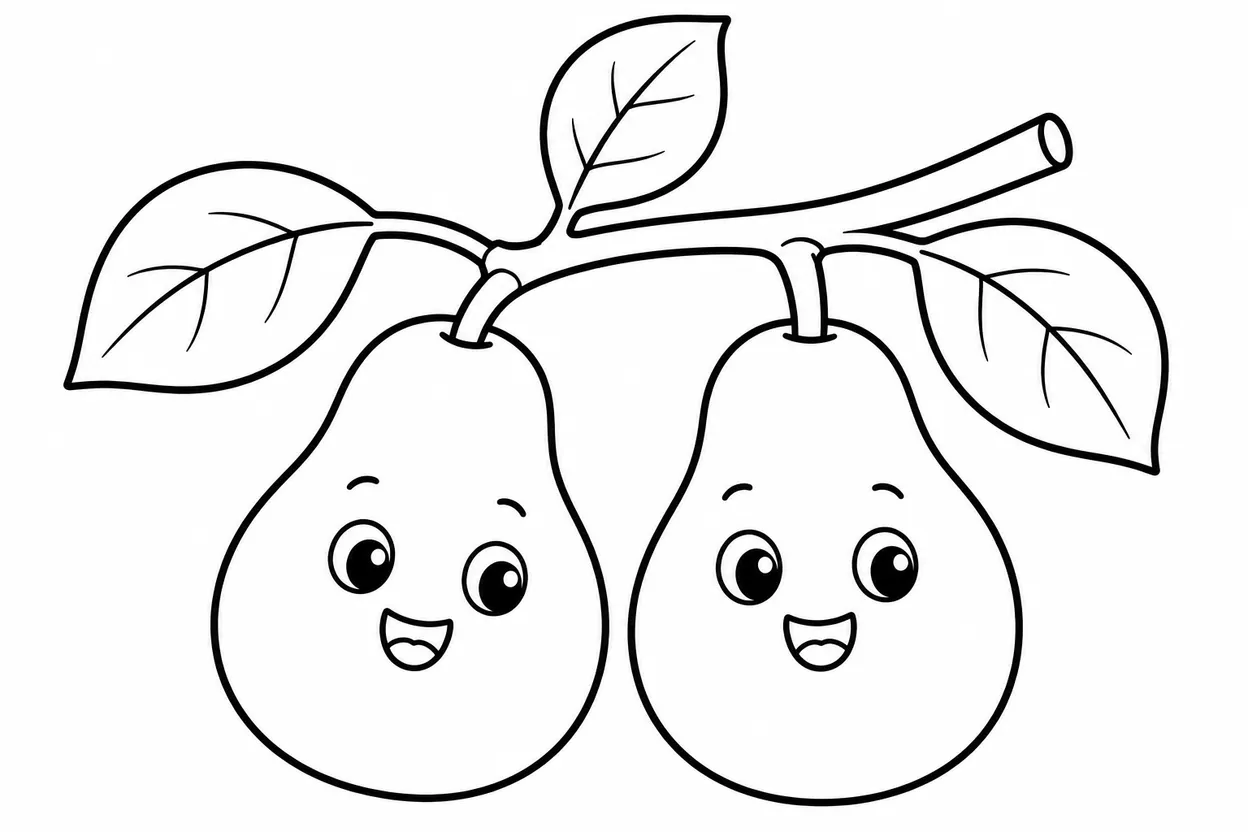

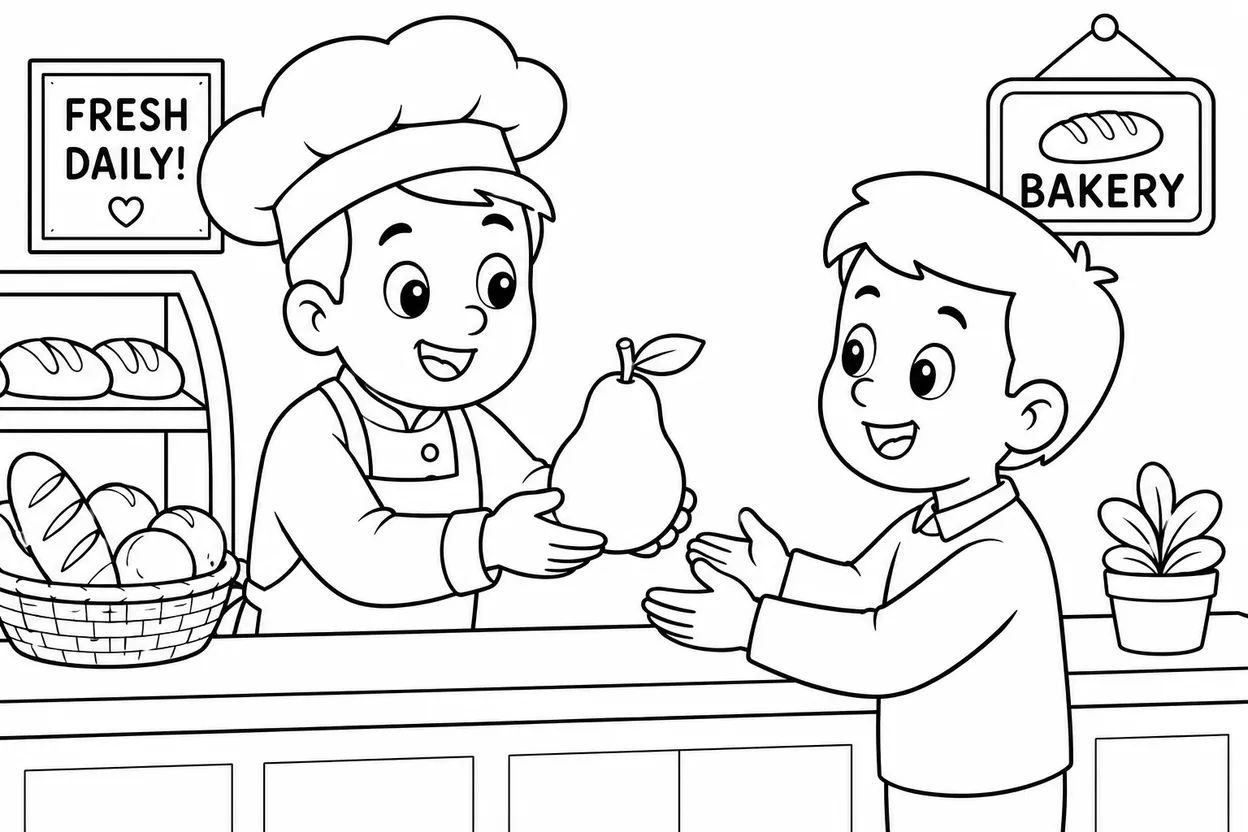
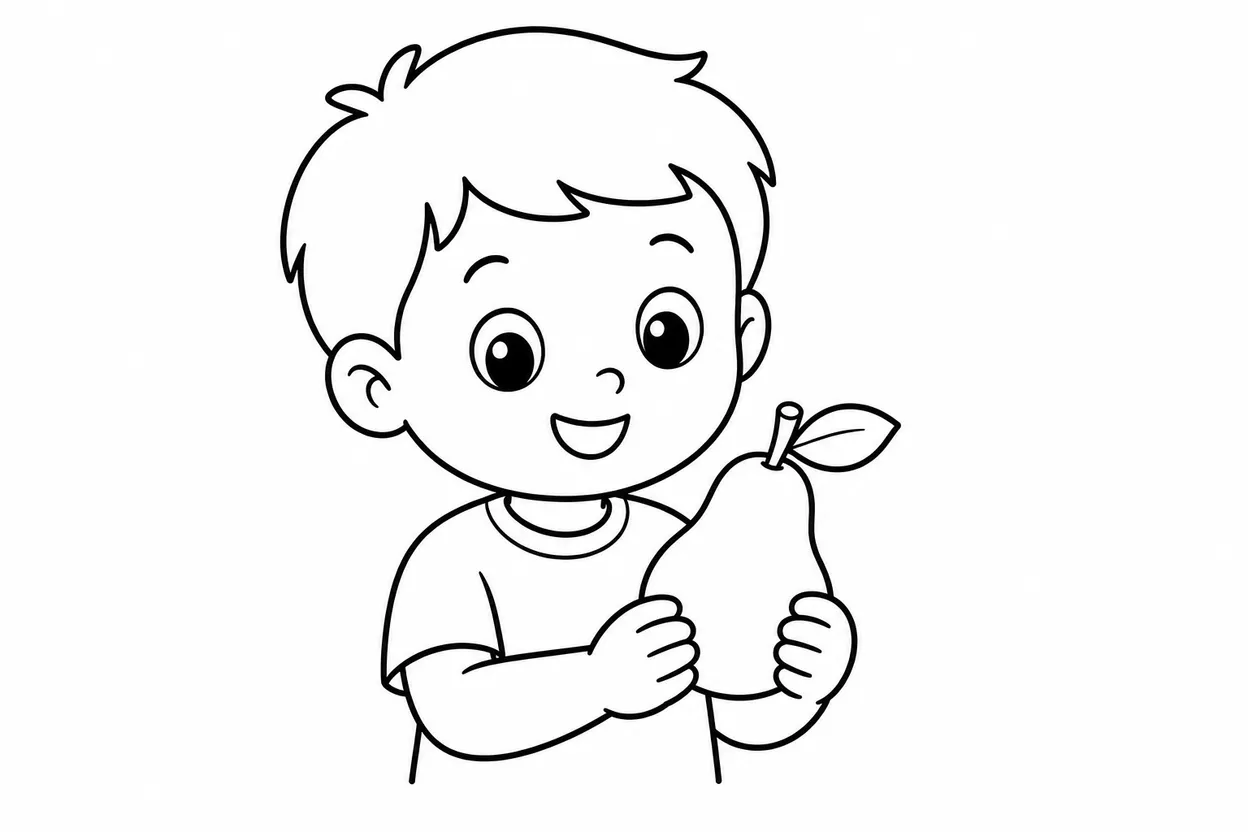
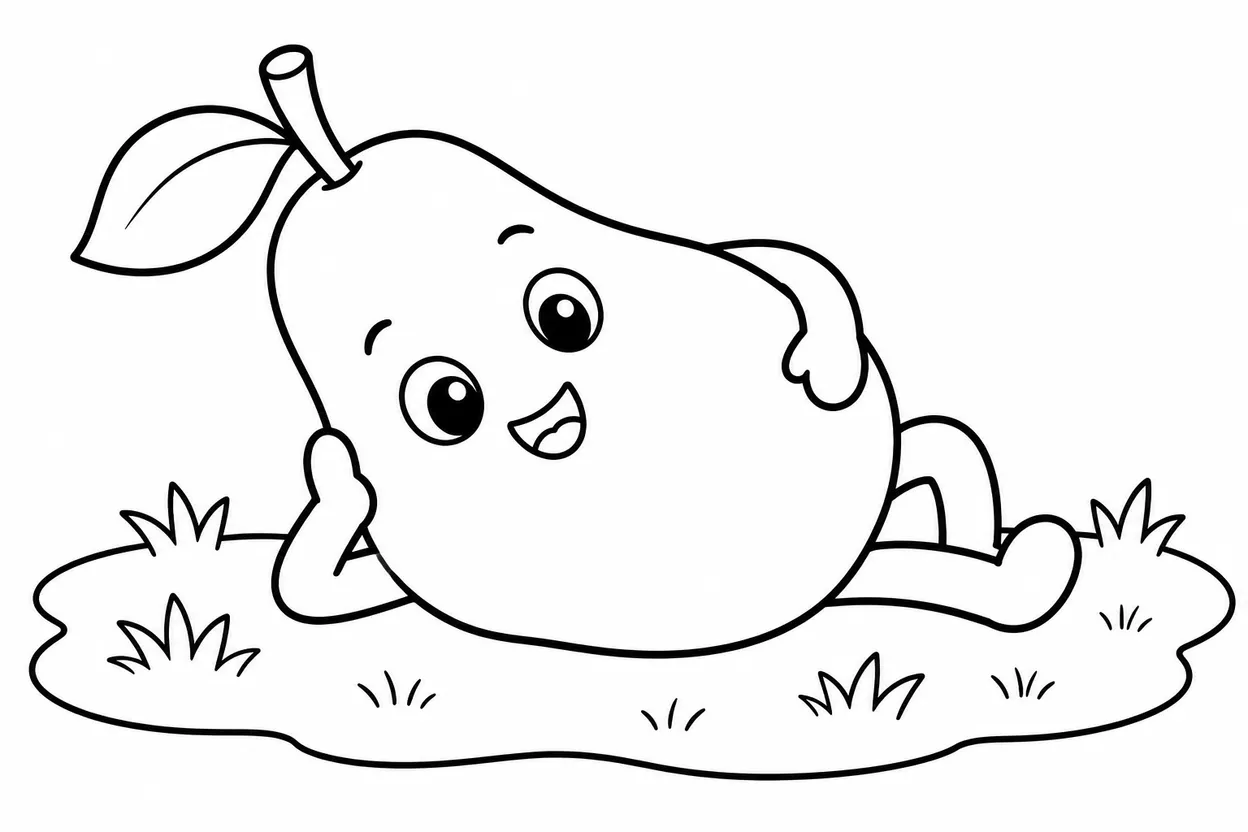
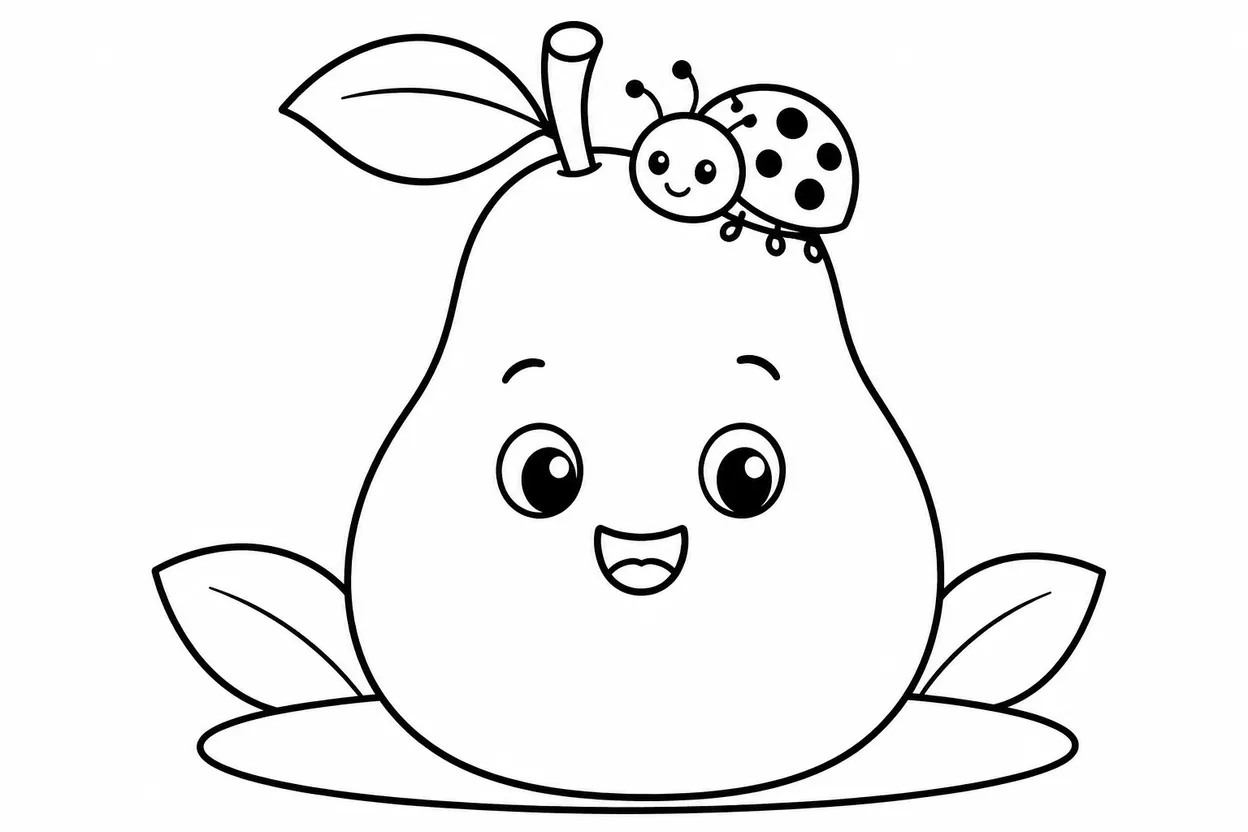
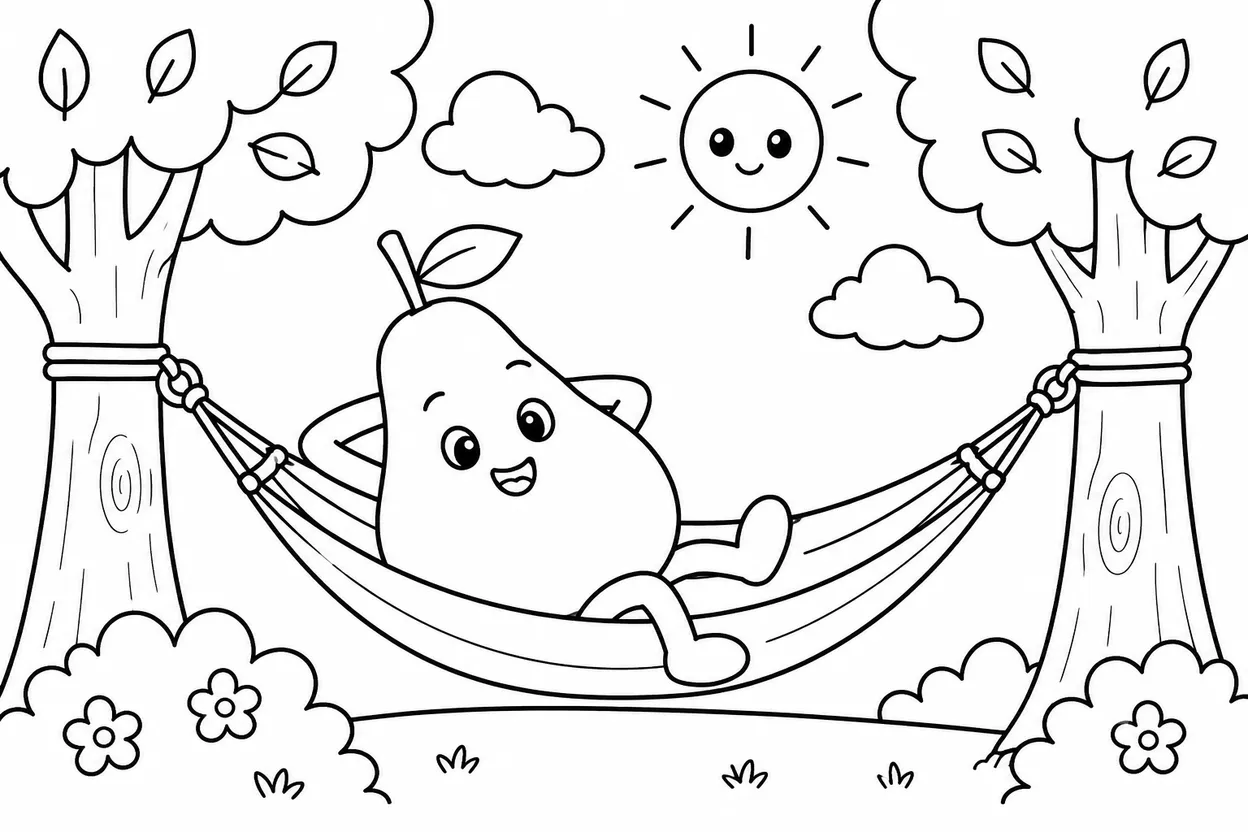
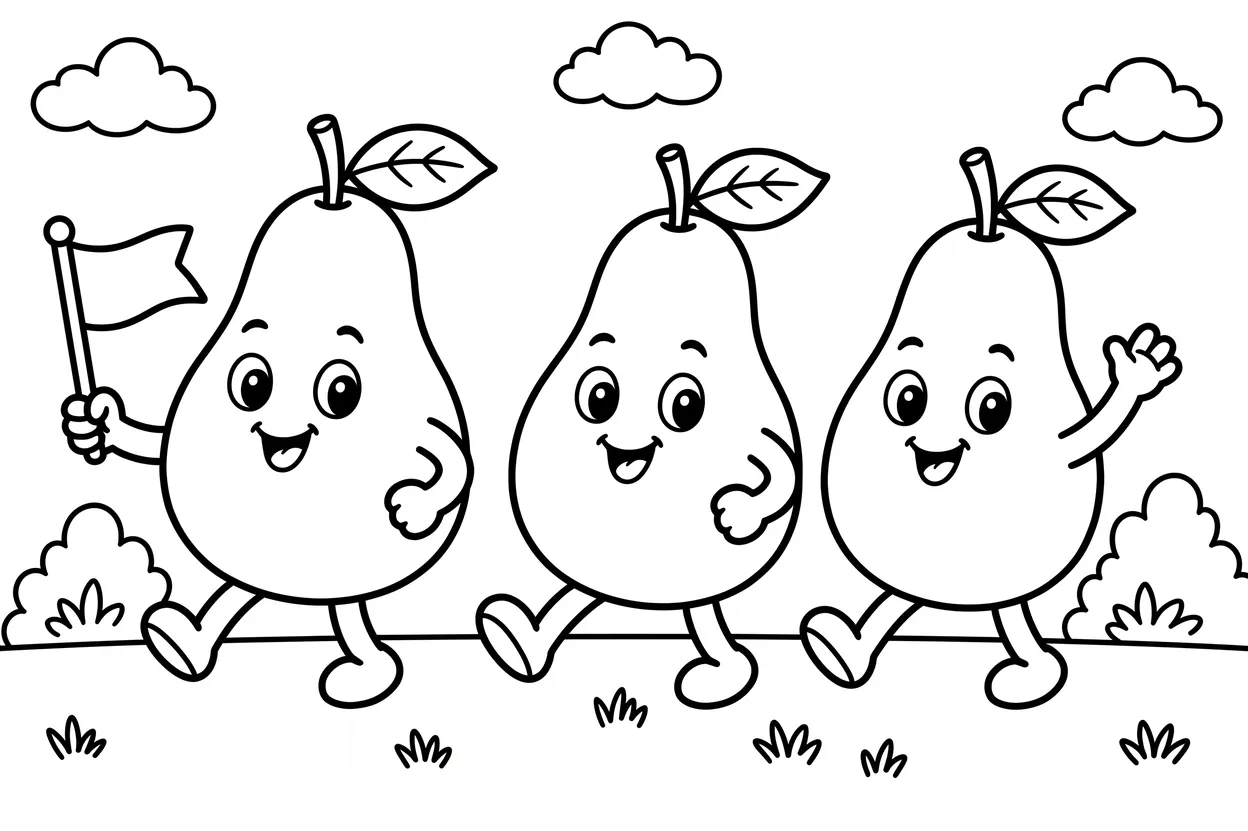
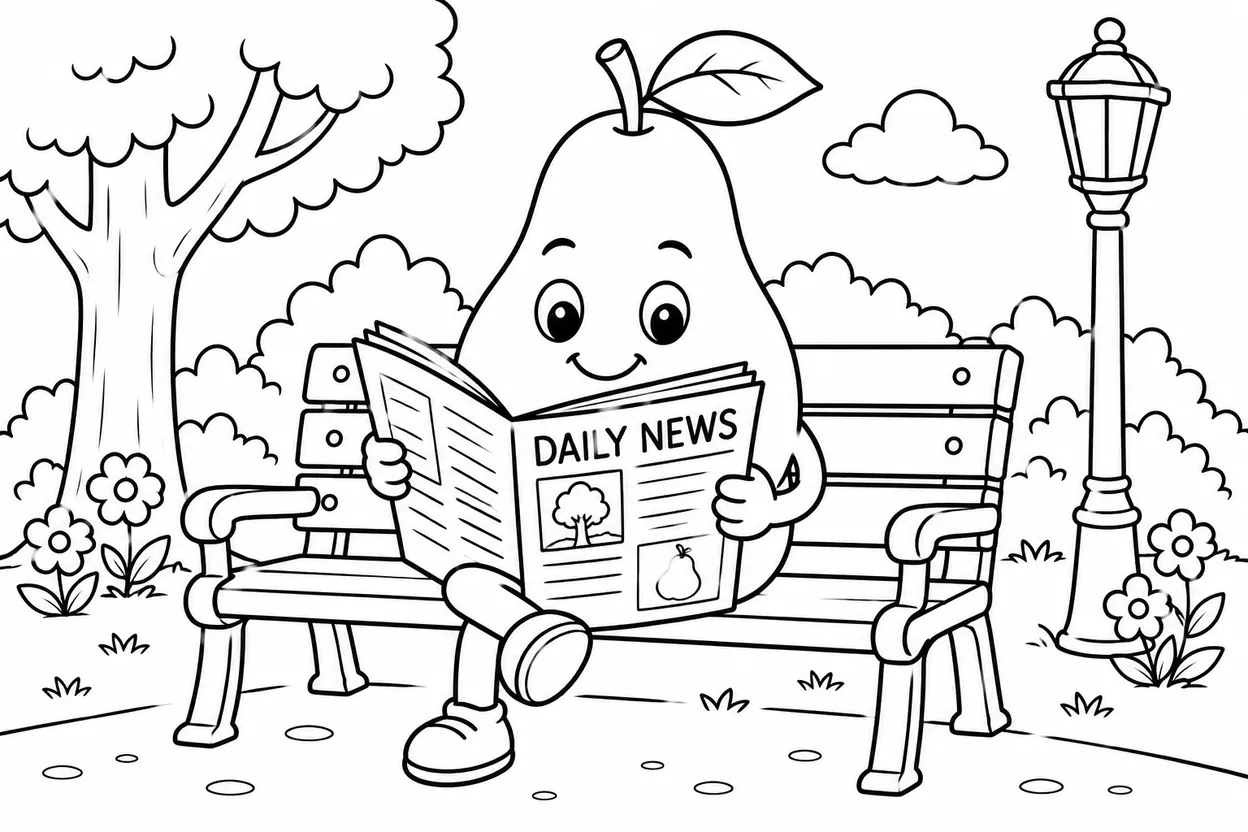
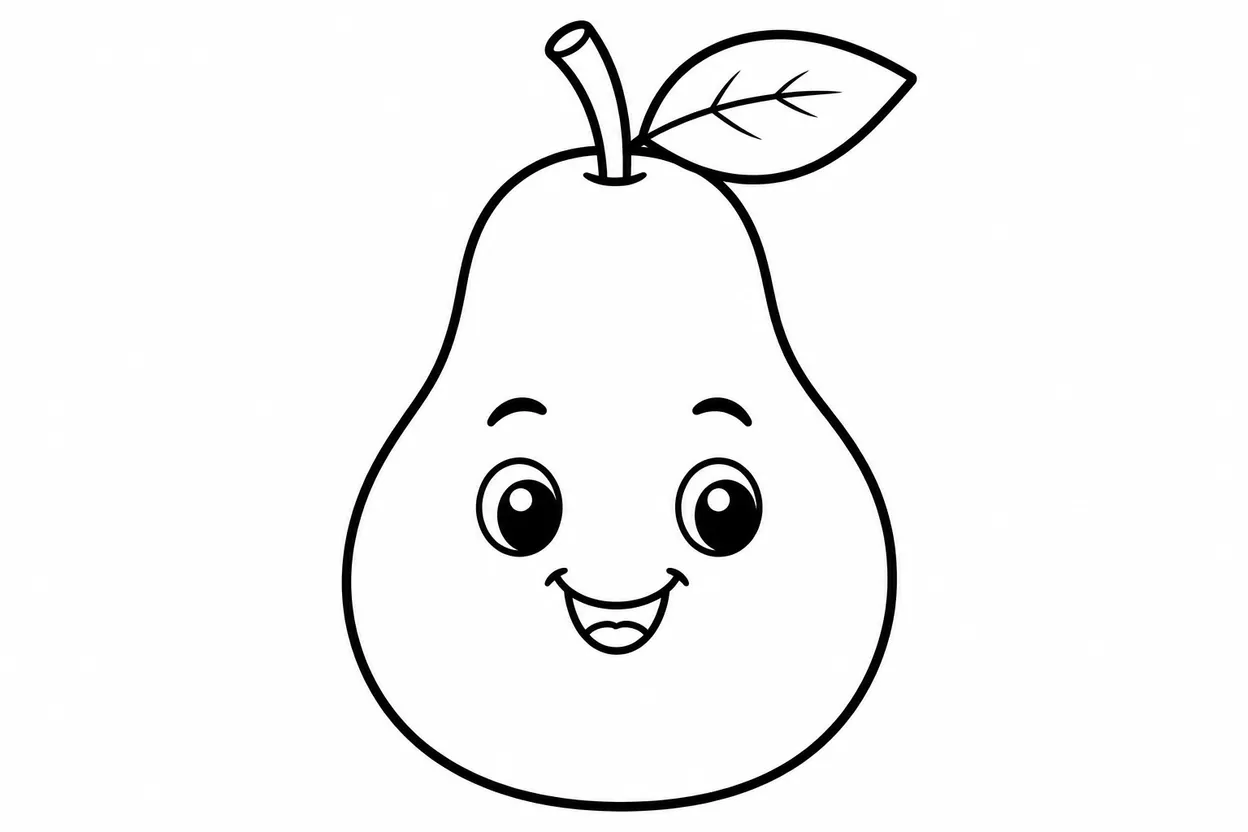
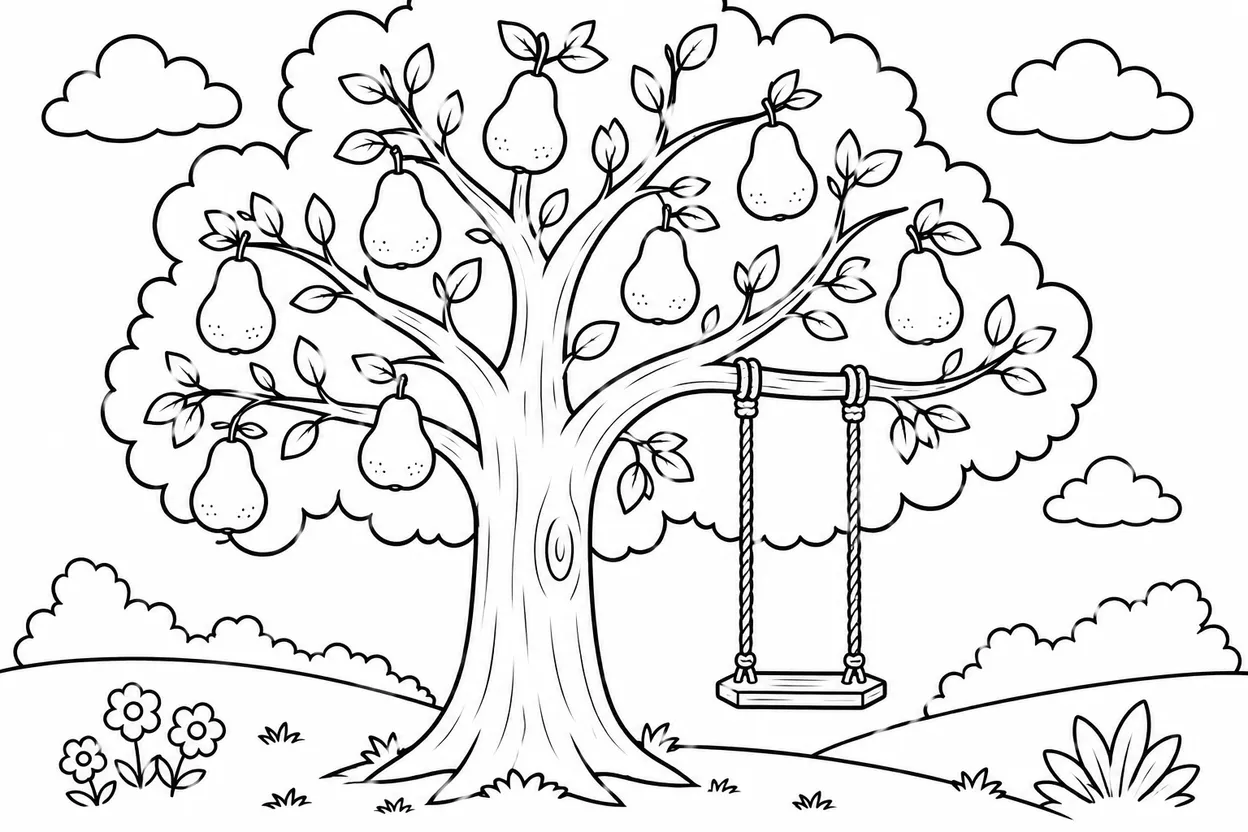
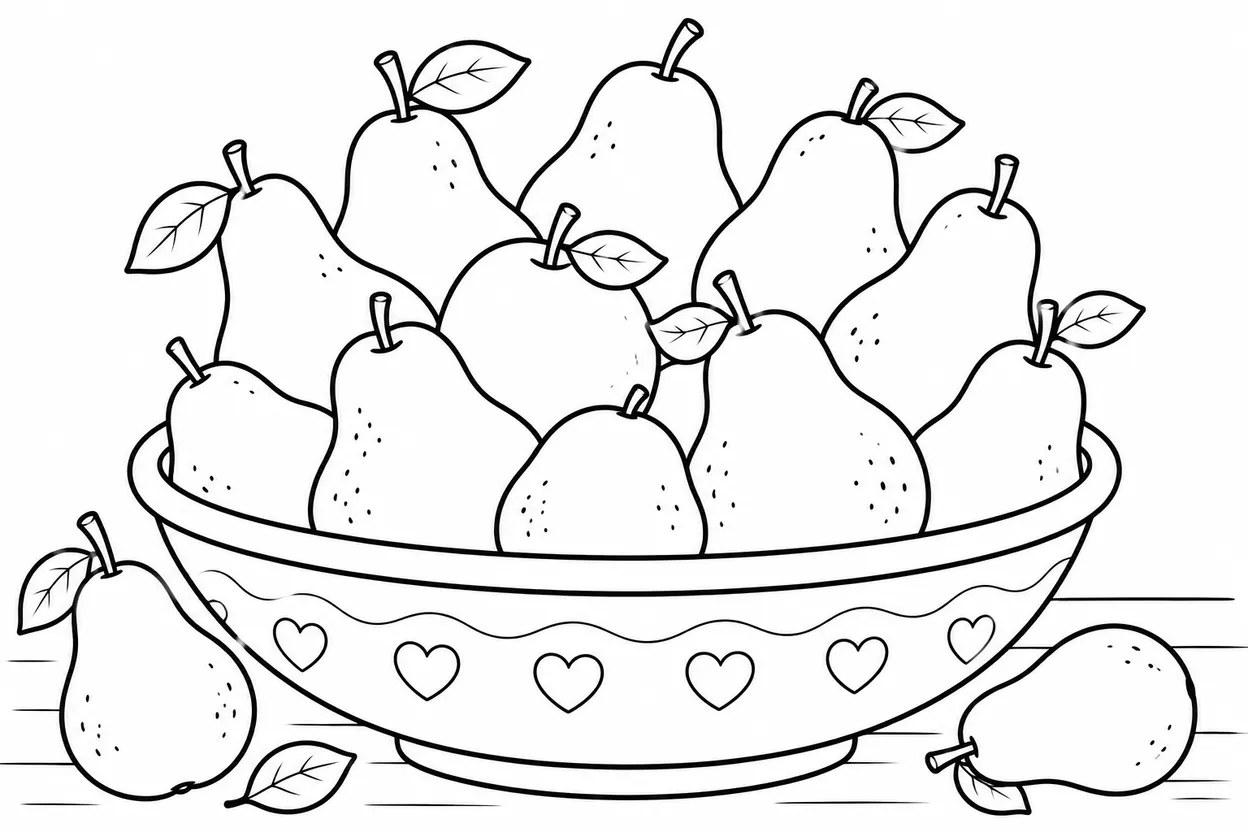
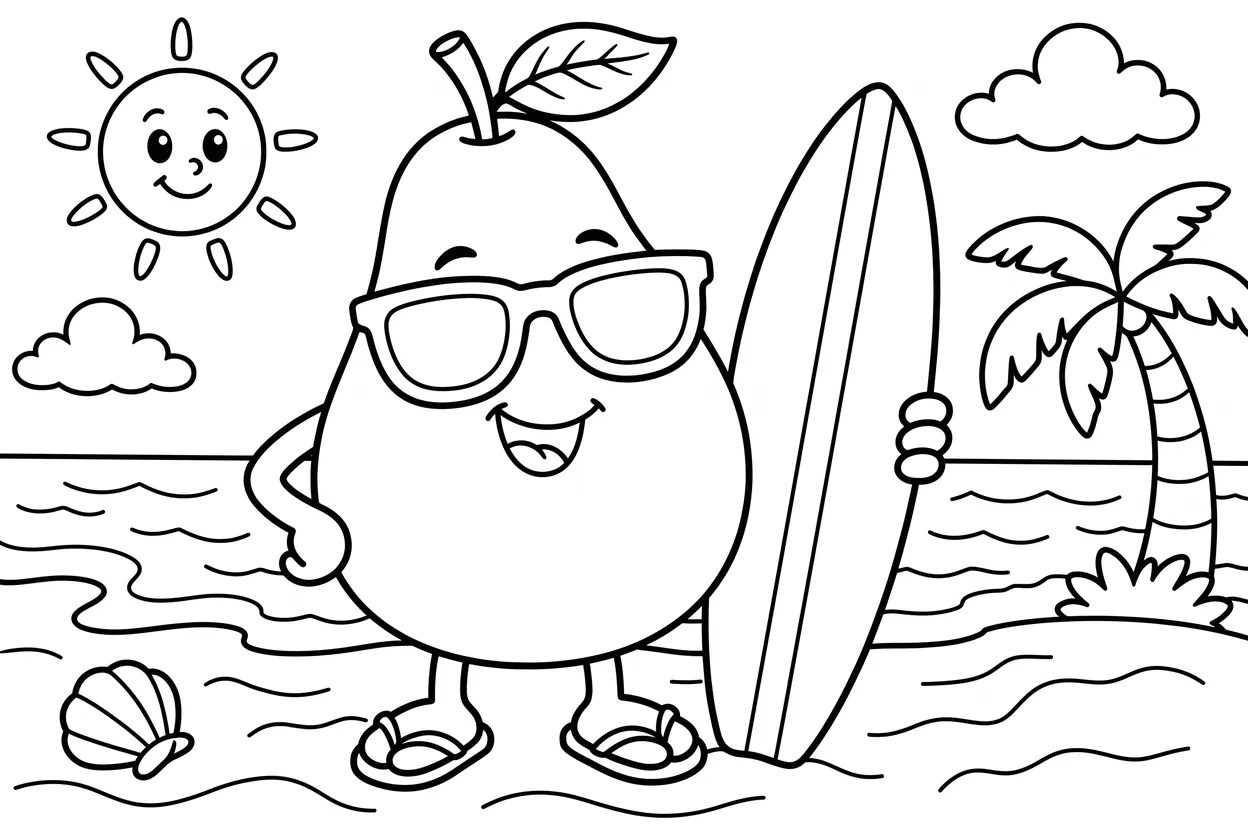
Pear coloring pages – delicious and ripe creativity
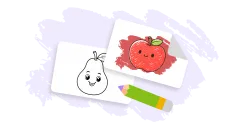
Some children prefer bananas, while others prefer apples. Pears, however, often become the versatile fruit that appeals to children regardless of their tastes.
The same is true of a pear coloring page – it is a versatile subject that is both accessible and engaging, providing plenty of room for experimentation and imagination. With Keiki, learning about fruit becomes a game for children aged 1–6. The pear’s unusual silhouette provides excellent practice for little fingers and growing imaginations.
Why kids love pear coloring pages
Children are often drawn to unusual shapes, and pears are especially appealing in this respect. While an apple or orange is usually represented as a simple, even circle, a pear has a distinctive figure.
Its narrow top with a playful stem and broad, heavy base make each pear coloring page resemble a plump fairy-tale character or a roly-poly toy. For children, this silhouette presents a genuine creative challenge.
What children learn from pear coloring pages
It may appear to be a simple outline, but it offers more benefits than a jar of fruit purée. Each pear coloring sheet can help develop the following skills:
- Working with complex shapes. Tracing a pear is more challenging than tracing a perfect circle. Its gradual narrowing towards the top requires the hand to move in a new way, developing fine motor skills and preparing the child to hold a pen confidently before school.
- Expanding vocabulary. Children learn to distinguish fruits visually. You can discuss how a pear differs from an apple, what it tastes like, and whether its skin is smooth – all of which supports speech development.
- Spatial thinking. Children learn to understand the boundaries of an object. By coloring the small leaf, stem, and fruit separately, they see how different elements combine to form one complete picture.
Fun activities to try with pear coloring pages
A pear has an unusual shape, so it deserves an unusual activity that goes beyond ordinary coloring.
Print several pear coloring pages and invite your child to become a “fruit designer.” Let them color the pears with markers, then add funny faces, arms, or even hats. The plump fruits can become characters in your own fairy tales and stories.
While preparing a fruit salad or baking a pie, place a printed sheet in front of your child and ask them to color the pear using the same shades they can see on the cutting board.
To develop tactile awareness, create a raised appliqué. Instead of using pencils, invite the child to fill the outline with soft modelling clay or pieces of yellow colored paper.
People often ask
Our coloring pages are designed for children aged 1 to 6. The large, recognizable shape is ideal for the first strokes made by children aged 1–2, while older preschoolers may enjoy working with shadows, gradients, and small leaves.
Visual familiarity is the first step towards developing an interest in food. While coloring the fruit, a child becomes accustomed to its appearance. This can reduce reluctance towards unfamiliar foods and make the child more willing to try a piece of real pear after coloring one.
Yes, they are a useful resource for teachers and parents. When exploring autumn harvests or healthy eating, these coloring pages can be used as visual learning materials. While children draw, discuss where vitamins come from and why fruit gives us energy.
Yes, our coloring pages are free. You can download many printable coloring pages in PDF format and practice coloring them with pencils or markers.