

About this collection
Free printable rocket coloring pages for kids — print and color
Rocket coloring pages featuring space rockets, launches and spaceships kids adore. Ideal for classrooms, parties and cozy afternoons at home.



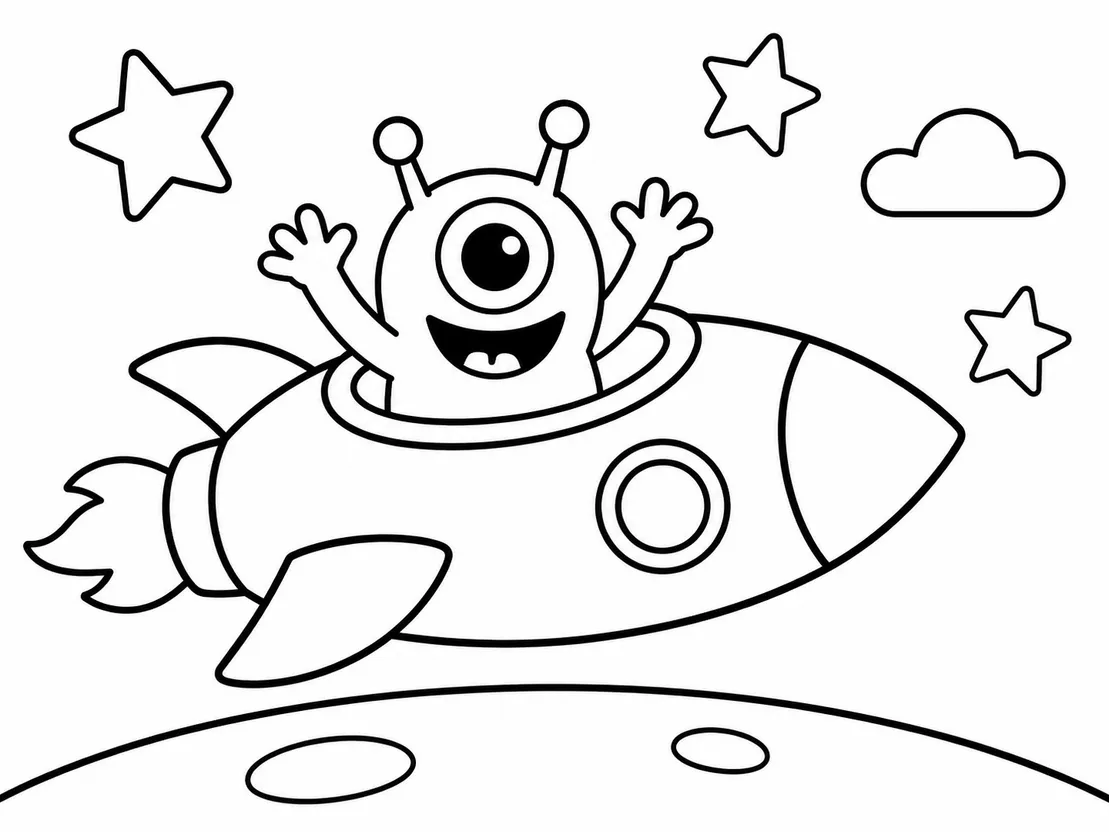
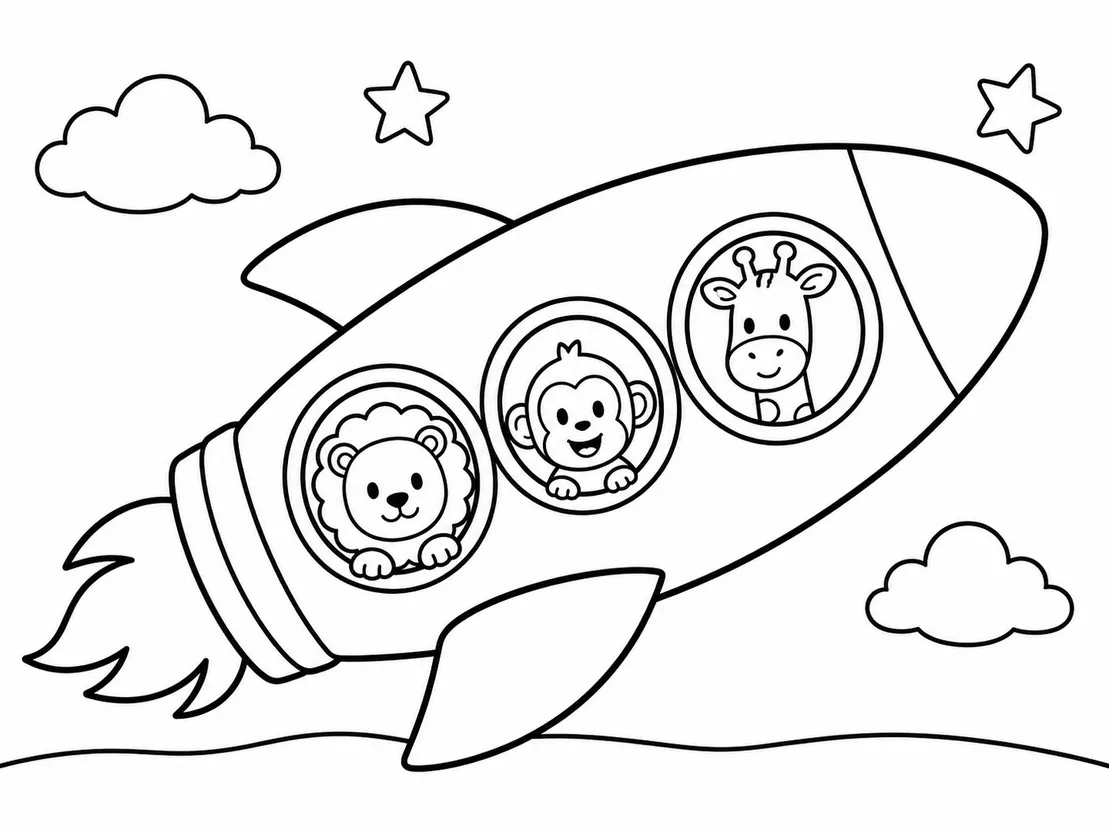

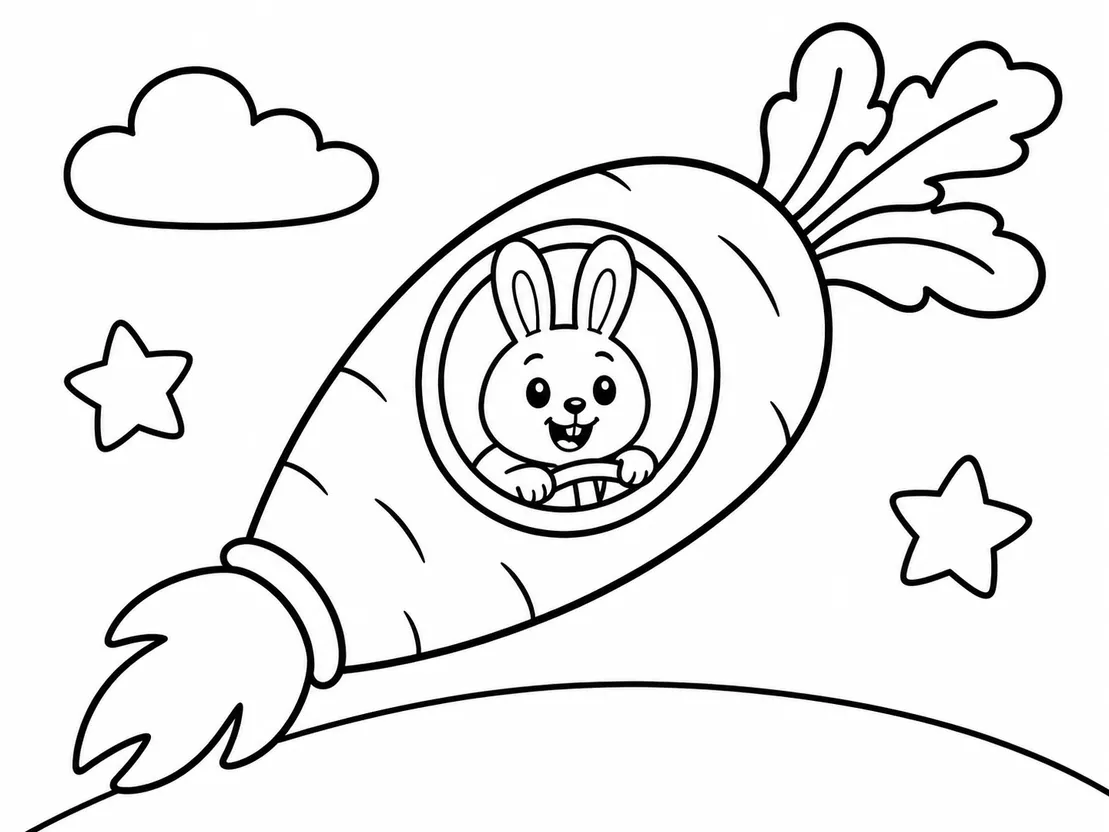
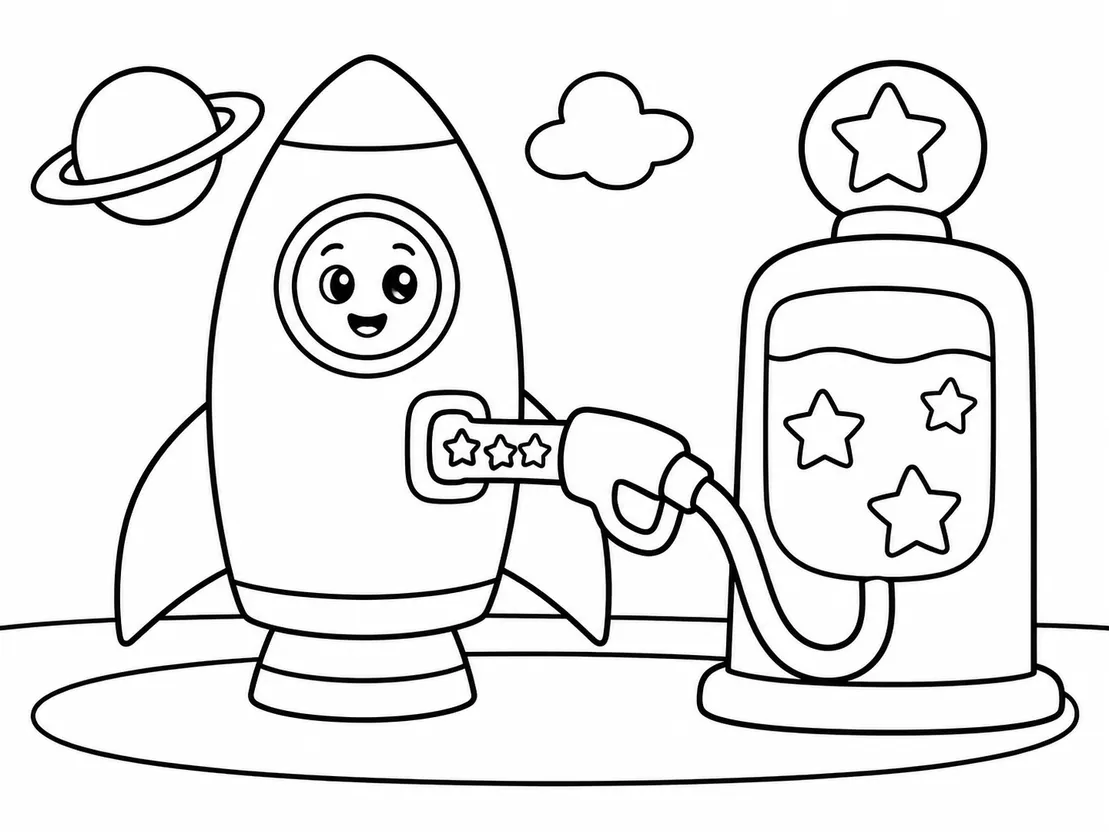
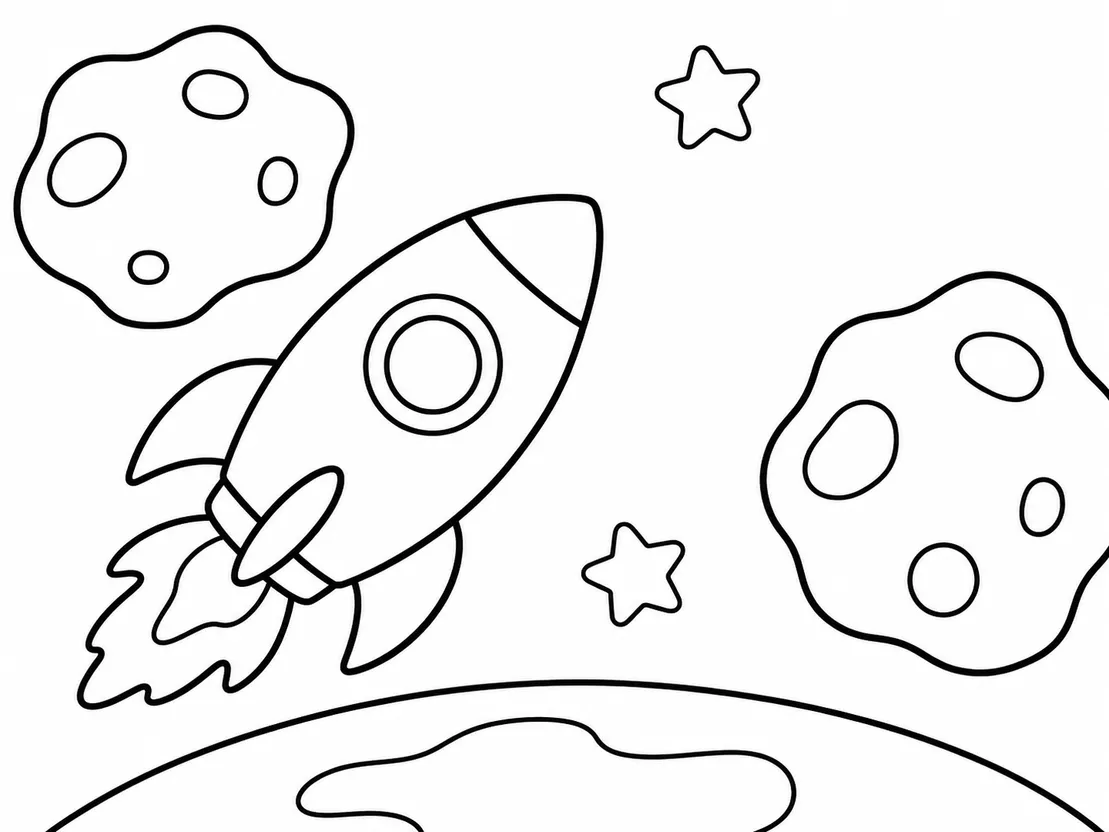
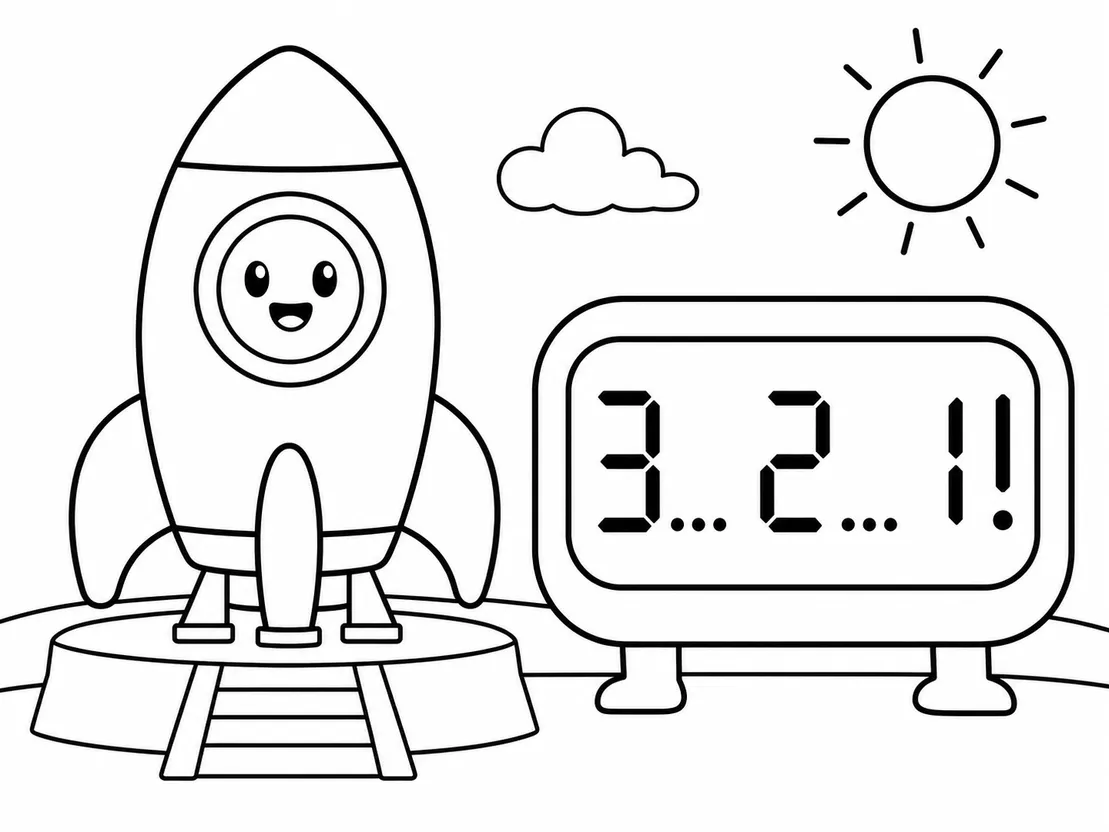

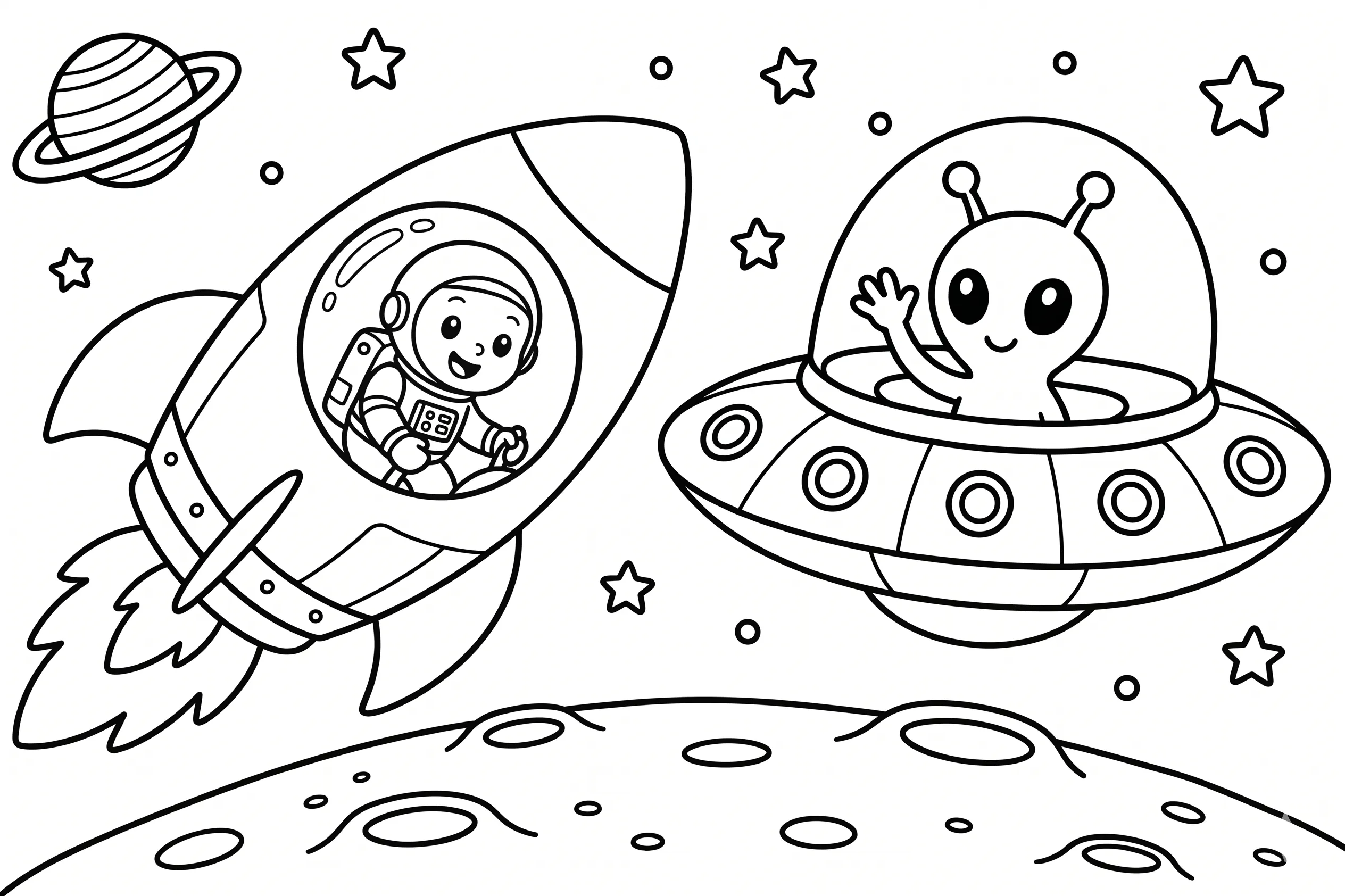
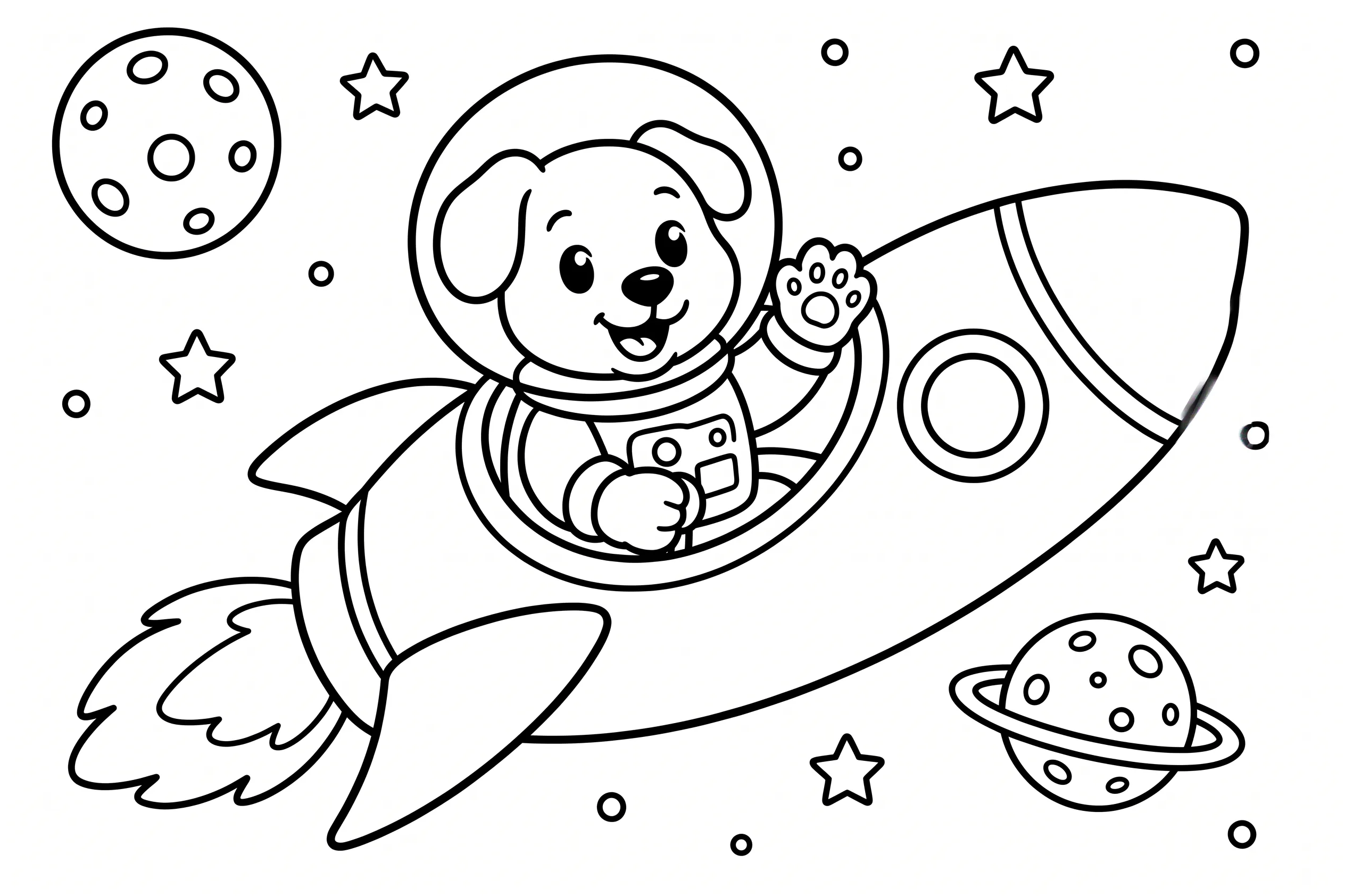
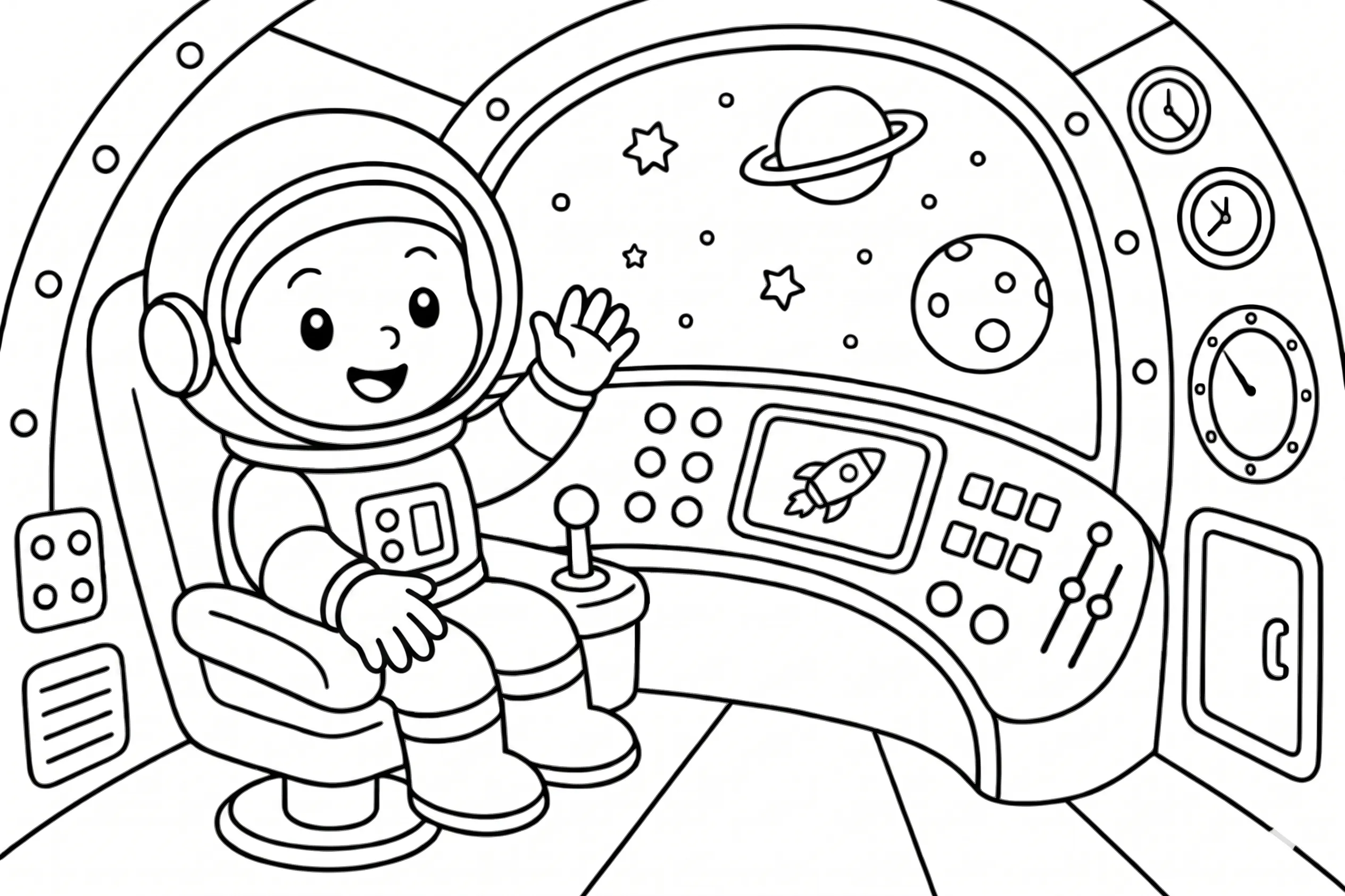
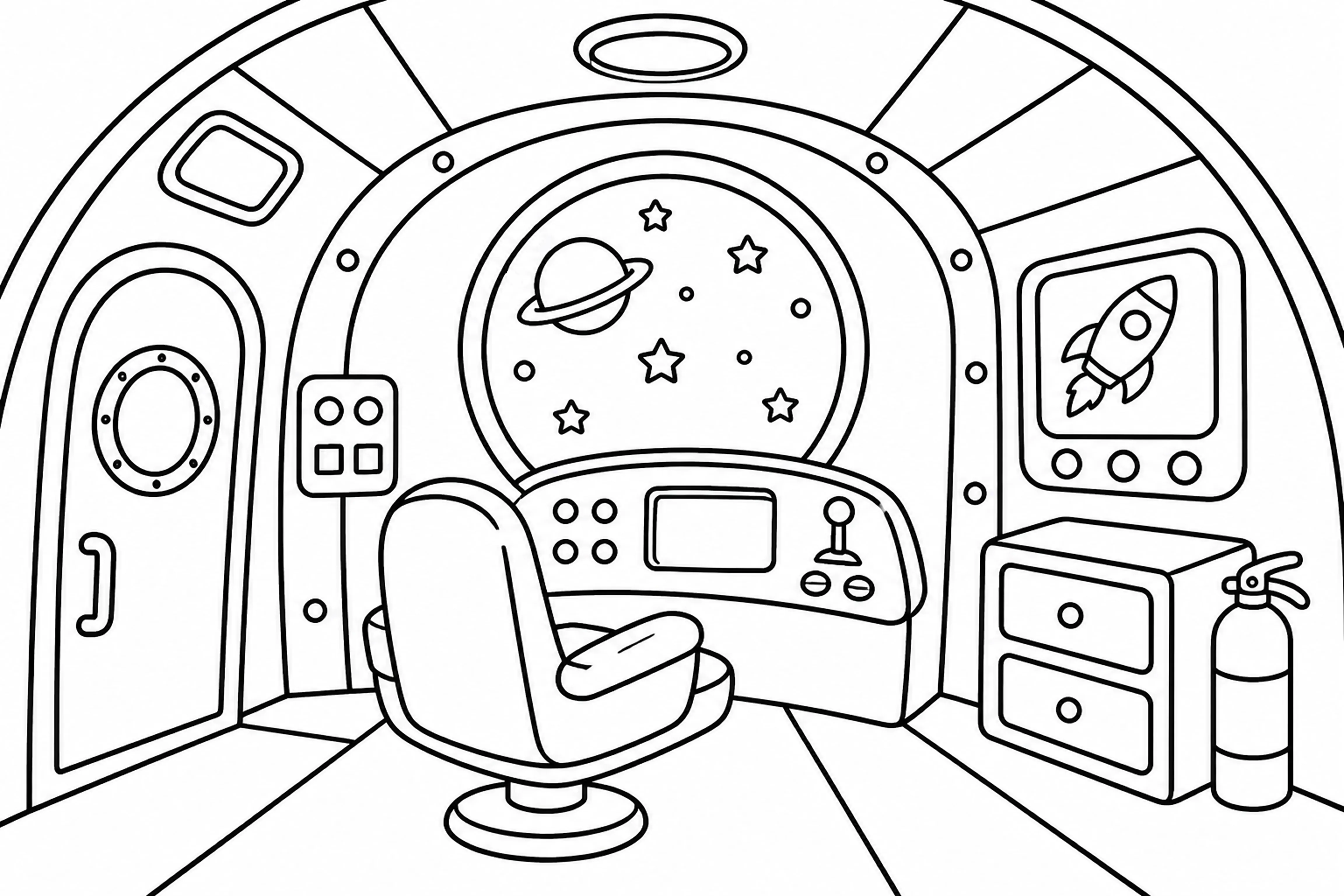
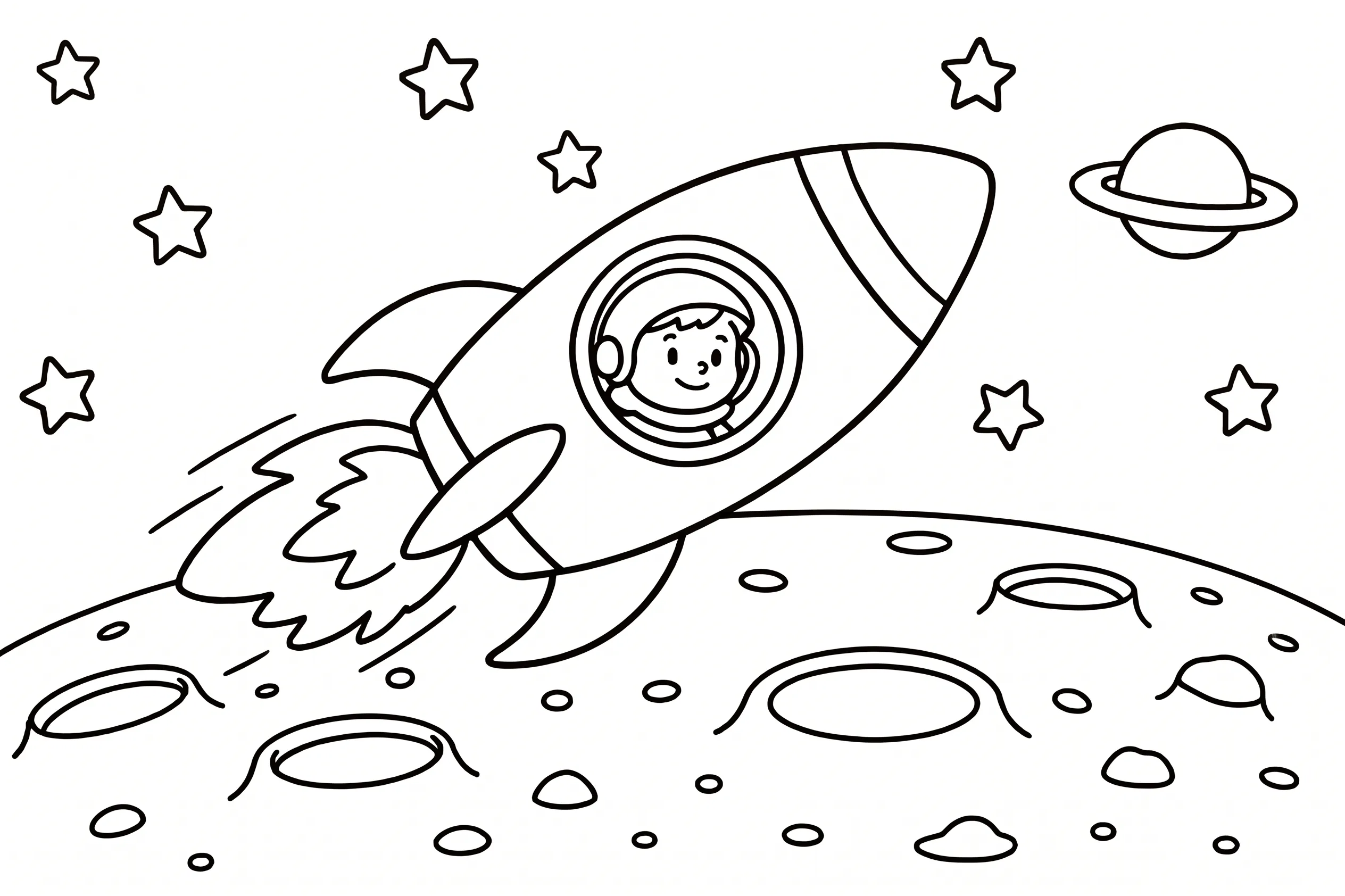


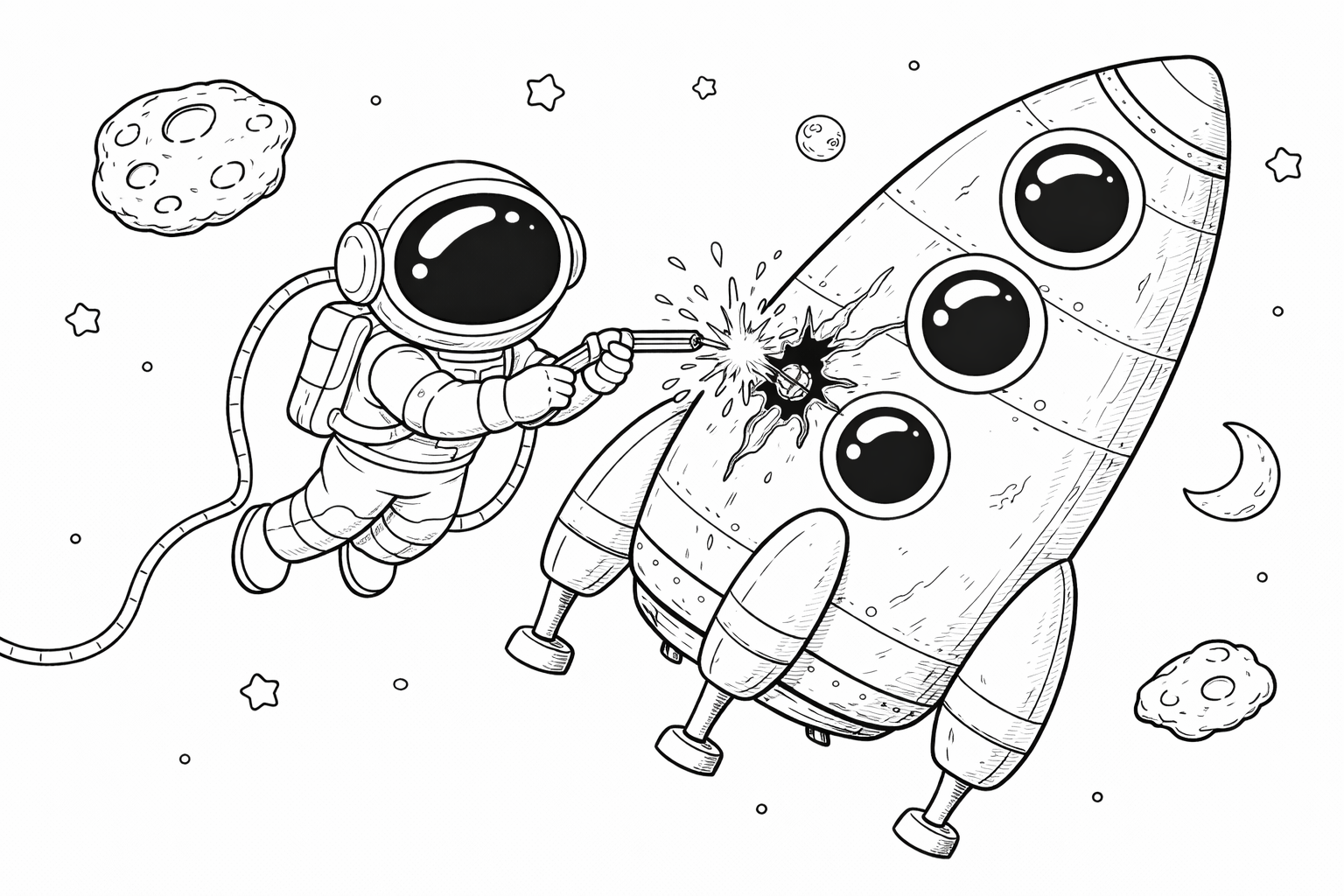
Rocket coloring pages – an entry ticket to endless space
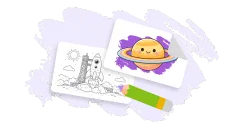
The world of space has always fascinated children. Mystery, scale, beauty – it is impossible to resist. And among all of this, a rocket flies as the main symbol of striving for the stars. It is more than just another type of transport, because it seems dangerous and accessible at the same time, and it attracts with a small but real chance that when you grow up, you might board it and see Earth through a porthole. That is why rocket coloring pages are a true launch of imagination, helping a child feel like a discoverer of new worlds.
Rockets are an ideal tool for learning geometry
A rocket may be a complex engineering object, but for a child it is, first of all, a clear set of geometric shapes. A cylindrical body, triangular stabilizing fins, and a cone-shaped nose. Working with rocket coloring pages helps remember all these shapes and their names. During coloring, you can also discuss how the rocket works, its parts, and space itself.
Preparing for school – easier than at NASA
If a child wants to become an astronaut and fly a rocket, sooner or later parents explain that this is a difficult path requiring long and far from easy study. The paradox is that our rocket coloring pages, on the contrary, help develop useful skills simply and through play. With them, a child can:
- train neatness and precision;
- give freedom to imagination and fantasy;
- learn colors and words;
- train fine motor skills and prepare the hand for writing at school.
Space teaches big-picture thinking. Today a child colors a small rocket on paper, and tomorrow becomes interested in how planets work, why the sun shines, and how people live on spacecraft.
People often ask
Rocket coloring pages become relevant literally from 1–2 years old, but children start seriously thinking about how rockets work from around age 3.
Any that seem interesting and appealing to the child. At an early age, even very bright and unrealistic shades are perfect for experimentation.
Yes. A rocket is often shown at an angle, directed upward, which helps a child understand perspective and direction of movement. Coloring pages can also be used to memorize directions.
Yes, this is a great idea. After coloring rocket coloring pages, add glitter glue to stars or portholes – this creates a magical shimmering effect of distant galaxies.
Colored pencils work best for the rocket itself, as they allow details to be drawn clearly. For the background, wax crayons or gouache are suitable. A dense dark background around the rocket can be done with any paints or markers.