

About this collection
Download free learning coloring pages for kids — print instantly
These learning coloring pages bring letters, numbers and shapes to life. Print instantly and spark imagination one crayon at a time.
Most popular learning & activities coloring pages
Hand-picked by parents from our library of 148+ designs.

Alphabet coloring pages
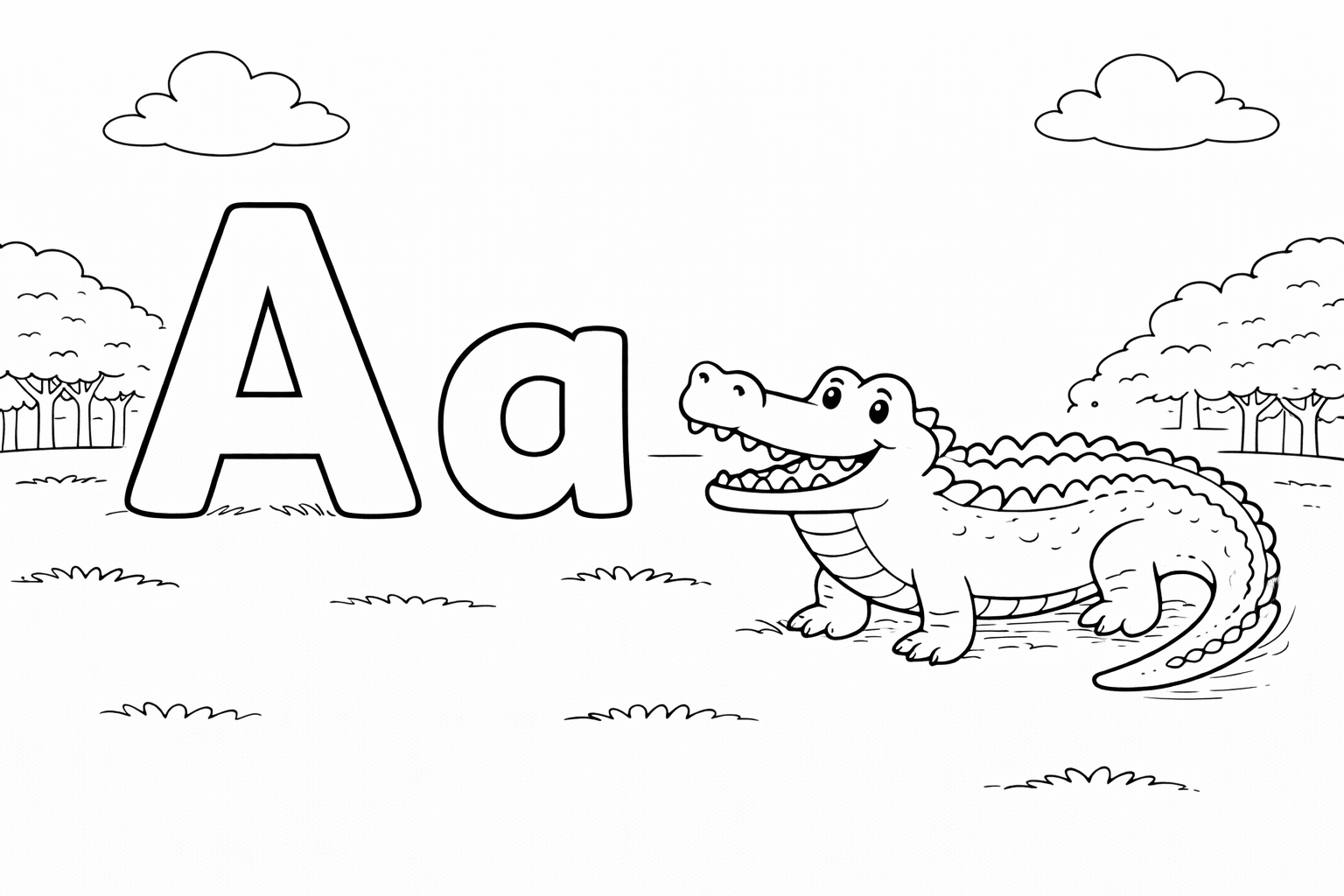
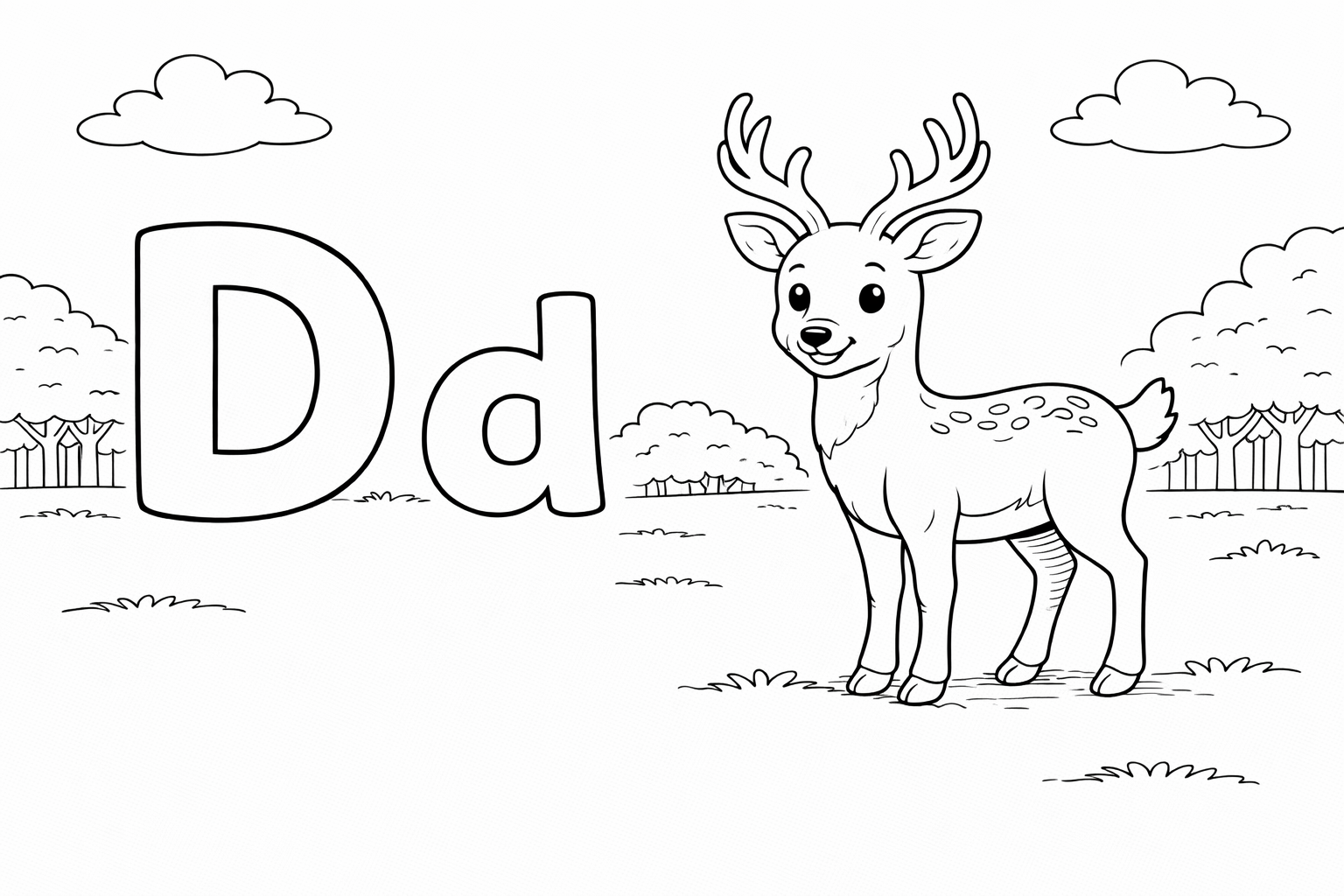
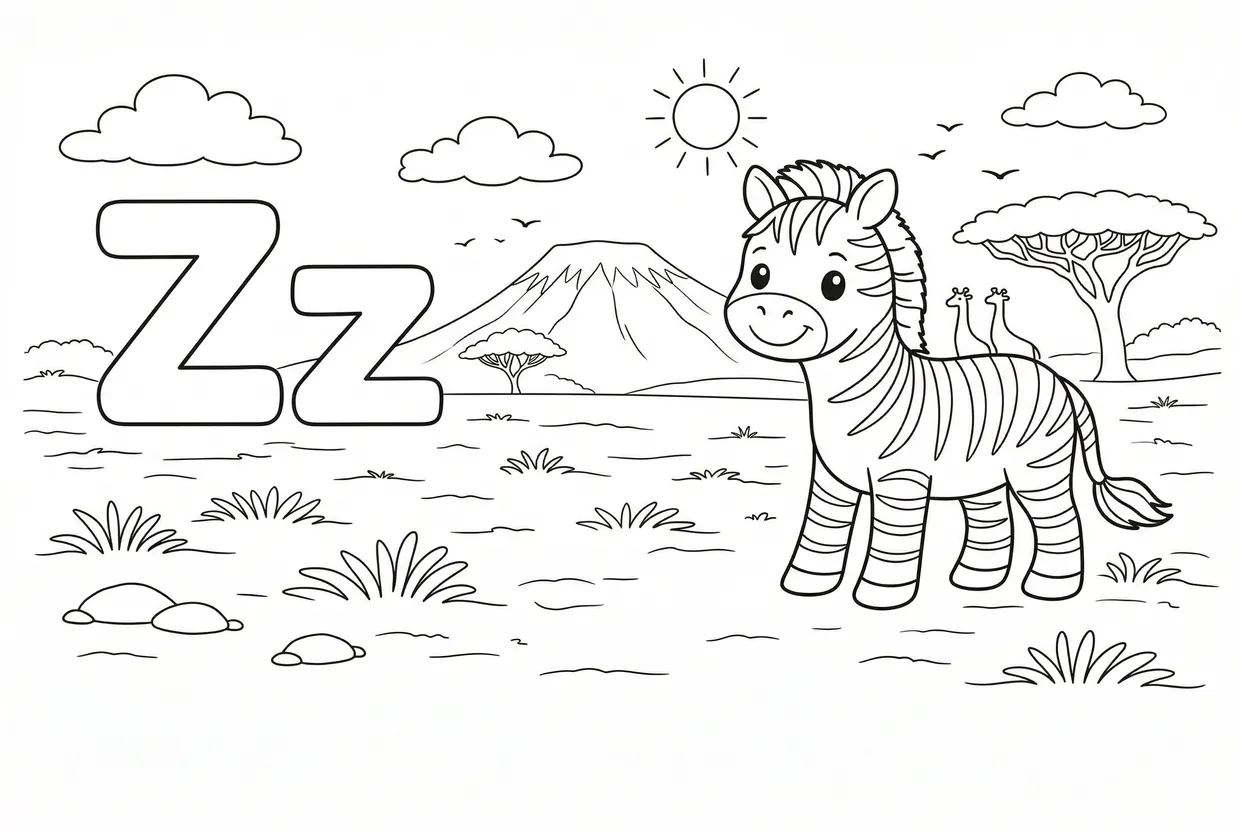
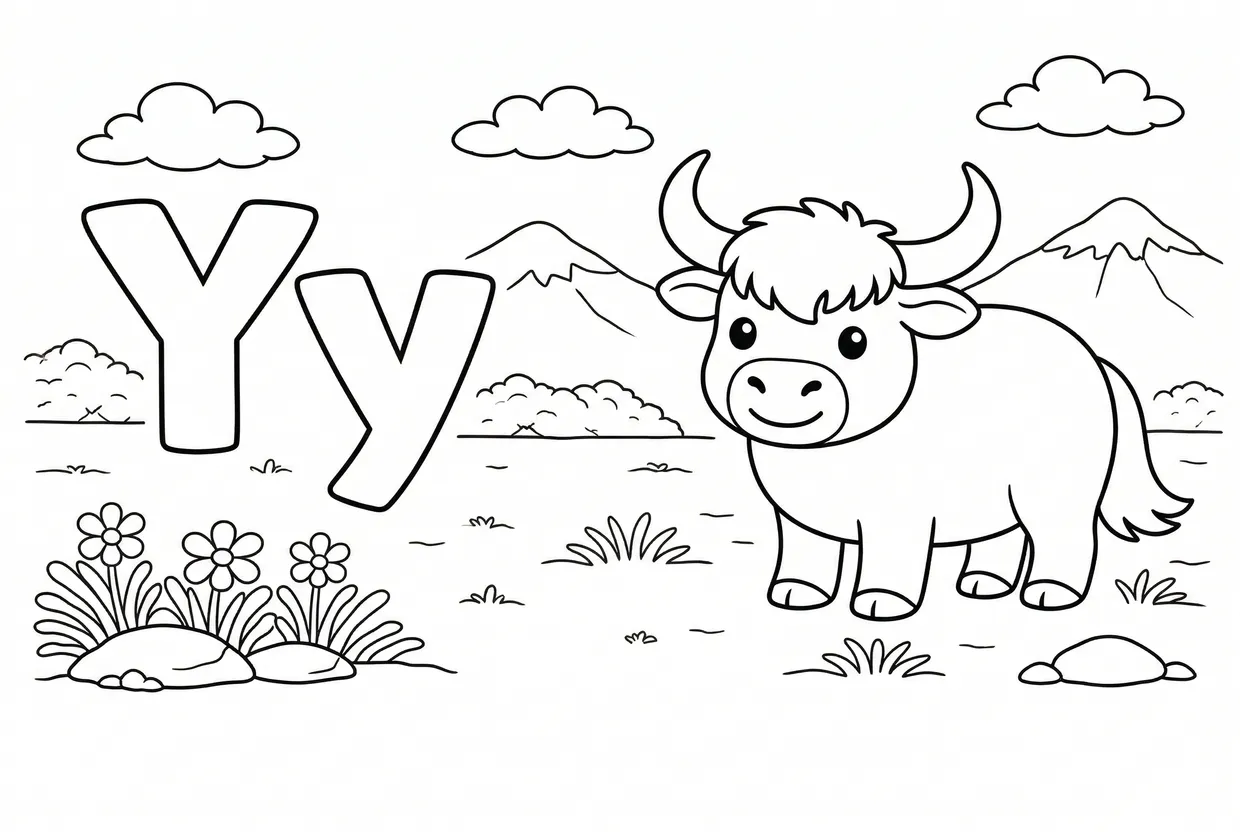
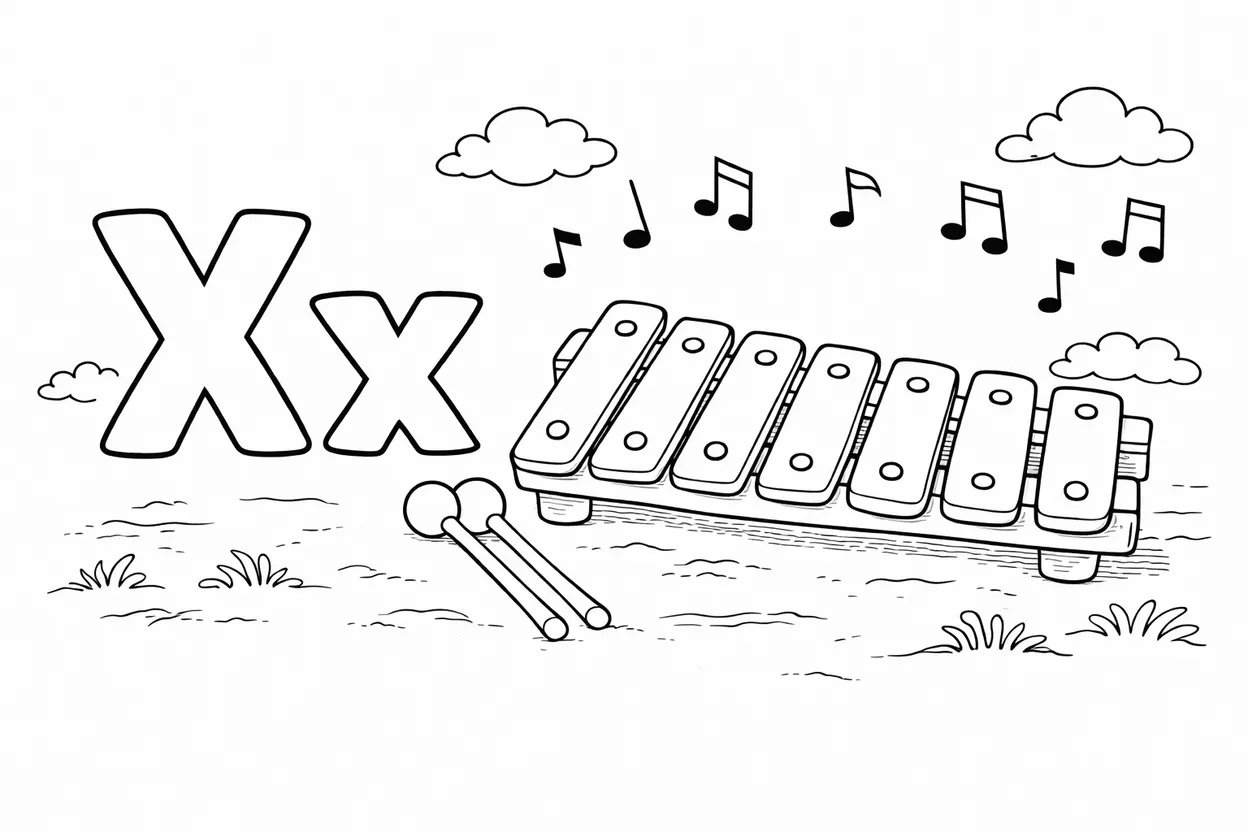
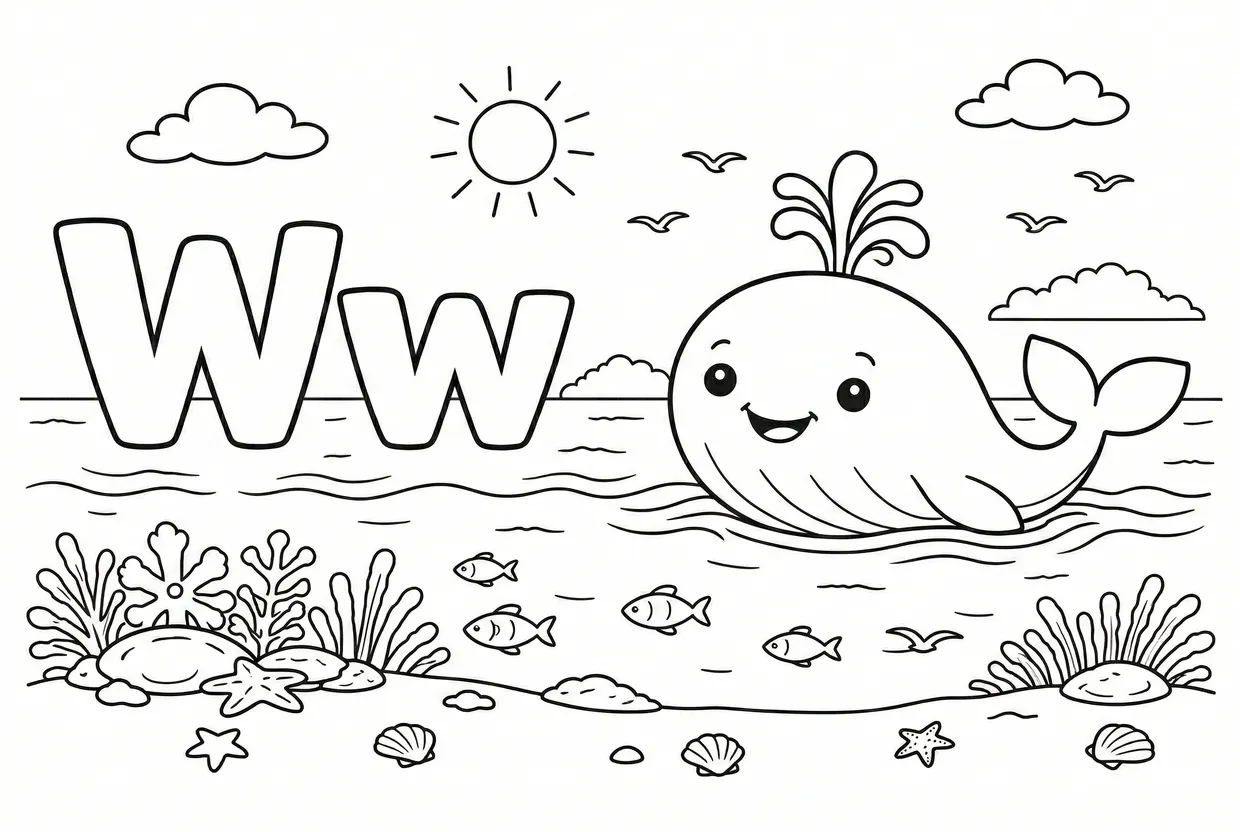
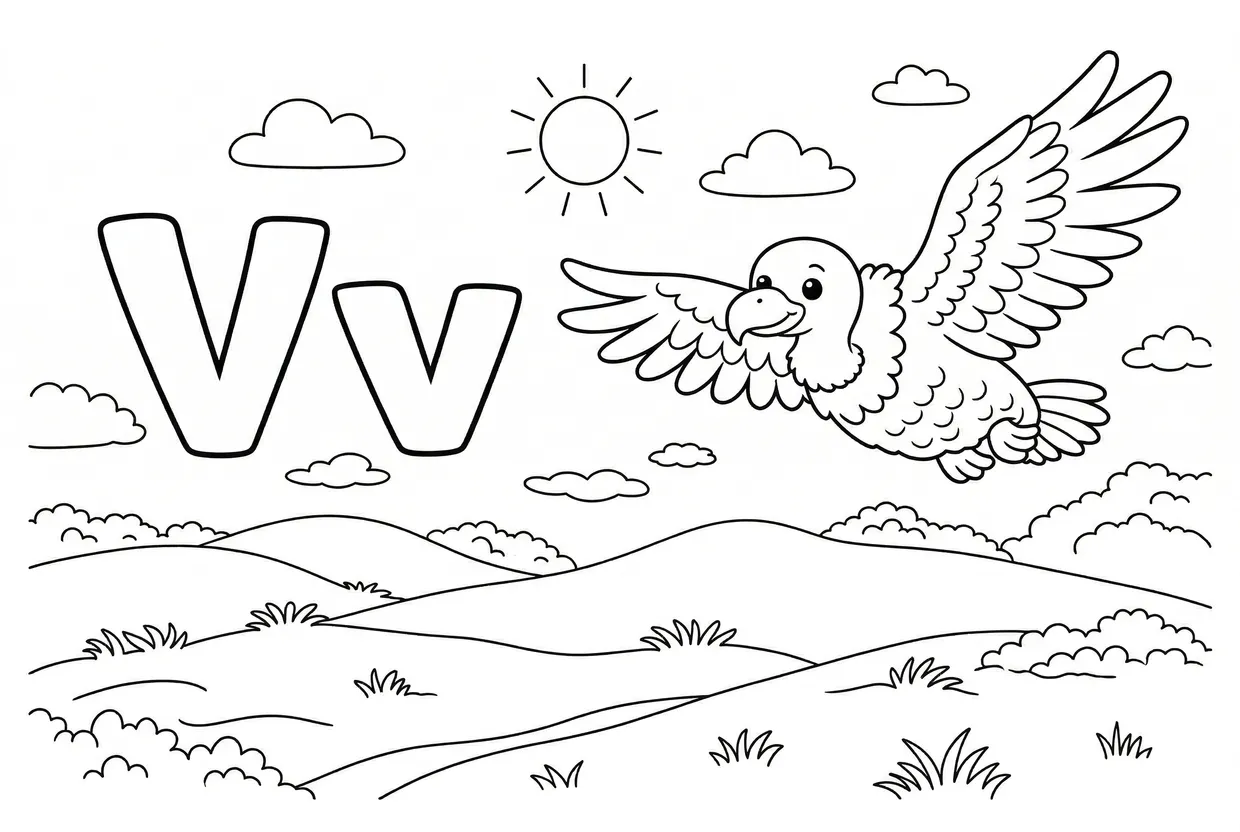
A, B, C, color with me! These alphabet coloring pages help kids learn their letters while coloring fun pictures for every letter A to Z.
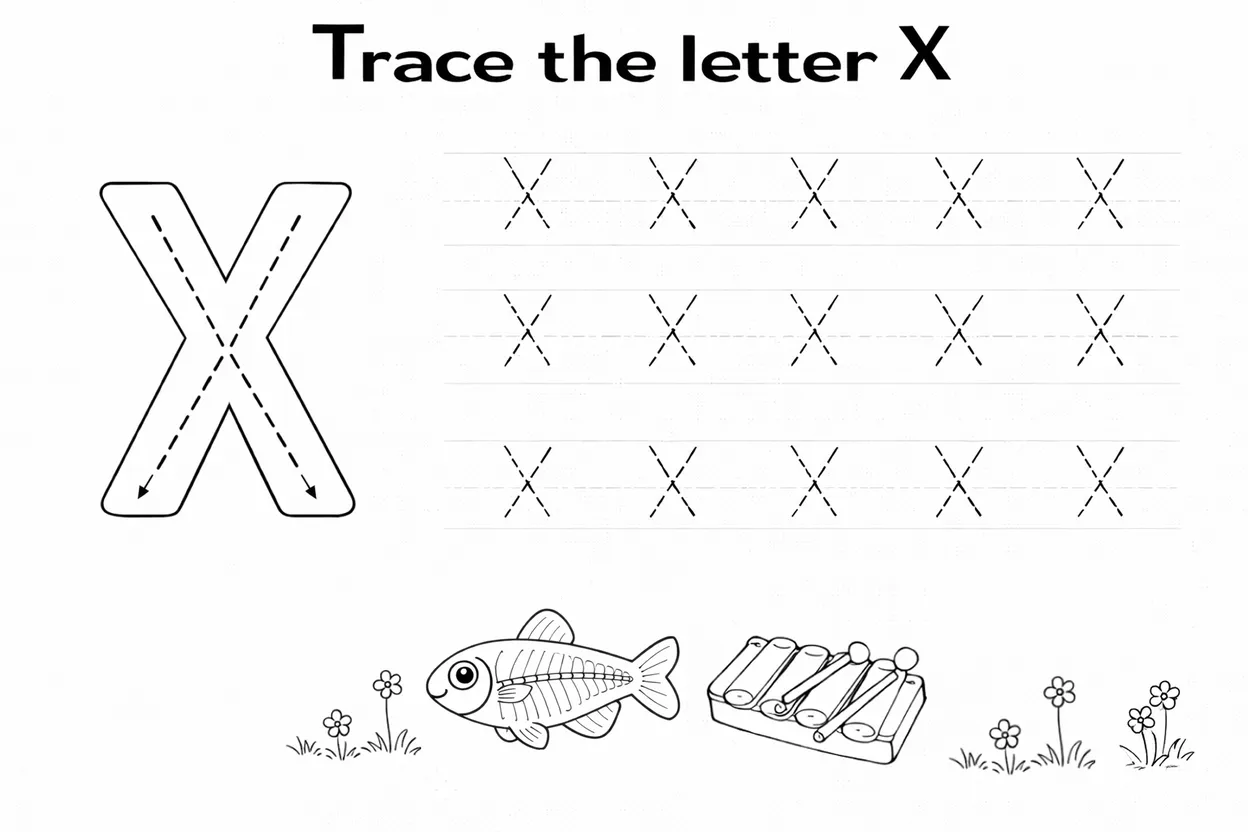
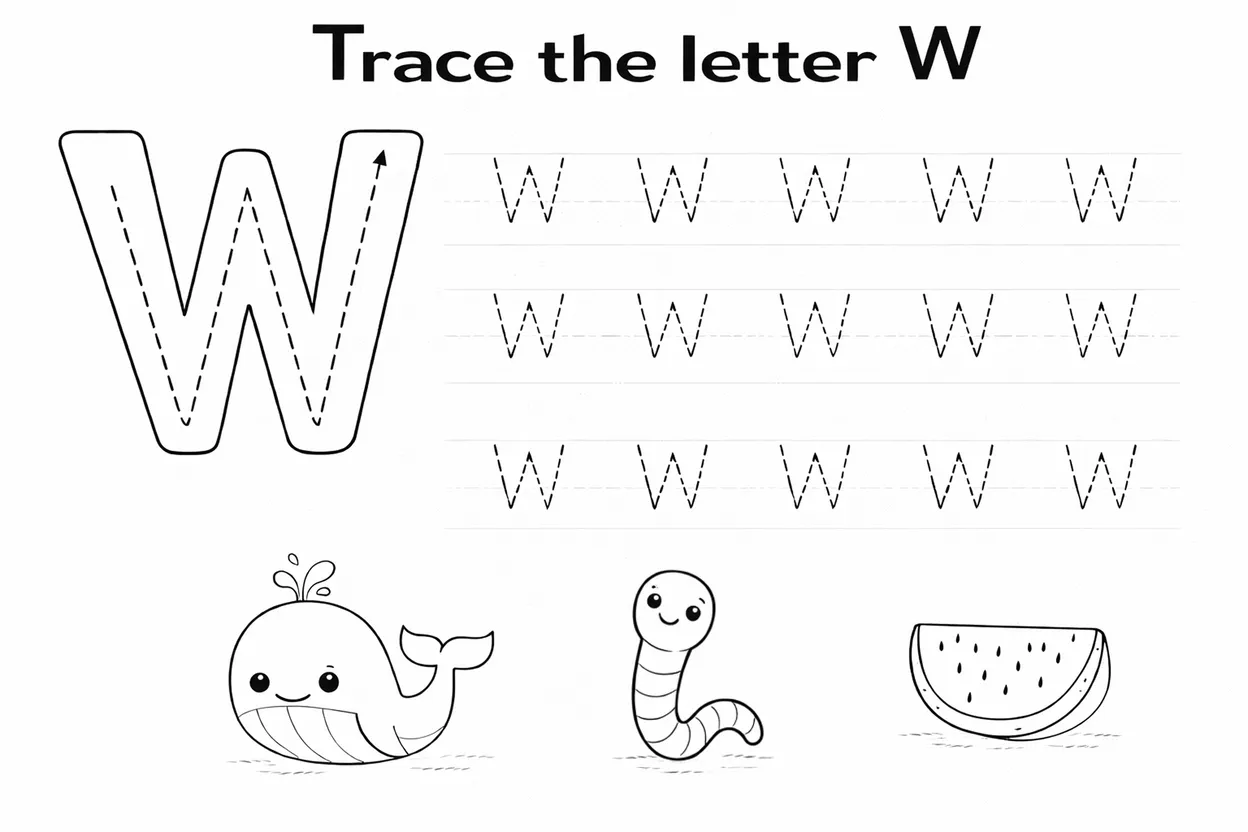
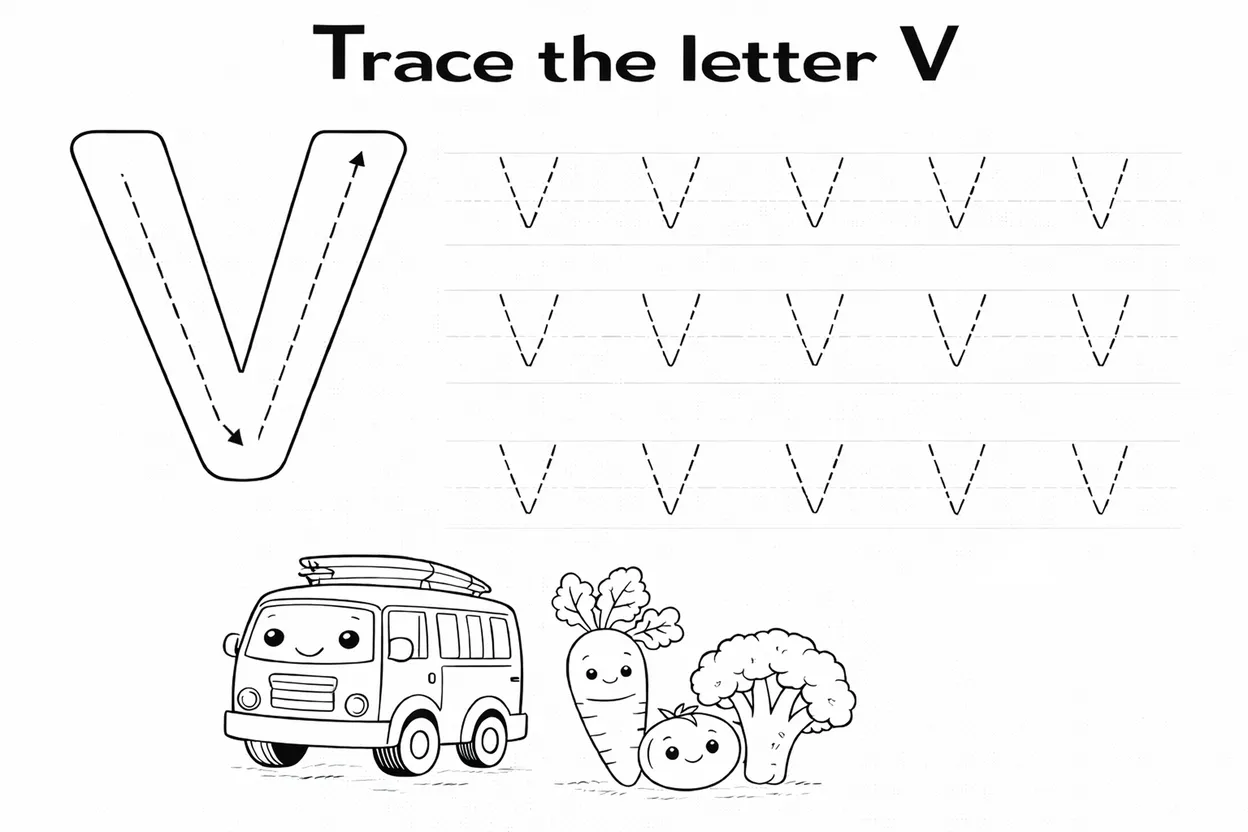
Tracing coloring pages
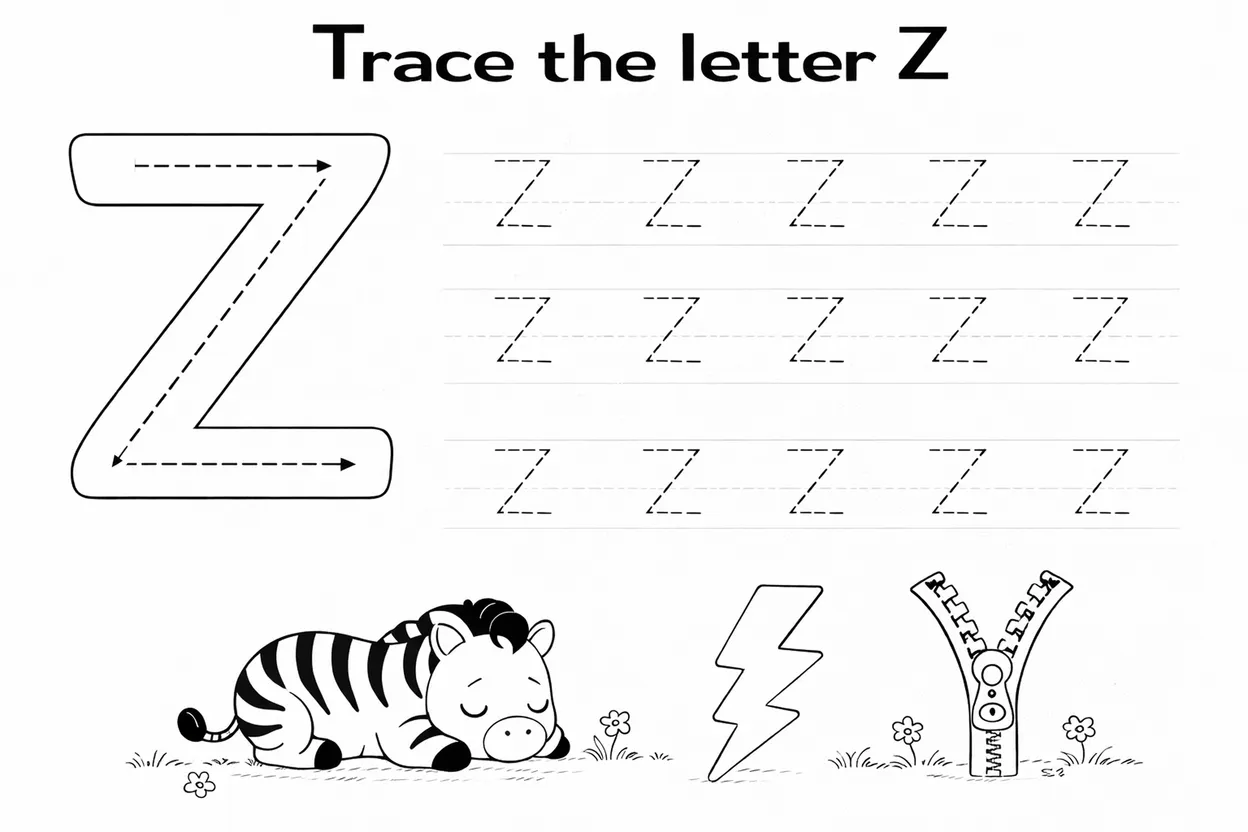
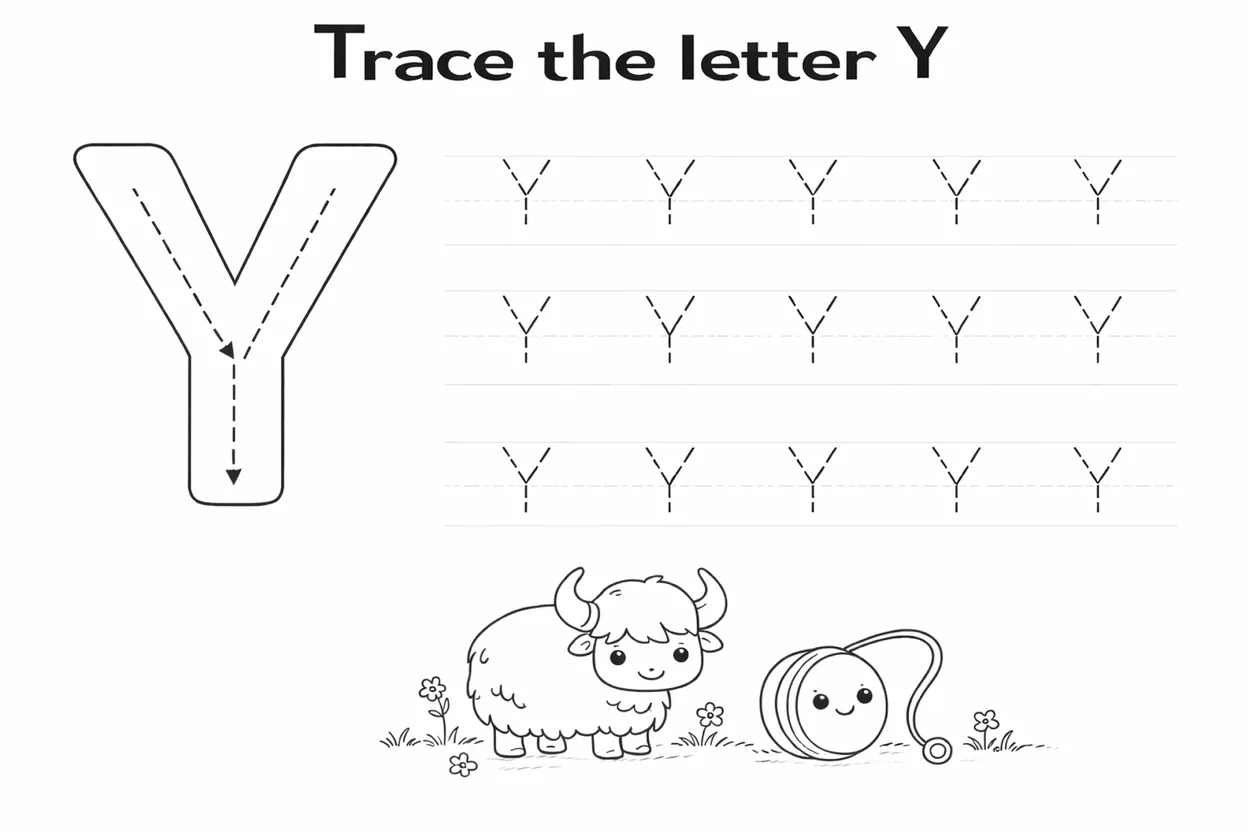
Trace, color, repeat! These tracing worksheets help kids practice lines, letters, and shapes while building steady hands for writing.
Number coloring pages
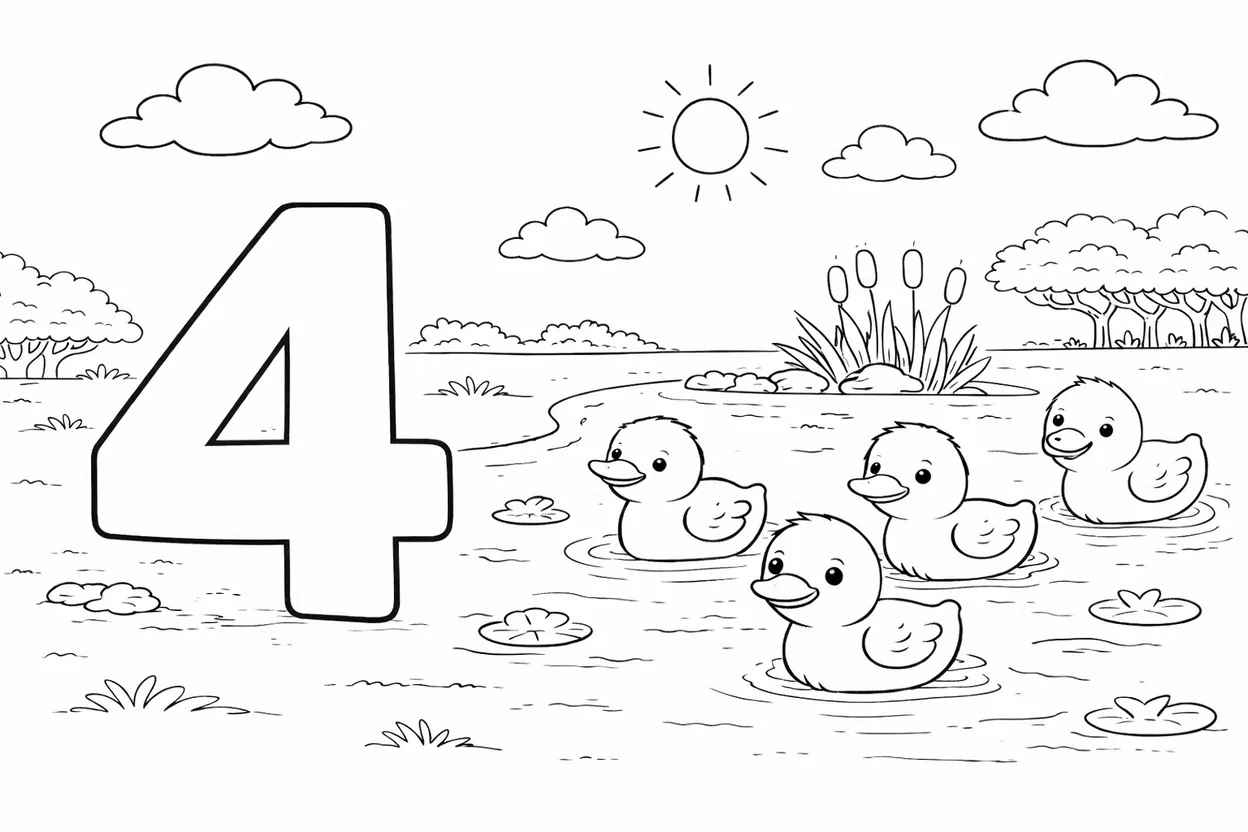
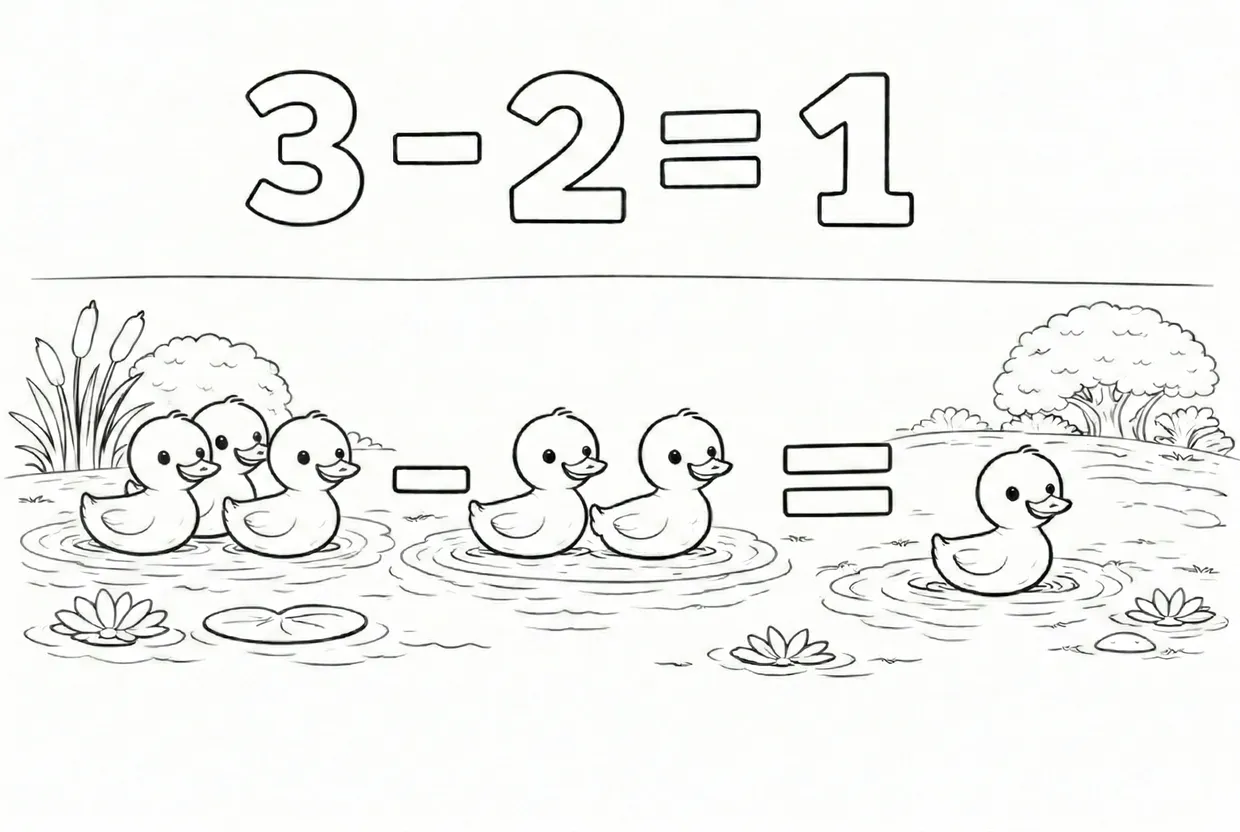
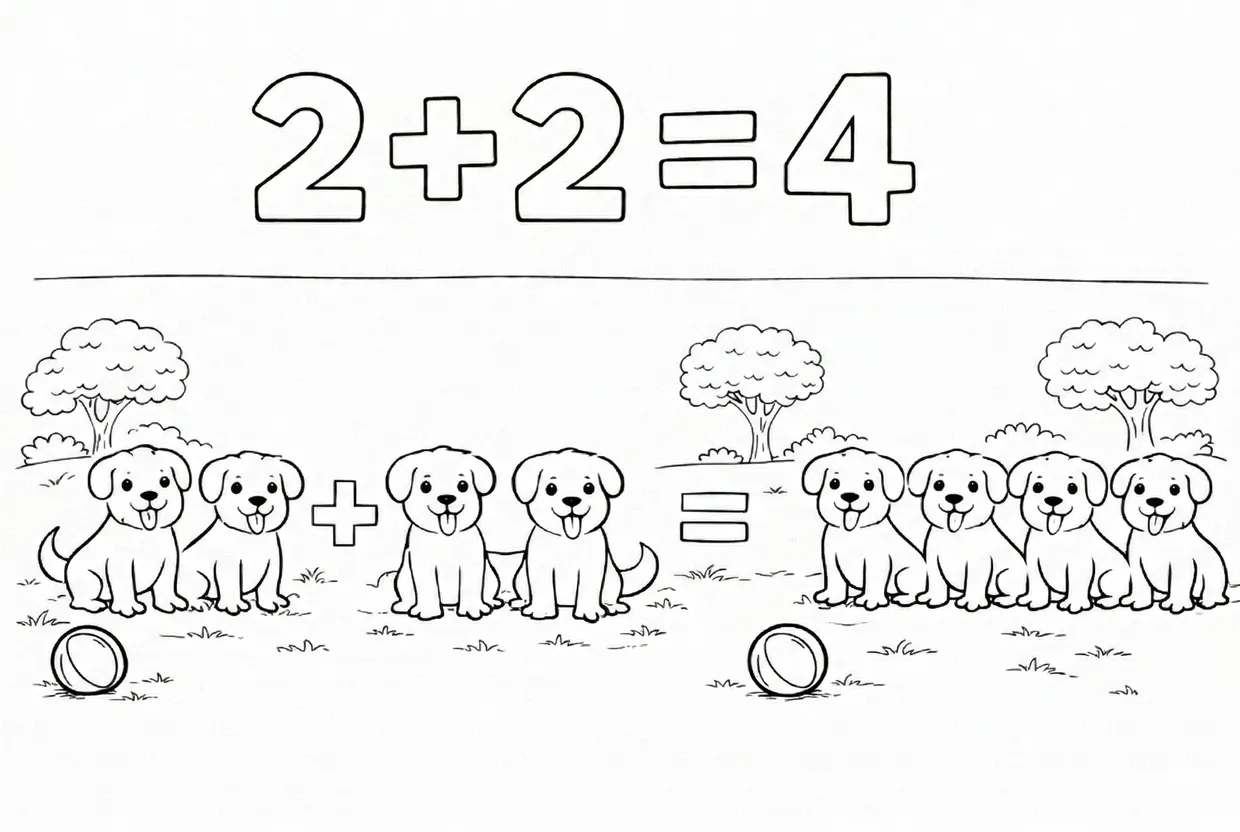
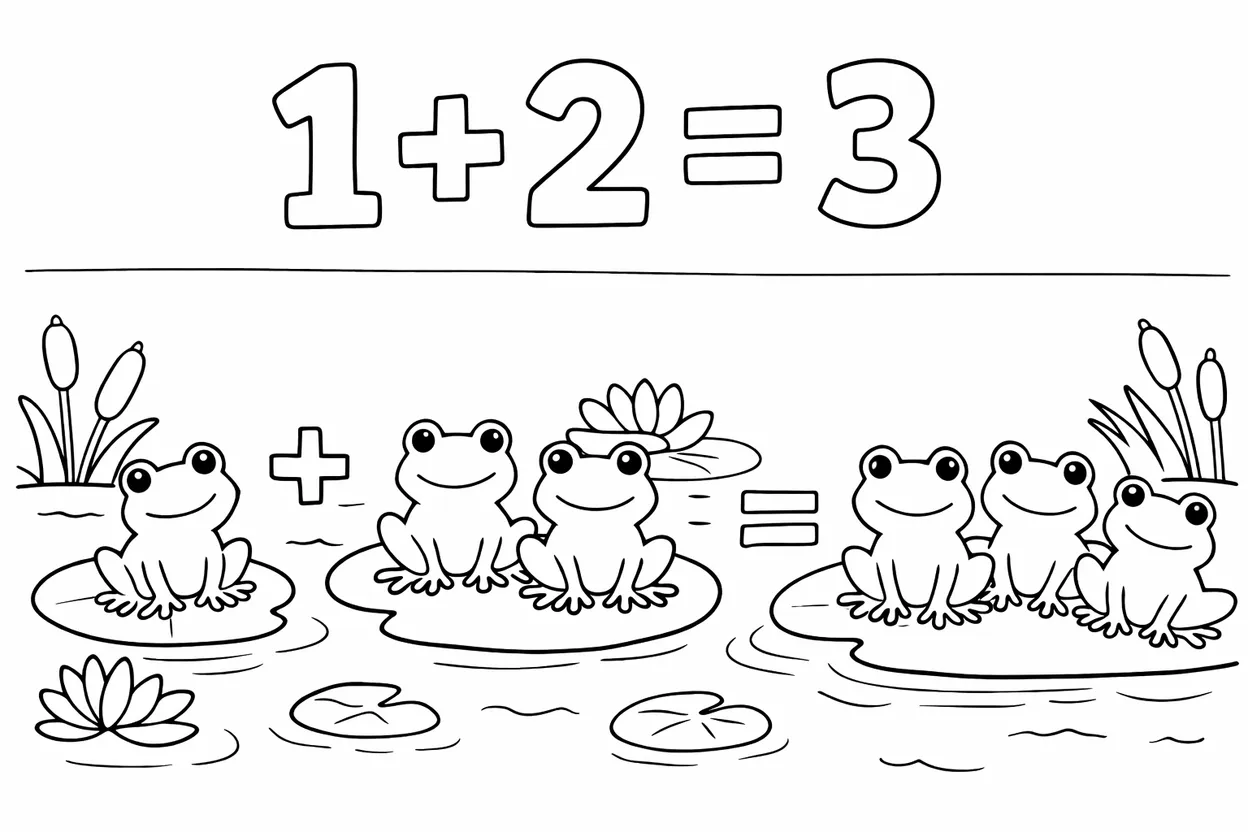
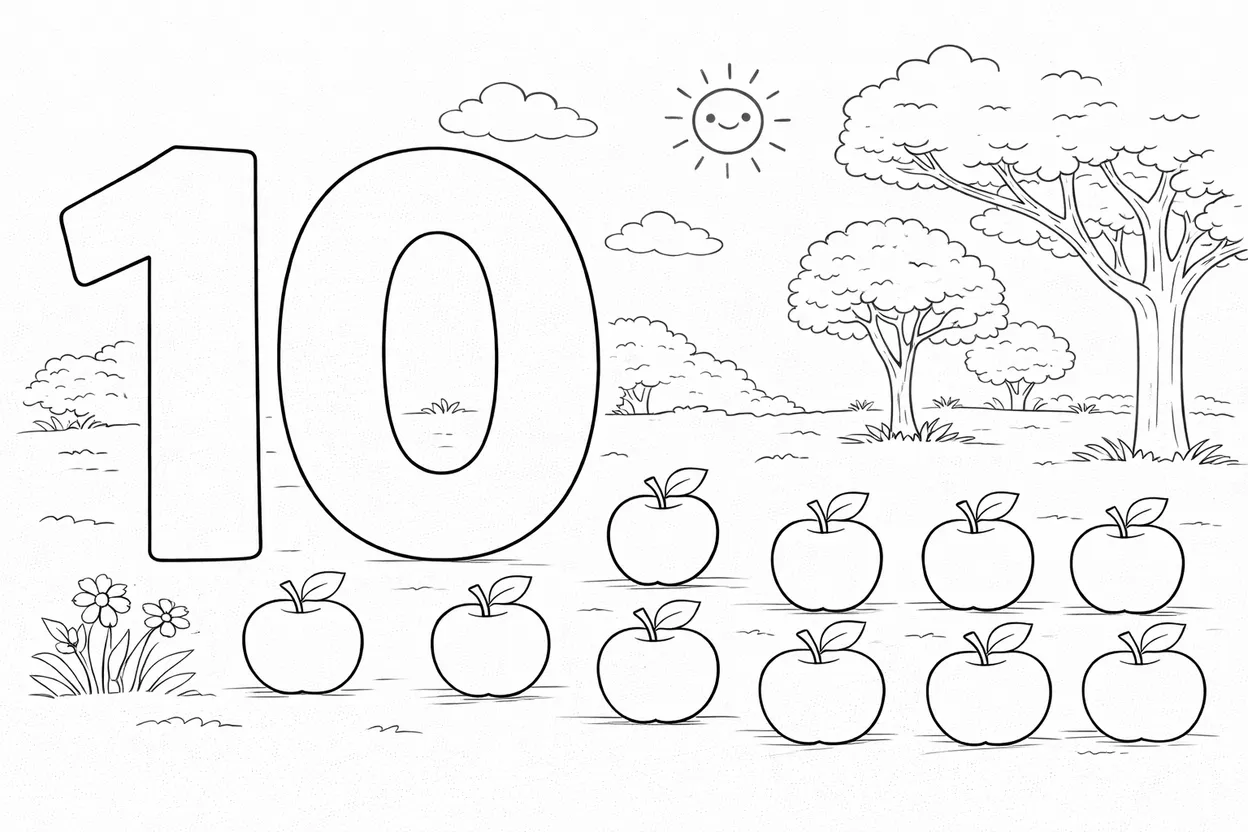
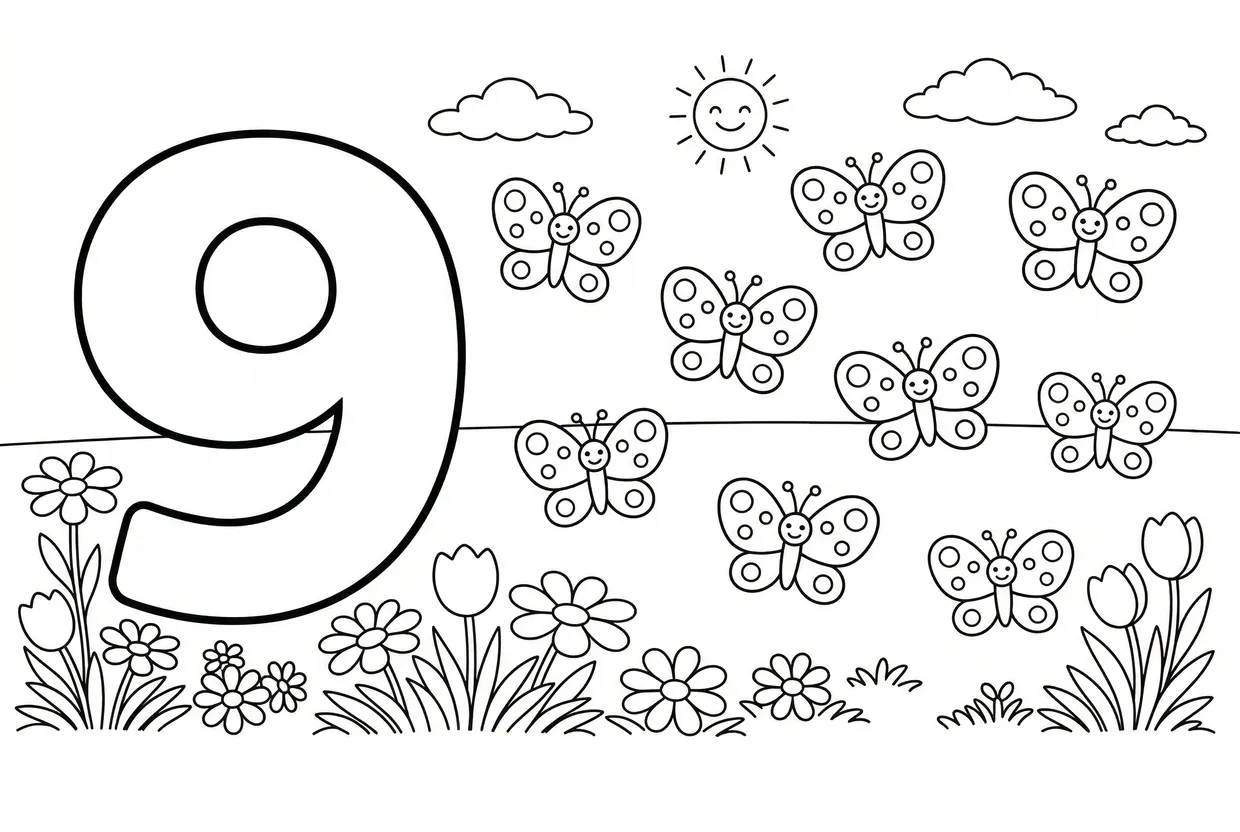
1, 2, 3, color with me! These number coloring pages help kids learn numbers and counting while coloring fun, friendly picture scenes.
Shapes coloring pages
Circles, squares, and more! These shape coloring pages help kids learn their shapes while coloring fun pictures made from them.

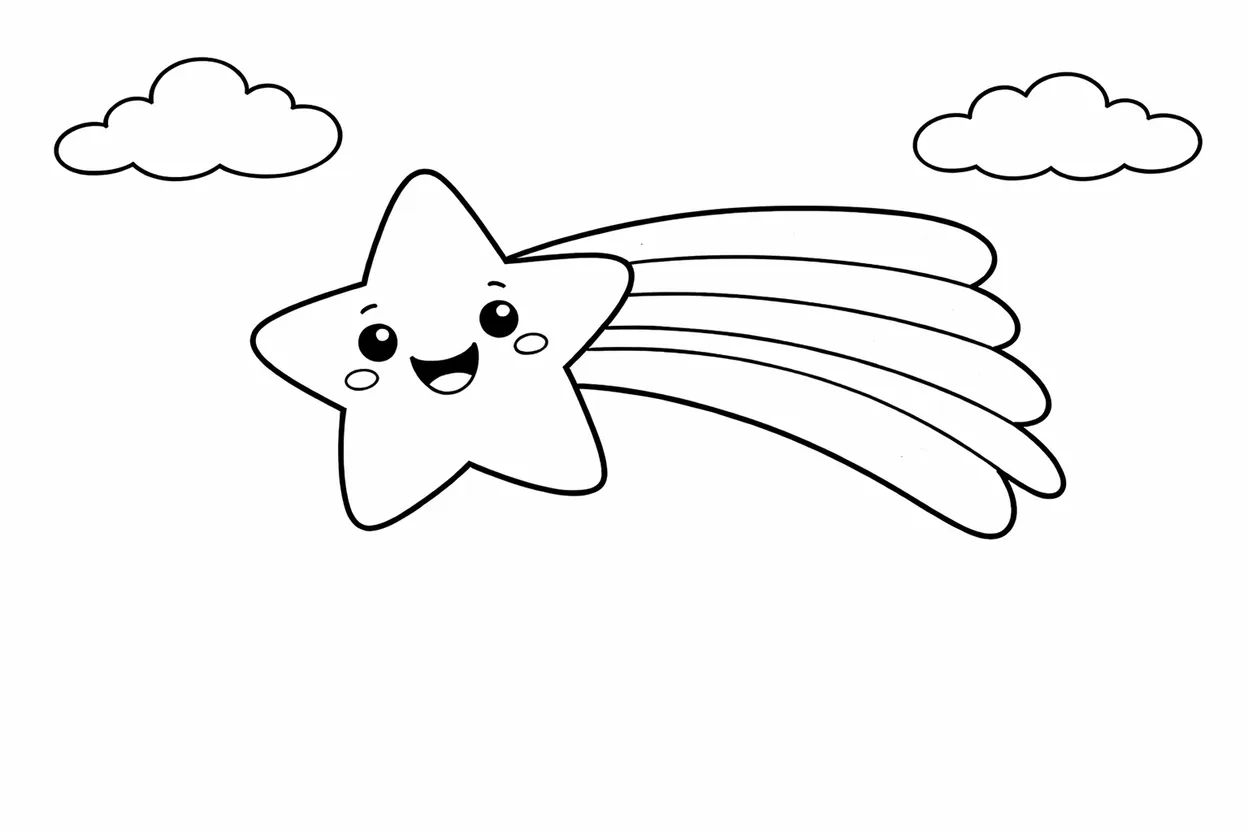

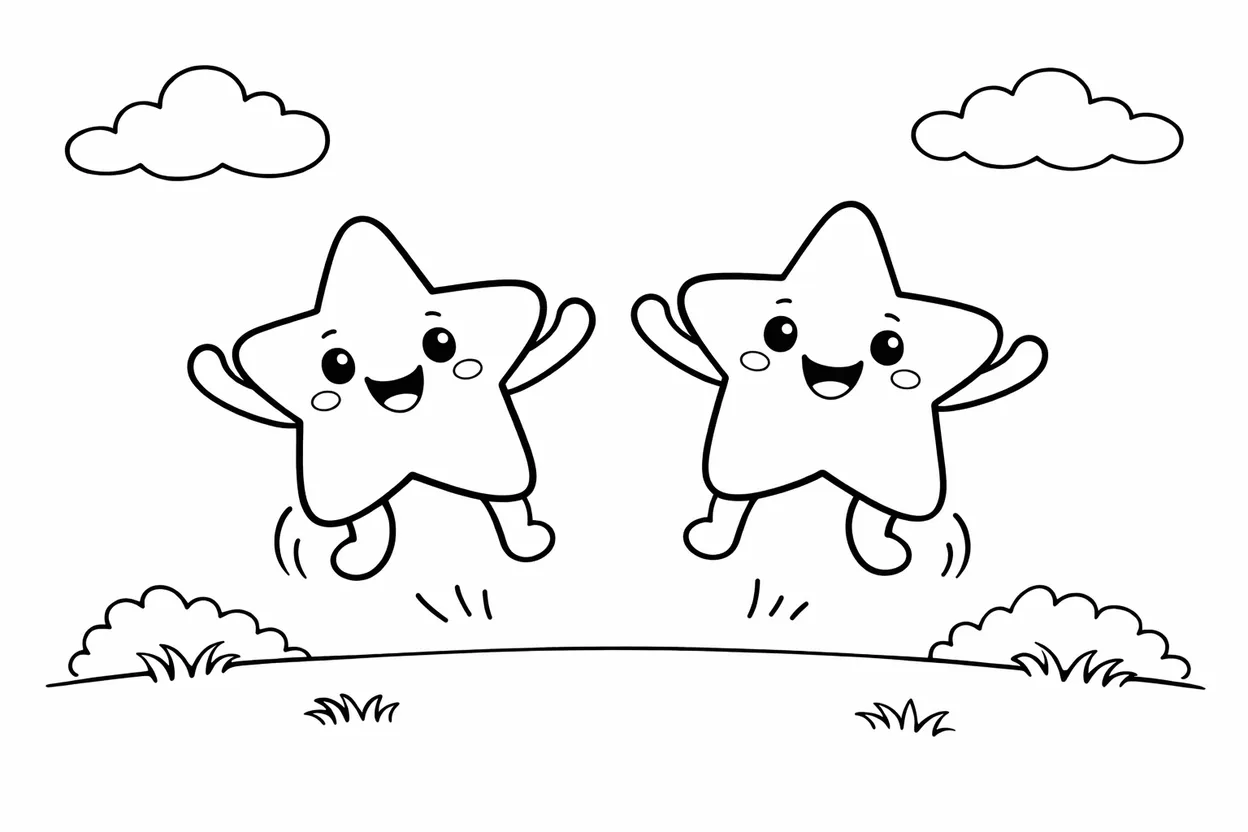

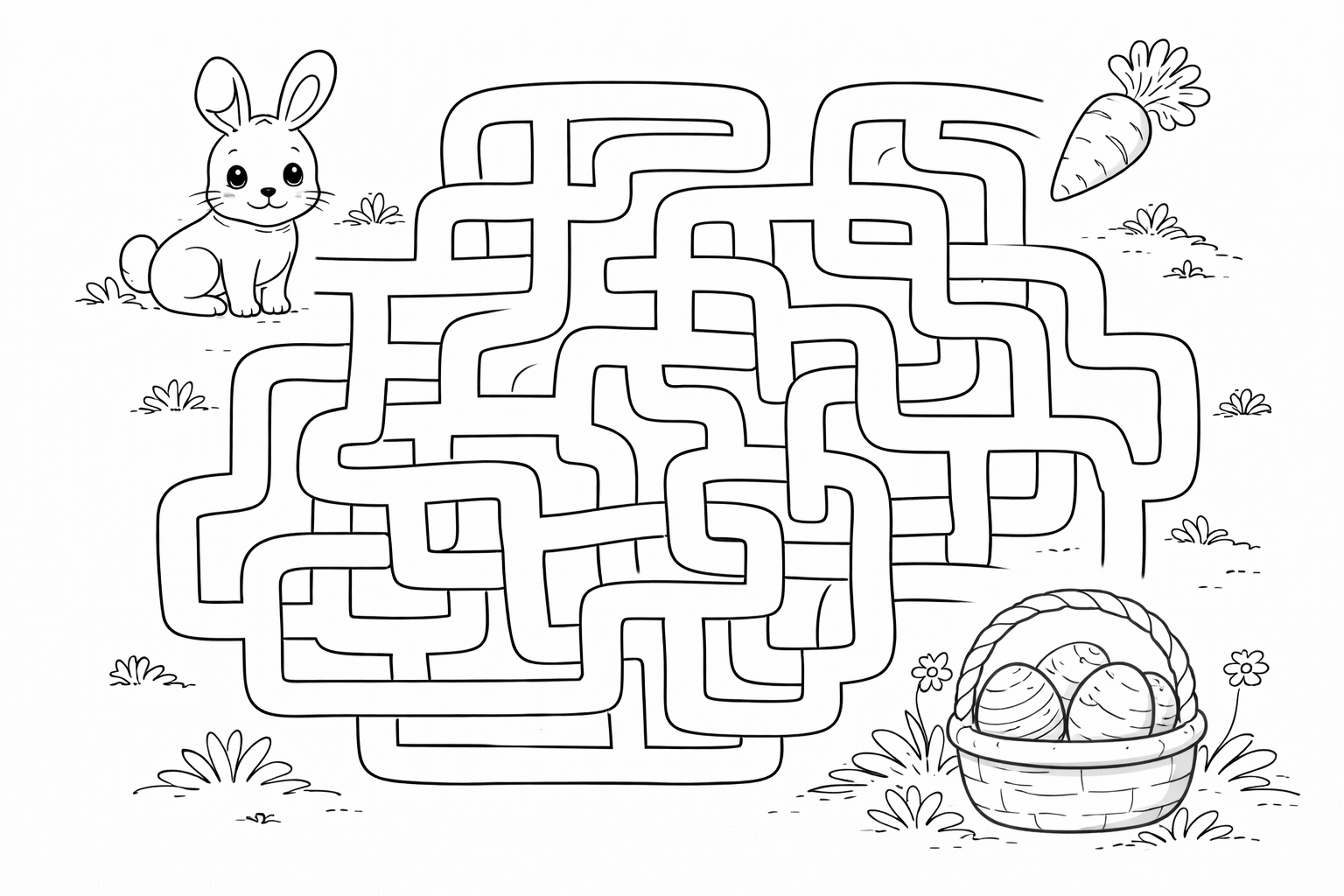
Maze coloring pages
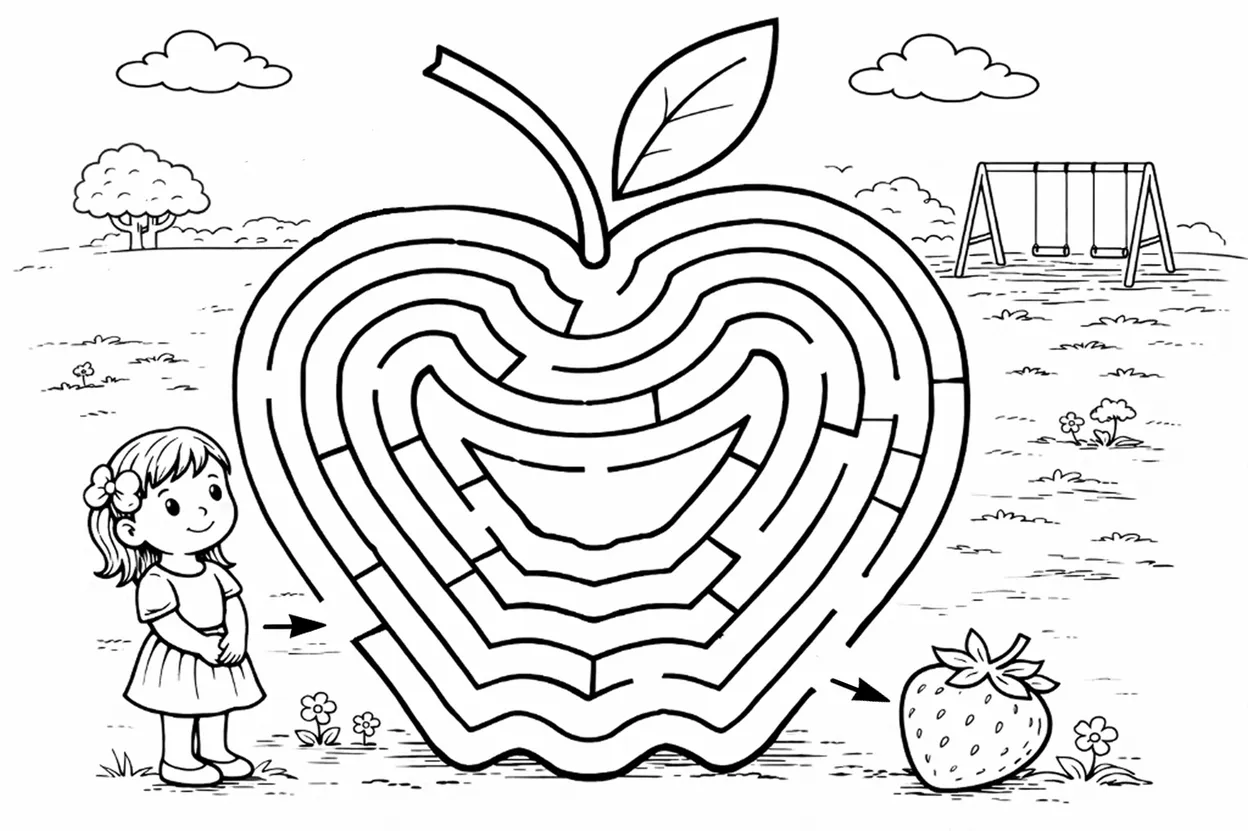
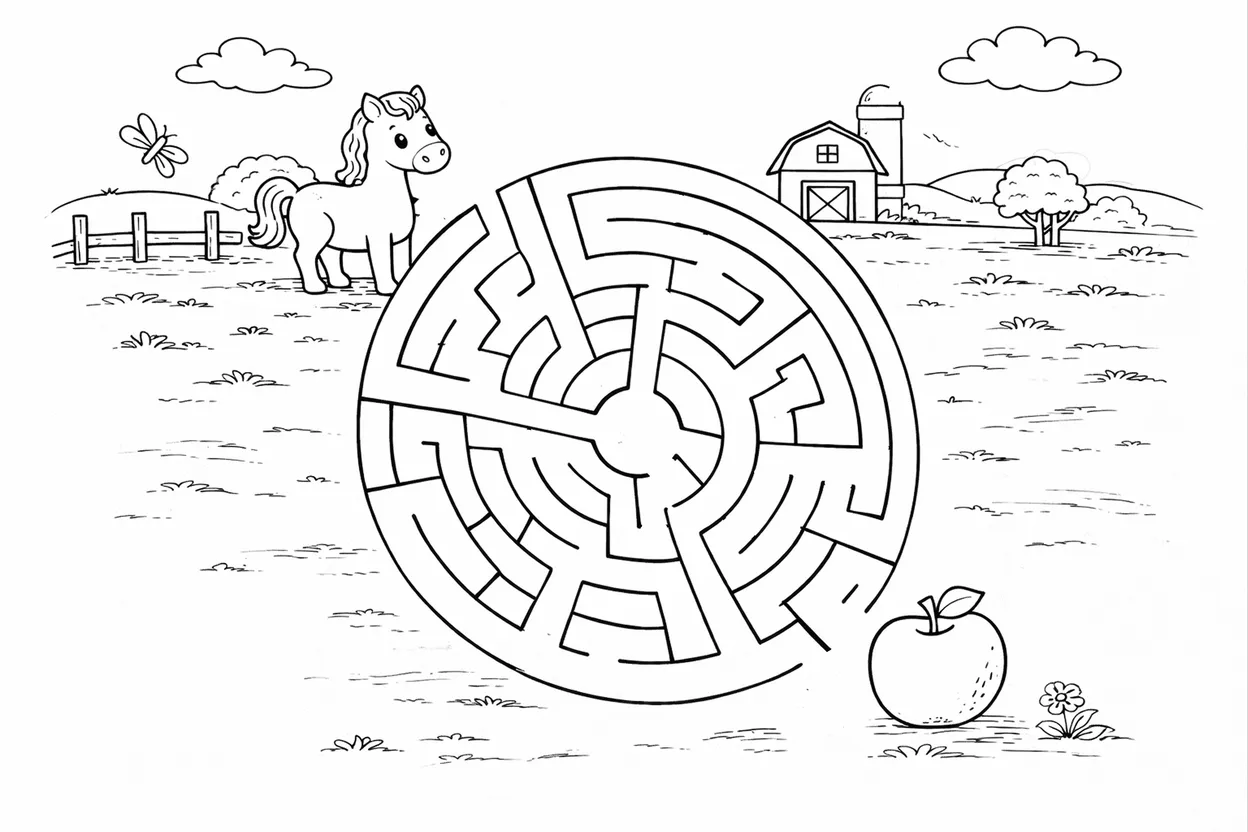
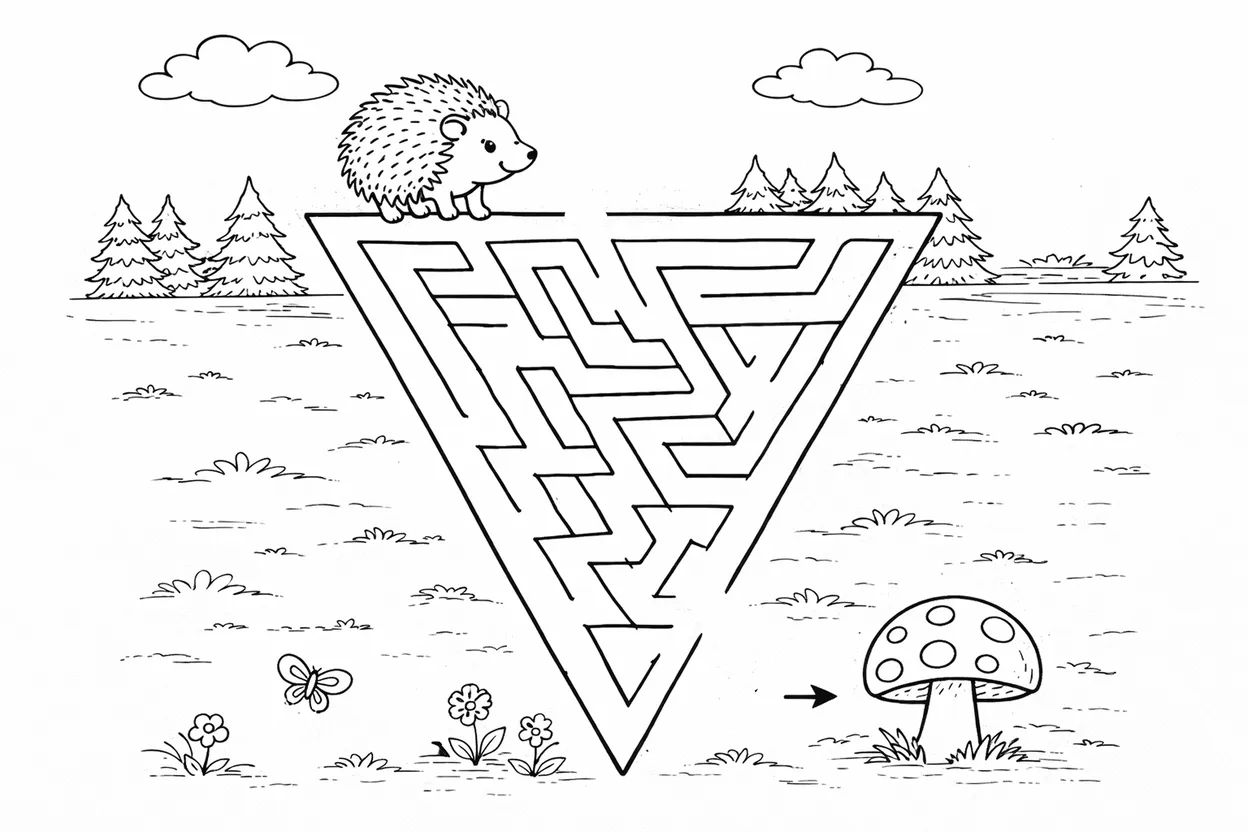
Find your way! These maze coloring pages let kids solve fun mazes and color the pictures — a playful way to build focus and thinking.
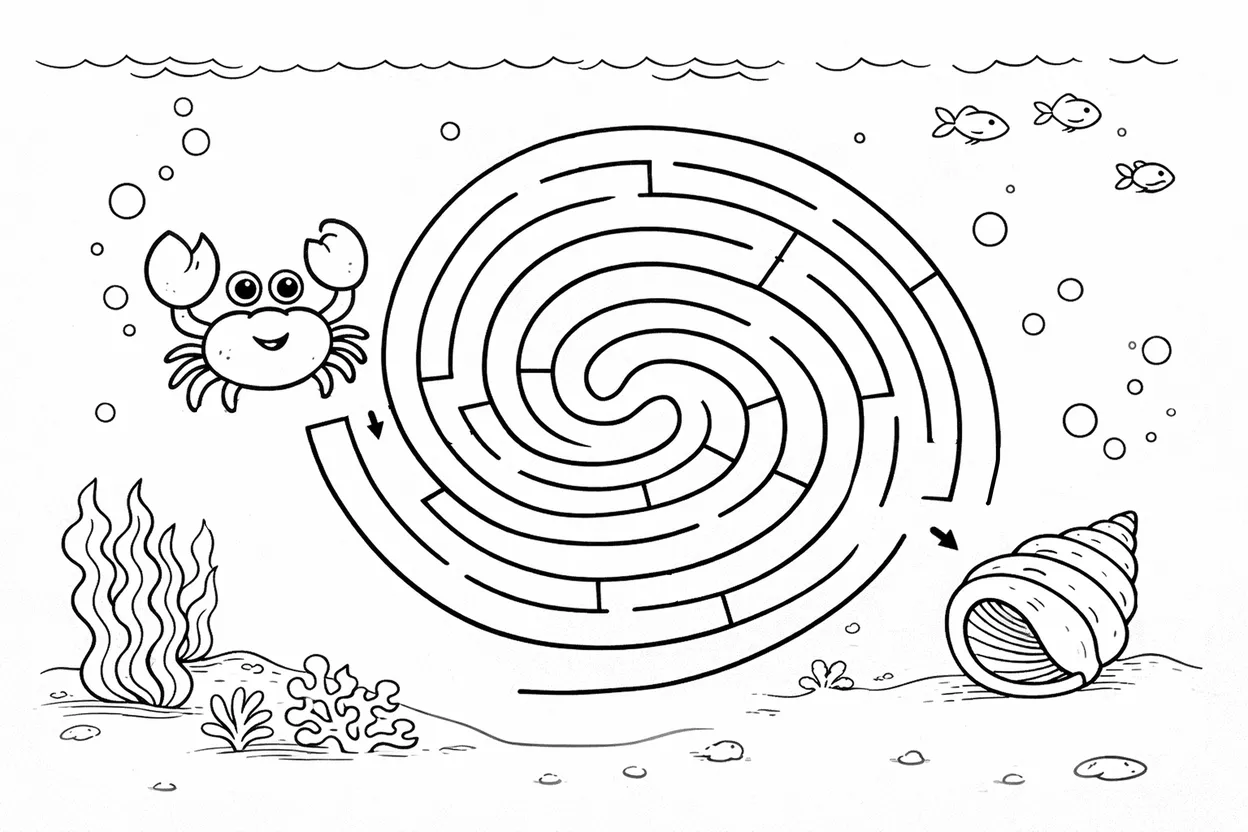
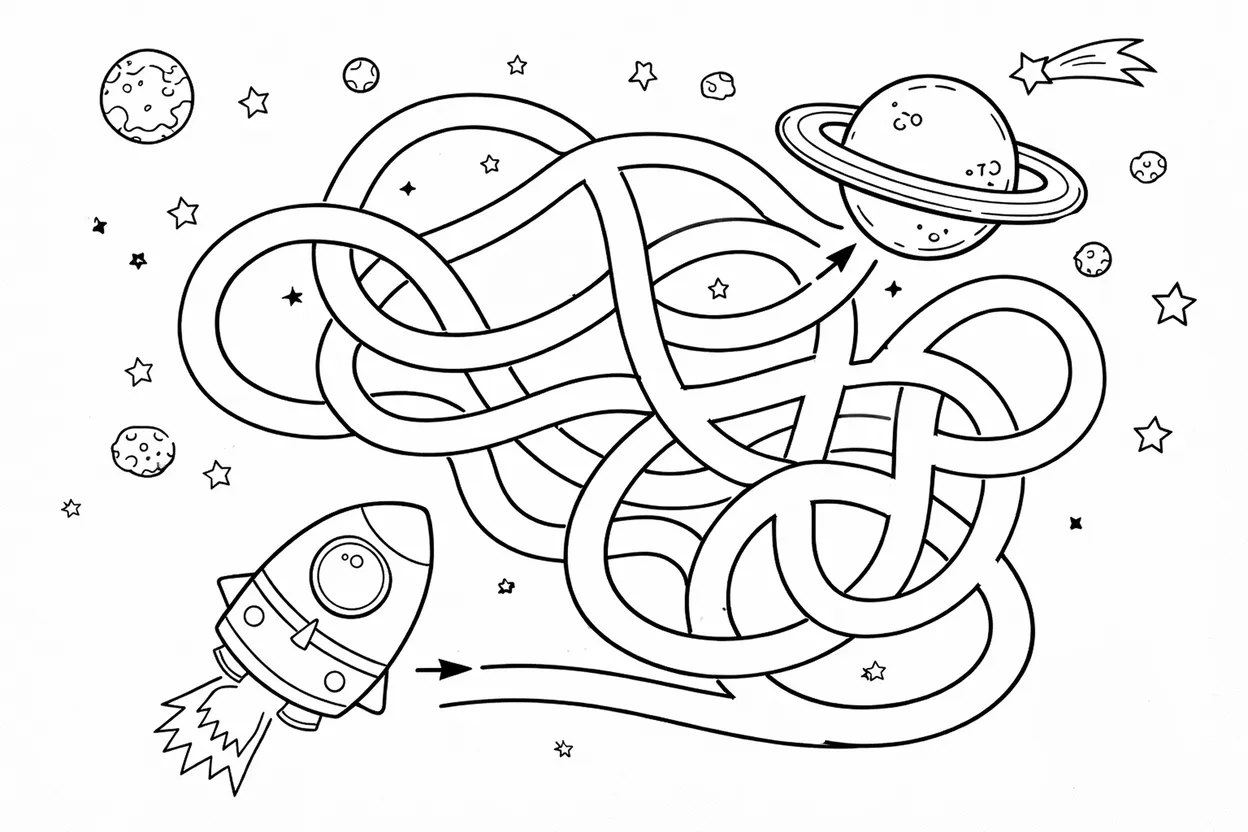
Learning coloring pages – a fun start in the world of knowledge
Adults remember how difficult the first steps in learning the alphabet and numbers once seemed. Now parents face the task of teaching these essential skills to their children without destroying curiosity or the desire to learn. Educational coloring pages for toddlers and preschoolers are a tool that makes this process easier. No boredom, no tears, no drilling – choose a different path filled with creative freedom and engaging adventures. Develop logic and cognitive skills together with your child. With Keiki, you are not breaking the rules – you are setting new ones.
Coloring as part of the neurobiological learning process
Standing over a child with a textbook and endlessly repeating the same dull rules is a thing of the past. Modern science has long proven that this approach brings nothing but a short-term memory effect – and tears. Lots of tears.
If, instead, you follow modern research, you arrive at a very different result: a child who genuinely wants to learn, satisfy curiosity, and apply knowledge in practice. All it takes is integrating learning into play. This is exactly what learning activities coloring pages are designed for. Coloring is an ideal bridge between sensory experience and abstract knowledge. When a child works with learning coloring pages, multiple brain areas are engaged at once, including those responsible for:
- Visual perception – first recognizing, then remembering letters or numbers;
- Motor skills – coloring neatly within outlines or tracing shapes later makes writing much easier;
- Memory and associations – assigning a color to a symbol builds strong associations that remain in memory for a long time;
- Logic – tracing coloring pages help develop logical thinking and problem-solving skills.
Our educational coloring pages provide double value: they train fine motor skills while reinforcing cognitive concepts. We focus on play-based learning so that children learn without stress or pressure.
Learning through color and shape – content collected in Keiki
The Learning & Activities coloring section covers all the basic knowledge needed for a confident start at school. Letters and numbers coloring pages combine creative expression with the essential foundation required for mastering more complex topics.
- Alphabet coloring pages. By coloring letters, children remember their shapes, later pronounce sounds, and gradually connect them into words. This makes learning the alphabet easy and enjoyable, even before school.
- Numbers coloring sheets. Coloring helps children understand what numbers look like and how they relate to quantity.
- Shapes coloring pages. One of the simplest ways to learn geometric shapes is by coloring them. Children remember both the names and how to draw them independently.
- Tracing worksheets. Mazes, puzzles, and tangled paths are excellent for developing logic. When coloring is added, the process becomes more engaging and thoughtful.
Choosing coloring pages by age – learning has no limits
The approach to learning coloring pages should always match the child’s age:
- 1–3 years. Toddler learning worksheets are preparation for future knowledge. Some letters and numbers will be remembered, others will not – and that is completely normal. Shapes and colors are simple at this stage.
- 3–4 years. Children begin to understand the connection between a symbol and an object. Preschool coloring sheets that combine abstract letters or numbers with illustrative images work well, such as alphabet pages where each letter is paired with a picture of a word that starts with it.
- 5–6 years. Preschoolers are ready for detailed learning pages where they color not only the symbol itself but also backgrounds or complete tasks by example. At this age, children can handle puzzles and build cause-and-effect relationships.
Why Keiki is a reliable partner in early learning
Keiki offers printable learning coloring pages for parents who value a traditional format. You can print them and use them anytime. There is no need to constantly buy new coloring books – the Keiki collection is extensive and regularly updated. Other advantages include:
- No pressure. We do not require “correct” answers, set timers, or give grades. Learning happens naturally, at your child’s own pace.
- Flexible format. Printable coloring pages can be used at home, while traveling, or in educational settings.
- Science-based approach. Every page is created with modern pedagogy and child psychology in mind, supporting development gently and safely.
- Safety. There is no advertising or external links, so parents can feel confident letting their child use the materials independently.
People often ask
Use a combined approach. Alphabet coloring pages can be used for simple coloring, or for repetition – for example, coloring vowels and consonants in different colors, creating words, or inventing stories.
Workbooks often cause boredom or stress due to expectations of perfect results. Coloring pages reduce this barrier through play, making learning easier and more engaging.
Letters are abstract symbols and may require stronger associations. Try linking each letter to words that start with it, and make sure the learning coloring pages match your child’s age.
Yes. Coloring and tracing can be done with a finger, making the process accessible even at an early stage.
Talk with your child about the names of shapes and objects. Say color names aloud. Encourage adding details to simple shapes to turn them into new objects, animals, or characters.