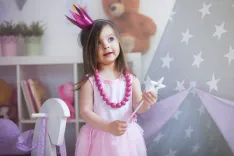
Cleaning games for kids: how to turn cleaning into fun entertainment?

Cleaning games turn chores into playful routines kids can follow. These ideas help build responsibility and independence while keeping tasks simple, timed, and motivating for families at home.
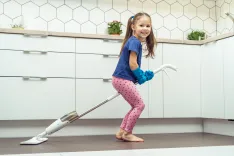
Cleaning games for kids to build helpful habits at home
For many children, even the most aware ones, cleaning still remains an intrusive and unpleasant duty. And all because it seems boring to them. In some cases, it is even used as punishment, which does not improve the situation. How to turn cleaning from a boring obligation into an exciting adventure? This question is familiar to every parent. Most often, cleaning is associated with boring routine for children, and this leads to tears and resistance.
But what if you change the approach? What if you present cleaning not as a boring chore but as a fun and interesting game? Cleaning games for kids are a magical way to teach a child responsibility, make them a helper, and cultivate a love for order. In our article, we will share dozens of ideas that will help you do this.
Why should you include cleaning games in your daily routine?
At first glance, cleaning is simply tidying up. But in fact, it is a powerful tool for developing a whole range of skills that will be useful to a child in the future. Kids cleaning games bring the following benefits:
- Development of responsibility and independence. Cleaning teaches a child to take care of themselves and their space. When they understand that their efforts make the room clean, they develop a sense of importance and responsibility for their belongings. This strengthens their independence and, of course, contributes to developing responsibility for kids.
- Development of fine and gross motor skills. Cleaning is an excellent physical workout. Sorting small parts of a construction set, dusting, sweeping, and carrying objects improve coordination, agility, and motor skills, which are important for brain development.
- Formation of planning and organization skills. To clean up, one must think logically. The child learns to break a large task into smaller ones, decide where things belong, and create their own order system. This develops their planning and organization abilities.
- Teaching teamwork. Cleaning together strengthens family bonds. When the whole family has a common goal – to make the home clean – it teaches cooperation and mutual support. The child feels like part of the team and understands that everyone’s contribution matters.
- Improving self-esteem. Feeling proud of the result is the best reward. When a child sees a clean room, they feel capable and successful, which boosts their confidence and motivates them to new “achievements”.
In addition, fun cleaning activities for kids are a path to developing self-discipline. It may seem like a small thing, but it is through these consistent habits that the foundation of discipline is built.
Help your child
grow with Keiki
We’ll help you turn everyday screen time
into real learning progress.
Games to turn cleaning into an adventure
We offer various ideas of how to get kids to clean that will help you easily turn cleaning into an engaging activity.
Speed games
These tasks add a competitive element that children love. And where there is competition, there is also the ability to finish what you start.
Race with a timer
Start a timer for 5 or 10 minutes and announce: “Who will manage to clean up more toys before the bell rings?”. Make sure the child is not just piling toys into one spot but is actually putting them in their proper places.
Musical cleaning
Turn on the child’s favorite cheerful song. They must actively clean while the music plays and freeze when it stops. You can turn it into a competition: whoever freezes last loses.
Who is faster?
There are many creative ways to make cleaning fun, and family competitions are among them. Organize a race among family members: “Who will collect all the books from the floor faster?”. This is a great way to motivate everyone and quickly complete the task.
Team games – the path to fun and responsibility
Such teamwork games for family teach working together and acting as a team. By the way, they can be practiced not only in the family circle but also in groups of children.
Cleanliness relay
Each family member is responsible for their zone or type of cleaning and then passes the “relay” to another. For example, you collect all the books, and the child arranges them on the shelves.
Treasure hunt
The treasures are the items that need to be found and put away. Create a list or draw pictures: “Find all the red toys”, “Find all the books with animals”.
Clean taxi
Ask the child to become a taxi driver who delivers toys to their “addresses” (storage places). You can name the address, for example: “Taxi, please deliver this teddy bear to the place where it sleeps”.
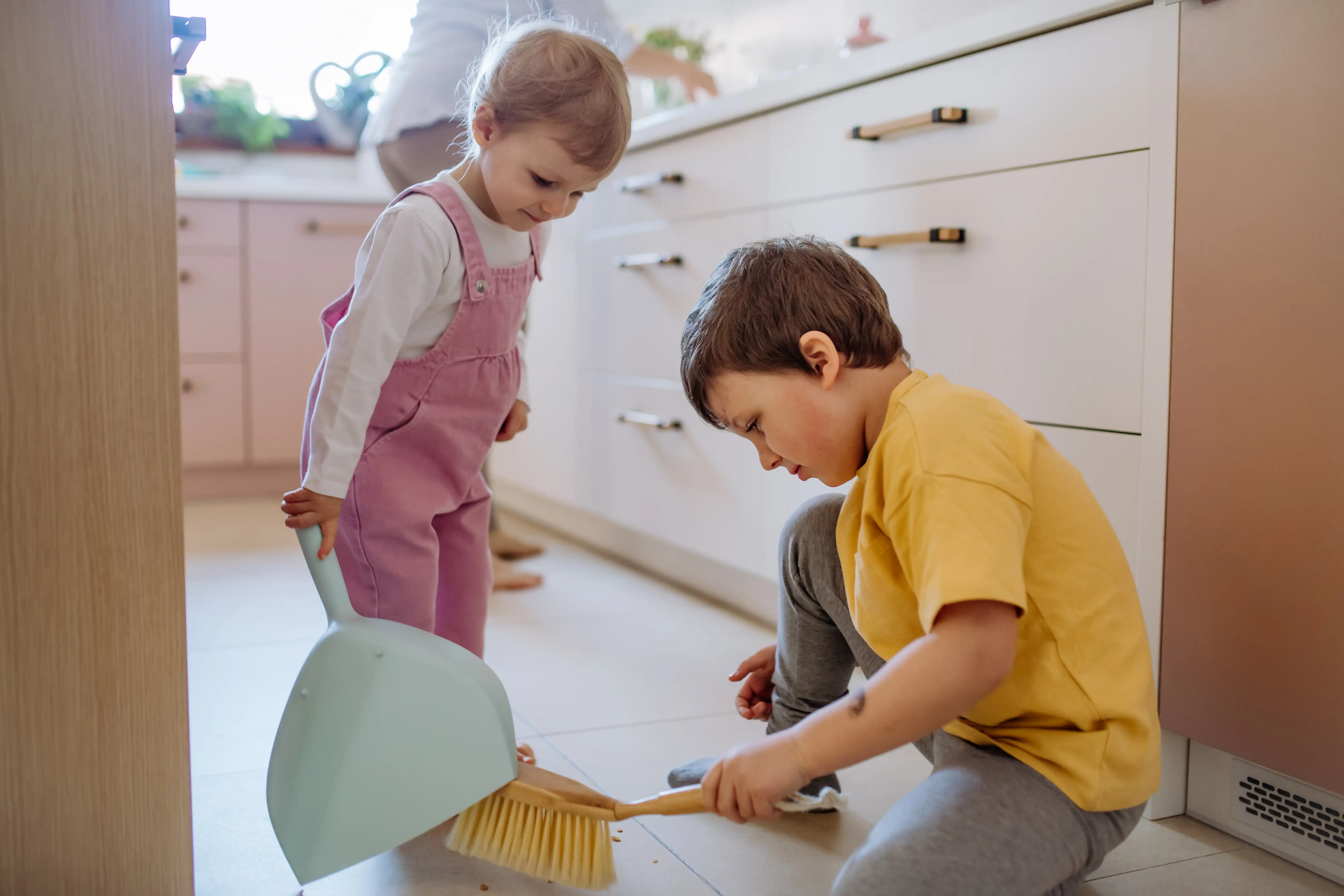
Role-playing games – motivating kids to clean up
These tasks activate a child’s imagination and make cleaning part of an exciting story.
Superhero mission
The child is a superhero, and the mess is an evil monster that must be defeated by putting everything back in place. You can give them a “superpower” – for example, a magic cloth that wipes away dust.
Pirate ship
The scattered items are treasures that must be collected so the ship (the room) is ready to sail. At the same time, you must fend off enemies.
Wizard cleaner
The child has a magic wand (for example, a mop or cloth) that creates order. You can add sound effects: “Abracadabra, dust disappear!”. This is a great example of getting kids to clean without nagging.
Help your child thrive with playful learning
Turn screen time into real growth with Keiki's educational games.
Try KeikiHow to motivate a child to clean: tips and tricks
Games are only part of the process. To make cleaning a habit, you need to create the right atmosphere and use parental strategies. These tips can help:
- Praise effort, not perfect results. For a child, it’s not about how clean the floor is but that you noticed and appreciated their effort.
- Create rituals. Make cleaning part of a daily or weekly routine. For example: “After dinner, we always clear the table”.
- Offer choices. Let the child choose where to start or which game to use. This gives them a sense of control and independence.
- Make it accessible. Organize storage so that it’s easy to take and put things away. Low shelves, labeled bins, and baskets will help. Whether it is cleaning games for preschoolers or simple tasks for toddlers, all items should be within sight and reach.
- Use praise and reward systems. For example, hang a list of chores on the fridge and check them off together. Or create a small reward for completed tasks.
Related Games in Keiki App




How to use educational apps with games?
After active and exhausting cleaning, children get tired just like after serious exercise. The Keiki app can complement physical play perfectly. After activities, it’s time to calm down and focus on other tasks that challenge the brain instead of the body. Educational apps for toddlers also help teach the value of cleaning, eco-friendly habits, and mindfulness. Some interesting games in Keiki include:
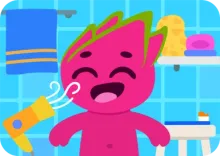
- Healthy habits. Cleaning is part of a broader routine, so games for boys and games for girls should also teach self-care and hygiene. In Keiki, there is a large comprehensive task where children must take care of a character: wash them, brush their teeth, etc.
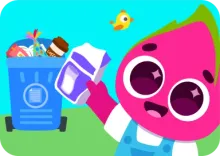
- Green habits. You need not only teaching kids to clean their room but also explaining the importance of caring for the environment in general. Not just a clean room or toy corner but also the street, forest, park. This game teaches environmental awareness.
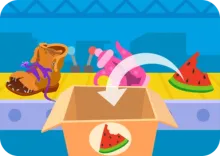
- Sorting trash. Cleaning can reach a whole new level when a child also understands waste sorting. You can start with simple games that teach the basics without being boring.
Even the most ordinary routine can become useful and fun, and cleaning games for kids help with this. They help develop responsibility, independence, and team spirit. Such tasks help children learn new skills in a playful way and also teach them to focus and concentrate. Use these games to turn routine into a fun and useful ritual, and the Keiki app will help you do that.