11 Writing Activities for Preschoolers to Build Early Skills

Writing activities for preschoolers build the skills behind handwriting without pressure. These playful ideas are a fun way for children to learn and develop the muscle development necessary for writing, supporting pencil grip, hand strength, and letter readiness through tracing, drawing, and fine motor games. These activities help children learn foundational skills through play.

Key Takeaways
- Writing activities for preschoolers focus on building hand strength and coordination through fun, pressure-free play.
- Setting up a special writing corner with tools like magnetic letters helps children enjoy preschool writing activities every day.
- Mixing writing into daily routines and pretend play makes learning feel natural and prevents it from feeling like a chore.
Introduction to Writing Activities for Preschoolers
Writing is an essential skill that lays the foundation for communication and expression in the future. Understanding the stages of development can help choose suitable pre k writing activities, as these years are the perfect time to start cultivating this vital skill.
Whether you’re a parent or educator, your role in teaching preschoolers is crucial in guiding and supporting the writing journey of your students. Through engaging writing activities, kids learn foundational literacy and pre writing skills, such as letter recognition, phonological awareness, and fine motor development.
With proper strategies and practical tips, you can make the process both fun and effective. Teaching preschoolers to write involves nurturing their interest and providing appropriate materials for exploration. So, let’s delve into the fascinating journey from early scribbles to fluent writing!
Help your child
grow with Keiki
We’ll help you turn everyday screen time
into real learning progress.
11 Preschool Writing Activities
Introducing preschool writing activities at an early age is about more than just holding a pencil; it is about building the fine motor skills and letter recognition needed for future academic success. Lesson plans can help structure writing activities for little ones, ensuring that each activity is developmentally appropriate and engaging. By turning practice into play, you can transform a challenging task into an engaging daily habit.
Encouraging children through positive reinforcement and support is essential for building their confidence and motivation to explore writing. Using various colors and writing utensils, such as crayons and markers, makes activities more engaging for little ones and helps develop their grip technique and fine motor control. Engaging pre writing activities for preschoolers focus on building fine motor strength, hand-eye coordination, and a love for storytelling through play.
Here are 11 creative ways to inspire your little writer:

1. Drawing and Doodling
Provide your child with various tools like pens, crayons, and markers. These creative sessions are crucial for developing the fine motor skills and hand-eye coordination needed for future writing.
How to do it: Set up a flat surface with large sheets of paper. Encourage your child to draw freely, practice "air writing" shapes, or trace simple lines to build finger strength.
2. Interactive Play
Role-playing scenarios that involve writing, like running a post office, restaurant, or school, are incredibly effective. These activities make writing feel practical and fun rather than like a chore.
How to do it: Create a "menu" for a pretend cafe or write "letters" to deliver around the house. Ensure every child has a specific "job" that requires using a pencil or marker.
3. Alphabet Books
Alphabet books are a favorite for young learners because they combine letters with storytelling. They help preschoolers recognize common sight words and connect letters to familiar objects.
How to do it: Read through a book together and ask your child to point out specific letters. Look for books themed around their favorite animals or heroes to keep them engaged.

4. Name Practice
Learning to write starts with identity. Once a child can recognize their own name, they feel a sense of pride and ownership over their learning.
How to do it: Start by having them trace their name in large letters. Gradually move to writing the names of parents, siblings, or even the family pet to expand their "vocabulary."
5. Storytelling Sessions
Invite children to illustrate and "write" their own simple stories. This practice helps them organize their thoughts and boosts imagination and spatial awareness.
How to do it: Fold a few pieces of paper into a booklet. Ask your child to draw a picture on each page and then "dictate" the story to you while they attempt to write key words.
6. Writing Center
A dedicated writing station creates a positive association with learning. Having a specific spot with all their supplies ready makes it easier for children to start practicing independently.
How to do it: Find a child-sized table and chair. Stock it with paper, pencils, word cards, and alphabet posters. Let your child help decorate the space so they feel like it belongs to them.

7. Journaling
Encourage your child to "journal" about their daily experiences or favorite topics. This habit builds patience and confidence while serving as a great creative outlet.
How to do it: Provide a dedicated notebook. Every evening, ask them to draw one thing that happened that day and write a single letter or word that represents the memory.
8. Peer Collaboration
Organizing group pre-writing sessions with other families brings a social element to learning. It reinforces writing proficiency while helping children develop communication skills.
How to do it: Set up a "pen pal" exchange where children "write" and decorate postcards for one another. Meet up to hand-deliver the notes and talk about what they drew.
9. Alphabet Memory Games
Turning a lesson into a game is one of the fastest ways to help children learn. Matching uppercase and lowercase letters enhances visual perception and memory.
How to do it: Create pairs of cards with letters on them. Lay them face down and take turns flipping two at a time to find a match, saying the letter name aloud each time.

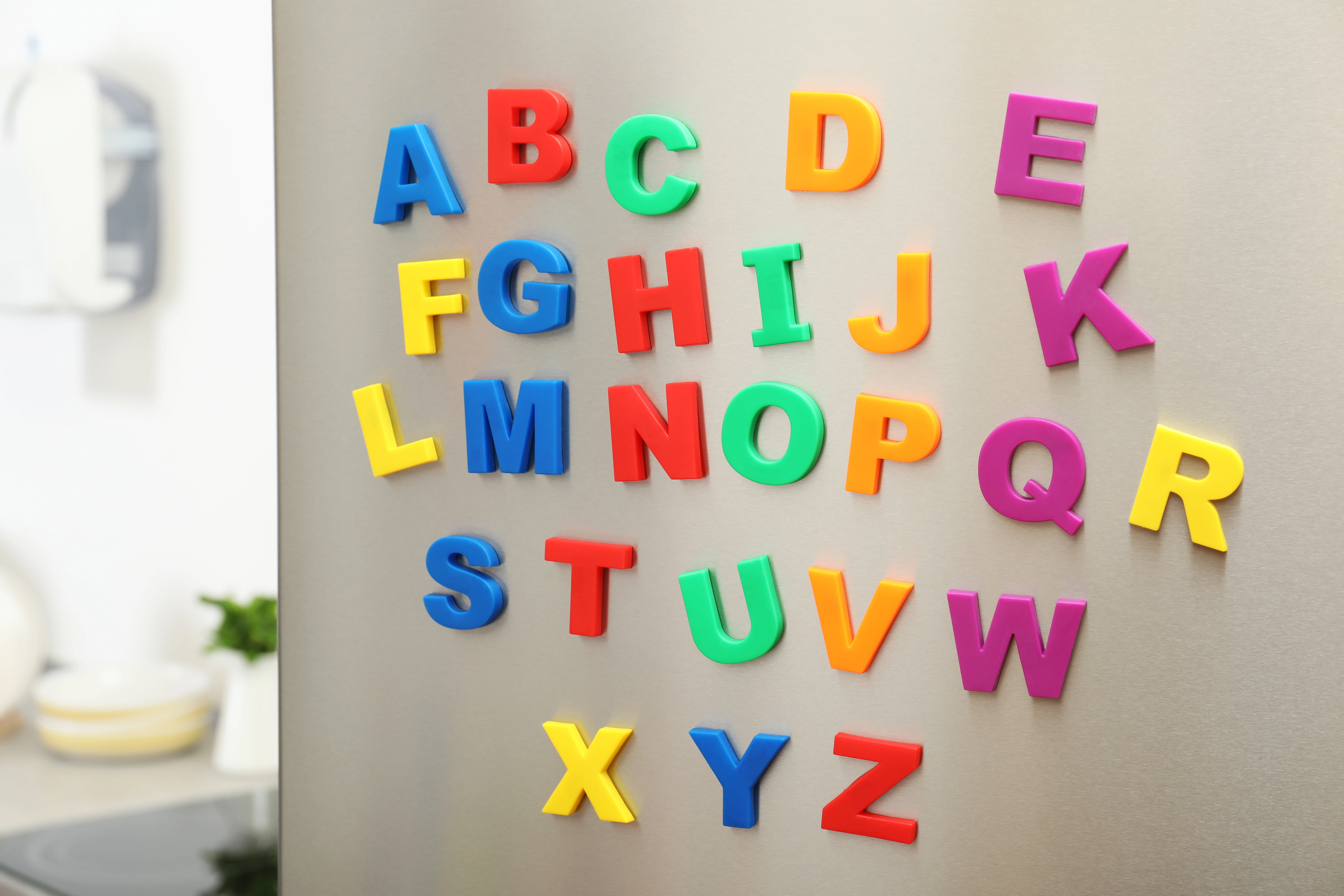
10. Magnetic Letters
A magnetic board is a timeless tool for forming first words. This tactile experience helps preschoolers understand how individual letters fit together to create meaning.
How to do it: Place letters on the fridge or a whiteboard. Call out a simple word or a letter sound and challenge your child to find the matching magnet and place it on the board.
11. Letter Scavenger Hunt
This high-energy activity turns learning into an adventure. It keeps children active while boosting their hand-eye coordination and spatial awareness.
How to do it: Hide paper letters around a room. Give your child a "checklist" or a chart and have them find the hidden letters and match them to the correct spot on their list.
Tips for Encouraging Writing Success
Encouraging writing success in preschoolers involves creating a supportive and stimulating environment. Here are some tips for every stage of progress:
Set a routine. Make consistency and needed habits part of your child’s daily schedule. This will foster patience and focus and ensure stable progress.
Provide various materials. Offer access to different writing tools, such as pencils, pens, crayons, paper, worksheets, etc. This supports fine motor skills and creativity and prevents boredom.
Celebrate the effort. Praise children for their attempt at writing, regardless of accuracy or speed. Remember that support creates confidence.
You can go through some period of trial and error, but with these simple rules, the adaptation and organization of your child's learning process should pass quickly and smoothly.
Help your child thrive with playful learning
Turn screen time into real growth with Keiki's educational games.
Try KeikiChoosing the Right Writing Activities for Toddlers
Selecting the proper writing exercises can significantly impact a child’s engagement and development, so be sure to consider several key factors:
Age-appropriateness: Choose activities that match the child’s developmental stage. This ensures they are both challenging and achievable.
Interest-based: Tailor writing preschool activities to the child’s interests to keep them motivated. It enhances engagement and enjoyment.
Skill level: Related to the previous point, skill-appropriate exercises promote growth but are not so difficult to cause frustration. This supports gradual development.
Maintaining Engagement and Fun
Make sure that the learning process remains engaging and enjoyable for the child. Keeping writing activity for preschool fun and playful is essential for sustained interest. To ensure this, you can use the following techniques:
Interactive storytelling. Combine writing with storytelling to make the process more dynamic. Add favorite characters or cartoons to make exercises even more joyful.
Creative challenges. Complications facilitate growth, but it is essential to keep toddler writing activities exciting. One example of a challenge is writing the name of a favorite cartoon hero.
Incorporate movement. If you can take any learning outside, do it! Besides the positive impact of fresh air, you get a whole variety of activities: writing with sidewalk chalk, forming letters of twigs and stones, etc.
Celebrating Progress and Success
Nothing motivates a child more than acknowledgment of their achievements. Simple actions from the adults’ side create that feeling of importance and a positive association with the whole learning process. Consider celebration methods like displaying children’s works. Whether you’re a parent or a teacher, create a dedicated space to showcase their writing. And this is not a place for competition.
Another popular way of rewarding is through certificates and awards. Although the misconception is that this method can only be used in educational institutions, such as kindergarten, you can print a colorful certificate or give a small reward to your child at home.

Pre-K Writing Activities with Keiki
It is no secret that finding quality and engaging educational materials for a child can be tedious and time-consuming. With Keiki World, this problem is solved! The app makes learning fun and efficient, thanks to various activities for every taste and request.
Keiki offers the following packs that can help introduce your kids to writing:
- Parenting. Here, you can find various tips and tricks for motivating and supporting your child through the learning process.
- Discipline your child. Unique worksheets that help to fix or prevent all troubles related to behavior or discipline.
- Ready for school. Complex program for preschoolers to become well-prepared for future educational journeys.
- Letters and handwriting. A great number of worksheets to practice writing with your kids.
- Logic and problem-solving. Valuable materials to enhance critical thinking that helps your kid in the future learning process.
The Keiki app is a perfect answer to all parents’ questions about where to find not only fun but also valuable tools for their children. Moreover, you can have peace of mind about screen time; the resource has a recommended duration for all activities. Different subscription plans and the opportunity to try the intro versions will give you a chance to find the most suitable option.
Conclusion
Fostering kids’ pre writing skills is a multi-layered process that involves understanding development stages, choosing appropriate handwriting activities for preschoolers, and maintaining engagement. By creating a supportive environment and celebrating small wins, you can help young children develop a love for writing that will benefit them throughout their educational journey.