

About this collection
Cute insect coloring pages for kids — download and print free
Insect coloring pages with butterflies, bees and ladybugs to color and enjoy. Clear, bold outlines are perfect for little hands and growing focus.
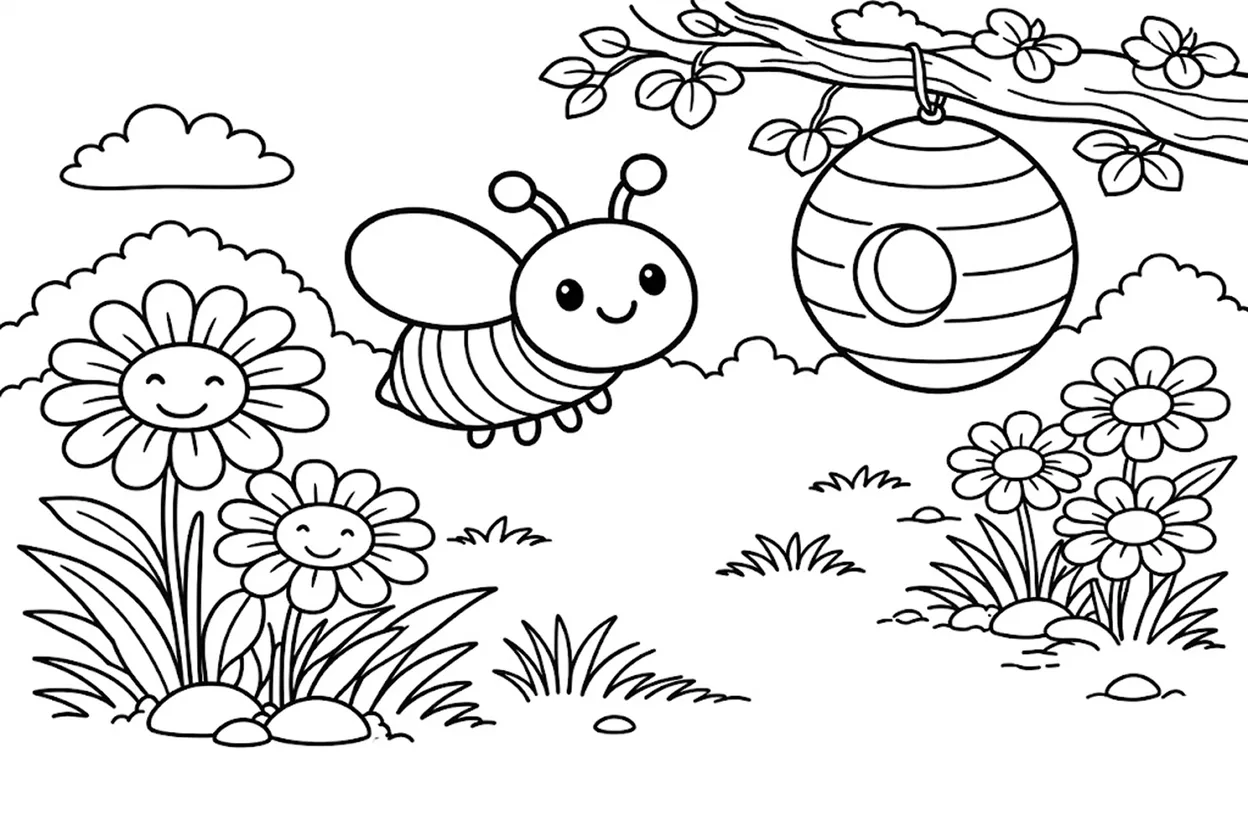

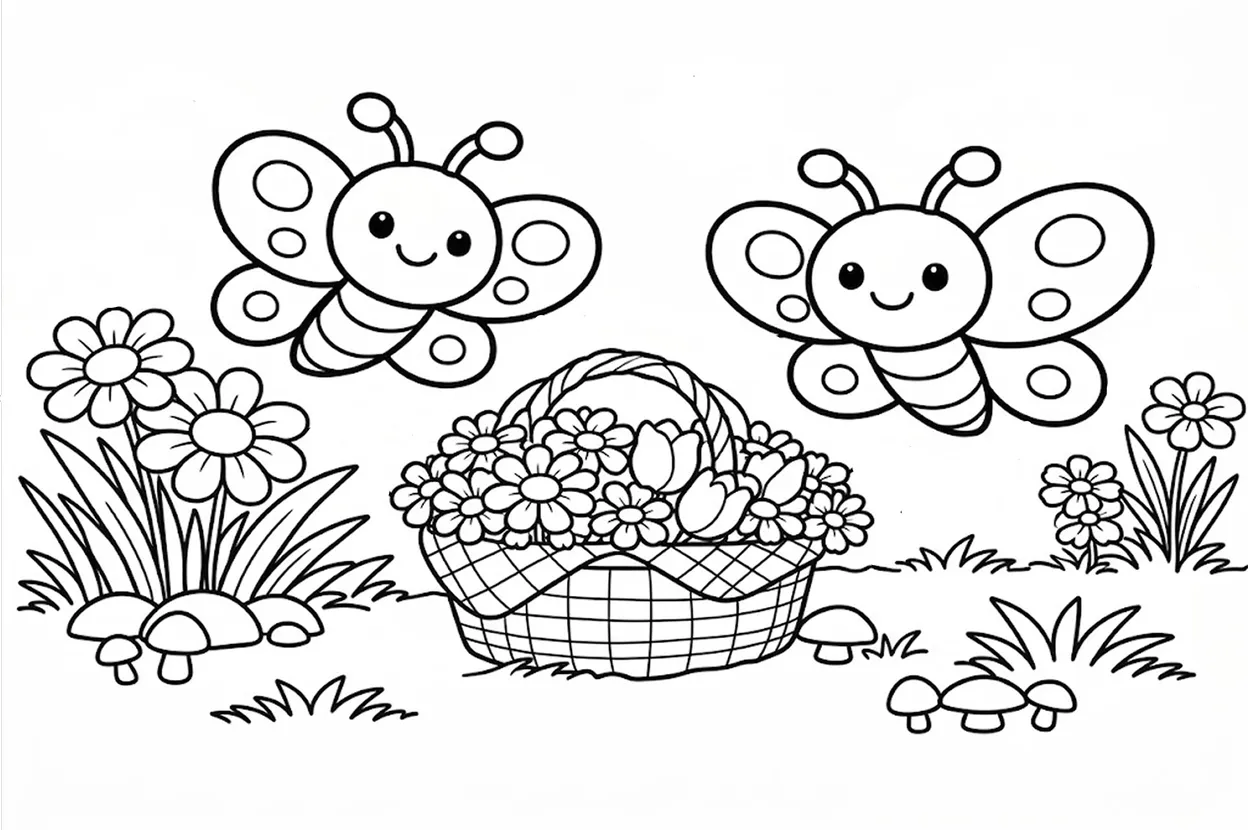
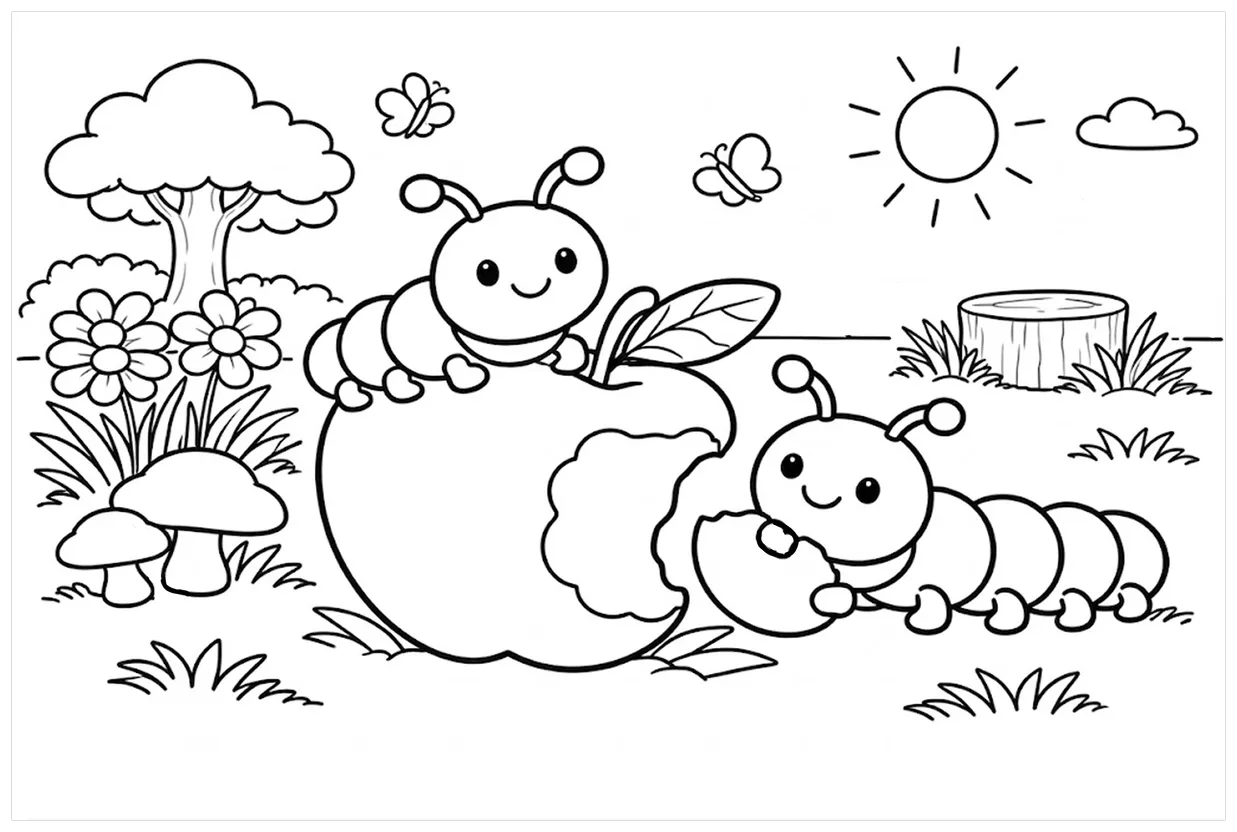
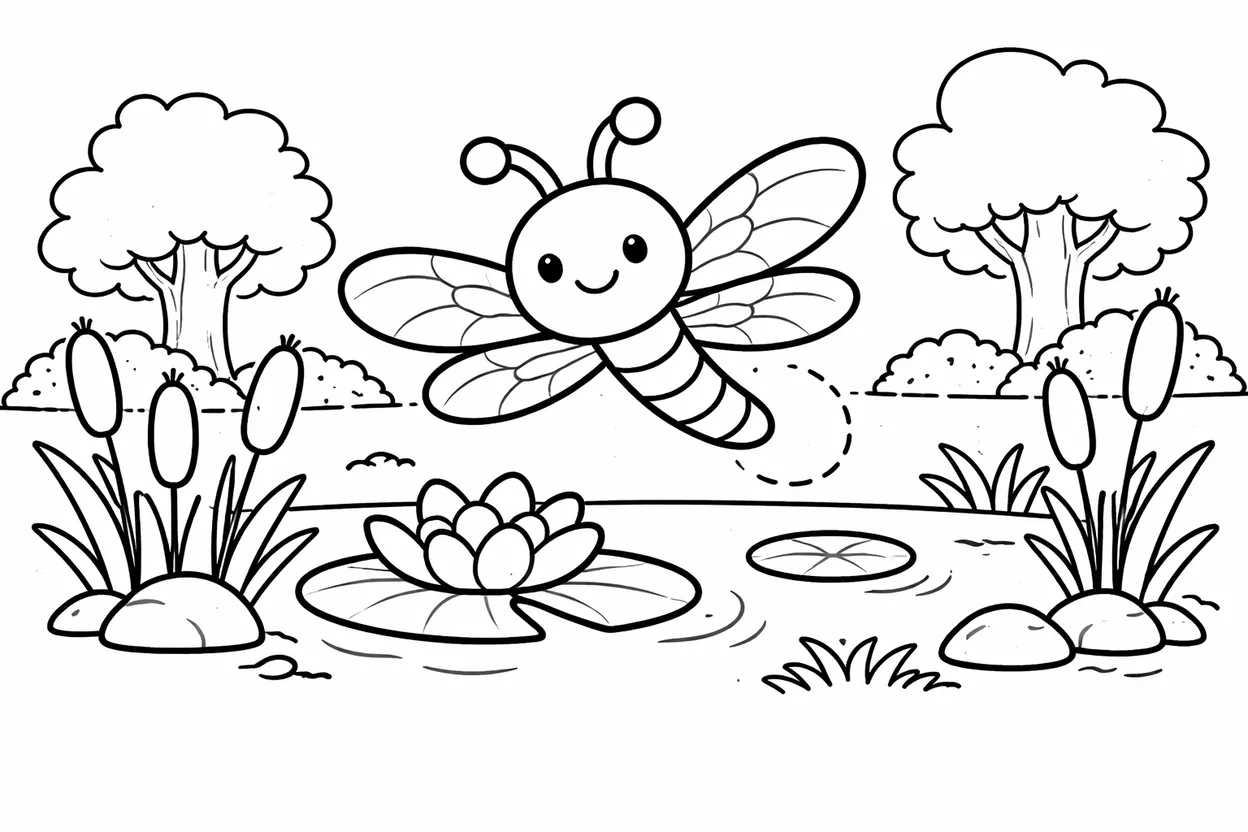
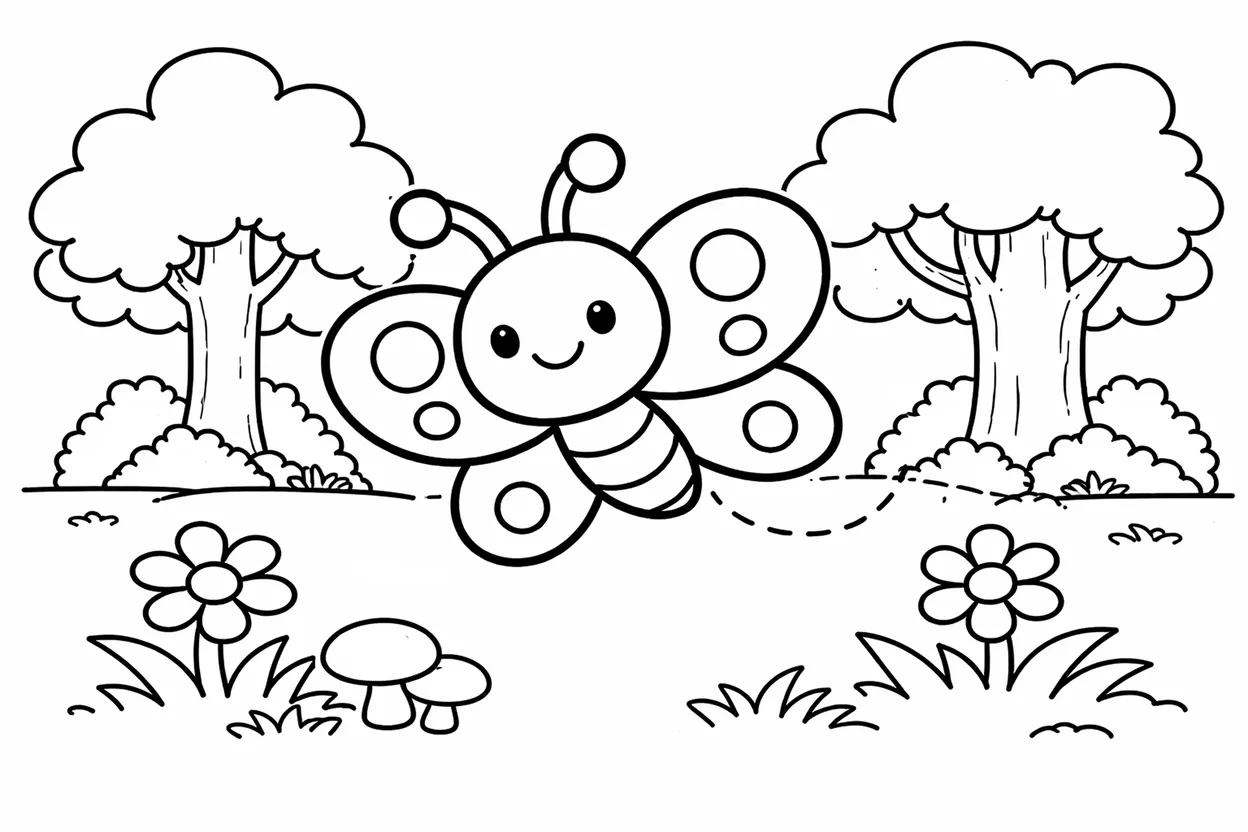
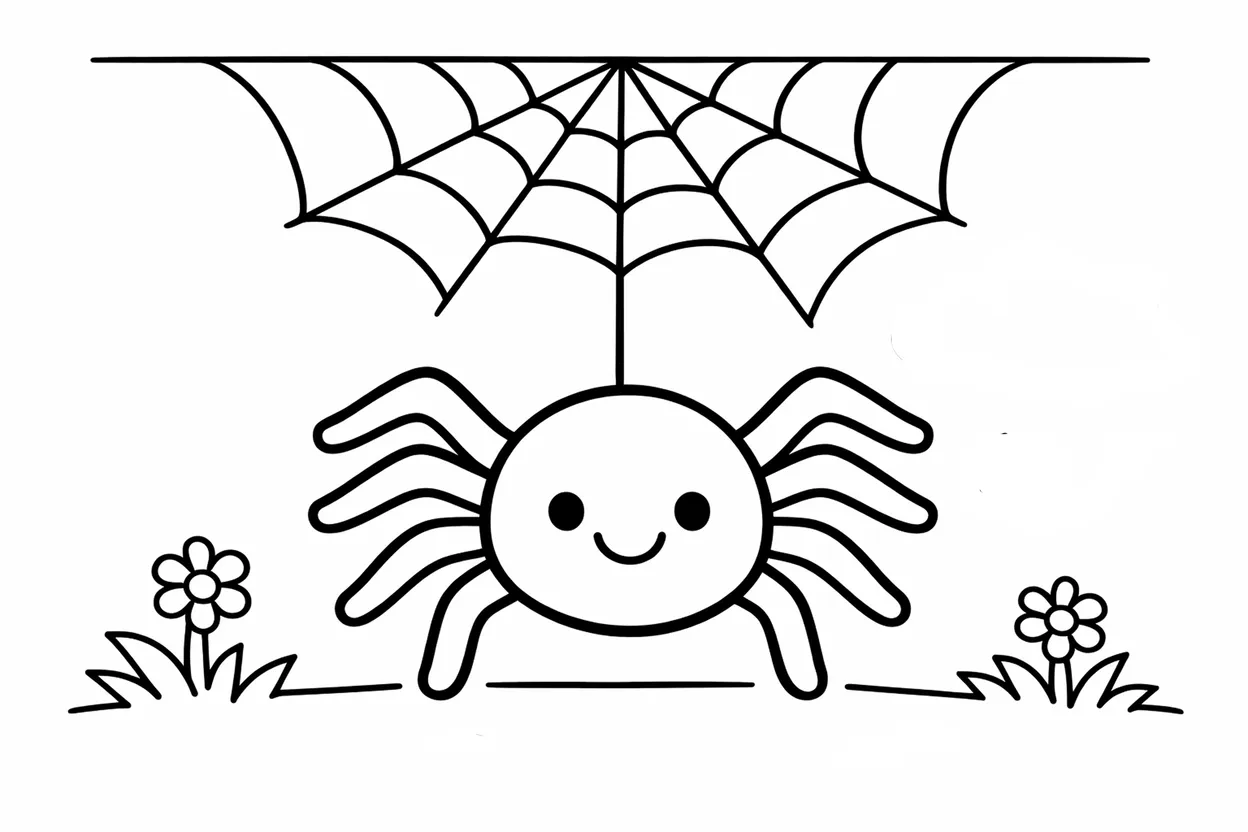
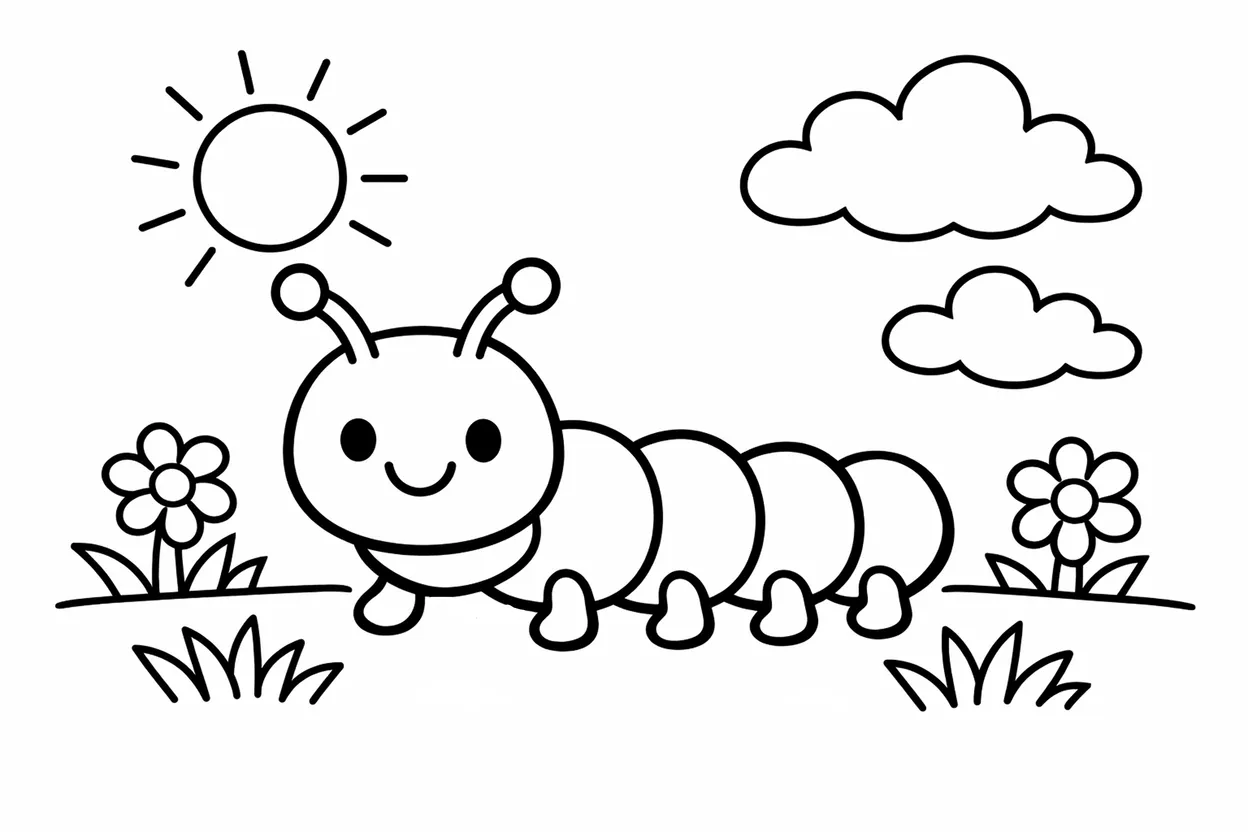
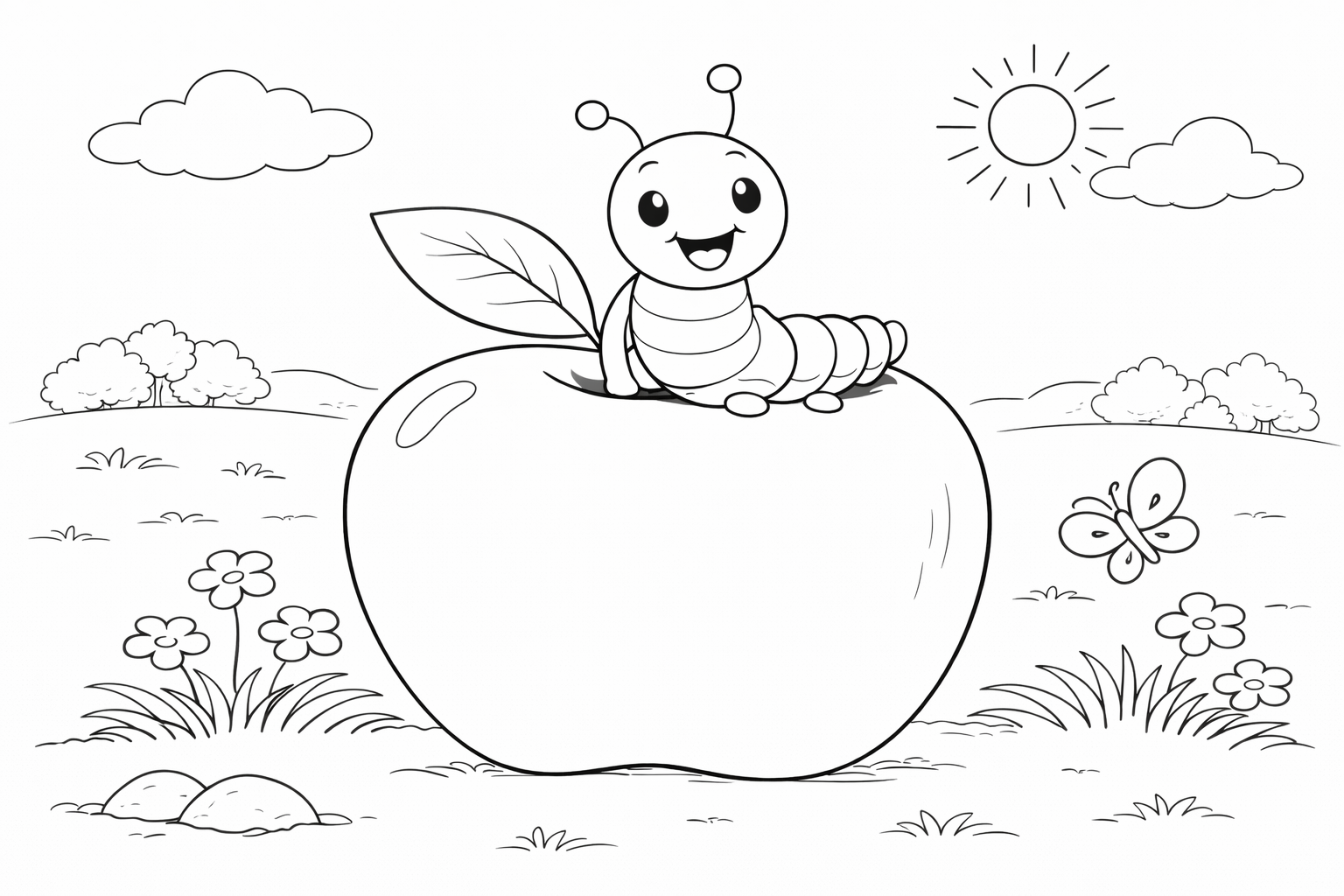
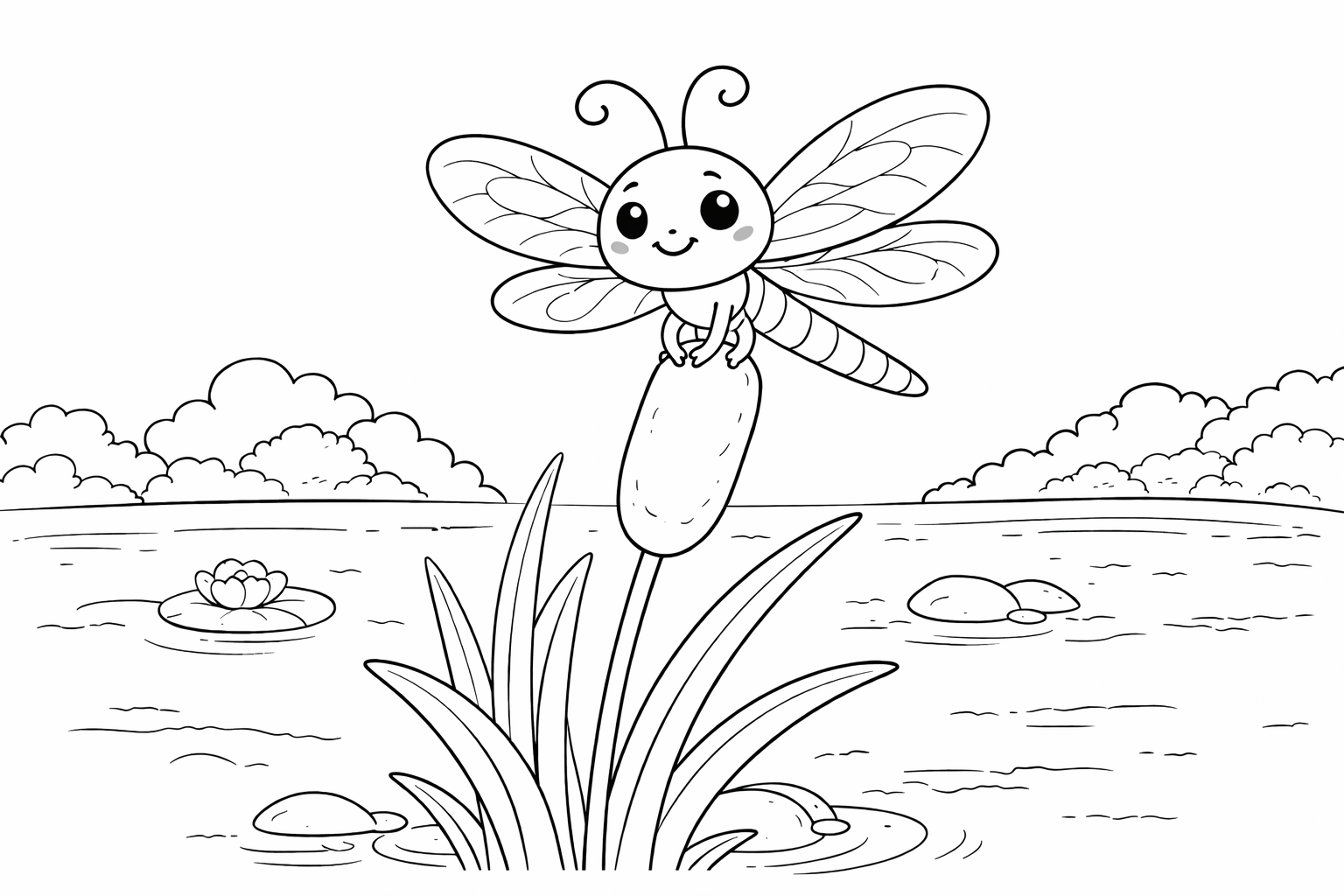
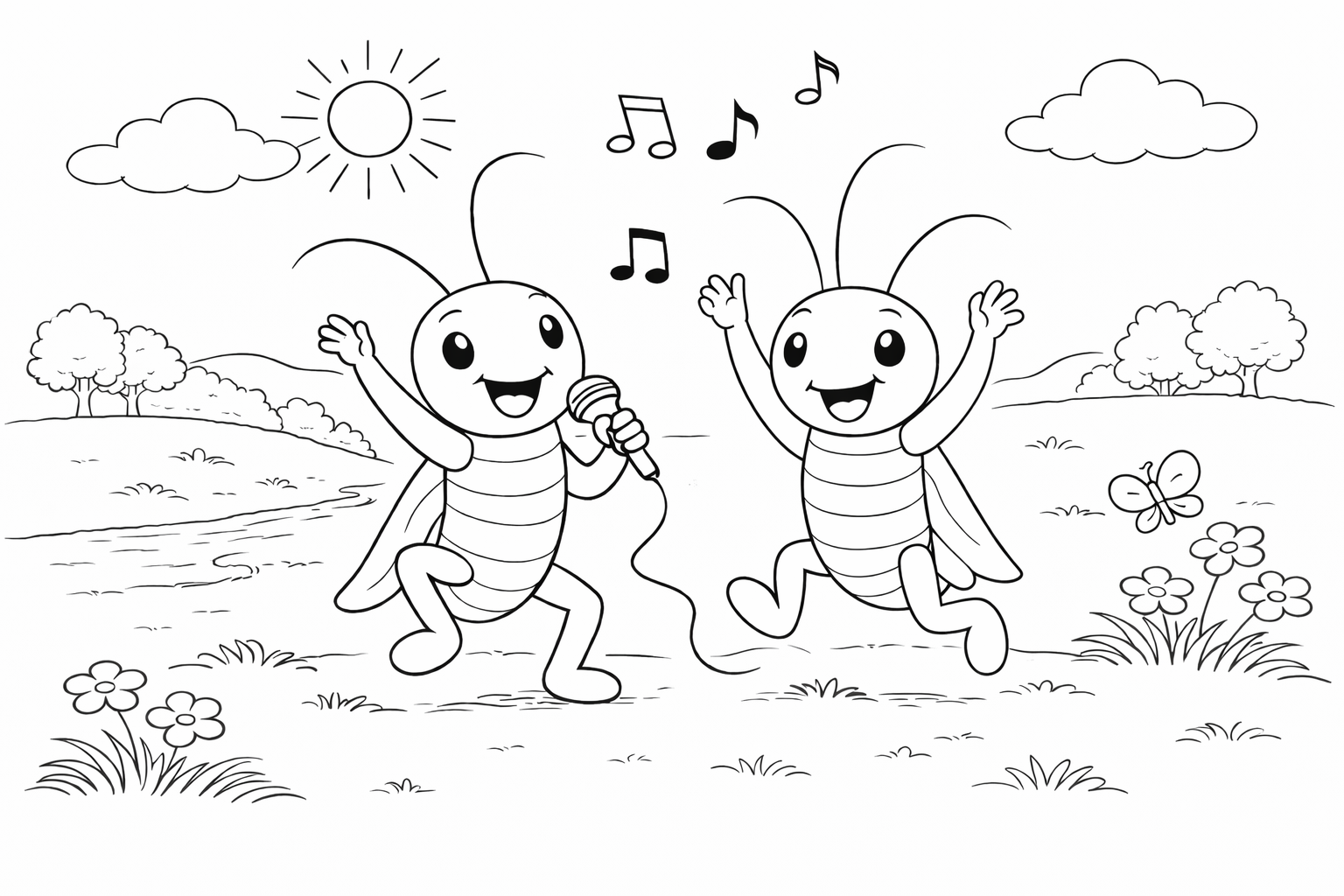
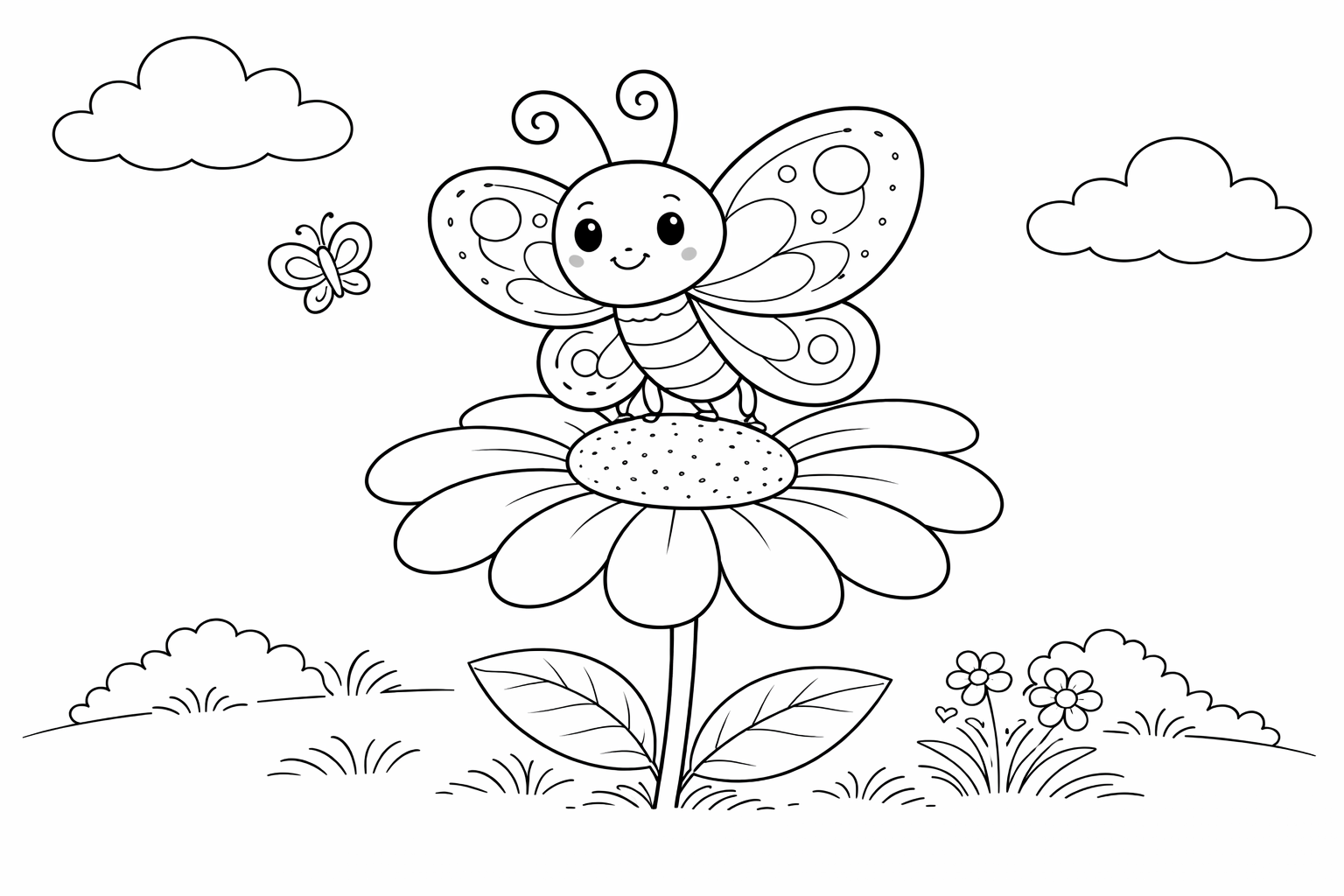
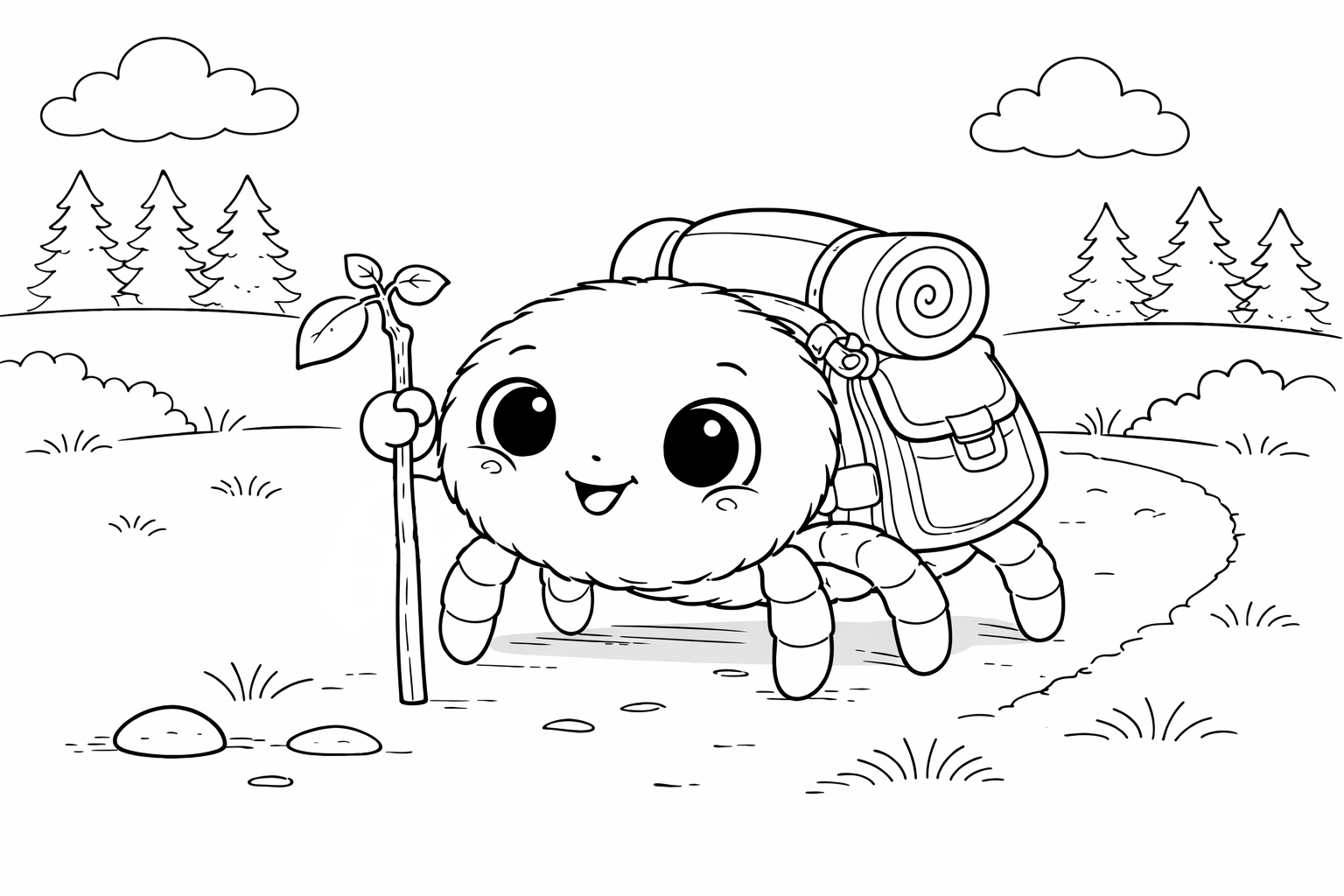
Not scary at all and very cute – insects coloring pages in Keiki
Insects may scare adults, but while a child is small, they do not think in such categories. For them, insects are small and very curious creatures. They are not very noticeable, but once you pay attention to them, they make the brain work, search for answers, and notice details that seem insignificant at first glance but are actually important. A world without insects is impossible, and literally every insect coloring page can become the first step toward exploring it. Without frightening details, but with benefit and creativity.
Why insects coloring pages are useful
Like any coloring activity, insects coloring pages certainly develop many useful skills. But there is something else that makes this category of educational content stand out – the absence of fear of insects from early childhood. Despite their unusual appearance, insects are beneficial to us, to ecology, and to the planet as a whole. Bees, ladybugs, beetles, and many others – these creatures literally make nature what it is. That means learning more about them, respecting them, and learning from their example is an excellent mindset for young children.
In addition, our free insect coloring pages help parents to:
- give children new knowledge and an easy reason to talk about complex topics;
- expand children’s vocabulary by naming objects shown on the pages;
- develop creative potential and creativity;
- teach children to think creatively by adding new elements to printed pages or inventing stories about the characters;
- increase perseverance and concentration;
- train the hand and movement accuracy, which will be useful at school.
At Keiki, we have collected a wide variety of coloring pages created with care and a deep understanding of child psychology.
At what age should a child be introduced to insects coloring pages?
At Keiki, our free insect coloring pages are designed so that they are suitable even for the youngest children. They can be offered to children aged 1–2 thanks to simple, intuitive controls and an equally simple coloring process.
Already at ages 3–4, coloring pages become an important developmental tool, helping train neatness and movement precision, while also expanding vocabulary and serving as a means of self-expression.
For children aged 5–6, free printable insect coloring pages are especially suitable. Traditional coloring methods train the hand and fine motor skills. They also teach creativity and a creative approach by combining coloring and drawing.
People often ask
Many children are afraid of spiders or beetles because of their unusual appearance. At Keiki, we use a “friendly design” principle: our insects coloring pages depict beetles, butterflies, and other insects as cute and friendly. Thanks to coloring, empathy and acceptance of unusual creatures develop more easily.
Yes, because butterflies are an example of perfect natural symmetry. To better show how symmetry works and at the same time teach accuracy, ask the child to color the wings the same way so that the right side matches the left.
Insects have many thin segmented parts. Working with delicate antennae or spots on a ladybug requires very precise movements. Stimulation of the fingertips while working with free printable insects coloring pages directly activates speech centers in the brain. The more carefully a child tries to color a thin beetle leg, the faster and clearer they begin to pronounce complex sounds.
Insects are masters of camouflage. This is a great opportunity for developmental conversation. Ask: “Why is a grasshopper green and a bee striped?”. While coloring insects coloring pages, a child learns that color in nature is not only beauty, but also a method of protection or warning.
Insects are quite small and often unnoticed. After learning certain species, try looking for them together during a walk. Draw attention to differences compared to the coloring page and talk about facts related to the insects you find.