

About this collection
Download free circle coloring pages for kids — print at home today
These circle coloring pages bring round shapes, circle tracing and wheels to life. Print instantly and spark imagination one crayon at a time.
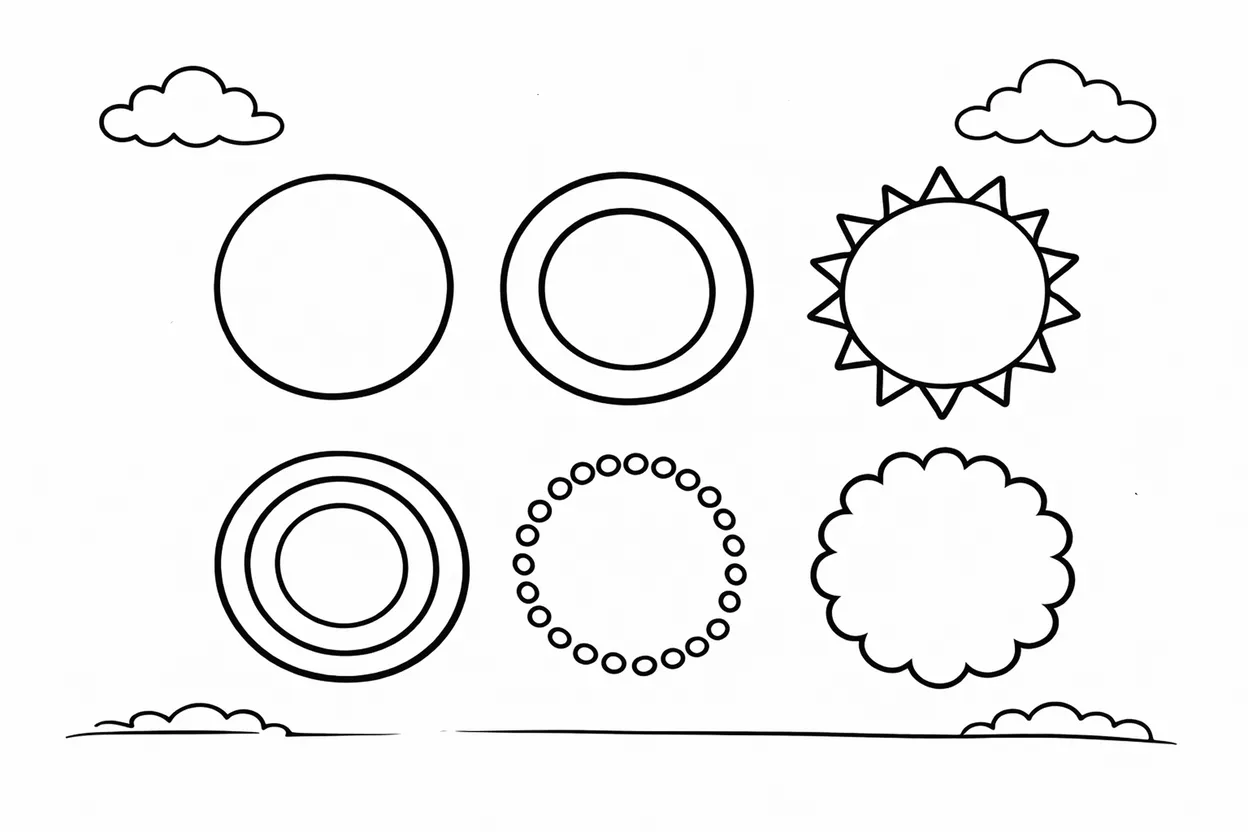

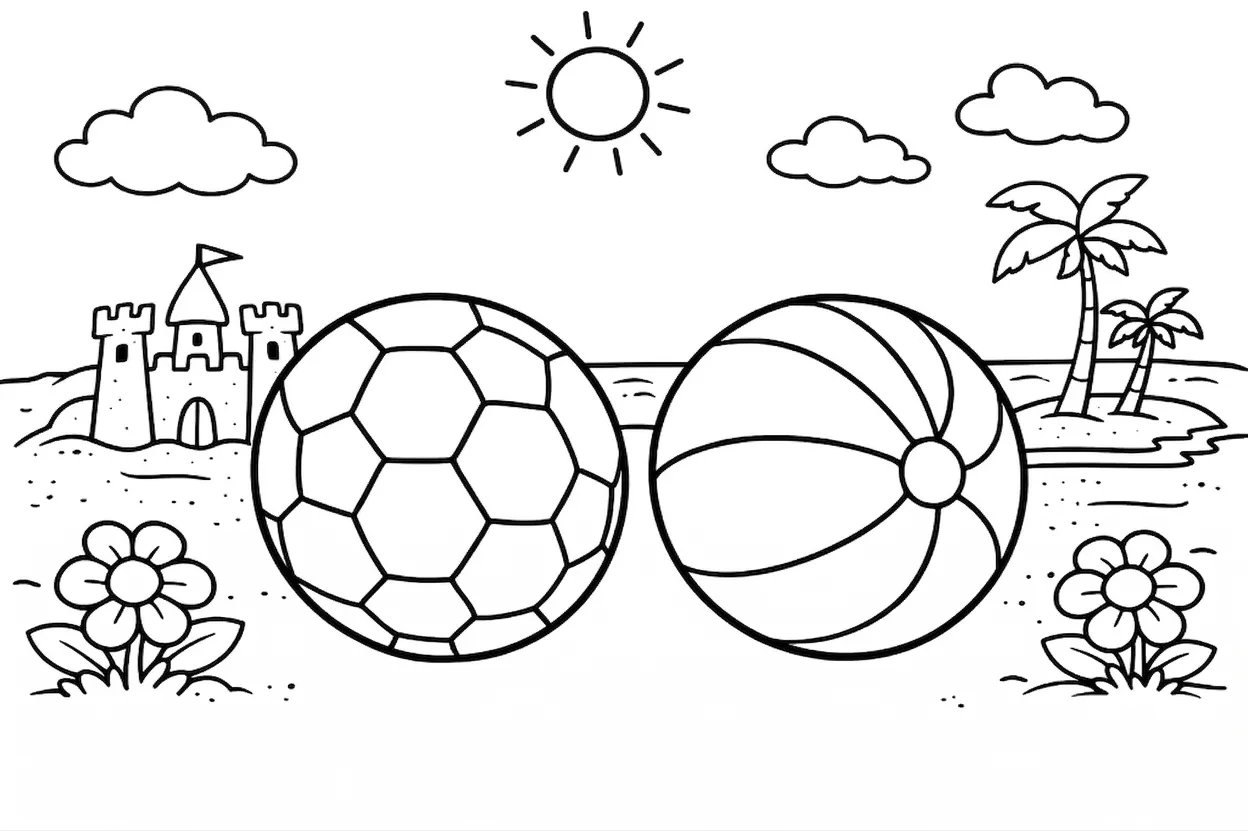
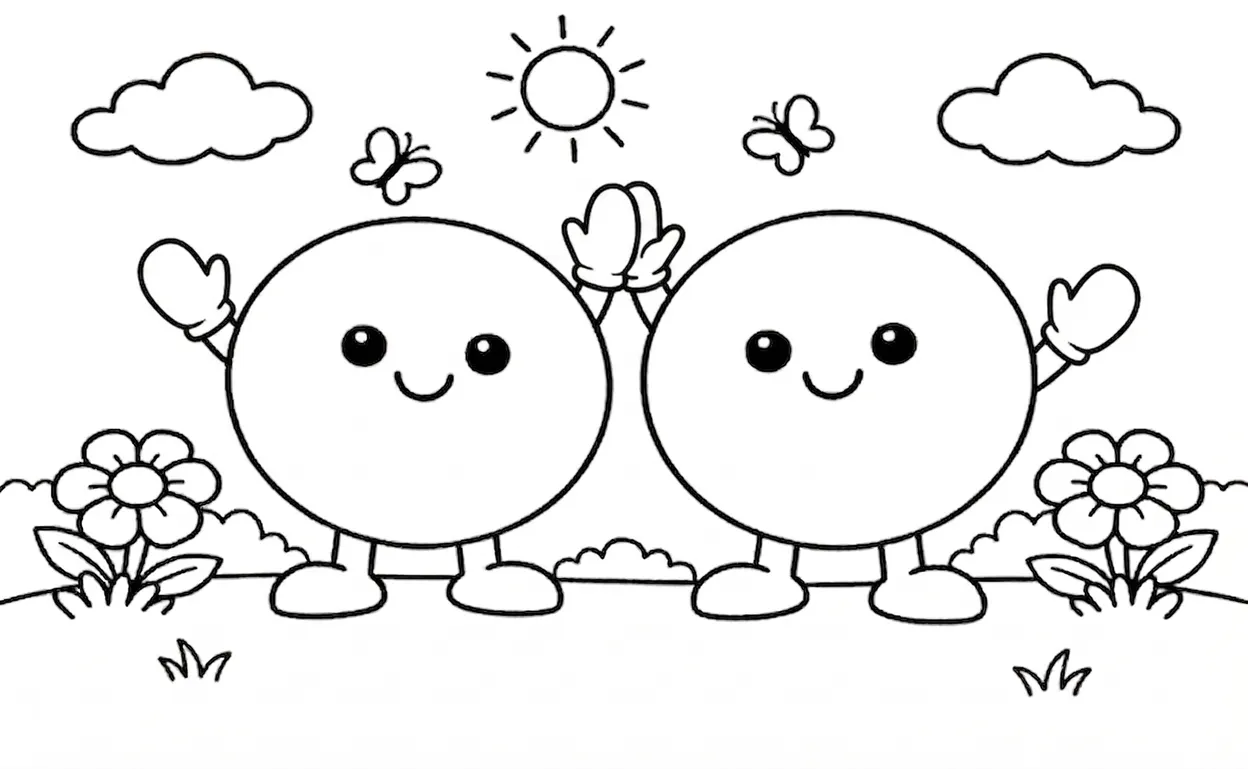
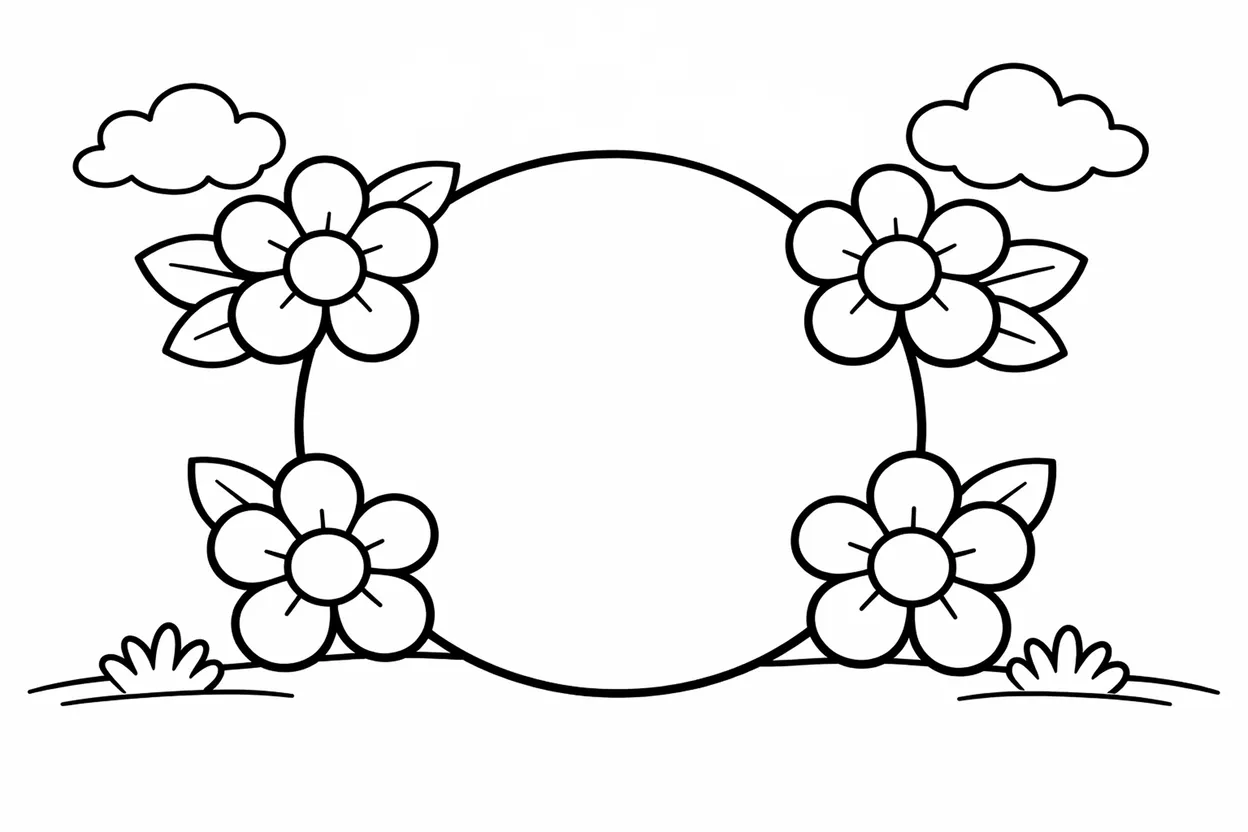
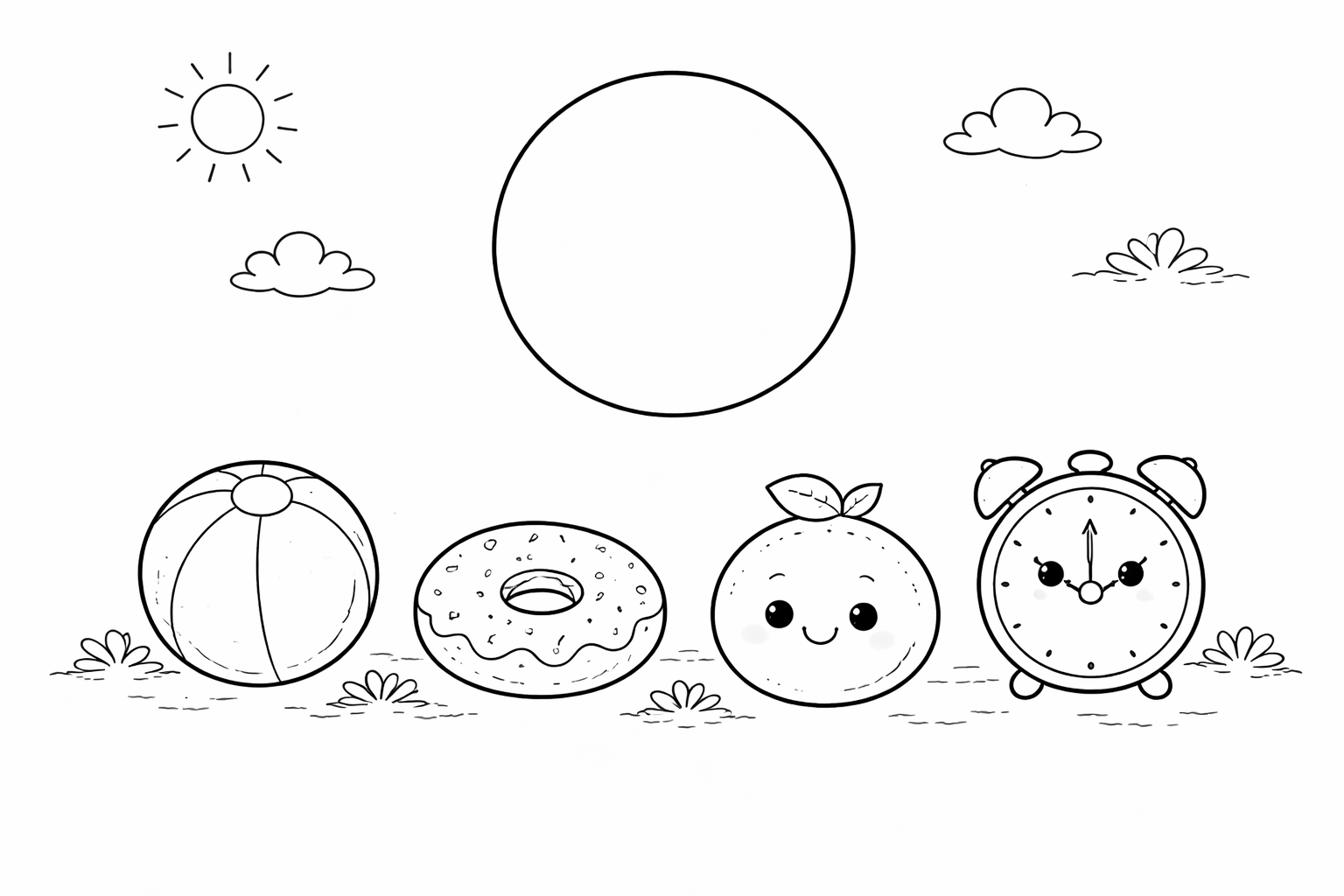
Round and Round with Circle Coloring Pages
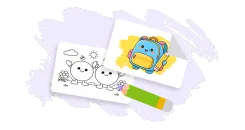
The circle is the ultimate foundation. No corners, no complex mazes of lines. At first glance, a circle coloring page might seem too simple even for young children. But it is in this simplicity that the perfect tool for preschool development is hidden. Instead of overstimulation, the circle offers an ideal form that helps a child focus and calm their nervous system. Before moving on to complex shapes, angles, and lines, a child invariably masters the smooth curve of a circle. Coloring pages help them do exactly that.
Geometry Without Boredom: What Does a Circle Become?
A circle is not just a basic shape that children learn at a young age; it’s also a gym for abstract thinking. When a child has a basic circle shape coloring page in front of them, it’s an invitation to turn their imagination up to full power. What seems ordinary to an adult is anything but to a child. With just a few strokes, circle coloring turns into:
- A Space Object: Add craters to make a Moon. Draw rings, and Saturn is ready.
- A Culinary Masterpiece: Divide the circle into slices and add bright "toppings" to create a pizza or a glazed donut.
- A Mechanical Part: Draw some spokes, and the shape becomes a car wheel.
- An Emotion: Two dots and an arc – now a smiling face is looking up from the page.
A circle is where all children begin. By around age two, toddlers can usually draw one themselves, even if it's a bit wobbly. Learning geometric shapes should always start with the circle.
Developing Motor Skills: Why It’s Harder Than It Looks
For children around age four – the age when hand control is just beginning to form – a smooth line is a real challenge. Filling in circle round coloring pages is technically more difficult than coloring squares. There are no corners to "rest" the pencil against or take a breath. A preschooler must constantly control their wrist movement, smoothly changing the direction of their shading to avoid going outside the lines. This is vital physical preparation for writing rounded letters in school later on.
The Keiki Advantage: Coloring in Different Formats
If you are on the go or want to provide your child with safe online leisure without pop-up ads, the circle coloring pages in the app solve this task 100%. They allow for experimentation with fills and colors with a single touch – no mess, no stains. All our materials are created based on the latest findings in child psychology, meaning no unnecessary stimulation, fast scene changes, or overly complex interfaces.
However, if your goal is to practice physical pressure and motor skills, you can always download a circle coloring sheet and print it on thick paper. Paper handles everything from watercolor puddles to hard wax crayons, giving your preschooler the best of both worlds.
People often ask
Try having them trace the outline of the shape with a thick marker in a contrasting color first. This visual and physical border on the circle coloring page helps the child know when to stop their hand and feel the boundary of the shape.
Yes, it’s a classic and very visual method. Print a circle coloring sheet, cut it in half or into four pieces, and ask your child to color each section a different color.
Show them a fun trick: suggest filling the circle round coloring pages not with straight lines, but by drawing many tiny circles inside (like a spring or sheep's wool). This relaxes the wrist and fills the space without sharp, aggressive strokes.
Add context! Turn the abstract circle shape coloring page into something tangible. Suggest that they draw something inside the circle or turn it into part of a full picture or story.