

About this collection
Free printable daisy coloring pages for kids — download, print and color
Our daisy coloring pages feature white daisies, flower petals and gardens for hours of fun. Chunky lines make coloring easy for toddlers and preschoolers.
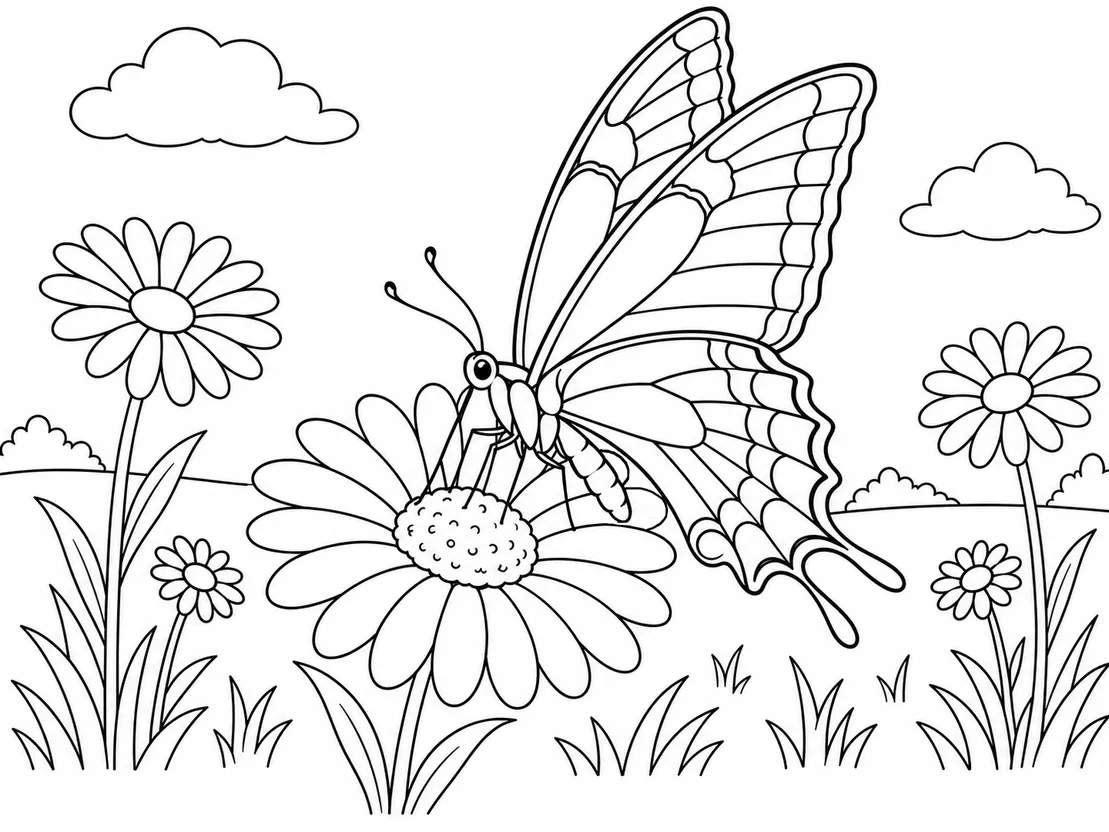

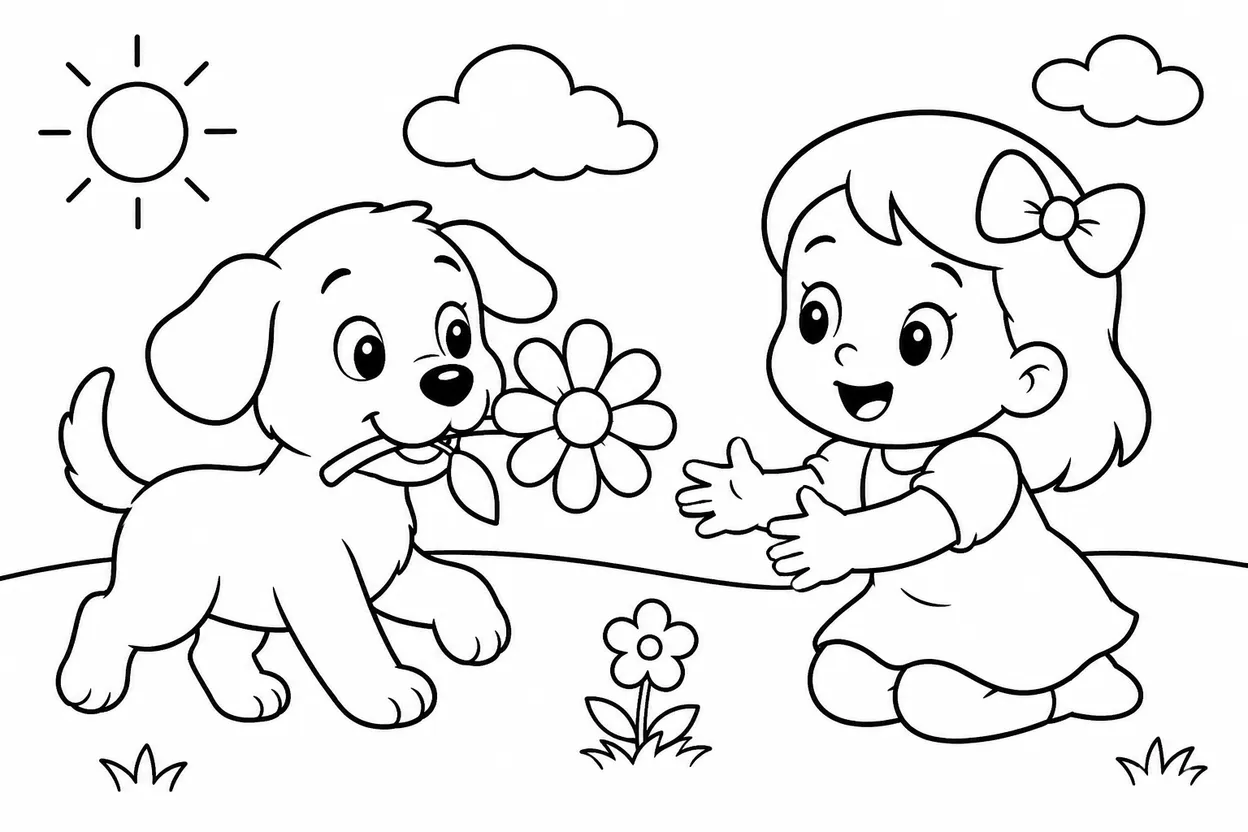
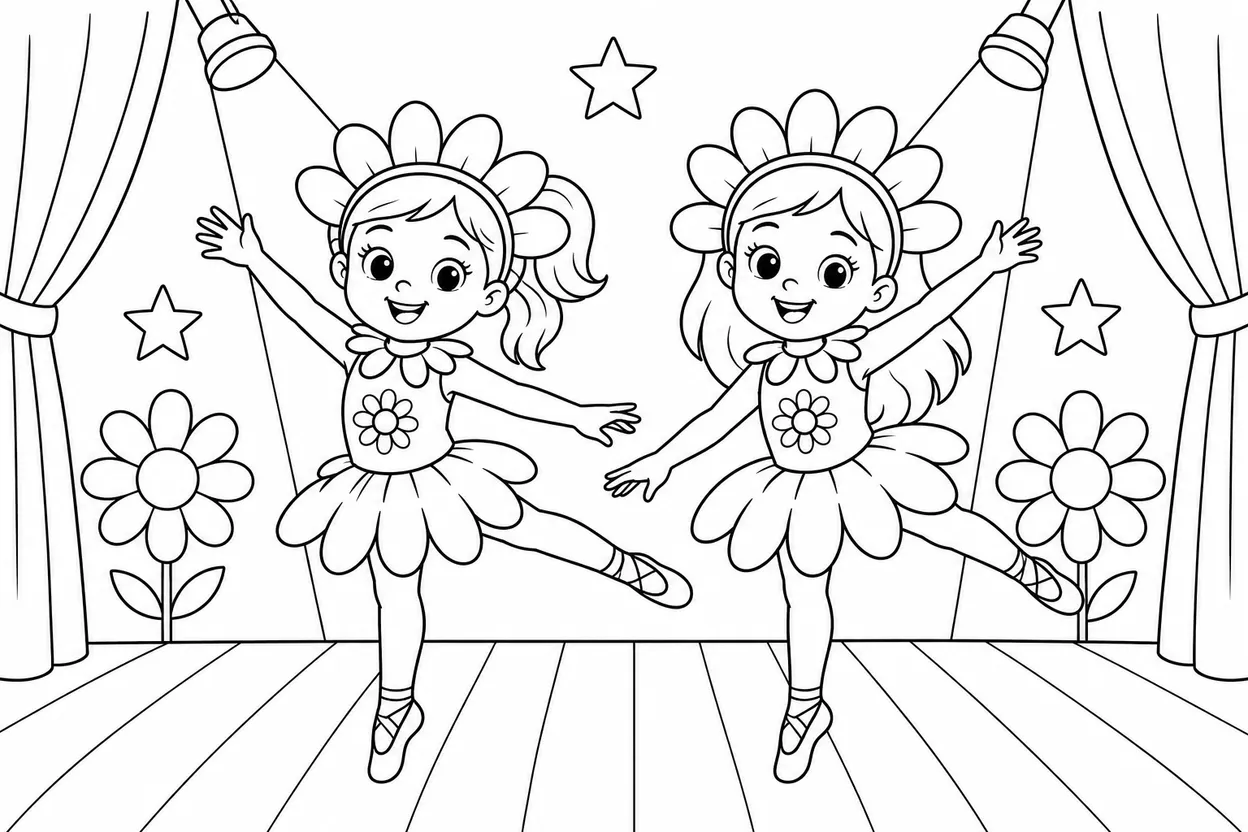
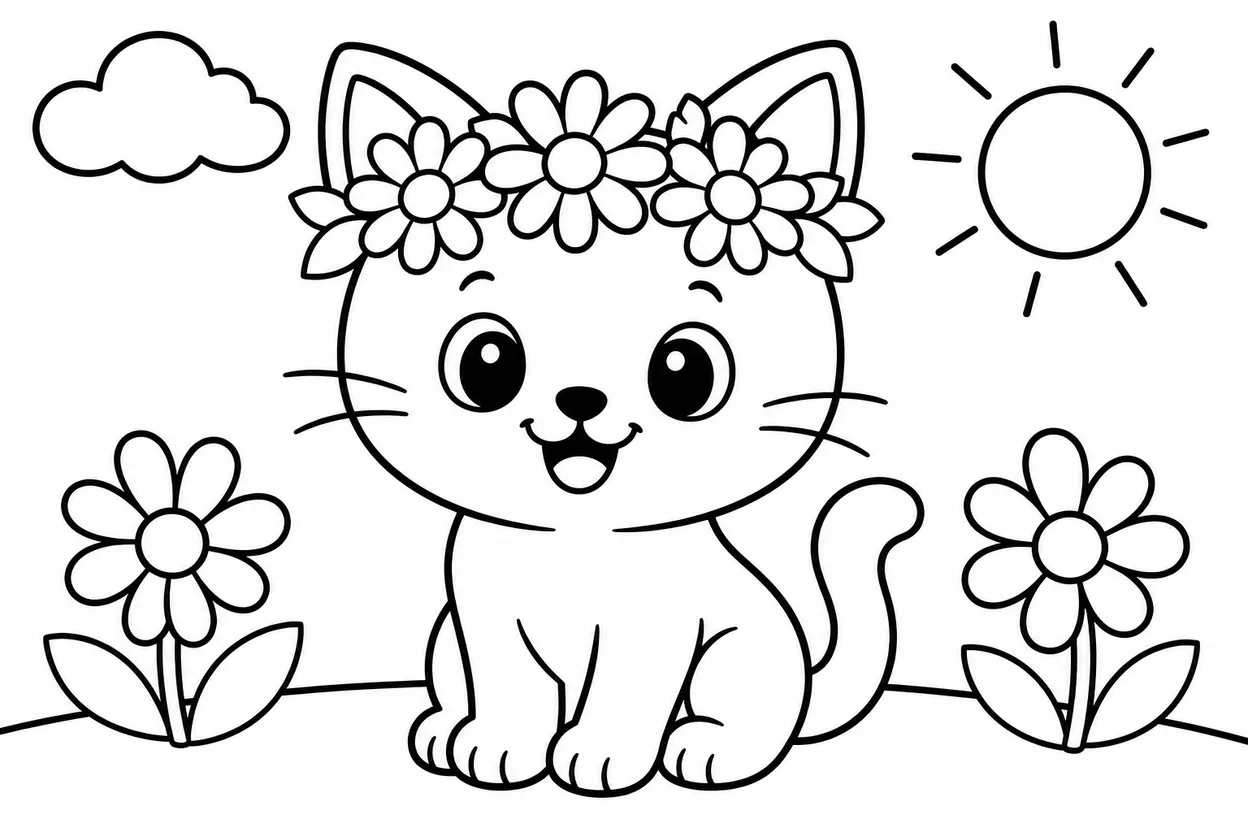
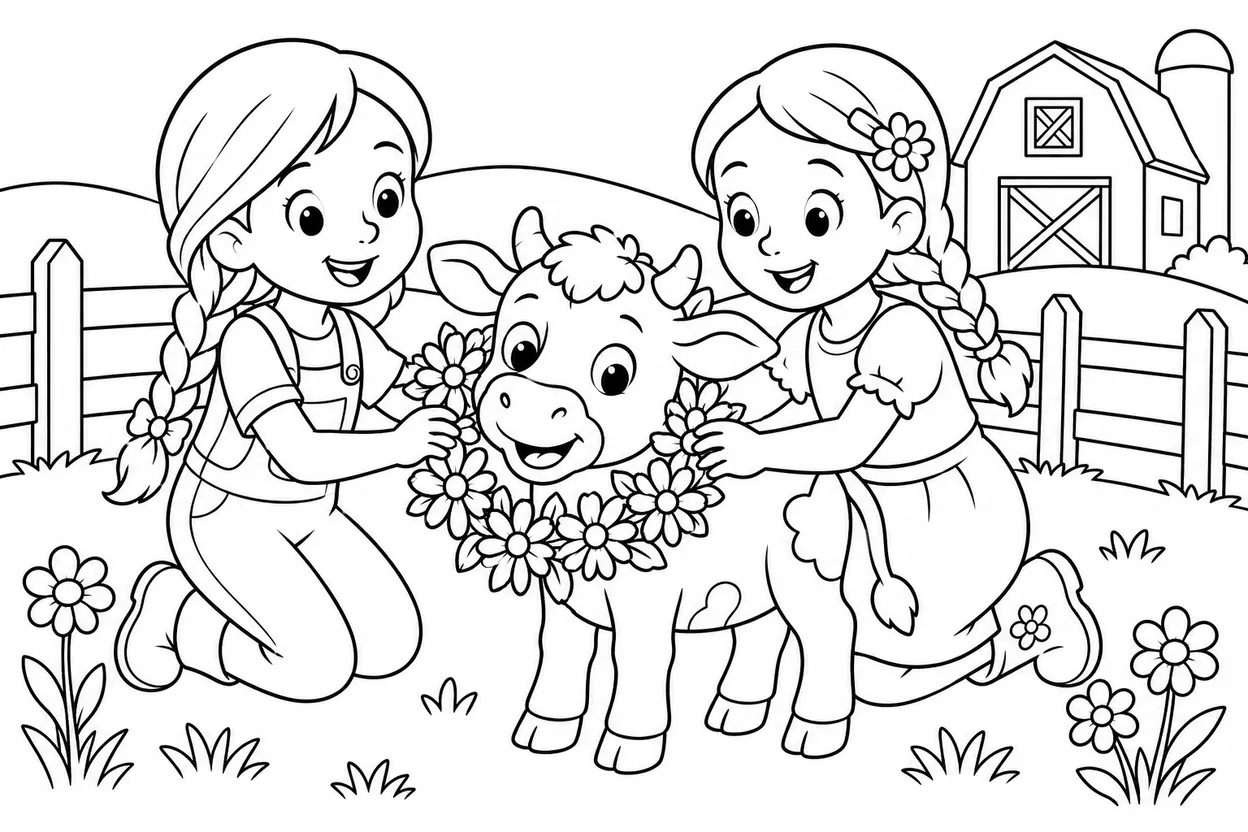
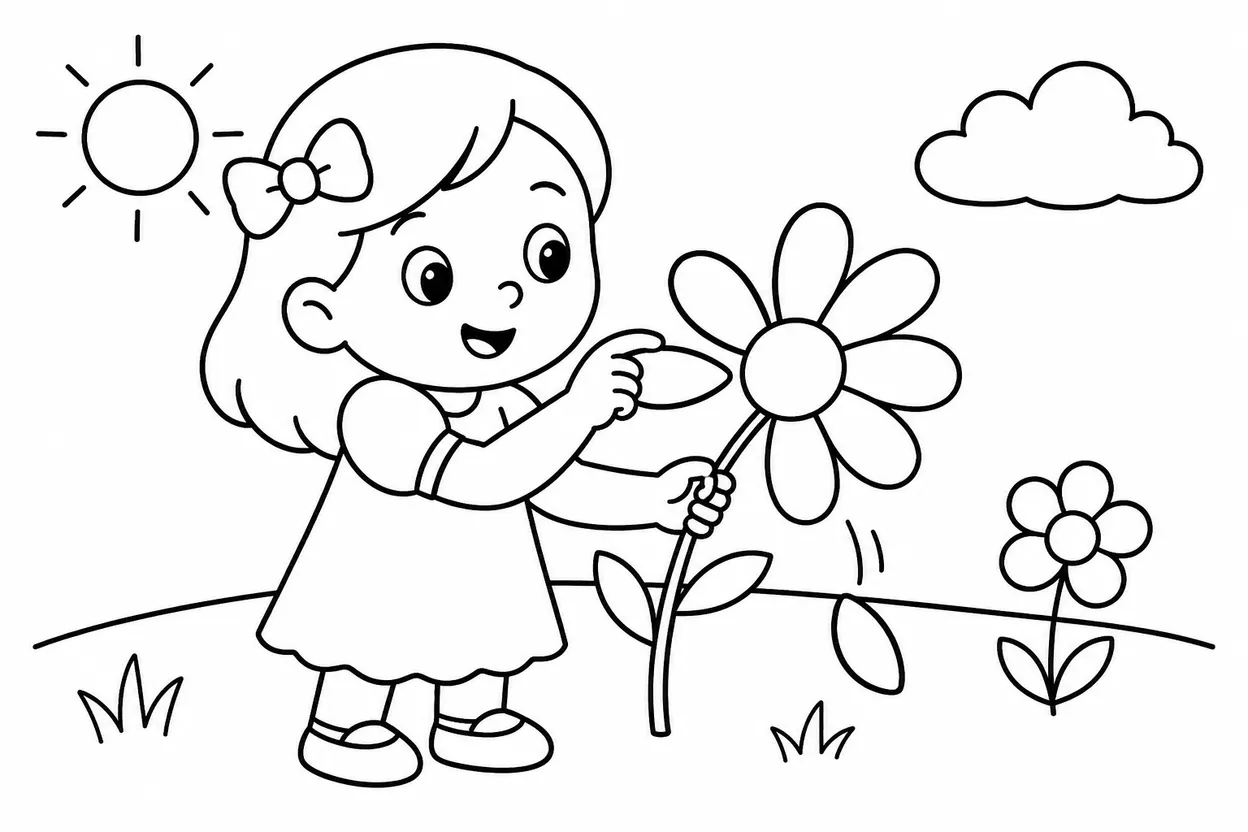
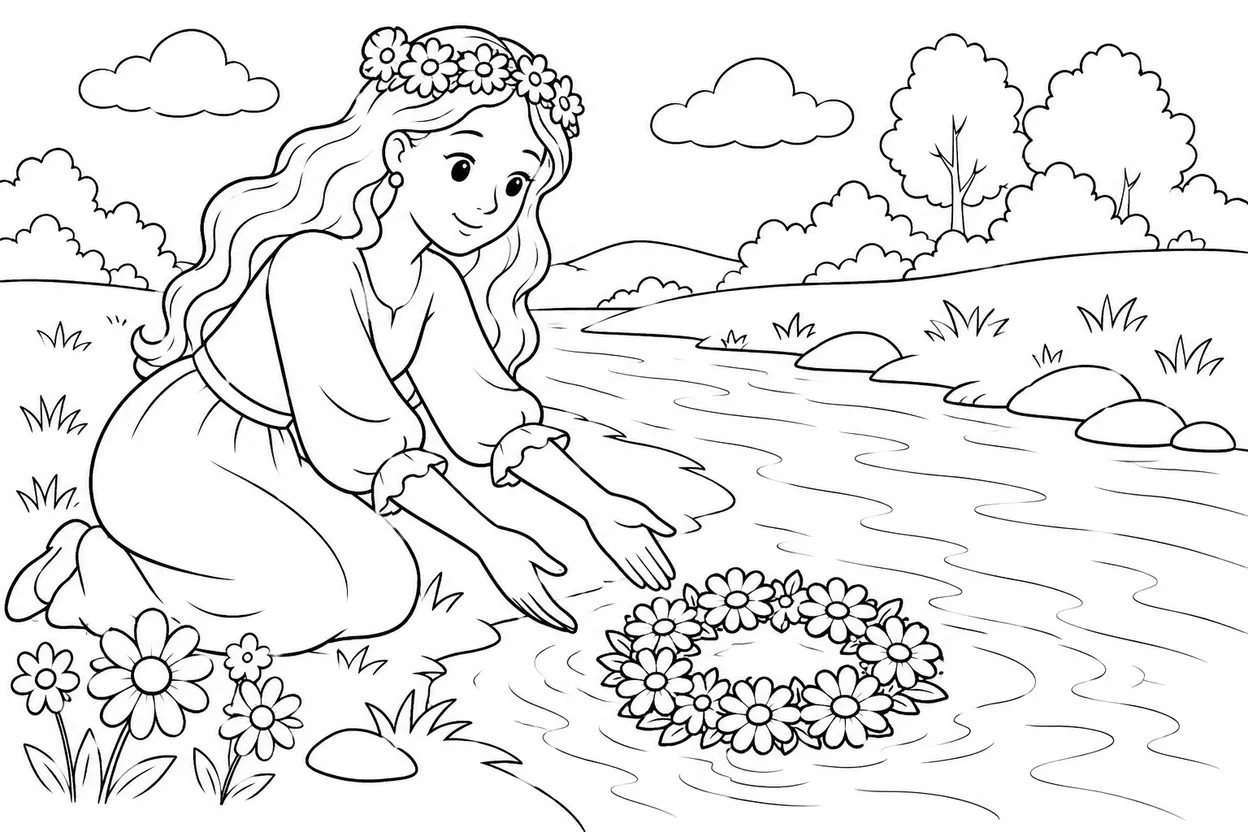

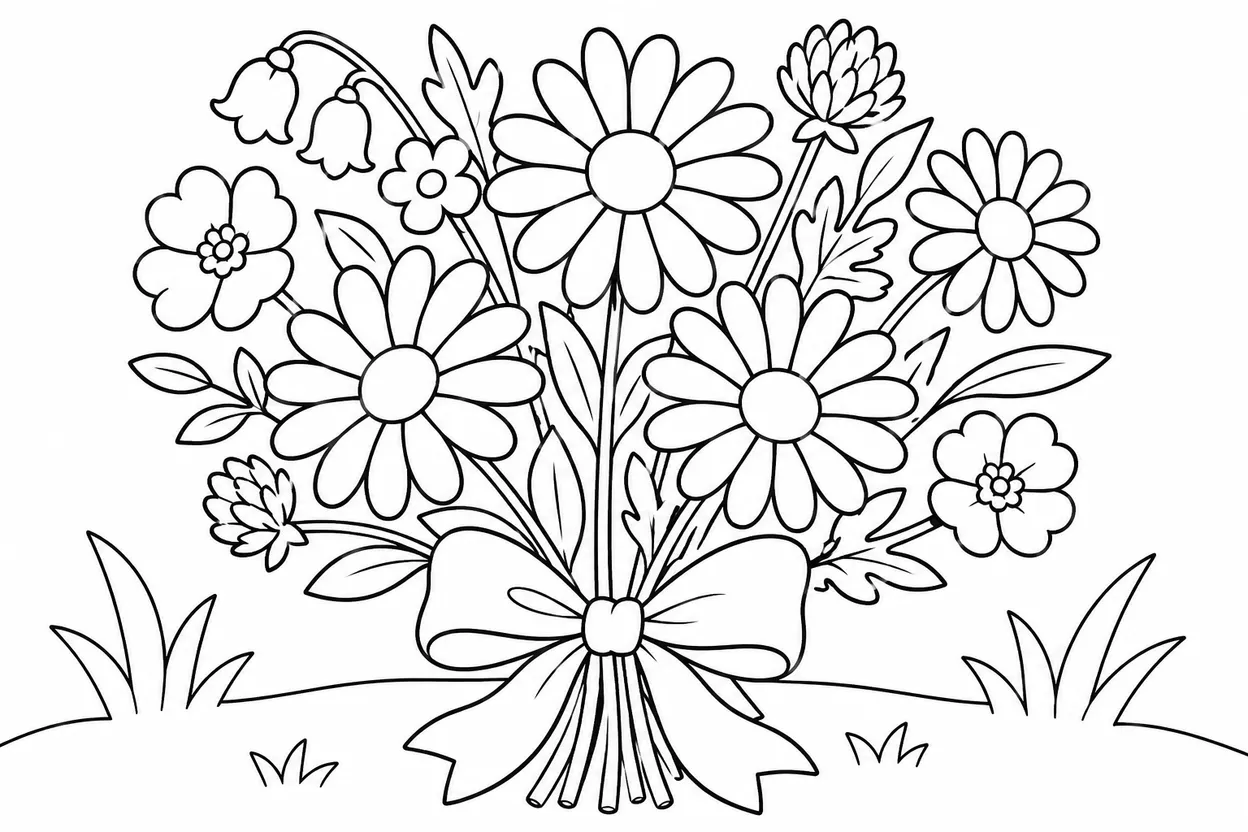
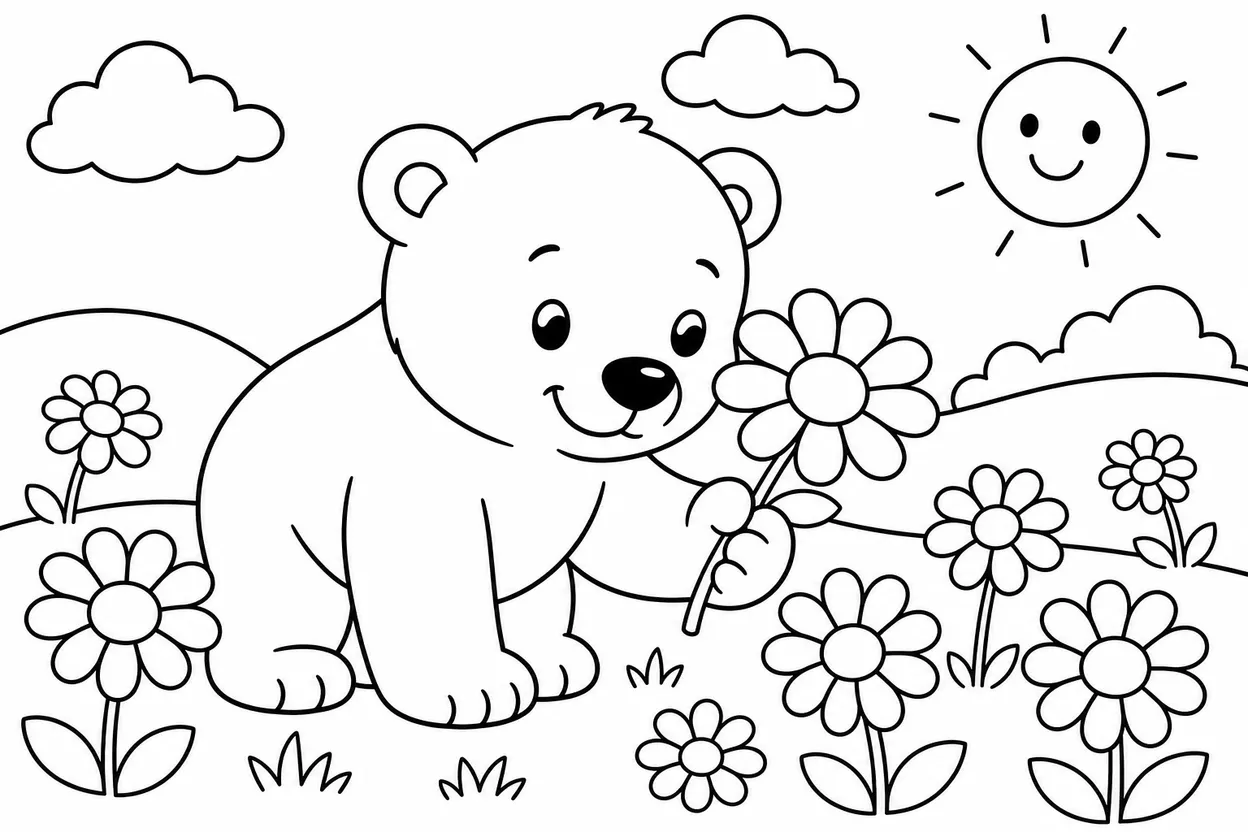
Petal by Petal in Daisy Coloring Pages

The simpler the image or object, the more room there is for imagination. In the world of flowers, the daisy is considered very simple, even modest compared to the riot of flowerbeds and gardens. But if you pay just a little more attention, its beauty unfolds in full, drawing focus with its symmetrical petals and yellow center. A daisy coloring sheet is an ideal trainer for fine motor skills with all those small, thin petals. Additionally, floral coloring allows a child to learn more about the world around them.
Why Daisies are Beneficial
If you’ve ever tried to explain to a two-year-old how to color something complex and intricate, you understand the value of simple shapes. A daisy is something like a visual alphabet. A circle in the center, oval petals around the edges – it’s all clear, but no less beautiful for it.
When a little one chooses daisy coloring, they learn two important things:
- Hand-eye coordination: they don’t just drag a finger across the screen or a pencil over paper, but aim for a specific petal.
- Task completion: a daisy is easy to finish coloring in just a couple of minutes. For a child aged 2–3, this is vital for forming the dopamine response of “I did it!”
Our daisy flower coloring pages are created with a child's physiology in mind: the outlines are clear, the shapes are large, and the result always looks aesthetic, which encourages the young artist to keep experimenting.
Color Psychology – More Than Just White and Yellow
Many parents make the same mistake: correcting the child if they choose a color that seems "wrong" to them. However, daisy coloring pages are an opportunity for experimentation. Sometimes these coloring pages can be used to study colors, and other times – for a flight of fancy. This leisure activity allows for trying different approaches:
- Choosing different colors for the petals or even alternating shades (like a rainbow).
- Changing the center color, as well as using different techniques (like pointillism/dot-filling).
- Adding letters or numbers on the petals – this works well for older children; the sequence of petals is a great way to boost counting or reading skills.
Using a daisy coloring page, you can gently introduce the names of colors into your child's vocabulary. Yellow, green, red – literally every day you can memorize and master new shades. This approach is much more effective than memorizing flashcards because the knowledge is tied to action and emotion.
Creative Ideas for Different Ages
Even the same daisy coloring sheet can grow with your child. Here is how you can diversify the process:
1–2 Years Old – Sensory Experience
At this age, daisy flower coloring pages in the Keiki app focus on developing fine motor skills. The toddler learns to understand the connection between a touch and the appearance of color. If you are using printouts, try finger paints.
3–4 Years Old – More Attention to Detail
At this age, daisies coloring pages become more complex. You can suggest the child color every other petal or use different shades of the same color to focus on developing patience or learning classification and sorting.
5–6 Years Old – Creating a Plot
For older preschoolers, daisy coloring turns into part of a big story. Who lives under this flower? What color will the sky be in the background? At Keiki, we encourage this expansion of context by adding palette elements and tools that bring the picture to life.
People often ask
Anywhere from 3 to 10 minutes is an excellent result. A toddler's attention works in short sprints. If the little one drops the coloring after two minutes, don’t force them to finish. The skill of concentrating on a single task is trained gradually.
No. This is a normal stage of skill acquisition for children up to 2.5–3 years old. The child is exploring the very mechanics of how a tool leaves a mark on the screen or paper. Demanding they "stay within the lines" at this age is pointless and will only discourage interest.
Yes, but for this, it's better to use a tablet with a child-friendly stylus (or print the image). Coloring with a finger is great for training neural connections, but the correct pincer grasp is only formed when working with a physical tool.
It’s very simple: count the petals during the process. Suggest coloring one petal, then a second. For children aged 4–5, you can introduce conditions: "color three petals yellow and two petals blue." This is already a full-fledged preparation for math lessons in school.