

About this collection
Easy sea animals coloring pages for kids — print at home today
Discover sea animal coloring pages packed with dolphins, whales and octopus. Great for quiet time, rainy days and screen-free creativity.
Most popular sea animals coloring pages
Hand-picked by parents from our library of 102+ designs.

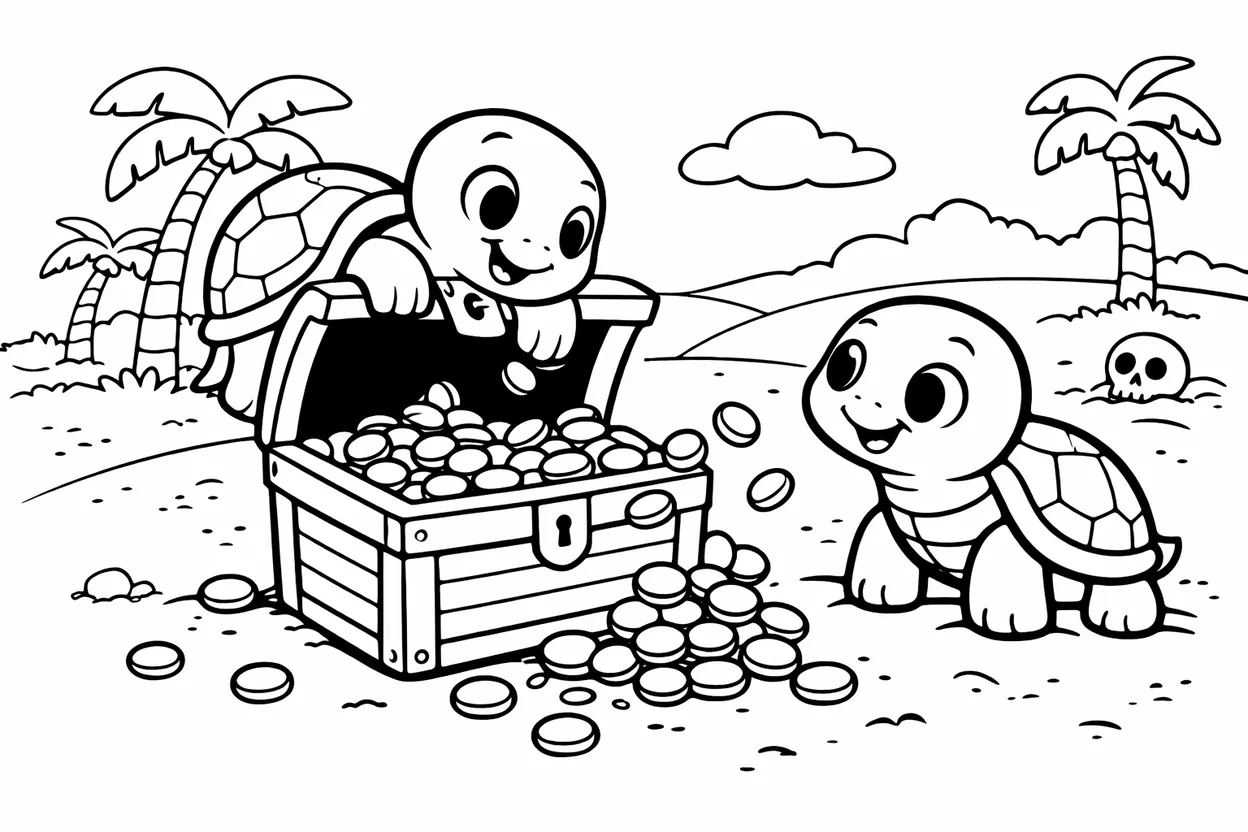
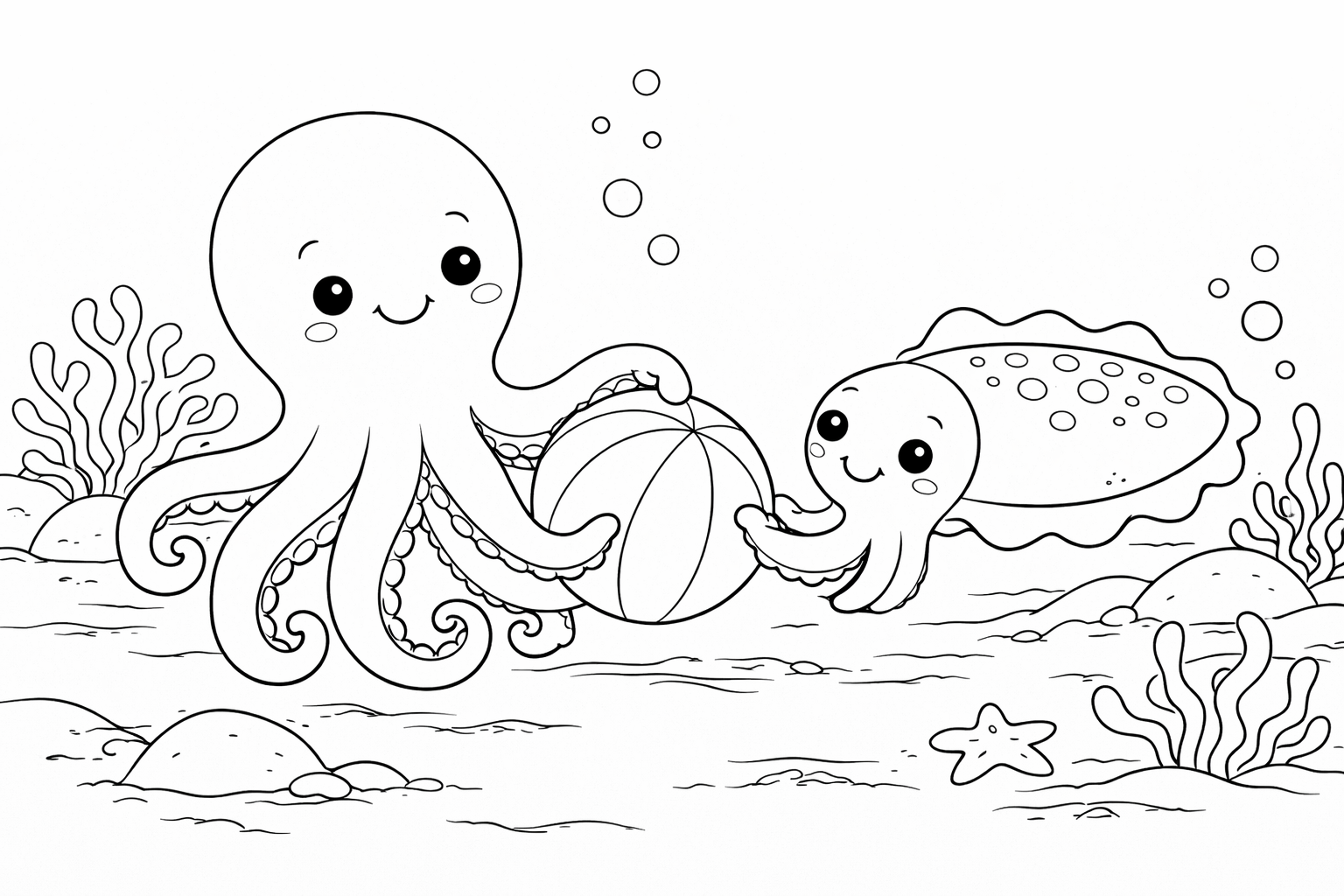
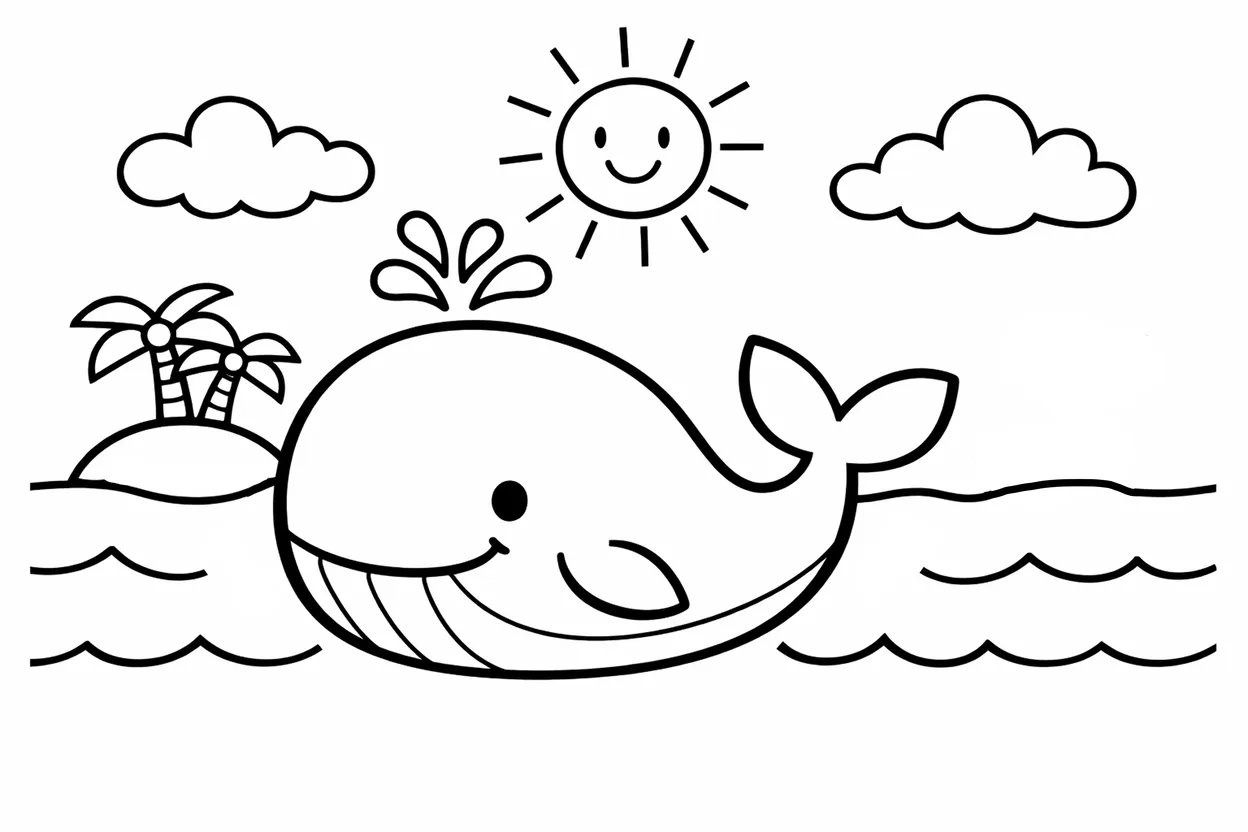
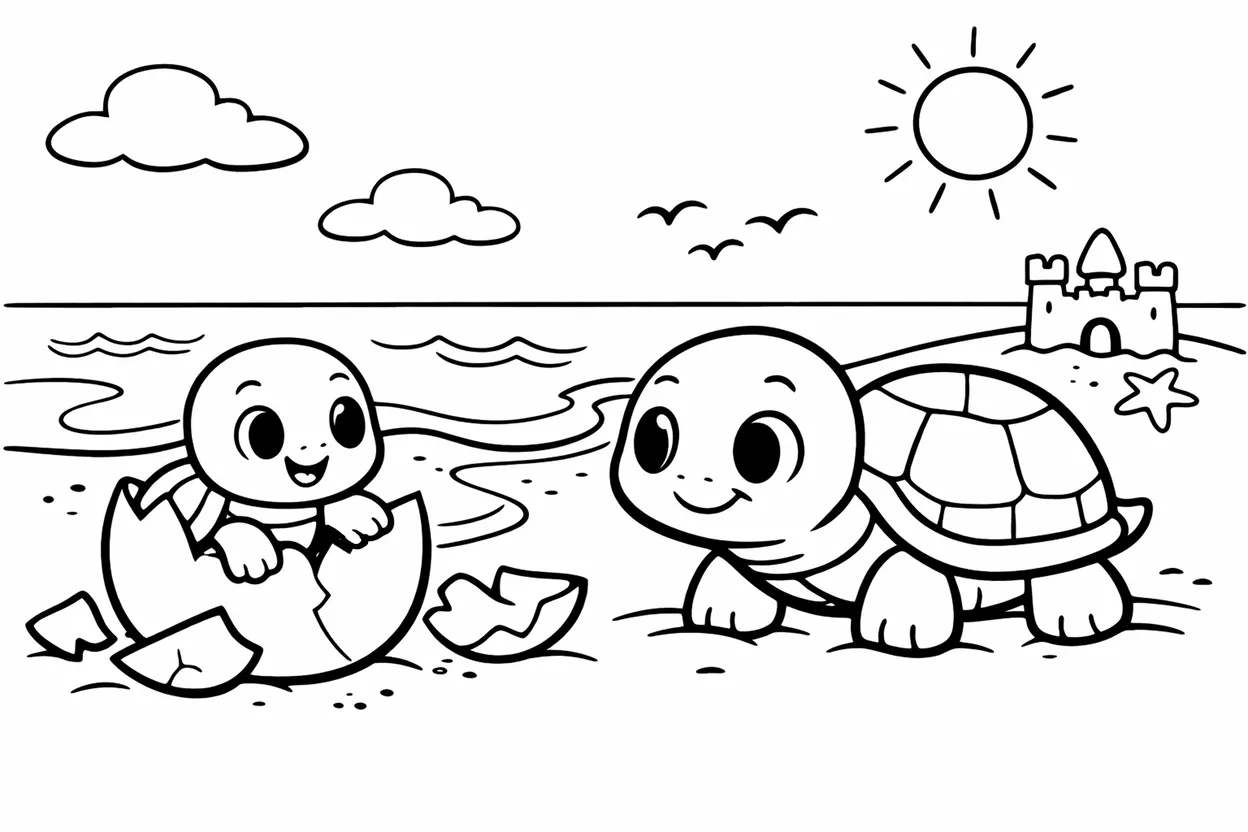
Turtle coloring pages
Slow and steady! These turtle coloring pages let kids color friendly sea turtles gliding through the water with fun, patterned shells.
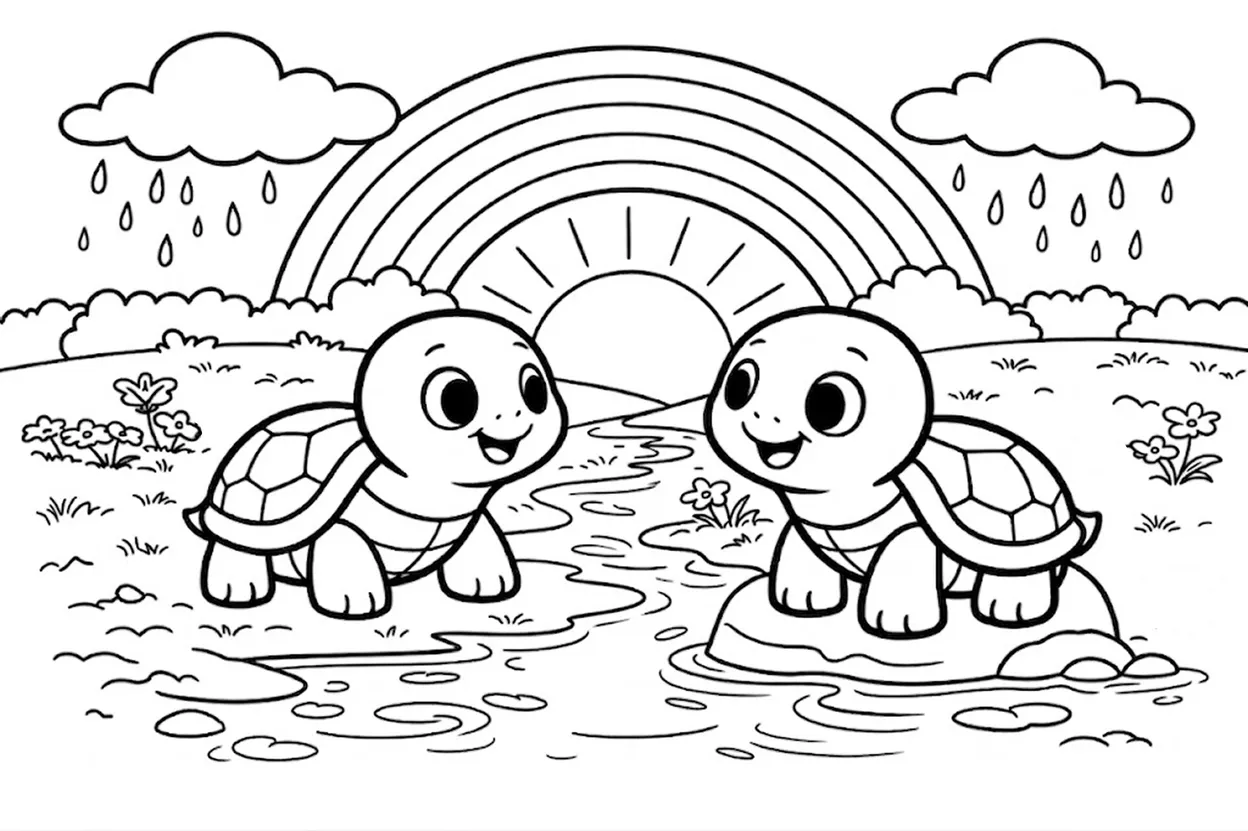
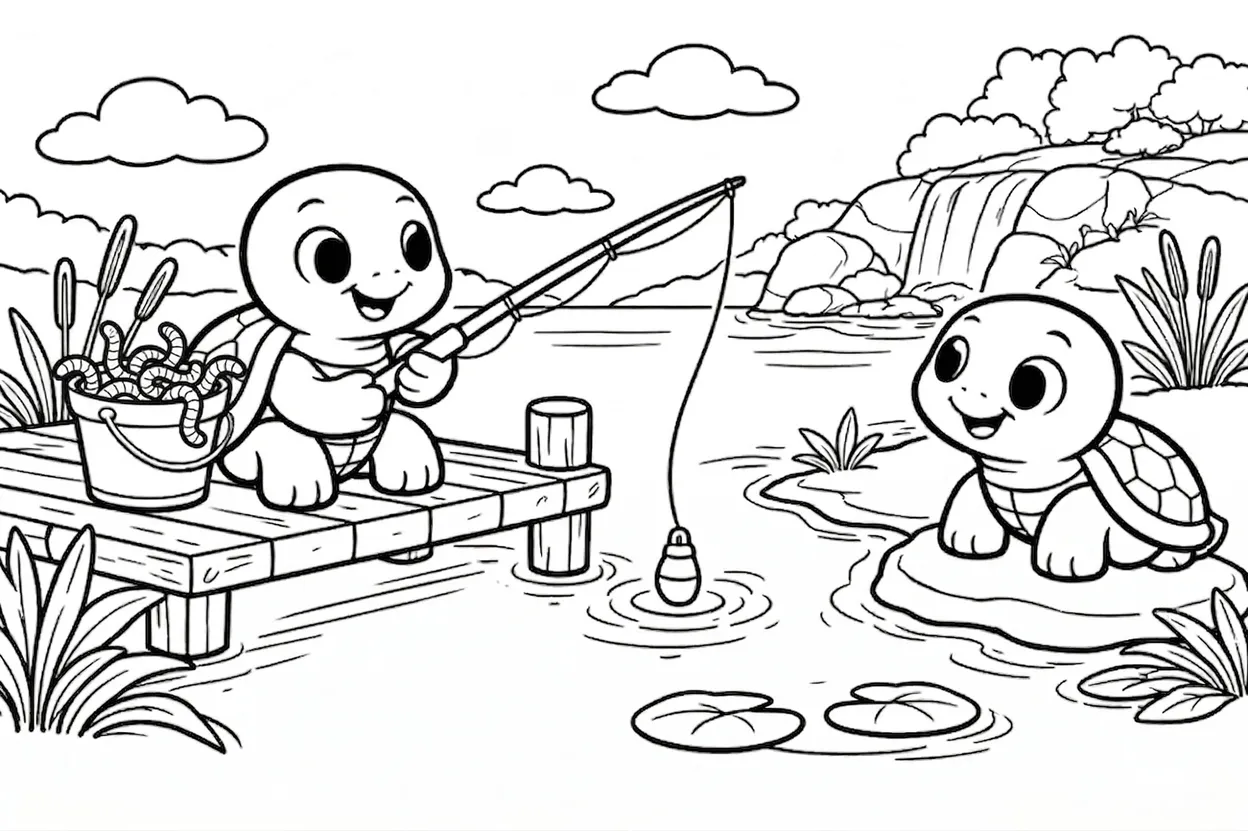

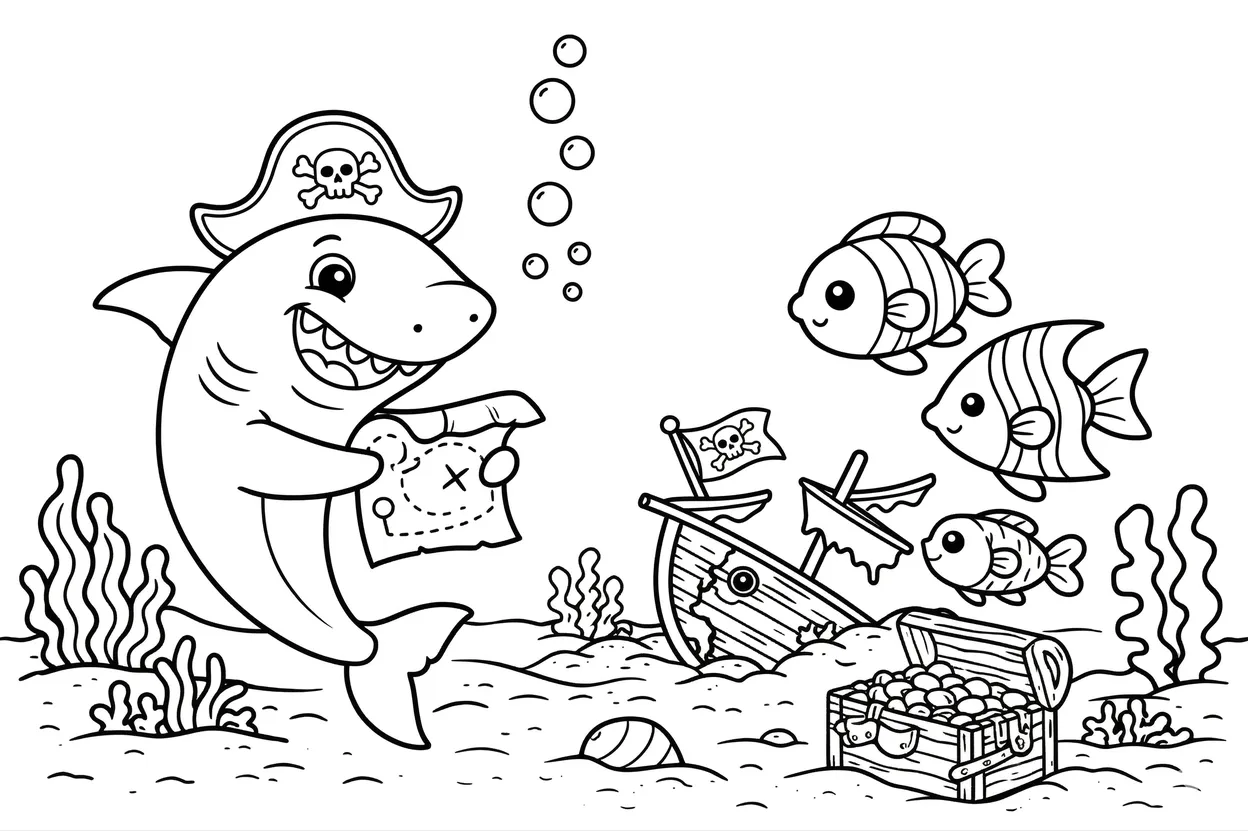
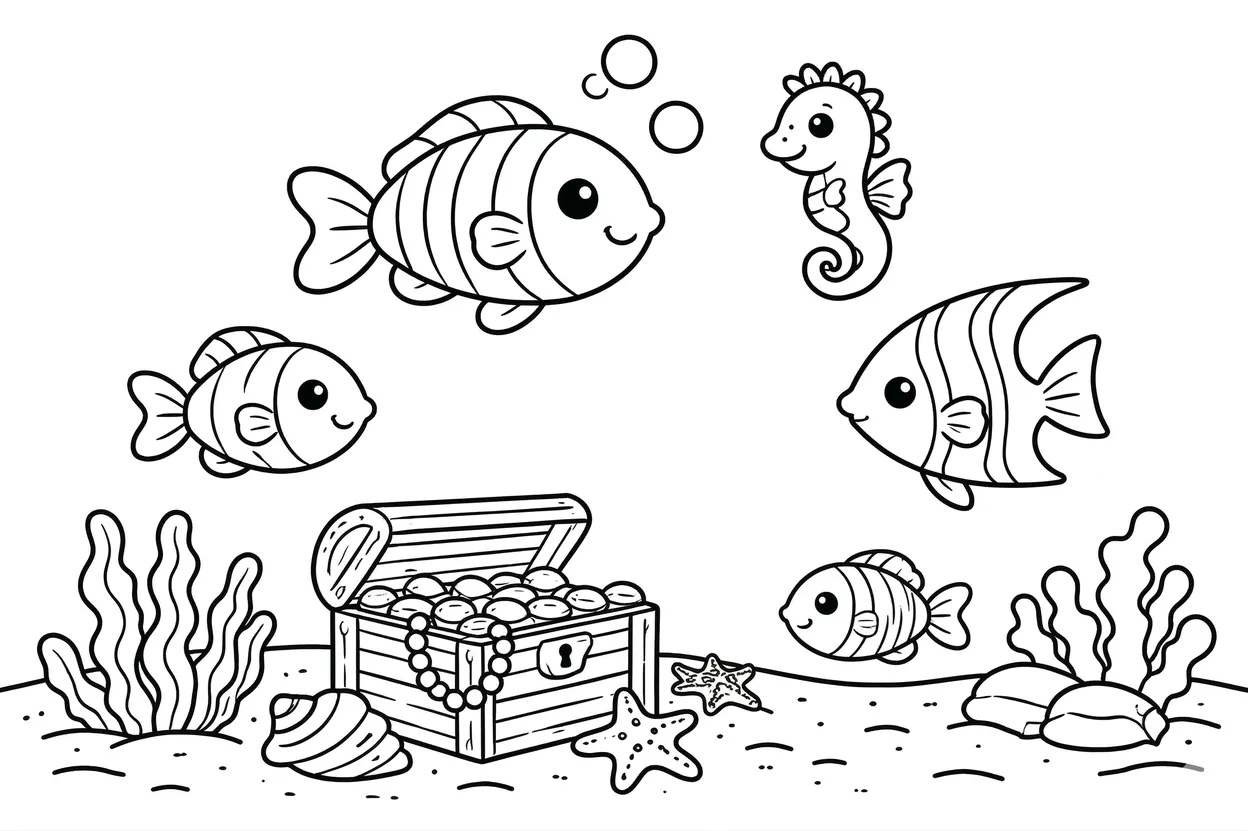
Fish coloring pages
Something's fishy! These fish coloring pages let kids color all kinds of fish, from tiny stripey swimmers to bright, bold tropical beauties.
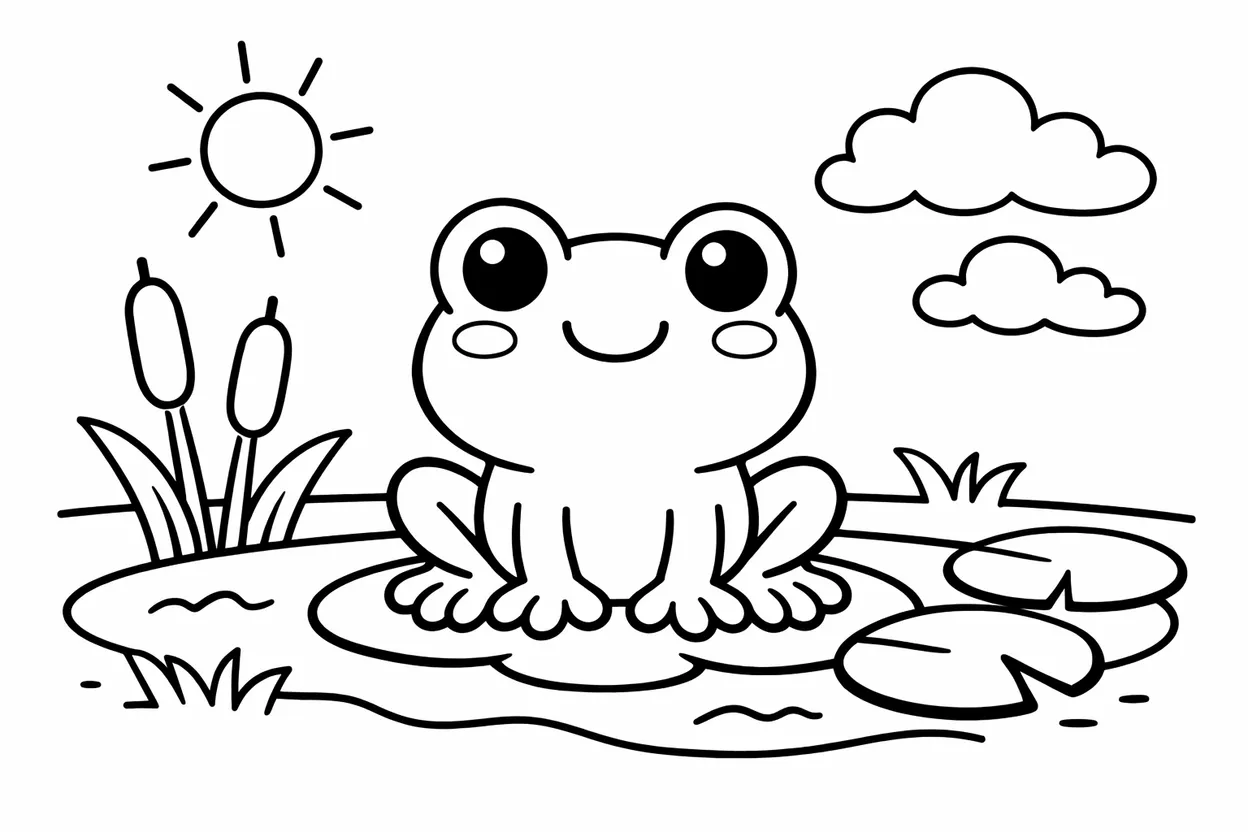
Frog coloring pages
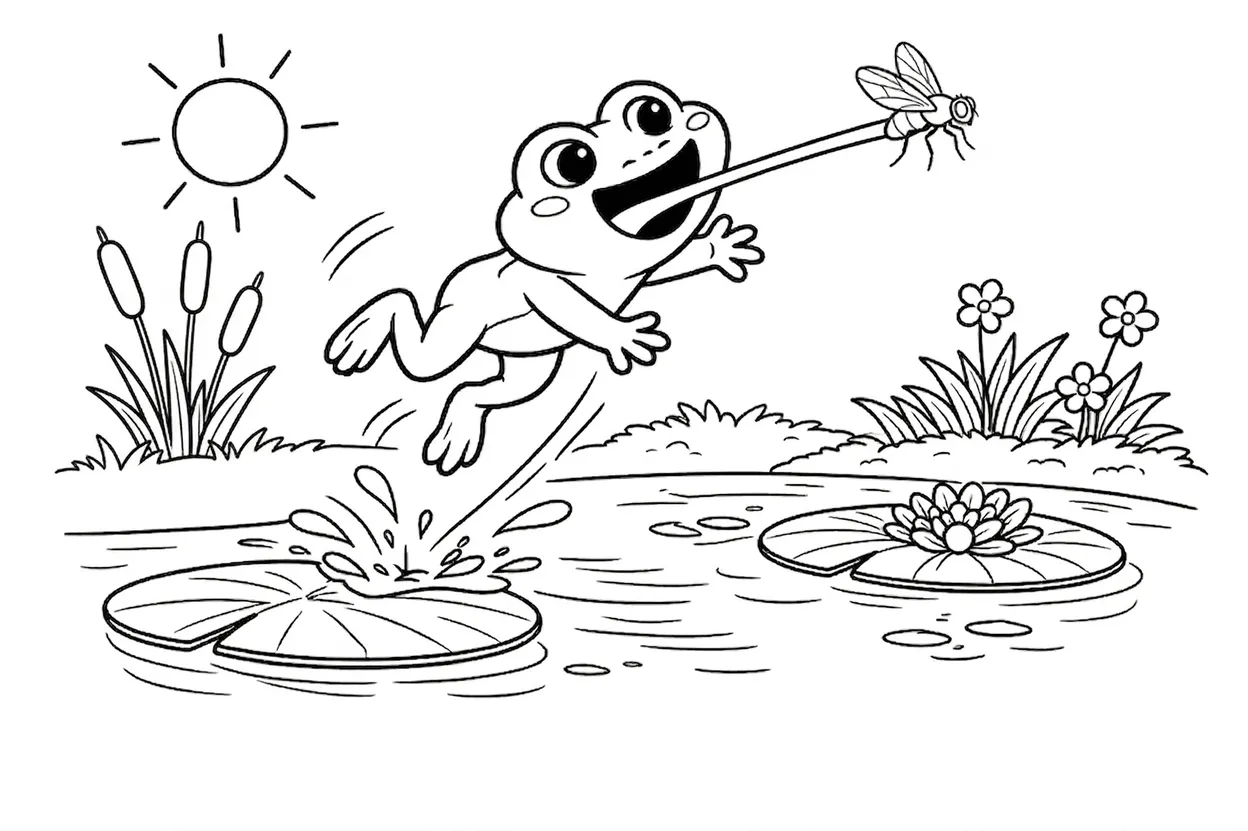
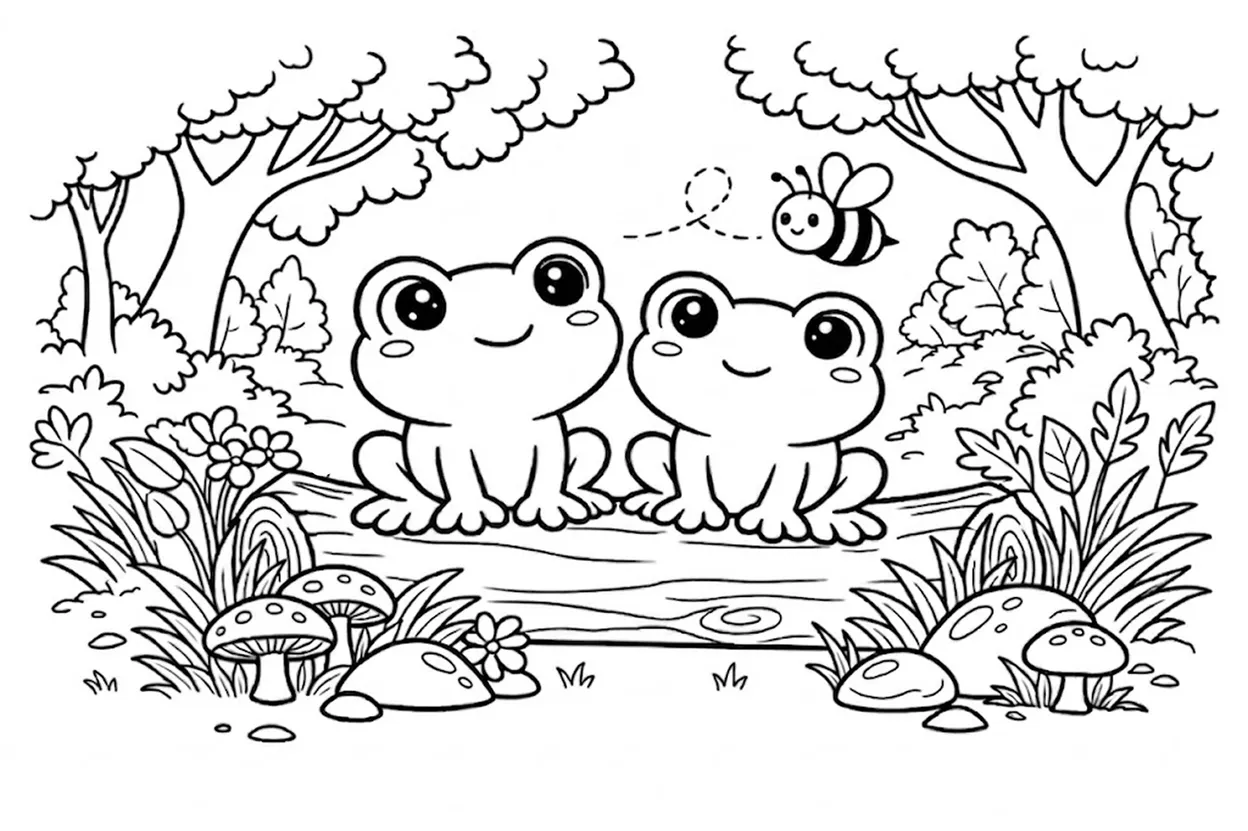
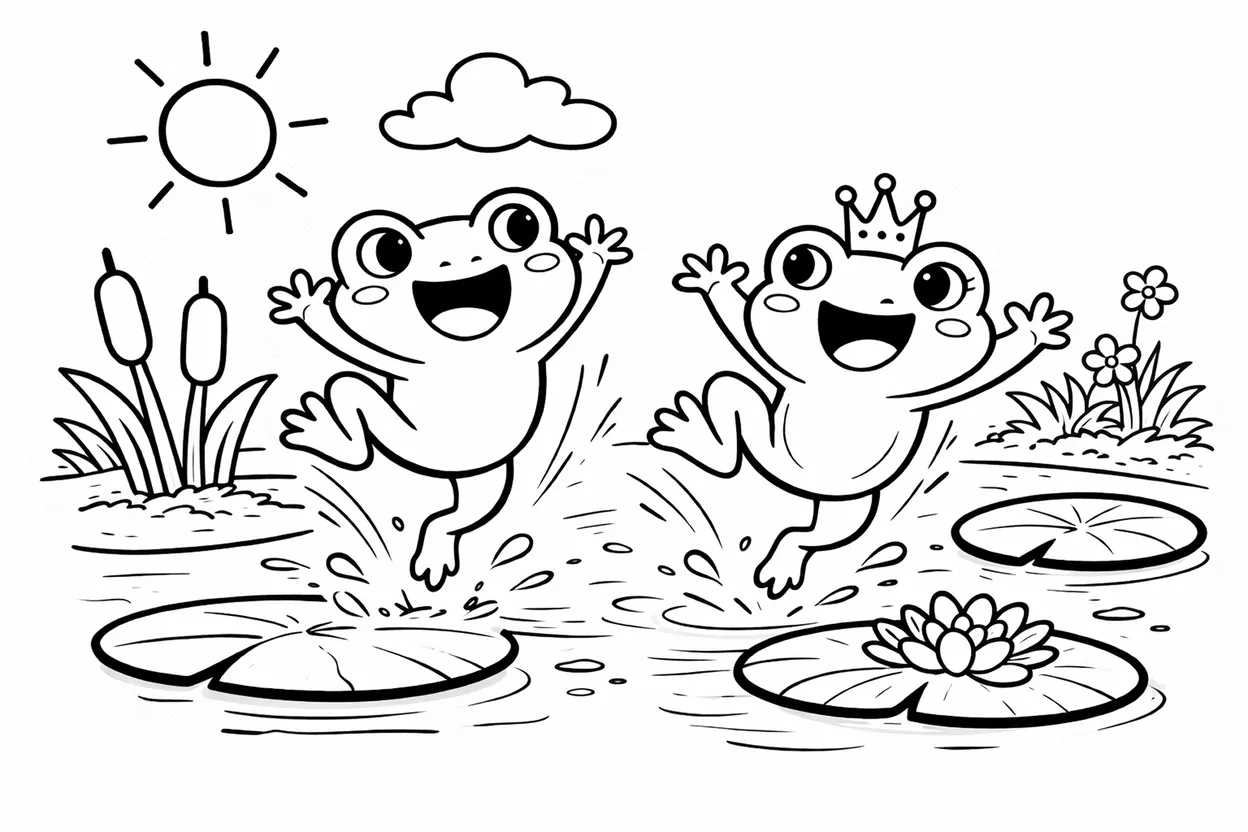
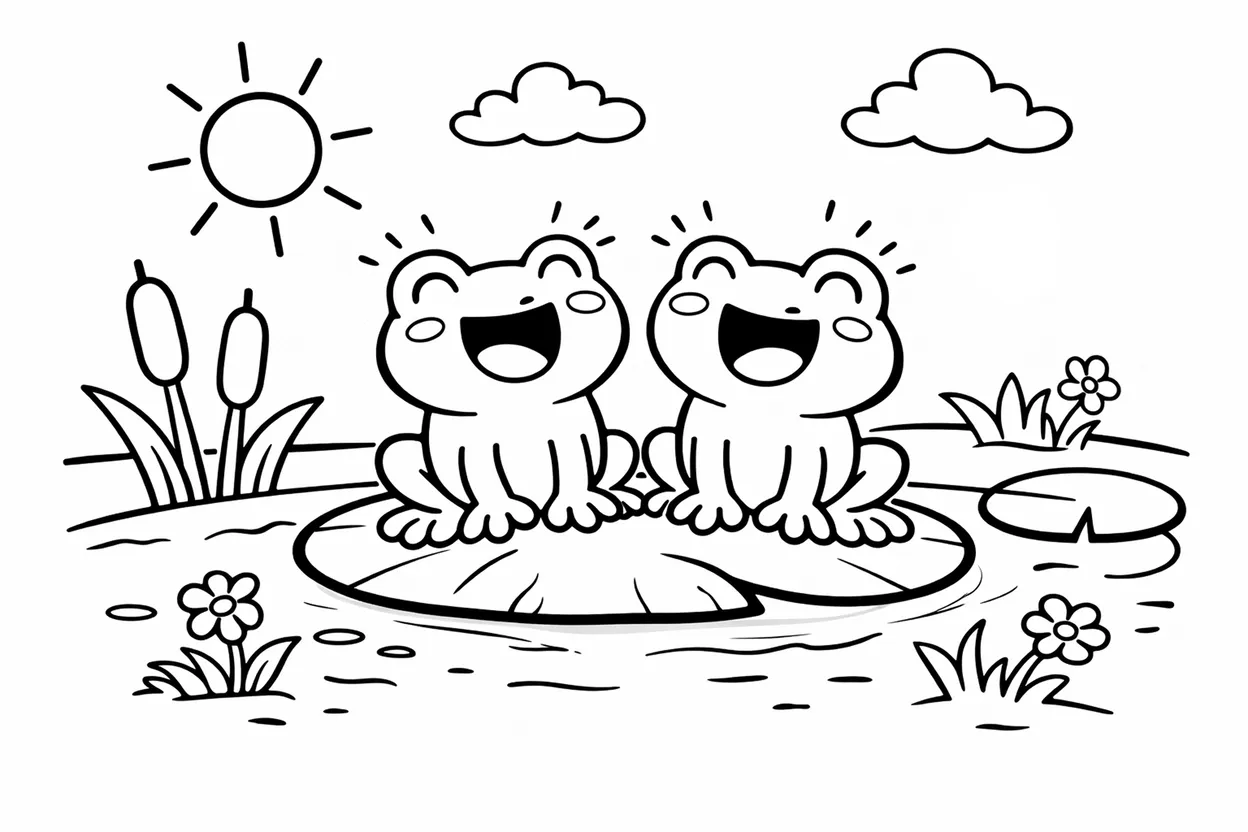
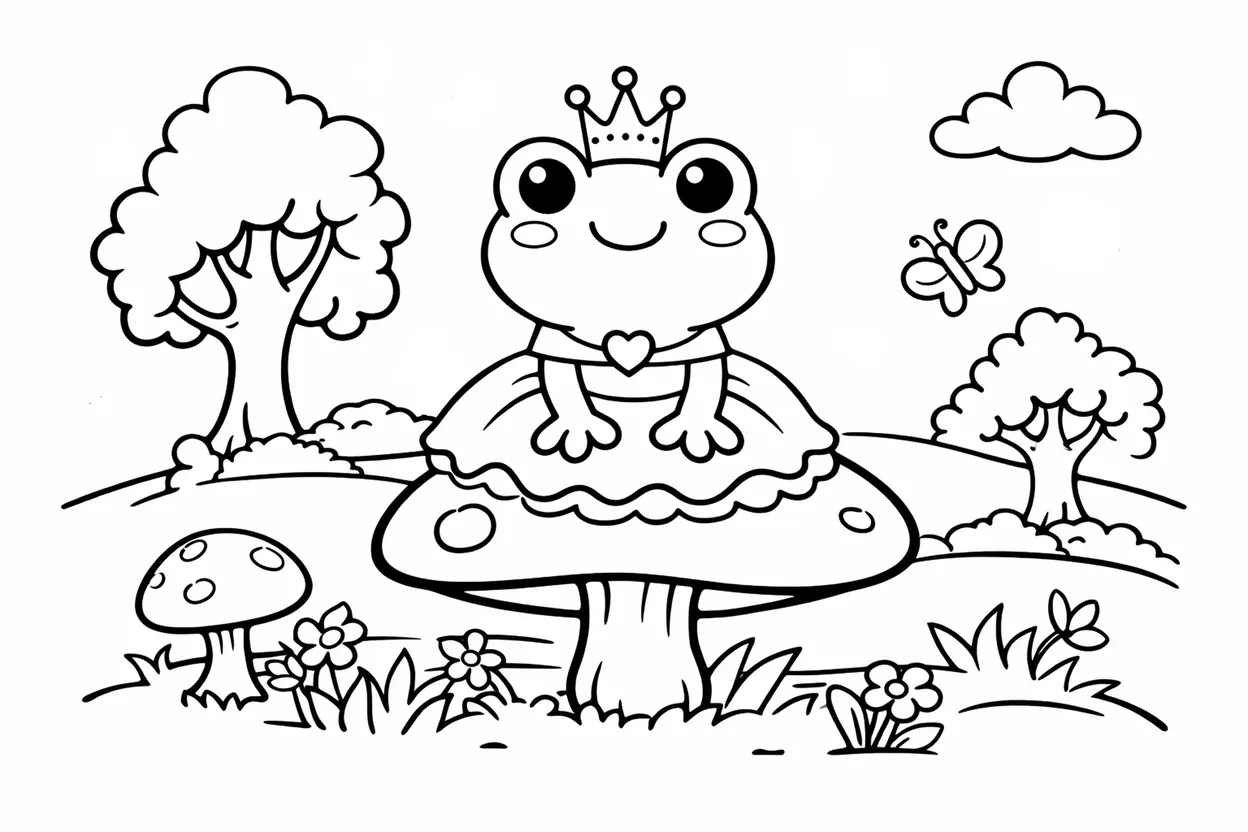
Ready, set, ribbit! These frog coloring pages let kids color hoppy little frogs sitting on lily pads and splashing around the pond.
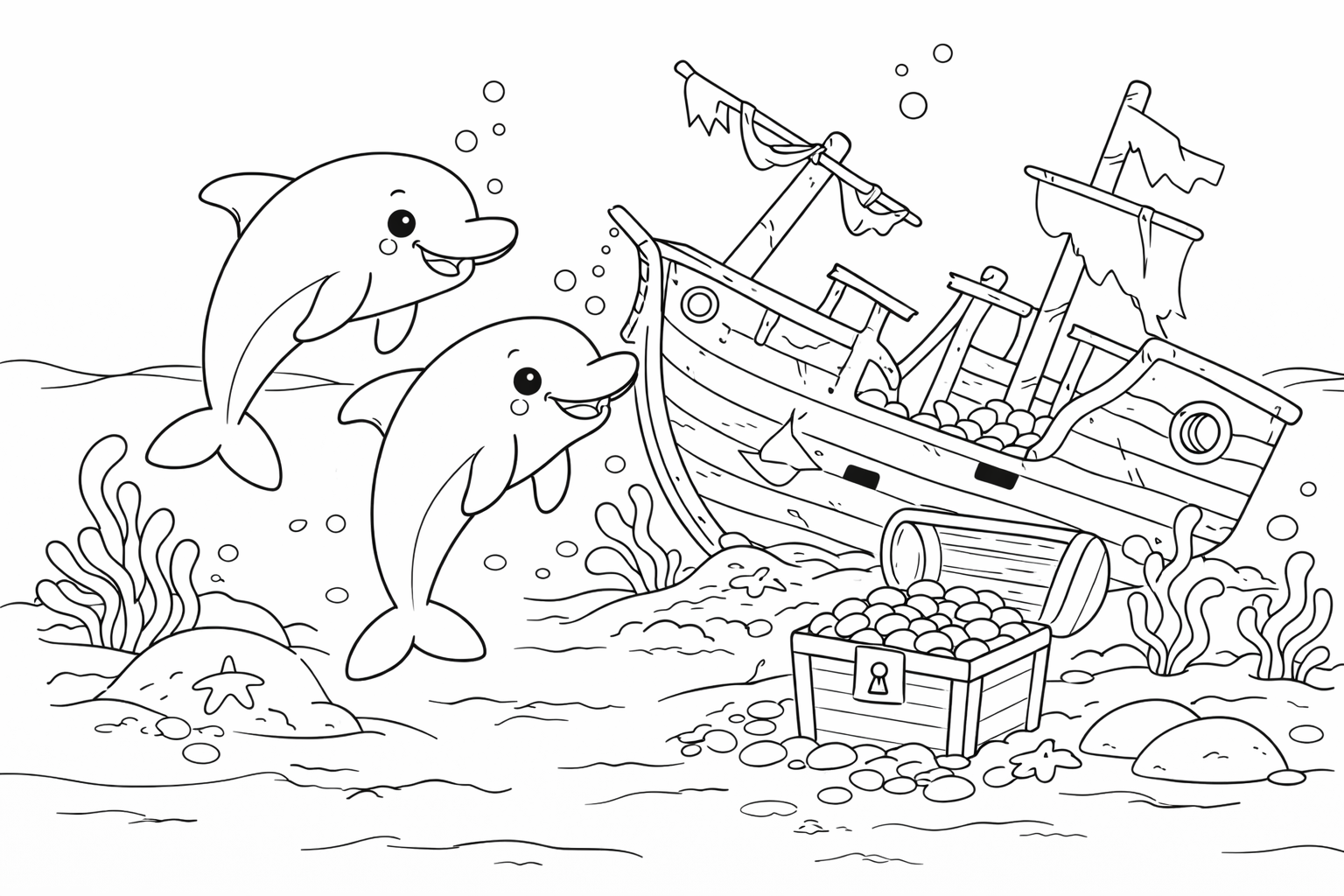
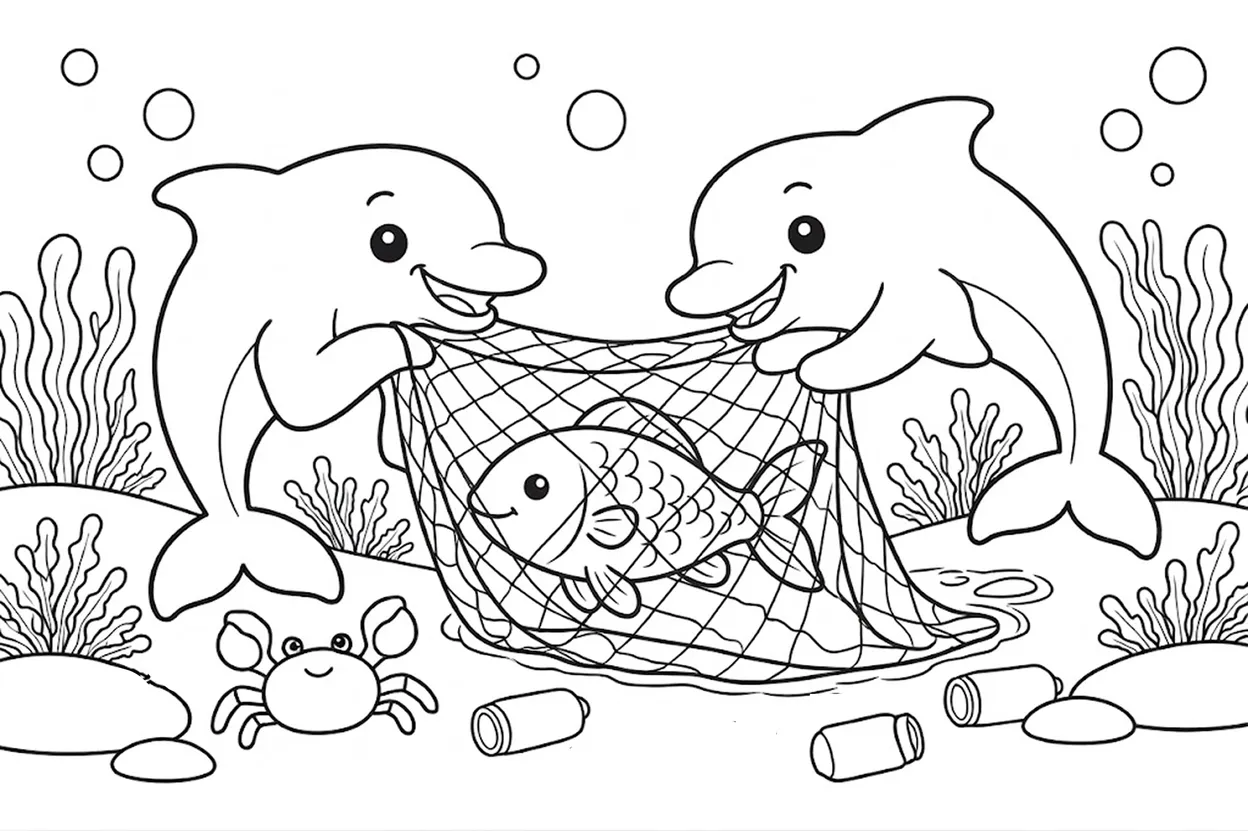
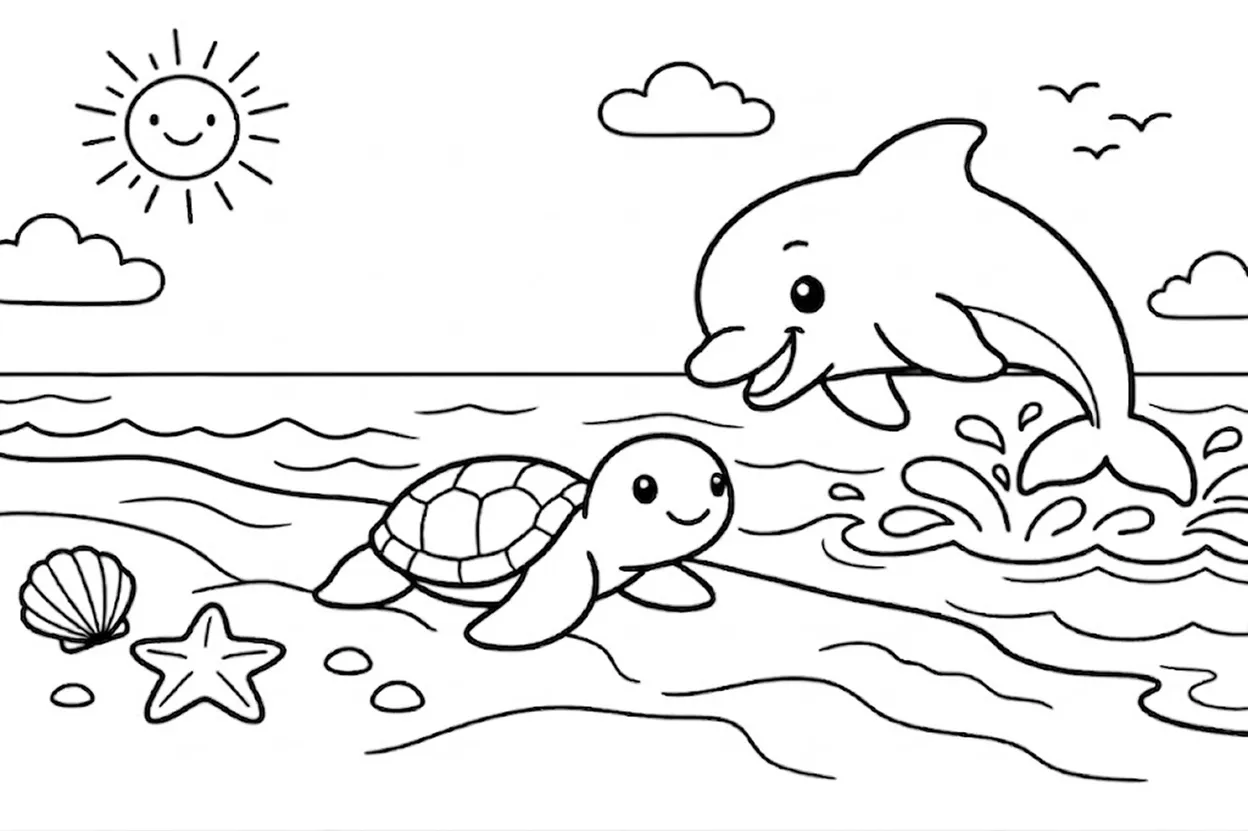
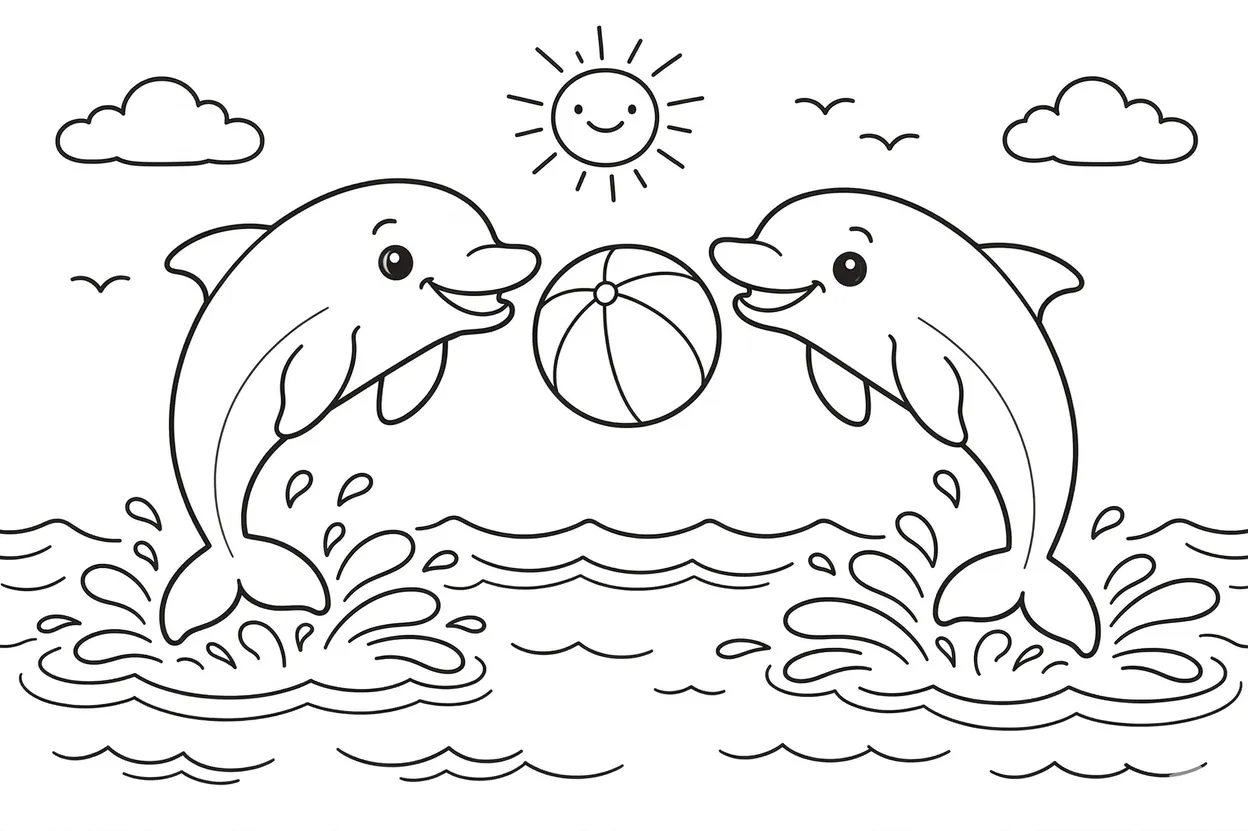
Dolphin coloring pages
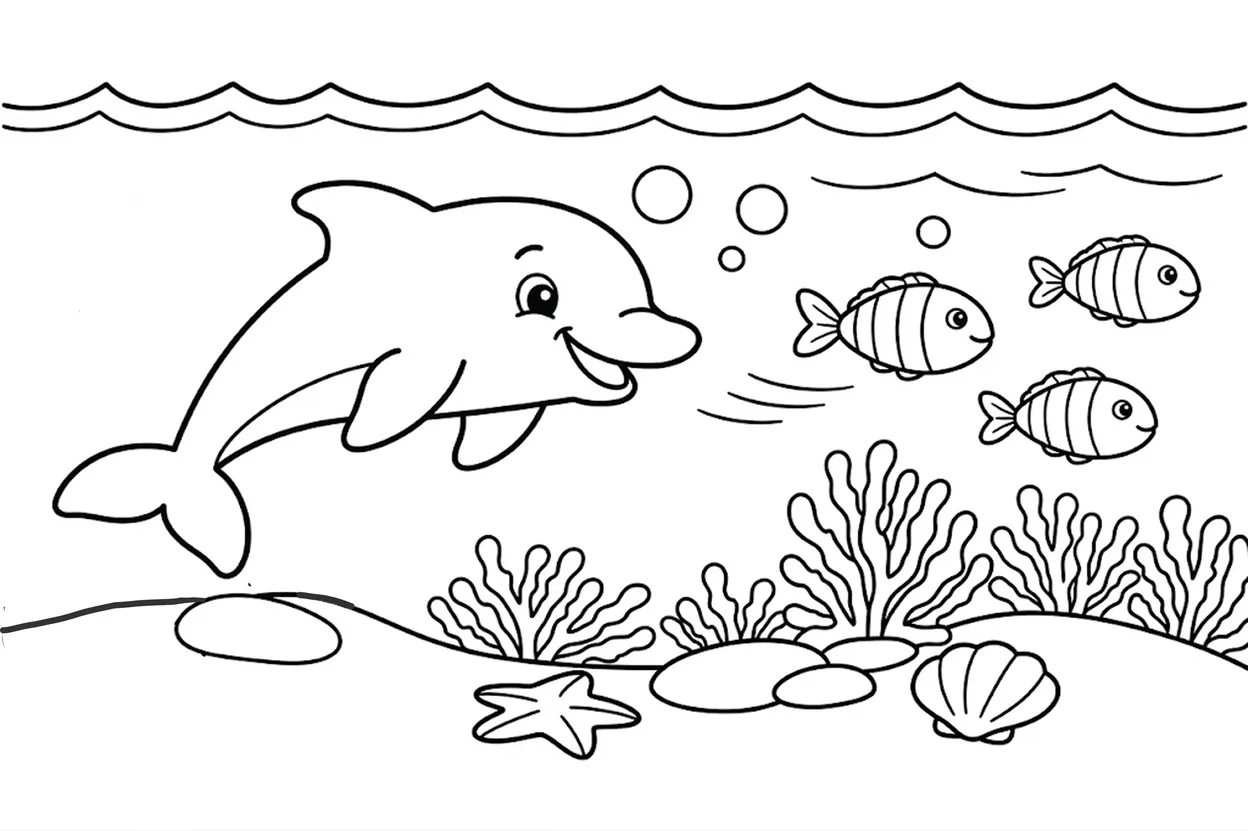
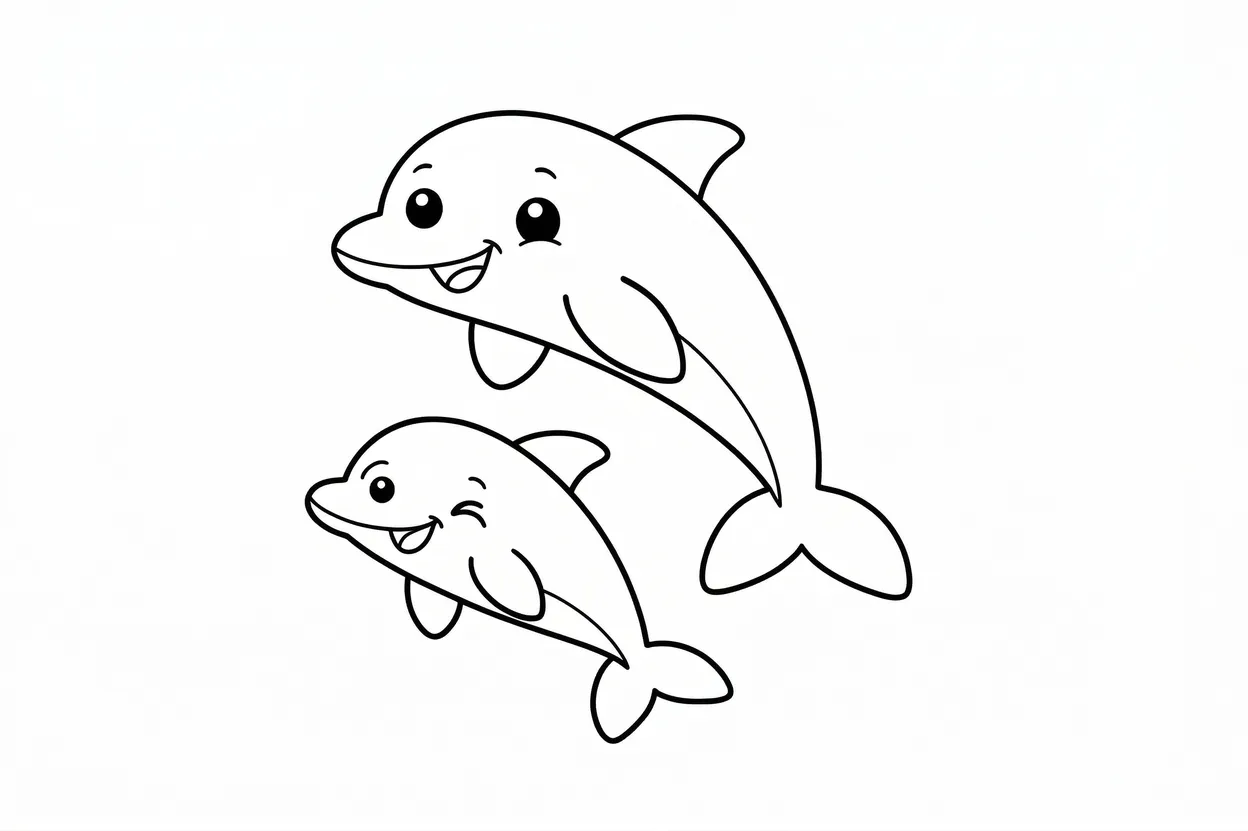
Dive in! These dolphin coloring pages let kids color playful dolphins leaping and splashing through the waves — smart, friendly ocean pals.
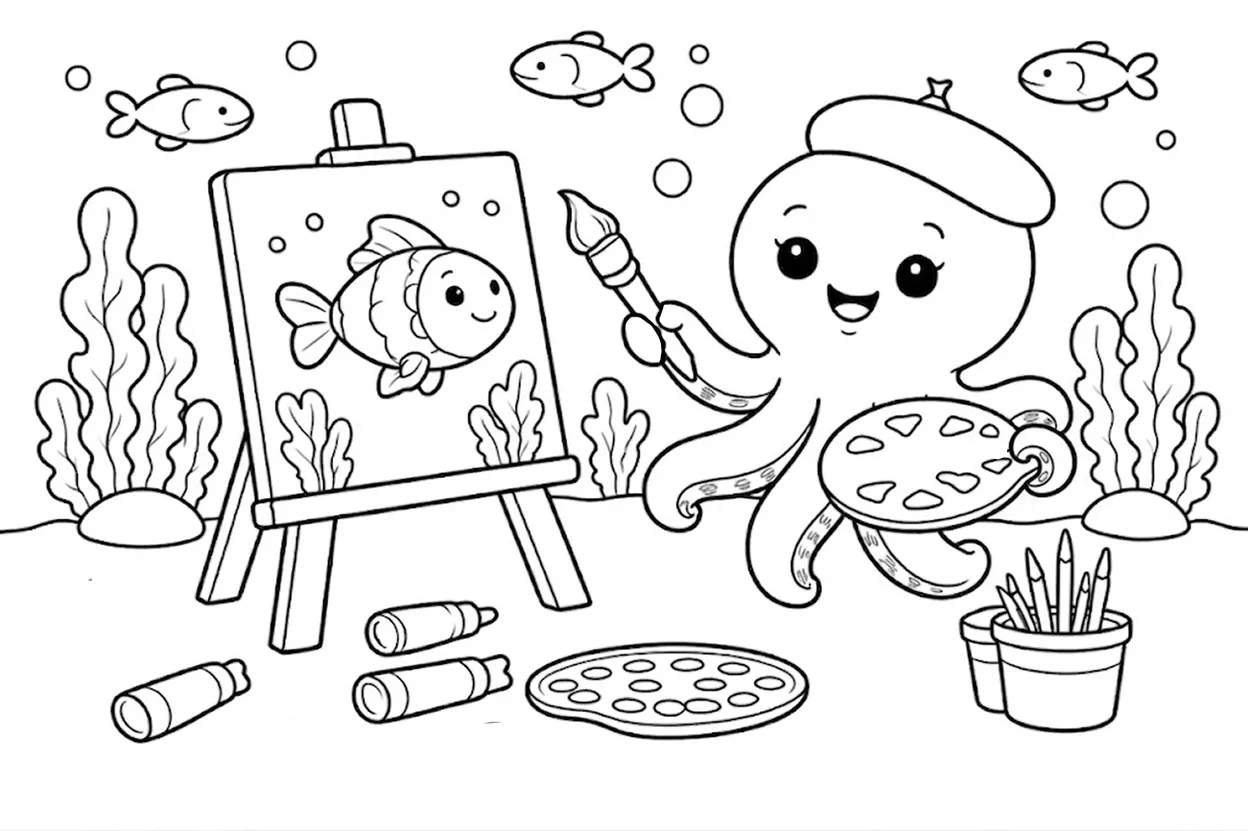
Octopus coloring pages
Eight arms of fun! These octopus coloring pages let kids color wiggly, curly octopuses swirling their tentacles deep down in the ocean.
Sea animals coloring pages – amazing ocean discoveries
The ocean, with its mysteries and the richness of its underwater world, impresses and fascinates even adults. For a child, it is an incredible space for imagination and creativity. Even young children are amazed that all these unusual animals and fish live as if in another world, while still being here, right on our planet, closer than they seem. Getting to know ocean inhabitants is a starting point for developing children’s imagination. We have collected cute sea animals coloring pages that help little ones safely explore coral reefs and underwater fauna.
Training little fingers – the benefits of coloring crabs
For a child's harmonious development, parents can offer pictures with various shapes and outlines. The advantage of a crab coloring sheet lies in the abundance of small details – those very claws and legs that stick out in different directions.
- For the youngest. If your child is 1.5–3 years old, choose simple crab coloring pages. A large round or oval shell is a great base for a toddler to boldly scribble with wax crayons without fear of going outside the lines.
- For older preschoolers. Children aged 4–6 will find it interesting to color the legs and segmented claws. By coloring these elements, children train their pincer grasp and coordination, which will be very helpful for writing in the future.
Creative experiments with the shell
Who says crabs have to be red? In nature, there are blue, green, purple, and even spotted crabs! Let your little one choose any shades for their cute crab coloring pages. This allows them to create a strong emotional bond with their creation and enjoy the process without overstimulation. Furthermore, the freedom to choose colors is great for developing creative thinking and relieving tension.
You can use crab coloring pages printable as a base for tactile games. Print the picture and suggest the child decorate the crab's shell using collage techniques: use pieces of colored paper, playdough, or even real sand glued with PVA to capture the atmosphere of a real sea beach.
New knowledge while coloring
Crab coloring is not just a way to pass the time; it’s a great excuse to broaden your child's horizons. While they color and draw, share a few interesting facts. Tell them that crabs can only walk sideways and that their shell is a sturdy "armor-house" that protects them from danger.
Conversations on the topic don't just develop vocabulary. By coloring and directly interacting with the object being discussed, a toddler's brain absorbs information better because associations are literally created on the go.
People often ask
Forget the strict rule that “the sea must be blue”. Offer the little artist the entire palette, including bright neon shades. This works especially well for fish and crustaceans, but even familiar animals and reptiles can be colored in unusual shades.
Yes, they are suitable. The underwater theme is universal and engages children of any age. You can give different elements of one large reef to different children, and when they finish, glue their works together into one shared composition. Coloring pages can also be used for learning to count.
Usually closer to age three, children begin not just to scribble randomly with a marker, but to connect outlines with real objects. This is especially true if you have previously shown them animals in books or documentaries. However, the coloring process itself is extremely useful even for younger children for developing motor skills.
Praise not accuracy, but the effort shown, the bold choice of colors and the very fact that the task was completed. The phrase “I really love what a rich shade you chose for this stingray!” motivates the child to try new experiments.
Yes, this is a good idea. The clear outlines of fish and starfish are a suitable base for different modeling techniques. The child can pinch off tiny pieces of soft modeling clay and carefully spread them even over the coloring page itself, thereby making the picture three-dimensional.