

About this collection
Simple astronaut coloring pages for kids — download and print free
Grab astronaut coloring pages bursting with spacesuits, spacewalks and moon landings. Print instantly and spark imagination one crayon at a time.
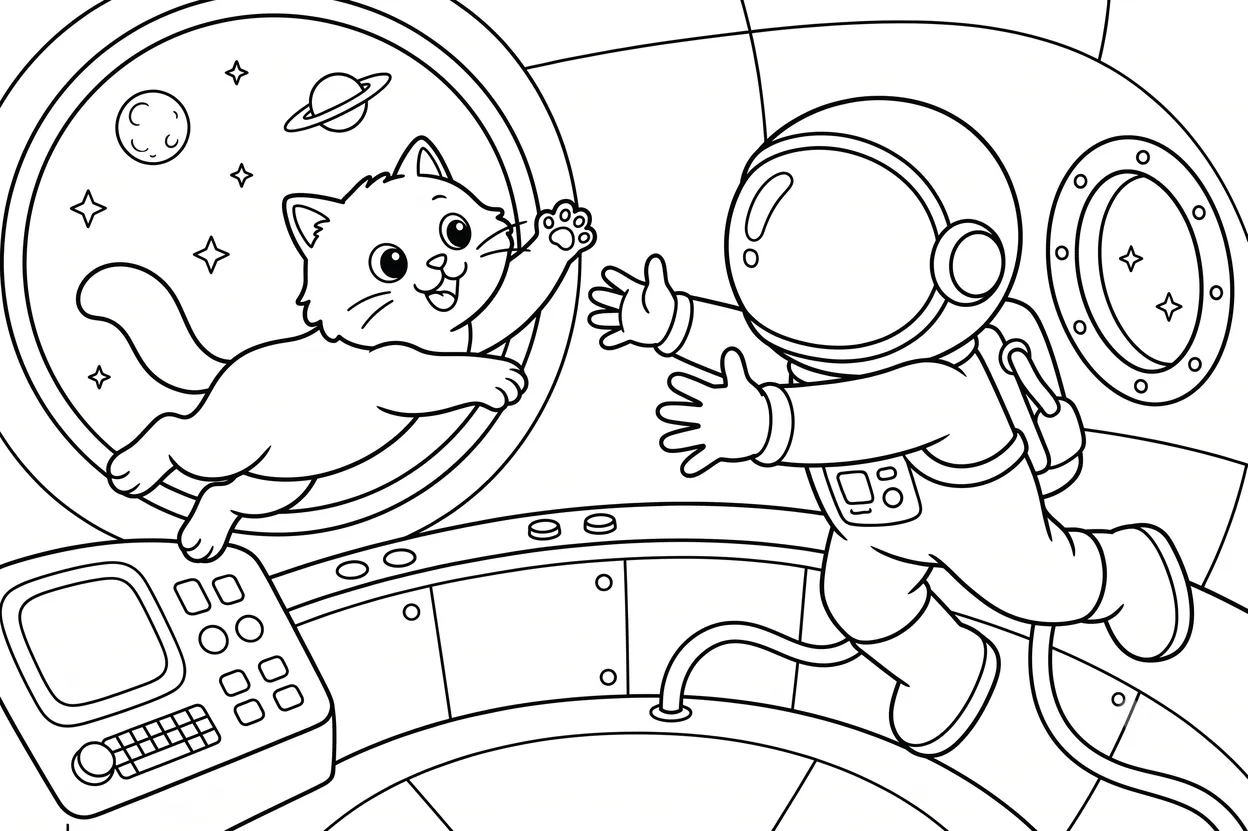

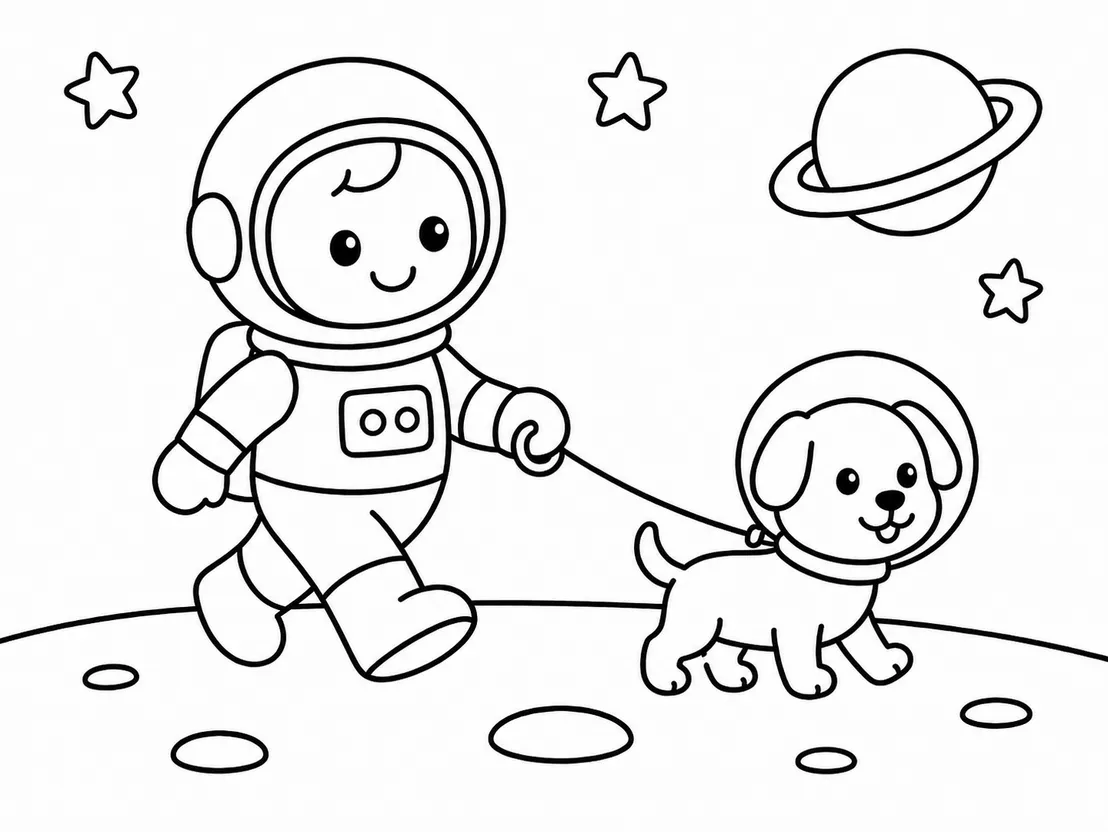
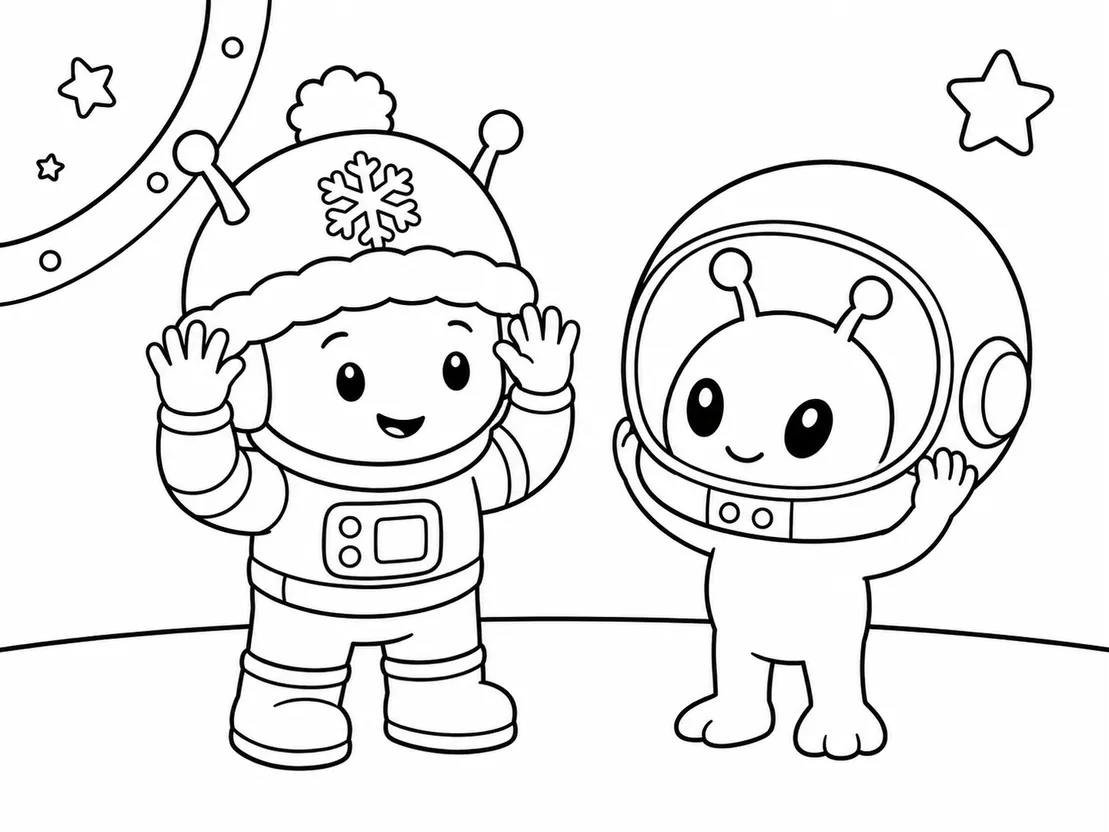
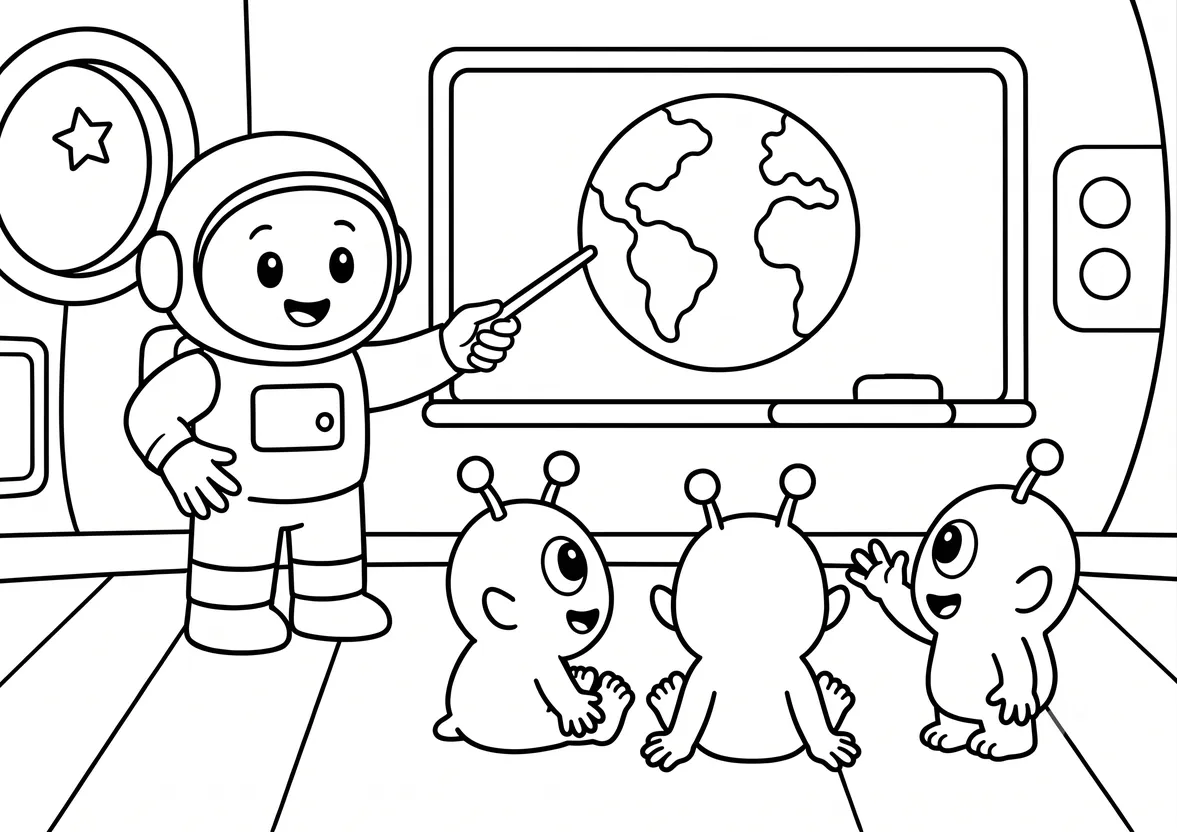
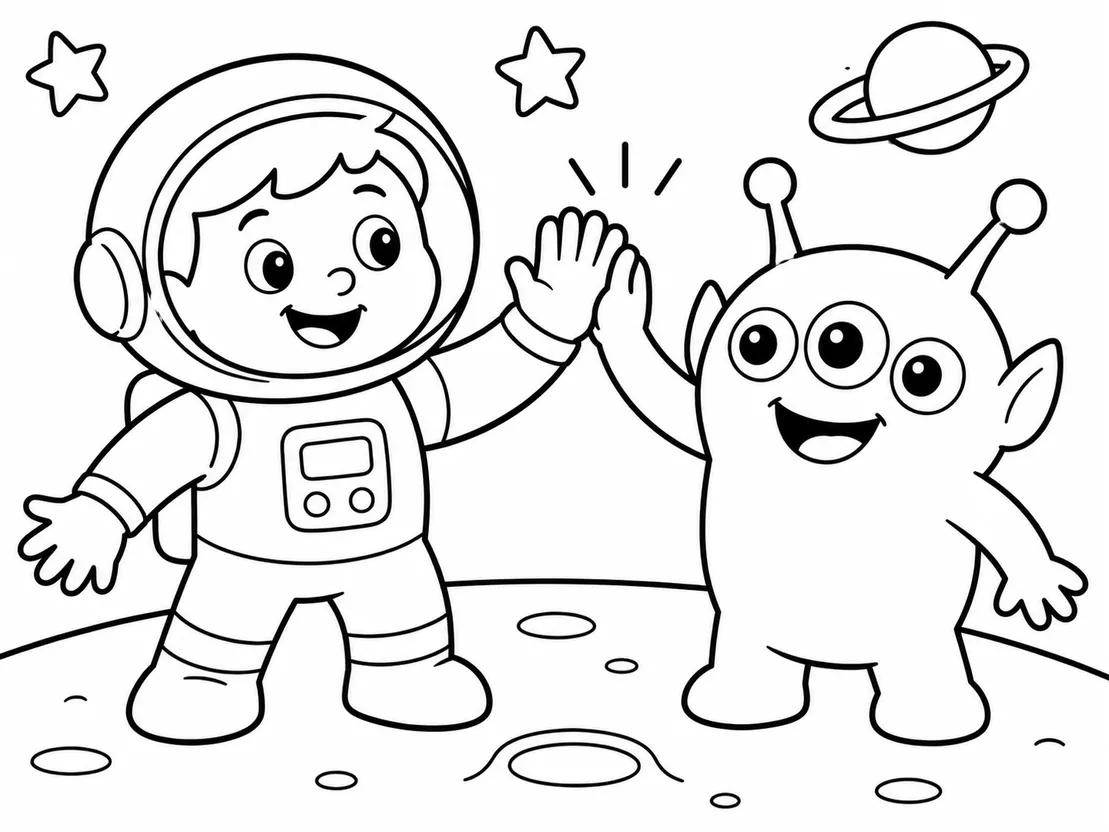
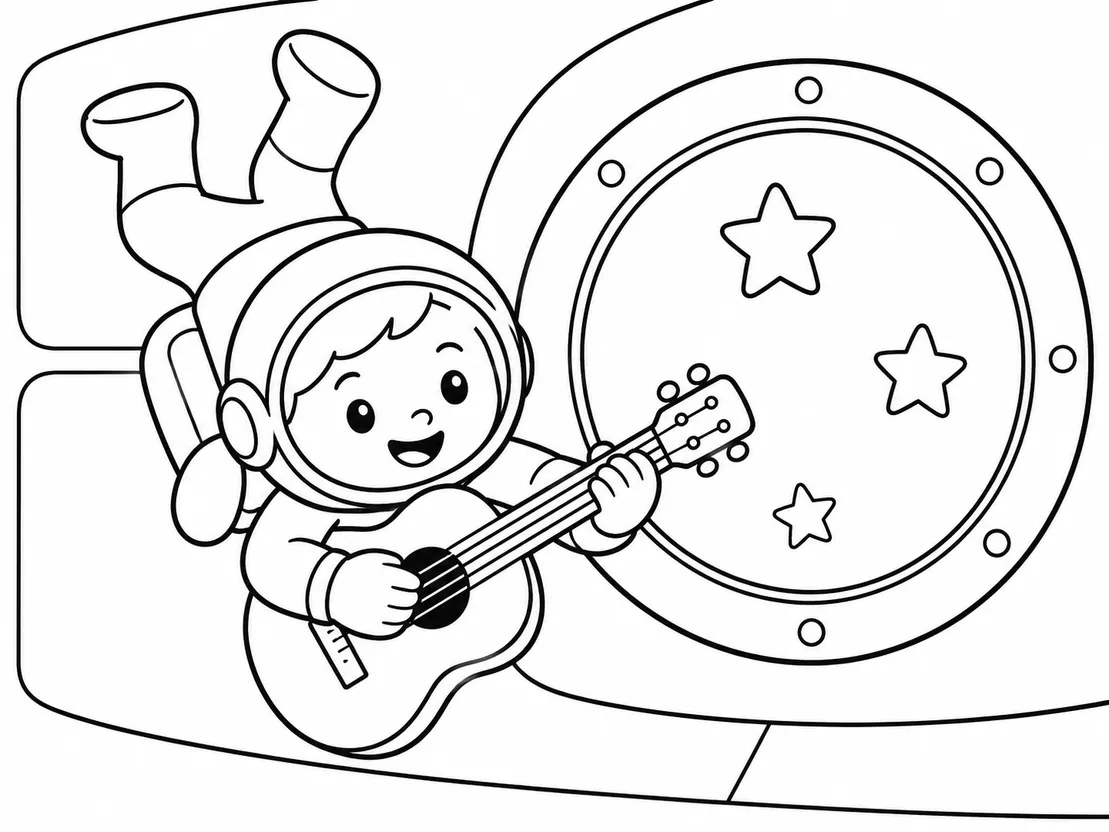
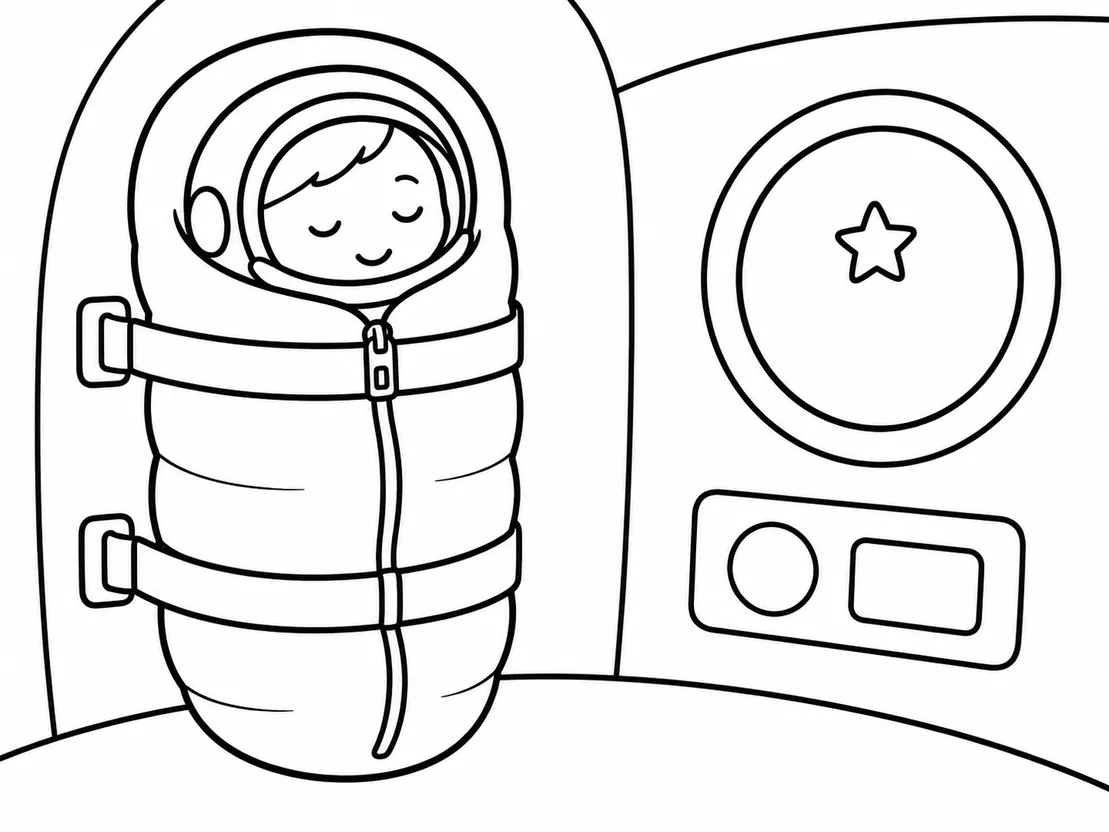
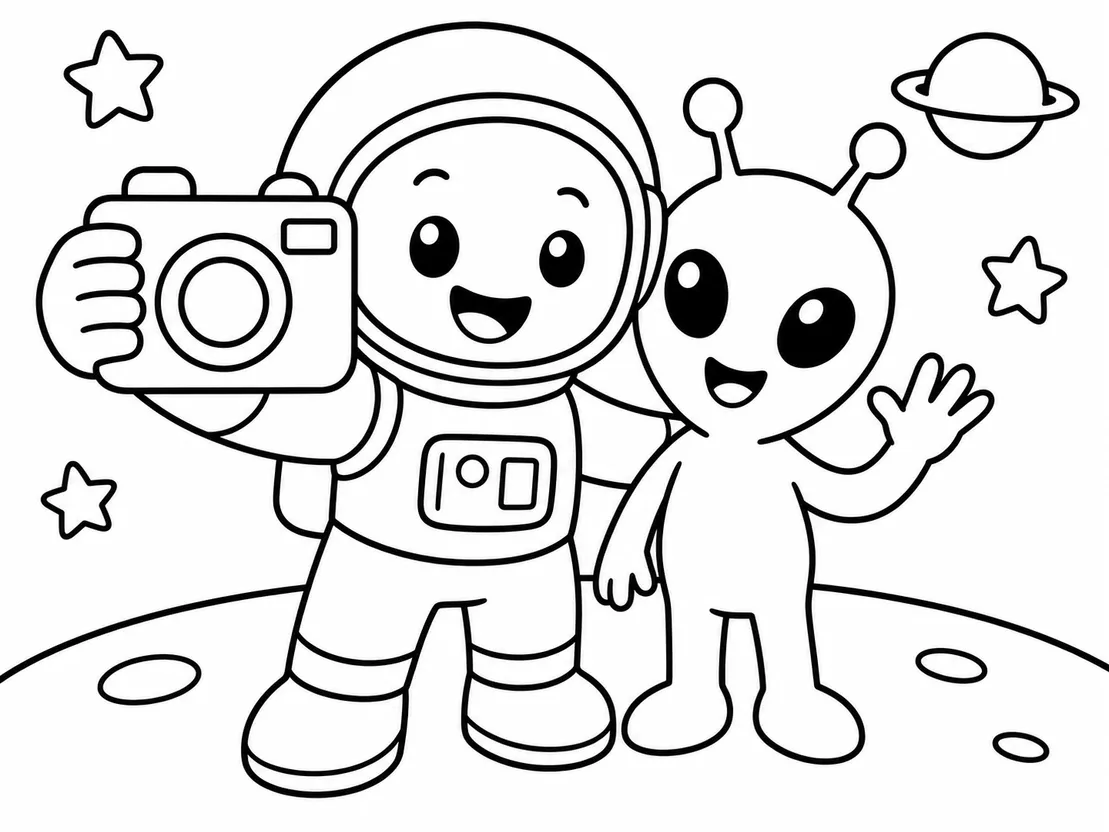
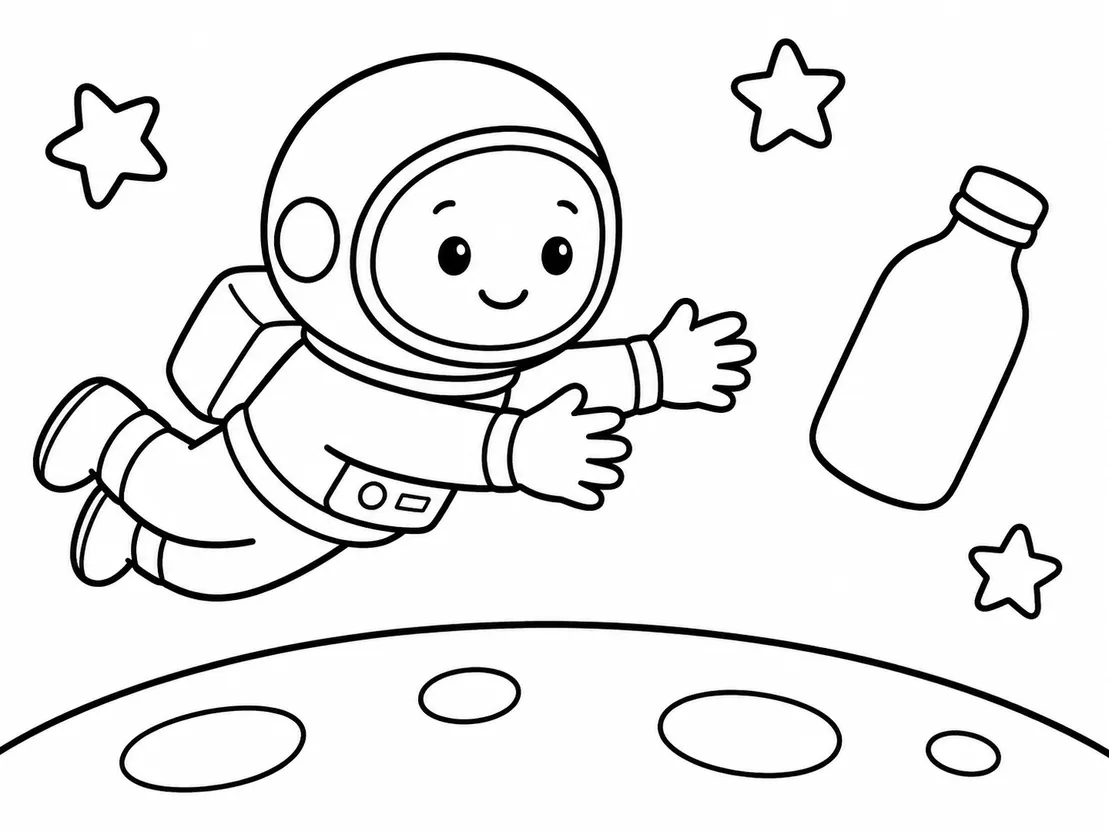
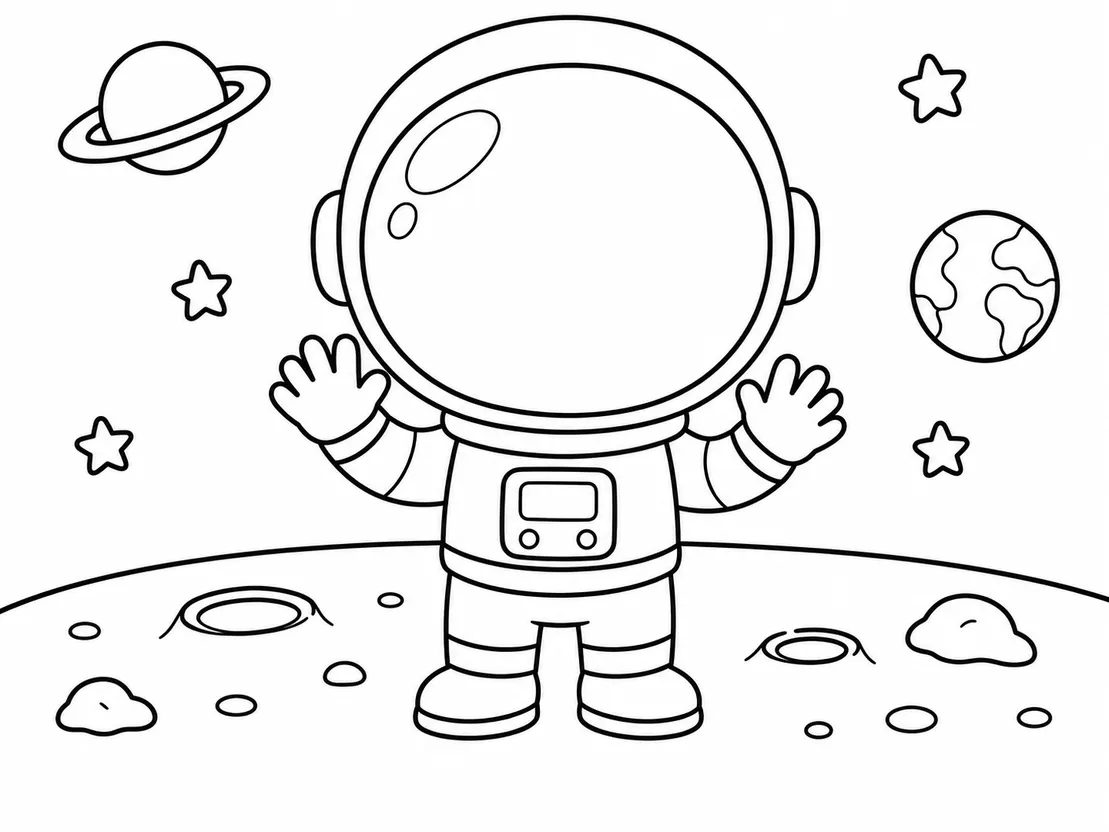
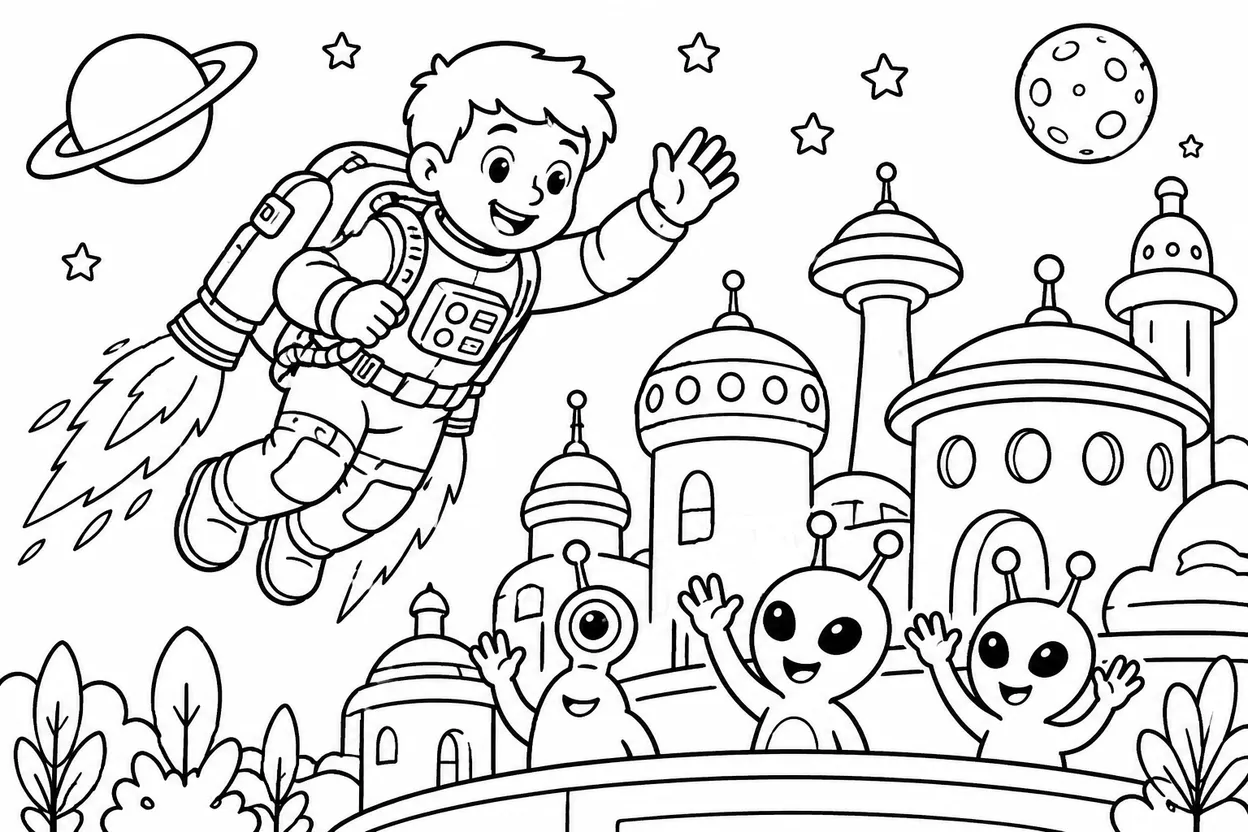
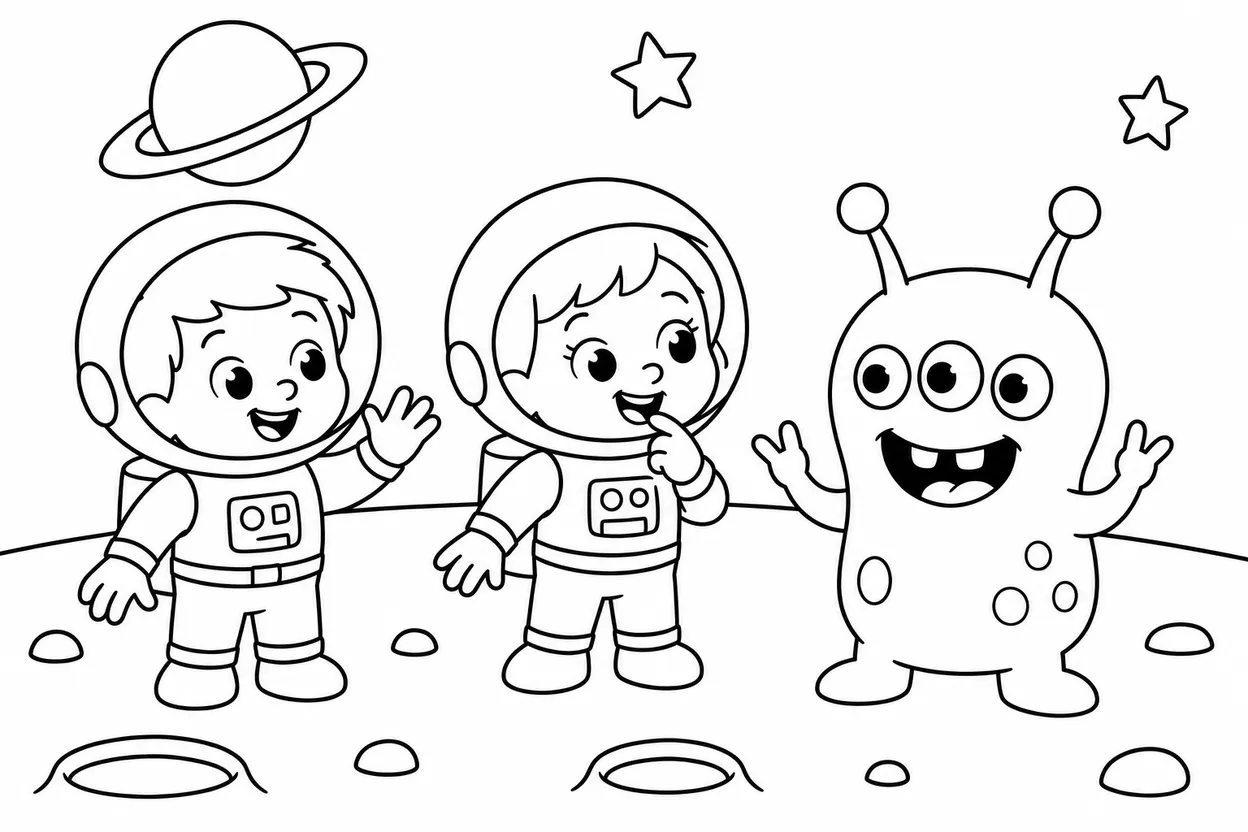
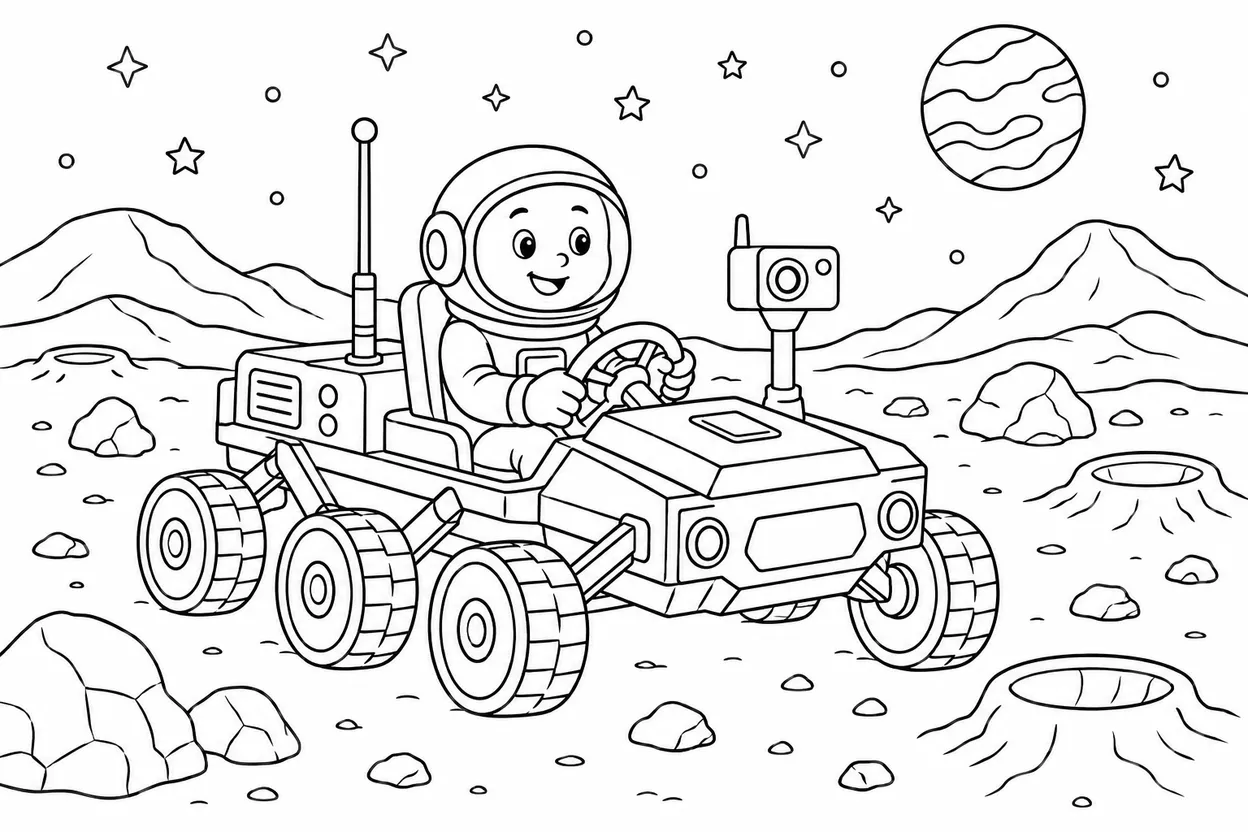
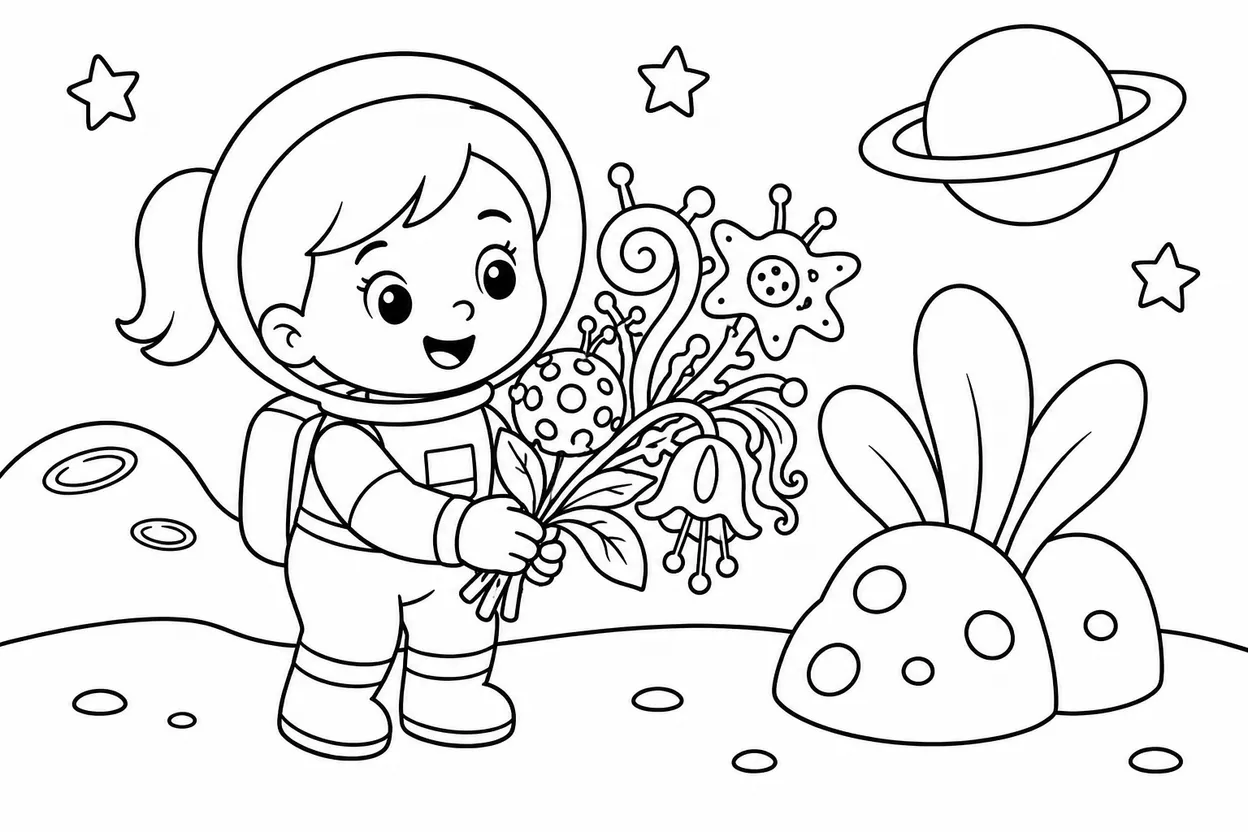
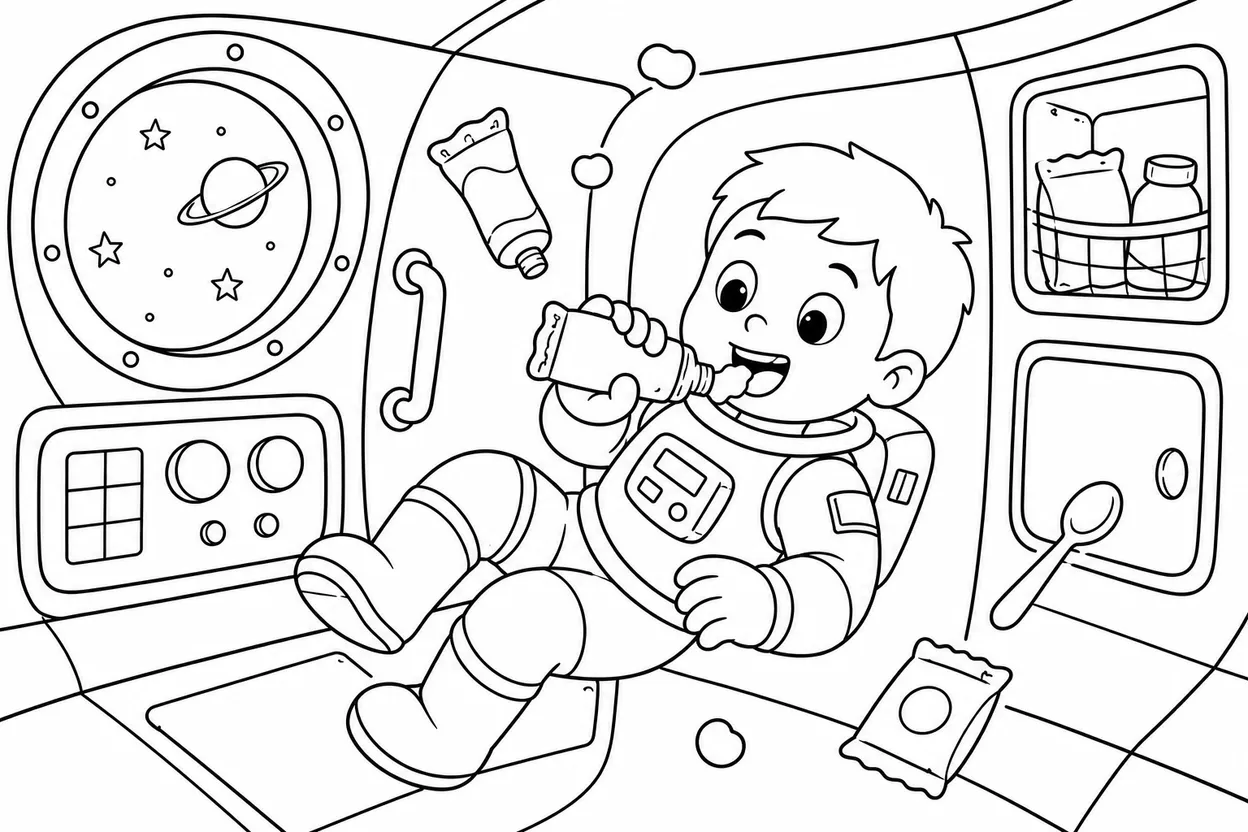
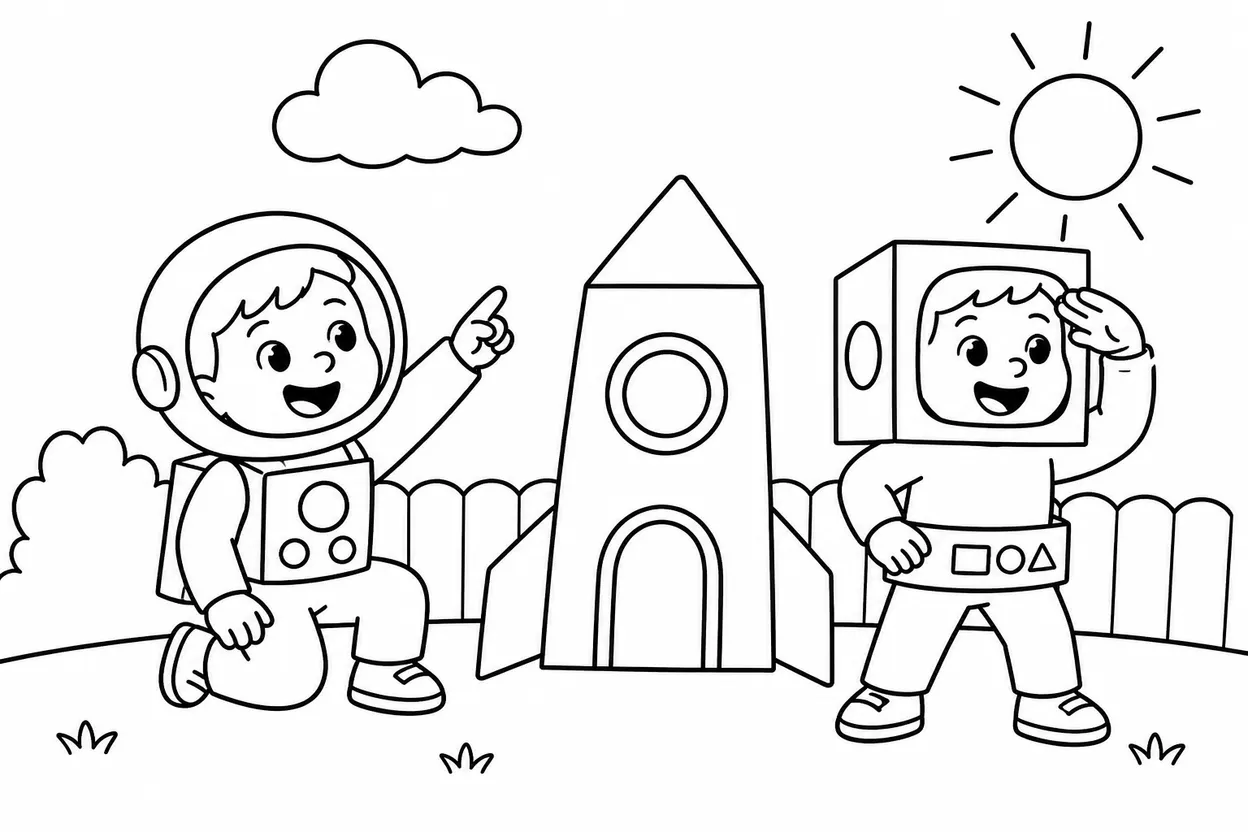
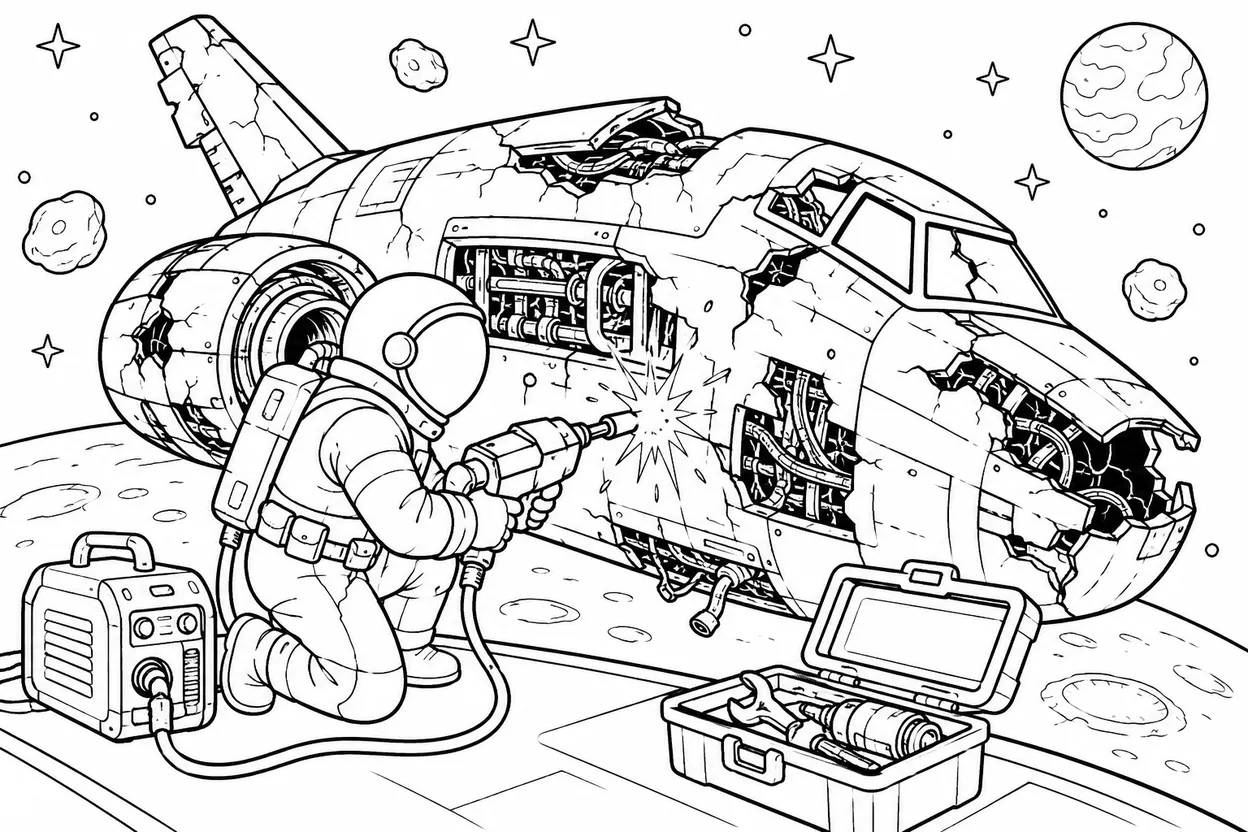
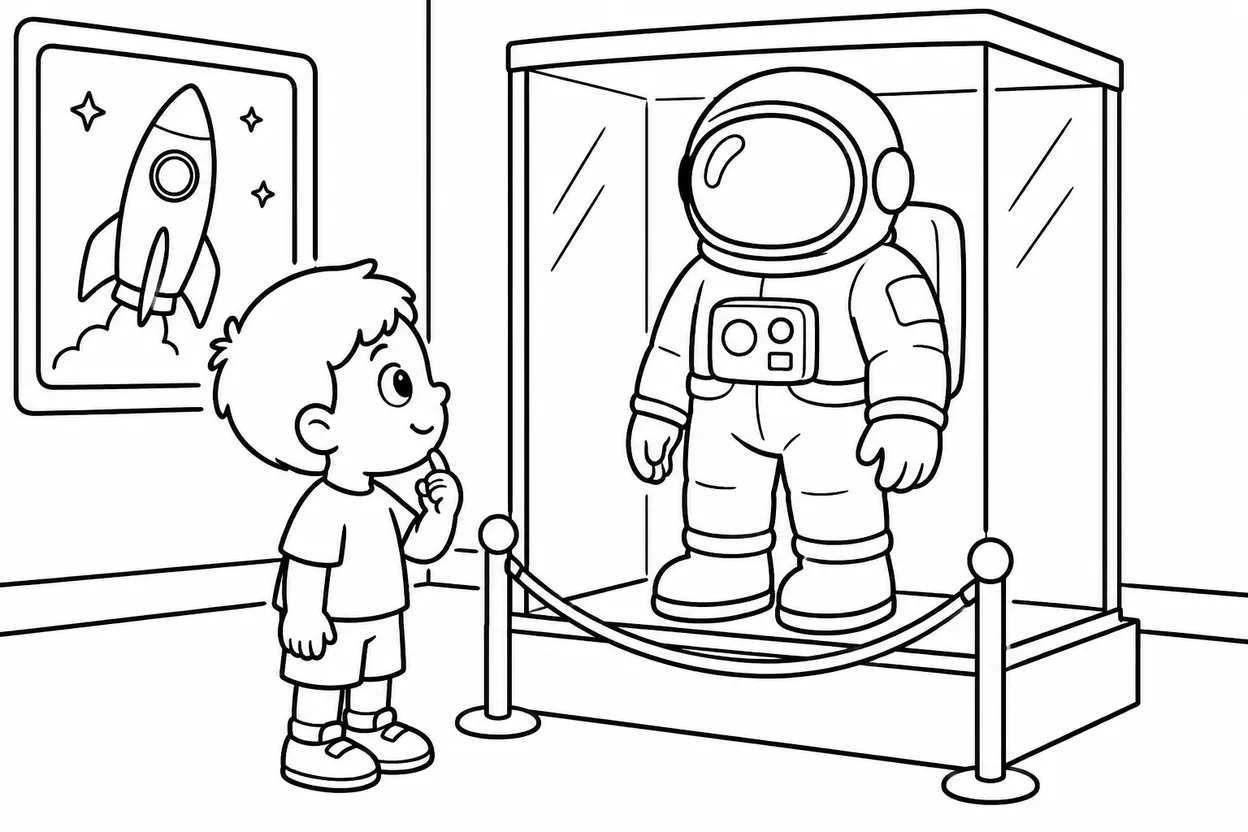
Astronaut coloring pages – Exploring Cosmic Creativity
At Keiki, we believe the theme of space is a powerful spark for curiosity. And how could it not be? The vast expanses of the universe are real, not just imaginary, yet they are so fantastic that they feel like a dream. The person brave enough to explore them is the astronaut. By filling in astronaut coloring pages, children naturally step into that role. Instead of zero gravity, they find a world with zero boredom and no strict boundaries.
Amazing Wonders of Space and Preschool Development
Hoses, massive boots, control panels, and reflections in the visor – every piece of gear is unique and eye-catching. Capturing a child's attention is essentially training their focus, regardless of their age. Every astronaut coloring sheet in our collection is designed to engage kids with technical details without overwhelming them.
For kids aged 3–5, trying to carefully color a button on a remote or a radio is a full-blown workout for hand-eye coordination and fine motor skills. Essentially, the child isn't just drawing; they are investigating a complex machine by breaking it down into simple color blocks. This leads to logical thinking, analysis, and even basic geometry. They say a child’s passion for space is the first step toward a love for science.
Cosmic Techniques: How to Spice Up the Coloring Process
Usually, kids get used to rigid visual rules: grass is green, the sun is yellow, and bears are brown. But astronaut coloring pages are a zone where any experiment goes. Space allows for a palette that no Earth landscape could offer.
Here are a few ways to turn a standard coloring task into a cool project:
- Play with Contrast: Suggest making the background very dark (deep blue, purple, or black). Against this, a white spacesuit or neon-yellow stars will practically "glow."
- The Pointillism Technique: Drawing stars with lines can be tricky for toddlers. Show them how to create galaxies with simple "taps" – either with a finger in an app or the tip of a marker on paper. It’s great for fine motor skills!
- Alien Gradients: Planets shouldn't be just one flat color. Space is the perfect place to mix red with yellow or blue with green inside one outline, creating gas giants and imagining what the atmosphere is like there.
- Focus on the Visor: The helmet glass is the most interesting part. It’s a great excuse to pick one bright, unexpected color that appears nowhere else (like neon pink) to make it the visual center of the page.
By trying different astronaut coloring techniques, kids develop flexible thinking, resourcefulness, and creative freedom.
Creating Your Own Worlds
Space gives you the right to break the rules. Historically, spacesuits are white or orange. But children's art isn't about space agency protocols; it's about letting the imagination fly right alongside the astronaut.
If your explorer decides their printable astronaut coloring page should feature a neon-pink suit against a green starry sky – that’s awesome. Coloring evolves into a role-playing game and world-building. You can boost this by asking leading questions, turning a simple drawing into a story.
When Do You Need Offline Mode?
Interactive apps are lifesavers on the road, but sometimes the soul craves physical tools – crayons, paper, and the kitchen table. The "old-school" classics never go out of style. For these moments, the printable astronaut coloring page concept is perfect. You can pick the coolest character in the app together and then bring that experience into the real world.
A pre-downloaded astronaut coloring page printable is your strategic stash of "quiet time" for rainy weekends. Give the little one some glitter markers or silver gel pens (because space should sparkle!), and you’ve got at least thirty minutes of focused, independent work.
People often ask
Interest usually starts early, around 2.5–3 years old. They don't need to understand physics; they are attracted to the image – a person in a big, cool helmet who looks like a superhero. That’s enough to get started.
For preschoolers, black is often just the most high-contrast pigment in the box. In space, it actually makes sense! Don't worry about it being "gloomy" – just suggest adding yellow stars or planets on top of the black later.
Use simple physics while playing. Drop an eraser or a pencil – it falls. Explain that where our hero is going, that pencil would just float in the air. Simple examples make complex topics easy to grasp.
Absolutely. Exploring the universe is gender-neutral. At Keiki, we avoid stereotypes; our characters in spacesuits are for any child who wonders what’s beyond the clouds.
Here’s a pro tip: use watercolors with a thick brush for the background (the dark sky) and wax crayons or markers for the astronaut and small details. The wax repels the water, keeping the suit's outlines sharp even for the messiest young artists.