

About this collection
Printable Earth Day coloring pages for kids — instant download and print
These Earth Day coloring pages bring planet Earth, trees and recycling to life. Print instantly and spark imagination one crayon at a time.
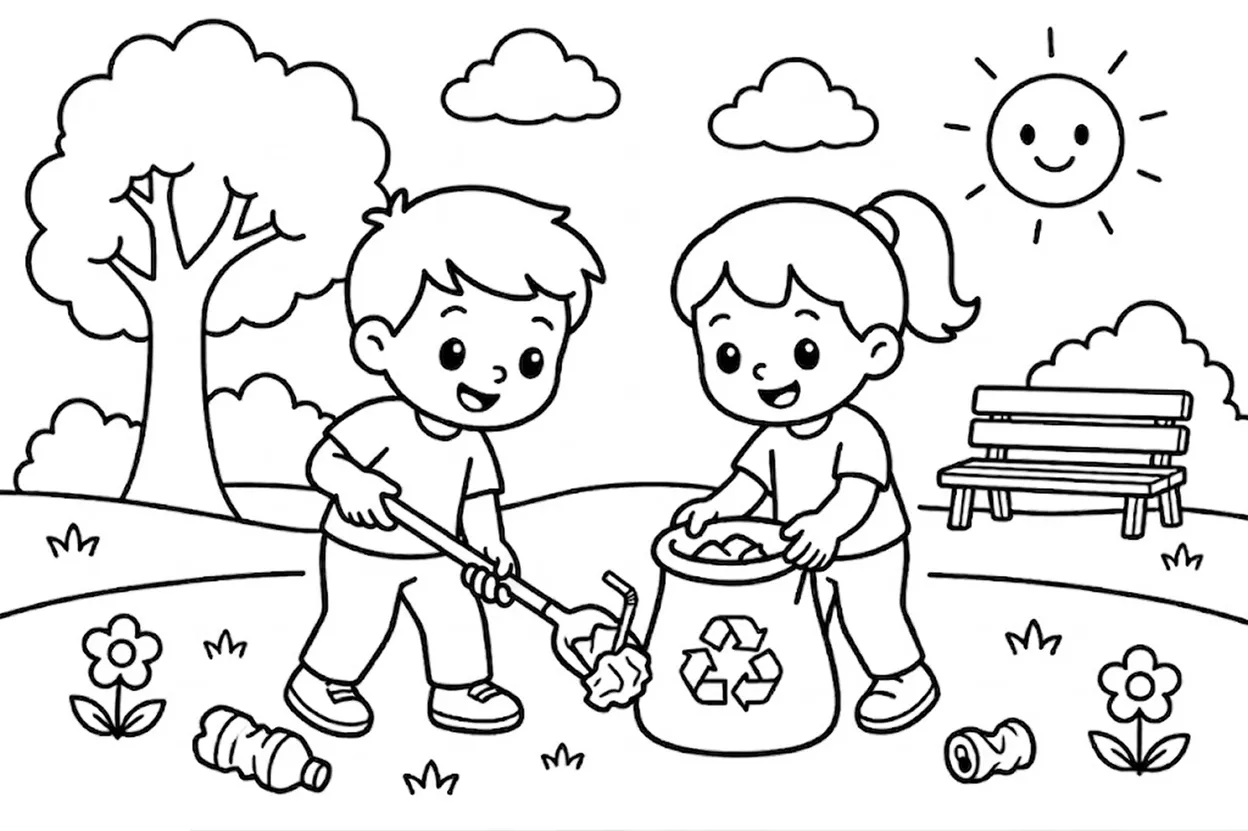

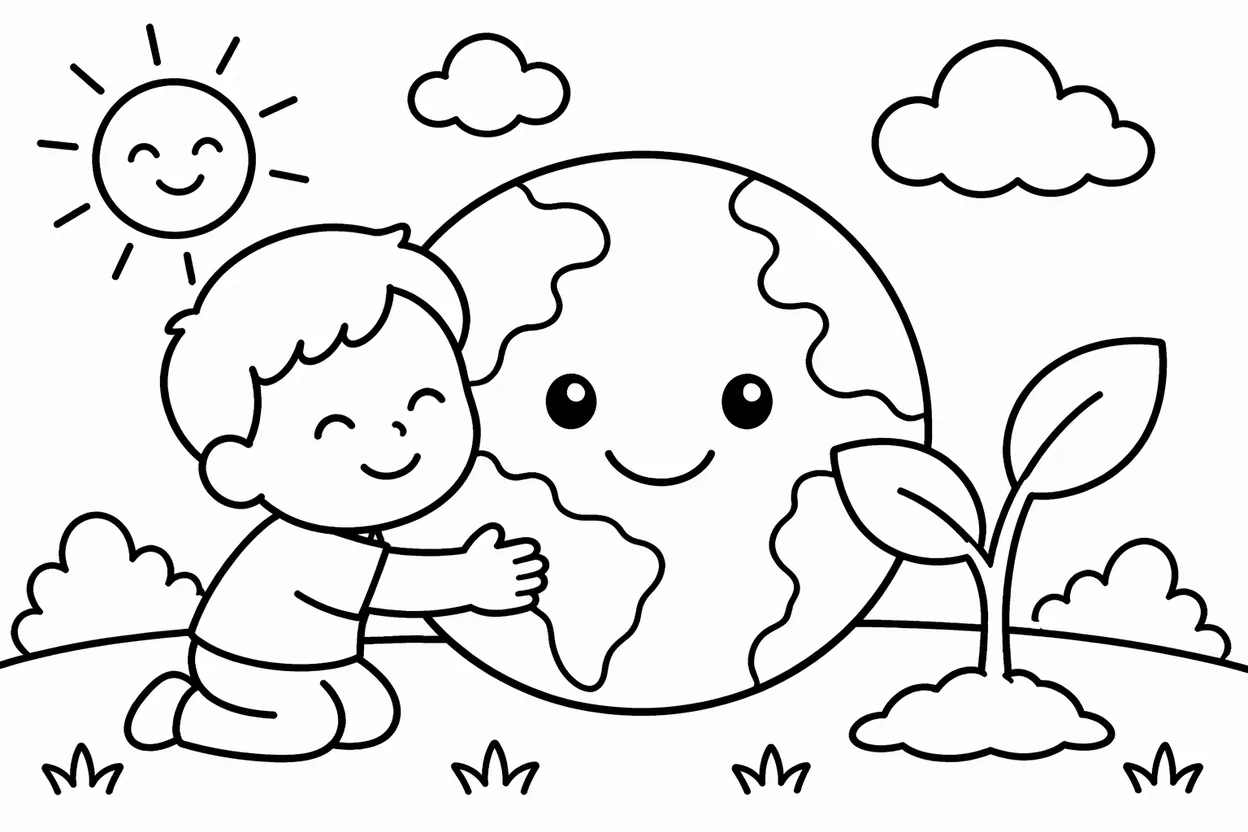
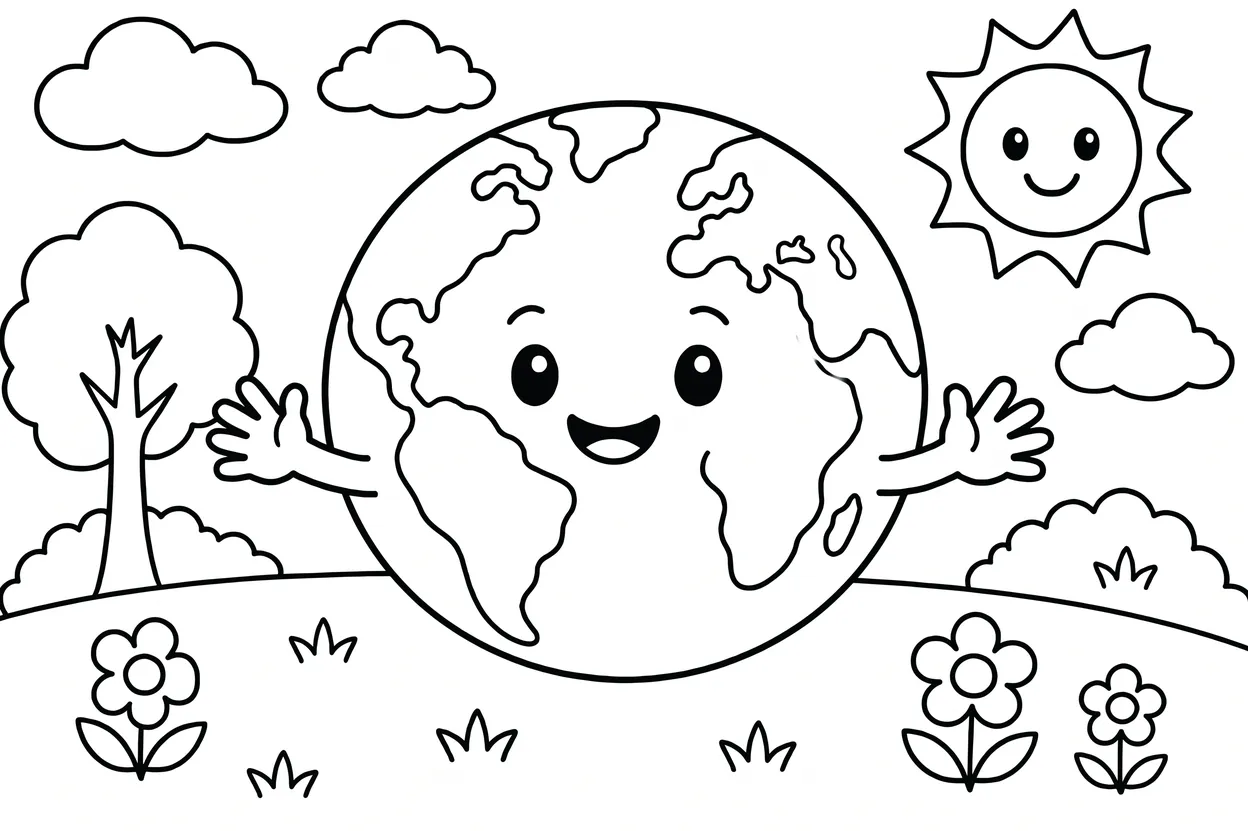
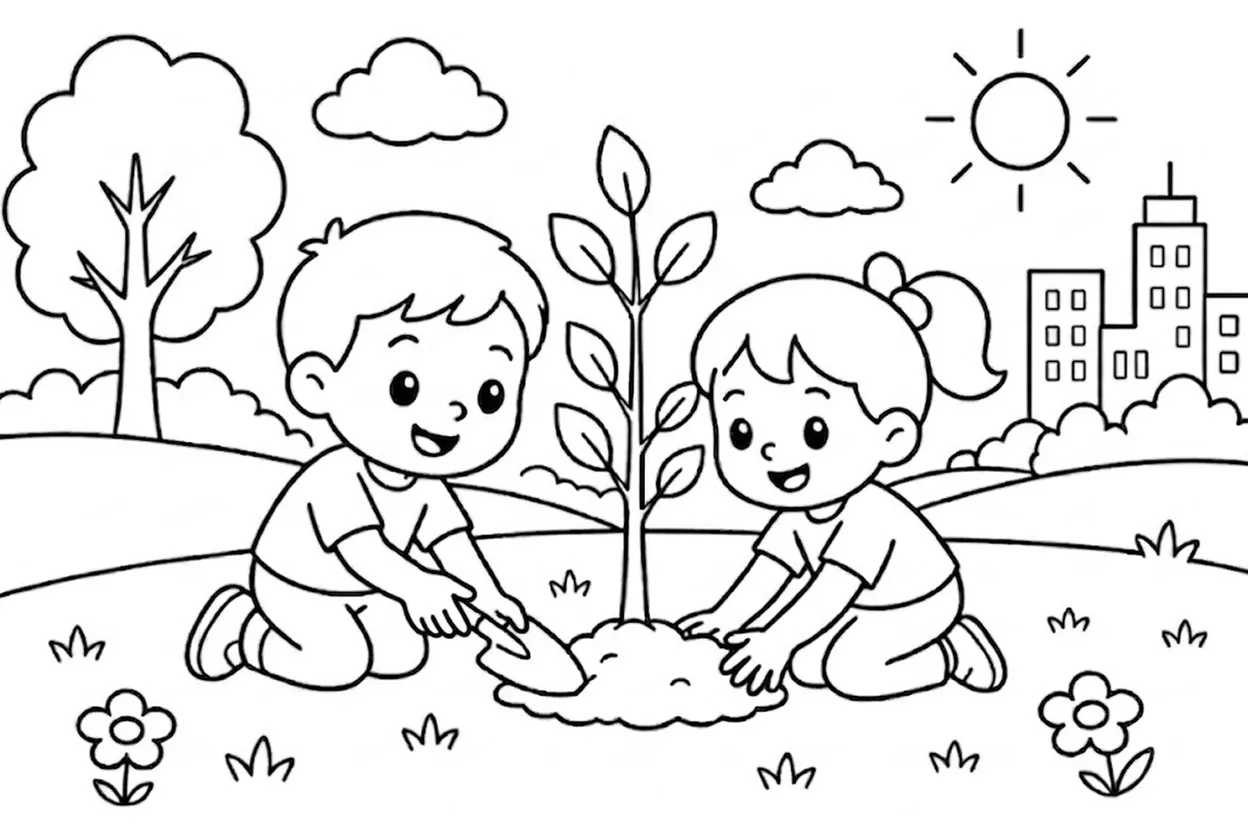
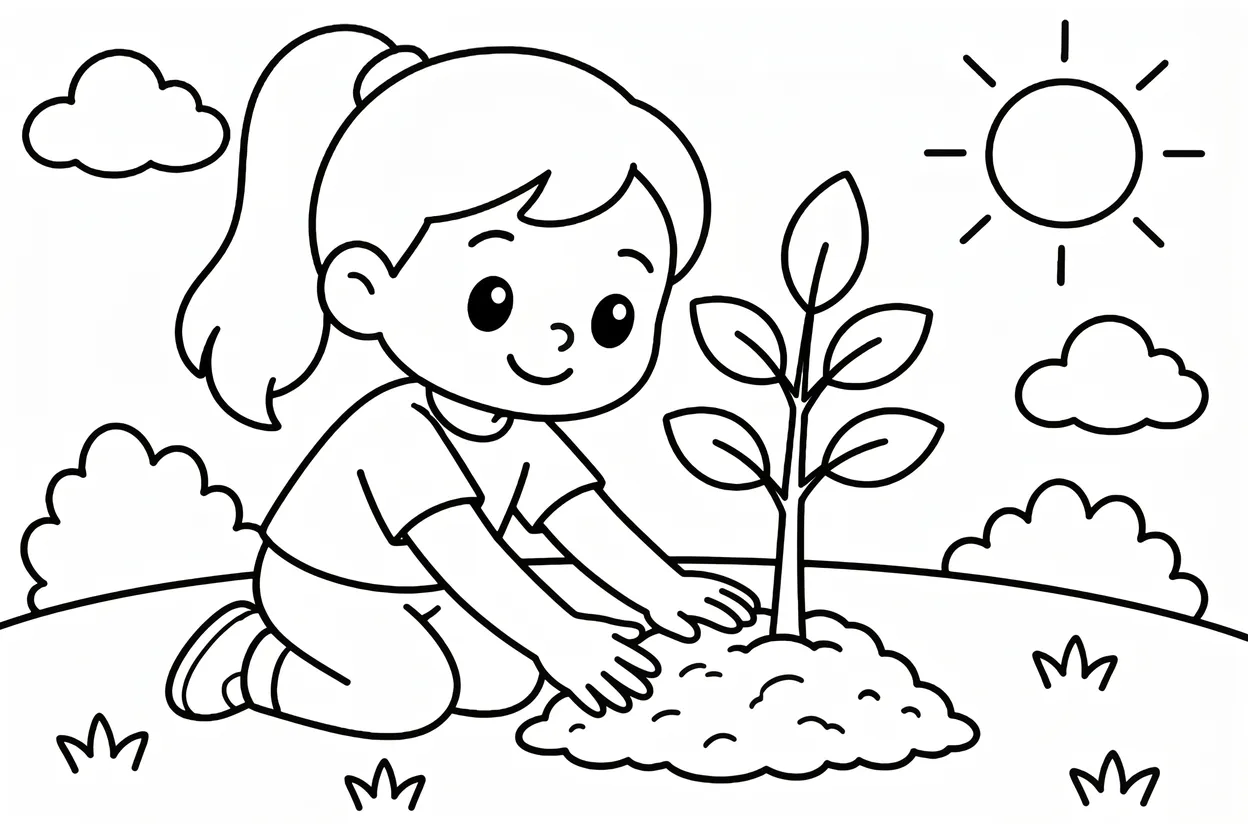
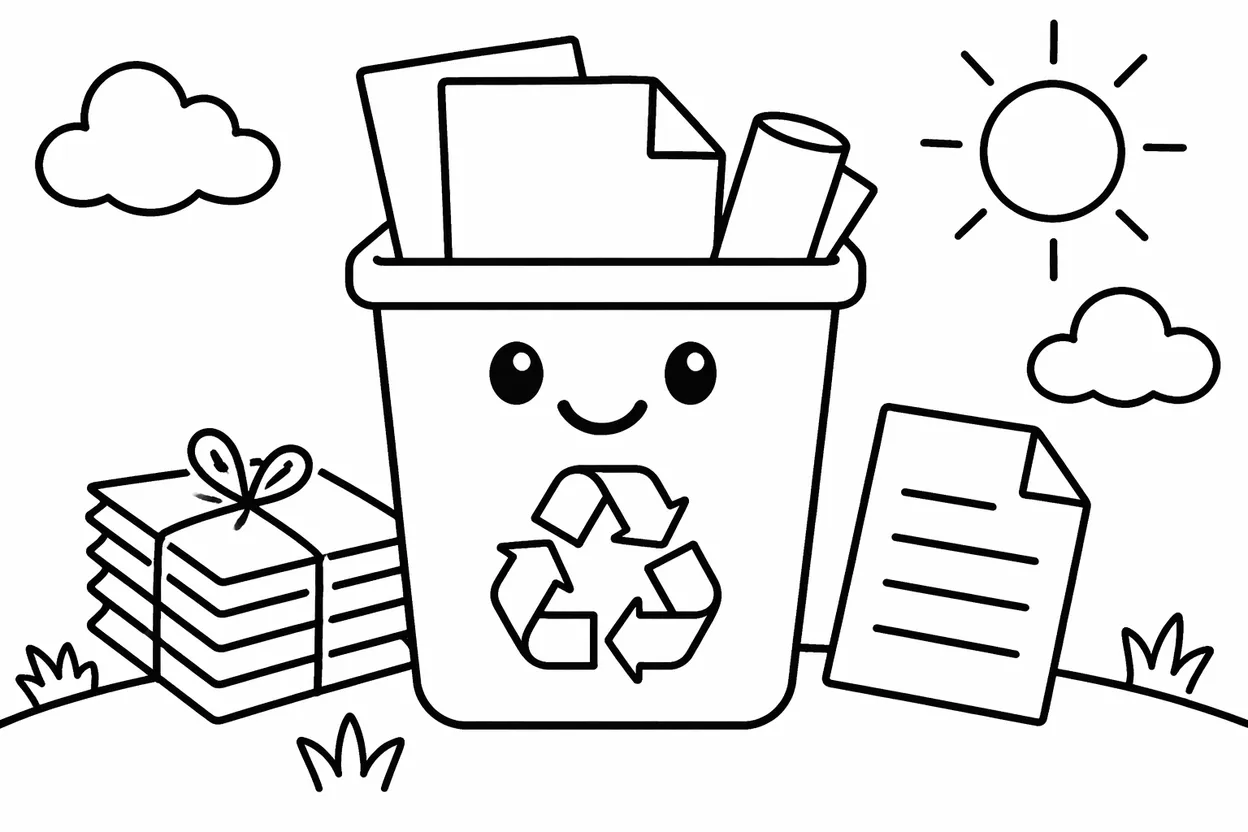
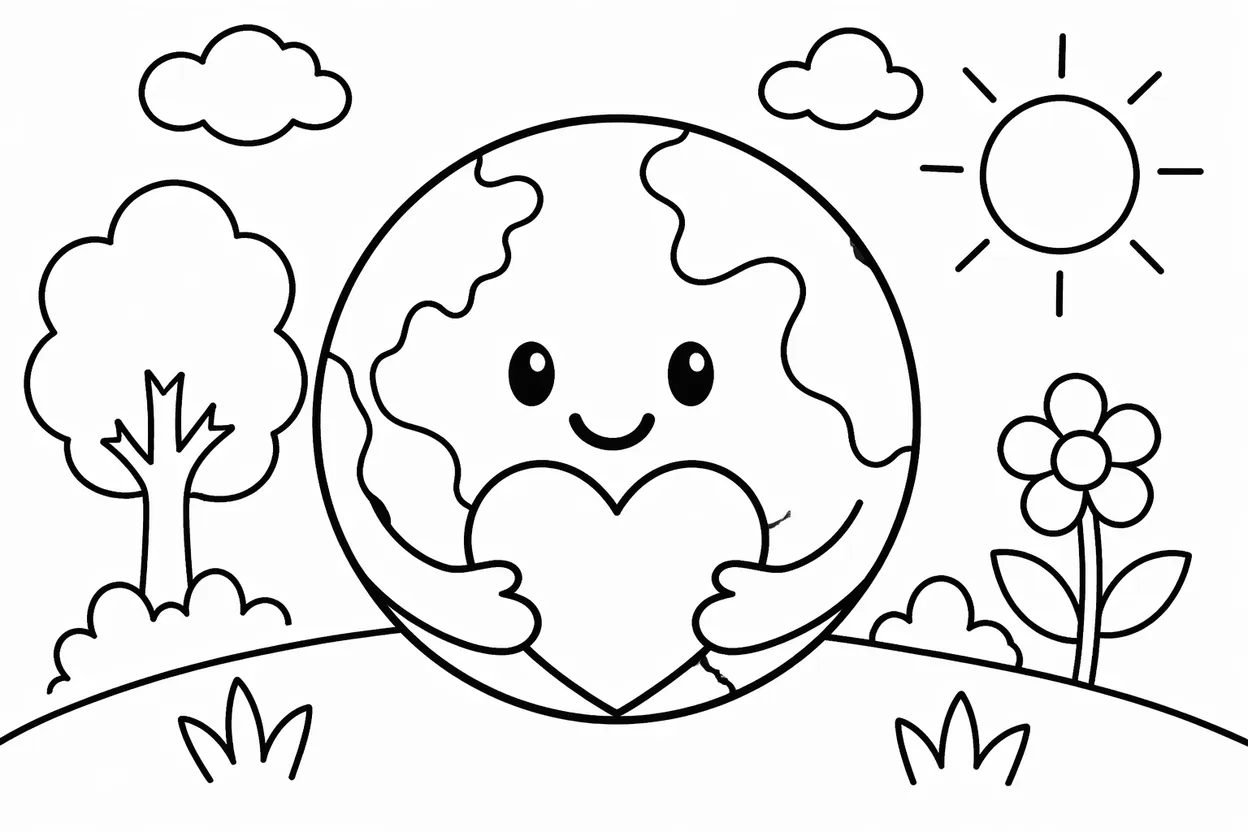
Responsibility starts in childhood – Earth Day coloring pages can help
When we think about early childhood development, things like counting, writing, and reading usually come to mind first. But there’s something else just as important as school skills. Being kind, being mindful of the environment, and being responsible toward our surroundings are also things that need to be nurtured. Earth Day coloring pages can be the first step. They aren't just pictures of trees and planets; they are a safe space for creativity that teaches kids to care about ecology and nature.
Why ecology matters for toddlers – explaining the holiday through art
It’s hard for kids to grasp global concepts like climate change. They won't understand complex charts or statistics. But through simple, visual images and creativity, they pick up on the importance of treating nature with care. They learn to notice what’s around them. Big steps start small—soon, your little one won't throw a candy wrapper on the street or might start wondering how entire forests grow.
Every Earth Day coloring sheet is a visual instruction manual translated into the language of a preschooler. While working on Happy Earth Day coloring pages, a child absorbs three basic lessons without any boring lectures:
- The planet as a shared home. By coloring a round globe, we literally show them that this is a place where people, animals, and plants all live together. Harmony depends on this friendship.
- The value of trees. An Earth Day coloring page for kids featuring a forest or a tiny sprout helps start a conversation about why we shouldn't break branches outside and how leaves give us fresh air.
- Keeping things clean. By choosing Earth Day coloring pages for preschoolers that show cleaning up or sorting trash, you’re building a foundation of environmental ethics through simple actions kids can actually do.
More than just ecology – how else does coloring help?
Earth Day coloring isn't just about environmental awareness; it’s also great for a child's overall development. Coloring helps build several key skills:
- Fine motor skills. Carefully shading small leaves or continents on Earth Day printable coloring pages gets fingers working together, prepping their hands for writing in school.
- Focus and patience. To finish an Earth Day coloring page, a child has to stay focused for a decent amount of time.
- Creative thinking. By using "unusual" colors on free Earth Day coloring pages, kids learn to express themselves creatively.
- Environmental mindfulness. Connecting with nature-themed art creates a gentle, empathetic bond with the world long before school starts.
- Relaxation. The steady pace of coloring cute Earth Day coloring pages lowers stress levels and helps a child calm down after an active day.
How to make coloring part of the celebration
The digital format is a lifesaver when you need thirty minutes of peace or when you don’t have crayons handy. But you can also make April 22nd special with traditional tools. Earth Day coloring pages printable from Keiki can help. Here are a few ideas for mixing digital and physical play:
- Sensory collage. Print out an Earth Day coloring page PDF. Use the outlines as a base: glue real dried leaves, twigs, or moss collected during a walk onto the drawn trees.
- Home eco-exhibit. Create a gallery on the bedroom door. Let your child pick their best free printable Earth Day coloring pages to show off to grandparents.
- Plastic-free gifts. A beautifully finished Happy Earth Day coloring page makes a great handmade card.
- Online challenge. Open free Earth Day coloring pages in the Keiki app and challenge your little one to use only the shades of green and brown they saw in the park today.
People often ask
No. At ages 2–3, the brain often generalizes complex objects. If your child associates the planet with green grass, that’s a great logical connection!
To give greenery some texture, skip the markers and go for oil pastels or thick wax crayons. If you use them flat on their side, you get a perfect wide texture for natural landscapes.
Use simple analogies while you color. Take an apple or a ball, put a tiny toy on it, and show them that to a tiny person, a huge ball feels flat too.
Yes! For preschoolers, heavy machinery is always a hit. It’s much easier to explain the concept of cleanliness through a cool garbage truck than through abstract talks about saving the world.
Make a pair of "explorer binoculars." Roll two colored pages into tubes, staple them together, and head to the park to hunt for "nature treasures" like pretty stones, bugs, or unique leaves.