

About this collection
Simple vegetable coloring pages for kids — download and print free
Discover vegetable coloring pages packed with carrots, tomatoes and broccoli. Simple outlines that turn a blank page into proud artwork.
Most popular vegetables coloring pages
Hand-picked by parents from our library of 85+ designs.
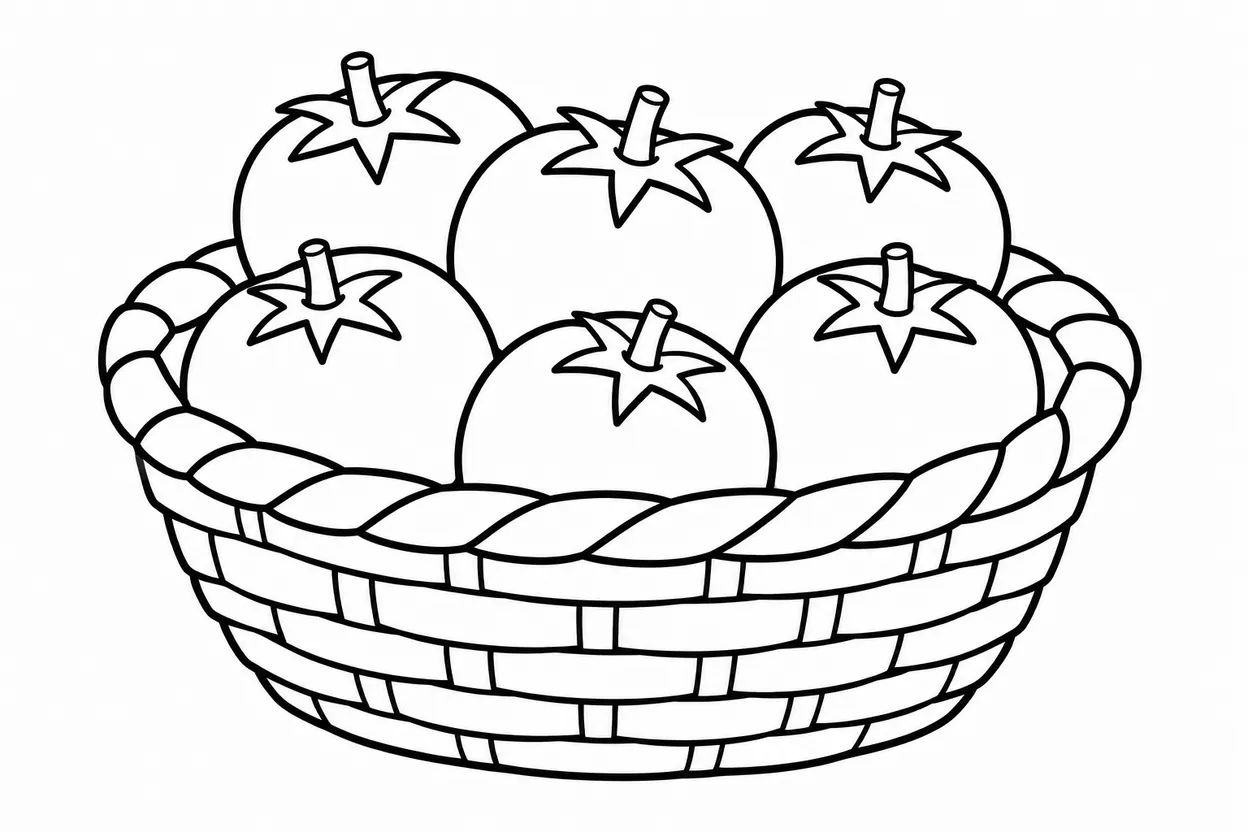

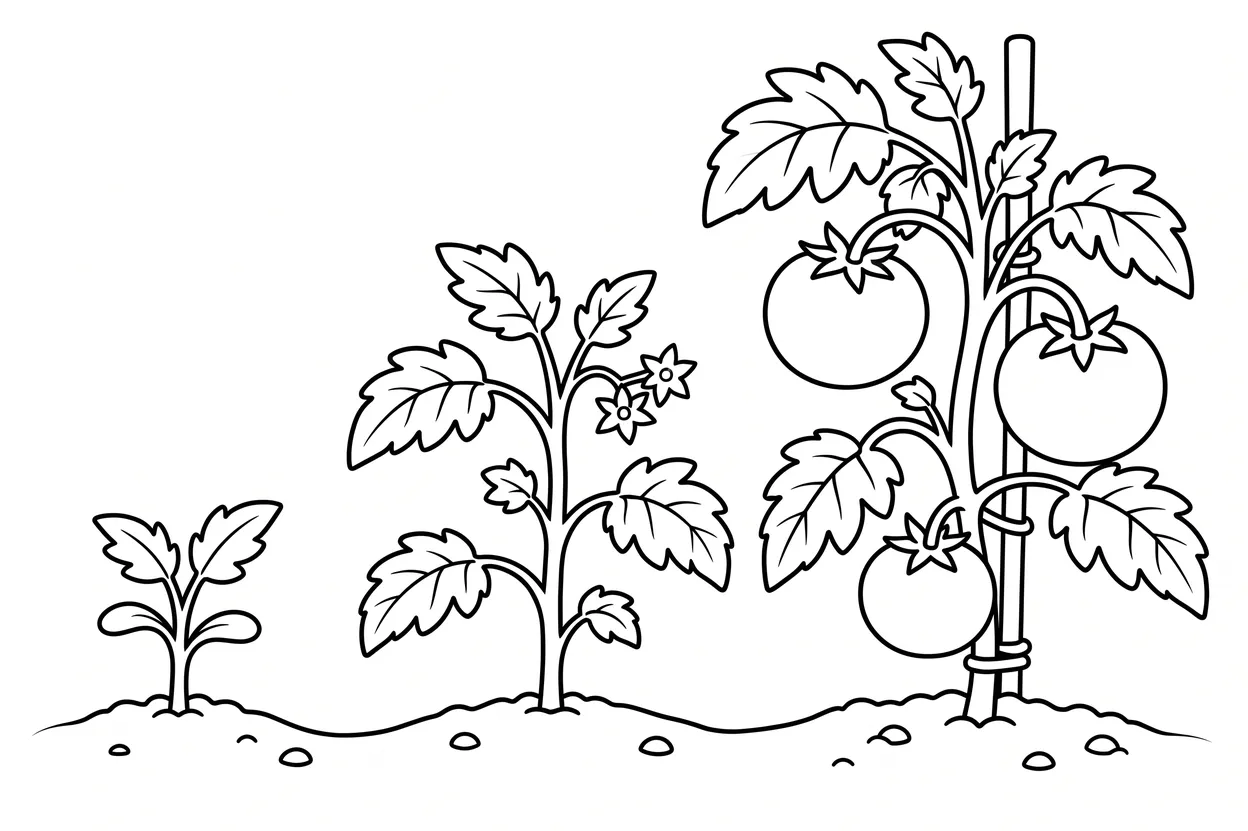
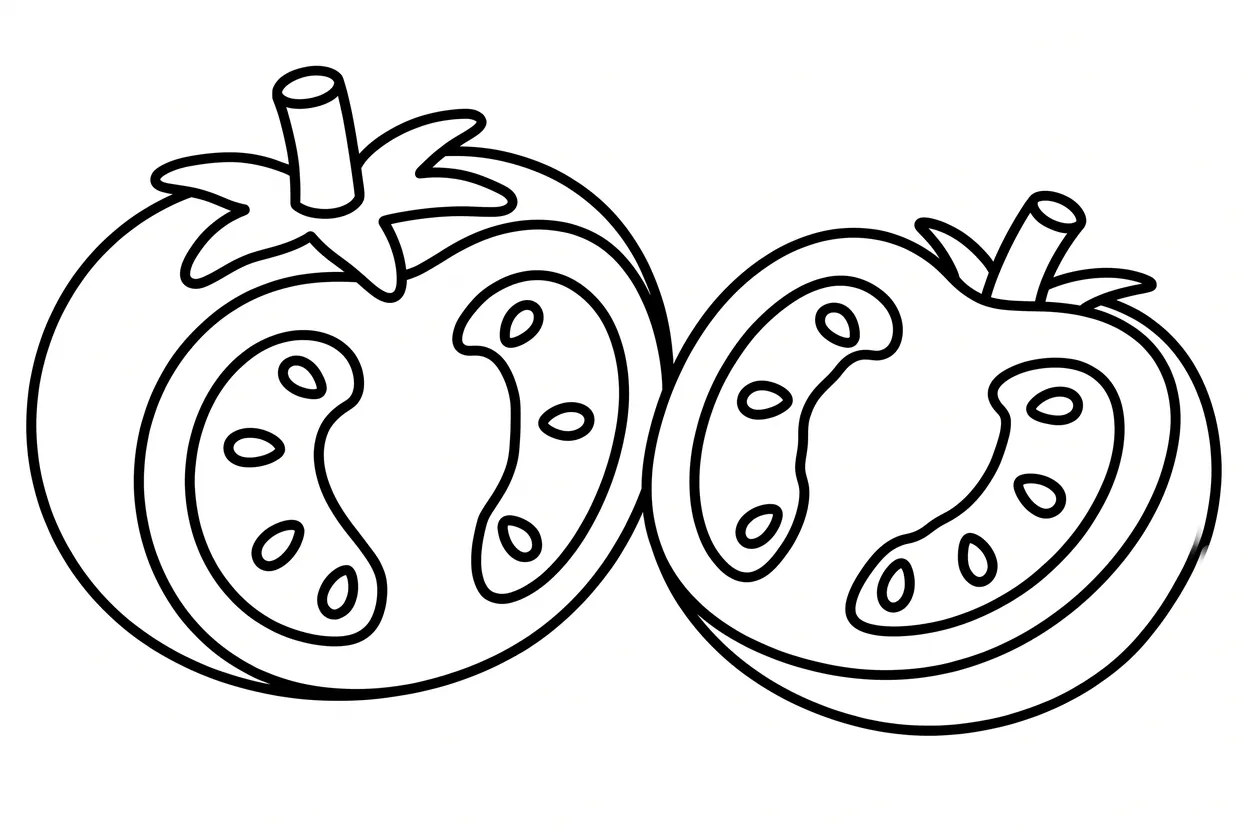
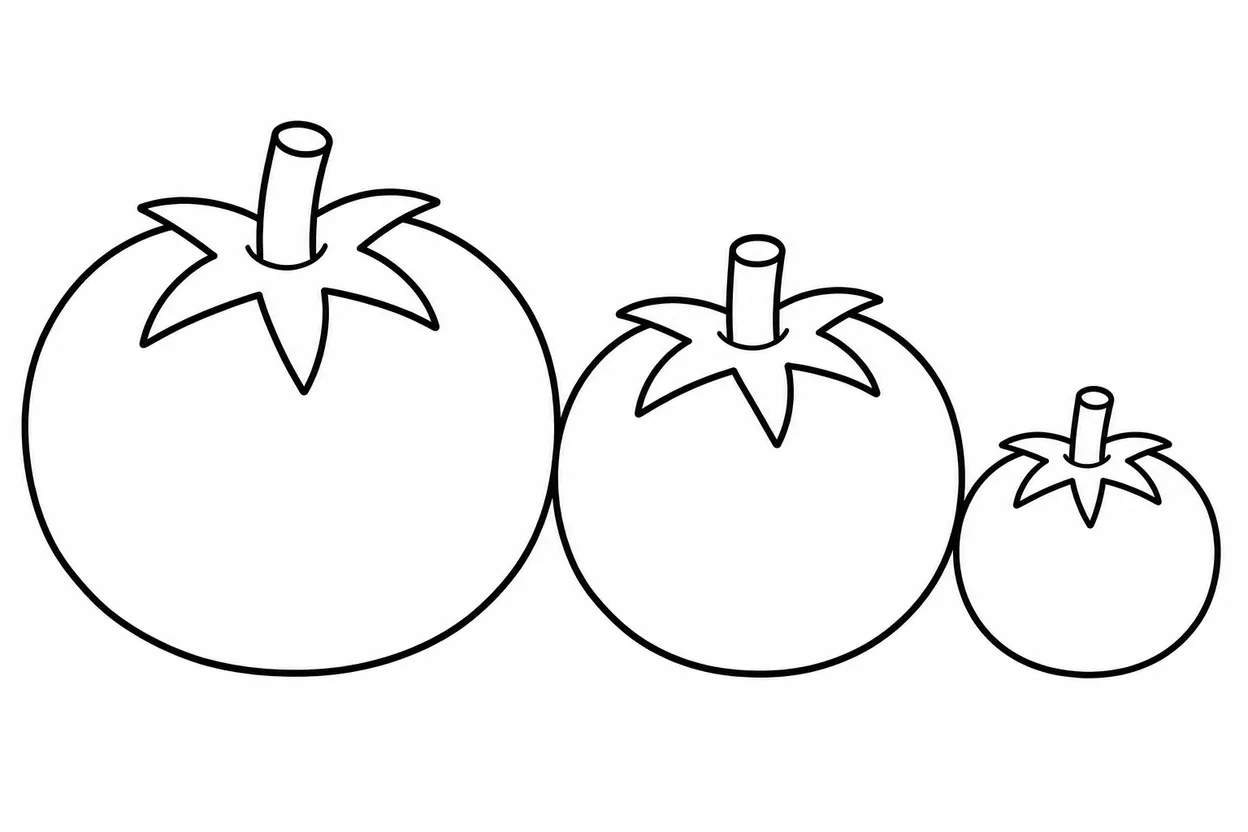
Tomato coloring pages
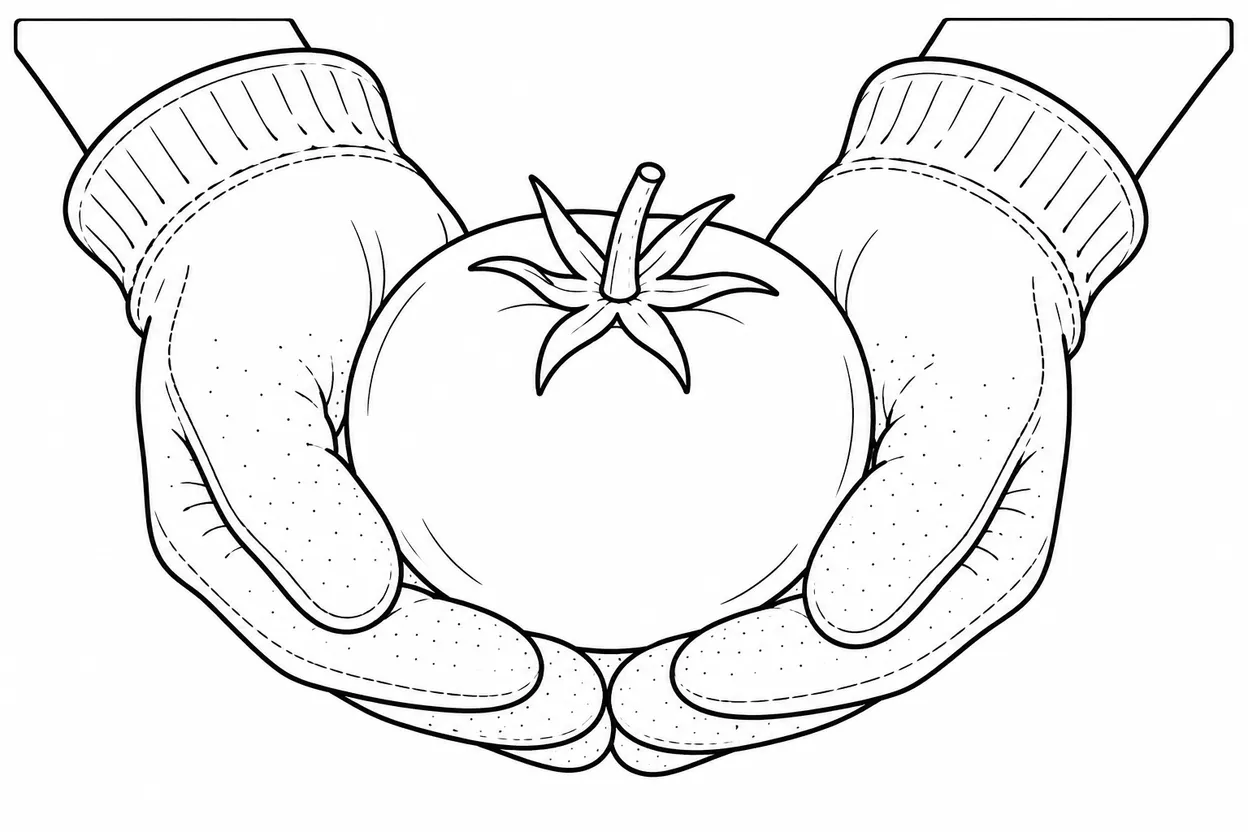
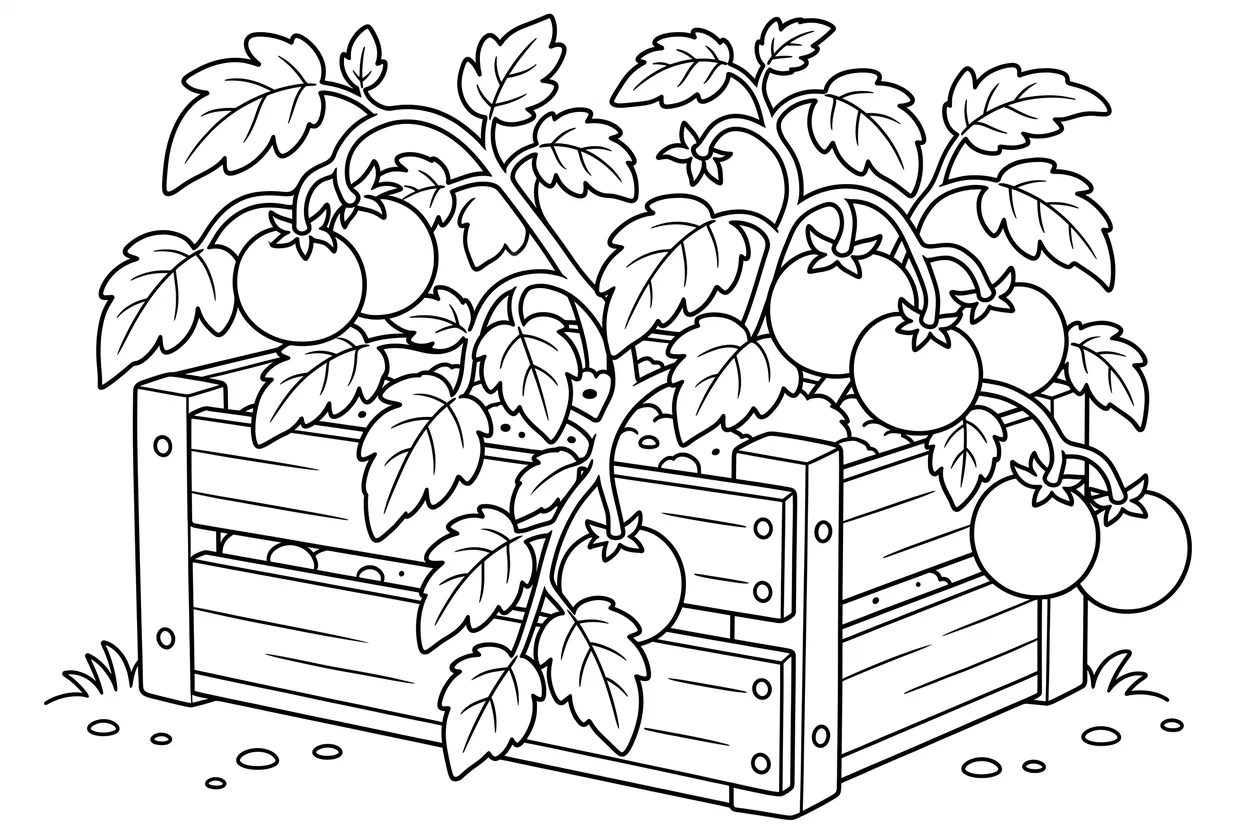
Ripe and juicy! These tomato coloring pages let kids color plump, round tomatoes with shiny red skins and little green tops.
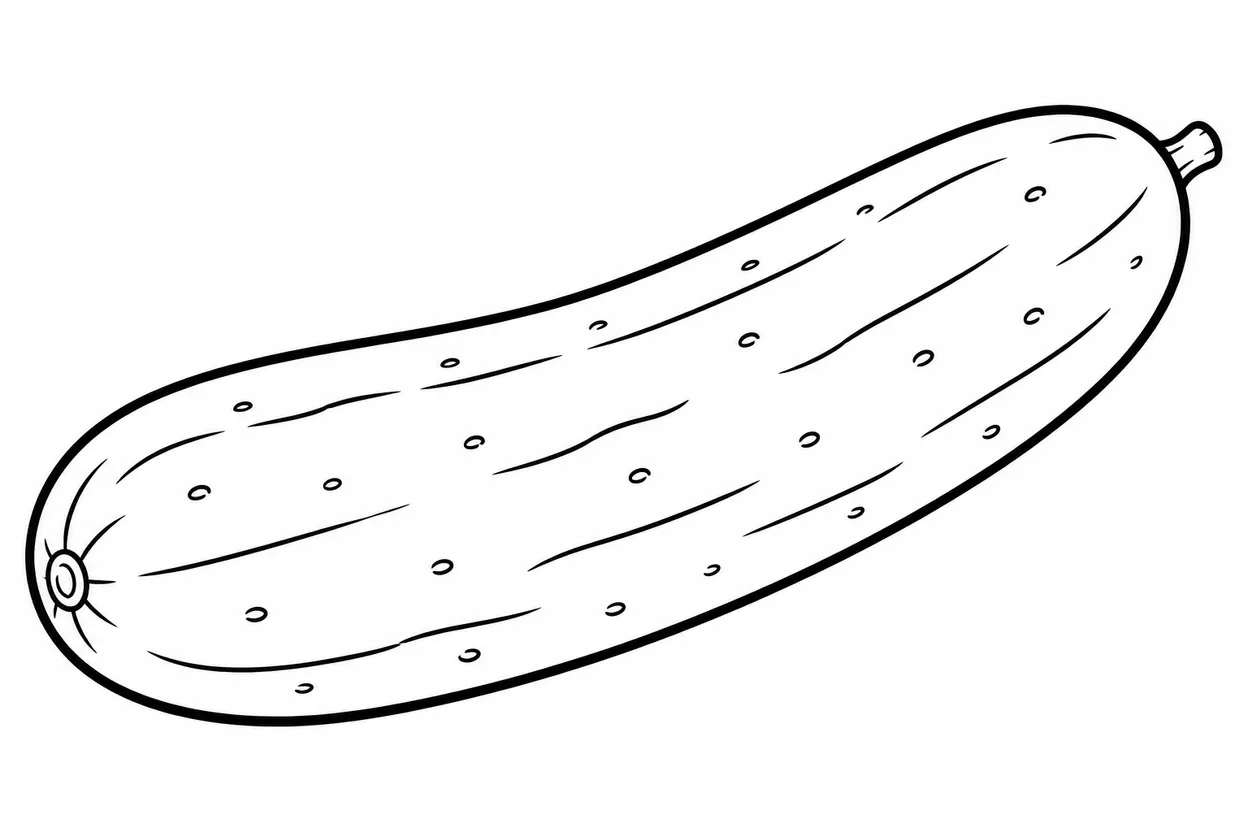
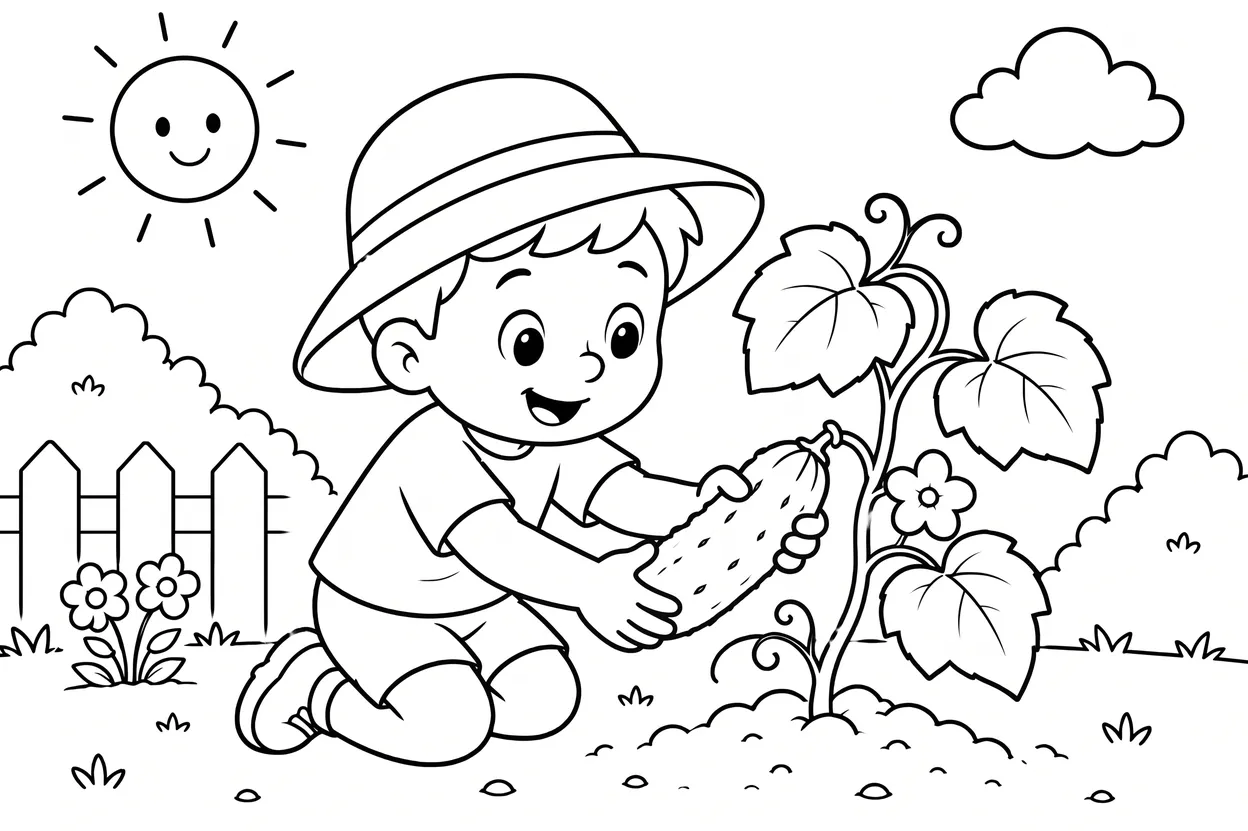
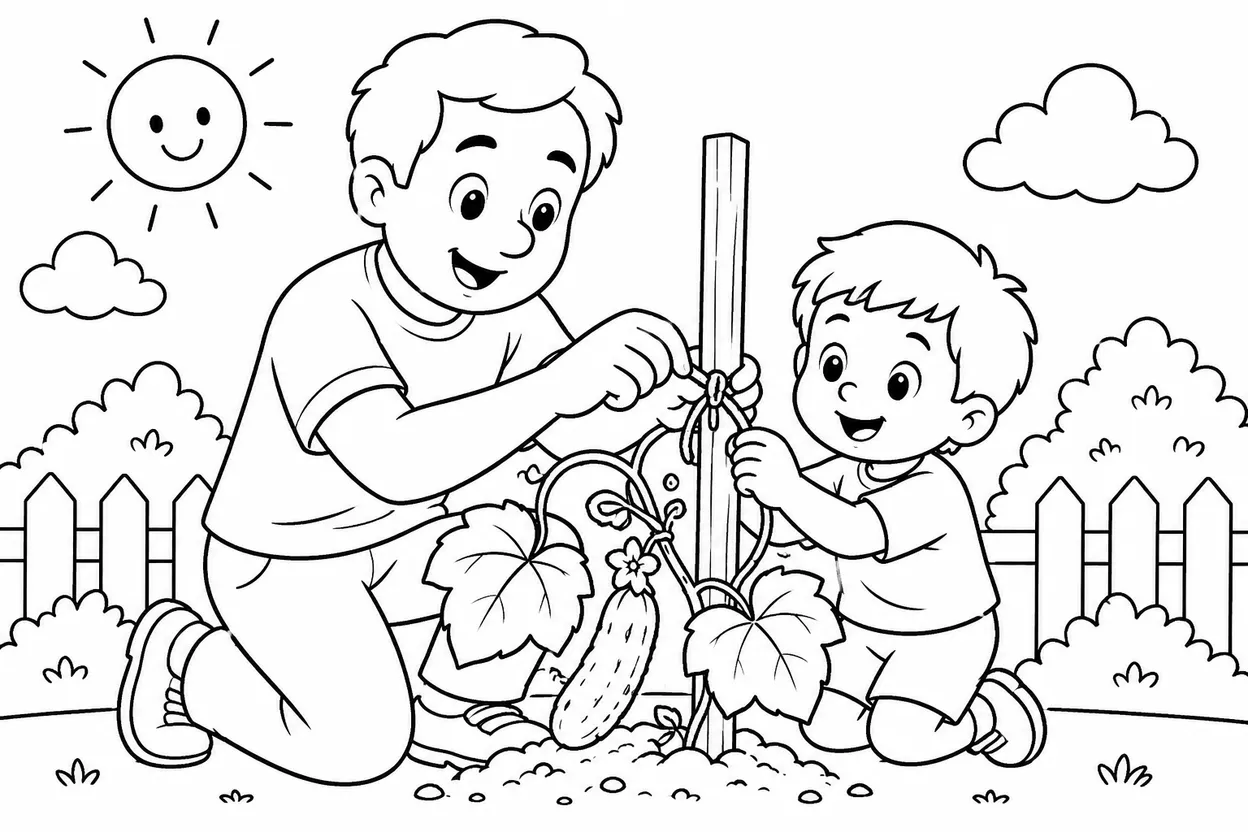
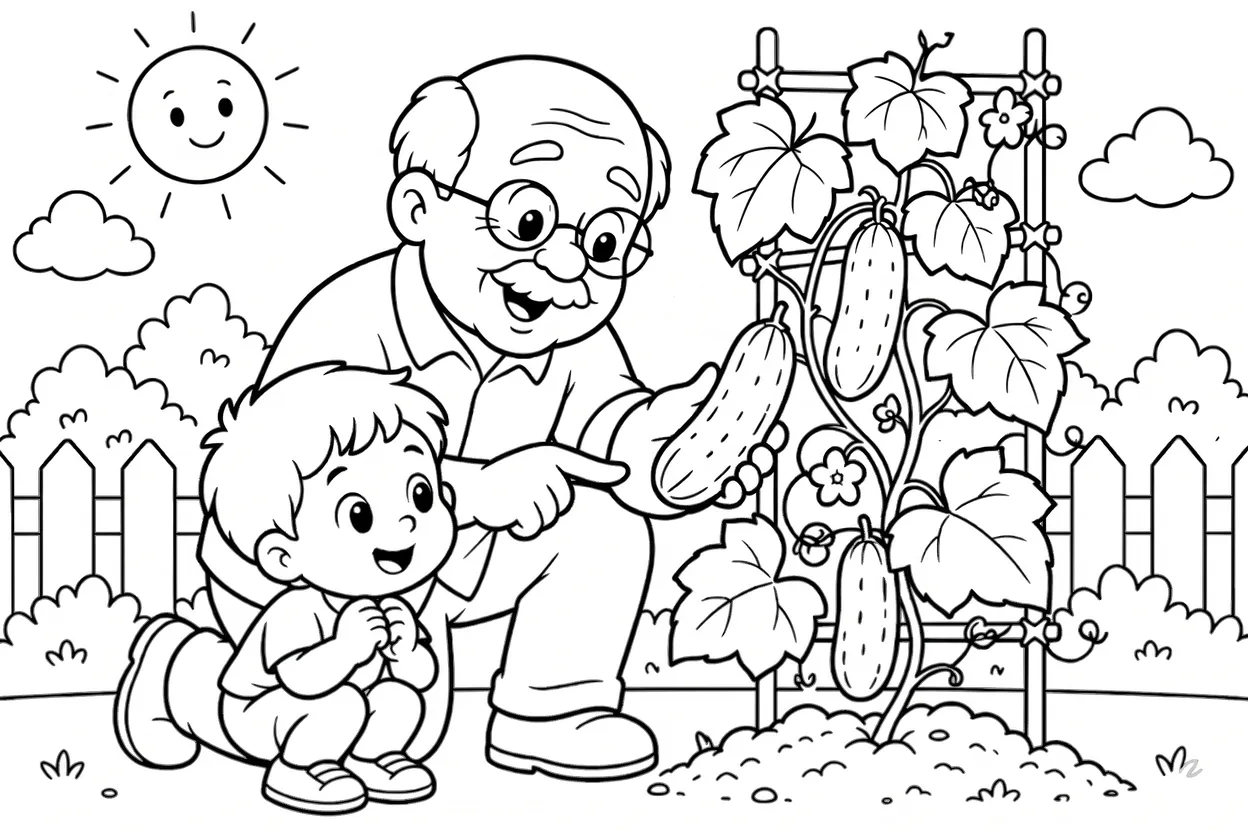
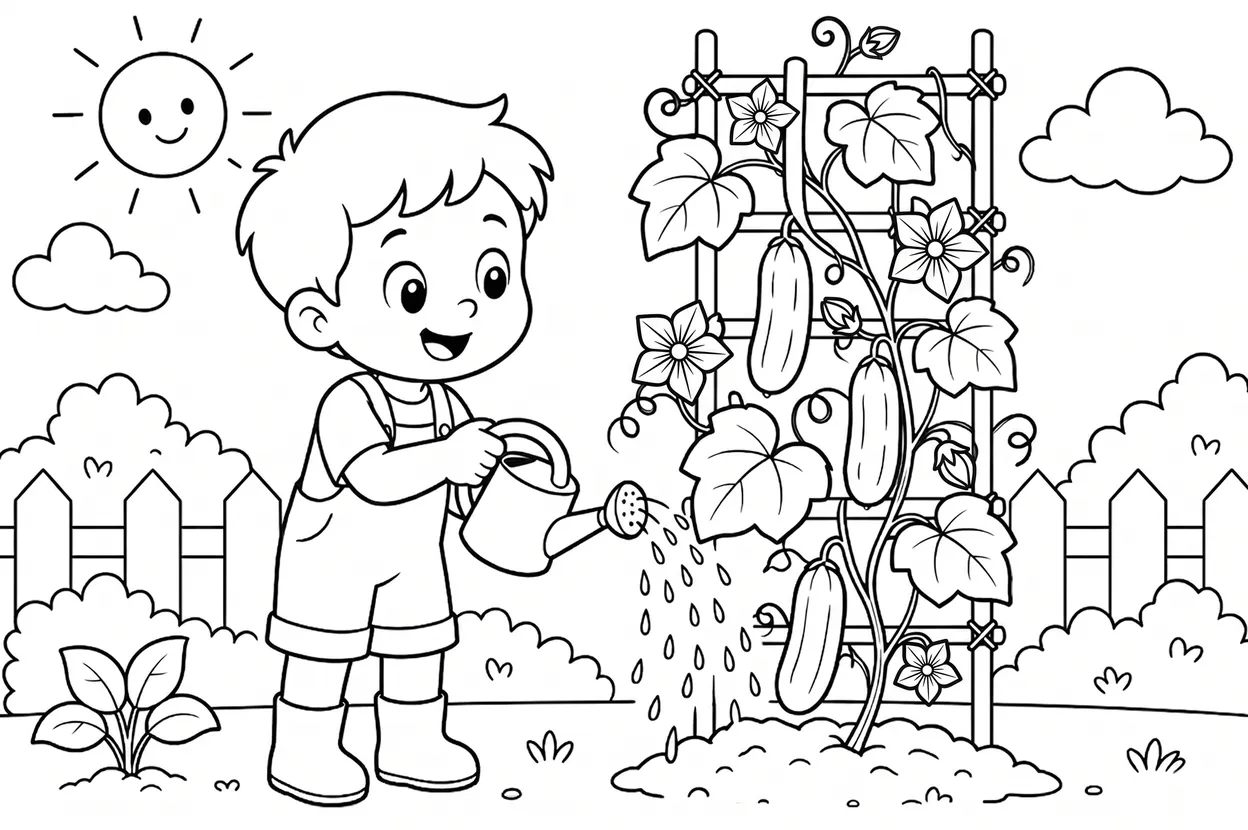
Cucumber coloring pages
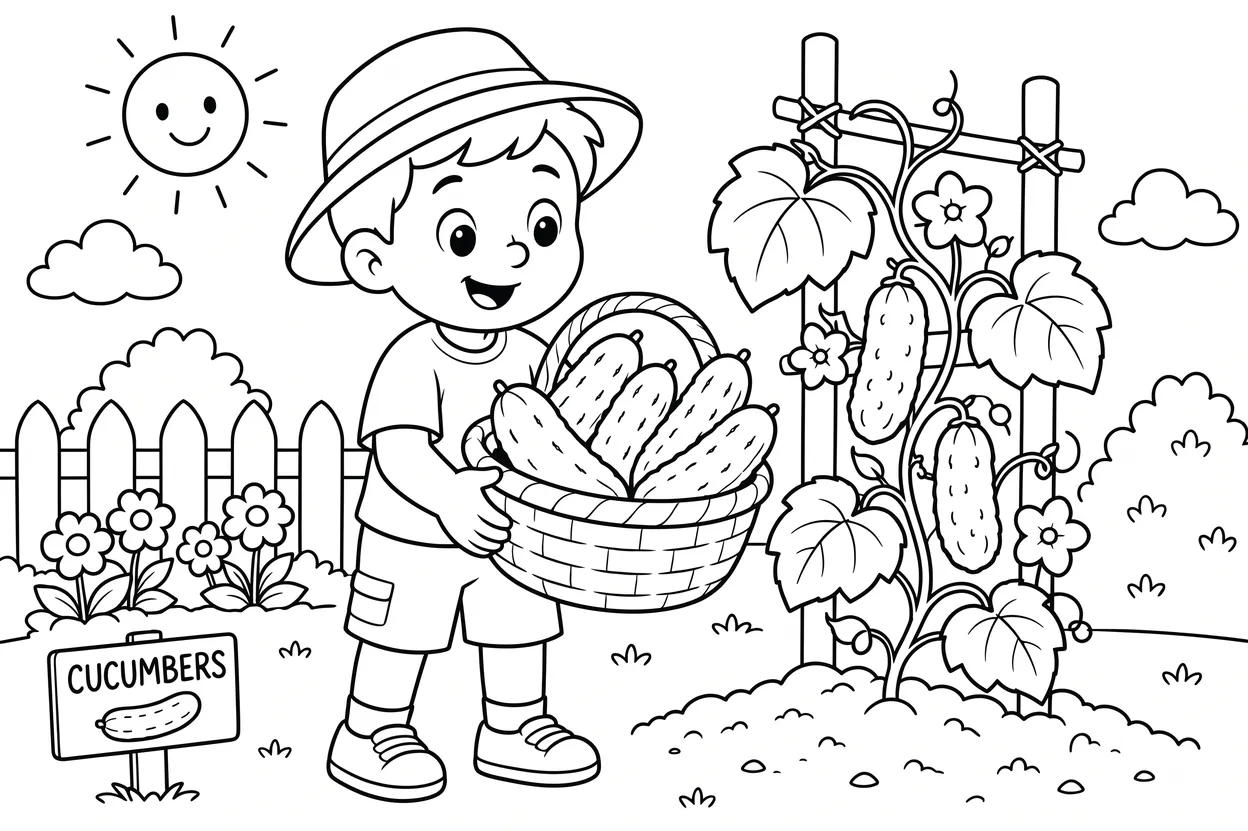
Cool as a cucumber! These cucumber coloring pages let kids color long, crunchy green cucumbers fresh from the garden.
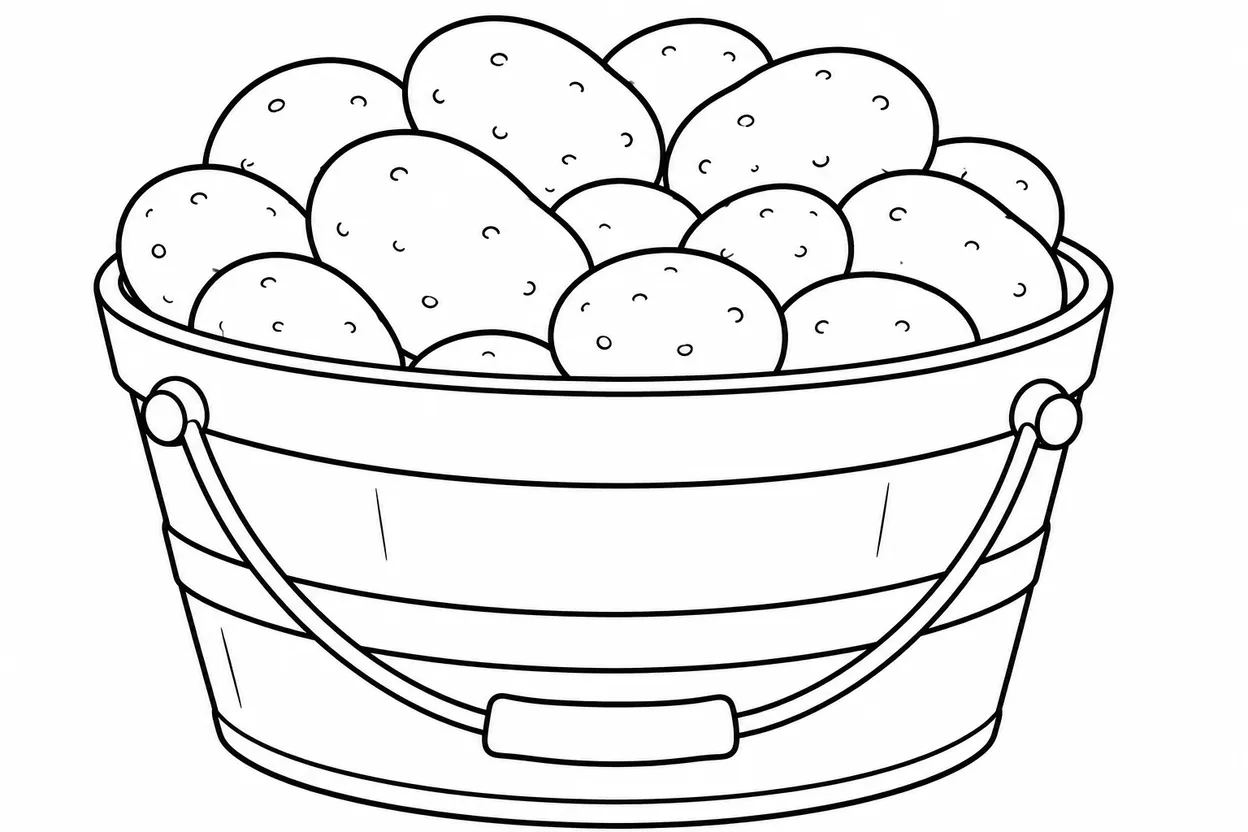
Potato coloring pages
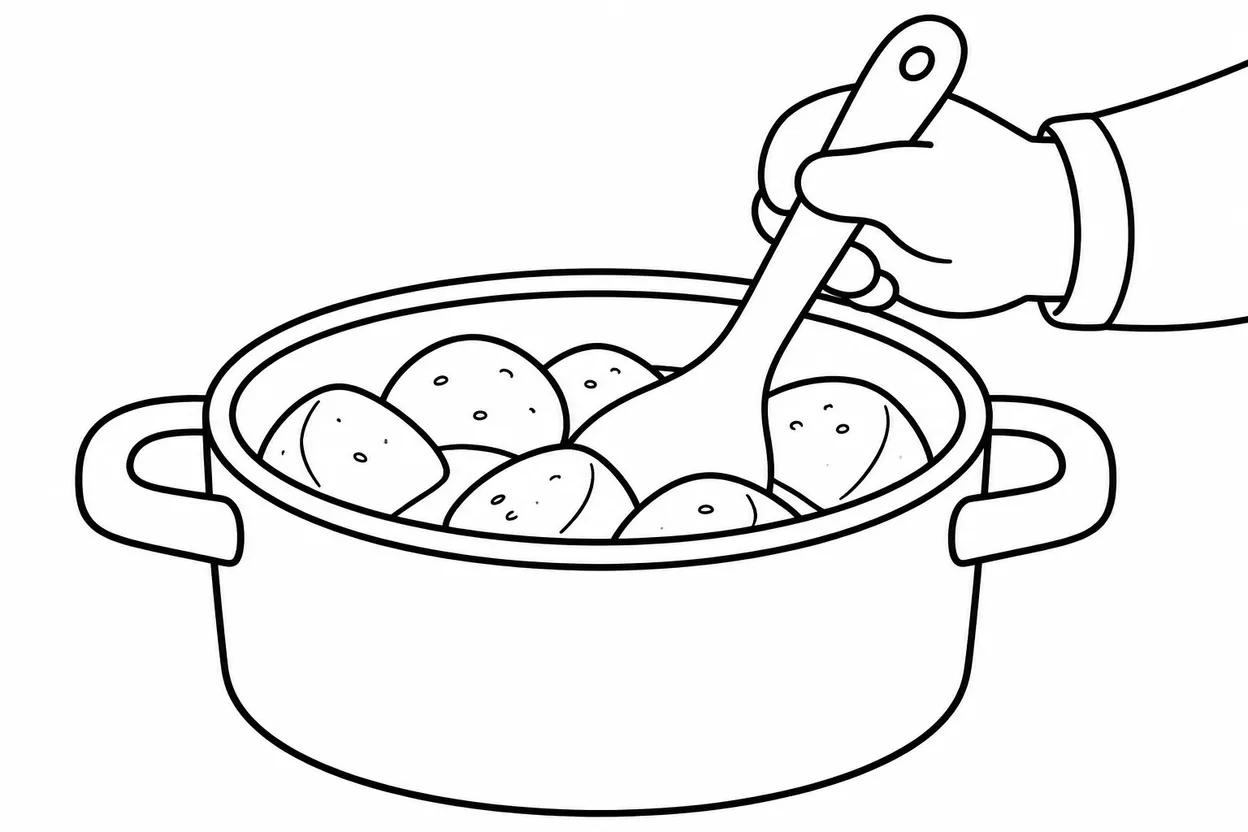
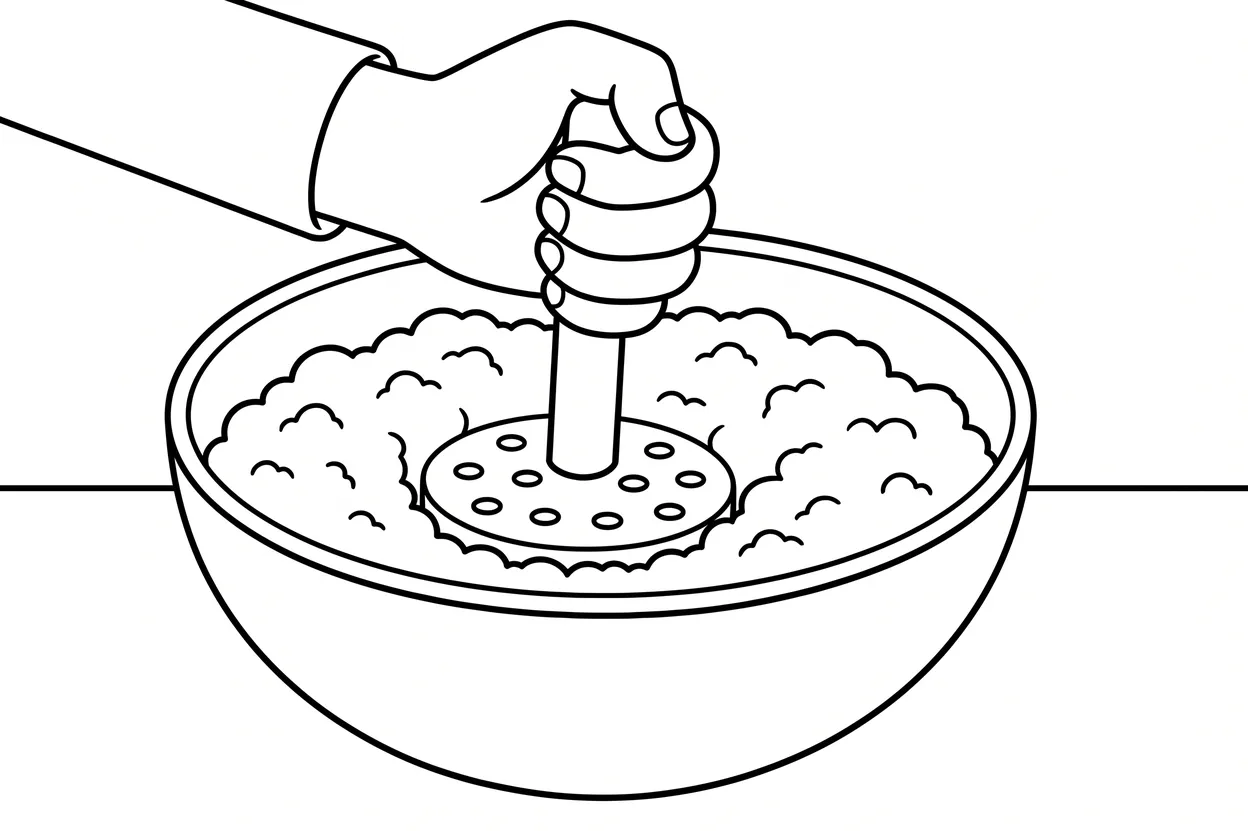
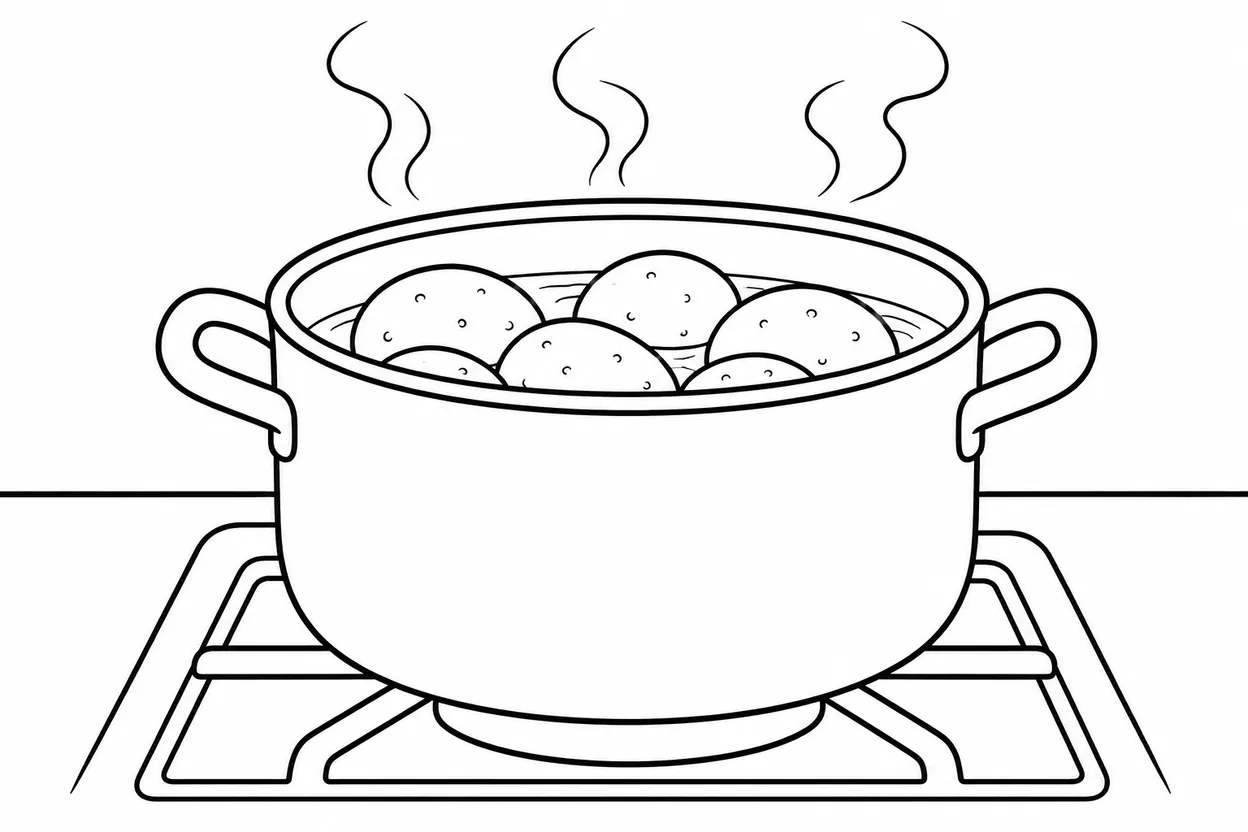
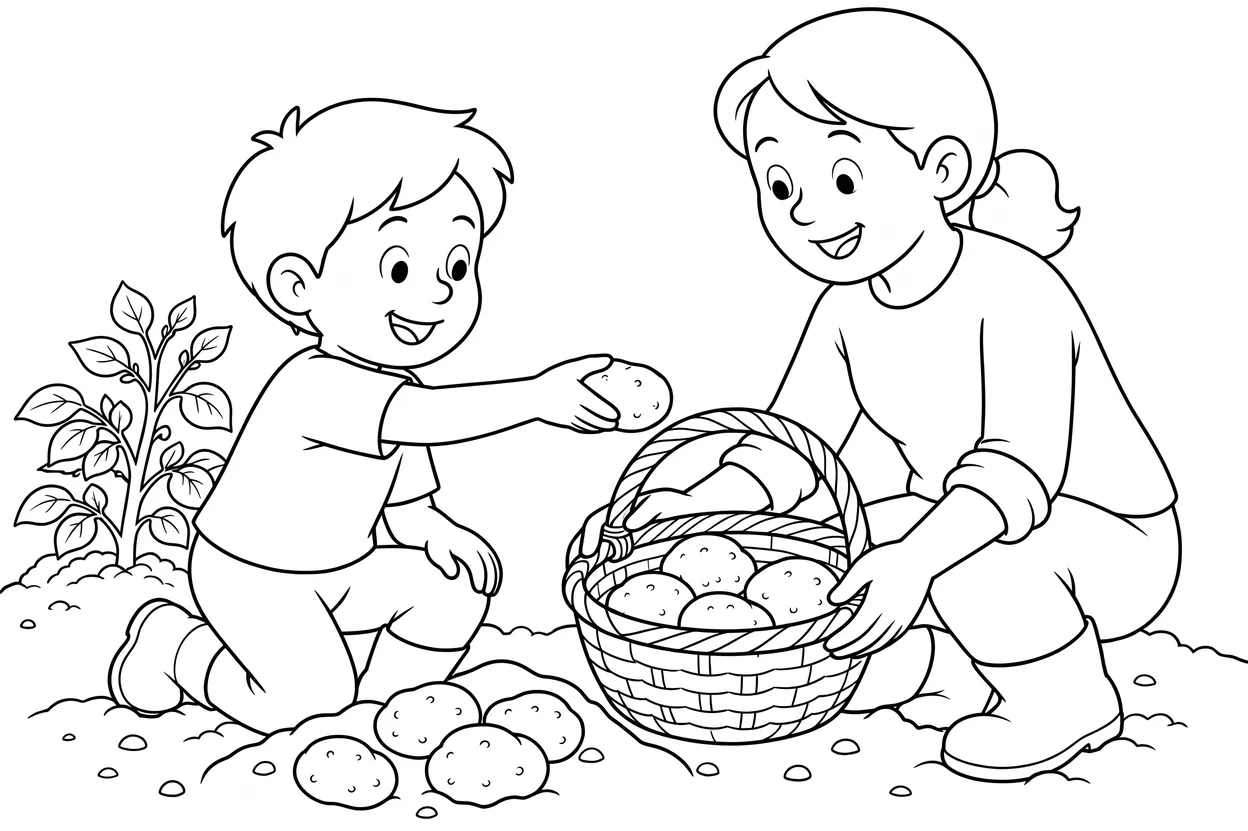
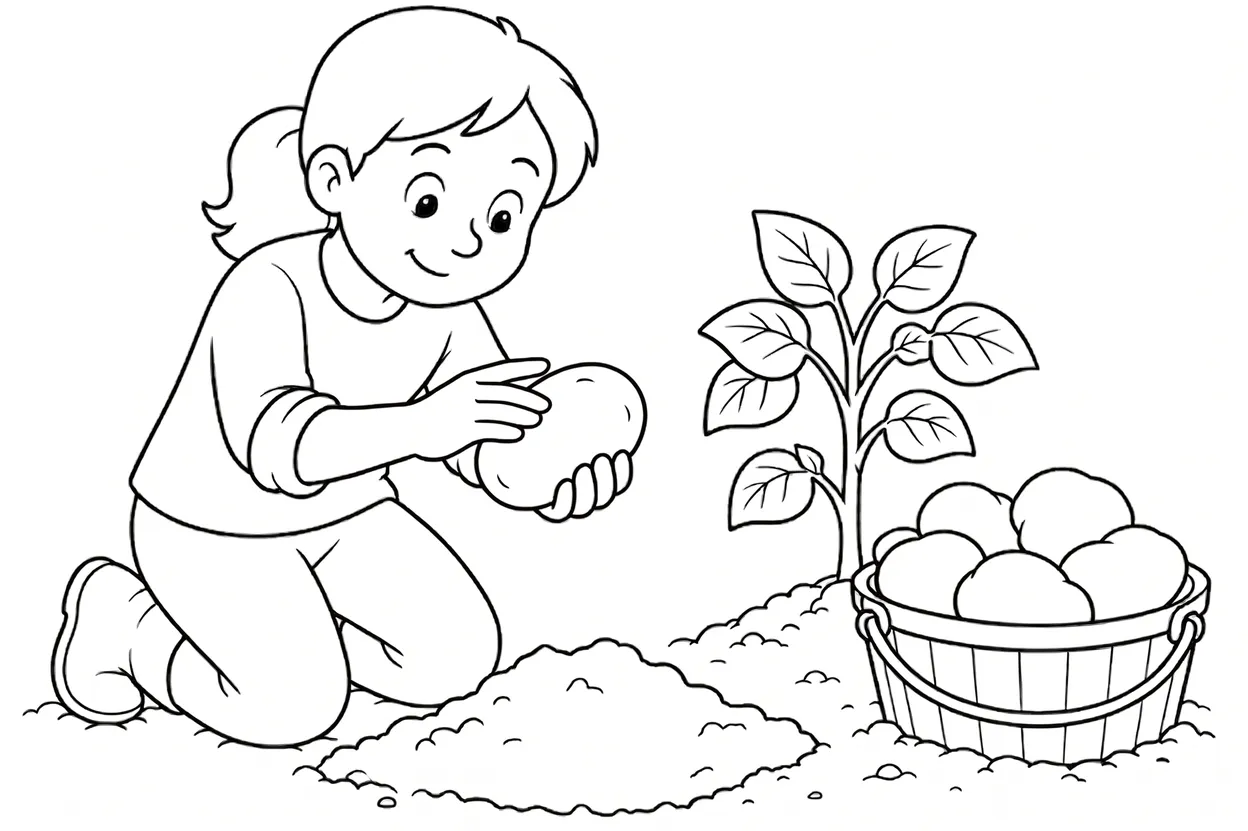
Spud-tacular! These potato coloring pages let kids color lumpy, bumpy potatoes fresh from the dirt, ready for the kitchen.
Carrot coloring pages
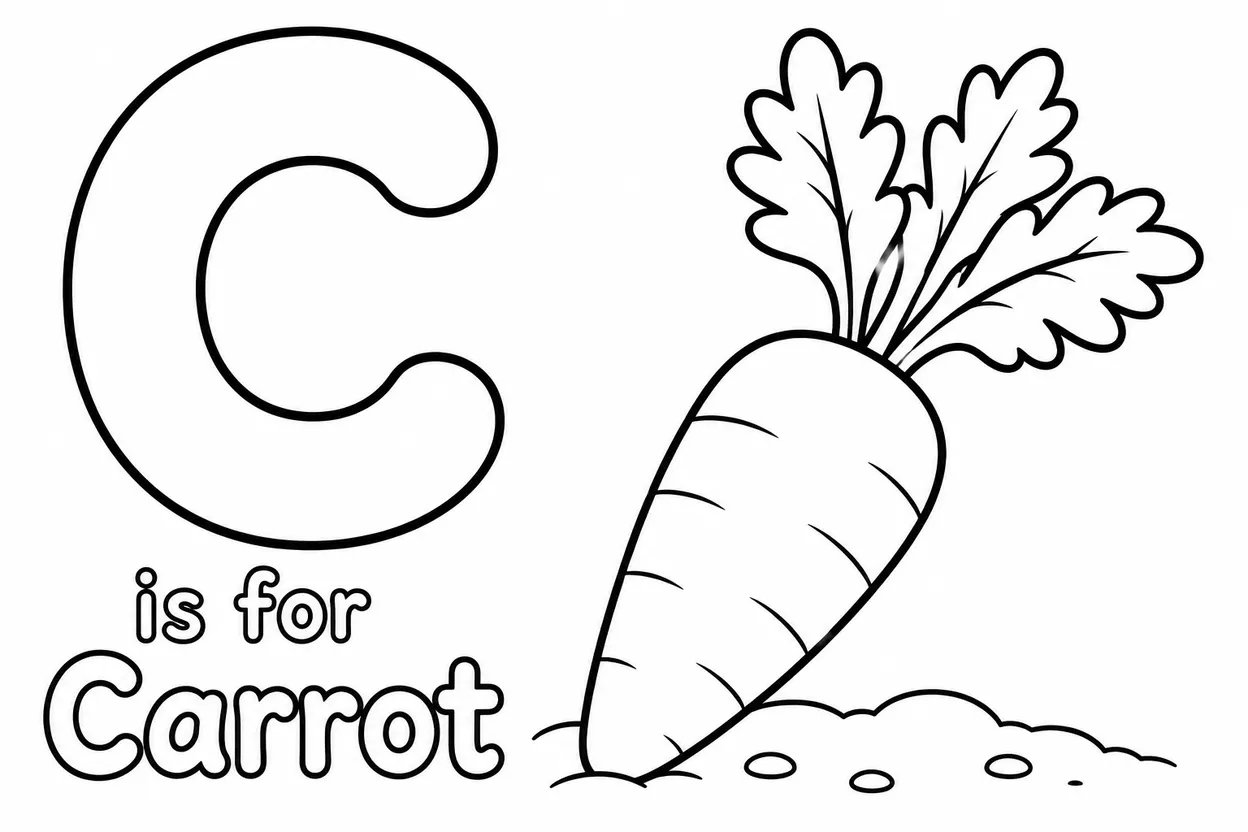
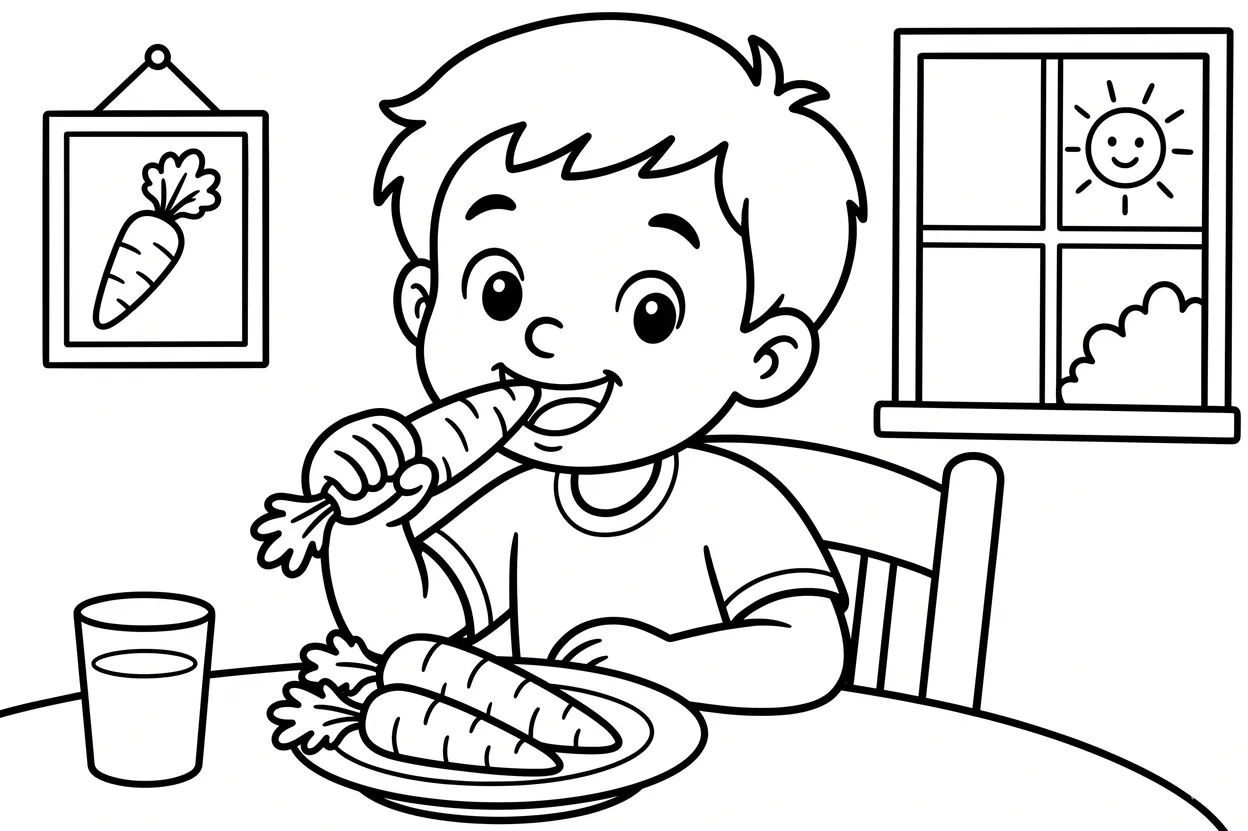
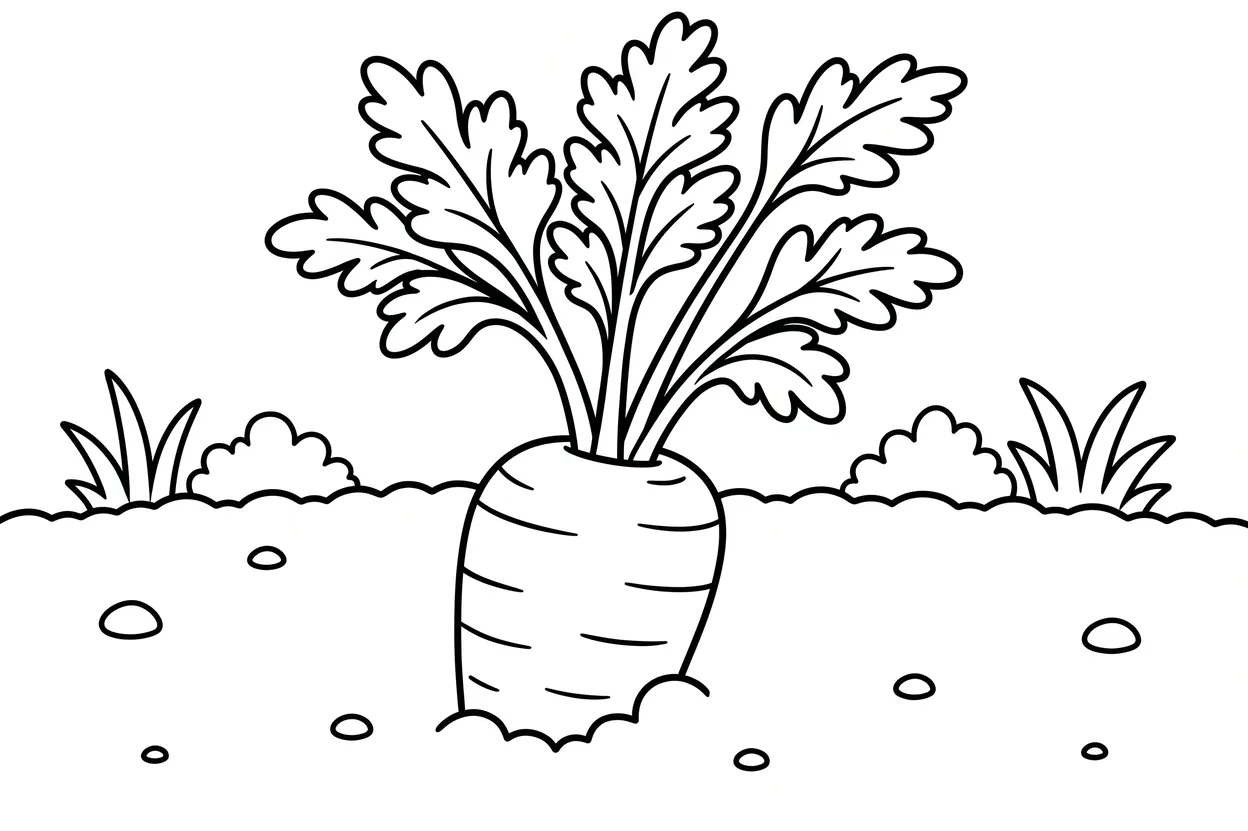
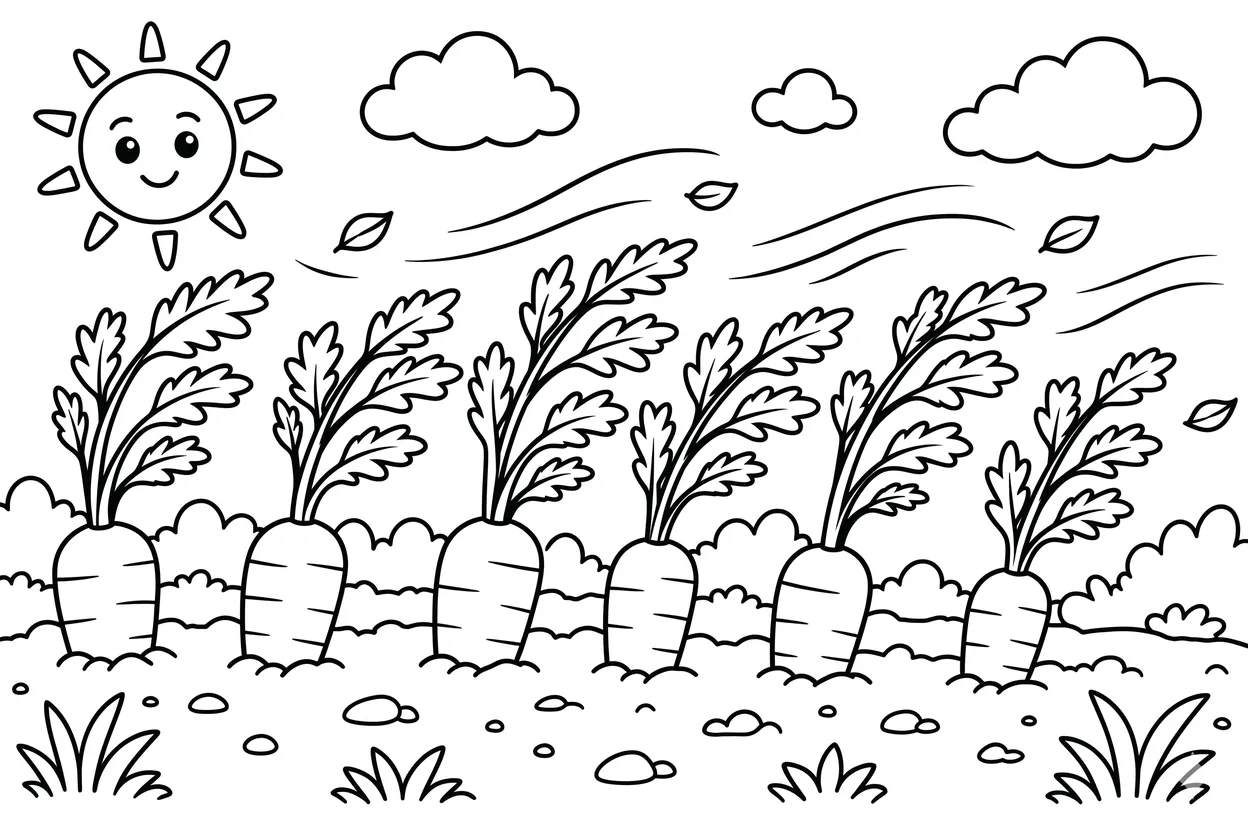
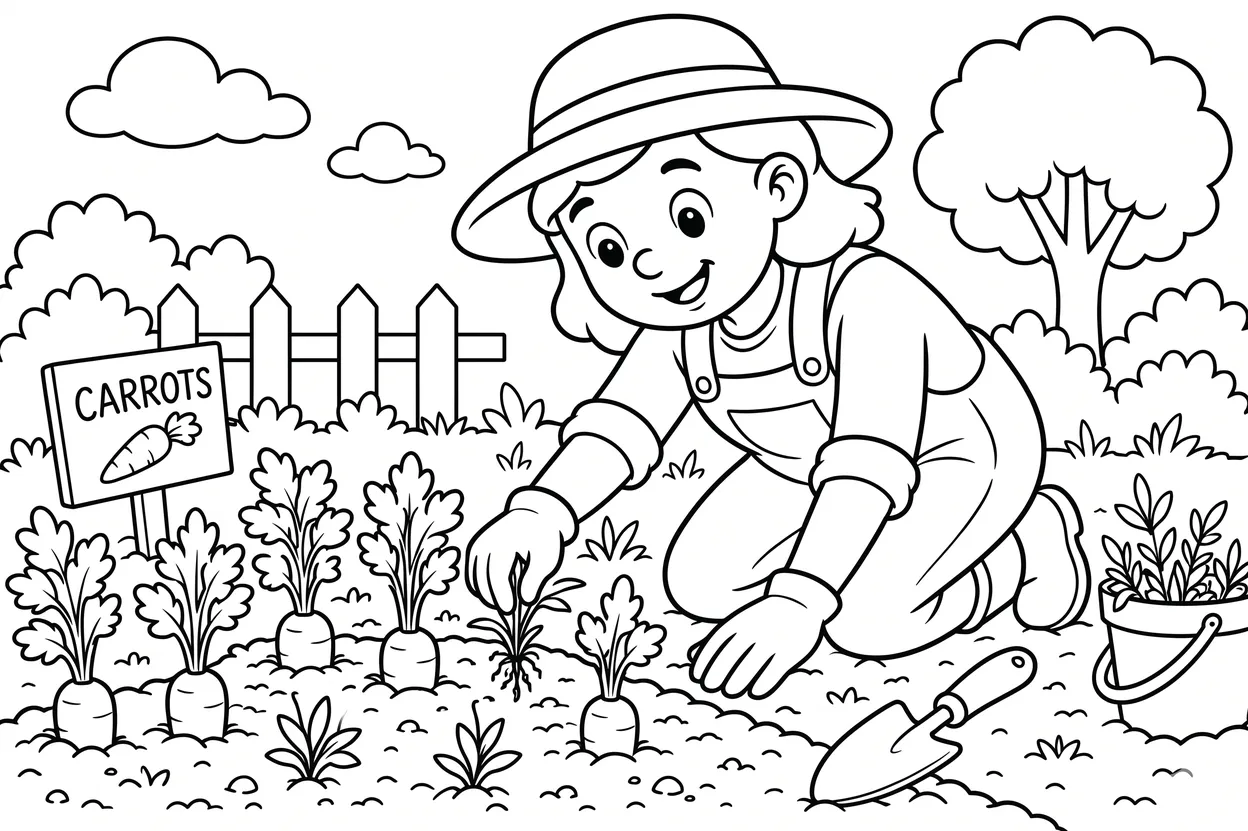
Snack time! These carrot coloring pages let kids color crunchy orange carrots with bushy green leafy tops, straight from the garden.
Vegetable coloring pages – vitamins for the imagination
Vegetables are not only beneficial on a plate – they can also inspire a child’s imagination. When your child regularly turns away from salad, there is no need to force them or lecture them about healthy eating. Simply give them a coloring page.
Funny peppers, plump pumpkins, and curly cabbage on paper can help children become more comfortable with vegetables without persuasion. At Keiki, we create materials that become part of engaging leisure activities. A vegetable coloring page brings joy, helps children calm down after active games, and increases their interest in vegetables.
What children learn from vegetable coloring pages
Regular vegetable coloring sheets do much more than simply introduce a child to the layout of a garden or farm. They help develop important preschool skills that will support future learning:
- Recognizing shapes – vegetables can be round, elongated, oval, or even cone-shaped, so spatial thinking and basic geometry develop naturally.
- Fine motor skills – coloring this variety of garden produce carefully requires children to hold a pencil confidently and control pressure, movement, and angle.
- Color perception – unlike fruit, vegetables offer a more complex and varied palette, from deep purple aubergines to pale green courgettes.
- Expanding vocabulary – while coloring the pictures, children can easily remember more complex names with adult guidance and learn to classify objects into groups.
Coloring vegetables is an engaging brain exercise disguised as a calm game.
How vegetable coloring pages can help picky eaters
When your child is a typical picky eater who refuses healthy food, veggie coloring pages can become a real relief for parents.
Food neophobia in children can often be reduced successfully through play and gradual familiarity with appearance. When children choose colors, add details, and invent stories, these foods stop feeling like “scary food.” They become familiar, funny, and safe.
A child who has just been coloring veggies coloring pages at the table may be much more willing to try a small piece of the same vegetable at dinner. This gentle, stress-free approach can work better than persuasion.
How to choose the right vegetable coloring page by age
To make creativity enjoyable, it is important to choose materials that match a child’s abilities and age.
Keiki offers vegetables coloring pages created specifically for the youngest children, with thick, clear outlines and large basic details. A toddler aged 2–3 can easily color a large round pumpkin or tomato without becoming upset when something does not go as planned.
For older children aged 4–6, more detailed preschool vegetable coloring pages are a good choice. These may include woven baskets filled with produce, complex still lifes, or vegetables drawn as fairy-tale characters with small clothing details.
Such illustrations require greater concentration, teach children to combine colors, and even allow them to experiment with light shading.
Fun activities to try with vegetable coloring pages
At Keiki, you can print coloring pages in just a couple of clicks and use them as the basis for creative projects and crafts. Here are several ways to make the coloring process more varied:
- Vegetable stall. Color different vegetables together, carefully cut them out, and attach them to thick cardboard. You can then play at running a farm shop while also learning the basics of mathematics and counting.
- Grain appliqué. Invite your child to decorate corn with real grains of rice or millet attached with glue, and add crushed peas to a mushroom cap.
- Edible paints. Try coloring a carrot with real carrot juice and beetroot with beetroot water. This is not only fun but also safe for young children who like to taste everything.
People often ask
Our coloring pages are adapted for children aged 1 to 6. For children aged 1–3, we created simpler vegetable coloring pages with individual objects and thick outlines. More detailed scenes are also available for older children.
Creativity introduces children to food in a calm and safe environment. When a vegetable becomes associated with drawing and creativity rather than a forced meal, the child begins to feel more positive about it and develops genuine curiosity about the food on their plate.
Yes, they are ideal handout materials for preschool or preparatory lessons. Printed sheets can complement lessons about healthy eating, farming, or the autumn harvest – you only need to print enough copies for the entire group.
Of course. You can choose the materials you need directly on our website, download them in PDF format, and print as many copies as necessary using a home printer. We create our coloring pages so that you can organize a useful activity for children in any setting.