15 Emotional regulation activities for kids – how to help through games?

Parents constantly deal with tantrums and tears from their little ones. Even the calmest child can suddenly create a scene simply because you poured water into the blue cup instead of the red one. And honestly, this is normal. Children under six are constantly going through growth spurts, developing emotional flexibility in real time, and coping with a still-forming psyche that lacks the resources to process every stimulus.

Key Takeaways
- Kids aren't being difficult on purpose – their emotional brain is fully wired while the rational, self-control part won't fully develop until their mid-twenties.
- The best time to teach emotional regulation is when your child is calm, not mid-meltdown – think of it as training a muscle before the game.
- Never tell a upset child to "calm down" or "it's not a big deal" – feeling understood is what actually makes tantrums fade faster.
However, even a developing mind can be trained. From an early age, children can learn how to calm themselves and manage both pleasant and difficult emotions. This is where emotional regulation activities for kids become helpful. You are not a bad parent, and your child is not broken. Your child is simply learning how to live with a brain where the emotional accelerator is already working at full power, while the brakes – the prefrontal cortex responsible for logic – are still under construction. In this article, we will look at how to help children experience emotional storms in a healthy and supportive way.
Help your child
grow with Keiki
We’ll help you turn everyday screen time
into real learning progress.
Why is it so hard for children to manage emotions?
To understand why emotional regulation games for kids matter, we need to look under the hood of a child’s mind.
Our brains contain the amygdala – the internal alarm system responsible for the “fight, flight, or freeze” response. We also have the prefrontal cortex – our internal adult, logician, and philosopher. In toddlers and preschoolers, the amygdala is large and highly sensitive, while the prefrontal cortex does not fully mature until around the age of 23–25.
When a child experiences frustration – no candy, a broken toy, a sock put on the wrong foot – the amygdala sounds the alarm. The rational part of the brain essentially shuts down. At that moment, appealing to logic, lecturing, or yelling is about as effective as trying to negotiate with a storm.
That is why the main task of parents is to help children regain control over their bodies so the brain can come back online. The best way to do this is through activities for emotional regulation for kids while the child is calm, training the skill in advance like a muscle.

15 Fun problem solving activities for kids
Emotional regulation at one year old and at five years old are two completely different worlds. That is why activities should always match the child’s age.
Activities for children aged 1–2
At this age, words mean very little. Toddlers think and feel with their entire bodies. Toddler emotional regulation activities should focus on sensory calming and physical release of tension. If you are looking for emotional regulation activities for 2 year olds, the ideas below work especially well.
The magic of a weighted blanket
When your toddler loses control and starts running around chaotically or screaming, gently but firmly wrap them in a heavy blanket or throw, like a burrito, while leaving the head free. Deep sensory pressure on the body lowers cortisol levels and gives the nervous system a signal: “Your body has boundaries. You are safe.”
A sensory calm-down jar
Take a plastic bottle and fill it with warm water, clear glue, and plenty of glitter. Seal the lid tightly. When your child feels upset, shake the bottle and say: “Look, the glitter is angry and flying around just like your thoughts! Now let’s watch it slowly settle down.” Watching the glitter move slowly is mesmerizing and naturally slows the heartbeat.
Blowing dandelions or bubbles
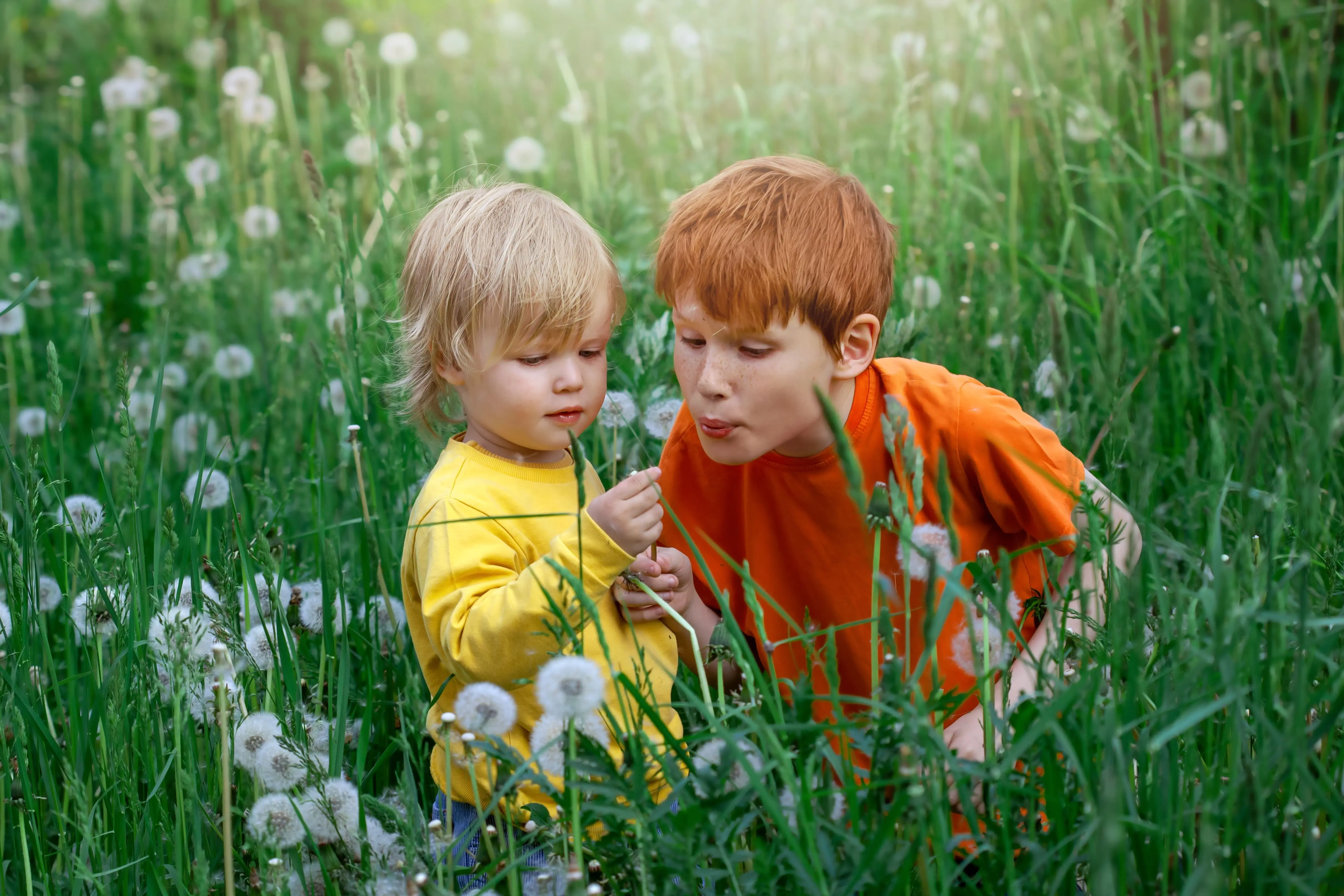
Toddlers are not yet capable of intentionally taking “deep breaths.” However, emotional regulation activities for toddlers can still rely on proper breathing principles. Little kids know how to blow! Keep a bottle of soap bubbles nearby. To blow a bubble, a child has to take a deep breath in and then slowly exhale through rounded lips – a very real form of breathing regulation.
Paper tearing station
If your child is angry and wants to throw or rip things, do not block the impulse – redirect it. Keep a basket filled with old newspapers or flyers nearby. Say: “I can see you’re very angry! Here, tear this paper into tiny pieces!” This gives adrenaline a safe outlet.
Water station
Water is one of the strongest natural antidepressants for toddlers. If the meltdown will not stop, place the child by the sink on a small step stool, turn on a thin stream of warm water, and hand them a couple of plastic cups. Slowly pouring water from one container into another grounds the nervous system within just 3–5 minutes.
Big emotions at ages 3–4
Around the age of four, children begin recognizing personal boundaries, but their emotional container is still too small for their huge ambitions. A meltdown can happen because a tower fell apart, the dress is the wrong color, or simply because they are tired. At this stage, we need more advanced emotional regulation activities for 3 year olds and slightly older children.
Finger breathing
Ask the child to spread the fingers of one hand. These are birthday candles. With the index finger of the other hand, slowly trace up one finger while taking a deep breath in through the nose, then trace down while breathing out through the mouth as if blowing out the candle. Five fingers equal five mindful breathing cycles.
Draw the anger monster
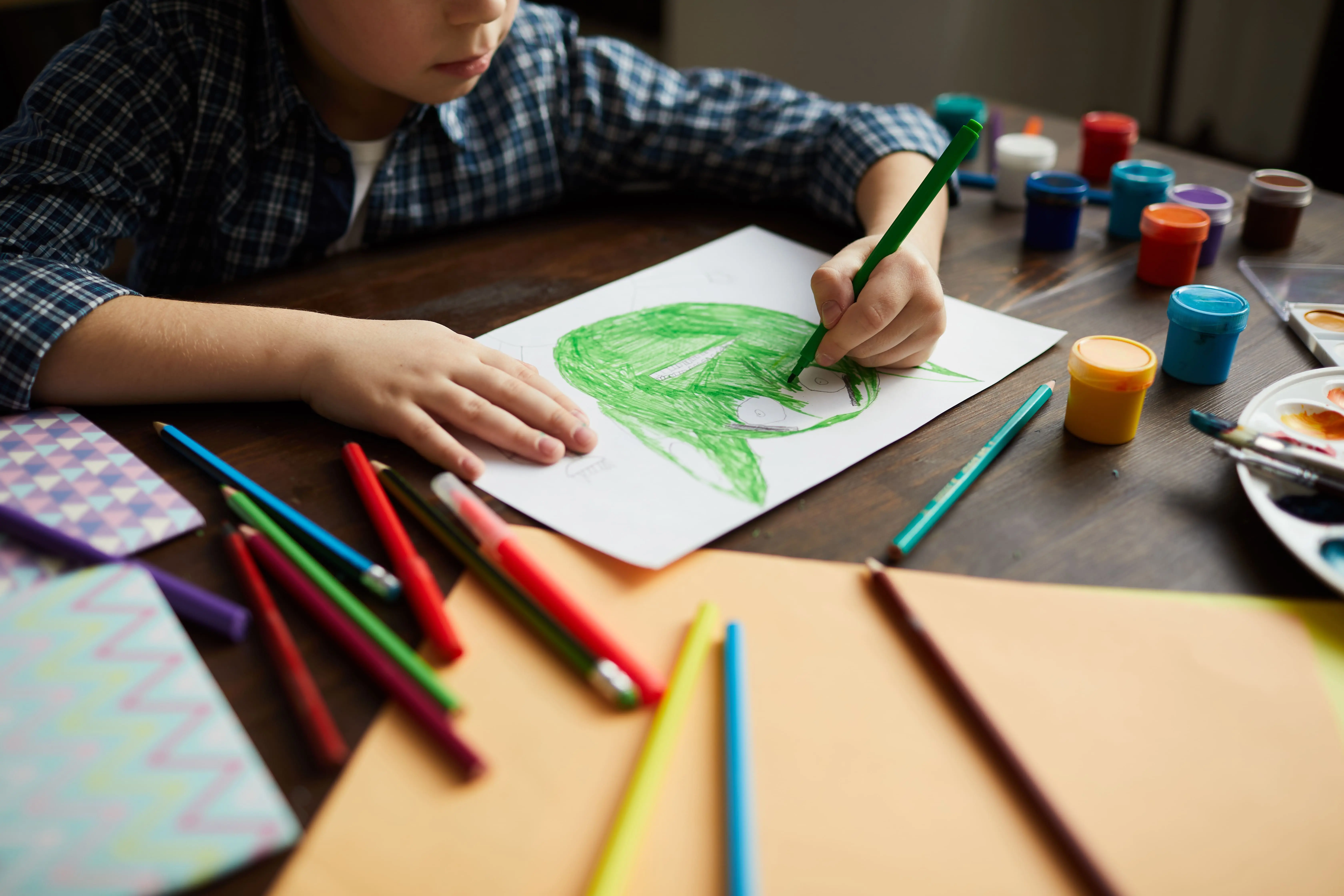
Among emotional regulation activities for 4 year olds, this one also encourages creativity and imagination. When emotions become overwhelming, suggest turning the feeling into something visible. Ask the child to draw a creature that represents anger or fear, choose colors for it, give it texture, spikes, or teeth. Let them scribble with crayons using as much force as they need. Once the monster is finished, crumple it up and throw it into the trash together while saying: “Goodbye, anger!”
Quiet corner refuge
If a child feels overstimulated after a noisy daycare day or guests visiting the house, they need a place to reset. Create a tent or a cozy corner under a table with blankets, soft pillows, and dim lighting. No screens or flashy toys. This emotional regulation activity for kids supports a nervous system that is asking for relief.
Freeze dance
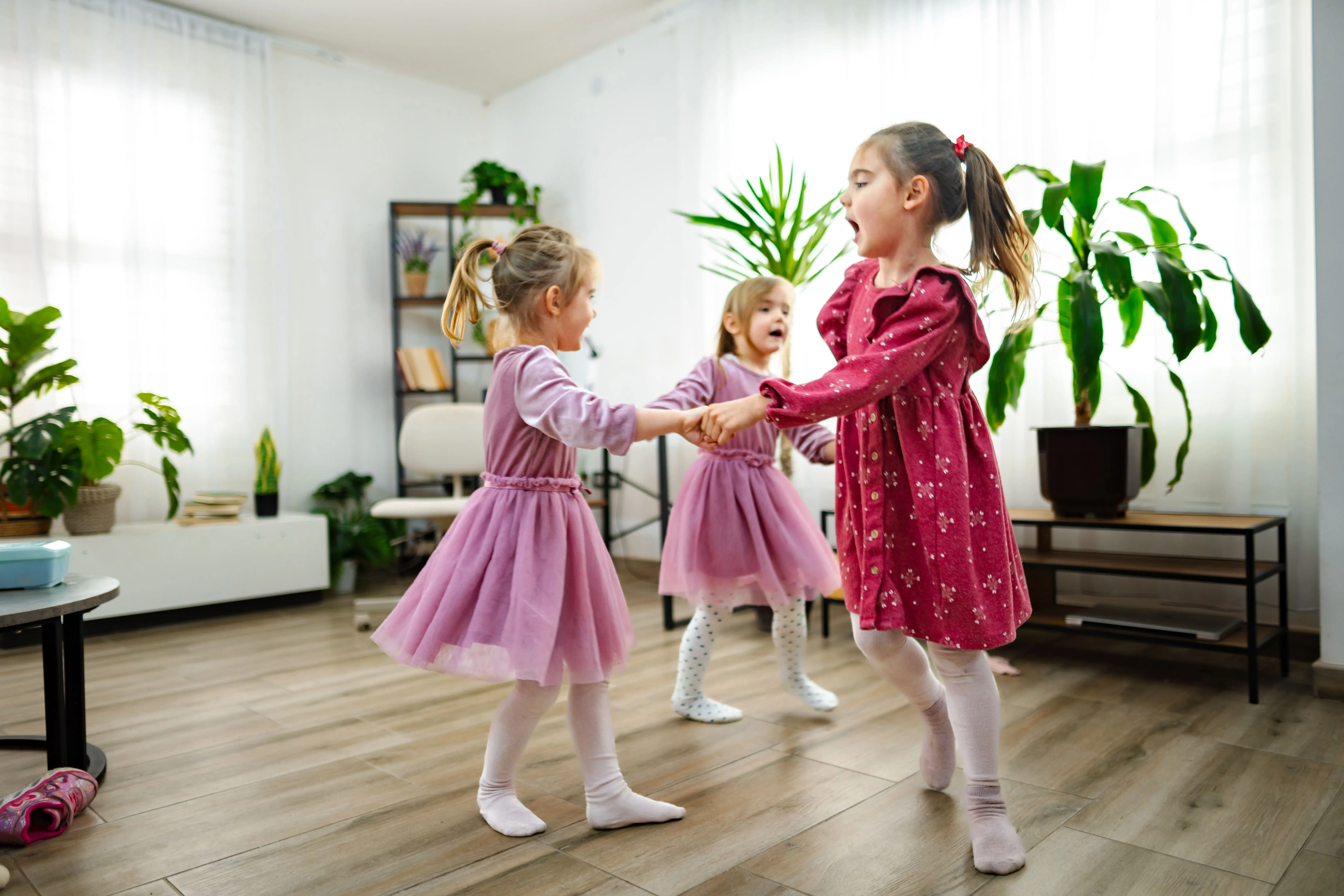
This is one of the best preschool emotional regulation activities for impulse control training. Turn on music and let the child jump, dance, and act wild. Suddenly pause the music – the child must freeze like a statue, even if balancing on one leg. This game physically teaches the brain the command “Stop!” which later becomes useful during emotional outbursts.
Turtle shell pose
Tell a story about a turtle that hides inside its shell when it feels scared or angry. You can use drawings or even online coloring pages for visual support. Teach the child the pose: kneel down, lower the head toward the floor, and cover the head with the arms. Inside the shell, the child takes three deep breaths.
Activities for children aged 5–6
In the later preschool years, social dynamics become more complicated. Children learn to interact with a world that does not always follow their rules, especially in large families where different adults have different expectations. Conflicts are inevitable. This is where emotional regulation activities for 5 year olds and older children become important.
The magic of the right words
Teach your child the formula: “I feel [emotion] when [situation] because [reason].” For example: “I feel angry when Grandpa changes my cartoon because I didn’t finish watching the ending.” Turning emotions into words lowers amygdala activity and often helps identify the real cause of intense feelings.
Emotional thermometer
Draw a large thermometer together. The bottom is green and represents calmness. The middle is yellow and stands for worry or irritation. The top is red, where it feels like a volcano is about to erupt. Put it on the fridge with a magnet. Teach your child to notice when they are in the yellow zone before the explosion happens. This approach from emotional regulation activities for 6 year olds also serves as a visual reminder for adults.
Calm-down kit
A child aged 5–6 can build a personal emotional first-aid kit. Take a shoebox and place inside a stress ball, a small notebook for doodling, soap bubbles, headphones for quiet time, and reminder cards with breathing exercises. During stressful moments, the child goes to the box instead of destroying the room.
“Making pizza” massage
Physical comfort still matters. If a child feels tense and cannot fall asleep after an argument, play a pizza game on their back. “Knead the dough” by gently massaging the back, “spread the tomato sauce” by smoothing with your palms, and “sprinkle the cheese” with light fingertip taps. This tactile emotional regulation game for kids relaxes muscle tension and restores a sense of safety.
Brain remote control
Draw an imaginary remote control on your child’s palm with buttons for pause, rewind, and volume down. If they feel themselves losing control, encourage them to “press pause” on their palm and think for three seconds before yelling or hitting.
Build real skills through fun, educational games for your child
Try KeikiApp support – calmness always within reach
We often think gadgets only overstimulate children, and this is absolutely true when it comes to fast-paced cartoons with flashing lights, explosions, and rapid scene changes. Modern content frequently overloads the brain, which is why many parents instinctively choose older classic animation with slower storytelling.
However, screens can also become therapeutic tools. If you are looking for emotional skills and regulation activities for preschoolers and need a moment to breathe, a high-quality educational app like Keiki can become a valuable helper. These apps offer several advantages that support emotional learning, calming strategies, and balance.
- Low stimulation. Good educational apps avoid ads, external links, sharp scene changes, and loud music. Their soft color palettes and slower pace have a calming effect. They hold attention without overwhelming the dopamine system. In these games for emotional regulation kids are not pushed toward tantrums or tears.
- Cognitive reset. During a meltdown, emotions dominate the child’s brain. Simple sorting games like those available in Keiki activate the logical left hemisphere, naturally redirecting attention.
- Tracing letters, numbers, and other repetitive tasks. Activities that require slowly moving a finger across the screen while tracing shapes or letters have a meditative effect. These are emotional skills regulation activities for preschoolers that both calm the mind and teach new skills.
If your child is upset but refuses hugs, 15 minutes of calm play in the right app may help them regain control much more effectively than persuasion. Emotional regulation activities for children can absolutely exist online as well.