

About this collection
Simple velociraptor coloring pages for kids — download and print free
Discover velociraptor coloring pages packed with raptors, sharp claws and fast hunters. Great for quiet time, rainy days and screen-free creativity.
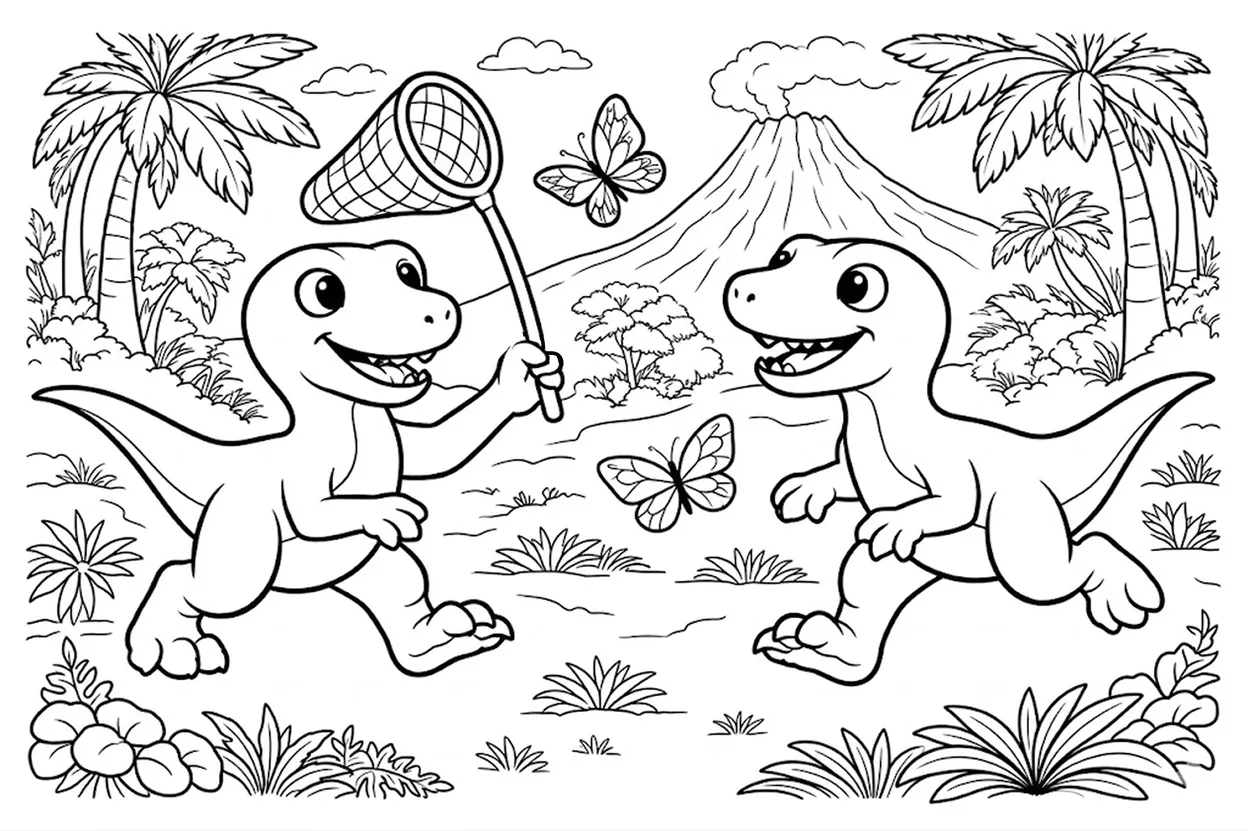

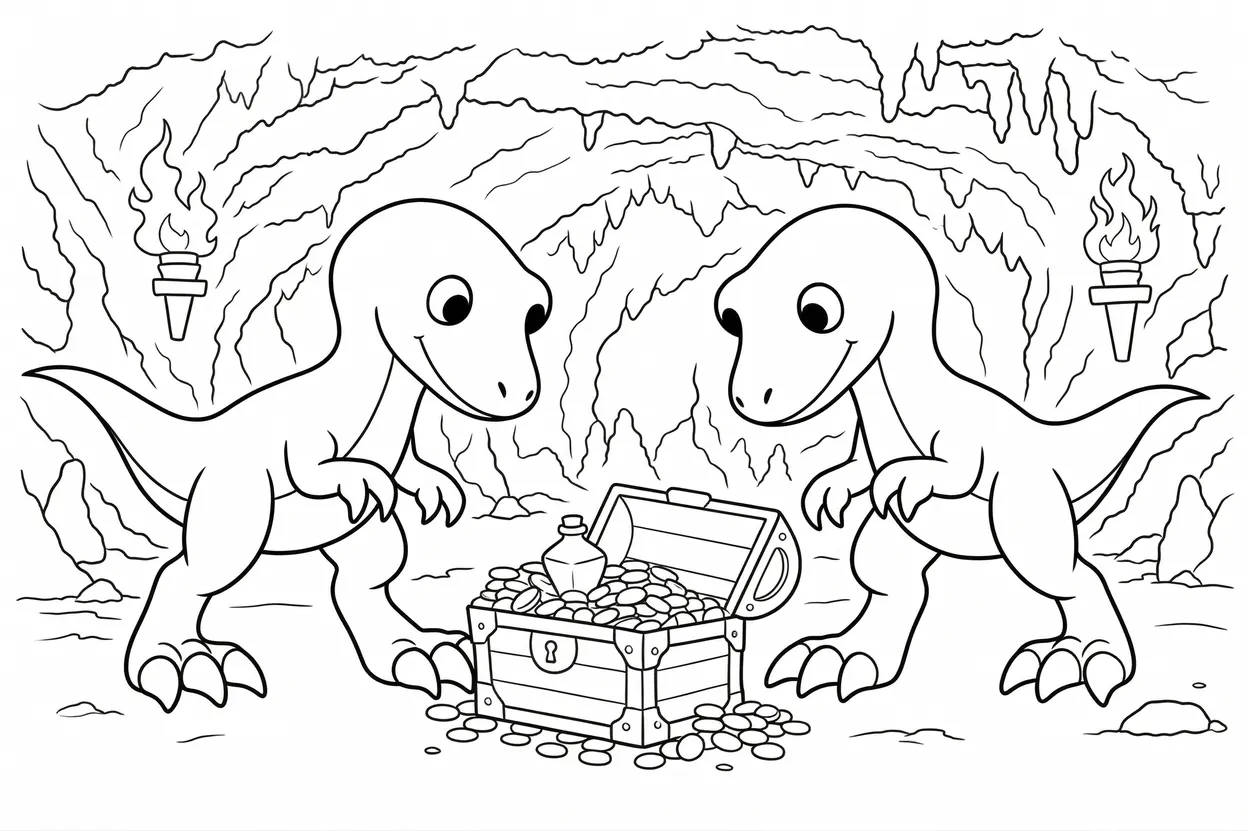
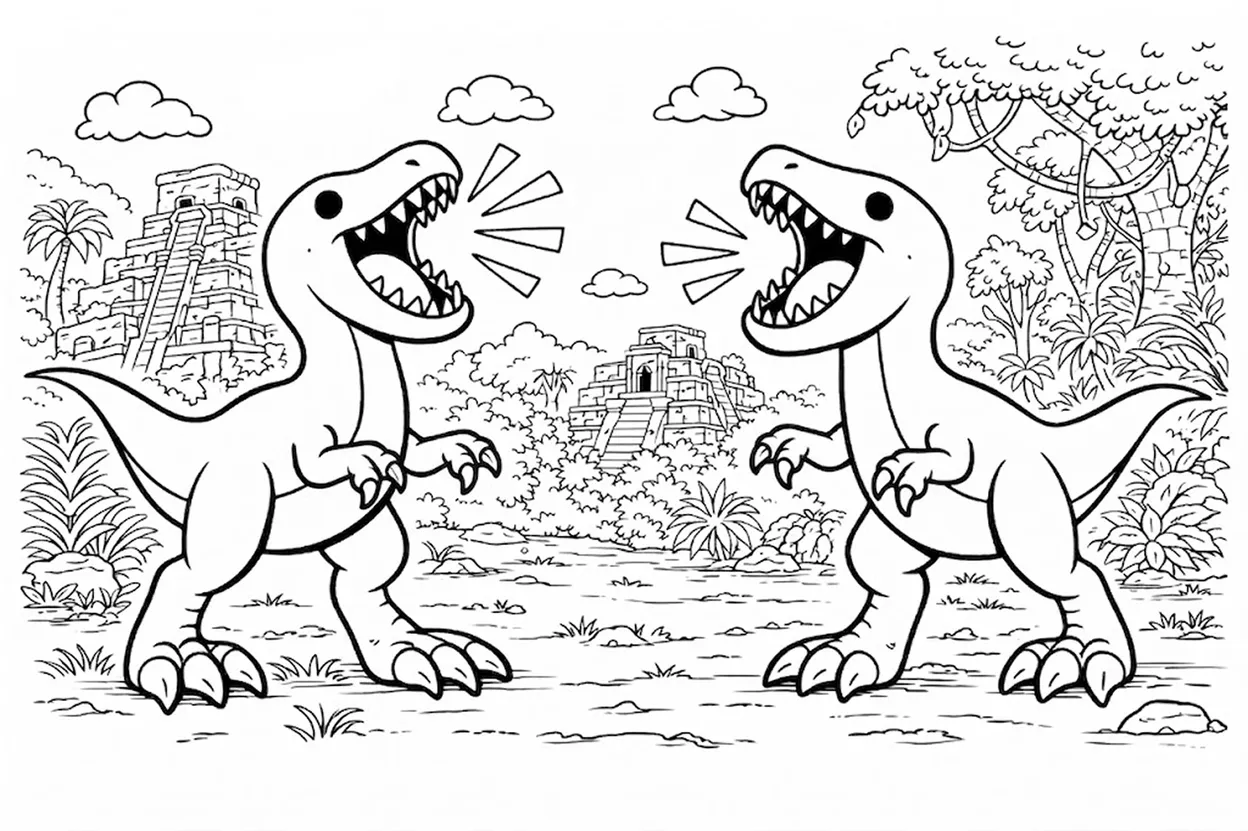
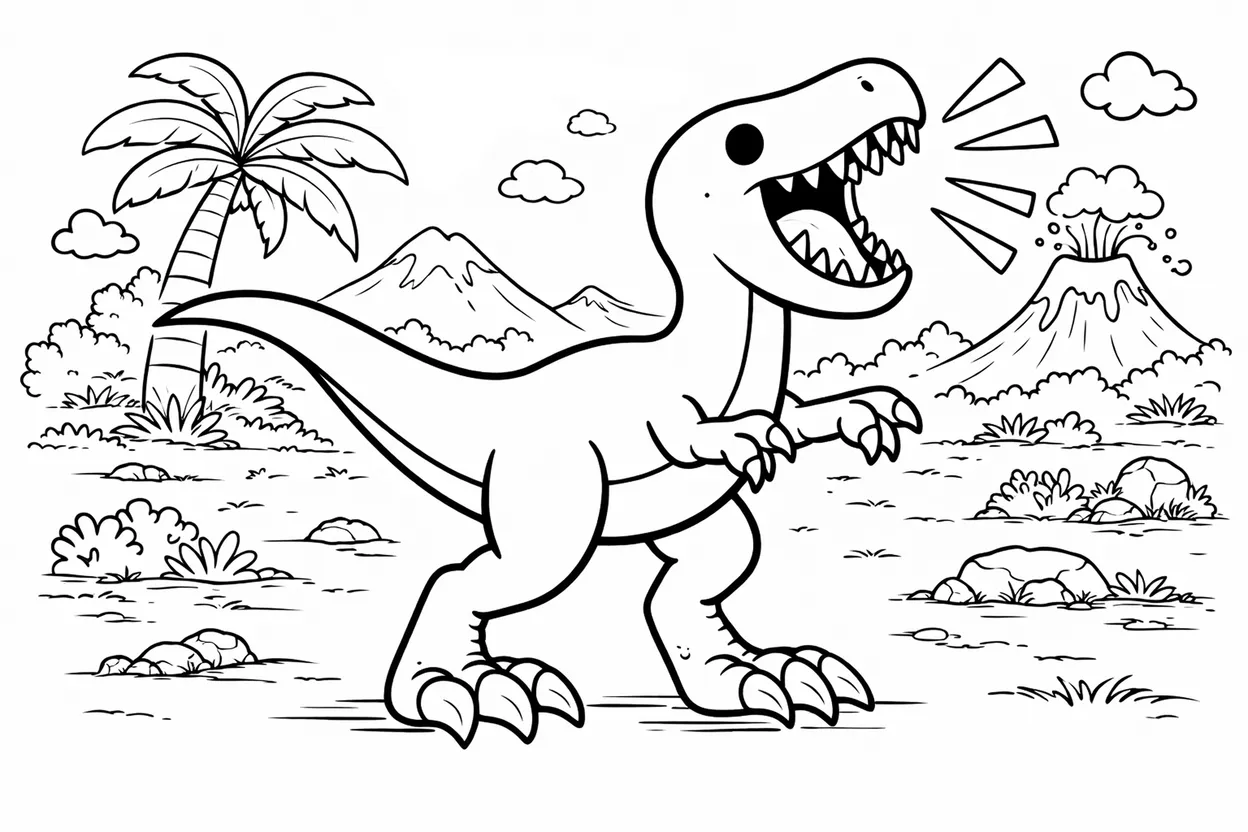
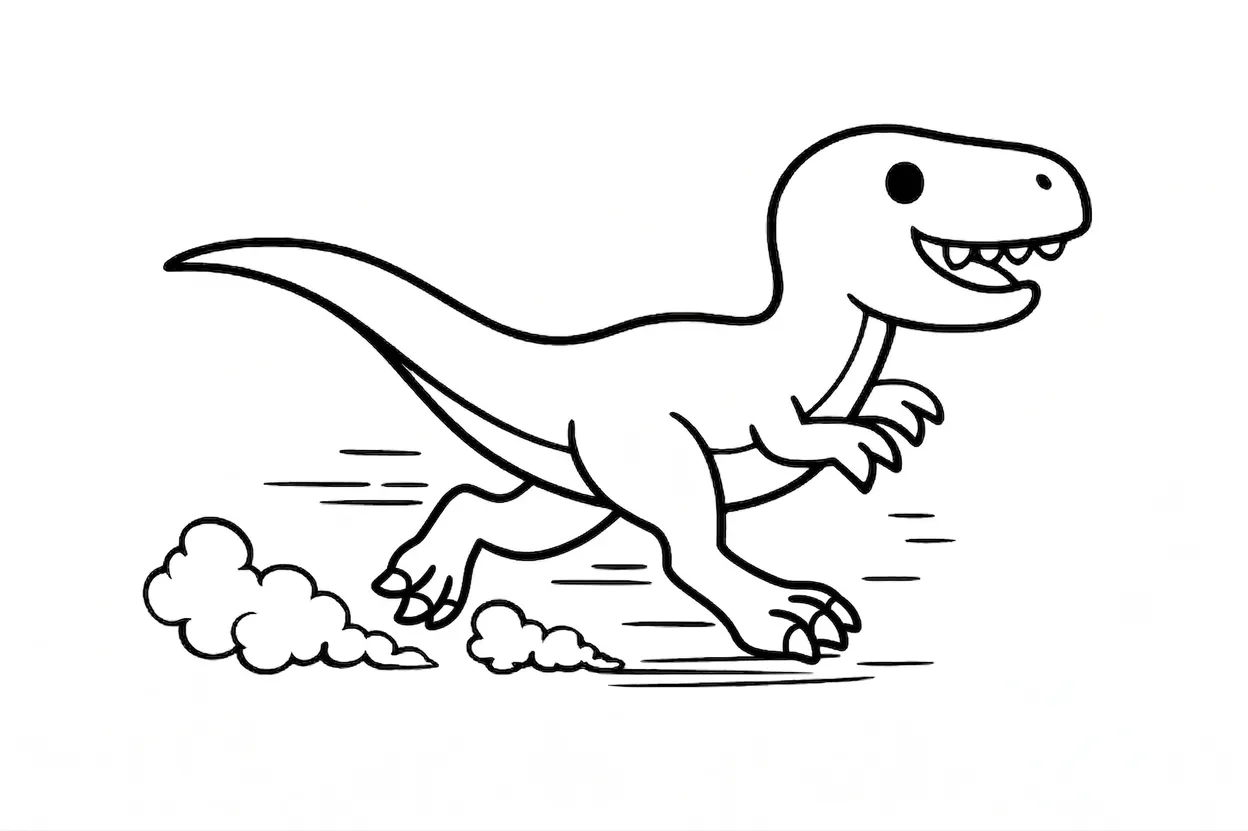
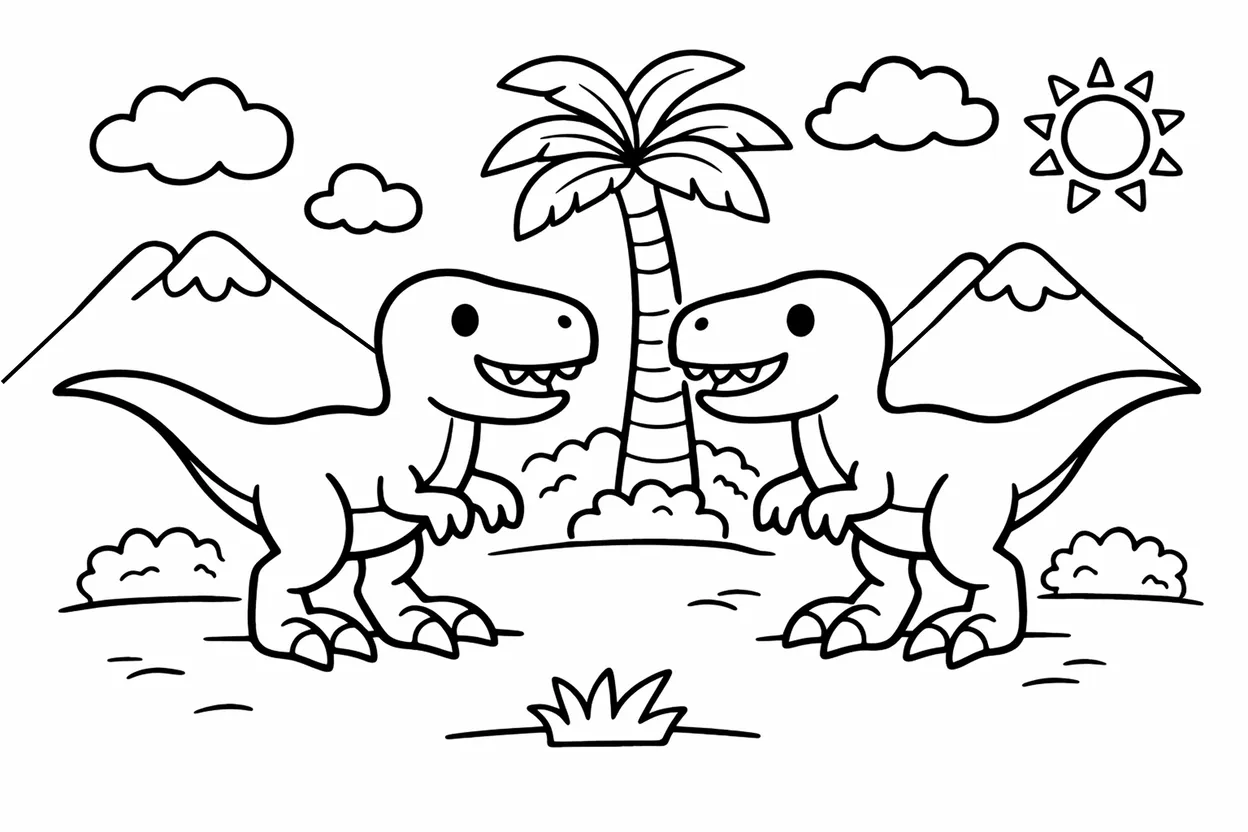
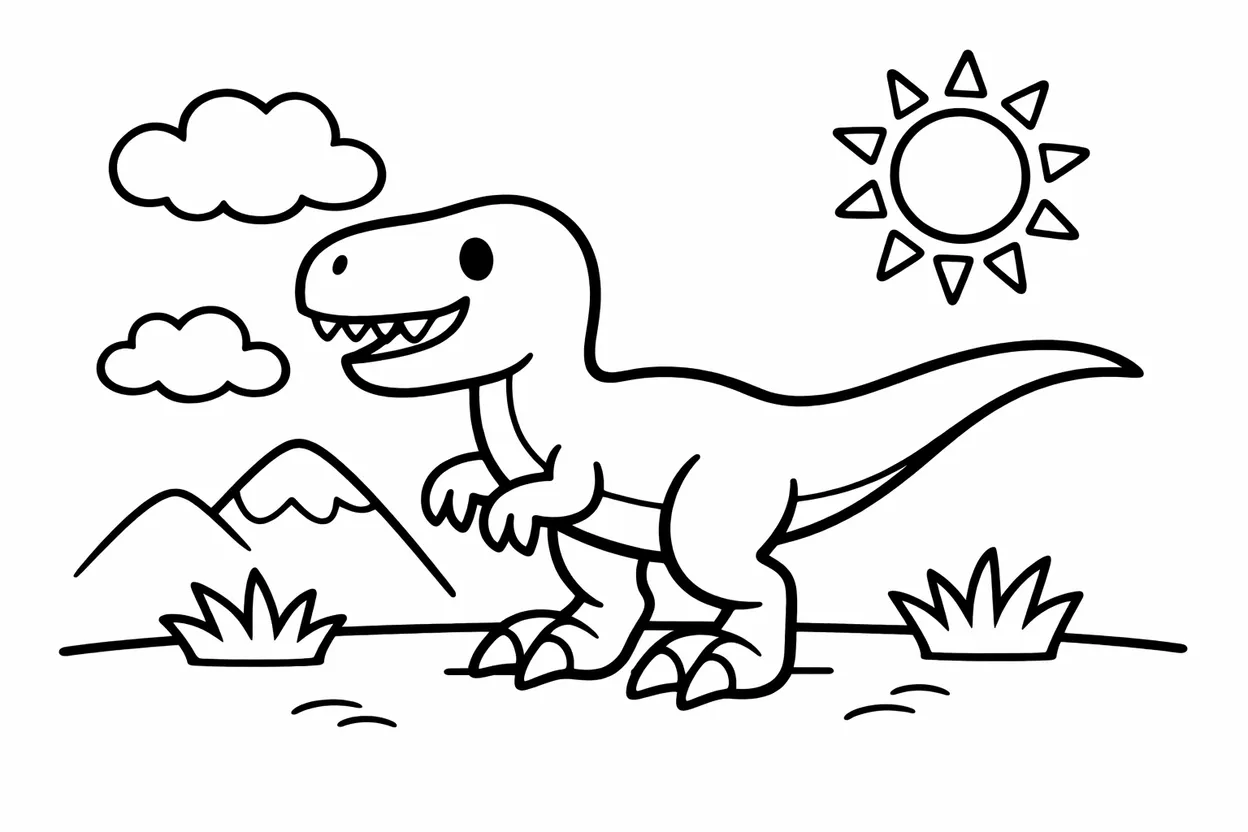
Velociraptor coloring pages – Prehistoric Creativity
We know kids obsess over dinosaurs, and raptors are always at the top of their list. It’s easy to see why! Fast and powerful, with a recognizable silhouette, short arms, and strong legs, these dinosaurs spark endless curiosity. A velociraptor coloring sheet is a brilliant way to introduce a toddler to animal anatomy. No cluttered elements – just clean outlines, color, and a focus on the process.
Feathers or Scales – A Space for Experimentation
Paleontologists have long agreed that Velociraptors were likely covered in feathers, not the smooth scales we often see in movies. But in a child’s world, there are no strict rules. The process of velociraptor coloring is, first and foremost, about freedom of choice. If a child decides their predator should be fluffy and bright pink, that is their right to experiment and express their artistic vision.
Coloring complex elements like feathers or scales teaches a little one to focus on small details and hold their attention. They aren’t just filling in parts of a dinosaur; they are training their imagination and patience. Discussing these choices with your child helps unlock their full creative potential.
How to Show Speed in a Coloring Page?
Unlike their heavy, plant-eating cousins, Velociraptors are the embodiment of speed. Our velociraptor coloring pages emphasize this movement through curved tails, raised paws with signature claws, and open jaws.
Objects in motion are more challenging and interesting to color, which is great for developing fine motor skills. The child has to adapt the direction of their strokes to match the curve of the animal's body. This forces the brain to actively process information about shape, leading to a deeper understanding of anatomy.
Online and Offline – Two Formats for Dinosaurs
A screen is perfect for bold experiments with colors without any mess. Wherever you are, you can launch the app and have a world of creativity right at your fingertips. You don't need any extra tools, yet the benefits and the freedom for imagination remain limitless.
However, don't forget the classic approach. A velociraptor coloring page printable is the perfect partner to the digital format. Using a physical sheet with crayons, markers, or brushes is how a child learns to grip tools correctly and control pressure. To color on paper, they must be careful and precise with every move.
People often ask
It all depends on the detail. For 2–3-year-olds, we soften the outlines, remove aggressive snarls, and skip over-realistic details. The child sees an active, toothy character rather than a real threat.
Modern science says raptors were feathered. This is a great conversation starter! Suggest trying both: smooth filling for a "movie-style" scaly look, and short, frequent strokes for a realistic, feathery dino.
This is a normal part of processing fears. Try using humor to "disarm" the predator. Suggest coloring the raptor's teeth in rainbow colors or drawing funny pink socks over those sharp claws.
Show older preschoolers a simple art trick: draw horizontal lines or strokes on the background behind the running dinosaur. It’s a basic introduction to comic book graphics and visual dynamics.
Wax crayons are perfect for creating a bumpy skin effect. A cool hack: place something textured (like a coin, textured wallpaper, or embossed cardboard) under the paper before coloring.