

About this collection
Fun mammal coloring pages for kids — download and print instantly
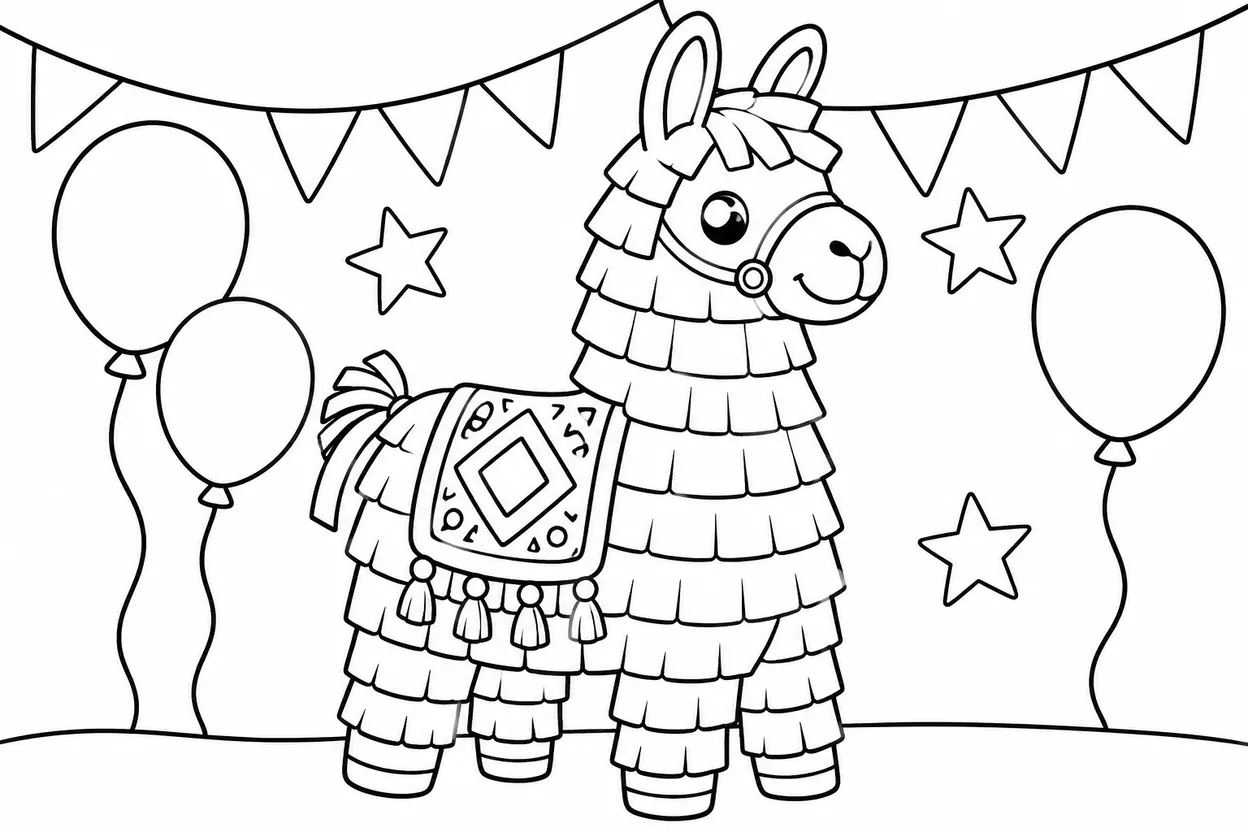
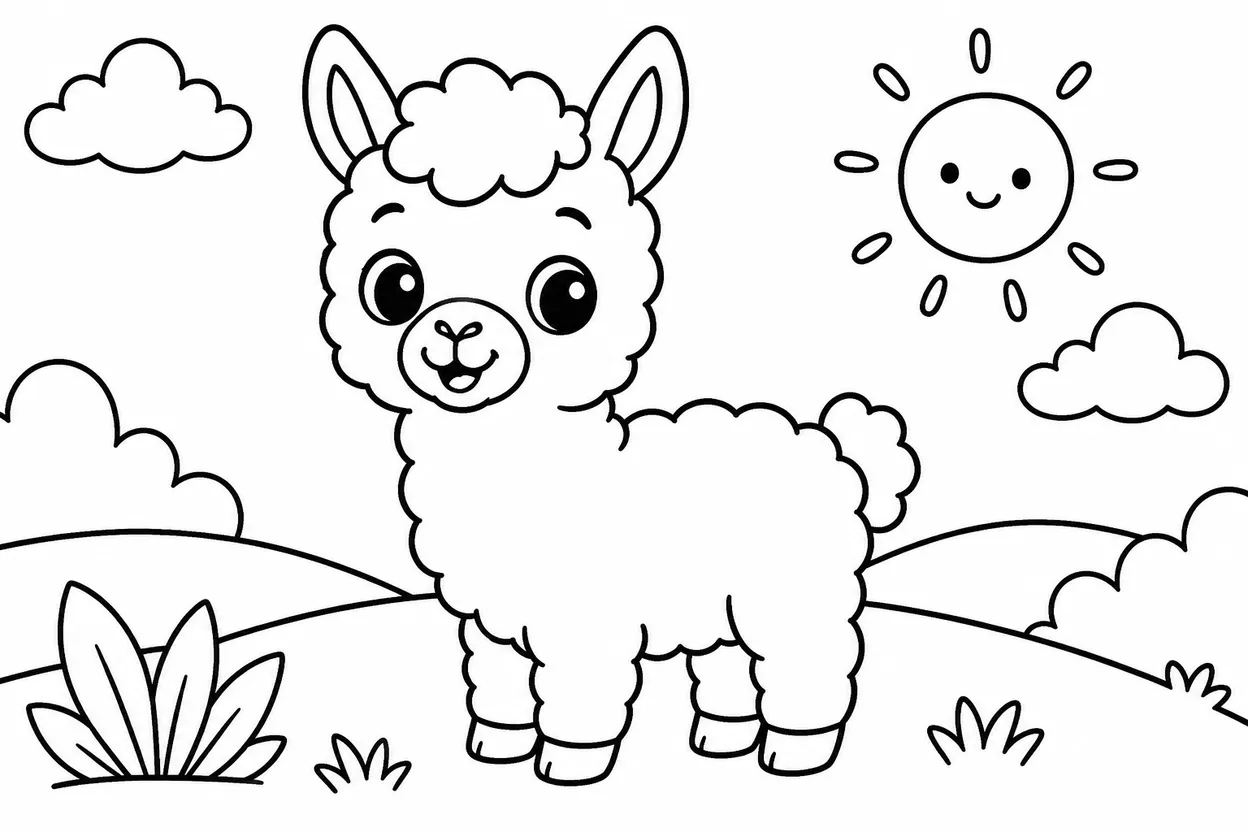
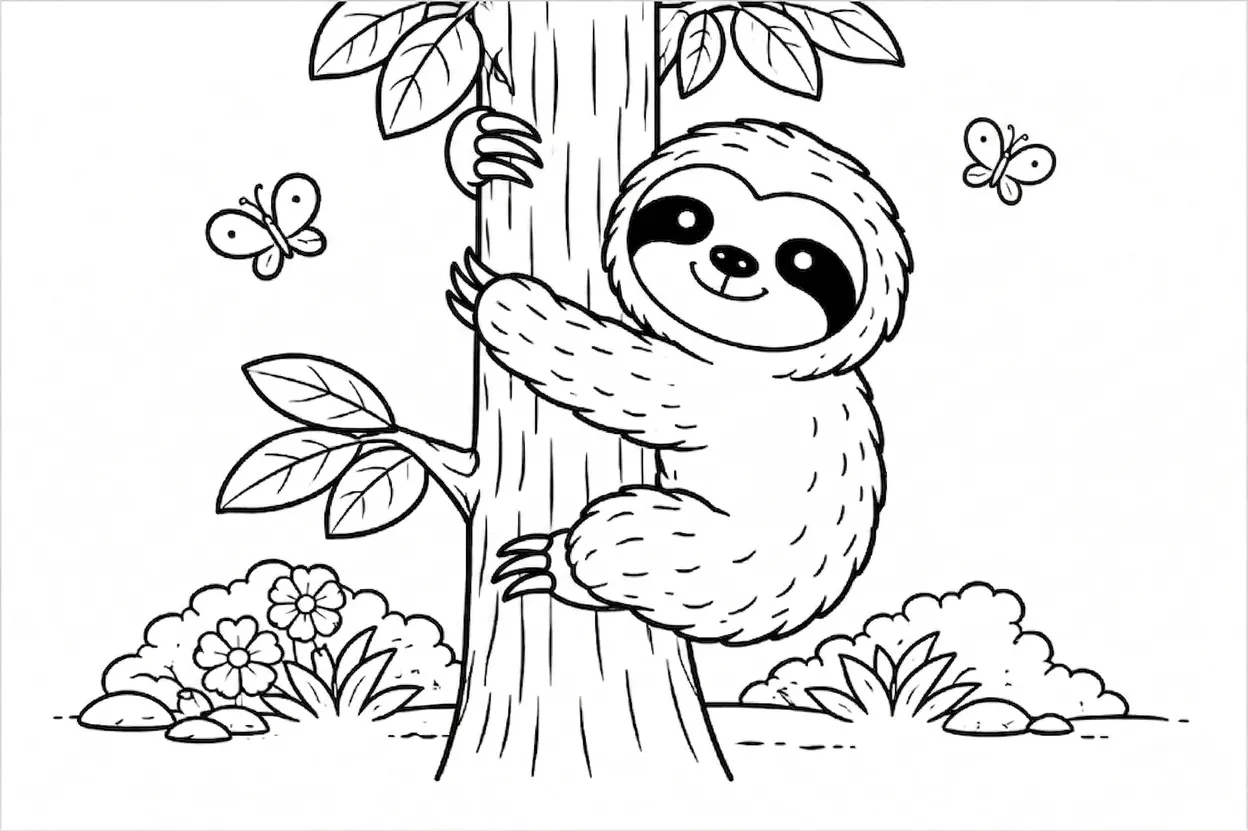
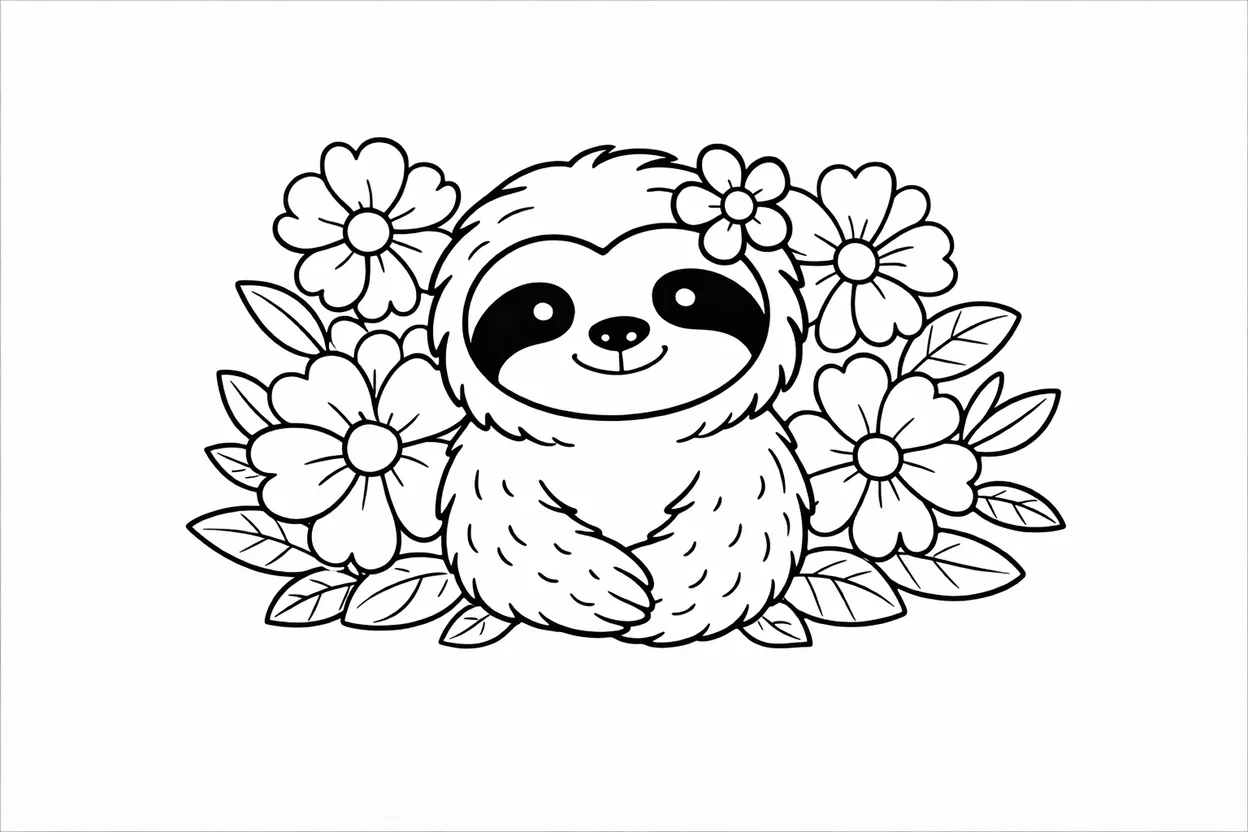
Grab mammal coloring pages bursting with polar bears, llamas and slothes. Print instantly and spark imagination one crayon at a time.


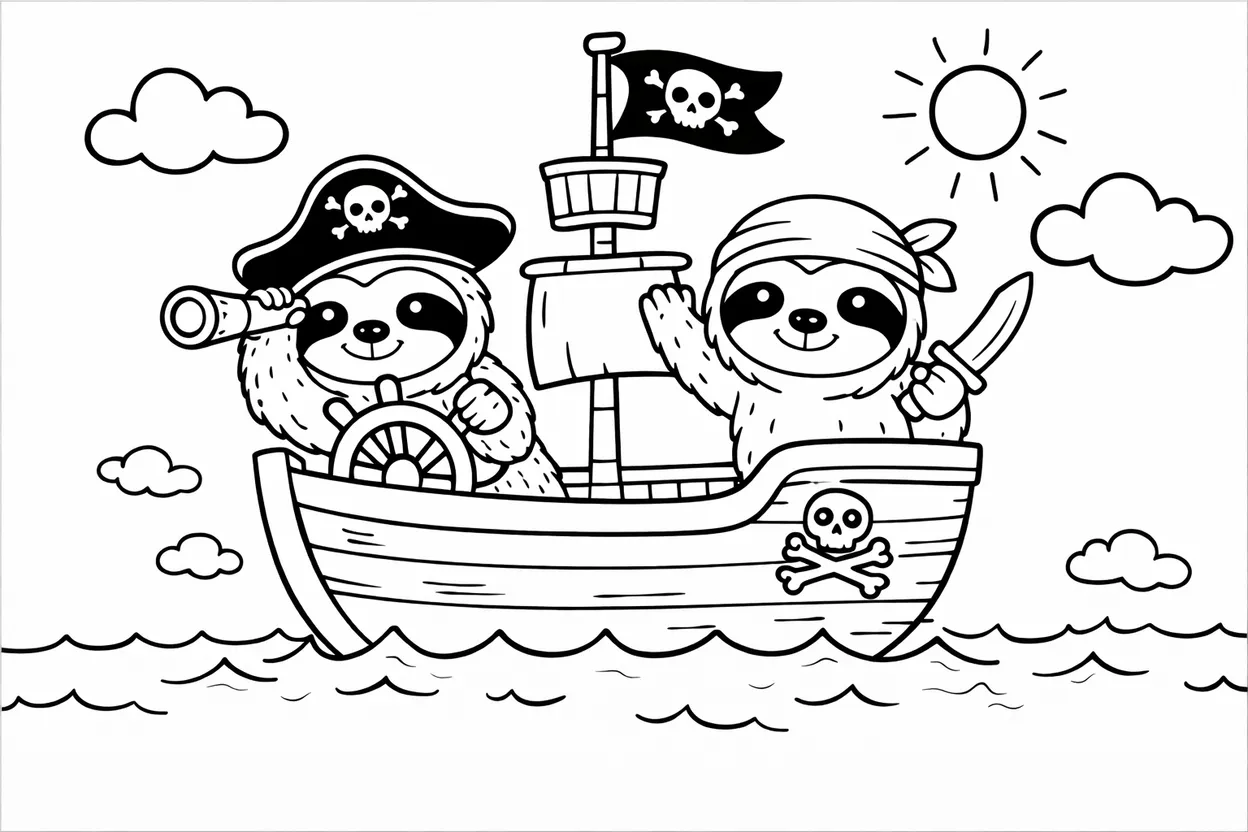
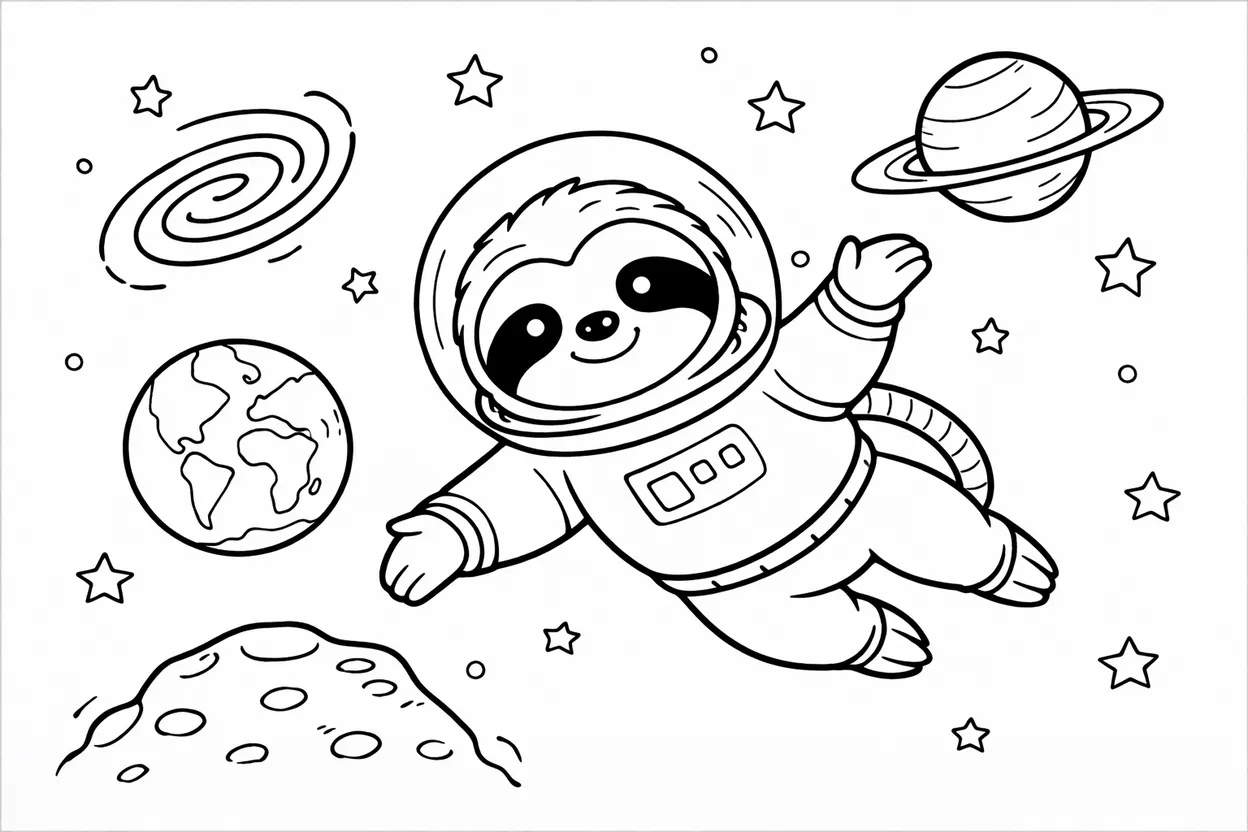
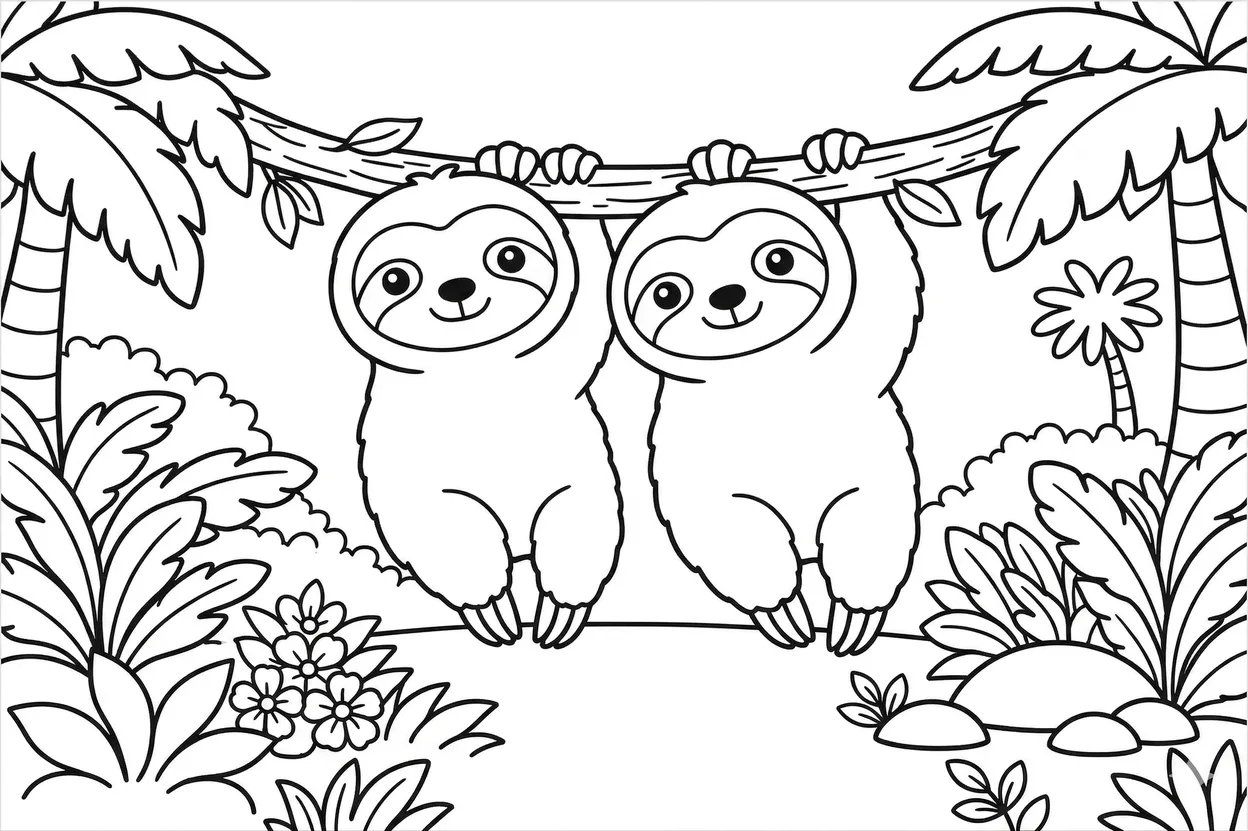
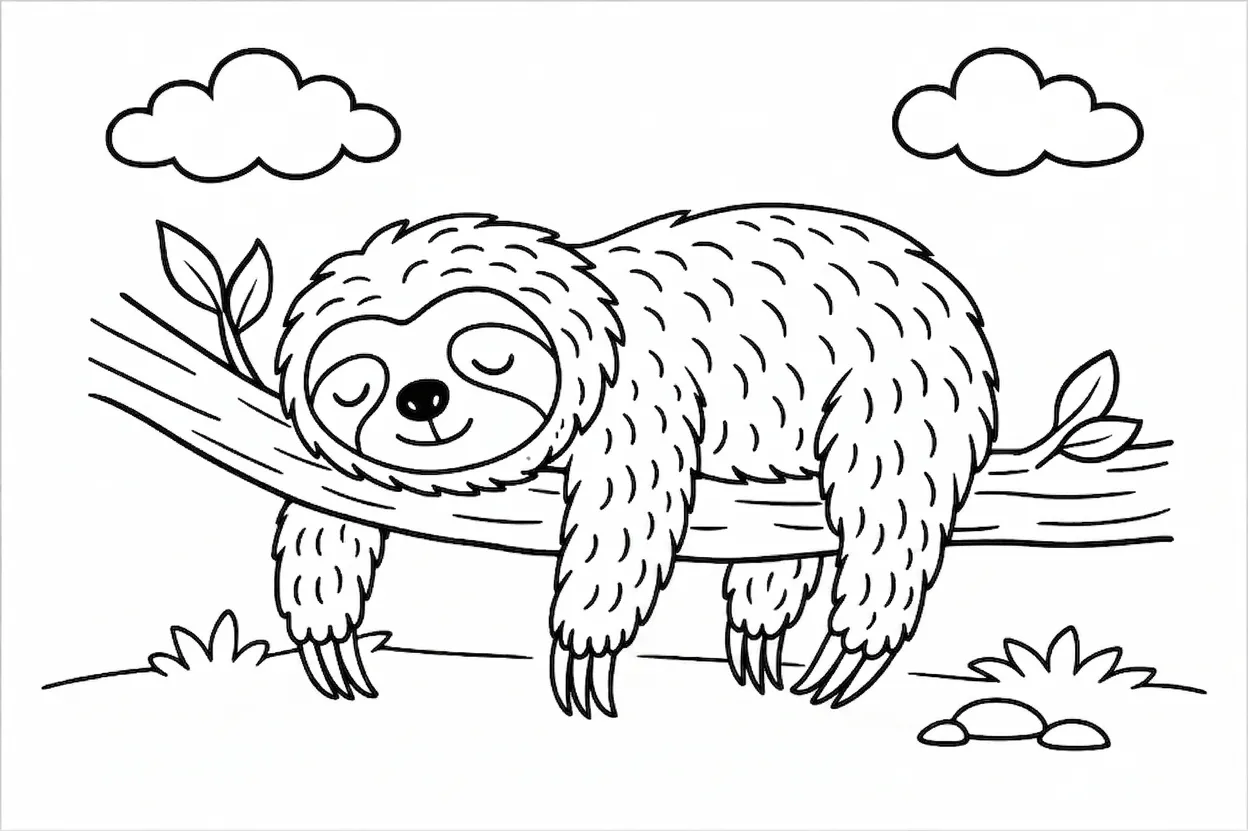
Mammal Coloring Pages – About Everyone at Once
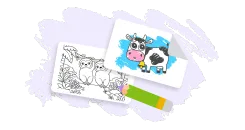
Mammals are the largest and most diverse group of animals that children adore so much. But the little ones themselves might not even suspect that their favorite pets all belong to the same group and have so much in common. Mammal coloring pages open up a world full of fluffy beasts, graceful predators, and even marine giants to young explorers. It is also full of reasons to find their similarities and learn about how everything works in the animal world, but in a creative, bright way.
Why is Coloring Mammals Useful?
Working with images of animals is not just leisure, but a complex developmental exercise. Using mammals coloring pages gives a child several important benefits:
- Studying Textures and Surfaces: Mammals differ in their types of covering – from the thick fur of a bear to the smooth skin of a dolphin. This means the child selects different shading techniques and ways of applying color, developing flexible thinking.
- Developing Empathy: In this category, "mom and baby" themes are common. Coloring such pictures helps the child understand connections in nature and develops emotional intelligence.
- Training Persistence: Mammals often have complex shapes (ears, tails, paws), which requires a preschooler to concentrate their attention on one object for a longer time.
- First Classification: Through drawings, a child learns to divide animals into groups: forest, domestic, exotic, or marine, which lays the foundation for future biology lessons.
Creativity Online and on Paper
We understand that mobility is important for modern parents, so mammals coloring pages in the Keiki app are perfect for creativity anywhere, without needing pencils or paper on hand. Selecting the right shades and giving free rein to imagination is possible using a smartphone; meanwhile, with literally one click, a child can erase unsuccessful experiments and start over.
But you can also download mammals coloring pages from Keiki for printing. You and your little one can arrange a joint creative evening without screens and with the opportunity to let your imagination run wild – because besides coloring, you can come up with many games using prints and draw various elements onto them. This hybrid approach ensures the harmonious development of a child's fine motor skills and creative thinking.
People often ask
Suggest that the little one use short, broken strokes or dots instead of a solid fill. In the Keiki app, the "brush" tool with soft edges is great for this – by layering colors, the child can create an effect of volume and softness in the fur.
To start, choose animals with simple and recognizable shapes: cats, pigs, or elephants with a minimum of small details. Our library has many such mammal coloring pages with completely different plots and difficulty levels.
Of course! While the child works on mammals coloring pages, you can use the animal images for sound imitation. For a long time, speech therapists and psychologists have considered this one of the best options for practicing sounds. Moreover, mammals have very different ones, from a cat's meow to a sheep's bleat.
Yes, Keiki is a completely closed and safe digital environment. During the creative process, the little one will not encounter ads, external links, or purchase offers, allowing them to fully immerse themselves in the world of animals.
Don't scold them; praise them for their spirit of experimentation and courage. At a preschool age, creative self-expression is more important than biological accuracy. A non-standard choice of colors speaks to the development of imagination and that the child is not afraid to experiment with their ideas.