

About this collection
Fun mango coloring pages for kids — download and print instantly
These mango coloring pages bring ripe mangoes, slices and leaves to life. Print instantly and spark imagination one crayon at a time.
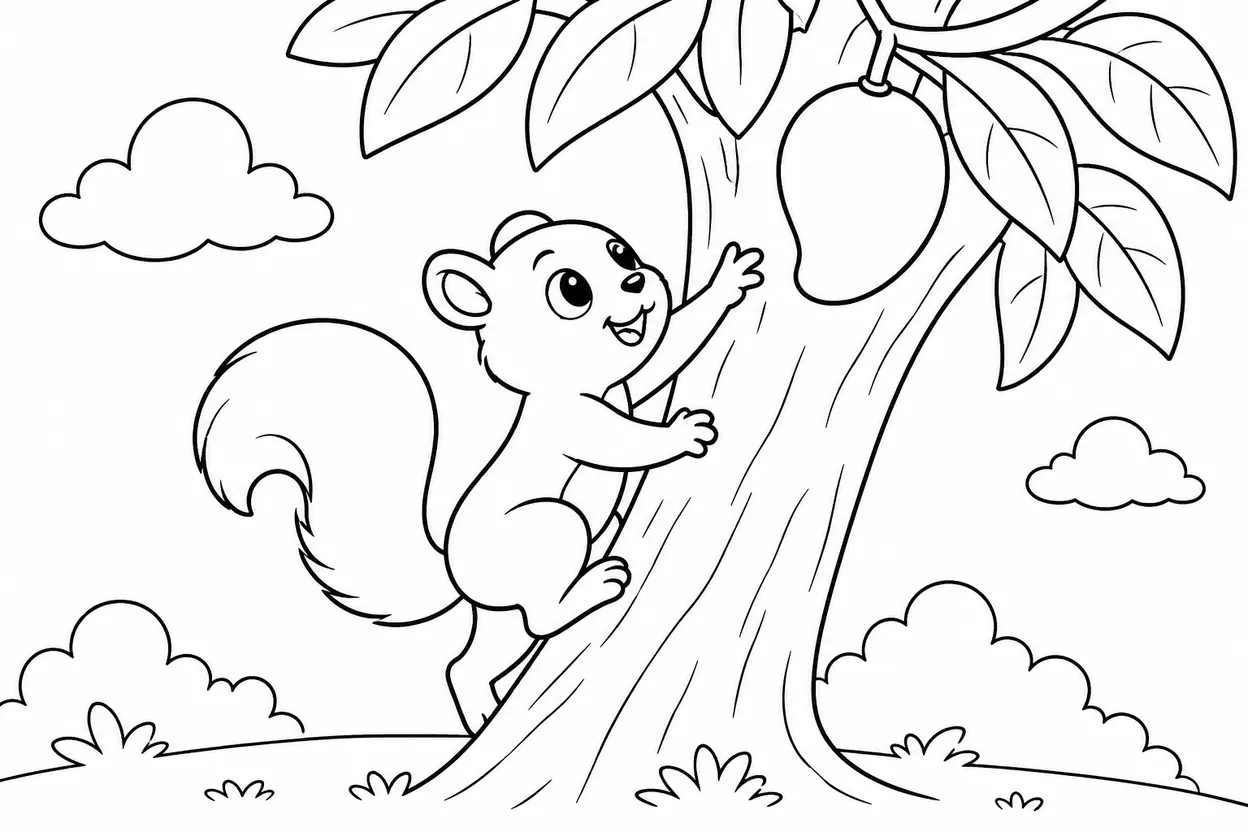

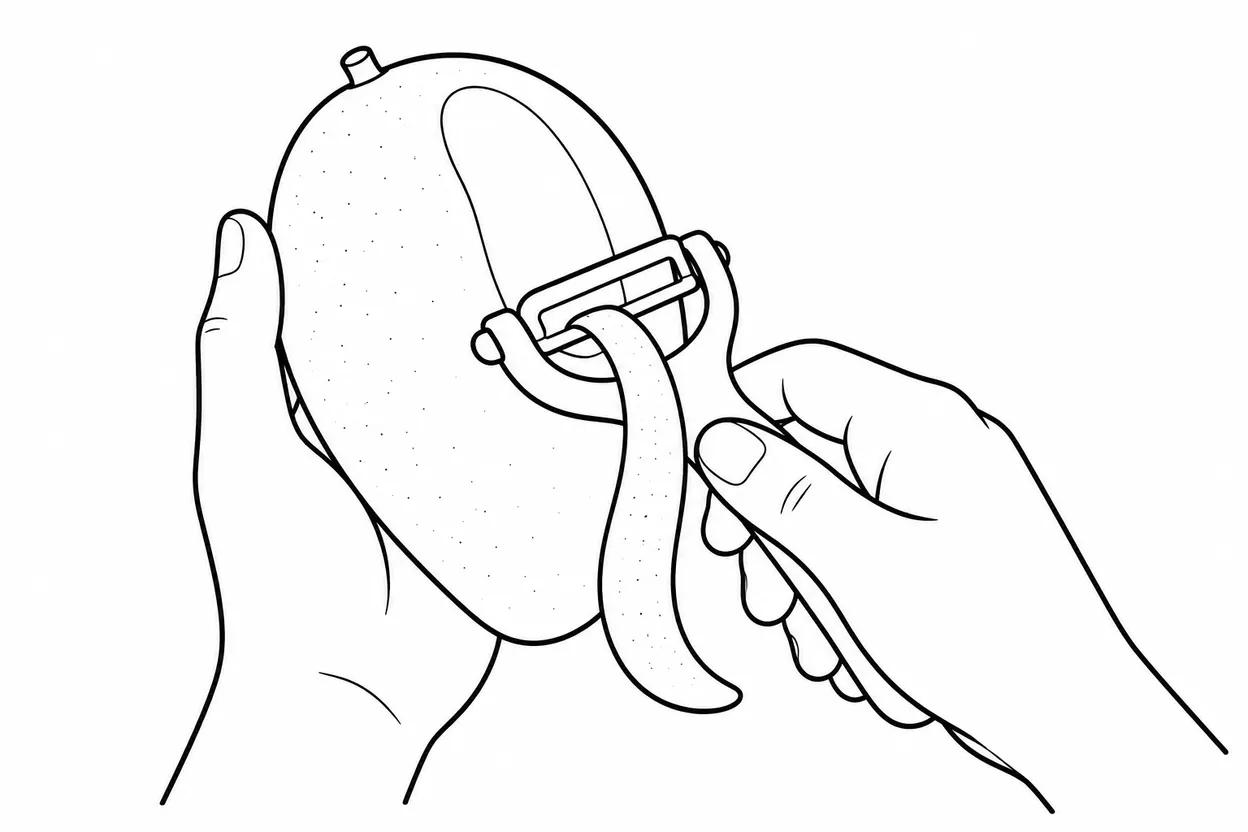
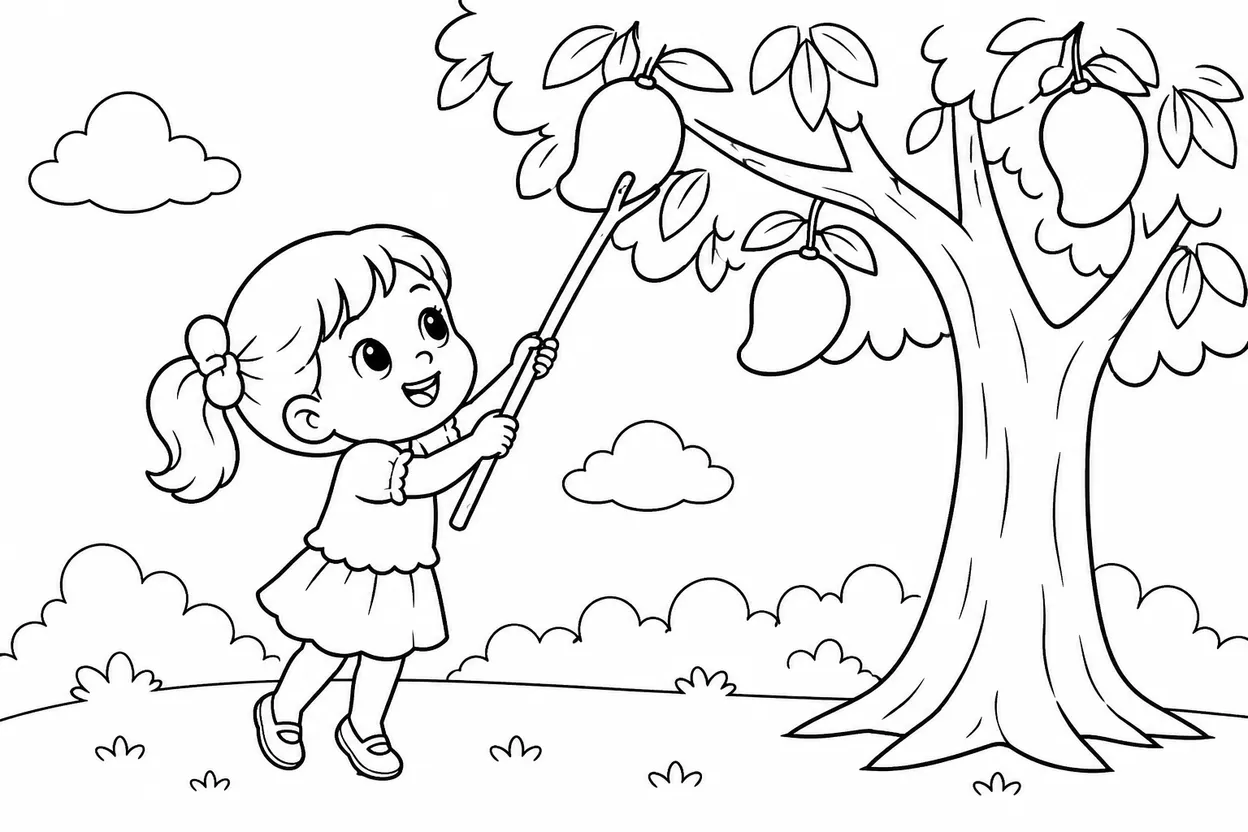
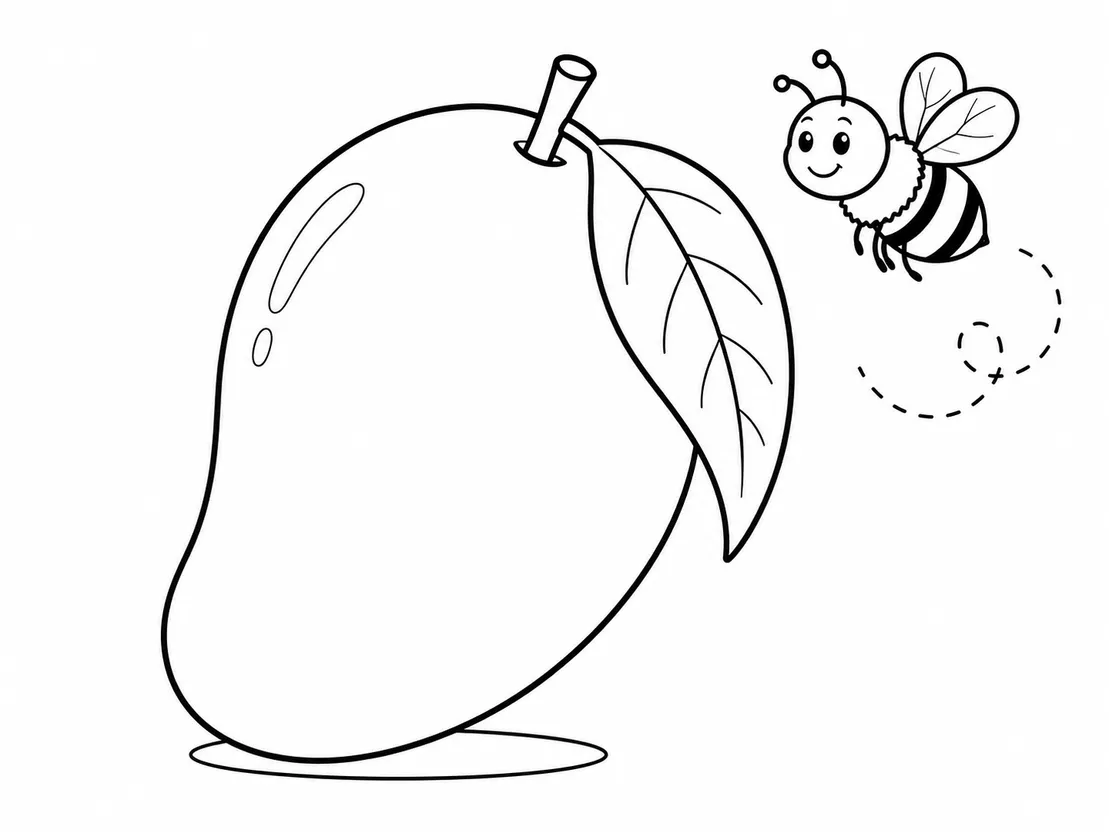
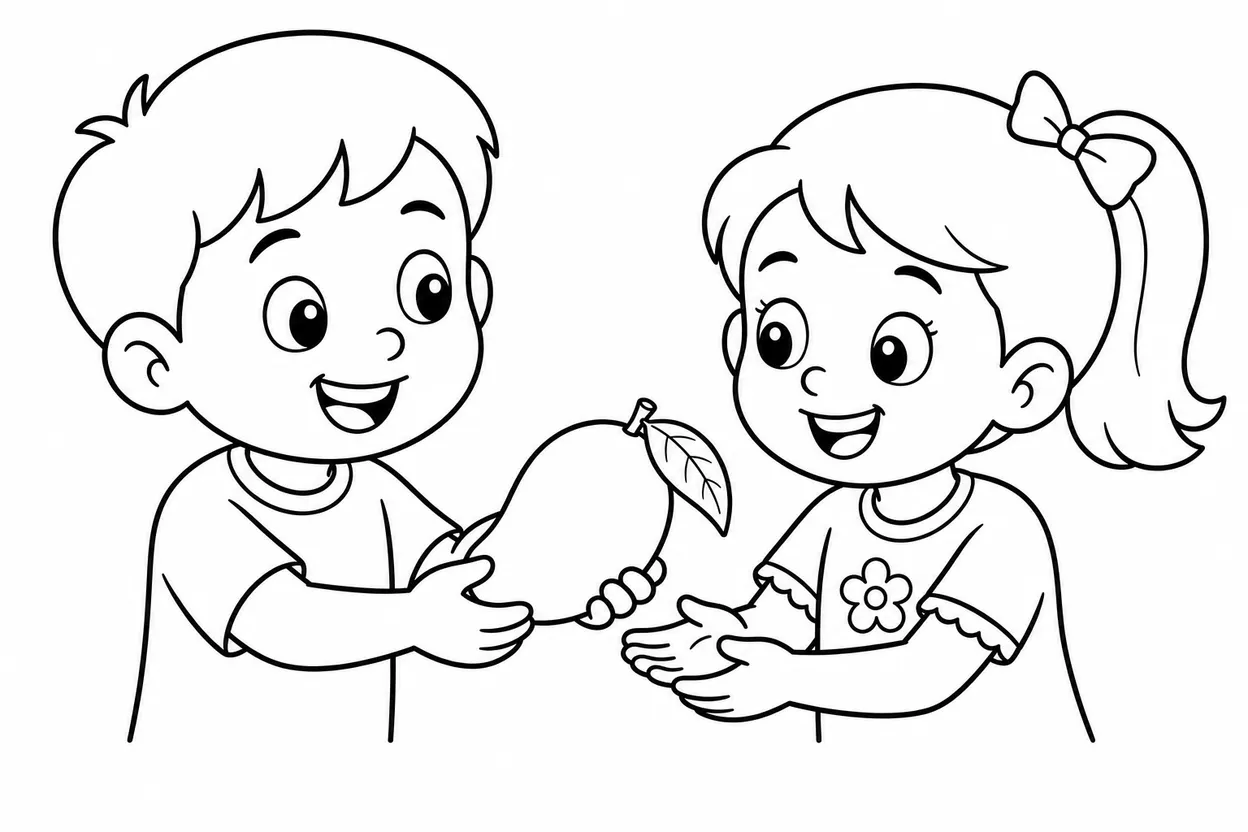
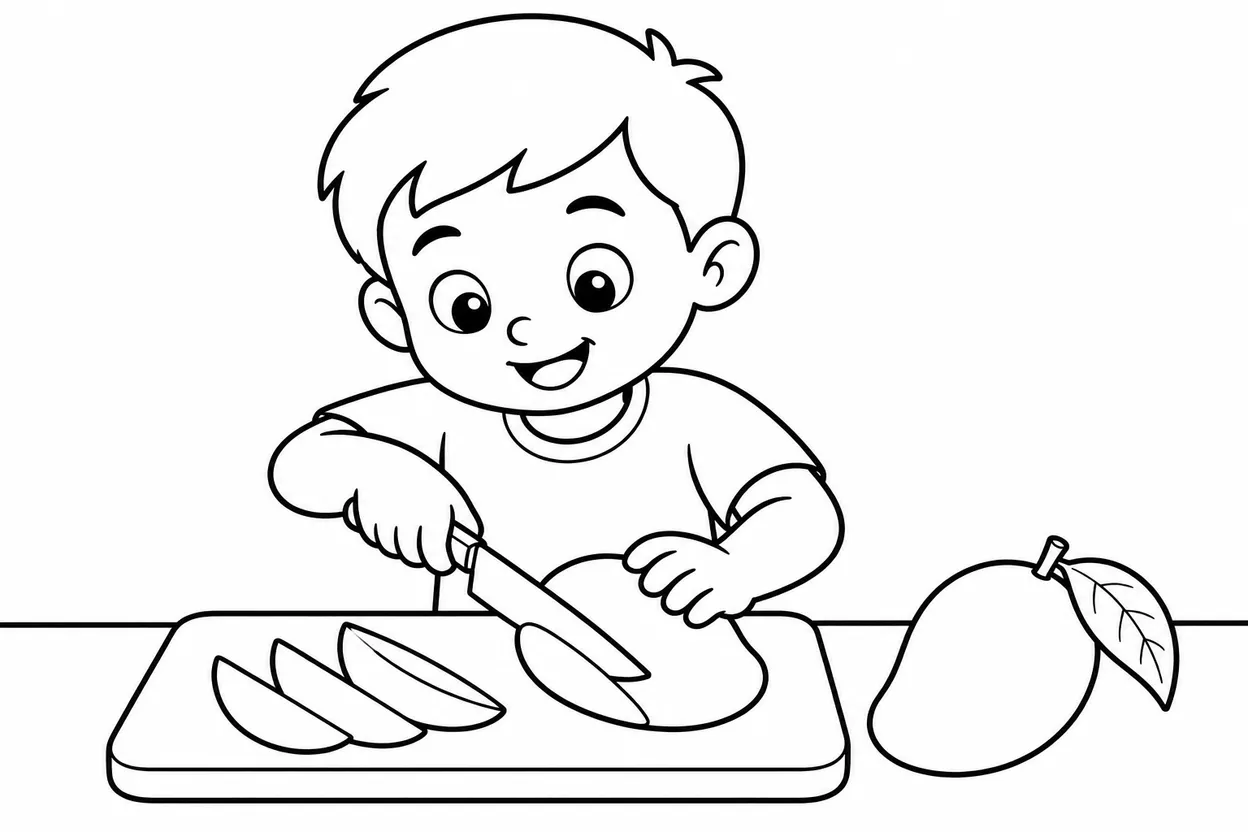

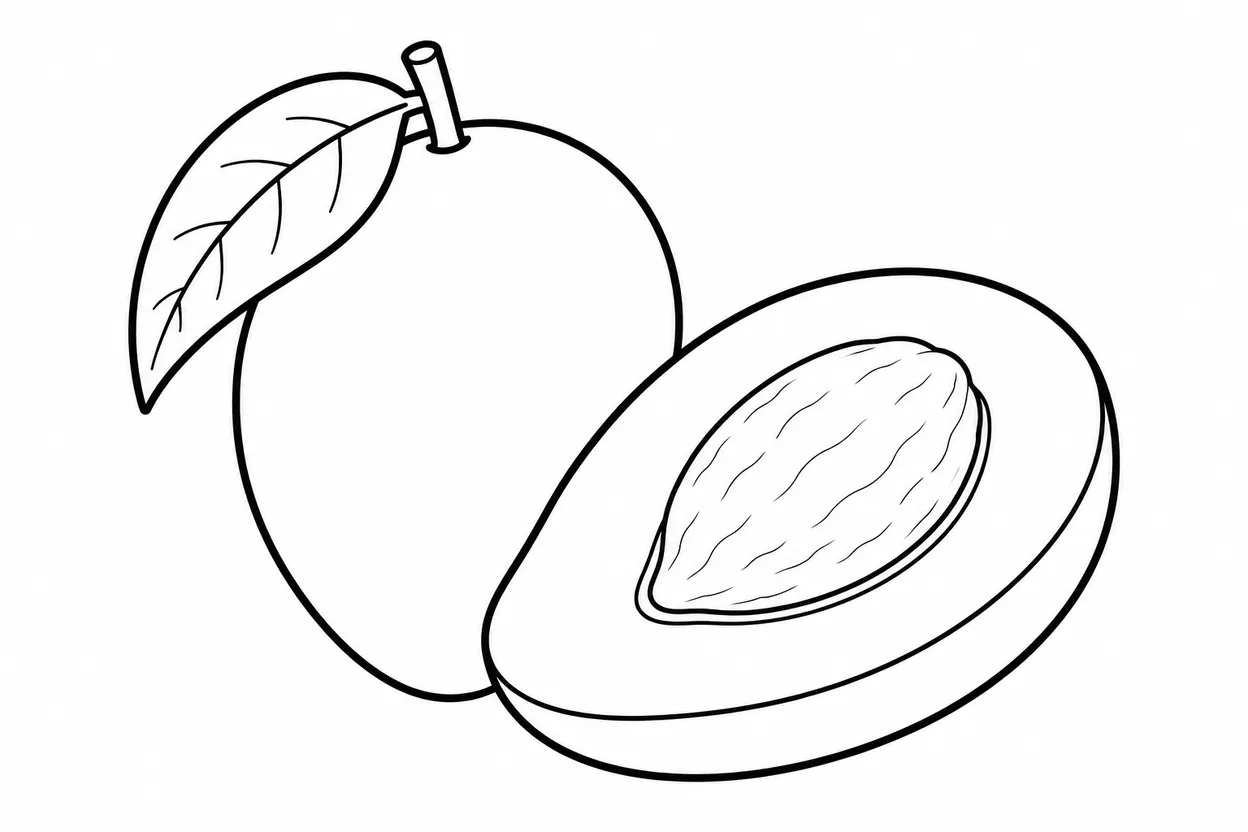
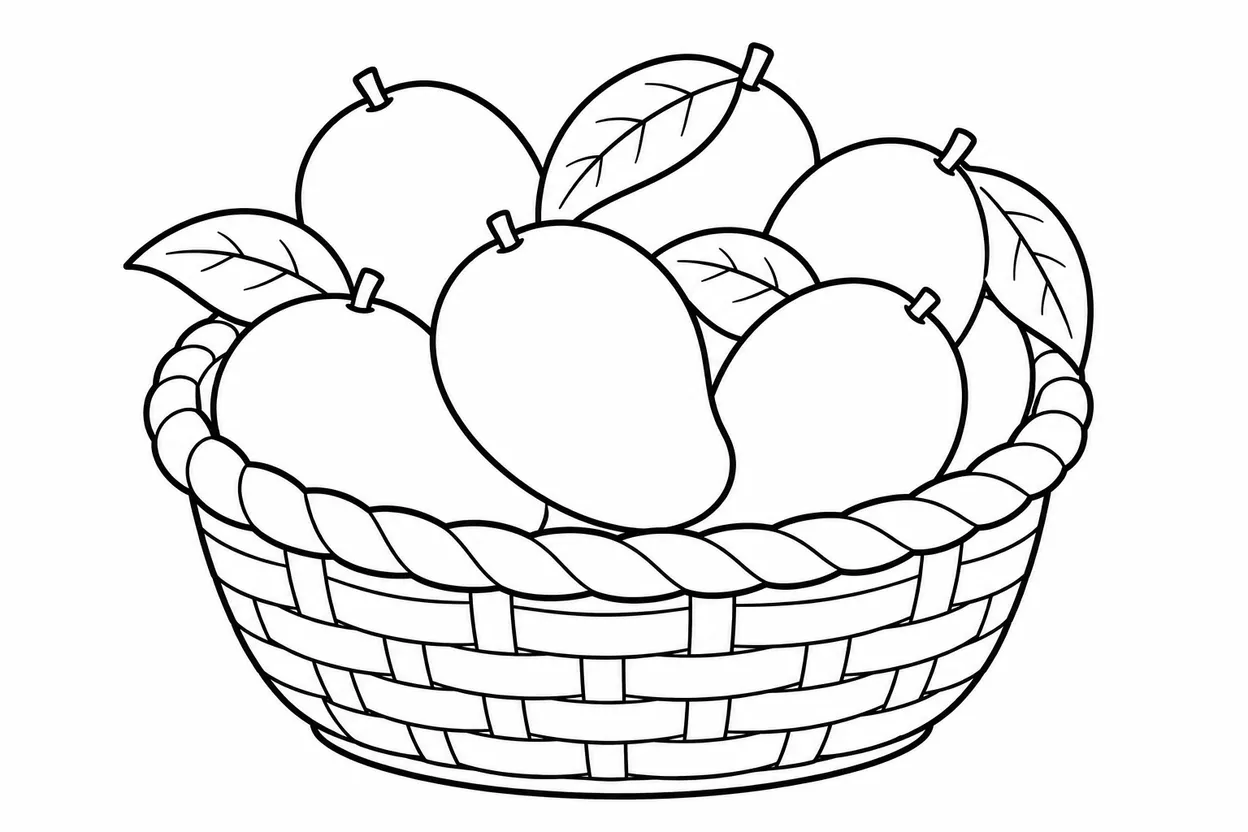
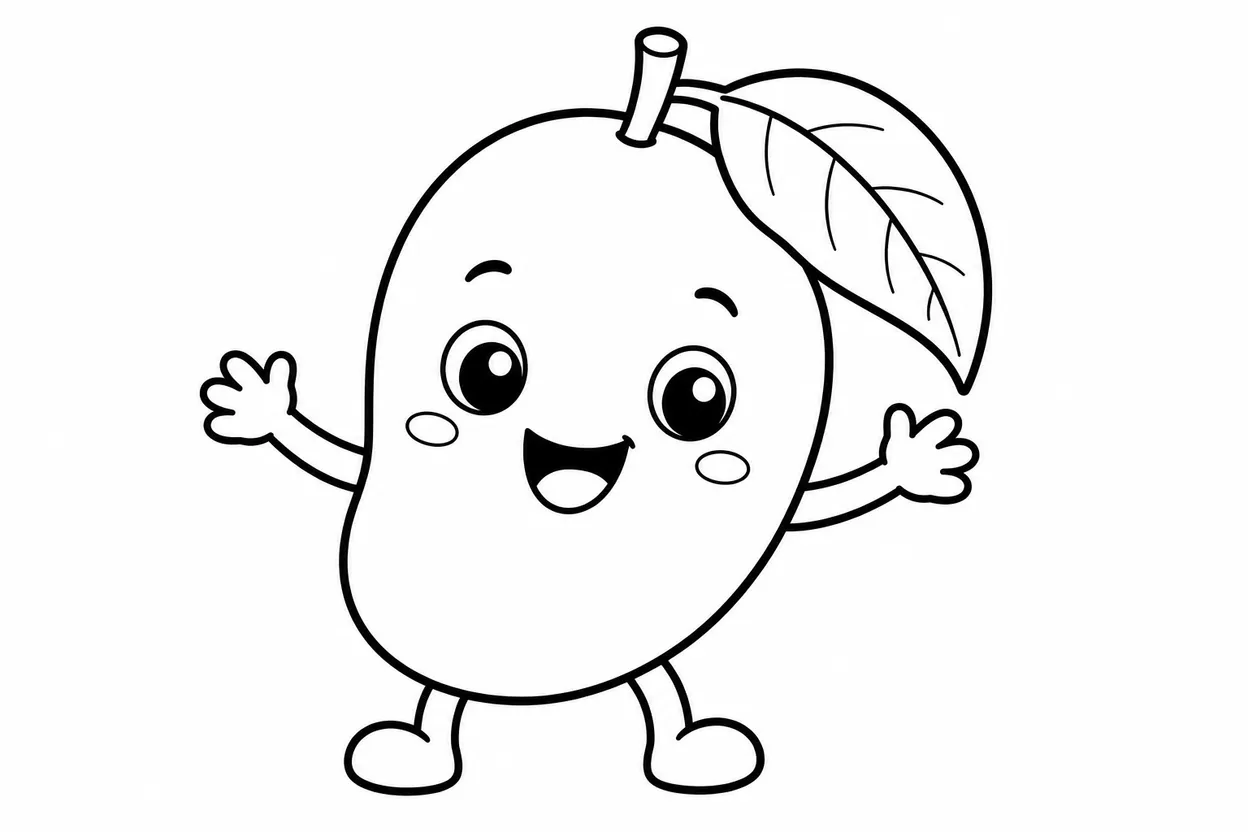
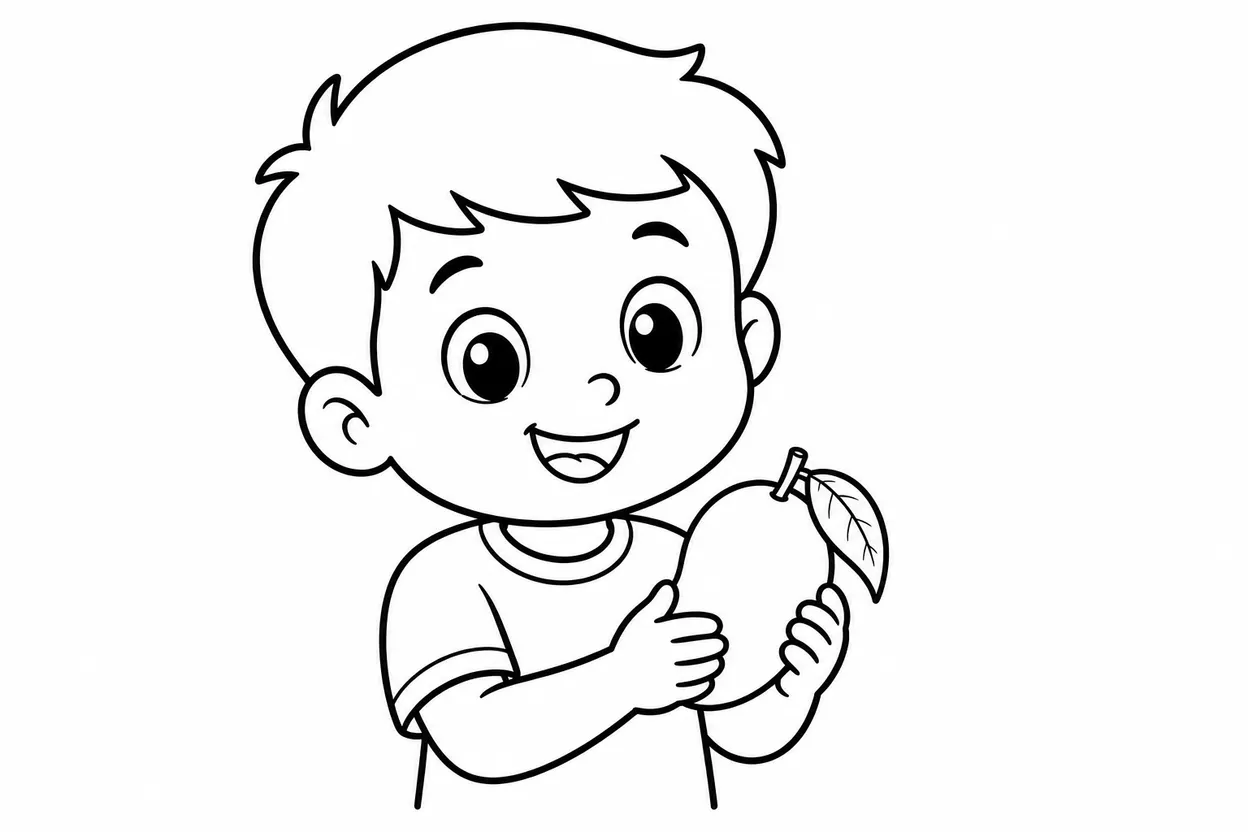
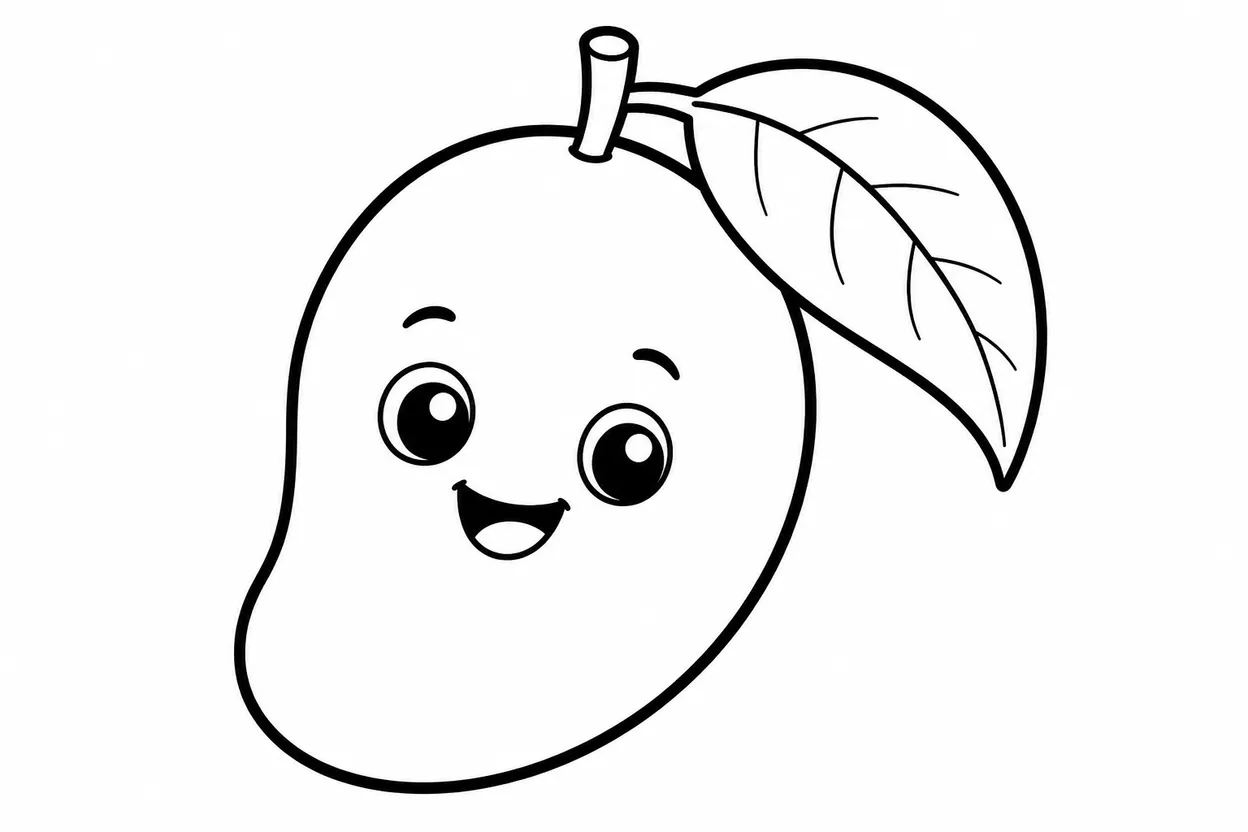
Mango coloring pages – tropical sunshine on paper
The sweet aroma and bright shades of this fruit leave no one indifferent. In addition to its culinary appeal and the benefits of various vitamins, this exotic fruit also offers excellent potential for child development.
Its smooth lines are ideal for a child’s first creative experiences. Mango coloring pages show how something simple can still be engaging. The fruit may have an uncomplicated shape, but it gives children plenty of room for experimentation.
What children learn from mango coloring pages
Even a simple mango coloring sheet is far more than the outline of a tropical fruit. It is an effective tool for practising a preschooler’s basic skills.
The shape of a mango, which resembles a large drop or a soft, rounded oval, helps children master new physical and cognitive tasks:
- Smooth lines – while coloring the fruit’s rounded, curved sides, children practise continuous hand movement, which helps prepare the hand for writing.
- Blending shades – mangoes are rarely a single color in nature, so children learn to combine yellow, red, orange, and green and create smooth transitions on paper.
- Understanding volume – the fruit’s large, simple shape allows older preschoolers to try adding light shadows and highlights, making the picture appear more three-dimensional and realistic.
- Focus and patience – the repetitive task of filling a relatively large area with color helps calm the nervous system and develops the perseverance required at school.
Working with such simple shapes helps children gain confidence in their abilities.
How mango pages can open a conversation about world cultures
Coloring can be more than exercise for little fingers – it can also be an excellent starting point for expanding a child’s knowledge.
Cute mango coloring pages are enjoyable to color, but during the activity you can also explain that this fruit is often called a true “king” in some Eastern countries. You can mention mysterious India or distant South American countries, where these sweet, juicy fruits are grown before being delivered to local shops.
Discuss how mango trees grow. Even adults rarely know exactly how fruit is cultivated, while naturally curious children may find this information especially important. Mangoes do not grow on small bushes but on enormous trees that can live and produce fruit for hundreds of years.
Such stories gently broaden children’s horizons and show them that the world is much larger and more diverse than it may first appear. An ordinary creative evening becomes an educational journey across other continents and ancient cultures without leaving the child’s room.
Fun activities to try with mango coloring pages
To make the most of printable mango coloring pages, it can be useful to move beyond traditional coloring activities. Try the following ideas:
- Torn-paper appliqué. Instead of shading, invite your child to tear colored paper into small pieces and carefully glue them inside the fruit’s outline. This also develops the pincer and precision grasp.
- Watercolor gradients. The mango’s large, smooth shape is well suited to wet-on-wet painting. Moisten thick paper with water and add drops of watercolor paint, watching together as the colors blend.
- Scented creativity. After the child colors the outlines and the paint dries, lightly spray the paper with natural sweet orange and mango essential oil. This also engages the child’s sense of smell.
These creative approaches make the activity memorable and encourage a love of unconventional thinking.
People often ask
Because they do not contain complex angles or small details, these coloring pages are suitable for children aged 2 to 6. Toddlers can easily color large, rounded shapes, while older children can experiment with color blending and gradients.
Creativity helps reduce fear of unfamiliar things. A child who has enjoyed coloring a mango character on paper is much more likely to agree to taste a piece of real exotic fruit at dinner.
Yes. They are an excellent starting point for learning about warm countries, their traditions, and their natural environment. A coloring page can complement children’s encyclopedias about jungles or stories from Asian cultures.
Yes, all materials are available on our website. You can download the files in PDF format and print them so your child can work with real paper and pencils.