

About this collection
Printable maze coloring pages for kids — instant download and print
Grab maze coloring pages bursting with easy mazes, animal mazes and fun puzzles. Simple designs help build fine motor skills while kids have fun.
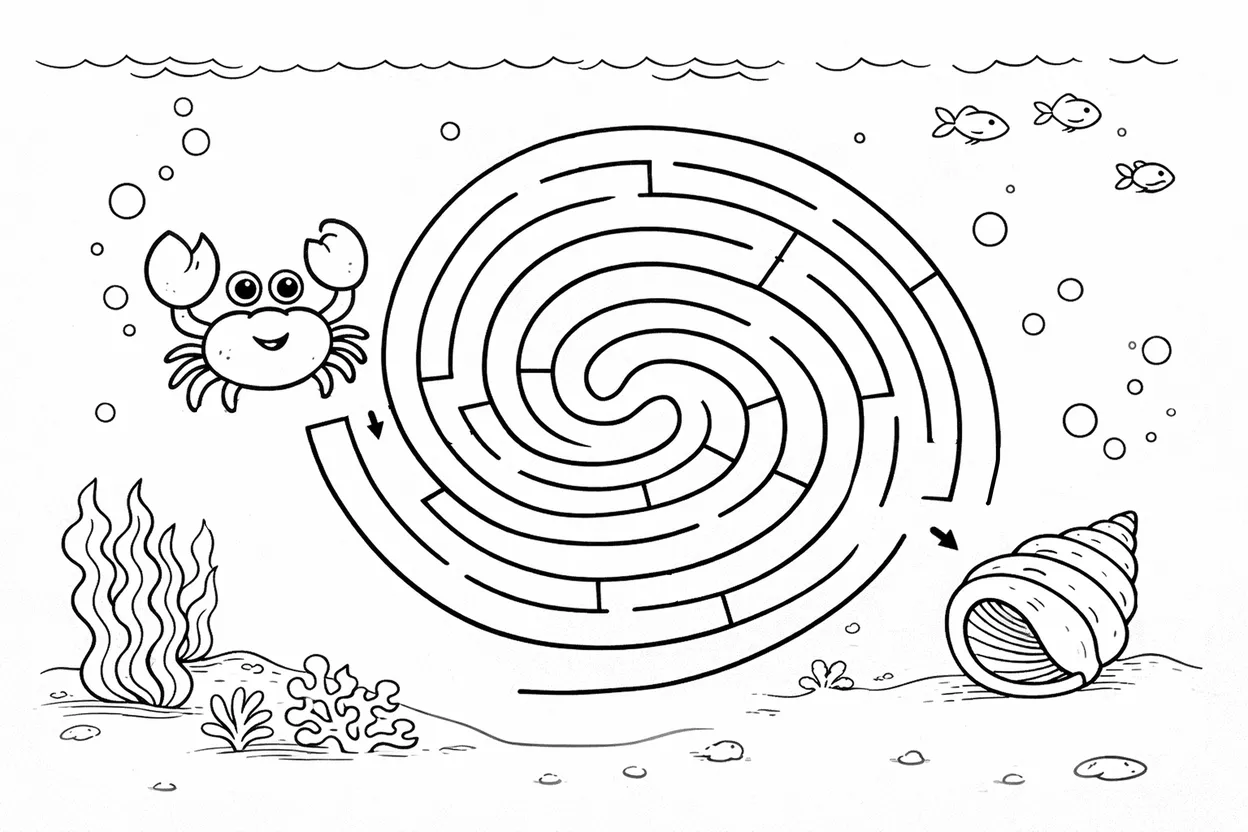

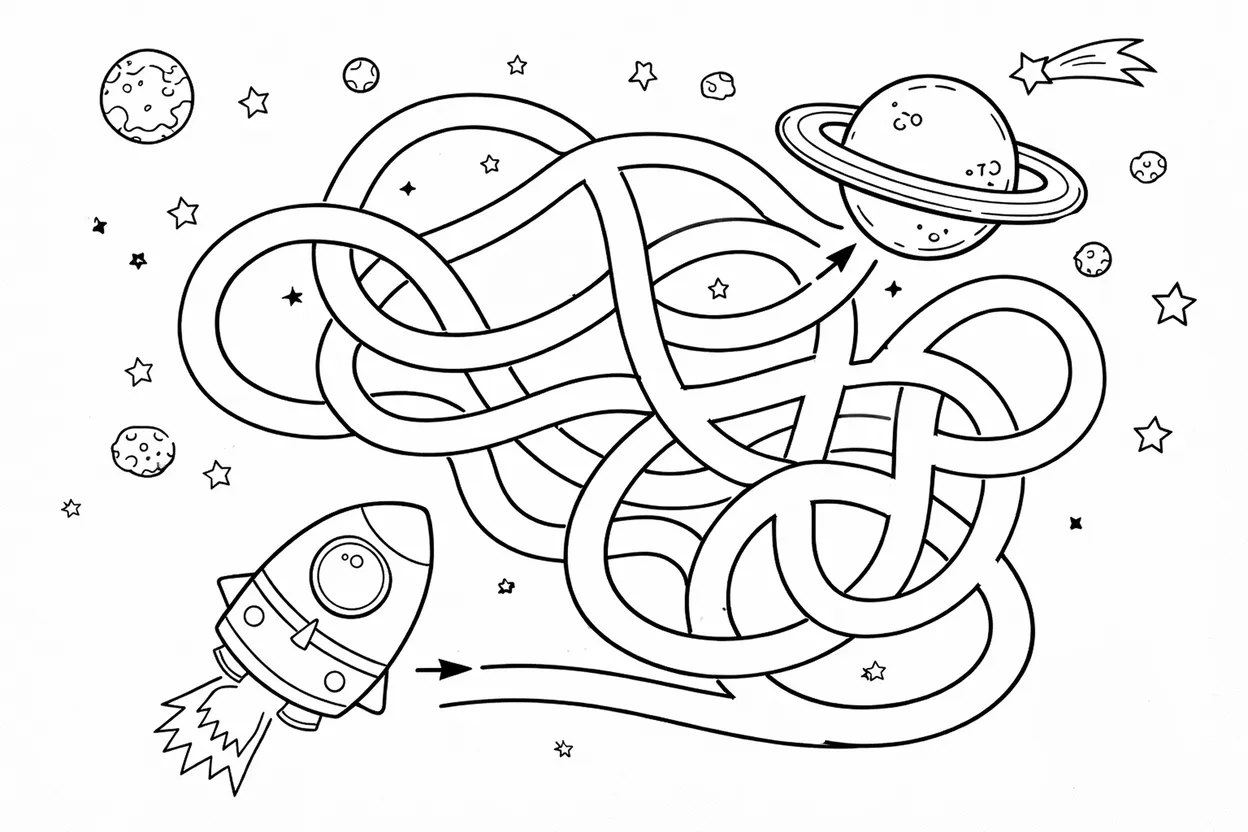
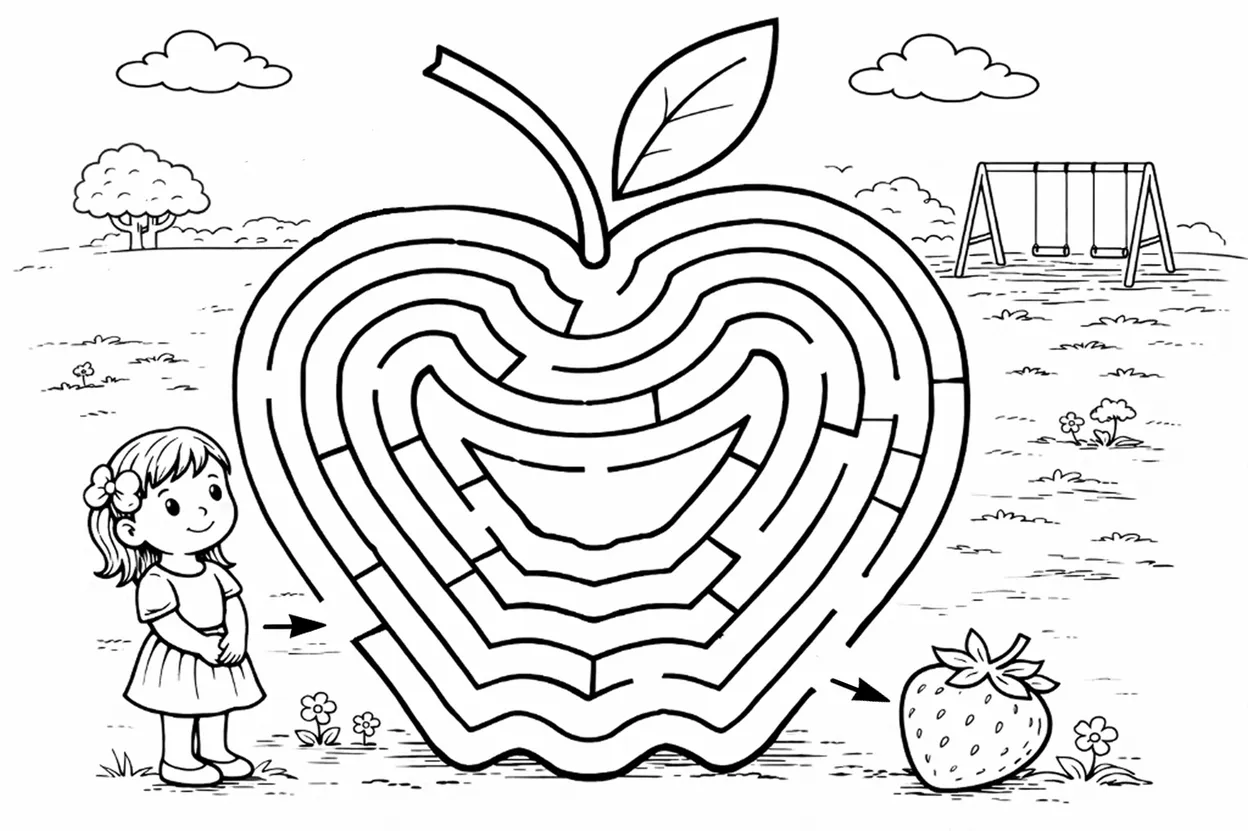
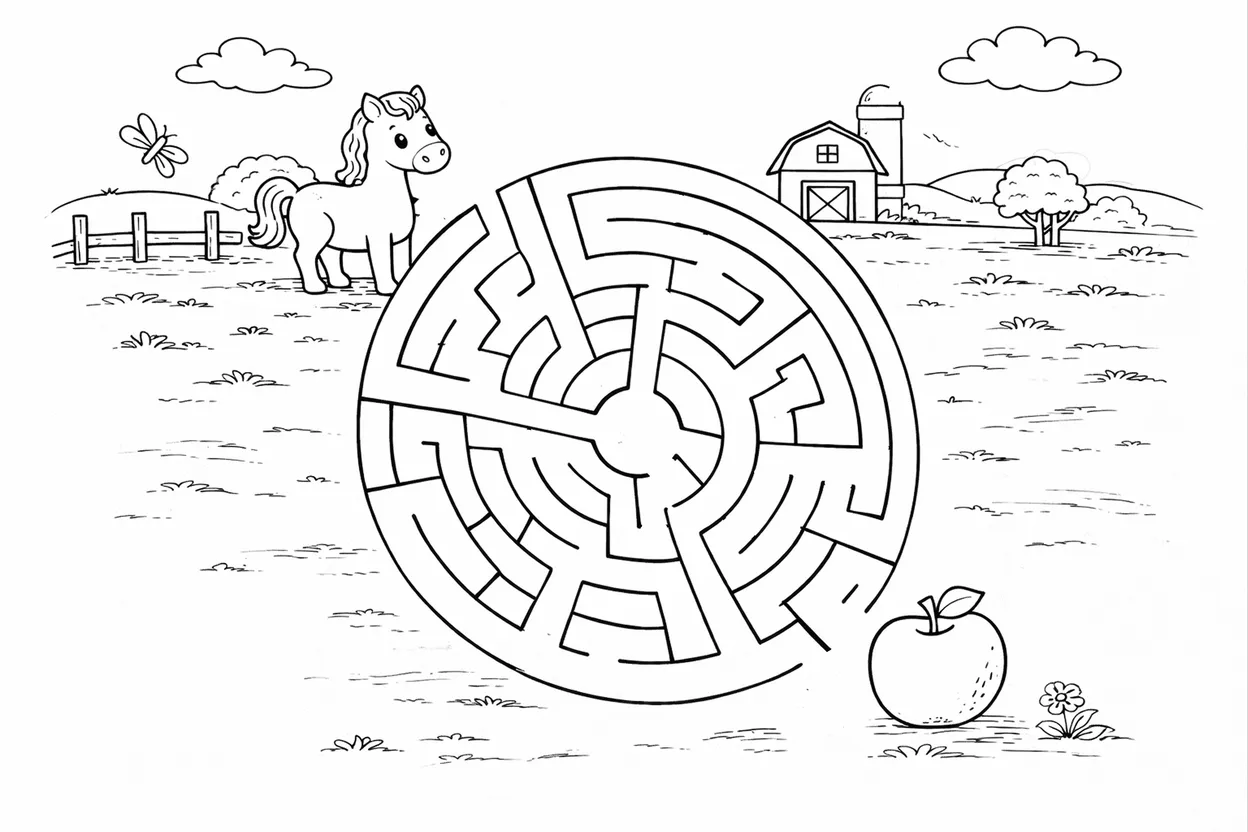
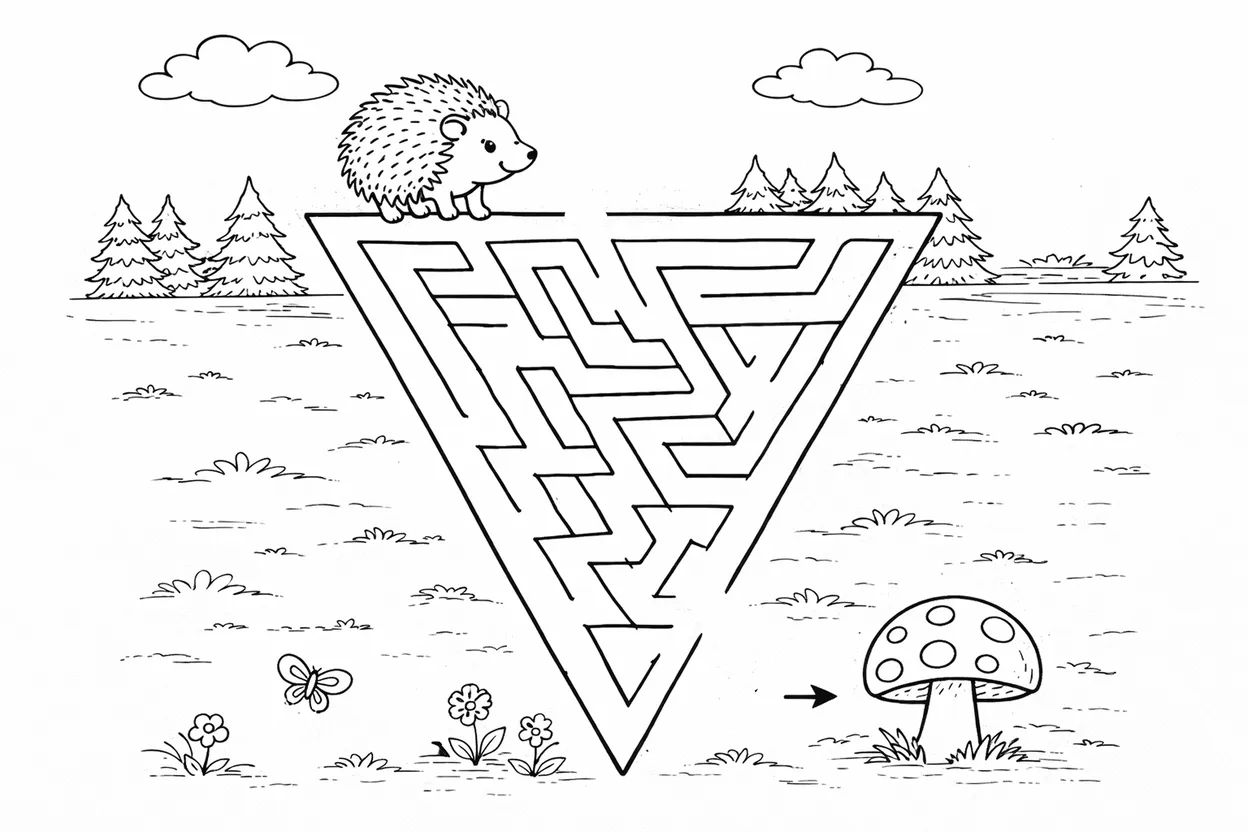
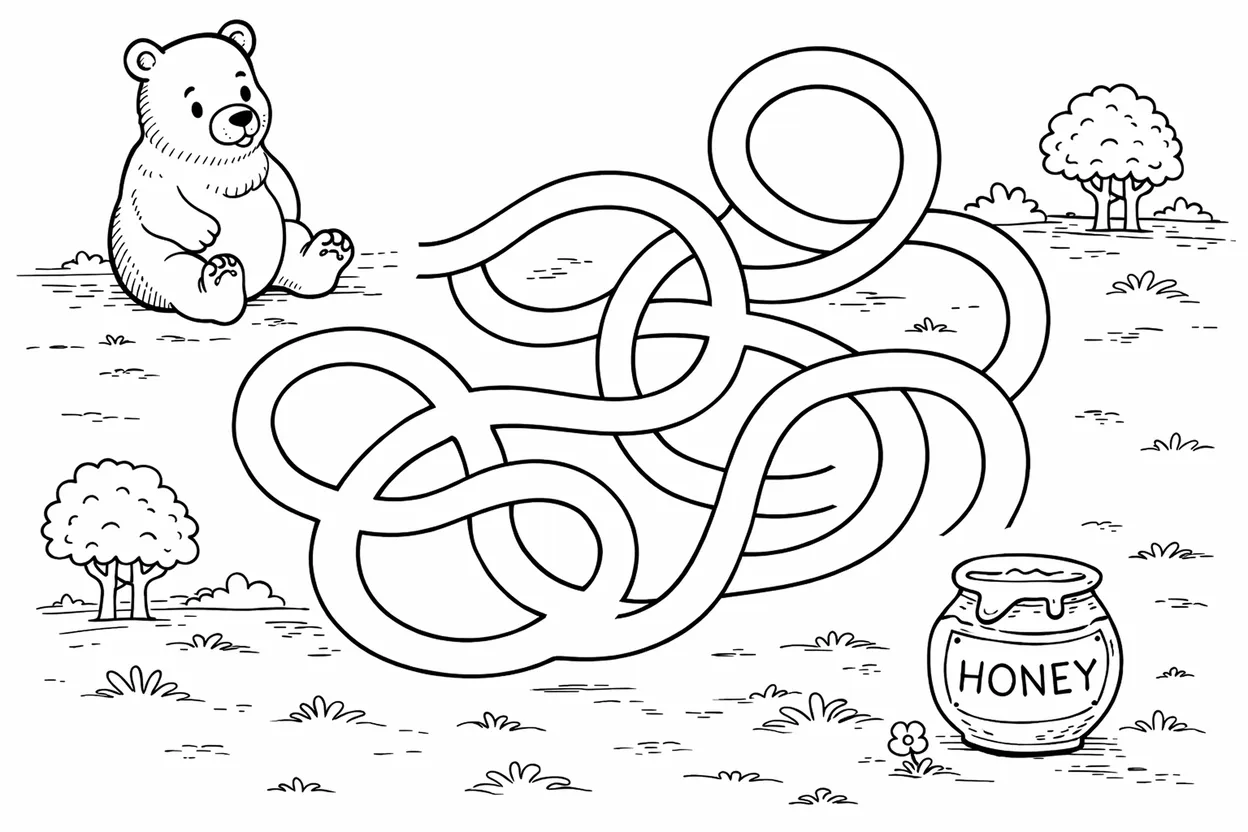
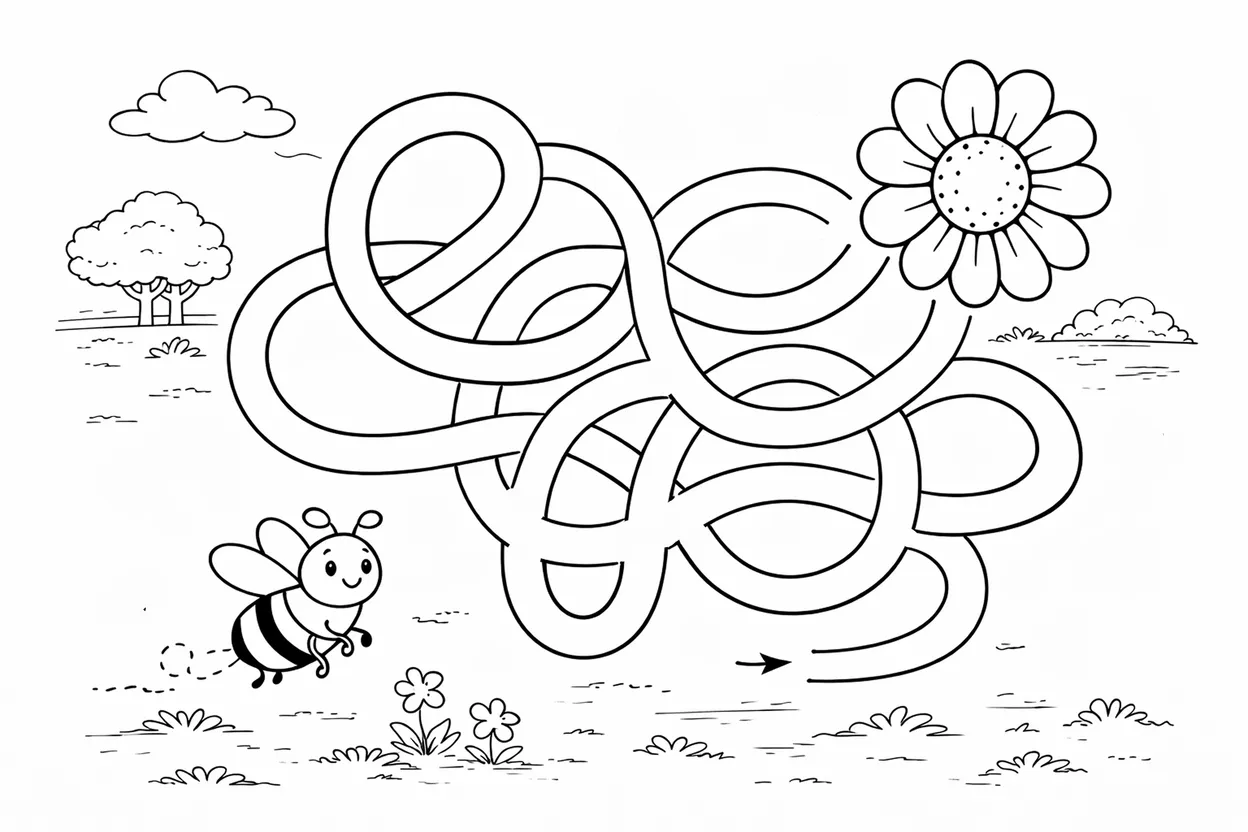
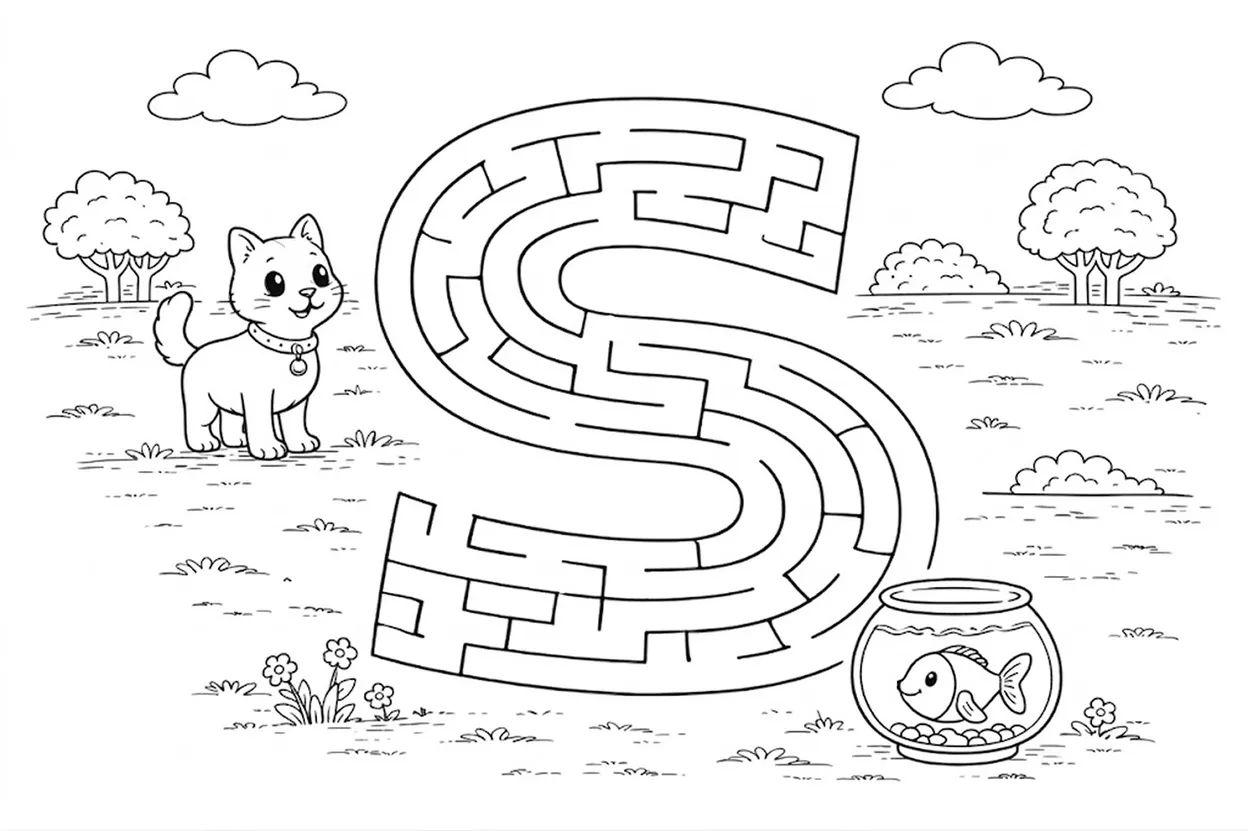
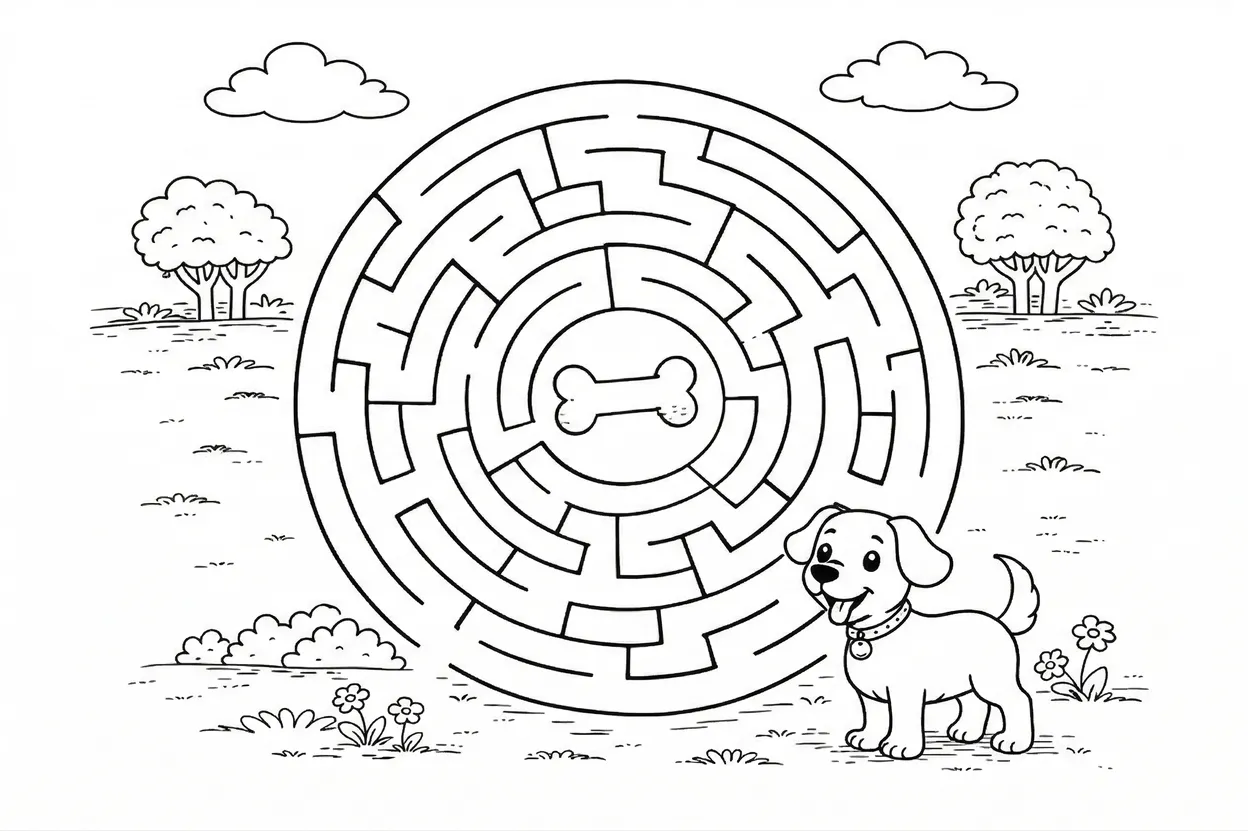
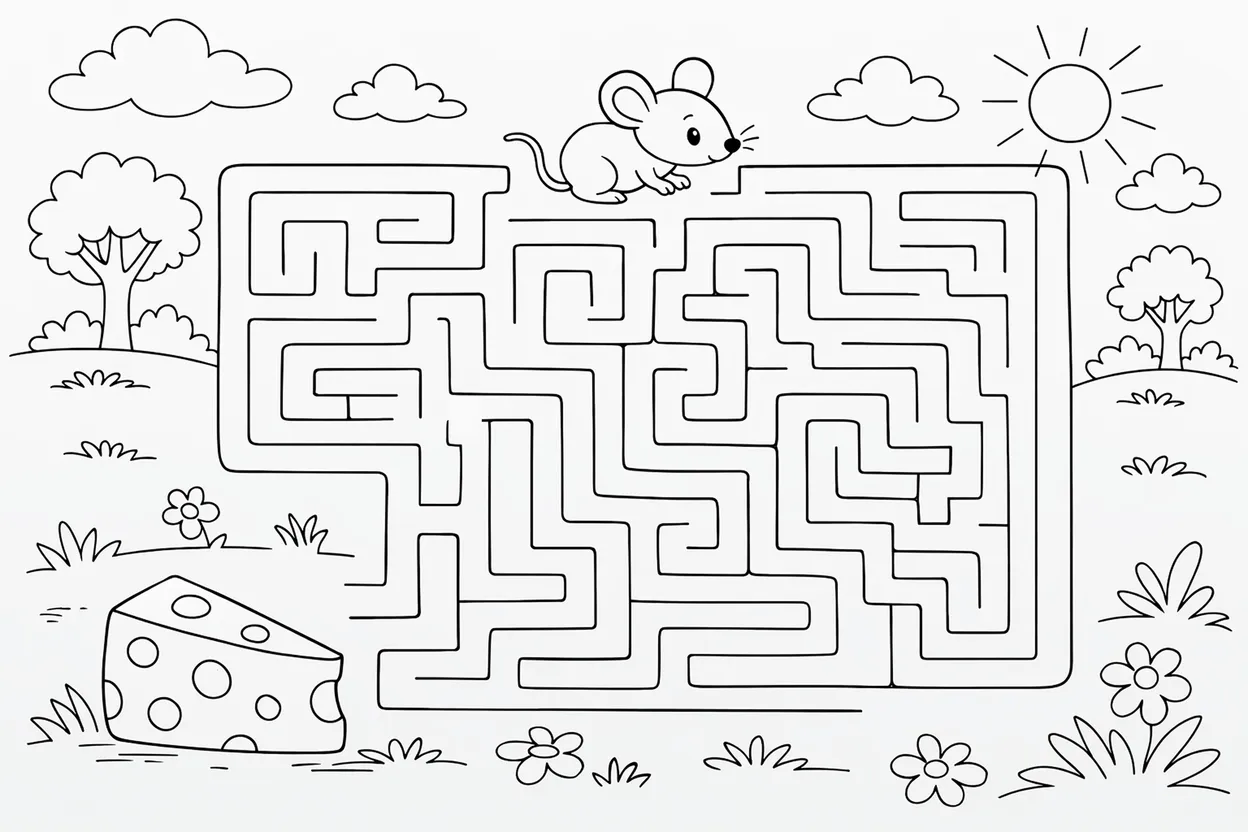
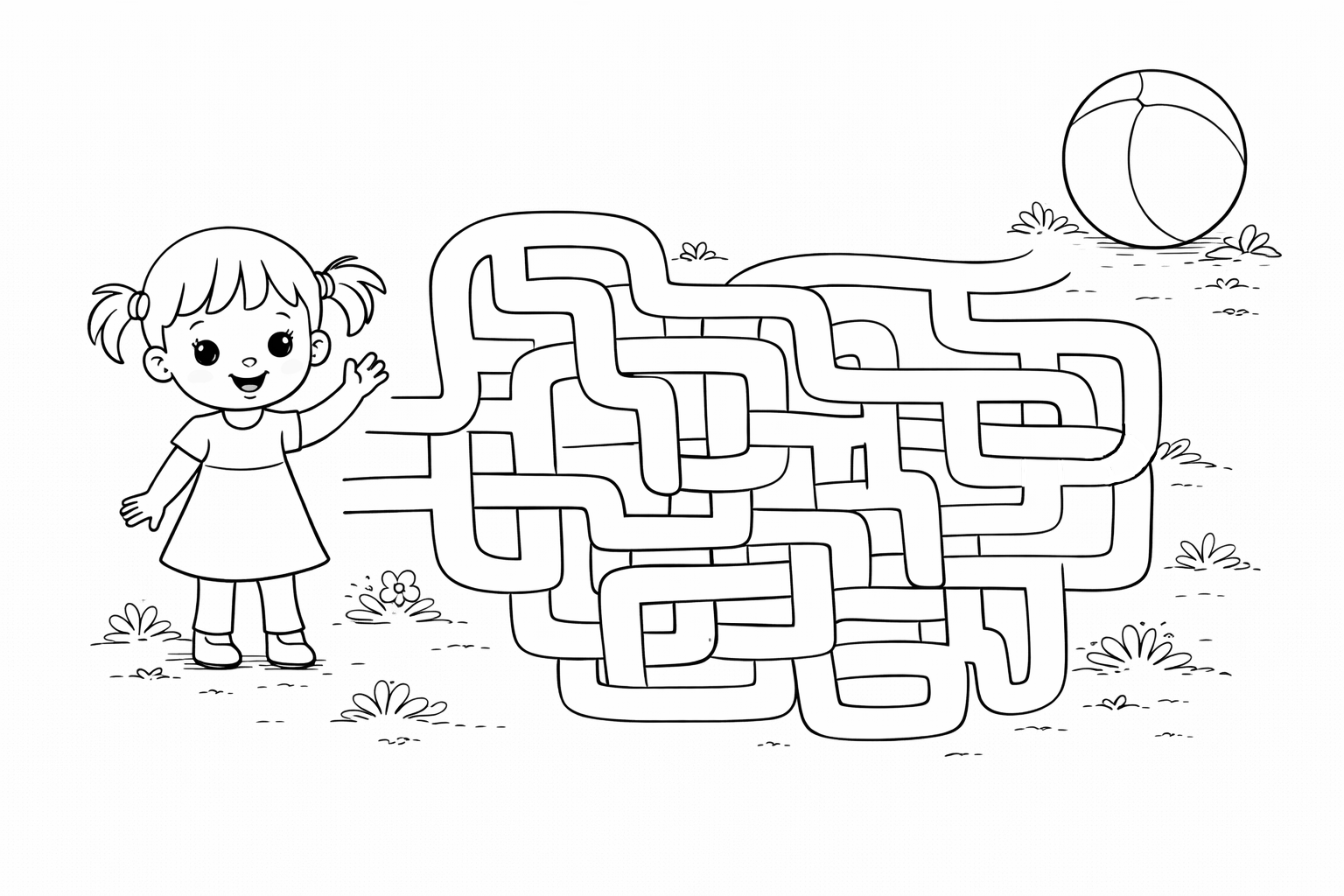
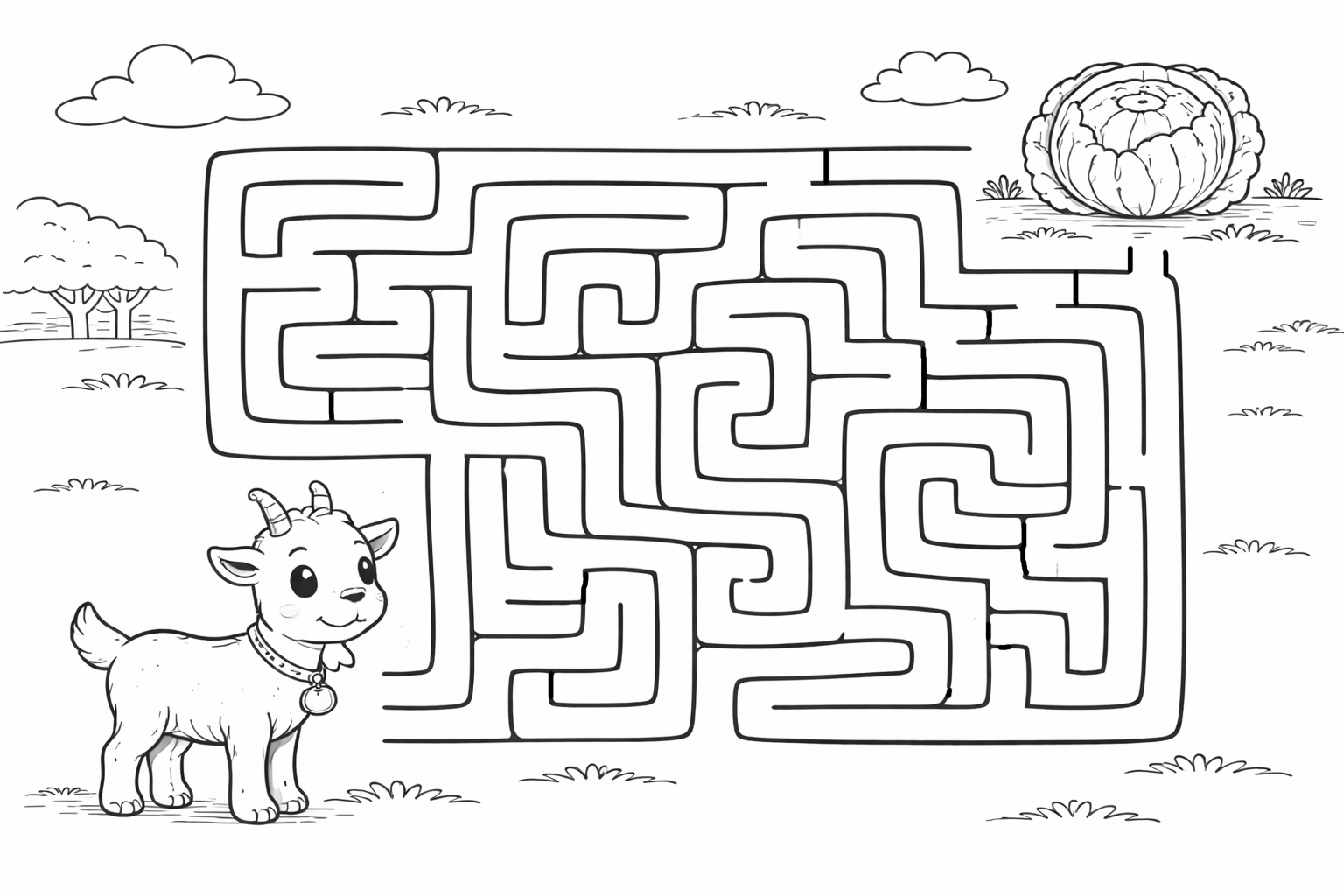
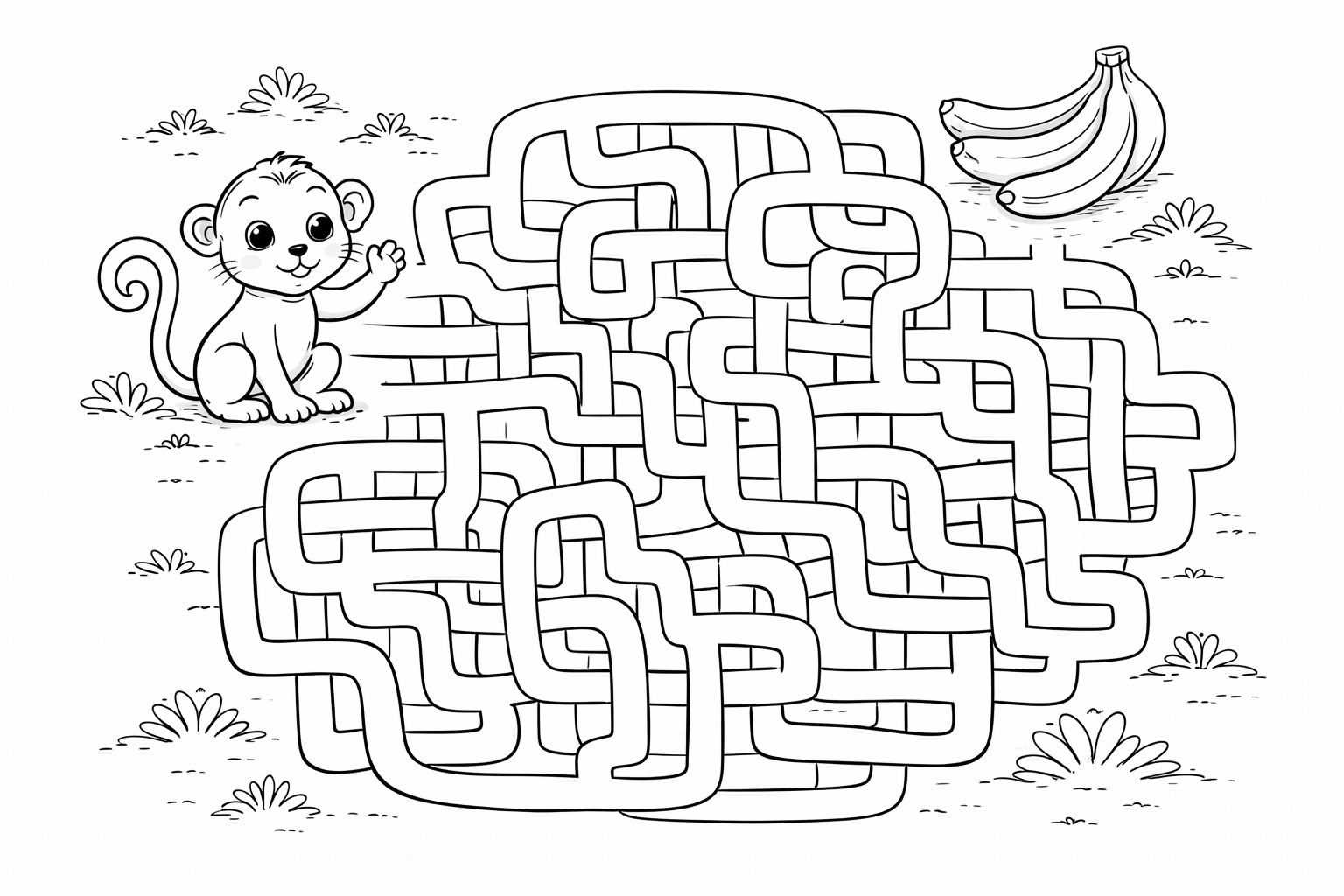
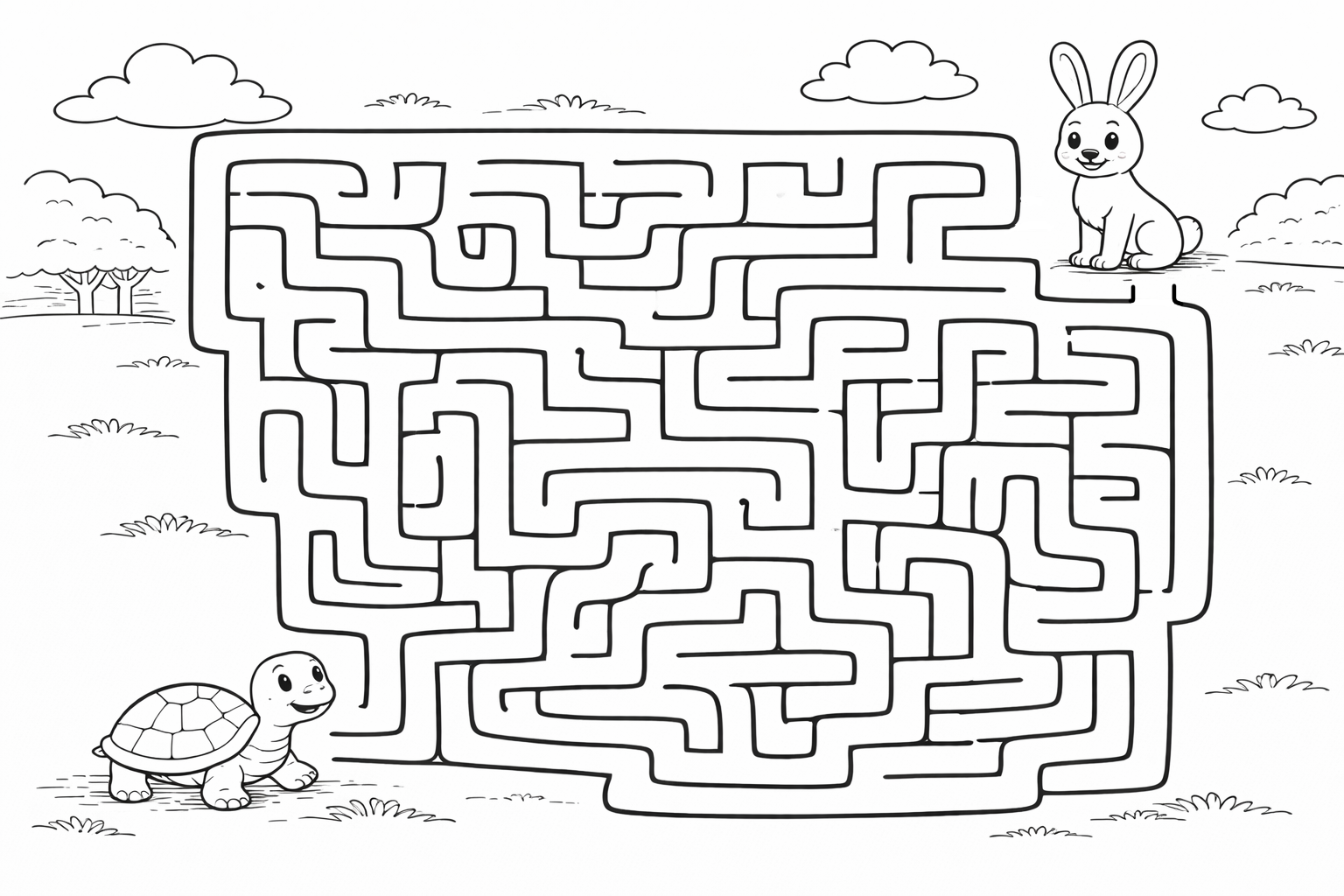
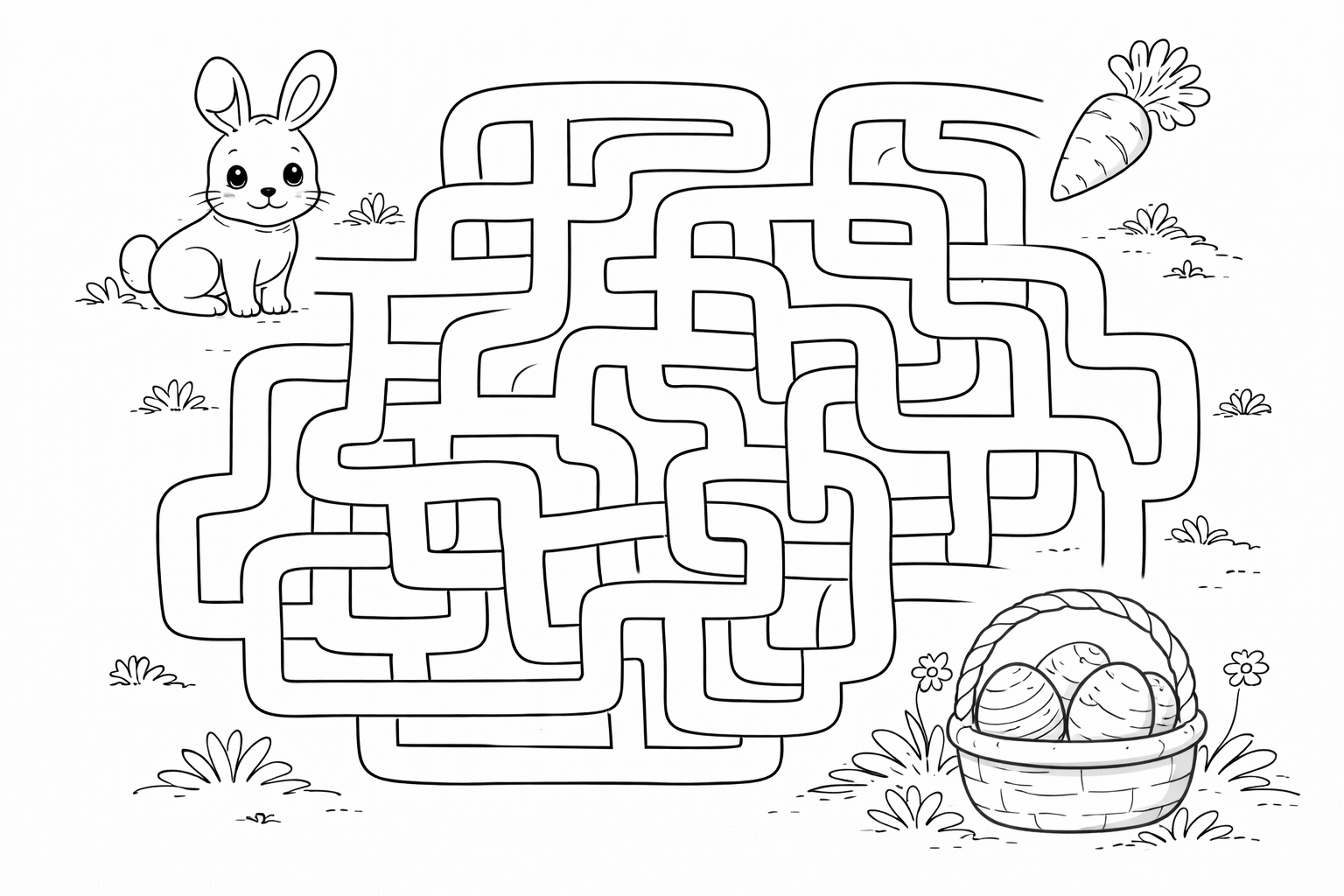
Maze coloring pages – brain training and creativity

Just imagine what happens when two of the most popular children’s activities are combined: mazes and coloring pages. Mazes help develop logic, flexible thinking, and the ability to find solutions to problems. Coloring calms, reveals creative potential, and trains imaginative thinking. That is why even easy maze coloring pages represent a balance of two essential approaches to child development. With Keiki, you can improve visual–motor coordination, movement accuracy, and a child’s strategic approach.
Maze coloring pages – what are the benefits?
Just one maze coloring page is enough to activate complex processes in a child’s brain. Unlike simple area coloring, a maze requires preliminary planning. The child first needs to visually “scan” the path, find dead ends, and determine the correct route. This helps lay the foundations of strategic thinking at a very early age.
At Keiki, we view maze coloring pages as an important stage of school preparation. Not only the hand is trained here, but also the ability to concentrate on a task until it is fully completed. Completing a maze also triggers a strong dopamine response – the feeling of joy from reaching a goal. Later, this mindset helps children cope more easily with challenges.
Development of visual–motor coordination
For a child aged 3–5, drawing a line exactly along a narrow path without touching the “walls” is a serious task and even a challenge. Each maze coloring page works to develop visual–motor coordination – the ability of the eyes to guide hand movements. This skill later becomes the foundation for neat handwriting and successful writing practice.
If a child is just beginning, it is better to use easy maze coloring pages. These are the types of tasks selected in Keiki, with clear outlines and not overly complex paths.
People often ask
A dead end in a maze coloring page is a normal part of the process. You can suggest tracing the correct path first with a finger, memorizing the route, and only then using pencils or markers. This approach also helps train analysis skills.
Visual tracking is the ability of the eyes to move smoothly along a line or object. Without it, learning to read is impossible. When a child searches for an exit in maze coloring pages, their eyes constantly move back and forth, training the eye muscles.
Yes. Use easy maze coloring pages as a basis for storytelling. Mazes make it easy to practice concepts such as left and right, as well as other direction-related terms.
With a digital maze coloring page, a child can instantly erase an incorrect line or start over with one tap. There is no fear of “ruining” the maze or going beyond the outline.
A maze is a task with a clearly visible result. Unlike endlessly coloring a background, there is a clear destination to reach. Even very restless children often become deeply engaged, trying to lead the character to the goal on maze coloring pages.