

About this collection
Download free jack-o'-lantern coloring pages for kids — print at home
Discover jack-o'-lantern coloring pages packed with carved pumpkins and spooky faces. Simple outlines that turn a blank page into proud artwork.
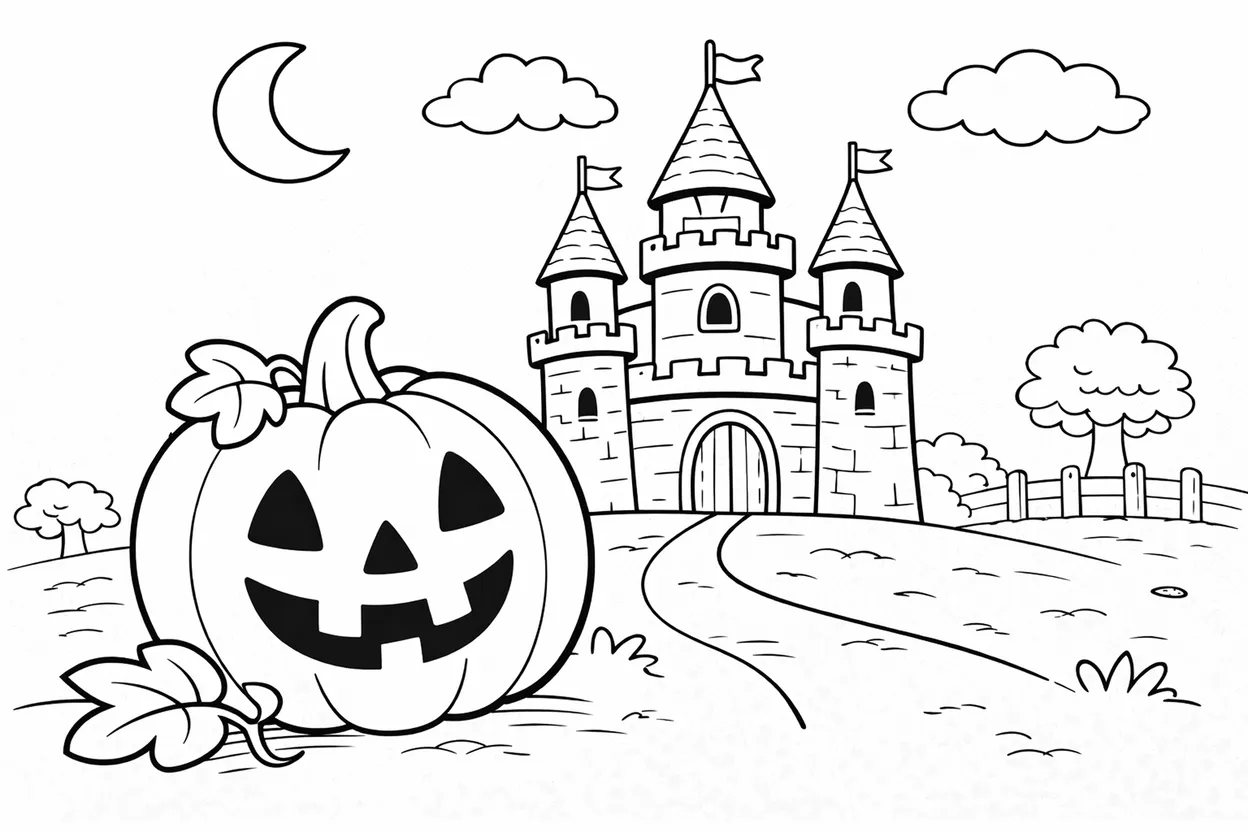

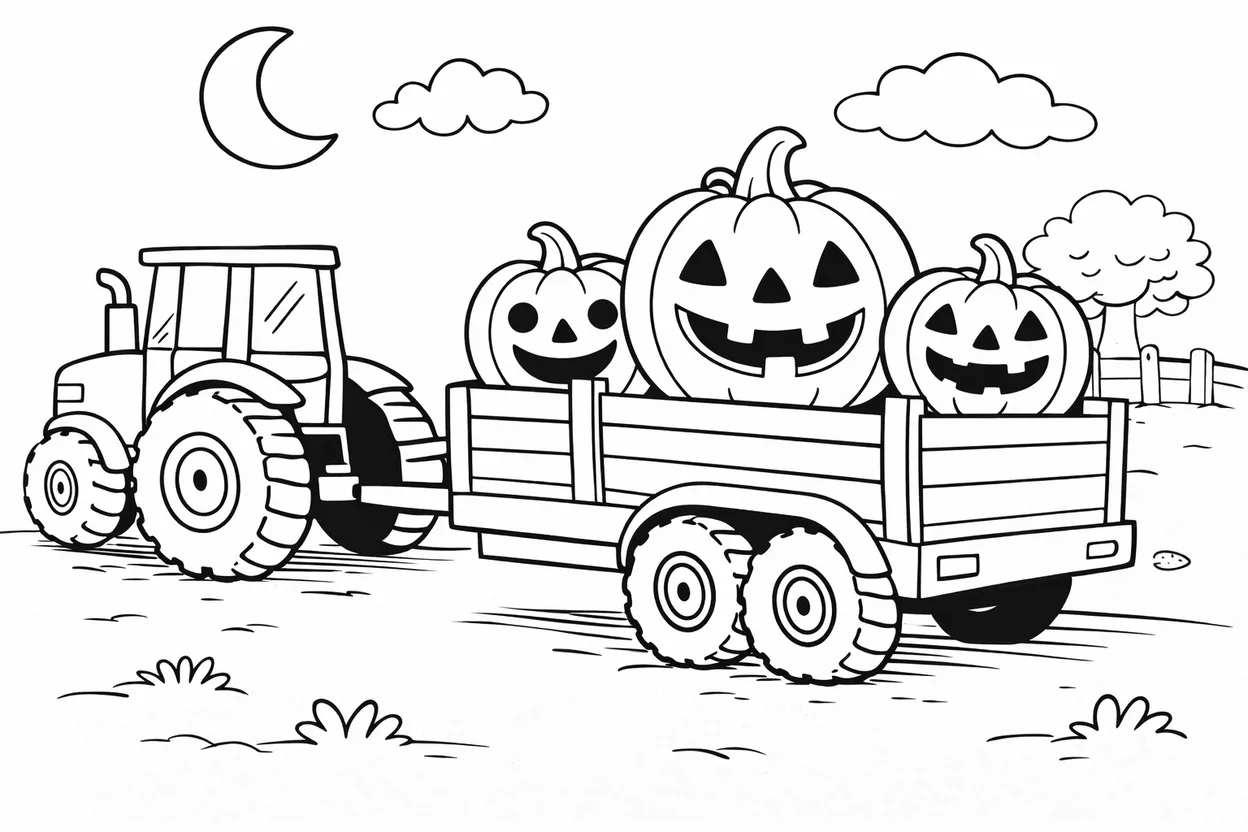
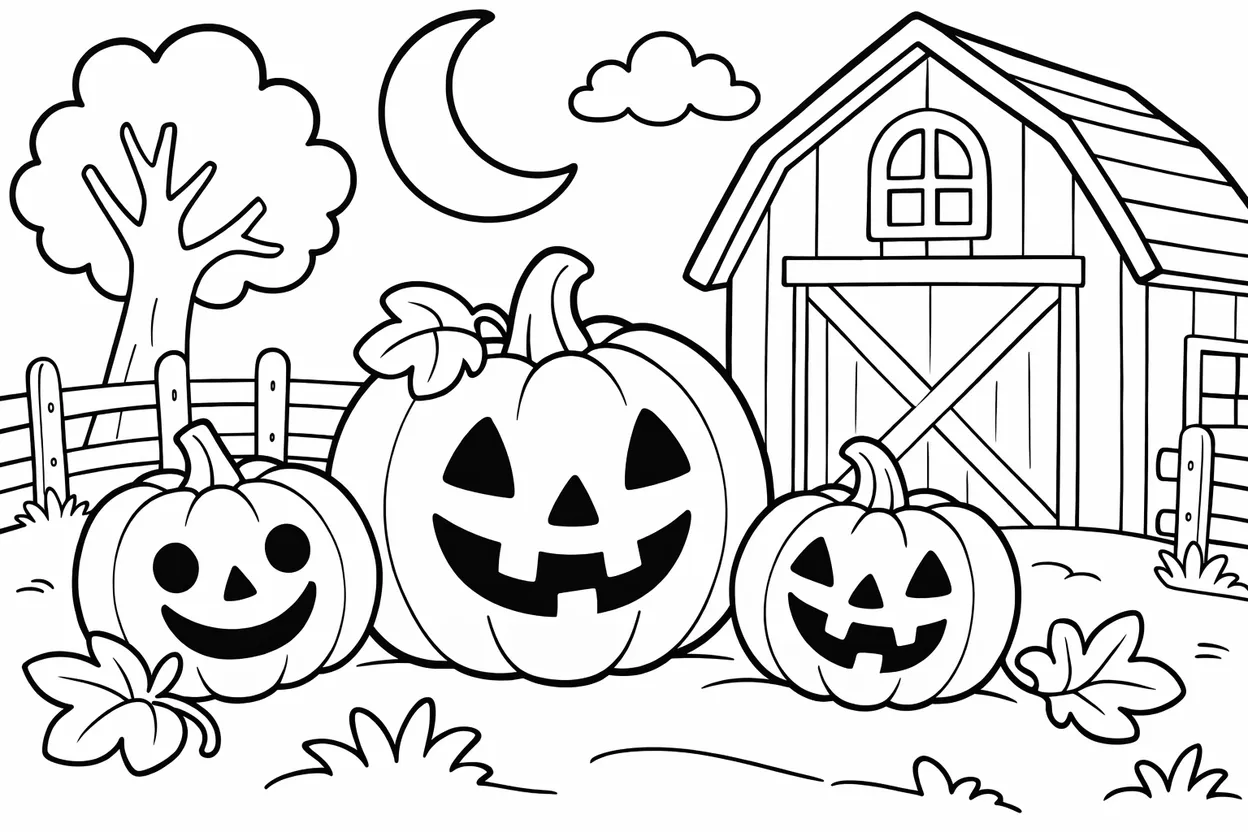
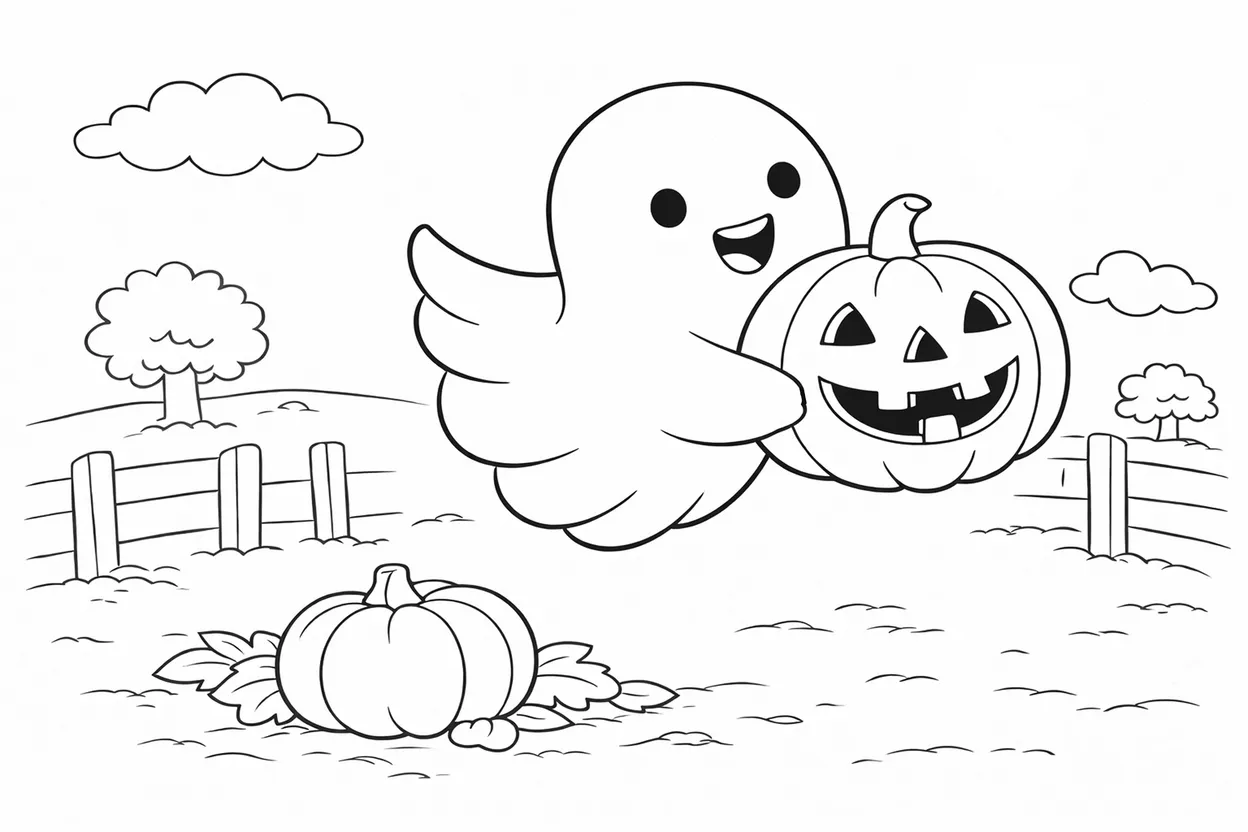
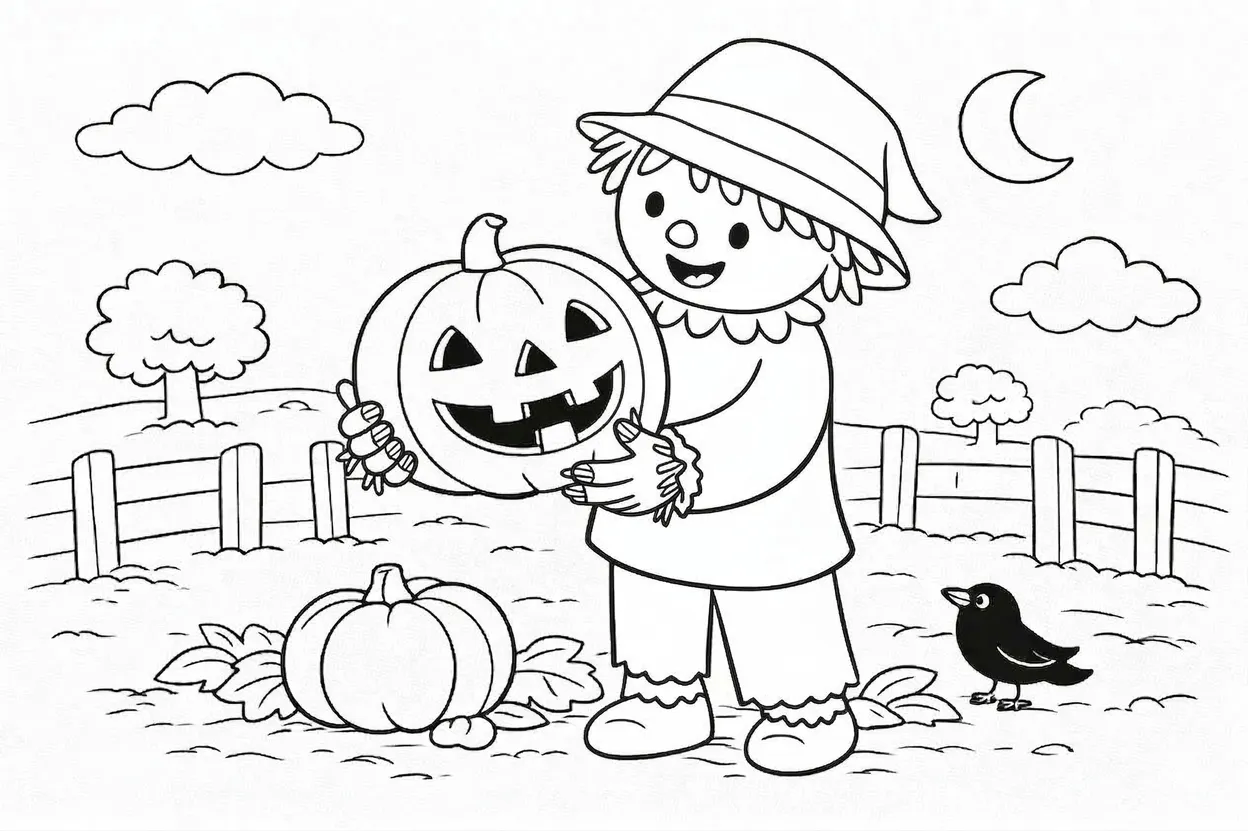
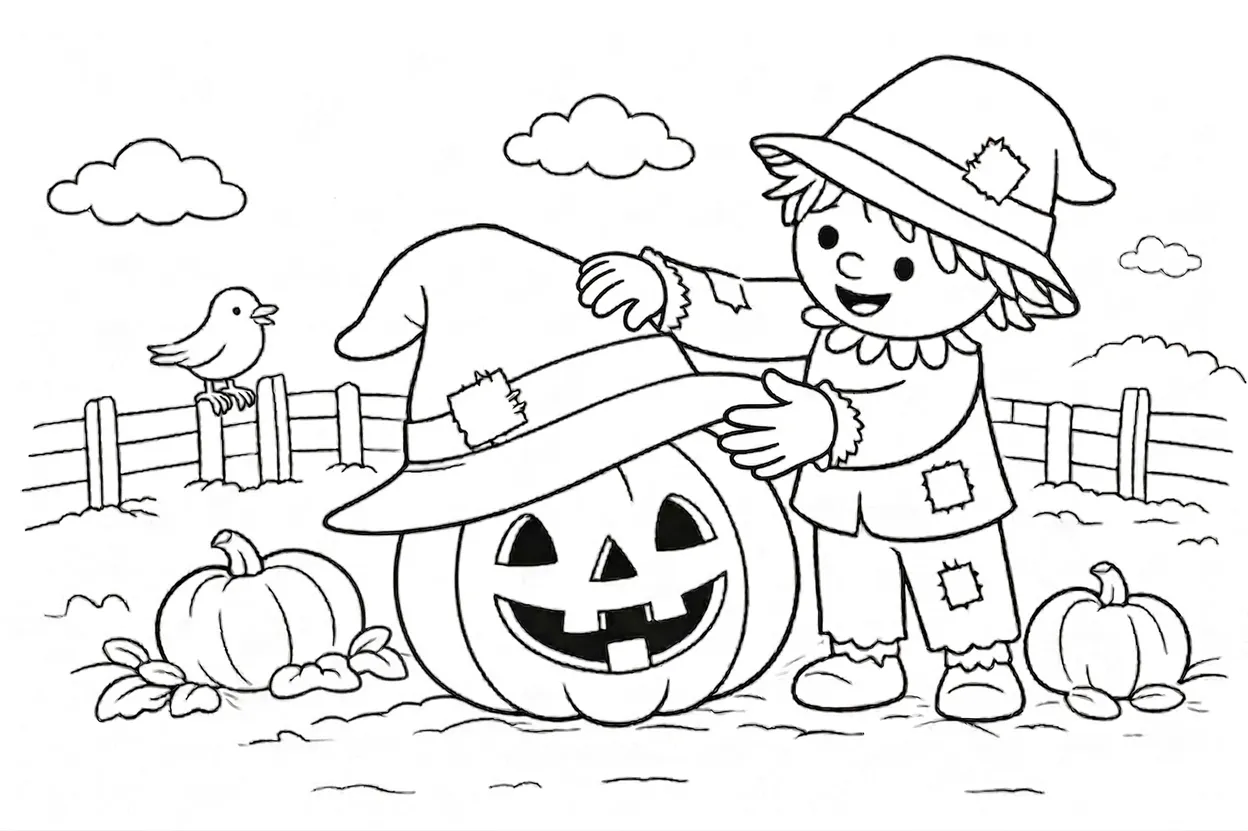
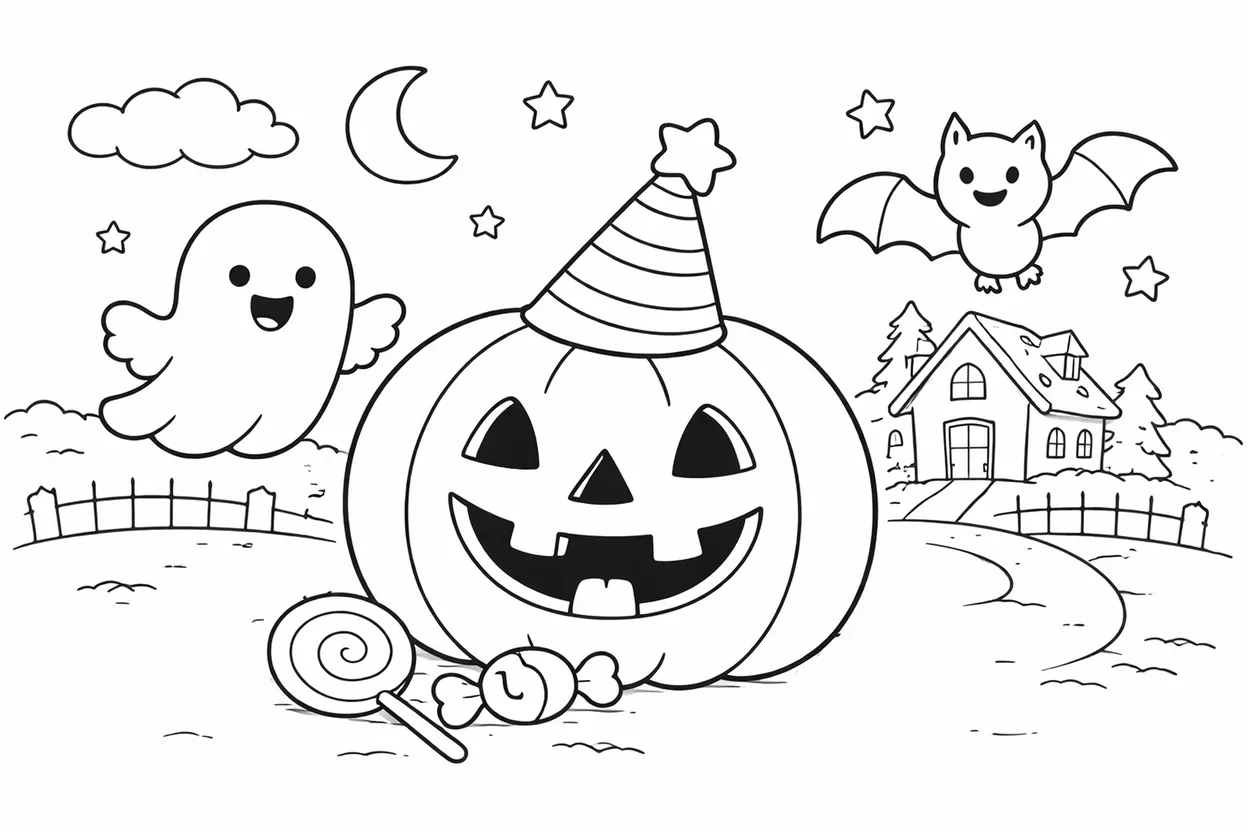
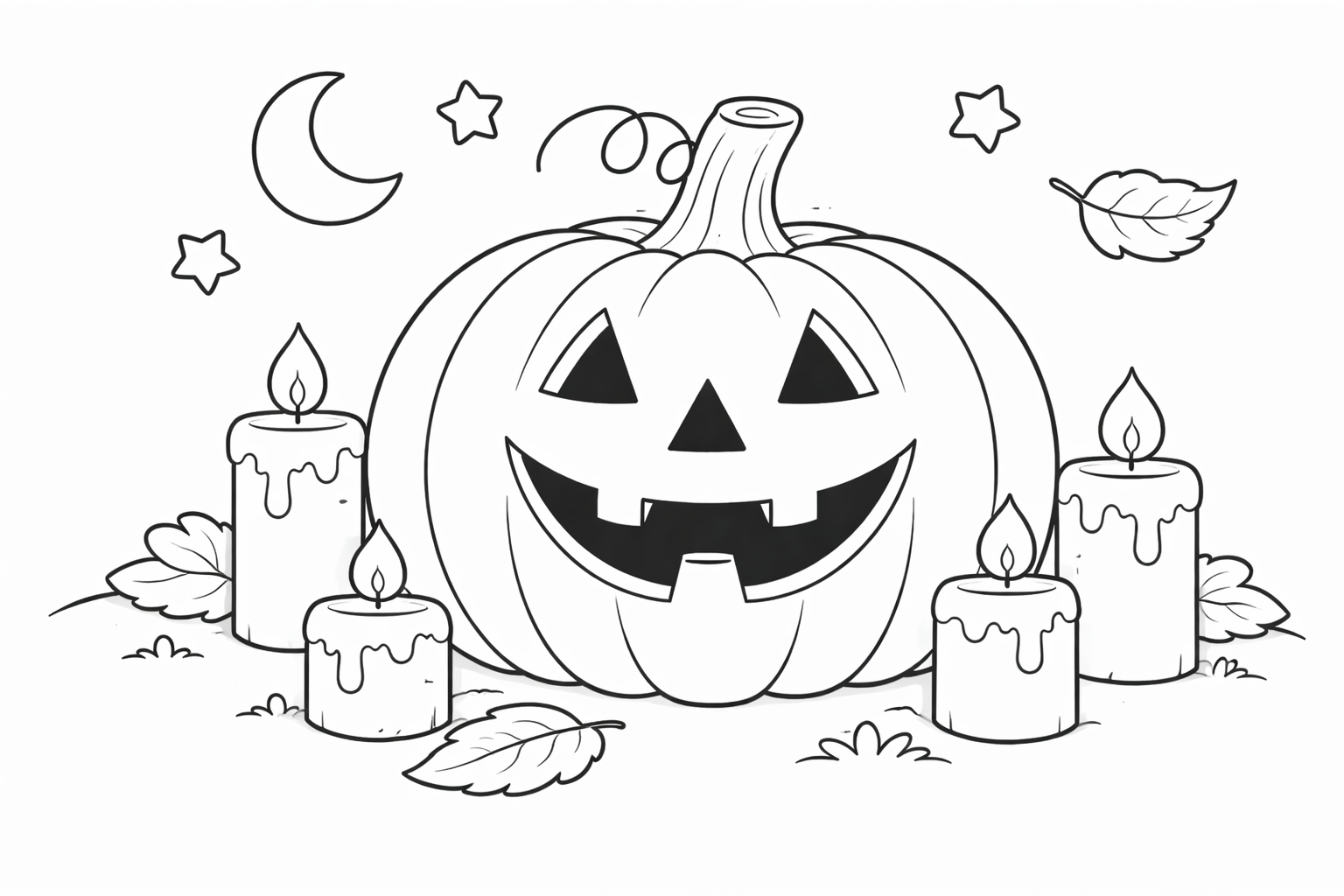
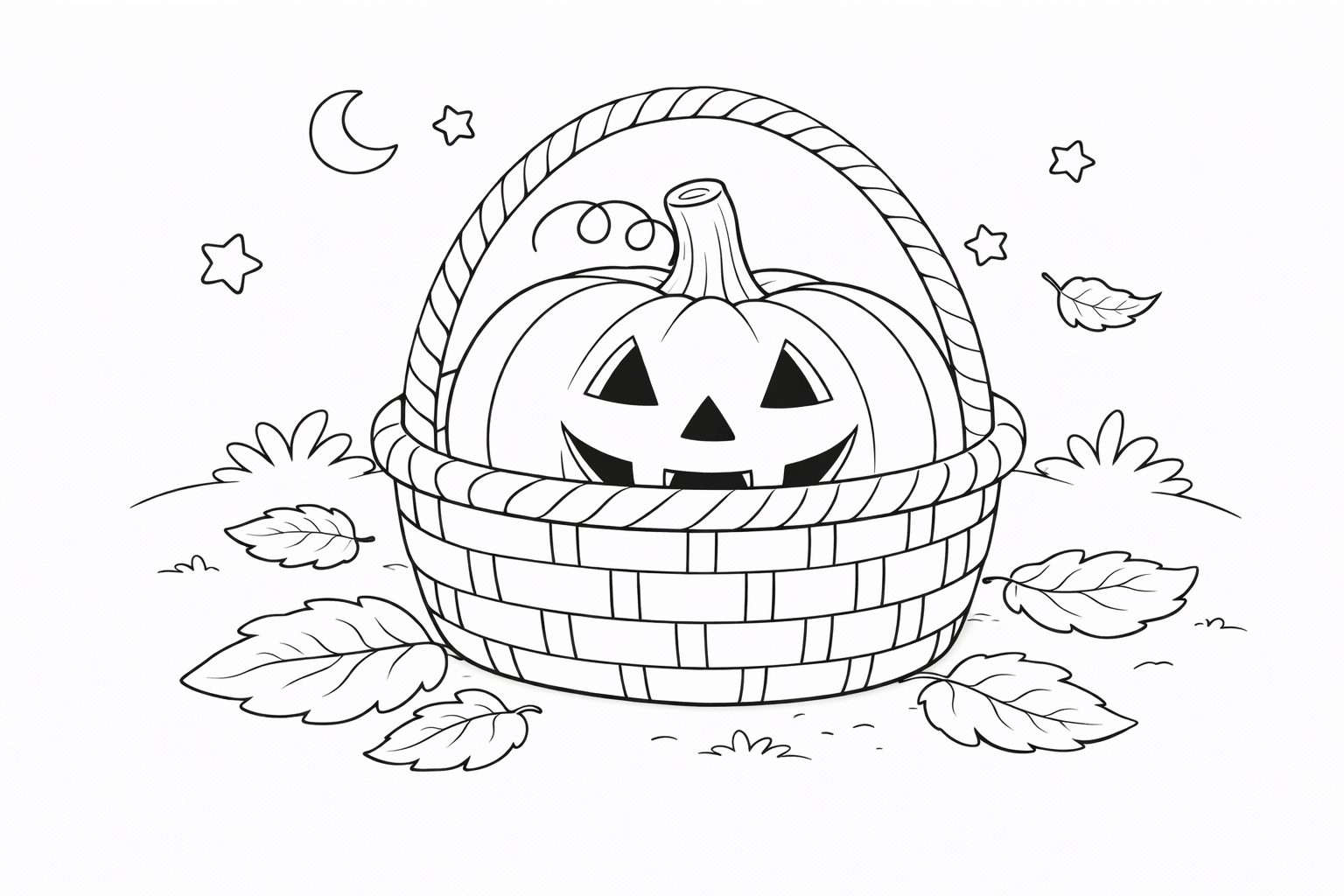
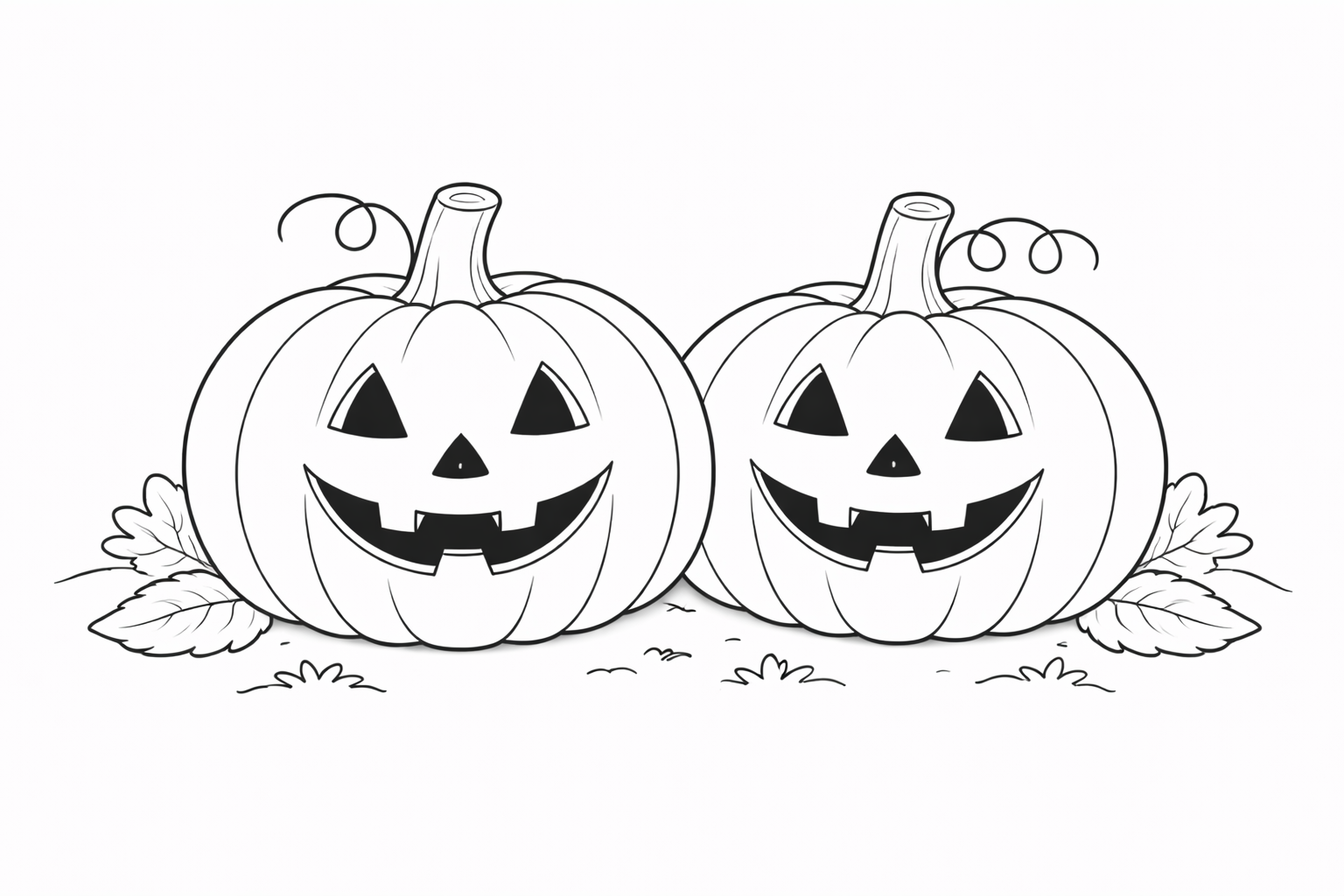
Jack-o’-lantern coloring pages – the soft glow of Halloween leisure
A pumpkin is a symbol of the whole autumn season, but a carved Jack-o’-lantern belongs purely to Halloween. And that’s wonderful – for development, for variety, for the feeling of celebration. But most importantly – for emotions. Yes, exactly for them, because every Jack-o’-lantern coloring sheet is not just a vegetable, but a character with its own mood. By coloring toothy or cute smiles, toddlers develop coordination and learn to read facial expressions. Each pumpkin becomes something unique, and each one can turn into a полноценный character through creativity.
Emotional intelligence through pumpkin creativity
The tradition of carving faces into pumpkins has a centuries-long history in English-speaking countries. For generations, frightening and funny grimaces carved into pumpkins have lit up long autumn nights, driven away bad things, and served as an essential attribute of the holiday. It’s impossible – and unnecessary – to imagine Halloween without them. And there is no need to carve dozens or hundreds of pumpkins, since it requires quite a lot of effort and dexterity, especially with a child.
Instead, you can engage imagination by drawing pumpkin inspiration from all available sources. And the most accessible of them is Jack-o’-lantern coloring pages. Coloring still allows you to create any pumpkin you like. It is also an ideal tool for working with emotions. In our collection, there are all kinds of characters – from good-natured веселые pumpkins to slightly frowning or surprised ones.
When a preschooler chooses colors for a specific emotion, they unconsciously analyze someone else’s mood. You can enhance this effect by simply asking: “What do you think – is this pumpkin laughing or angry?” Older children can even add tears or blush. And that’s great, because by thinking about emotions and inventing them for Jack, the child begins to analyze them within themselves.
What are the benefits of pumpkin coloring pages for a child?
Coloring rounded shapes and small details requires specific neurophysiological effort from a preschooler. Here is the practical benefit of regular work with Jack-o’-lantern coloring pages:
- Mastering rounded lines. A pumpkin has almost no sharp straight angles in its outer contour. The child learns to move the brush or pencil smoothly, which is useful for future writing skills.
- Learning warm shades. The theme requires active use of orange, yellow, and red. You can show your child how to mix them to achieve that perfect pumpkin оттенок.
- Focus on symmetry. Faces on Jack-o’-lanterns are most often symmetrical. By coloring the left and right eyes the same, the child trains spatial thinking and learns to mirror elements.
- Fine motor control. Coloring teeth or small triangular eyes without going outside the lines is a complex task that requires maximum concentration and proper grip development.
Jack-o’-lantern: in the app and on paper
Carving a pumpkin is a troublesome and even a bit messy activity. But creating your own designs and choosing different colors is easy in the Keiki app. Coloring on a device offers many advantages: flexibility, versatility, the ability to start anywhere, and to quickly clear the рисунок and begin again.
However, despite the convenience, sometimes holiday preparation needs something tangible and hands-on. This is where a Jack-o’-lantern coloring page printable becomes useful. You can let your child first test different color combinations and bold ideas on the screen, and then print the favorite image for working on paper. Cut-out paper pumpkins are the easiest way to decorate a room for autumn. They can be placed on windows, turned into a long garland, or attached to a door.
People often ask
Approximately from 2–2.5 years old, when a child begins to confidently recognize faces and emotions (eyes, mouth, nose). Before that, a pumpkin is perceived simply as an abstract circle to shade.
Choose smiling and friendly options. You can also add funny elements or use pleasant, favorite colors – for example, the pumpkin can be pink.
Of course not. If your toddler decides that today Halloween features a blue or red pumpkin – support it. After all, even real pumpkins are often painted for decoration.
It’s an ideal trainer for basic geometry. Describe the shapes during the process: “Look, the pumpkin’s eyes are triangles. The nose is a small square, and the pumpkin itself looks like a big circle or oval.”
Combining materials gives excellent results. The pumpkin itself (a large area) is easy and quick to shade with wax crayons, while small details – eyes, nose, and stems – are better done with markers. This makes the drawing more contrasting.