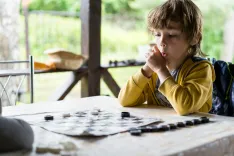
35 Activities for Preschoolers That Make Every Day a Learning Adventure

You don't need a crafts cupboard, a laminator, or a colour-coded weekly plan. You need a Tuesday afternoon and a willingness to get a little messy. Most parents feel a quiet pressure to be doing more with their preschooler – more structured, more educational, more intentional. But here's the thing: the best activities for preschoolers aren't hiding in an activity box on the internet. They're in your kitchen, your backyard, your recycling bin, and the pile of socks waiting to be sorted.

Key Takeaways
- Preschoolers learn best through play, not worksheets – and the research firmly backs this up
- The best activities for preschoolers span 5 key areas: creativity, literacy, numeracy, outdoor movement, and imaginative play
- Most easy preschool activities require zero prep and items you already have at home
- Short, repeated bursts of activity work better than long, forced sessions
- You don't need to "teach" – your job is to set the stage, play alongside them, and let curiosity do the rest
This guide gives you 35 fun preschool activities organised across five developmental areas – creativity, literacy, numeracy, outdoor play, and imagination. Each one is hands-on, low-prep, and genuinely useful for your child's growing brain. And every single one can be started today, with what you already have.
Why Activities Matter So Much at the Preschool Stage
The ages of 3 to 5 are a window of extraordinary brain development. The activities children engage in during these years don't just fill time – they literally shape the neural architecture that supports learning, self-regulation, and problem-solving for the rest of their lives. What looks like play to an adult is, for a preschooler, the most serious work they will ever do.
What the Research Says About Play-Based Learning
Research is consistent and clear: play is not a break from learning – it enhances brain structure, builds executive function, and develops the capacity to pursue goals and manage distractions. Studies from 2024 and 2025 show that guided play-based strategies are associated with measurable gains in children's reasoning, language use, emotional intelligence, and cooperative behaviour – outcomes that passive, screen-based learning consistently fails to match.
One more thing worth knowing: repetition is not a sign that your child is bored. Young children genuinely enjoy and learn more from doing the same activity multiple times – the fifth time they make playdough shapes is just as valuable, neurologically, as the first.
What Kinds of Activities Should Preschoolers Do Every Day?
A good day for a preschooler doesn't need a schedule – it needs variety. Aim for a loose mix that touches on physical movement (ideally outside), something creative, some language-rich play, and plenty of unstructured time where your child leads. Short, focused activities of 10–15 minutes are far more effective than a long session that outlasts your child's interest. Physical movement, ideally outdoors, is one of the most important parts of any preschooler's day – not only for physical development, but because it stimulates the kind of complex problem-solving that helps young brains grow and adapt.
Help your child
grow with Keiki
We’ll help you turn everyday screen time
into real learning progress.
Creative and Sensory Activities for Preschoolers
Creativity and sensory play are not extras – they are foundational. These easy preschool activities develop fine motor skills, emotional expression, concentration, and a child's ability to explore and make sense of the world through all five senses. Best of all, most of them require nothing more than what's already in your kitchen or recycling bin.
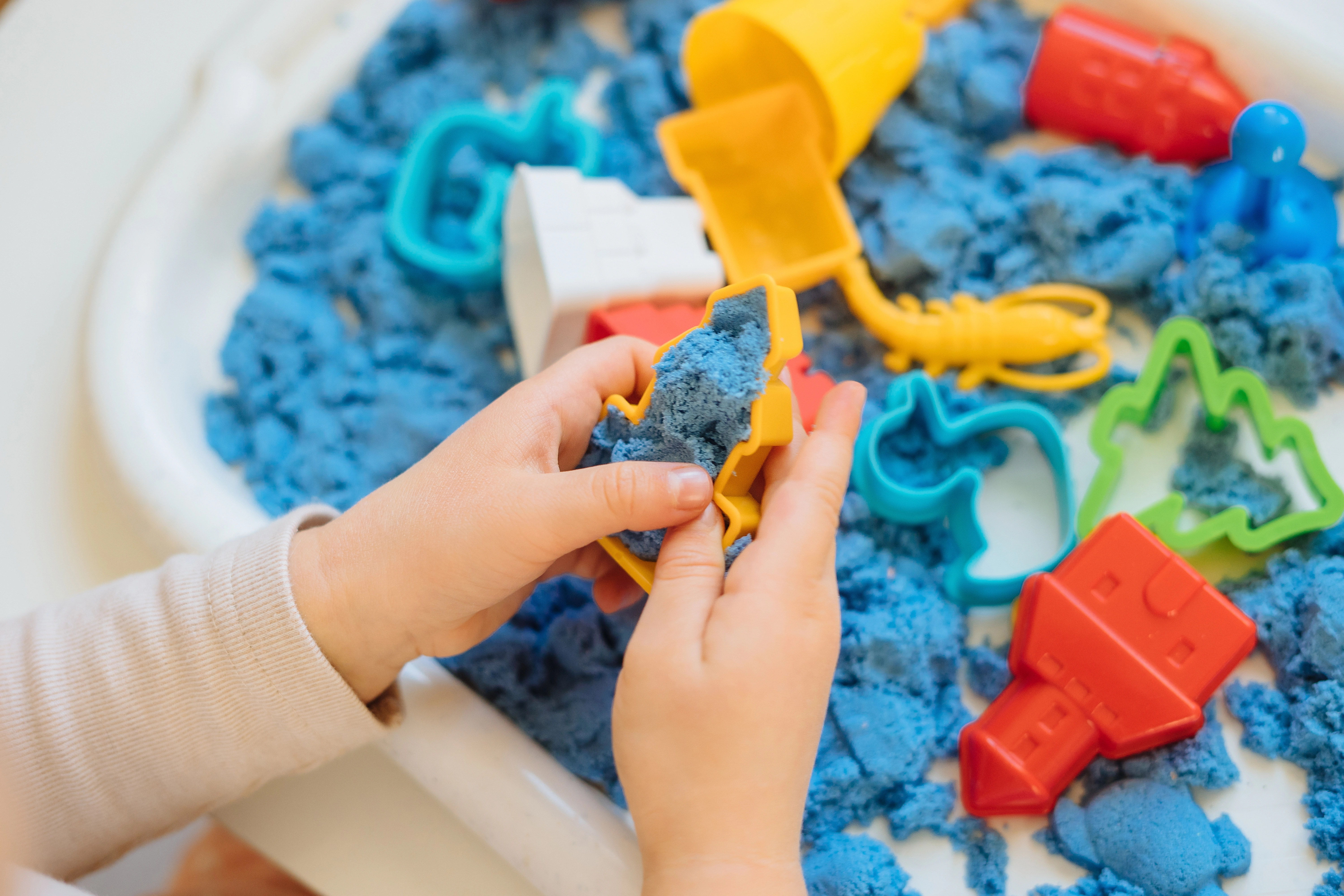
1. Playdough Sculpting and Shape-Making
Roll, squeeze, flatten, and poke. Playdough is one of the most versatile tools in the preschool toolkit – it builds hand strength and fine motor control, introduces basic shapes, and keeps little ones focused for surprisingly long stretches. Ask your child to make letters, animals, or their favourite food. Scented homemade playdough adds an extra sensory layer that keeps the experience fresh.
2. Collage-Making with Household Scraps
Set out a tray of paper scraps, fabric offcuts, buttons, and old magazines. Give your child a theme ("things that make you happy") and let them cut, tear, and paste freely. Collage-making builds vocabulary, conversational turn-taking, and fine motor coordination simultaneously – and when your child explains what they made, you're getting bonus language development for free.
3. Sensory Bins
Fill a container with dry rice, pasta, or sand and bury small objects, letters, or numbers inside. Give your child a set of tools – spoons, tongs, sieves – and let them explore freely or hunt for hidden items. Sensory bins support fine motor skills, focus, and self-regulation, and they buy you a genuine 20 minutes of calm.
4. Finger Painting and Free Drawing
Blank paper, washable paints, and nothing else. Free drawing and painting develops fine motor skills, stimulates creativity, and is a natural conversation starter – children love to explain what they've made. Resist the urge to direct the outcome. A child with a crayon and a blank page is already doing more for their development than a colouring book ever could.
5. DIY Slime or Cloud Dough
Mix cornstarch and water for instant cloud dough, or use a simple slime recipe with safe ingredients. The sensory experience of manipulating something that behaves unexpectedly – stretchy, crumbly, oozy – is genuinely fascinating for preschoolers and encourages hypothesis-testing and cause-and-effect thinking without any adult prompting.
6. Ice Cube Melt Experiment
Freeze small toys or coloured objects inside ice cubes. Give your child warm water, salt, and droppers and let them "rescue" the hidden objects. This activity is brilliant for observation, patience, and fine motor control – and the slow reveal keeps children engaged far longer than you'd expect.
7. Handprint and Footprint Art
Dip hands or feet in washable paint and stamp them onto paper. Talk about what the prints look like, count the fingers, compare sizes, or turn the prints into animals by adding drawn details. It's messy, it's joyful, and it quietly builds body awareness, counting, and early spatial understanding all at once.
Literacy and Language Activities for Preschoolers
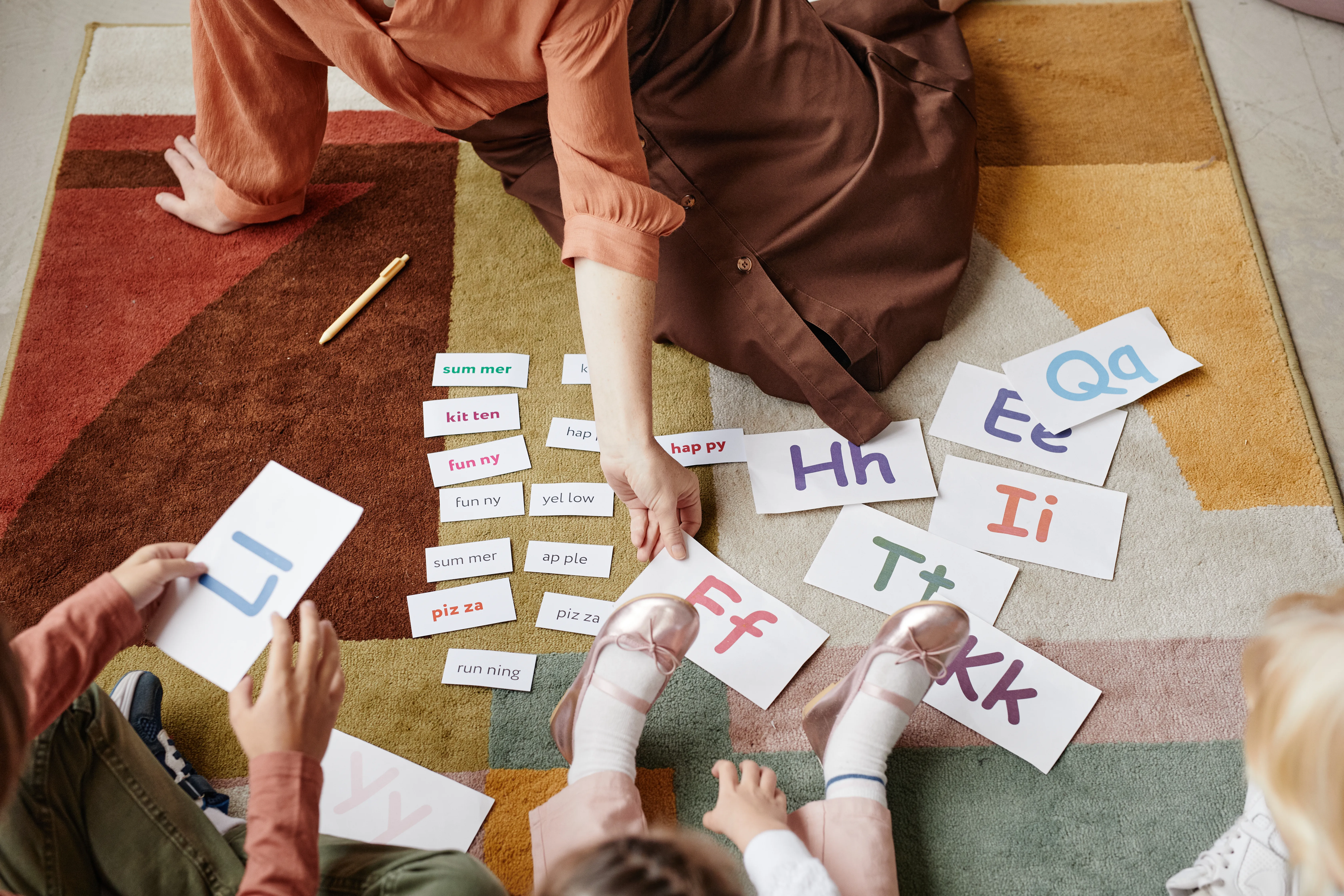
Language development during the preschool years is explosive – and the right preschool activities give it the fuel it needs. These activities build vocabulary, phonics awareness, listening skills, and early reading confidence without ever feeling like a lesson. The key is to keep it playful, responsive, and led by your child's curiosity.
8. Interactive Storytime
Choose a picture book with repeated phrases or rhyming words. As you read, pause before the familiar lines and let your child fill them in. Use props, voices, and actions to bring characters alive. This method strengthens listening skills, narrative understanding, and memory in a format that children ask to repeat night after night.
9. Alphabet Scavenger Hunt
Write letters on sticky notes and place them around the house. Call out a letter and have your child race to find it. Or flip it: ask them to find objects that start with a specific sound and bring them back to you. You can extend this into interactive alphabet games for 3-year-olds for more letter-to-sound practice at their own pace.
10. I Spy the Sound
Play the classic game with a phonics twist: "I spy with my little eye, something that starts with the ssss sound." This builds phonemic awareness – the ability to hear and identify individual sounds in words – which is one of the strongest predictors of early reading success.
11. Name Games and Letter Tracing
Write your child's name in large letters and ask them to trace over it with a finger, a crayon, or even a wet paintbrush on dark paper. Then play with it: spell it with fridge magnets, stamp it with blocks, or build it with playdough. Children are naturally motivated to learn the letters in their own name first.
12. Rhyming Games and Silly Songs
Rhyming is a key early literacy skill – it trains children to hear the patterns within words, which directly supports reading development. Play simple rhyming games ("I'm thinking of a word that rhymes with cat…"), make up silly rhyming sentences together, or revisit classic nursery rhymes with deliberate pauses for your child to complete.
13. Make Your Own Picture Book
Staple together a few sheets of folded paper to make a blank book. Let your child draw the pictures while you write down what they dictate. This activity builds vocabulary, narrative sequencing, and a deep sense of authorship – and the finished book becomes a reading activity in itself. Encourage them to "read" it back to you or to a soft toy.
14. Reading Games for Preschoolers
After offline literacy activities, reading games are a natural next step – short, interactive sessions that reinforce letter sounds, simple words, and listening skills in a playful digital format.
Educational Activities for Preschoolers – Numeracy and Thinking Skills
Formal maths is years away, but the foundations are being built right now through play. These educational activities for preschoolers develop number sense, logical reasoning, and early problem-solving in ways that feel nothing like school. You can extend the numeracy habit with math games that build on the same hands-on concepts your child is already exploring at home.
15. Number Safari
Write numbers on sticky notes and hide them around the house. Call out a number and have your child find it. Or take the hunt outside: spot numbers on signs, letterboxes, or car plates as you walk. This activity builds number recognition through active, physical engagement rather than passive looking.
16. Sink or Float Experiment
Fill a tub with water and gather a mix of household objects – a coin, a cork, a sponge, a stone, a wooden spoon. Ask your child to predict whether each one will sink or float before testing it. This simple science activity builds hypothesis-testing, observation, and early understanding of physical properties in one splashy go.
17. Play Shop with Toy Money
Set up a pretend shop with labelled prices and play money (or coins). Take turns being the shopper and the shopkeeper. This activity builds number recognition, counting, and the concept of exchange – and it's endlessly replayable with different items as the "stock."
18. Puzzle Time
Puzzles are one of the most consistently educational activities a preschooler can do. Jigsaw and shape puzzles develop fine motor skills, visual perception, spatial awareness, and problem-solving – and they build the kind of quiet persistence that serves children well across every subject. Try puzzle games to extend the challenge in a digital format.
19. Heads or Tails Probability Game
Flip a coin and ask your child to guess heads or tails before each toss. Keep a simple tally together – draw a head or a tail mark each time. This introduces the idea of chance and probability in a completely accessible, exciting format. Preschoolers find the unpredictability of a coin toss genuinely thrilling.
20. Counting Ingredients in the Kitchen
Bring your child into the kitchen and give them a counting job: "Can you put exactly 3 spoonfuls of oats in the bowl?" or "Count out 8 blueberries for your cereal." Cooking together integrates counting, measurement, sequencing, and following instructions – and it produces something edible at the end, which is always a win.
21. Block Building Challenges
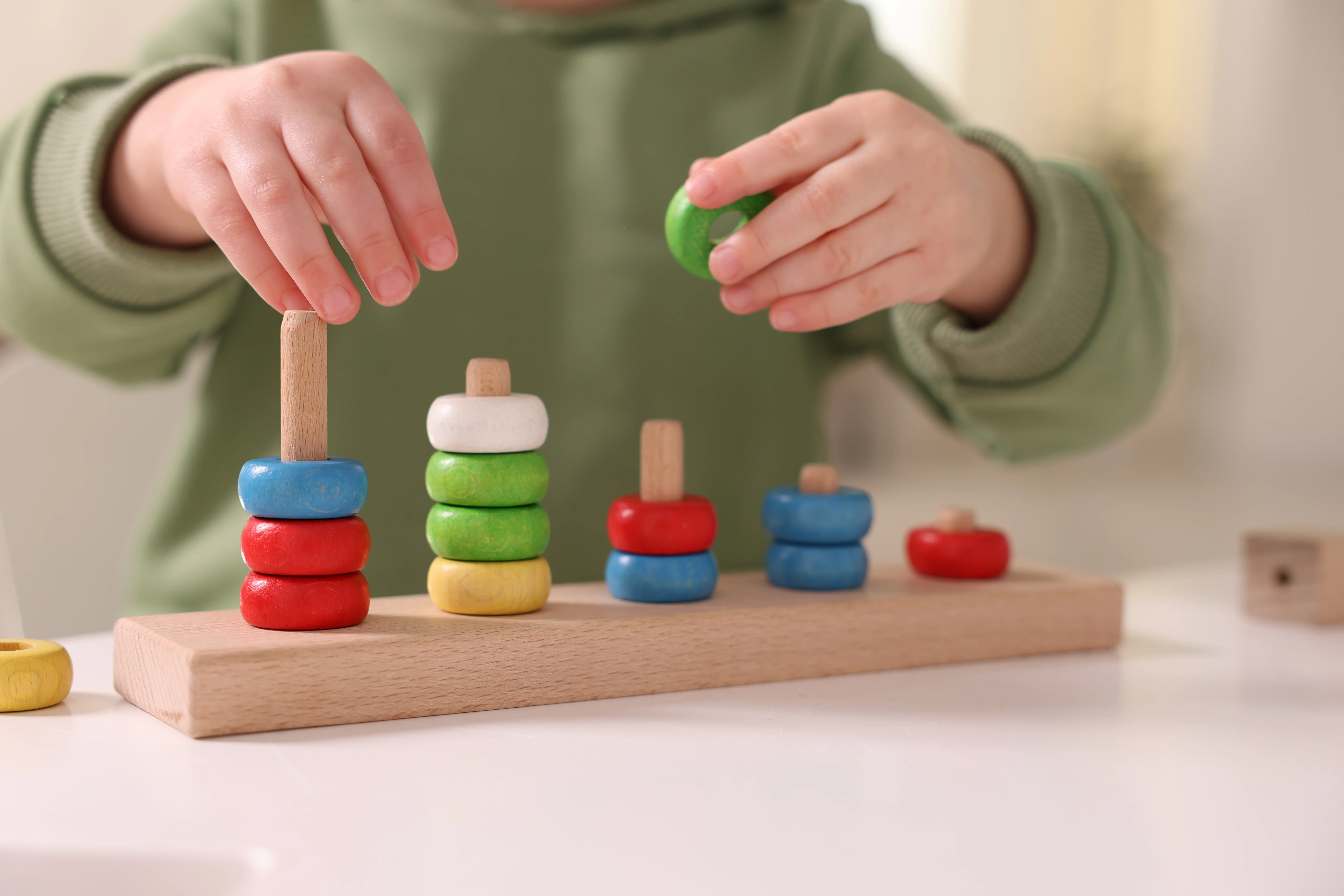
Give your child a challenge: "Can you build a tower taller than the bottle?" or "Can you make a bridge wide enough for this toy car?" Construction and block play demand the highest level of thinking, planning, and problem-solving of almost any preschool activity – and watching a child figure out why their bridge keeps collapsing is watching genuine engineering in action.
Outdoor and Physical Activities for Preschoolers
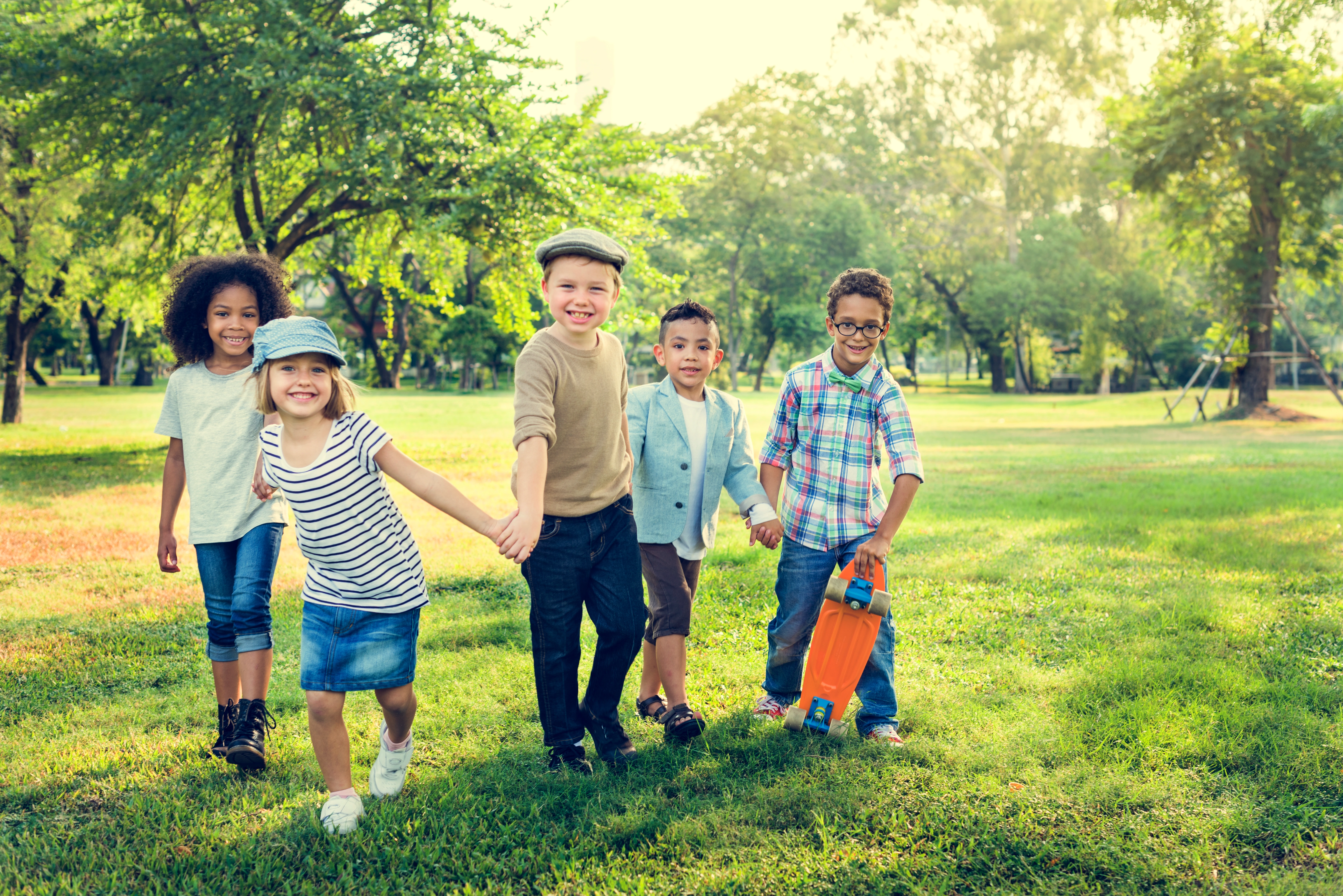
Physical movement is not a break from learning – it is learning. Getting outside and moving develops gross motor skills, coordination, spatial awareness, and the kind of self-regulation that makes sitting still in a classroom actually possible. These outdoor preschool activities are energetic, adaptable, and just as developmentally important as anything done at a table.
22. Sensory Nature Walk and Nature Sort
Head outside with a small bag and collect whatever catches your child's eye: leaves, pebbles, sticks, seed pods, feathers. Back home, sort the collection by colour, texture, size, or type. This combines observation, classification, and sensory exploration in a single activity – and the collection itself becomes a keepsake.
23. Obstacle Course with Household Items
Set up a simple course in the backyard or living room using cushions, hula hoops, tape lines, and chairs to crawl under. Add challenges: jump over the pillow, balance along the tape, crawl through the tunnel. Obstacle courses build coordination, body awareness, sequential memory, and the confidence that comes from mastering a physical challenge.
24. Chalk Hopscotch Number Line
Draw a hopscotch grid with chalk and write numbers in each square. As your child hops, they call out each number. Extend it by calling out a number and asking them to hop to it, or by drawing simple sums ("2 + 1 = ?") in the squares. It's active, it's outdoors, and it builds number sequence understanding through the whole body.
25. Freeze Dance and Musical Movement
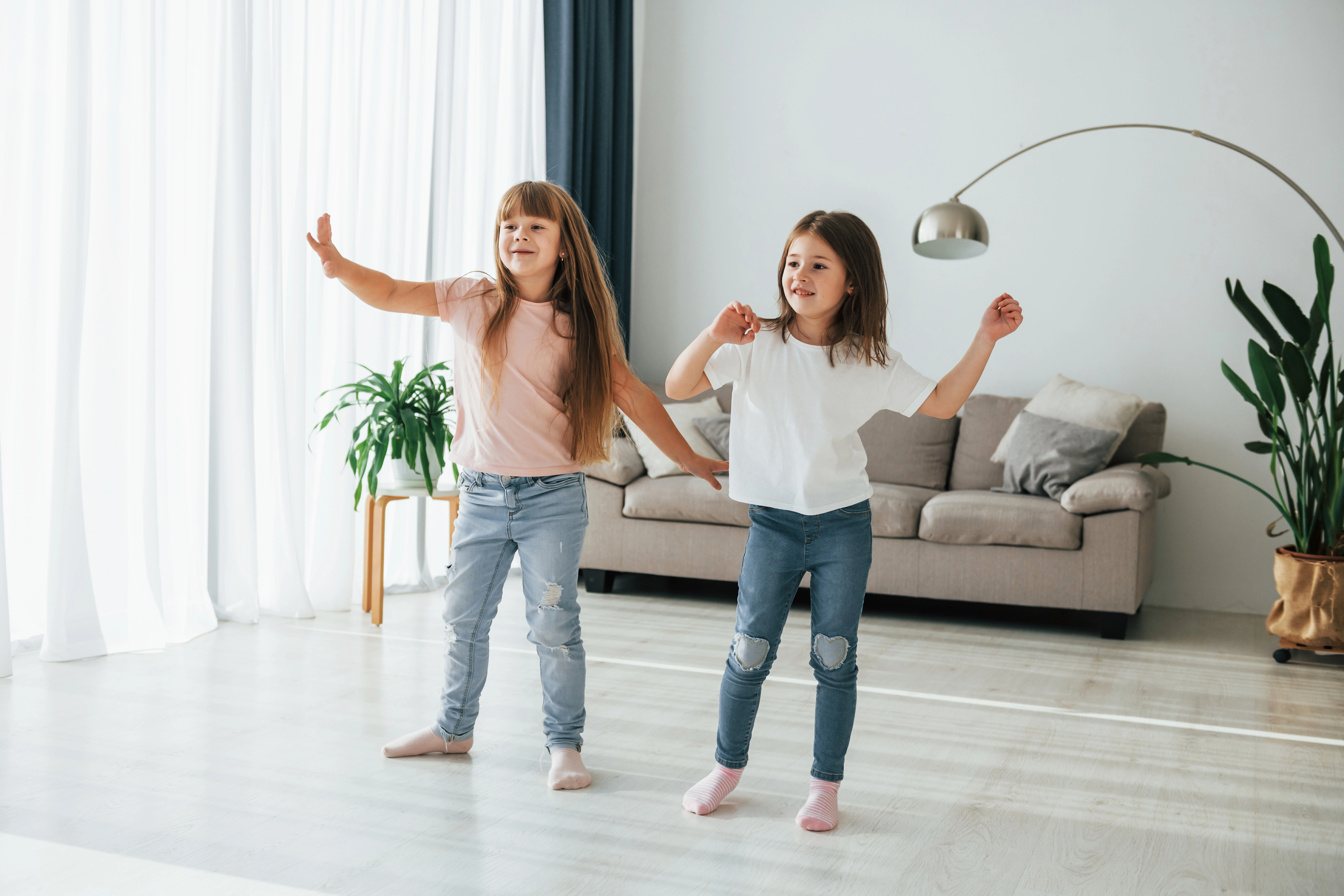
Play music and invite your child to move freely – then pause the music suddenly and everyone freezes. Vary the rules: freeze like a statue, freeze like an animal, freeze in a shape you call out. Freeze dance develops listening skills, body control, rhythm, and the executive function skill of inhibitory control – stopping yourself when the signal comes.
 26. Ball Games and Gross Motor Play
Rolling, throwing, kicking, and catching a ball develops hand-eye coordination, spatial awareness, and gross motor confidence. Count how many times you can pass without dropping it. Introduce simple targets. Even an informal kick-around in the garden is doing more for your preschooler's development than it might look like from the sidelines.
27. Scavenger Hunt (Indoor or Outdoor)
Write or draw a list of items to find – a round thing, something red, something rough, something smaller than your hand. Send your child hunting indoors or outside. Scavenger hunts build observation skills, vocabulary, memory, and problem-solving, and they work equally well on a rainy afternoon as on a sunny one.
28. Bubble Play and Chasing
Blow bubbles and invite your child to pop them, count them, chase them, or try to catch them without popping them. Bubble play develops gross motor skills, eye-hand coordination, and breath control – and the pure delight on a child's face when they catch a bubble is reason enough on its own.
Help your child thrive with playful learning
Turn screen time into real growth with Keiki's educational games.
Try KeikiImaginative and Social Activities for Preschoolers
Pretend play is one of the most powerful educational activities for preschoolers – it allows children to explore social roles, practise language, and learn about the adult world in a completely safe environment. These activities build empathy, communication, emotional intelligence, and the social skills that underpin every relationship your child will ever have.
29. Dramatic Grocery Store or Play Shop
Set up a pretend shop or café with real or toy items, labels, and a pretend till. Take turns as shopkeeper and customer. This activity incorporates counting and number recognition, vocabulary and language, social turn-taking, and role-play – four developmental goals in a game that preschoolers will ask to play again and again.
30. Puppet Making and Puppet Show
Make simple puppets from old socks or paper bags. Let your child decorate their puppet, name it, and give it a voice. Then perform a short show together. Puppet play builds narrative skills, vocabulary, emotional expression, and the confidence to speak in front of others – all in a format where shyness disappears because it's the puppet talking, not them.
31. Dressing-Up and Role Play
A box of old clothes, scarves, hats, and accessories is one of the most open-ended educational resources you can offer a preschooler. Role play builds empathy (by inhabiting other perspectives), vocabulary (by narrating what they're doing), and self-regulation (by following the rules of the imaginary world they've created). No script needed.
 32. Emotion Wheel Craft
Make a simple emotions wheel from a paper plate divided into sections: happy, sad, angry, excited, scared, surprised. Colour or draw a face in each section. Use it daily as a feelings check-in – ask your child to point to how they're feeling right now and talk about why. This builds emotional literacy, which underpins social success at every stage of development.
33. Cooperative Building with Boxes
Save a collection of cardboard boxes and challenge your child to build something together: a house, a spaceship, a shop. Cooperative building teaches negotiation, planning, and the kind of flexible thinking that comes from working toward a shared goal. The finished structure – however wonky – becomes a venue for days of imaginative play.
34. Matching and Memory Games
Set up a simple matching game with pairs of cards, objects, or pictures. Lay them face down and take turns flipping two at a time to find a match. Matching games build concentration, visual memory, and classification skills – and the turn-taking structure naturally introduces one of the most important social skills of the preschool years: waiting patiently while someone else has a go.
35. Storytelling with Props
Gather a handful of random objects – a spoon, a toy animal, a scarf, a small box – and invite your child to make up a story using all of them. Take turns adding to the story or let them narrate while you play the characters. Storytelling with props builds narrative sequencing, creative thinking, vocabulary, and the imaginative confidence that feeds into both literacy and social play for years to come.
Related Games in Keiki App

Making Activities for Preschoolers Part of Your Day
Thirty-five activities sounds like a lot. In practice, you only need a handful in your regular rotation – the rest are here for the days when you need something fresh or your child is ready for a new challenge.
The most important thing these fun preschool activities share is that none of them require your child to sit still, stay quiet, or get things right. They happen in motion, in mess, in laughter, and in the kind of focused absorption that only happens when a child is genuinely enjoying what they're doing. That's not a nice-to-have. That's exactly how preschool-aged brains learn best.
Pick two or three activities from different categories this week. Rotate as interest shifts. And on the days when none of it comes together, remember: a child playing freely with a cardboard box is already doing something educational. If you'd like to extend learning between play sessions, Keiki's library of reading games for preschoolers keeps early literacy skills growing in short, playful bursts that fit around your day.