

About this collection
Free ant coloring pages for kids to print and color
An ant coloring sheet looks small and simple, but there's a lot packed into that shape: legs to count, antennae to add, a whole underground world to imagine underneath it.
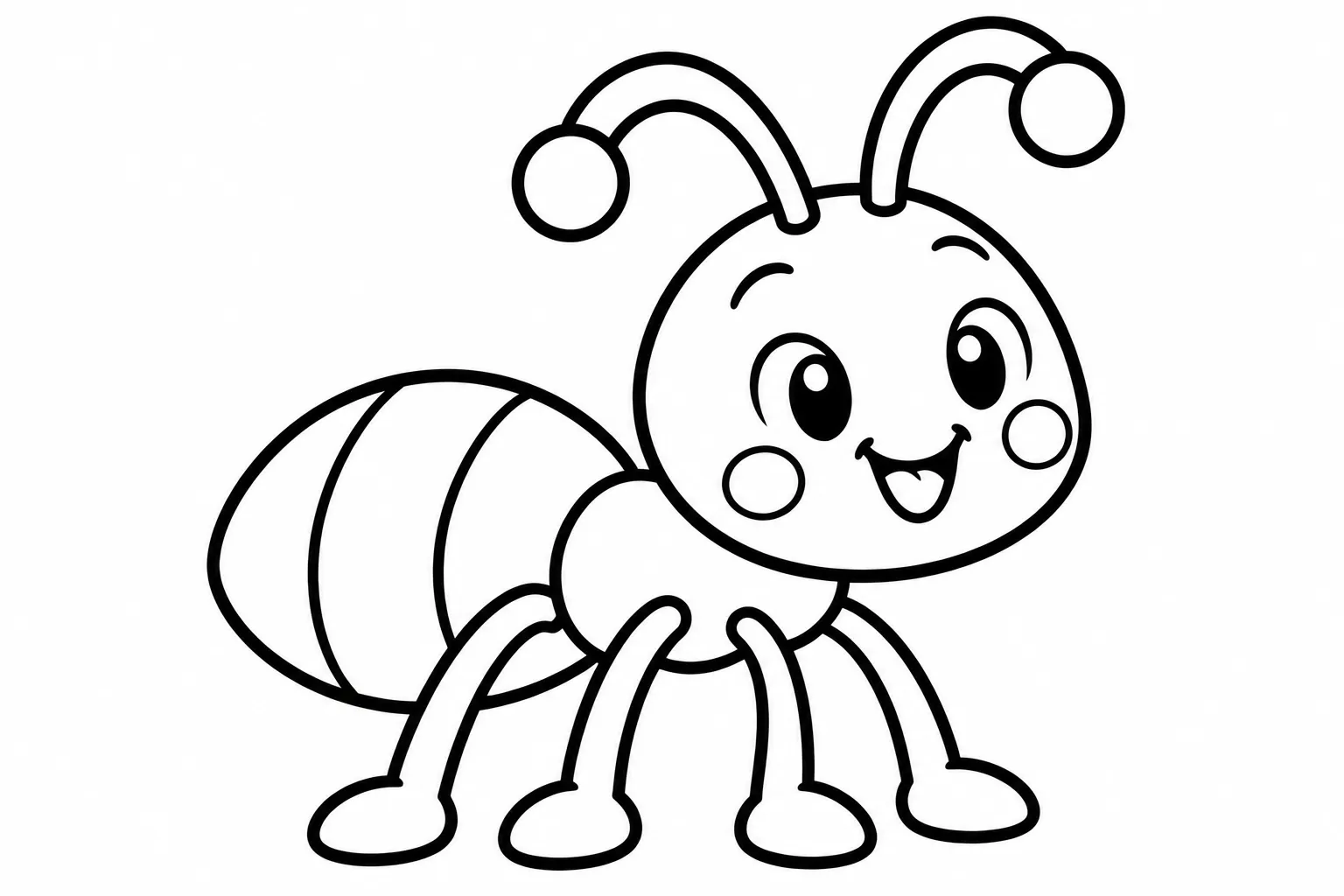

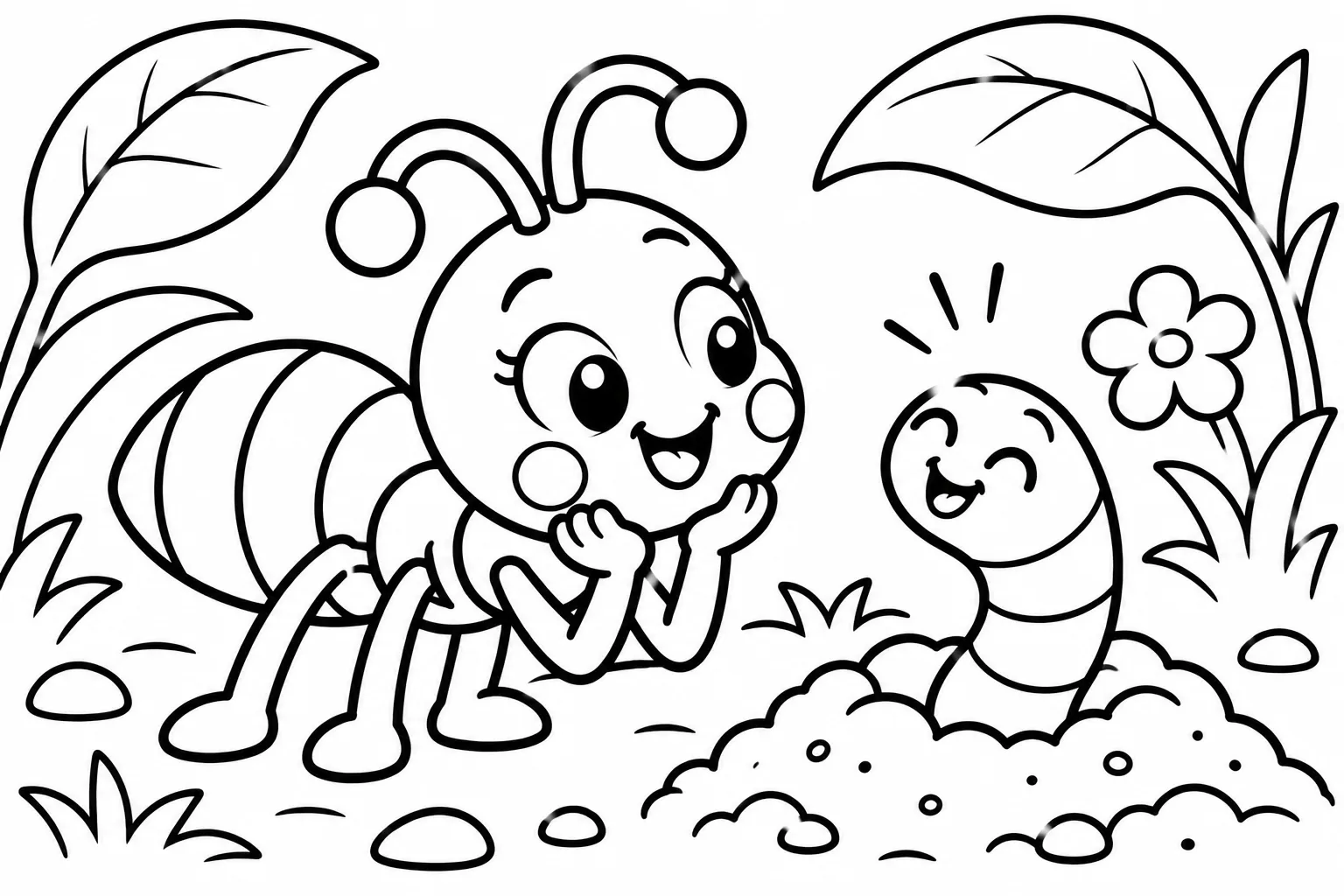
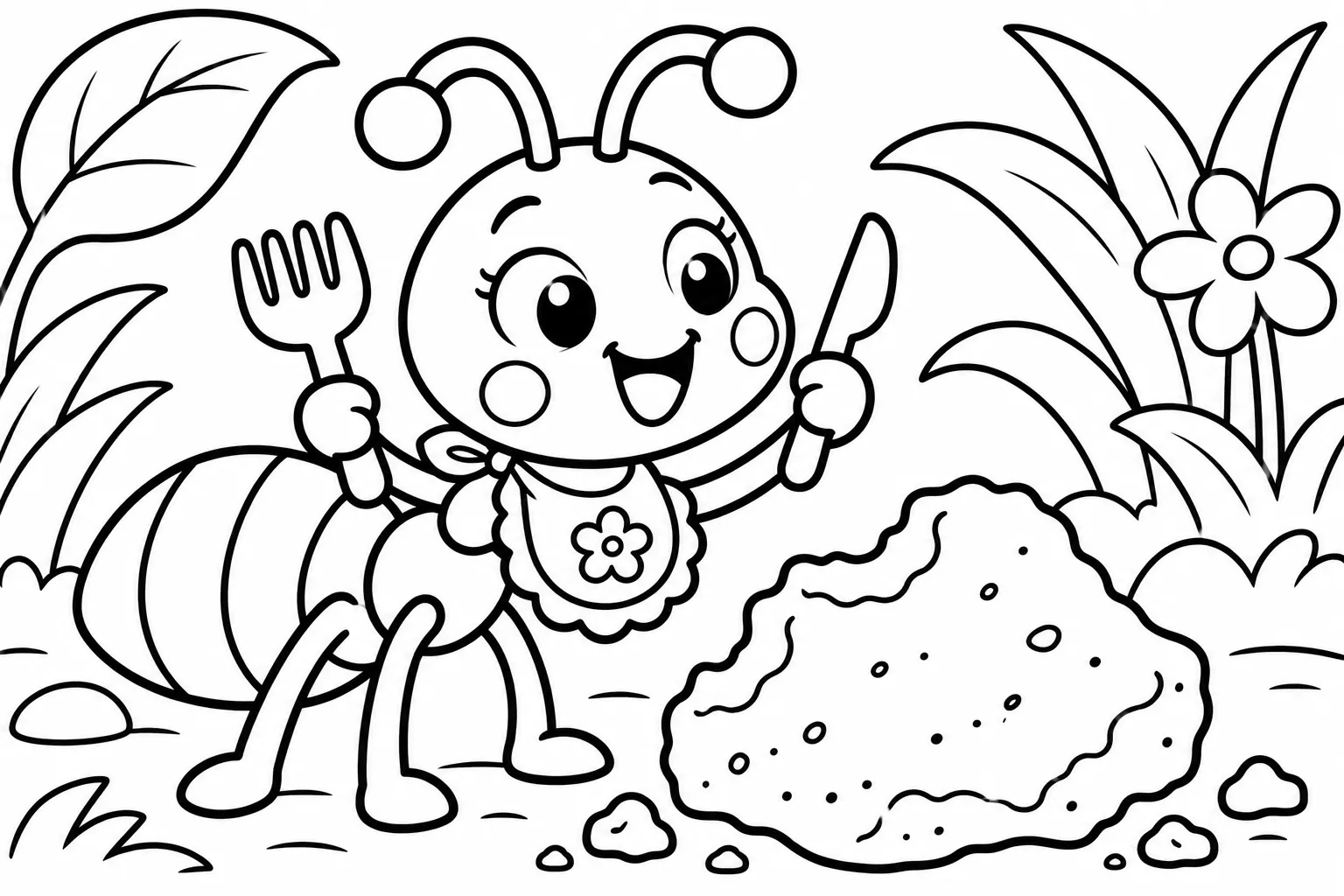
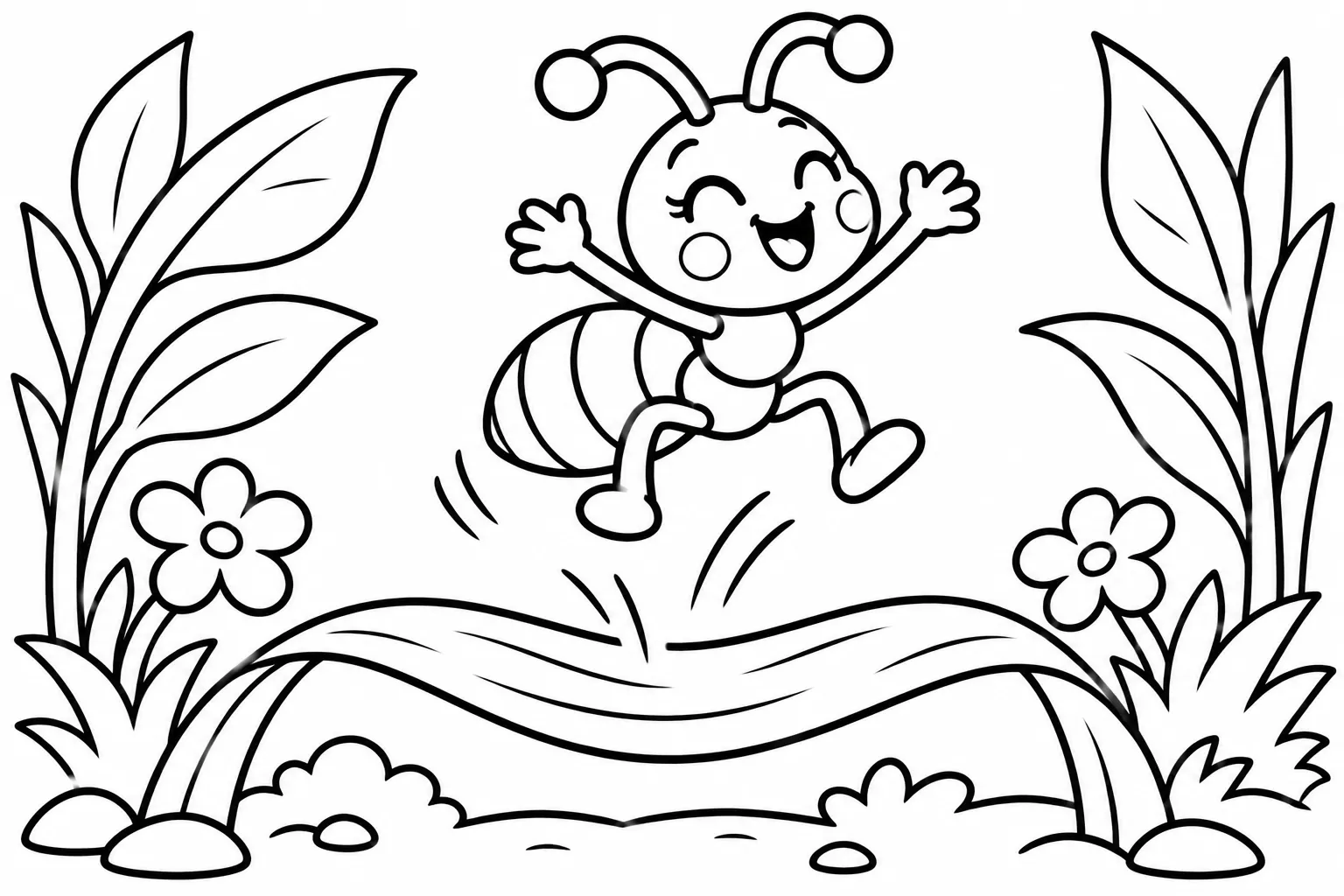
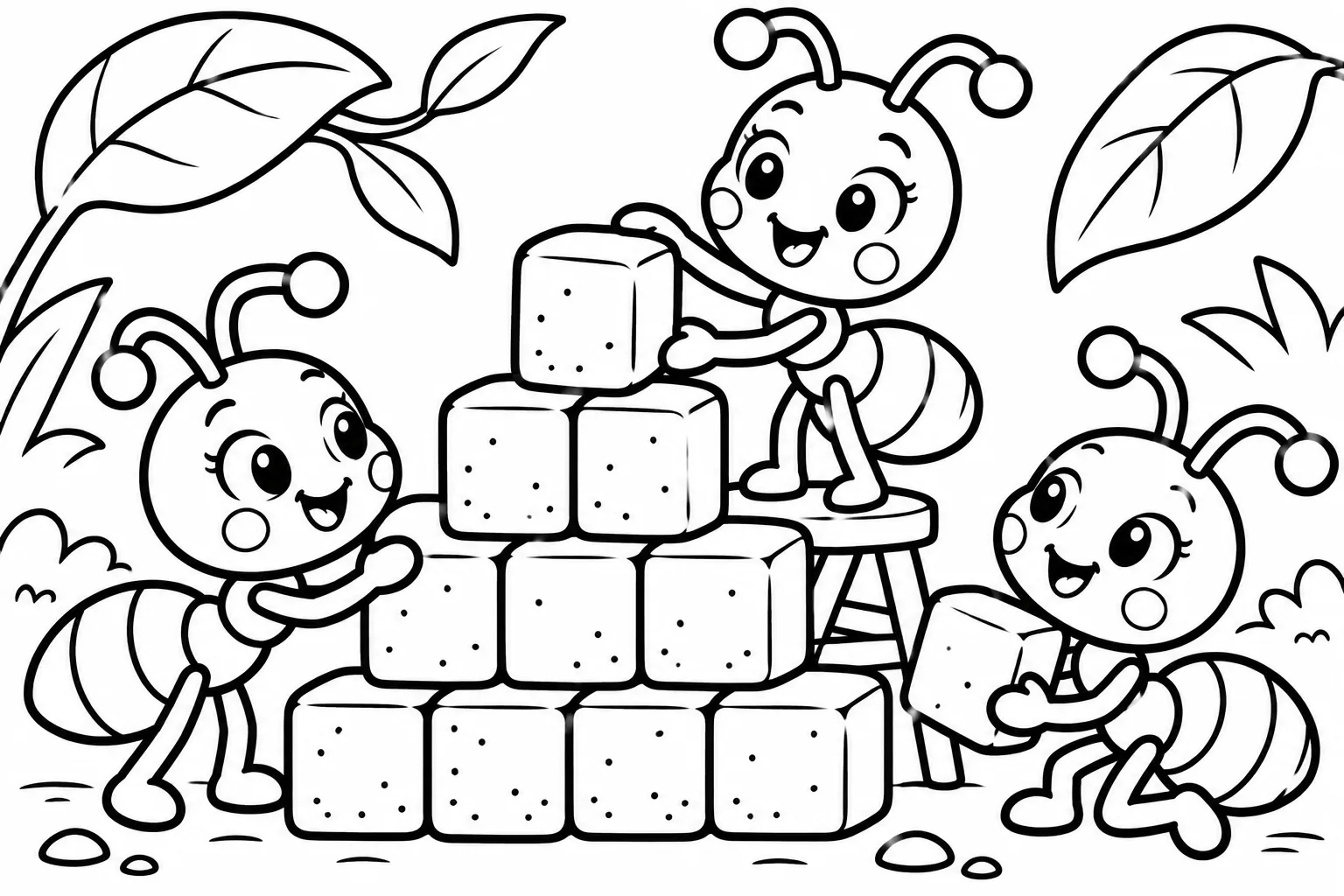
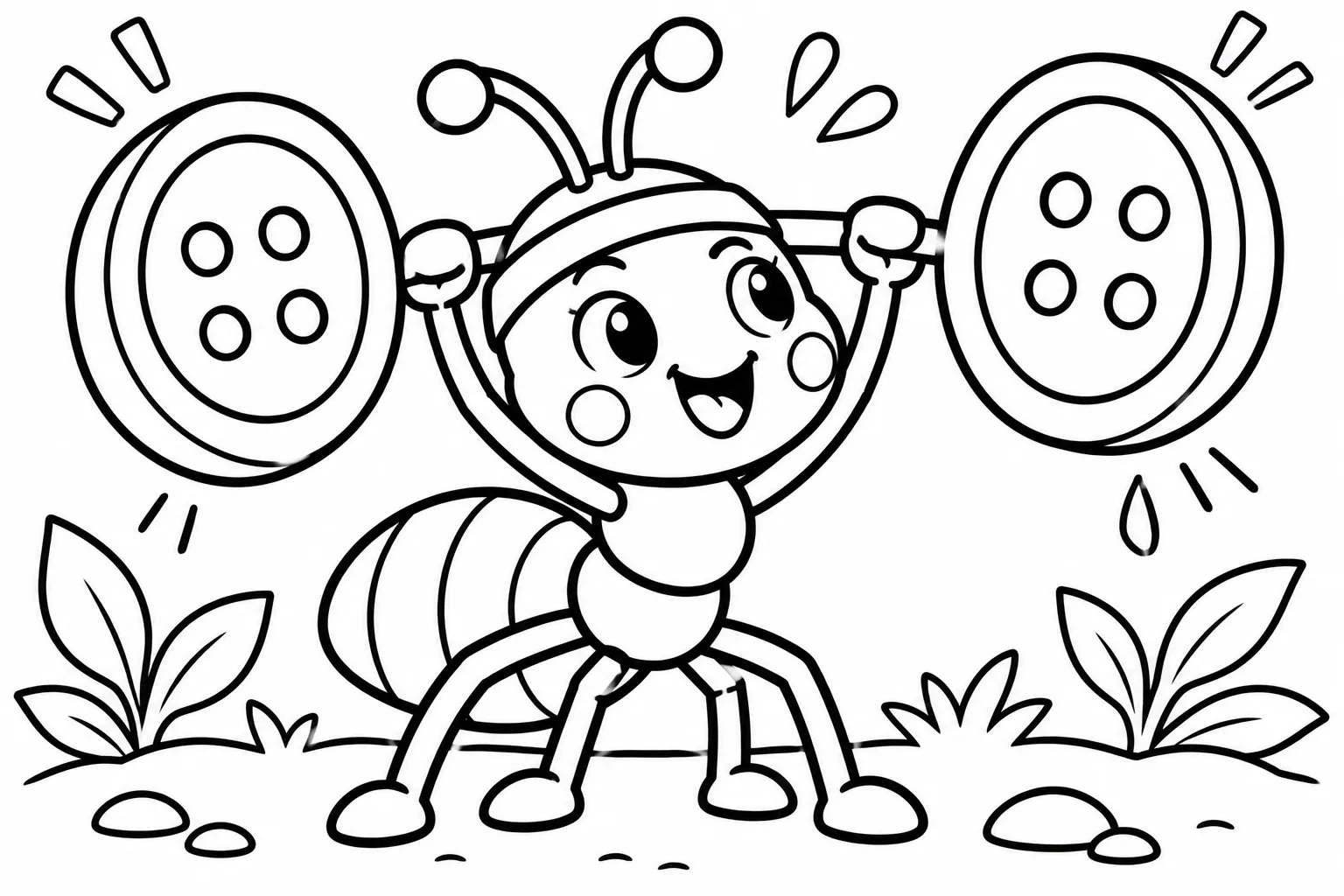
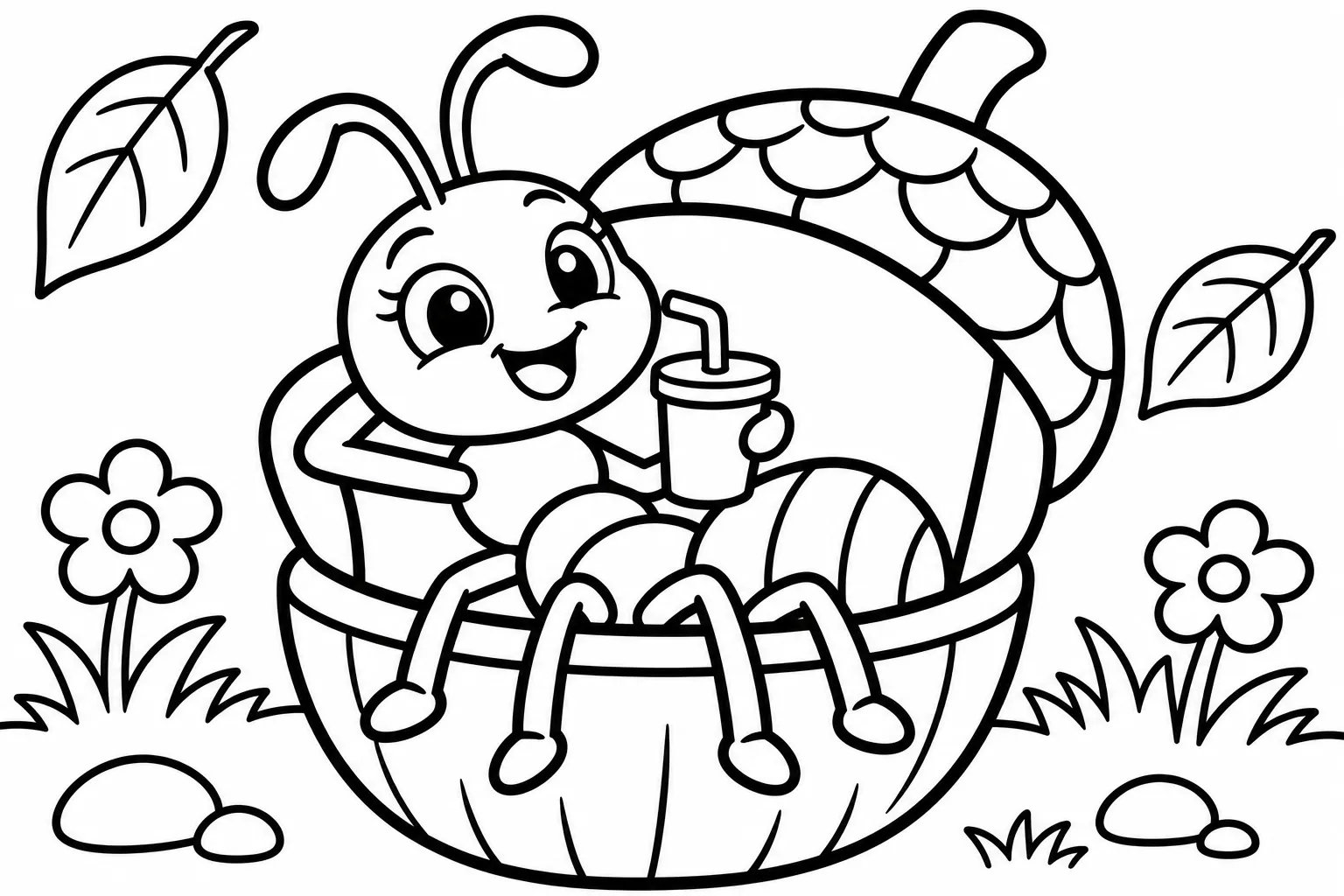
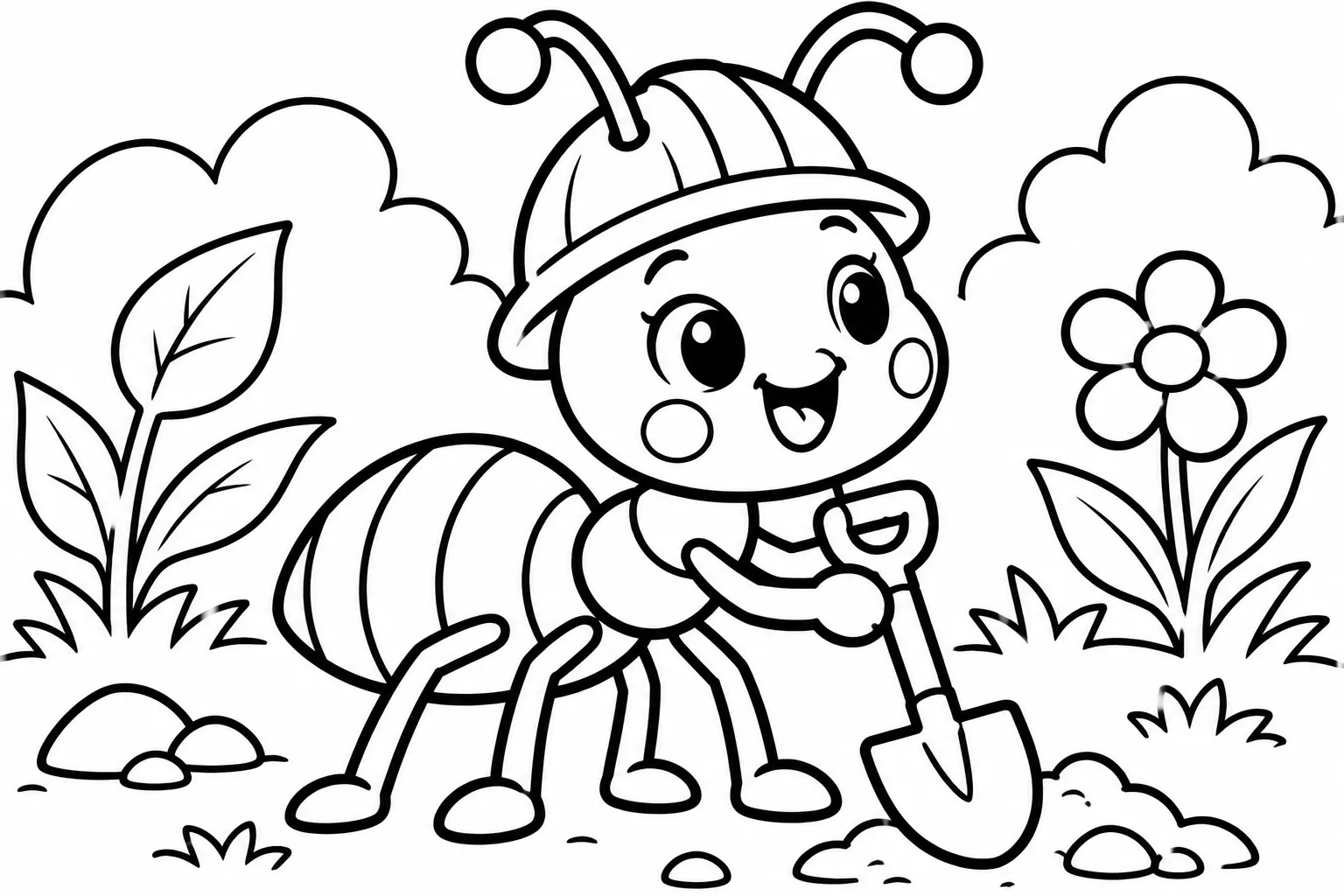
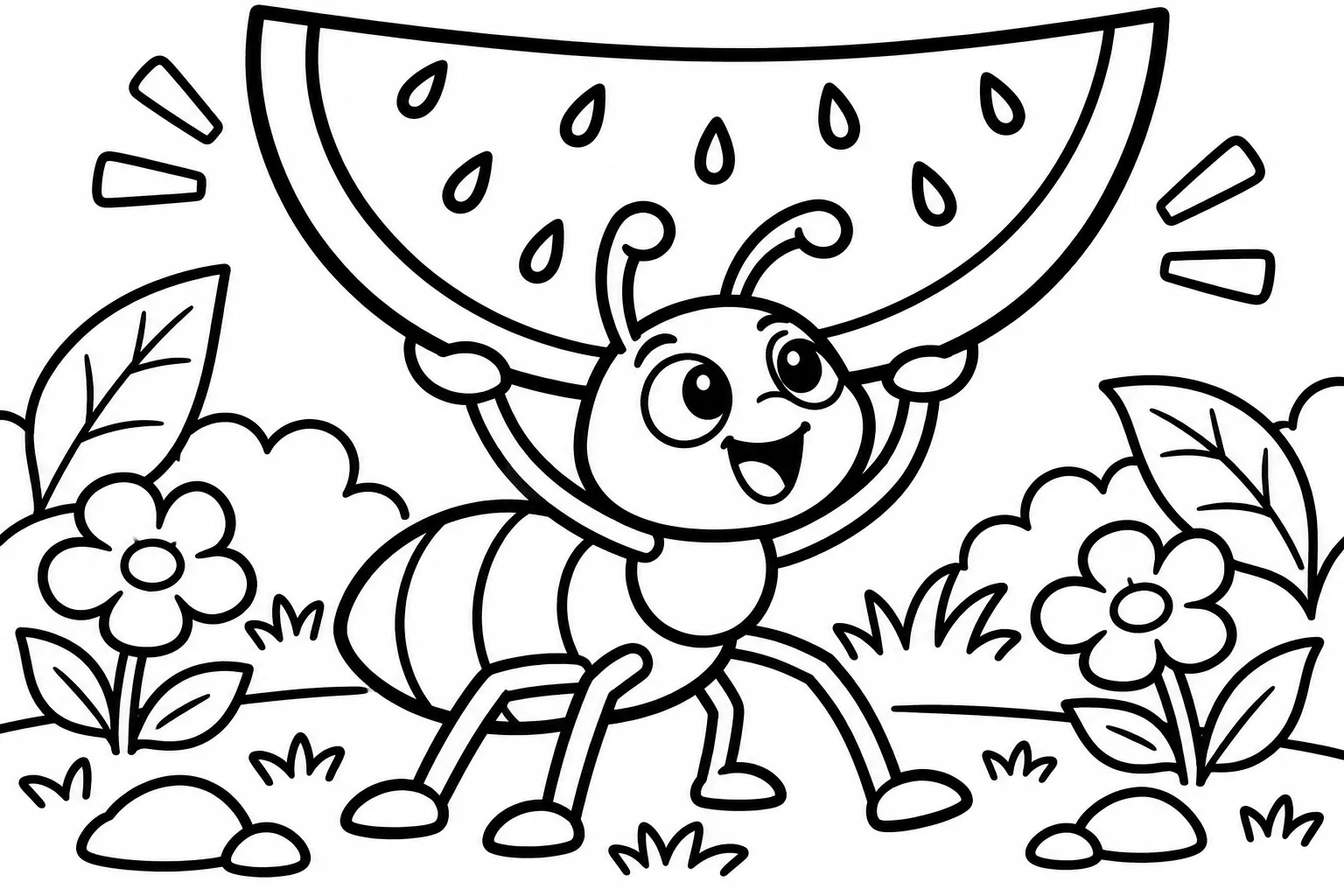
Ant Coloring Pages – six legs, tunnels, and tiny hard workers
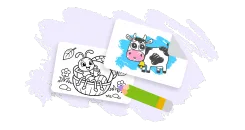
Six legs, two antennae, three body sections. That's an ant coloring page in a nutshell, and it's a good one for kids who are ready for a slightly more detailed bug than a basic circle. The shape still stays simple enough for small hands, just with a bit more to count and name along the way.
Kids run into real ants constantly, on sidewalks, at picnics, crawling up a kitchen counter toward a dropped crumb. That makes an ant coloring page an easy sell. There's no convincing needed. The bug's already part of their world.
What Children Learn from Ant Coloring Pages
Counting practice comes first. Six legs on one ant, way more on a page full of them, gives a kid plenty to count without you setting up a math worksheet.
New words show up on their own too: "antennae," "colony," "tunnel," "worker." None of it needs explaining twice once a kid sees the shape it points to.
Teamwork gets an easy opening here. Ants work together to move food and build tunnels, which is a simple way to talk about why a group can do more than one ant alone.
Fine motor control gets a small bump as well. Thin legs and curved antennae take more care than filling in one round body, a fair next step once basic shapes feel too easy.
What's Actually True About Real Ants
Ants can carry loads several times their own body weight, which is worth mentioning while your child colors, since it's a fact that tends to stick. Ask them to imagine carrying a car over their head. That's roughly the scale.
Ants also live underground in tunnel systems most people never see. A coloring page of an ant sometimes includes a cutaway view of tunnels below the ground, which gives a kid something to imagine beyond just the ant itself.
Why Ant Coloring Pages Work Well in a Classroom
An ant coloring page fits naturally into a bug unit, a picnic theme, or a lesson on teamwork, since the ant does double duty as both an insect and an example of working together. Teachers often pair it with a short fact or two, since ants come with more genuinely interesting facts than most small bugs.
It also holds up fine on its own, no lesson plan required. A kid who just likes bugs will color an ant pictures to color page with the same interest as any other.
Activities to try with ant coloring pages
- Leg count. Count the legs on the ant before coloring, then count them again once it's done to check nothing got lost along the way.
- Tunnel map. Ask your child to draw or imagine the tunnels underneath the ant and what rooms might be down there.
- Ant trail. Line up a few ant pages in a row and talk about where the "trail" is headed and what it's carrying.
People often ask
Good ones stick to six. A lot of cartoon bugs get sloppy with leg count, but since six legs is one of the easier facts for a kid to learn and check, it's worth picking a page that gets it right.
Not necessarily. A simpler ant coloring page with a plain body and thick legs works fine for a toddler. The more detailed versions, with visible tunnels or multiple ants, suit an older kid better.
Yes, that's a common pairing. Ants show up naturally in picnic and outdoor themes, so an ant coloring page slots in next to watermelon slices or a blanket-on-the-grass scene without feeling out of place.
Mostly the body shape. An ant has three clearly separate body sections and bent antennae, while something like a ladybug is one rounded shape with spots. That makes ants a nice next step after simpler bugs.
Often, yes. Ants are small and not usually feared the way spiders or bees are, so a coloring page of an ant tends to be an easy, low-stakes bug for a cautious kid to start with.