

Keiki Blog – parenting & early learning insights
Discover engaging parenting tips, child development insights, and creative learning ideas to support your child’s growth through every stage – curated with care by Keiki
Turn big feelings into teachable moments


ADHD Activities for Kids: What to Do When Your Child Can’t Settle
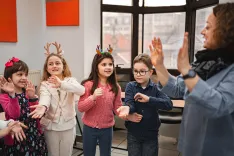
100+ Simon Says Ideas (From Toddlers to Big Kids)

How to Teach Kids Self Care: A Step-by-Step Guide
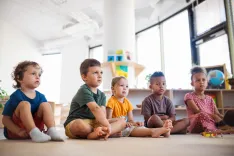
What Should My Child Know Before Kindergarten

What You Need to Know About Cooperative Play in Child Development

Parachute Games: The Simplest Way to Get Kids Moving Together
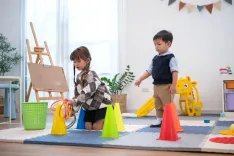
Parallel Play: What It Is and Why It Matters for Kids

Heavy Work for Kids: 25+ Activities

20 Empathy Activities – Keeping Children’s Kindness Alive

30 Kindness Activities for Kids – How to Teach This Quality From an Early Age?

21 Gratitude Activities for Kids – Building Thankfulness

Improv Games for Kids: Why It Matters and How to Play Them

15 Emotional regulation activities for kids – how to help through games?
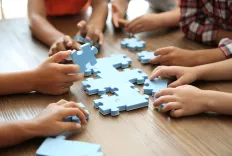
16+ Problem Solving Activities for Kids (Fun & Easy)

15 Self-esteem Activities For Kids – A Guide to Developing Confidence and Self-love

15 Mindfulness activities for kids – immersion in calm and awareness

Yoga games for kids: how to improve balance, concentration, and calmness
Feel, Share, Connect — Social & Emotional Learning for Kids

Tears over a broken cookie, a meltdown about the wrong colored cup, a sudden burst of "I love you SO much" — big feelings are just part of being a kid. Social & Emotional Learning is about helping kids understand those feelings and figure out how to get along with the people around them.
Understanding Feelings — Naming and Managing Big Emotions
Before a kid can calm down, they usually need the words for what they're even feeling. "I'm frustrated" or "I'm disappointed" gives a kid something to do with a big emotion besides melting down on the kitchen floor. This starts small: naming feelings out loud, noticing them in books and shows, and practicing simple calm-down tools like deep breaths or a quiet corner. None of this makes tantrums disappear overnight, but it gives kids a growing toolkit for handling feelings that once felt too big to manage.
Getting Along with Others — Sharing, Turn-Taking, and Friendship
Sharing a toy, waiting your turn, losing a game without a meltdown — these are genuinely hard skills, not just manners. Kids learn them through repetition, usually the hard way, over dozens of small moments with siblings, classmates, and friends. Simple games that involve taking turns or working toward a shared goal give kids low-stakes practice at exactly this, building the patience and cooperation that real friendships run on.
Build Emotional Skills with Keiki World
Big feelings are easier to work through with a little help, and Keiki World leans into that with characters and stories kids genuinely connect with. Instead of lecturing about emotions, the app lets kids see feelings play out in relatable situations, then practice responding to them through play. For ages 2 to 6, it's a gentle, judgment-free space to work on patience, sharing, and self-control without the pressure of getting it "right" the first time. There's also a set of printable worksheets built around emotions and friendship skills, handy for continuing the conversation at the dinner table or in the car.
People often ask
Start small by naming feelings out loud yourself ("I'm frustrated," "I'm disappointed") and pointing them out in books and shows your kid already knows. Practicing simple calm-down tools, like deep breaths or a quiet corner, gives kids something to do with a big emotion besides melting down on the floor.
Sharing and turn-taking are genuinely hard skills, not just manners, and most kids learn them gradually through repetition over dozens of small moments with siblings and friends — expect it to take years, not weeks, to really click.
Simple games involving taking turns or working toward a shared goal give kids low-stakes practice at patience and cooperation, the same skills real friendships run on.
Instead of lecturing about emotions, Keiki uses characters and stories kids genuinely connect with, letting them see feelings play out in relatable situations and then practice responding to them through play, for ages 2 to 6.