

About this collection
Free beetle coloring pages for kids to print and color
A beetle coloring sheet shows off something most bugs don't have: a hard shell on top, almost like built-in armor. Add a horn, a pair of pincers, or a shiny color, and suddenly a simple bug page turns into something a kid wants to look at closely.
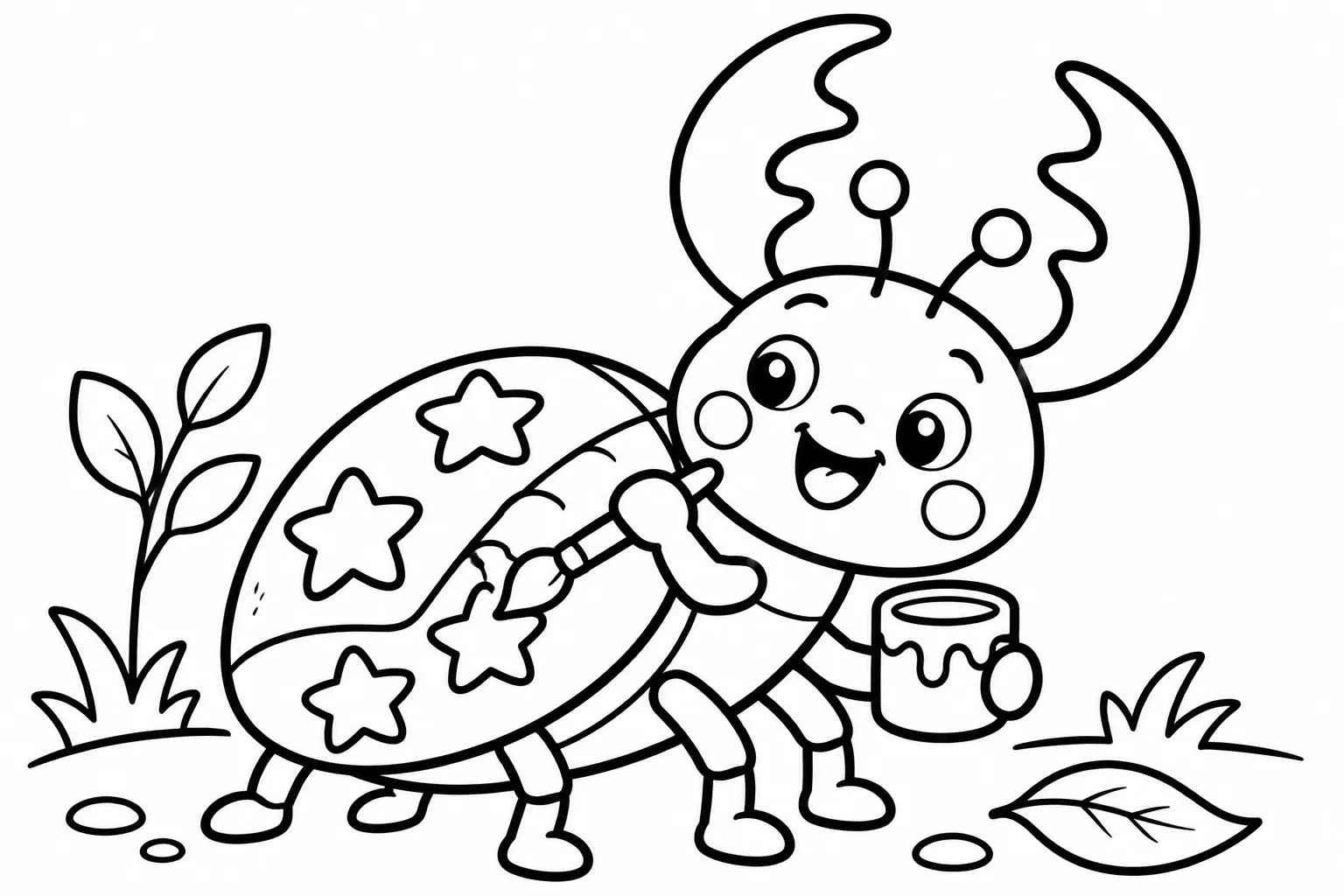

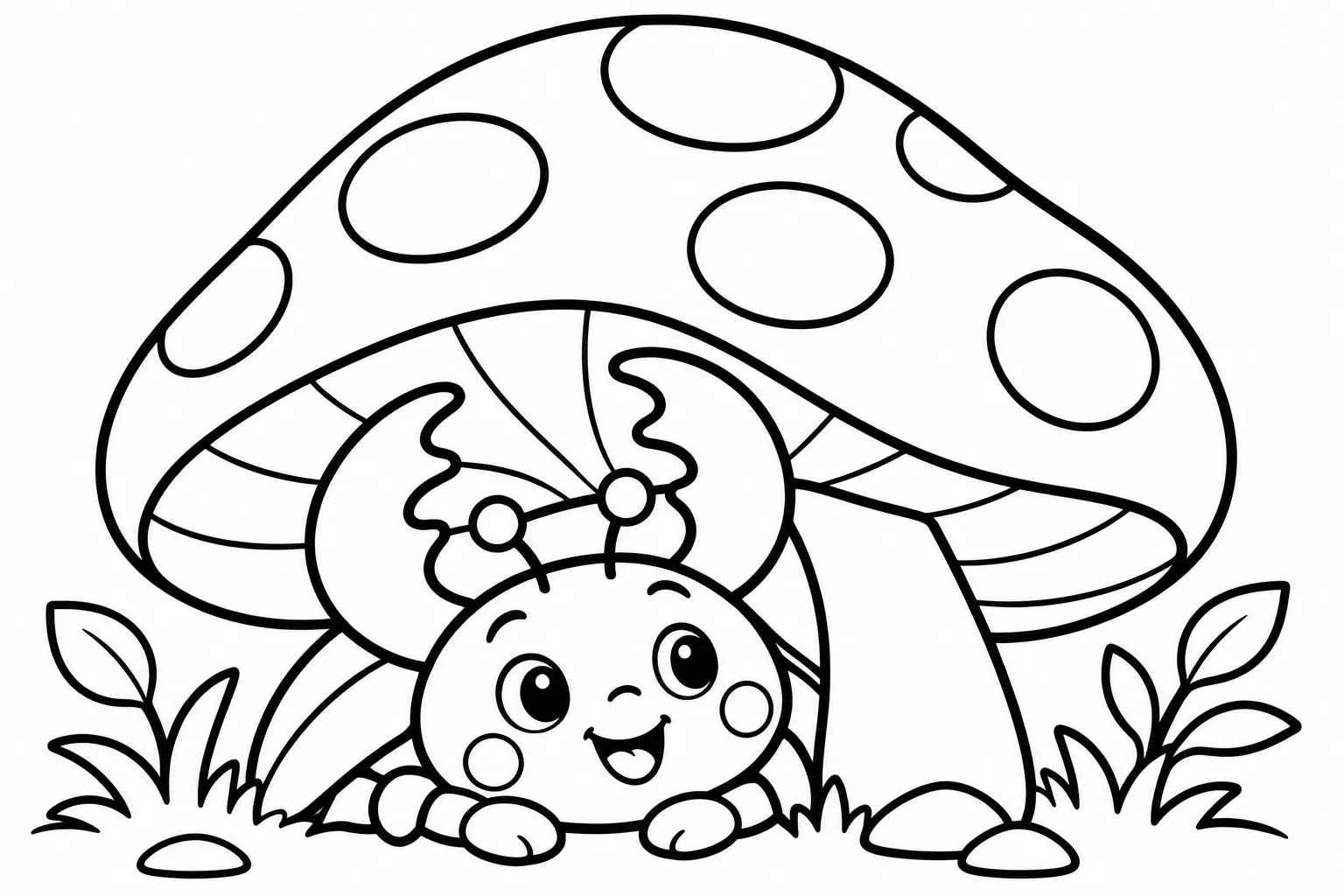
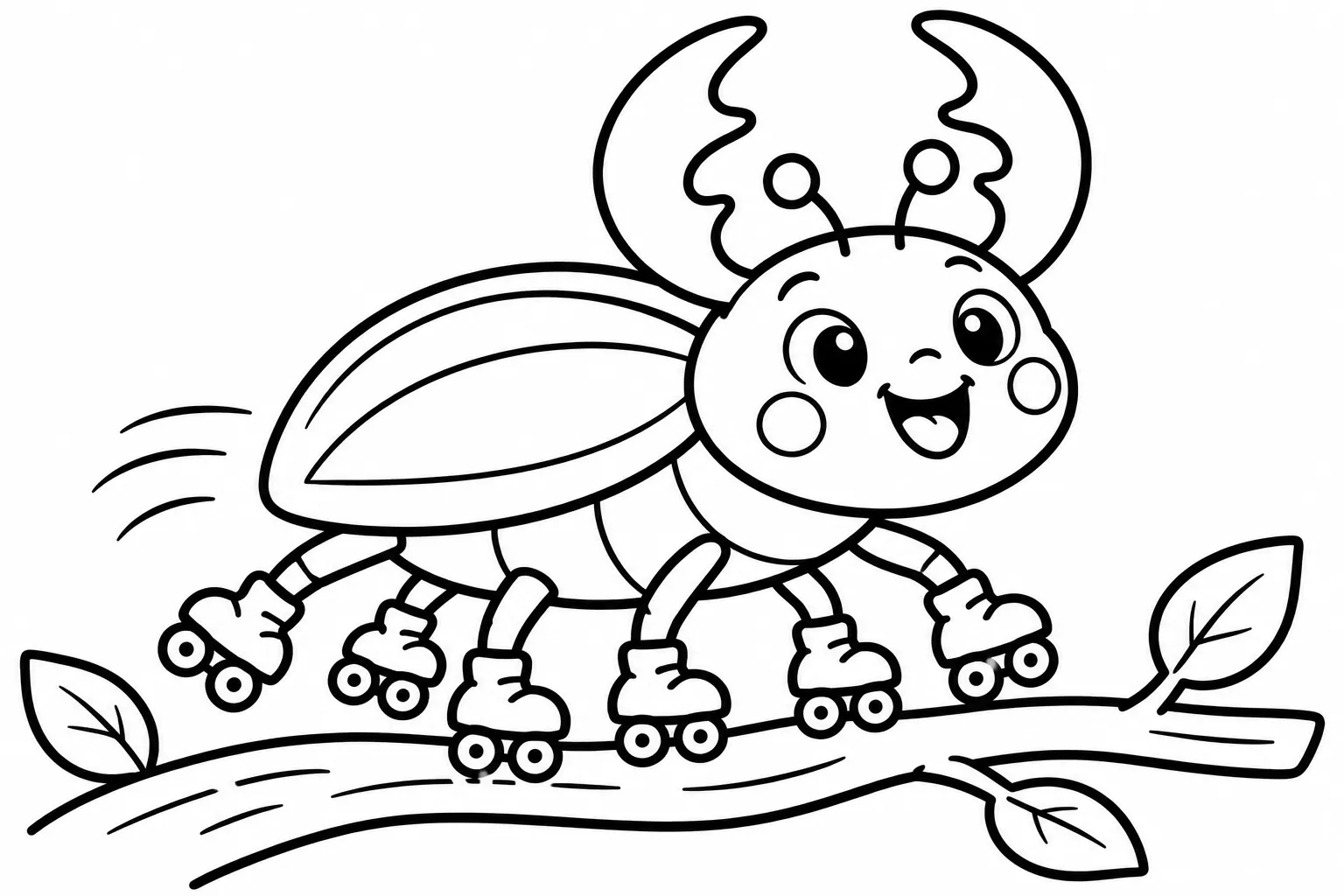
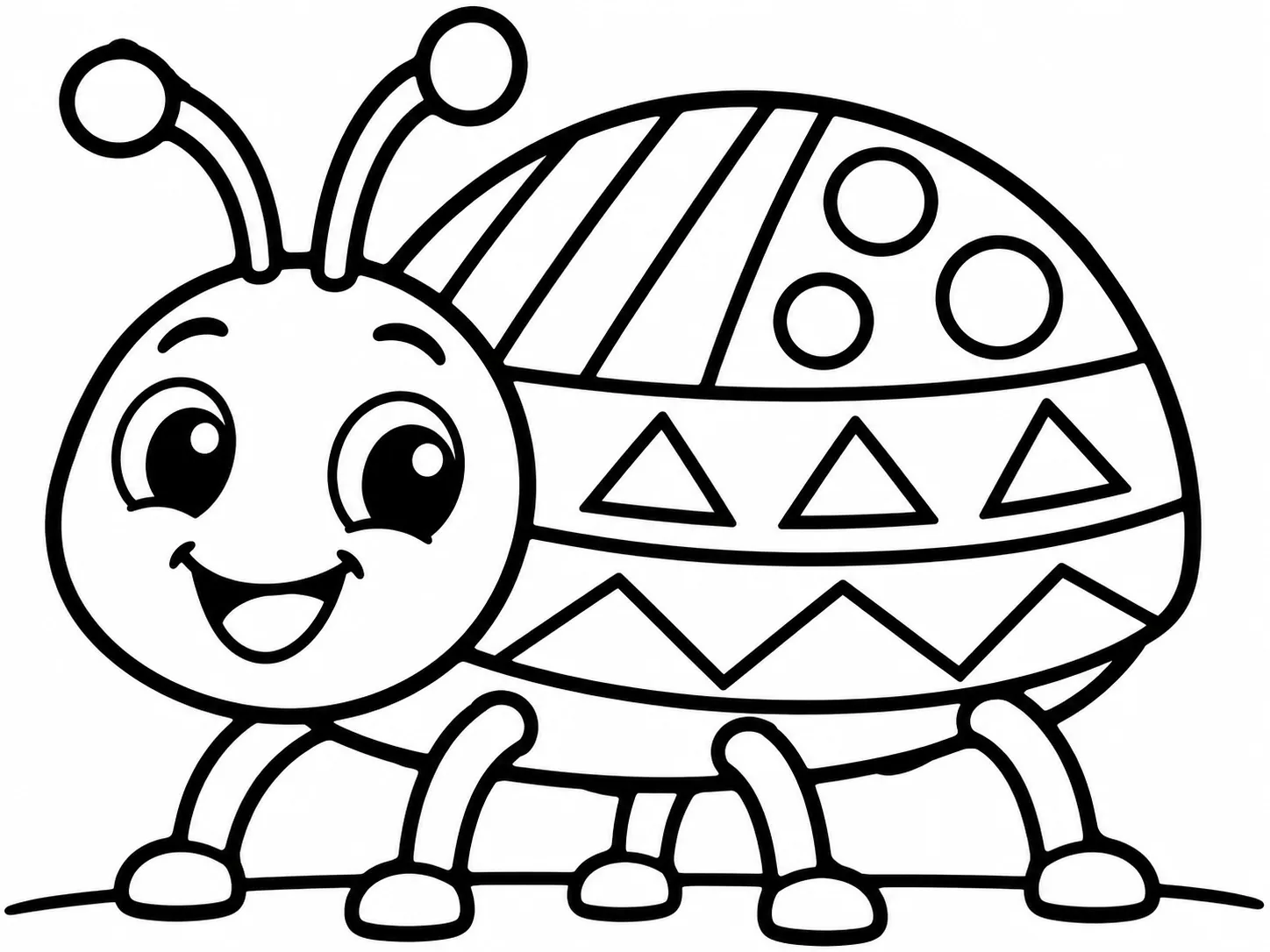
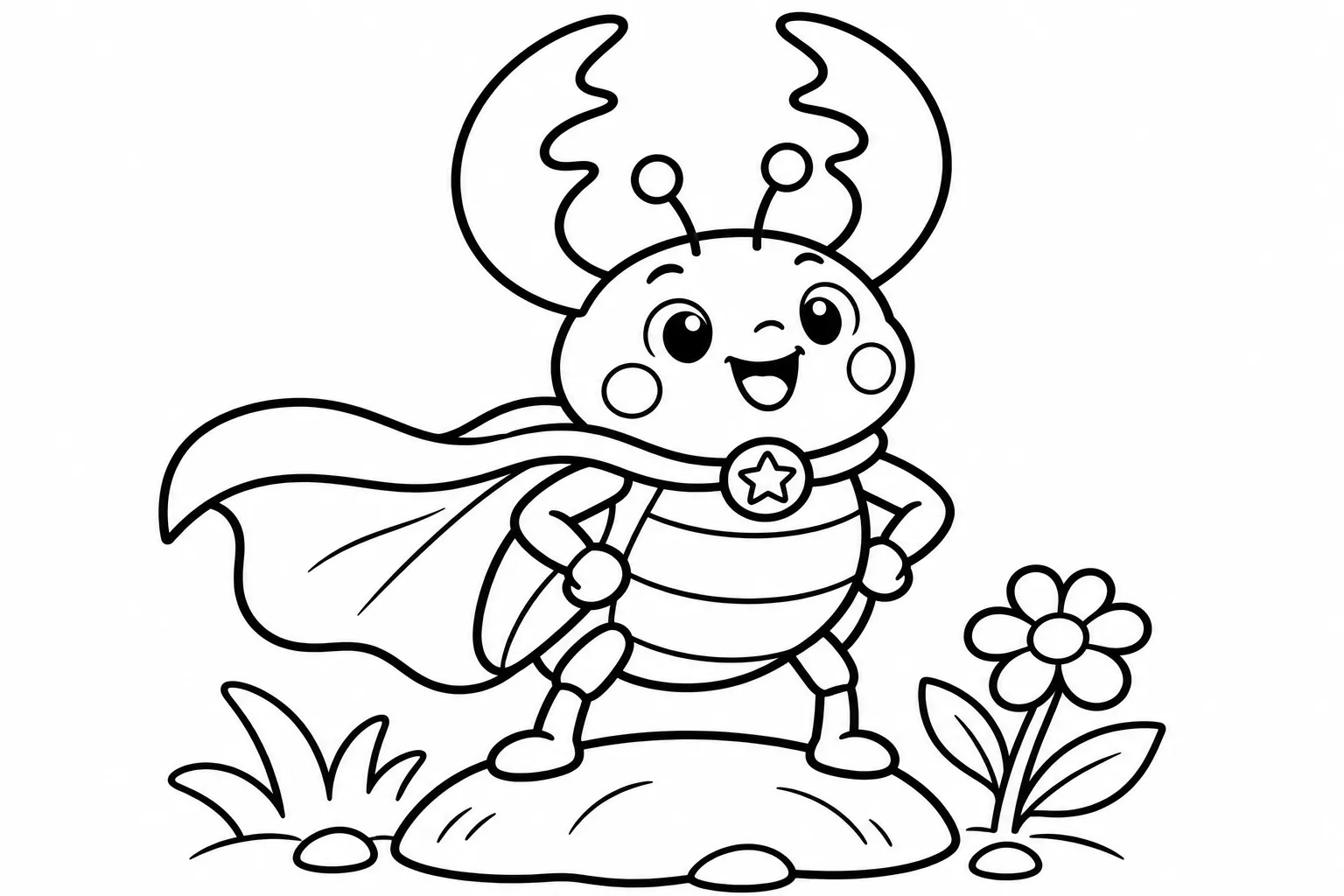
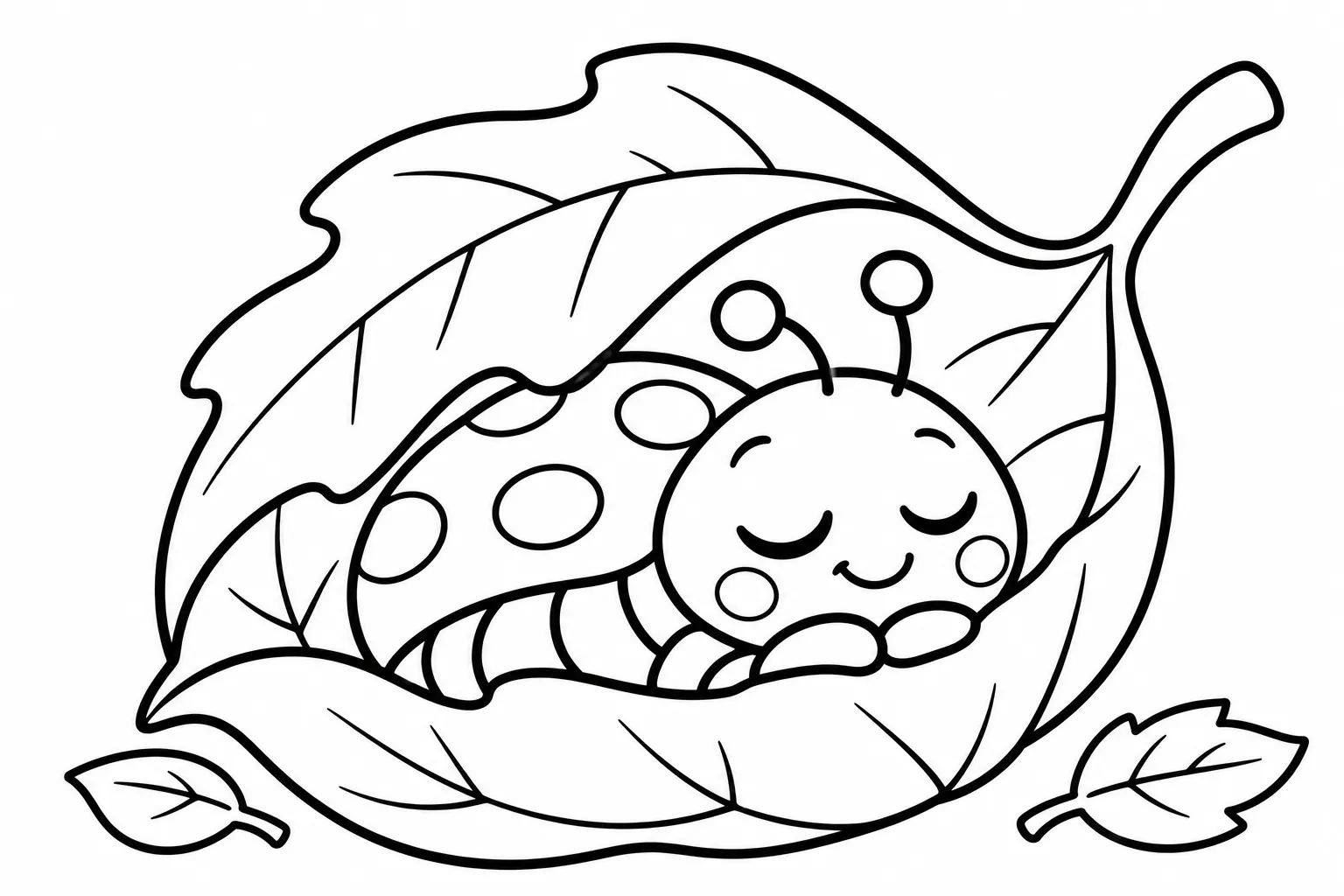
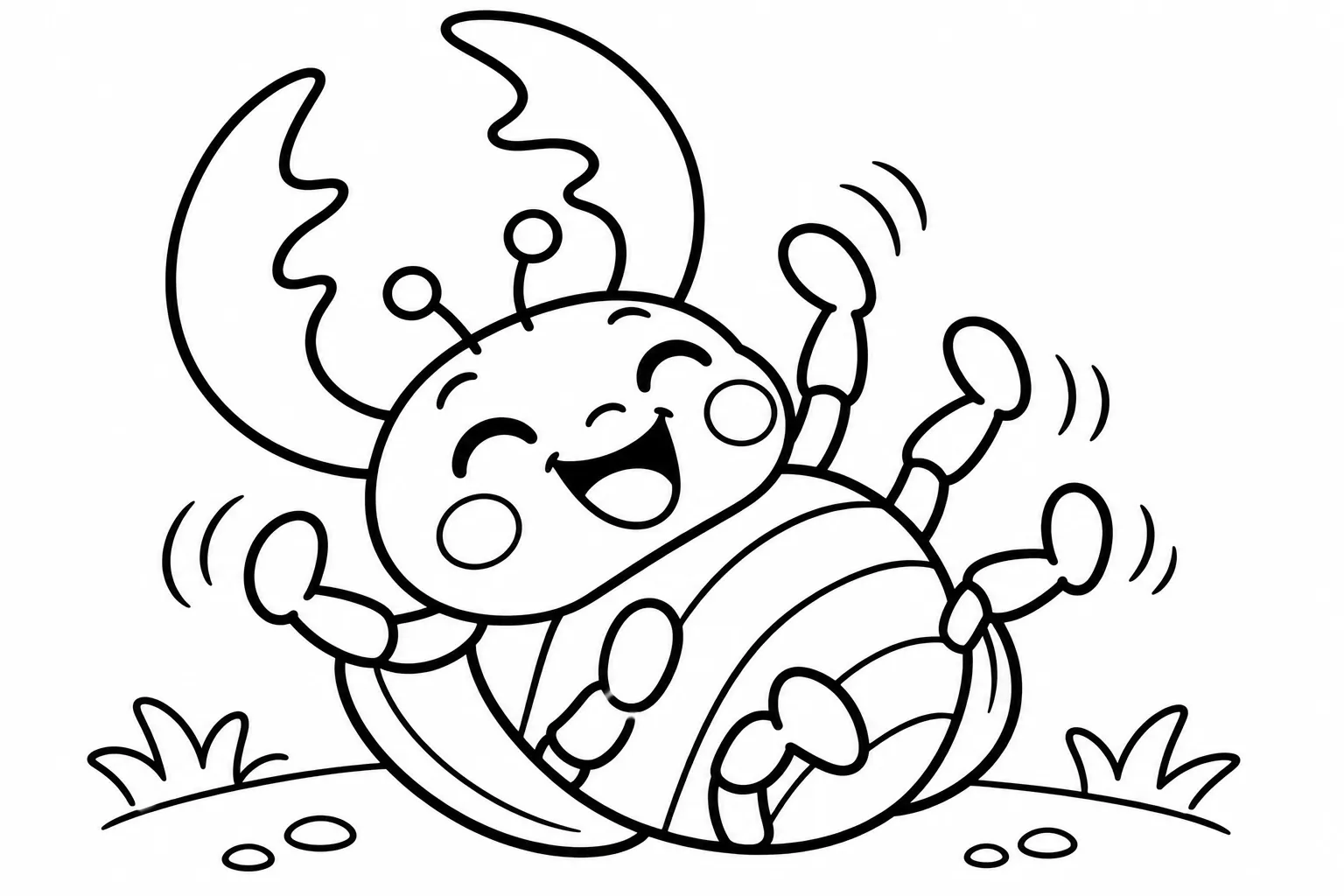
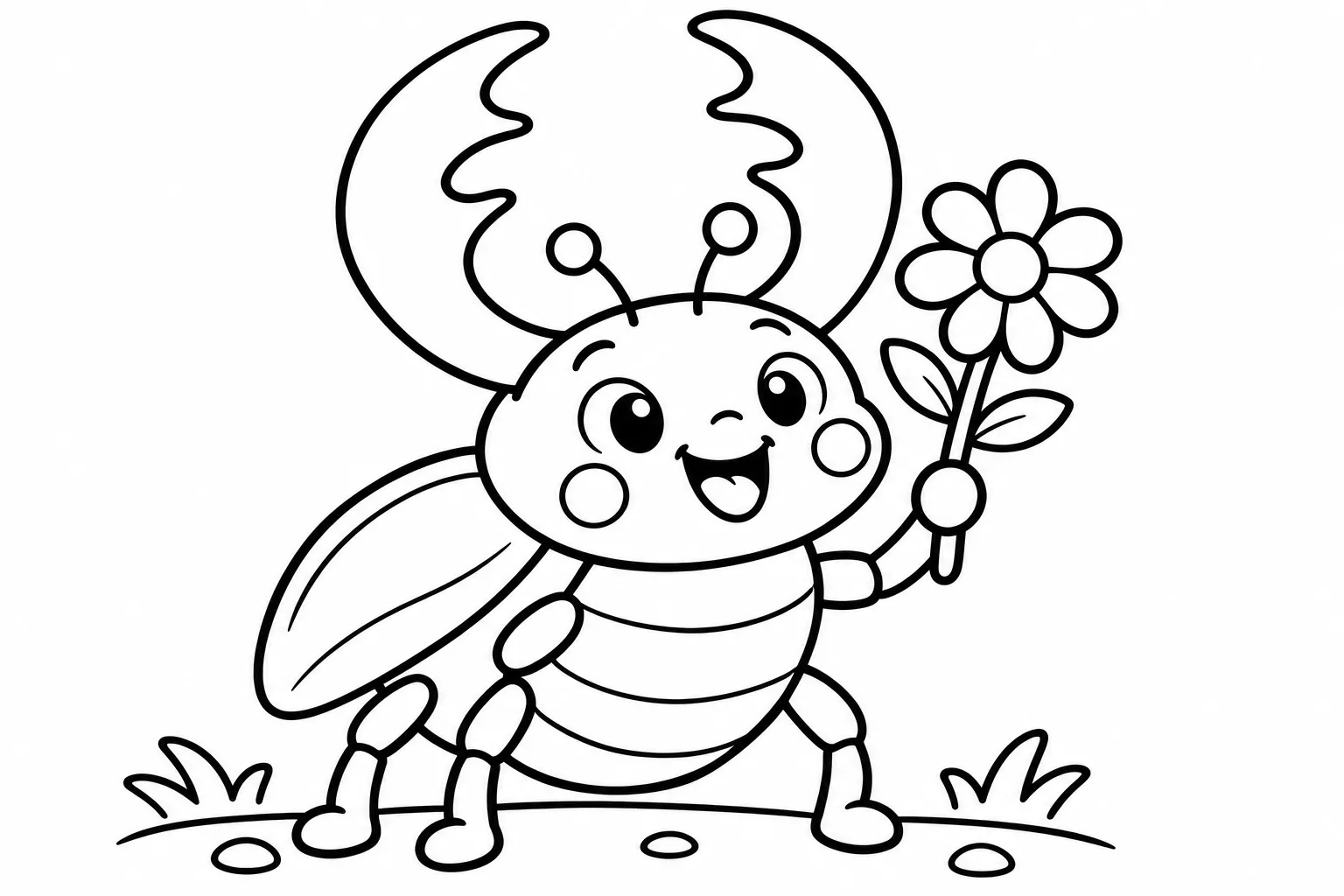
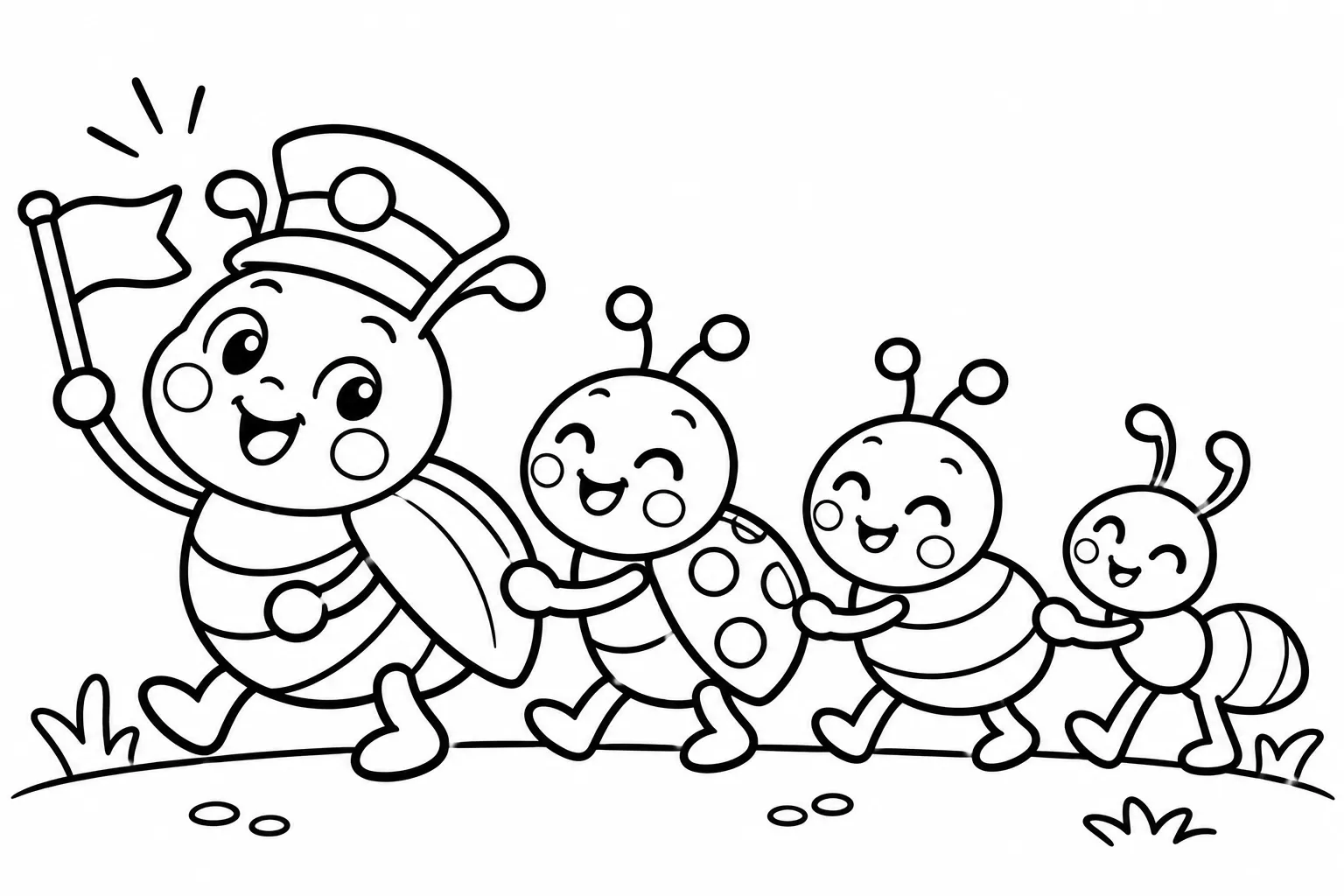
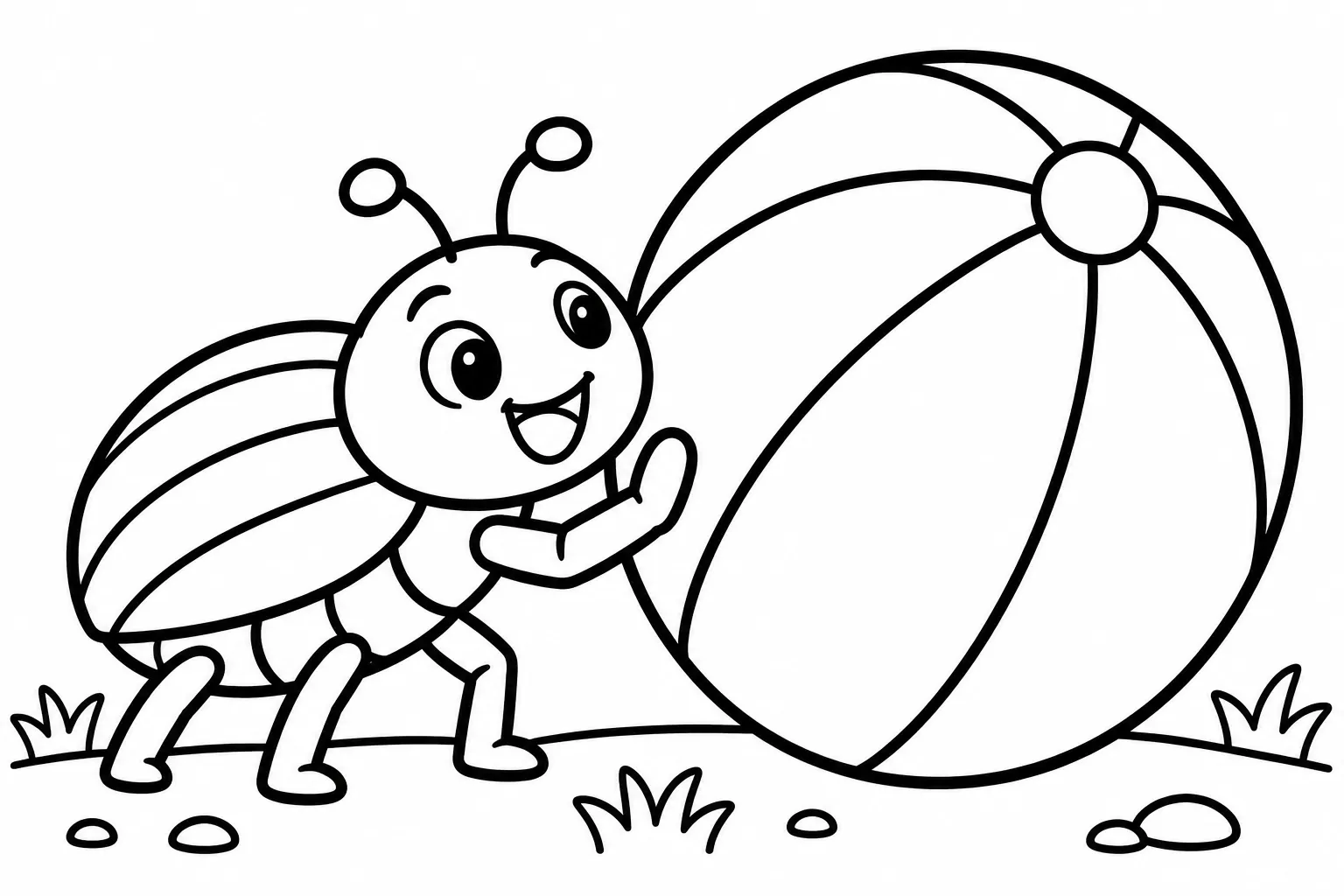
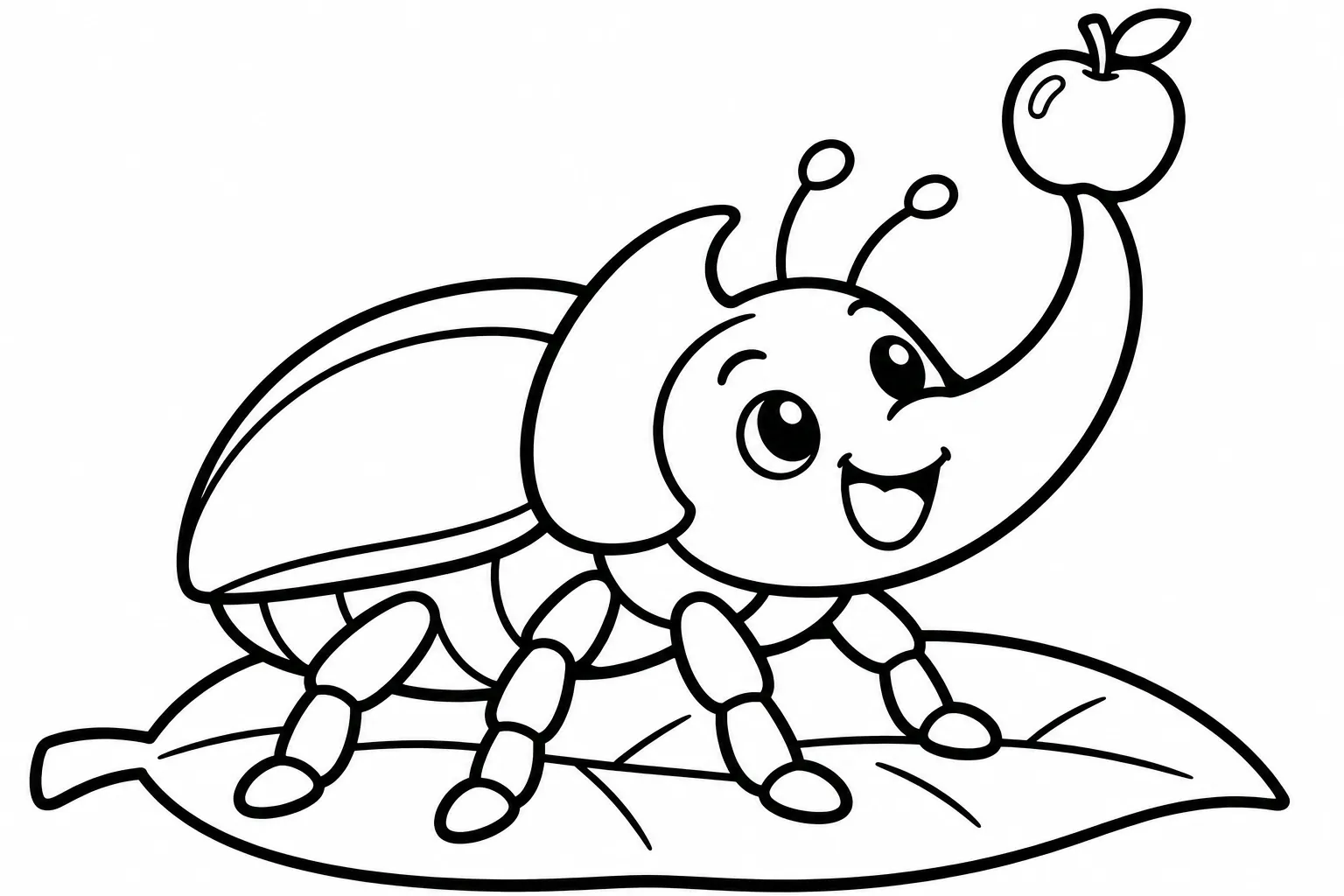
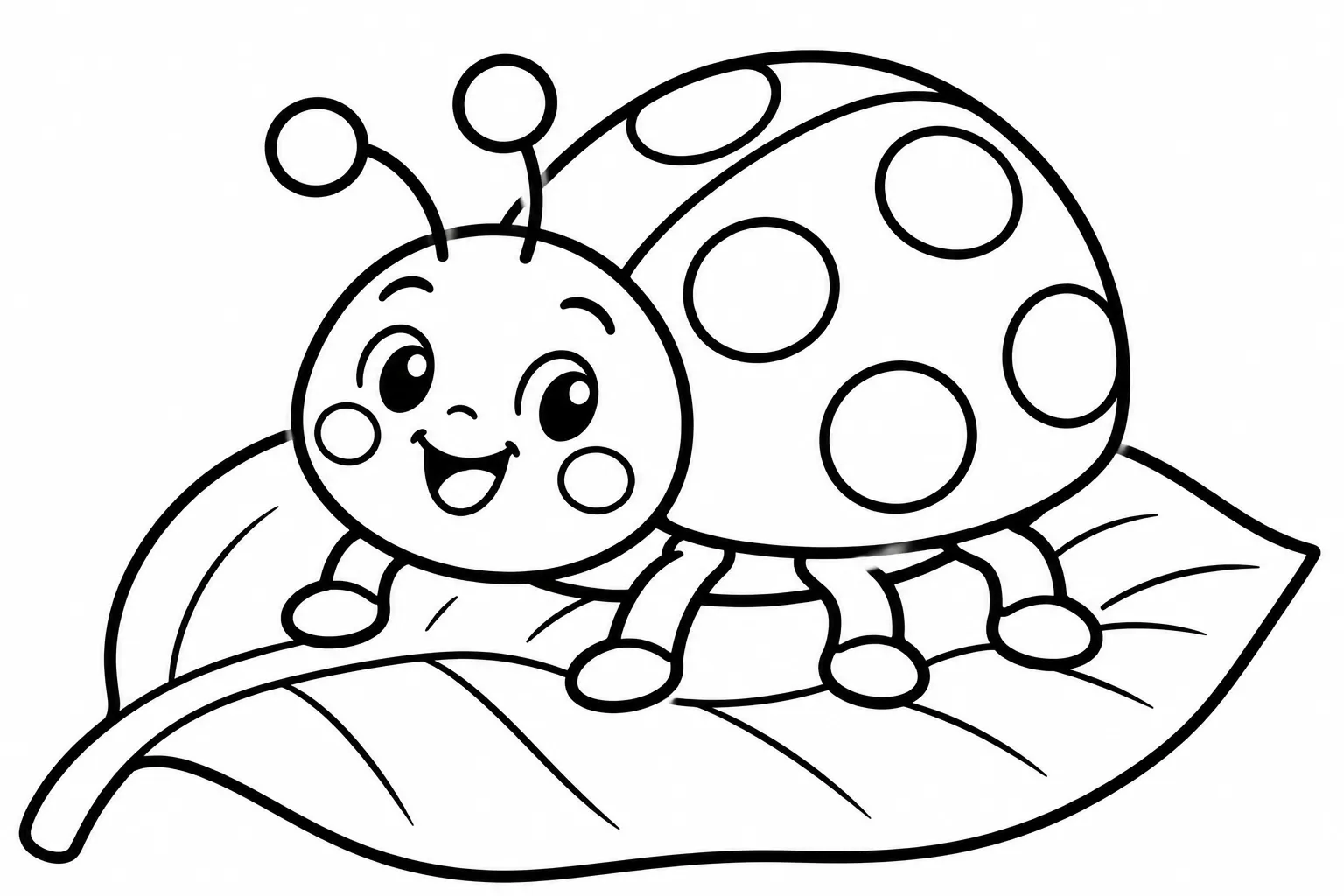
Beetle Coloring Pages – shiny shells, big pincers, and tiny armor
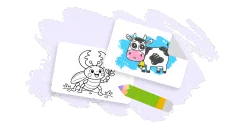
A beetle coloring page gives kids a bug that looks like it's wearing armor. That hard shell on top, called an elytra, covers and protects a beetle's wings, which is part of why beetles come off looking tougher than a bee or a butterfly ever could.
There's also just more variety here than most bug pages offer. A rhinoceros beetle has a curved horn. A stag beetle has pincers big enough to look a little intimidating. A ladybug, often colored on its own page, actually counts as a beetle too. One coloring category, a lot of different shapes to pick from.
What Children Learn from Beetle Coloring Pages
Shape comparison comes first. Beetles vary a lot, horns on one kind, pincers on another, plain shells on others, which gives a kid a reason to notice differences instead of coloring the same bug shape over and over.
New words land naturally here too: "shell," "pincers," "horn," "armor." Words that make more sense once there's a picture attached to them.
A real science fact sneaks in as well. Beetles make up roughly 40% of all known insect species, more than almost any other bug group. That's a fun, specific thing to mention mid-coloring.
Fine motor control gets a small workout too. Shiny shell patterns and curved horns ask for steadier lines than a plain round body, a solid next step once easier bugs feel too simple.
A Few Real Beetle Facts Worth Knowing
Dung beetles roll dung into balls bigger than their own bodies and push them across the ground, sometimes using the stars to stay in a straight line. It's a strange fact, and kids tend to remember strange facts best.
Rhinoceros beetles can carry up to 850 times their own body weight. Ask a kid to imagine lifting 850 of themselves at once. That usually gets a reaction.
Why Beetle Pictures to Color Hold a Kid's Attention
Beetles look different from most other bugs on a coloring page, and that difference is the whole draw. Shiny shells invite bold, saturated colors, metallic green, deep red, glossy black, instead of the usual yellow-and-black bee pattern a kid's probably colored a dozen times already.
The horns and pincers add a bit of drama too, without tipping into anything scary. A beetle coloring page can feel a little like coloring a tiny knight in armor, which is part of why it tends to hold a kid's attention a bit longer than a plain bug shape would.
Activities to try with beetle coloring pages
- Shell shine. Use extra pressure or a lighter color on part of the shell to make it look shiny, like light's bouncing off it.
- Beetle match. Print a few different beetle types and ask your child to guess which one has the horn and which one has the pincers.
- Dung ball roll. Act out a dung beetle pushing a ball across the floor using a small rolled-up piece of paper.
People often ask
Yes, ladybugs are a type of beetle. Their rounded shell and spotted pattern are a beetle's version of the hard shell seen on bigger beetles like rhinoceros or stag beetles.
It's called the elytra. It sits over the beetle's real wings and protects them, which is why beetles look armored compared to bugs with soft, visible wings.
A little, usually, because of the horns or pincers some beetles have. A plain round beetle works fine for a younger kid, while a stag or rhinoceros beetle page suits one who's ready for more detail.
Because beetles themselves vary a ton. There are more known beetle species than any other type of insect, so a beetle coloring page could show a horn, pincers, spots, or a plain shiny shell, depending on which beetle it is.
Yes, it fits well. A beetle page pairs easily with real facts, like the elytra shell or a dung beetle's strength, which gives a lesson something concrete to point at while kids color.