

About this collection
Fun oval coloring pages for kids — download and print instantly
Explore oval coloring pages starring oval shapes, eggs and tracing ovals. Great for quiet time, rainy days and screen-free creativity.

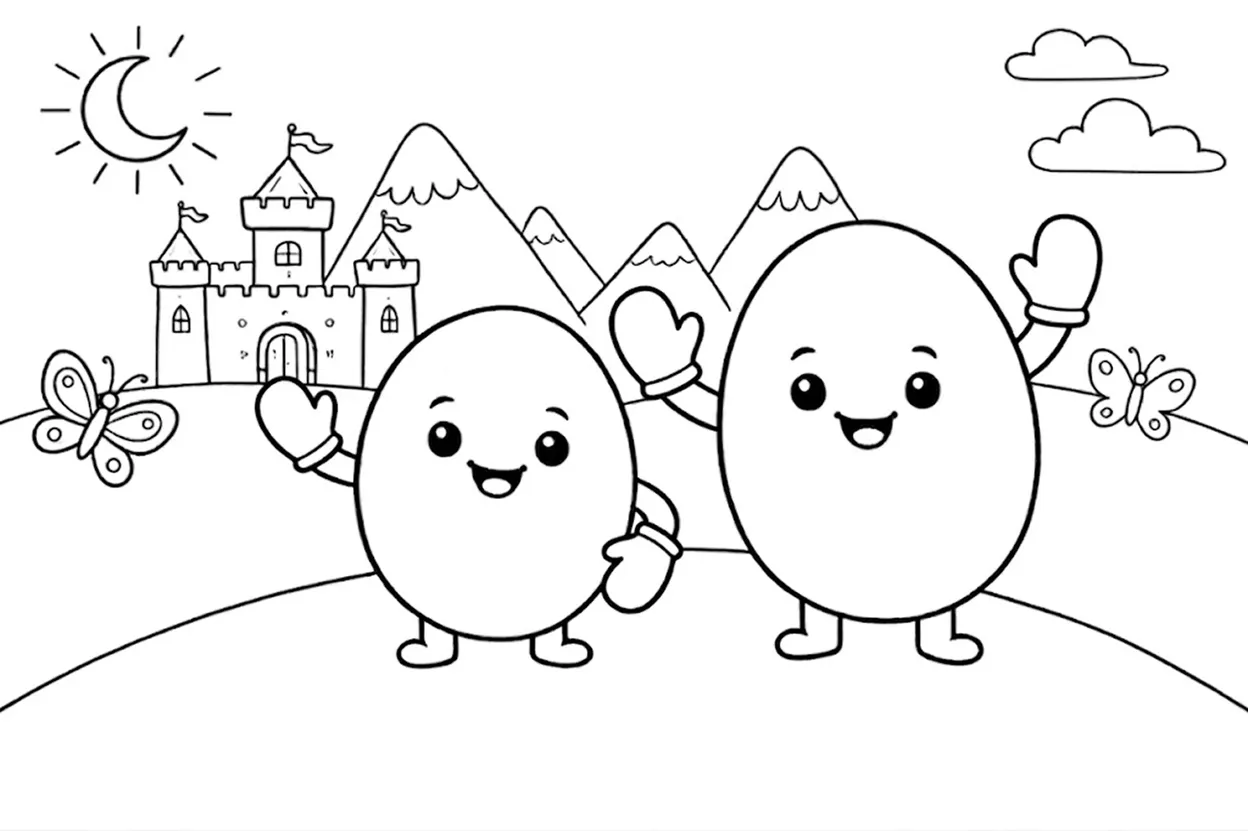
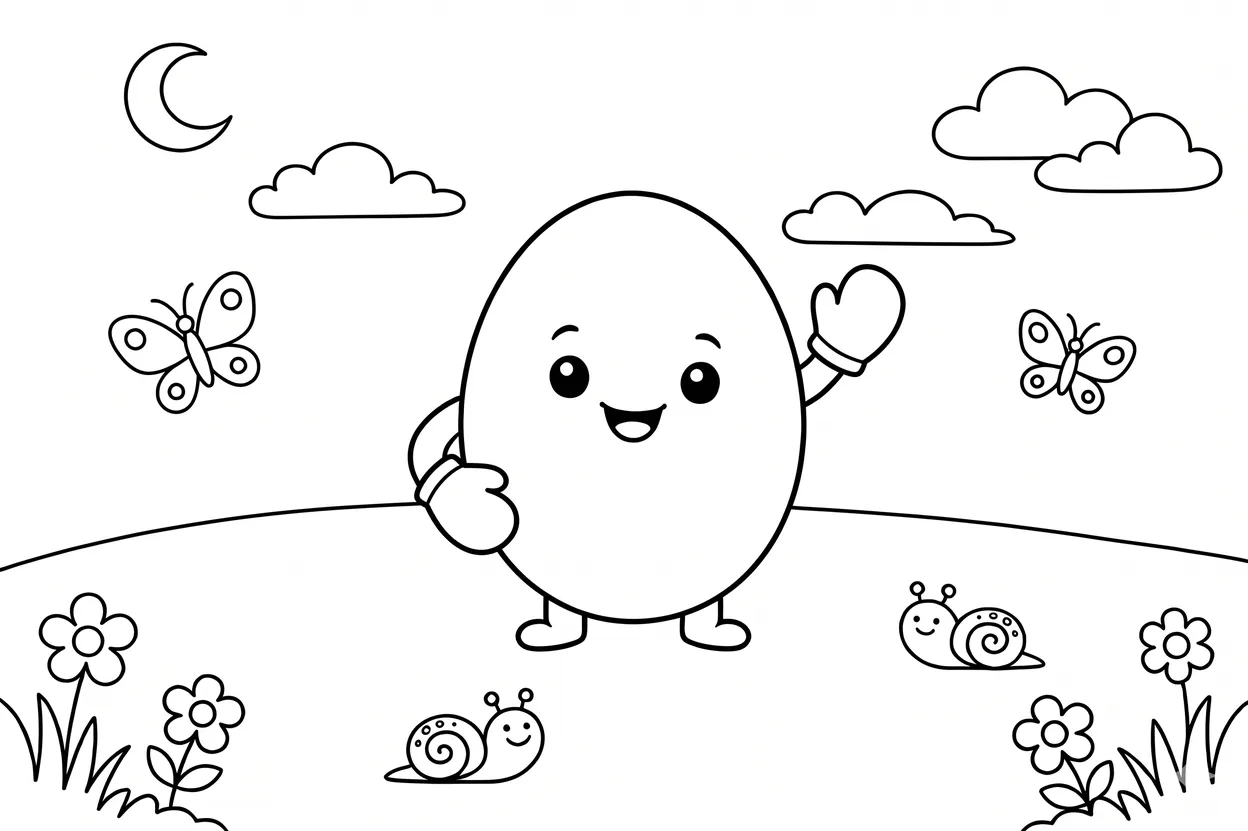
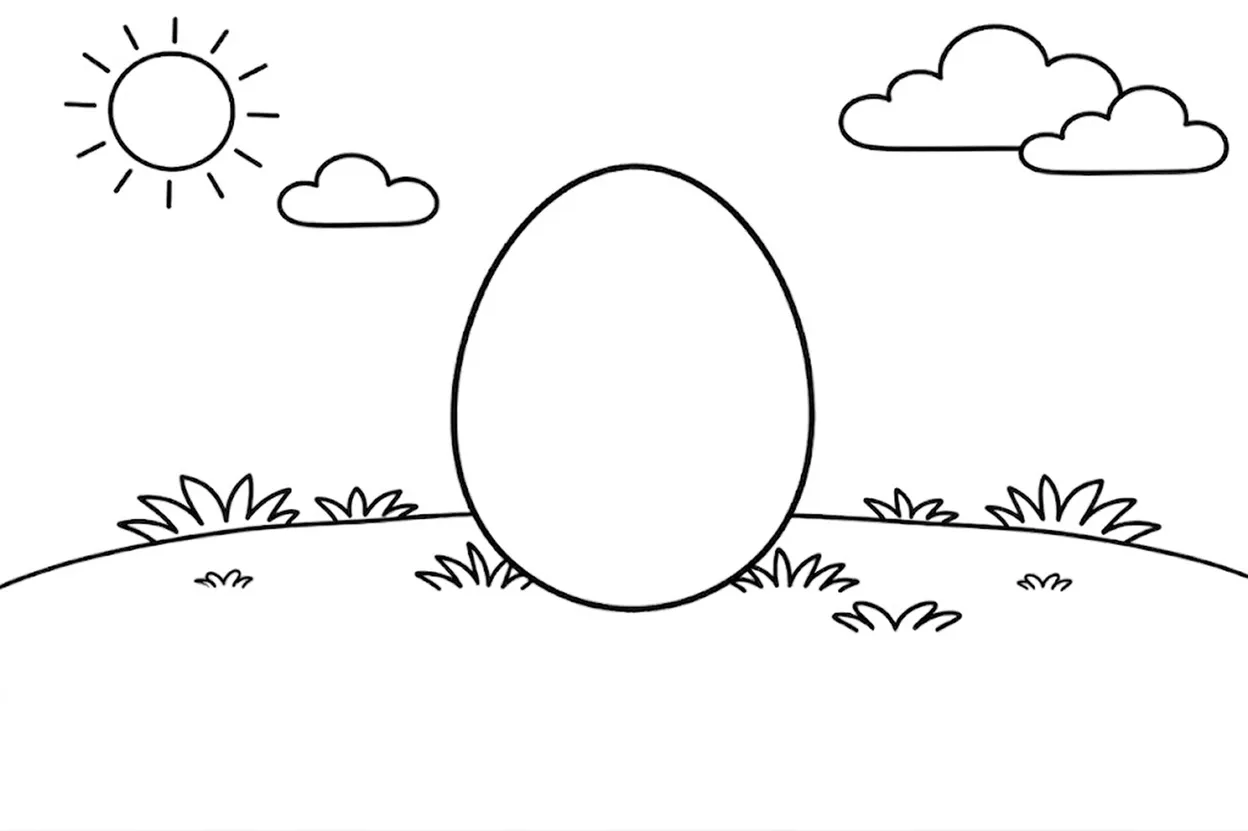
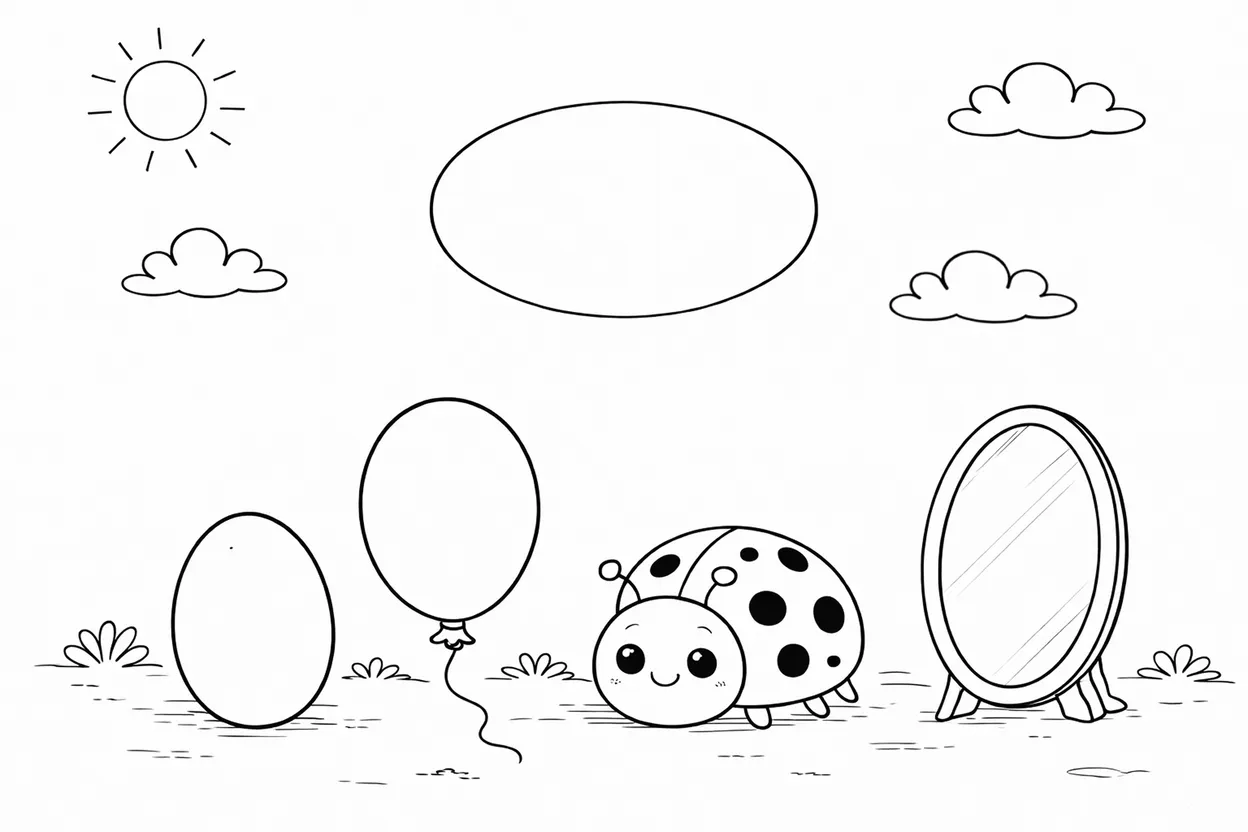
Oval Experiments with Oval Coloring Pages
Many people think that the first thing children master on paper is the circle. In reality, a child's hand that is just learning to draw can rarely produce a perfect circle; more often, an oval emerges. Unlike strict angles or ideal roundness, the oval possesses dynamics. It is elongated, slightly unusual, and perfectly suited for preparing the hand for writing. With oval coloring pages, a child learns to control their wrist over long, curved distances. This shape is intuitively understood by children and doesn't overwhelm the nervous system with unnecessary details.
From Dinosaur Eggs to Hot Air Balloons
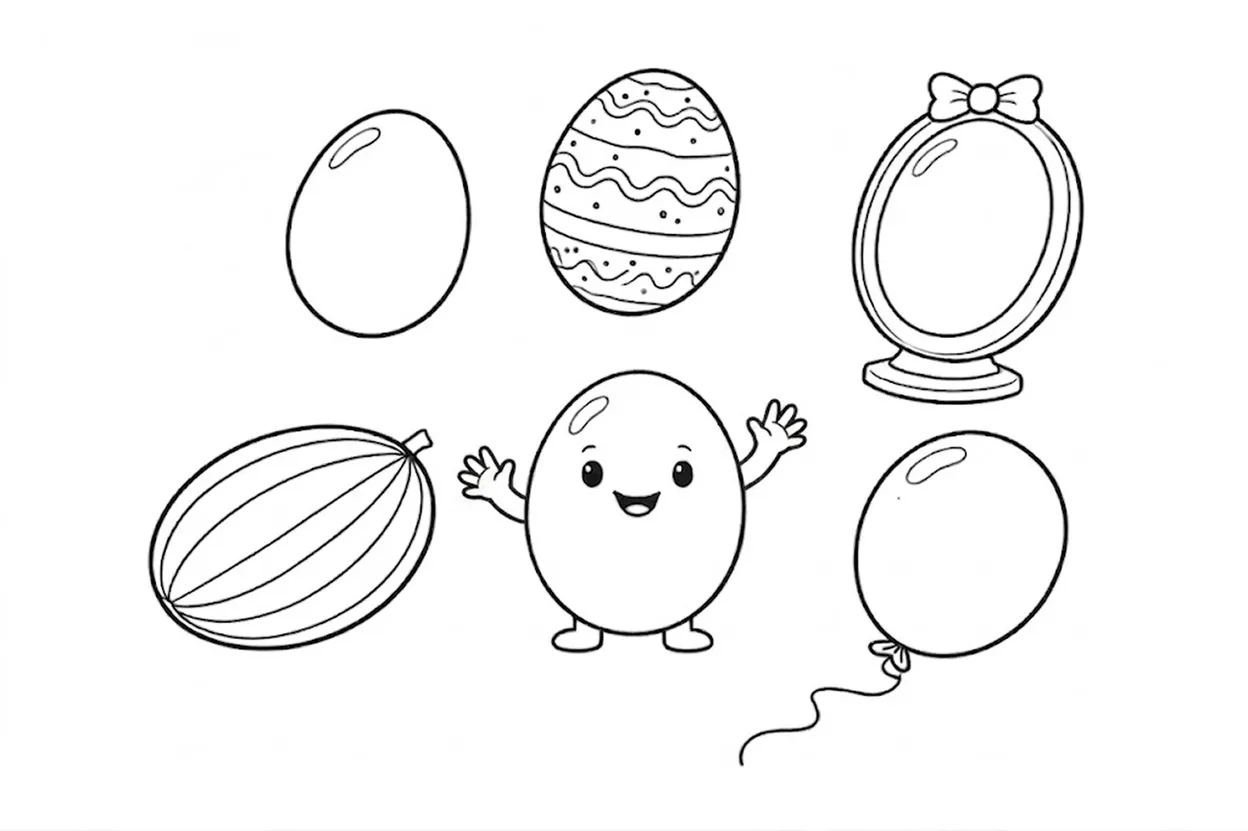
The beauty of such a basic shape is that it can become anything. A simple oval shape coloring page is a universal building kit for a child’s imagination. Suggest that your little one look at the empty outline and think about what it could turn into:
- The World of Nature. It could be a mysterious egg from which a tiny Tyrannosaurus or an exotic bird is about to hatch. Just draw a couple of cracks on the shell, and the picture is ready.
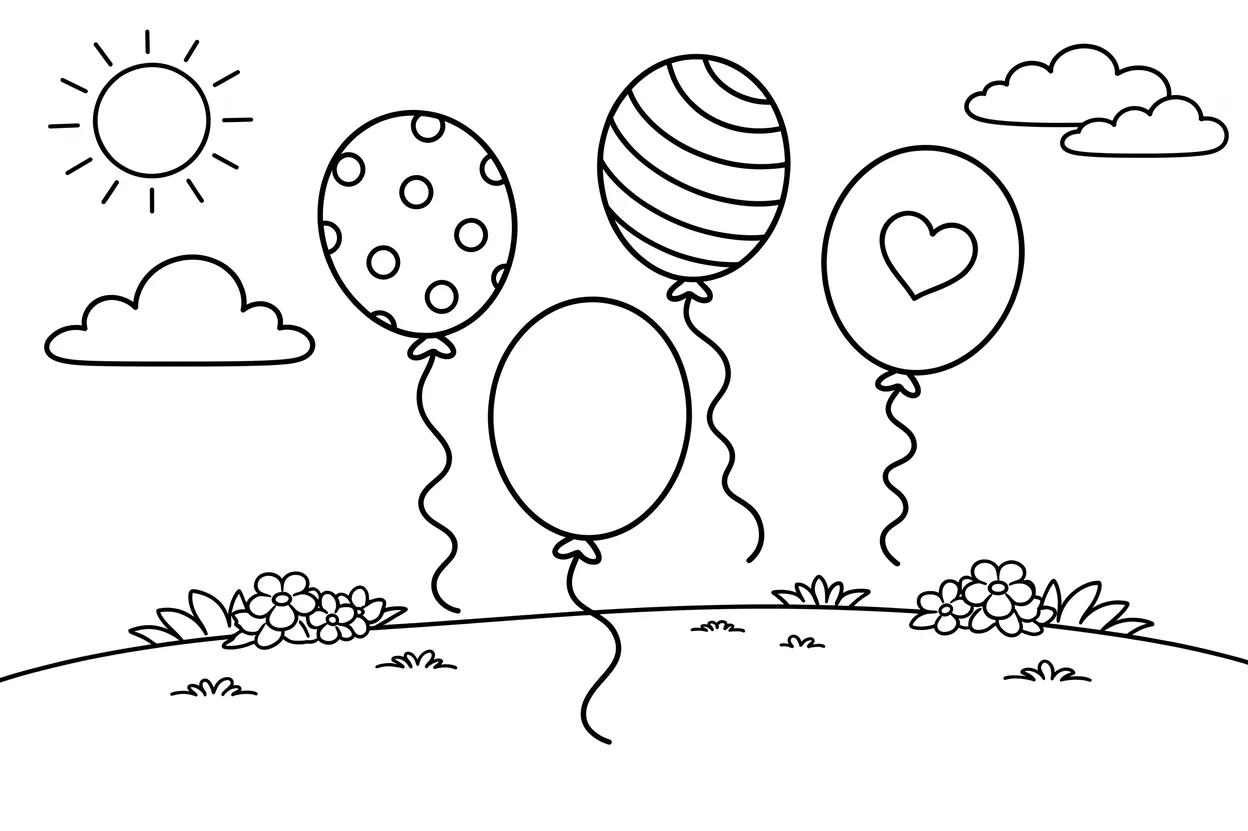
- Transport. If you draw a basket at the bottom of the oval, it instantly becomes a bright hot air balloon drifting in the sky.
- Food. Divide the shape into bright stripes – you get a juicy melon or a patterned Easter egg.
- Faces and Emotions. The oval is the perfect base for a self-portrait or creating funny faces.
The Features of Smooth Lines – Why is the Oval Useful?
If a circle teaches sweeping motion, the oval requires a different approach. When coloring an oval coloring page, the child needs to lead the line smoothly but unevenly: speeding up on the long sides and carefully slowing down the shading on the sharper curves at the top and bottom.
Thanks to this, the child trains hand-eye coordination and learns to adapt the pressure and speed of movement to the changing shape of the contour. This skill will become the foundation for a confident and beautiful handwriting in the future.
Convenient Coloring Formats
Online oval coloring pages in our app are a lifesaver for parents who need to quickly and usefully occupy a child on the road or in a queue, allowing the little one to experiment in a user-friendly and intuitive app. Without ads, overstimulation, or flashing details, Keiki proves that creativity can be mobile and convenient. But you can also download any oval shape coloring page to print for traditional coloring. This gives you the perfect staging ground for working with real gouache, playdough, or colored sand, providing powerful tactile stimulation and boosting fine motor skills.
People often ask
Give them a creative constraint. For example, tell them the oval can only be colored today using dots or zebra-like stripes. Using unusual color application techniques brings interest back to a simple shape.
Long, curved lines are difficult to draw continuously. Offer your little one a visual trick: divide the contour of the oval shape coloring page into 4 parts (put four small dots at the top, bottom, and sides) and ask the child to connect these dots one by one. This makes the task much simpler.
Yes, it can. Draw one large oval and several small ones on a sheet. Explain to the child that the large one is a hot air balloon flying close to us, while the small ones are very far away in the sky.
The absence of sharp corners, sudden transitions, and complex small details makes the process of coloring such figures very meditative. Monotonous, rounded wrist movements calm the nervous system and help the child ground themselves after excitement or active play.
For children aged 3–4, it’s better to use soft wax crayons or pastels. They don’t require strong physical pressure, leave a bright mark, and allow the child to easily color large areas (which is often needed with ovals) without causing hand fatigue. Save the markers for more detailed drawings and patterns.