40 Pumpkin Activities for Preschool: Sensory, Science, Math, and Art Ideas for Fall

Walk into almost any preschool classroom in October and there's a pumpkin sitting on a shelf somewhere, usually a little dented from being passed between forty small hands. Makes sense, really. A pumpkin is cheap, it's seasonal, and it happens to be one of the best props a teacher has for sneaking real math and science into something that just looks like play. Pick pumpkin activities for preschool as your fall theme and you're going with something that's earned its reputation, not just something that's trendy.
Table of contents
- Key Takeaways
- Why Pumpkin Theme Activities Work
- Pumpkin Sensory Activities
- Pumpkin Science Activities
- Pumpkin Math Activities
- Pumpkin Literacy Activities
- Pumpkin Art and Fine Motor Activities
- Pumpkin Movement Activities
- Pumpkin Dramatic Play Activities
- Pre-K Pumpkin Activities
- Color In the Fun With Keiki
- Safety Tips for Pumpkin Activities
- Tips for a Pumpkin Theme Week
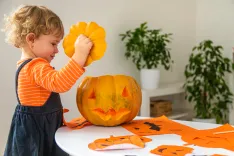
Running a full pumpkin theme week, or just need one preschool pumpkin activity to fill the twenty minutes before snack? Either way, this list should cover it without a trip to the craft store.
Key Takeaways
- Most pumpkin activities for preschoolers run on one real pumpkin plus whatever's already in the supply closet — bowls, scoops, paint, paper.
- A single pumpkin unit touches five skill areas at once: fine motor, early math, science vocabulary, language, and social-emotional skills.
- Pre-k pumpkin activities add structure — measuring, graphing, short writing tasks — where preschool versions stay shorter and more sensory.
- Spread a pumpkin theme across 3-5 days instead of one. Kids stay more engaged than if you try to cram everything into a single afternoon.
Why Pumpkin Theme Activities Work So Well
A pumpkin isn’t just a seasonal decoration propped in the corner — it earns its spot in the lesson plan.
- Builds fine motor skills. Scooping seeds and pulling out the stringy insides works the exact pincer grip kids will later need for holding a pencil, which is why so many fine-motor centers quietly revolve around a pumpkin in October.
- Makes new vocabulary stick. Words like “seed,” “vine,” and “decompose” land better when a kid is holding the actual object while hearing them, instead of just pointing at a picture in a book.
- Turns math into something you can touch. Counting seeds, comparing pumpkin sizes, guessing weight before checking a scale — all of it gives kids something physical to point at rather than abstract numbers on a worksheet.
- Hits multiple senses at once. Smell, squish, that weirdly stringy texture inside — sight, touch, and smell all firing together, which is exactly the kind of input young kids learn fastest from.
- Costs nothing extra to scale up or down. The same pumpkin that works for a toddler sensory bin can become a pre-k measuring activity the next day. You’re adjusting instructions, not buying new supplies.
Help your child
grow with Keiki
We’ll help you turn everyday screen time
into real learning progress.
Pumpkin Sensory Activities for Preschoolers
Sensory play is usually where a pumpkin theme starts, since preschoolers learn a huge amount just from touching and exploring something new. These five activities with pumpkins for preschoolers need almost nothing beyond a real pumpkin and a tray.
- Pumpkin guts sensory bin. Scoop the seeds and stringy insides into a bin, hand out spoons and small cups, and let kids dig through it without worrying about the mess. A vinyl tablecloth underneath will save you some cleanup.
- Pumpkin seed sorting. Rinse a batch of seeds and have kids sort them by size into muffin tins or small bowls — quiet, repetitive, and surprisingly good for focus.
- Pumpkin smell jars. Small jars of pumpkin spice, cinnamon, and plain puree, and kids smell and guess which is which.
- Pumpkin texture walk. Lay out the skin, the flesh, a dried seed, and a cooked chunk side by side so kids can compare how different each one feels.
- Pumpkin ice excavation. Freeze mini pumpkins or seeds in ice cubes the night before. Warm water and droppers do the rest.
Pumpkin Science Activities for Preschool
A plain pumpkin doubles as a surprisingly solid biology lesson, and preschoolers tend to run further with these than you'd expect.
- Pumpkin life cycle sequencing. Draw or print the stages — seed, sprout, vine, flower, green pumpkin, orange pumpkin — and have kids put the cards in order.
- Sink or float. Drop a mini pumpkin into a water bin and get kids to guess before you test it together. (Most are surprised it floats.)
- Pumpkin decomposition jar. Seal a few pumpkin chunks in a clear jar and check back every few days to watch mold take over in slow motion. Gross, yes — kids love it anyway.
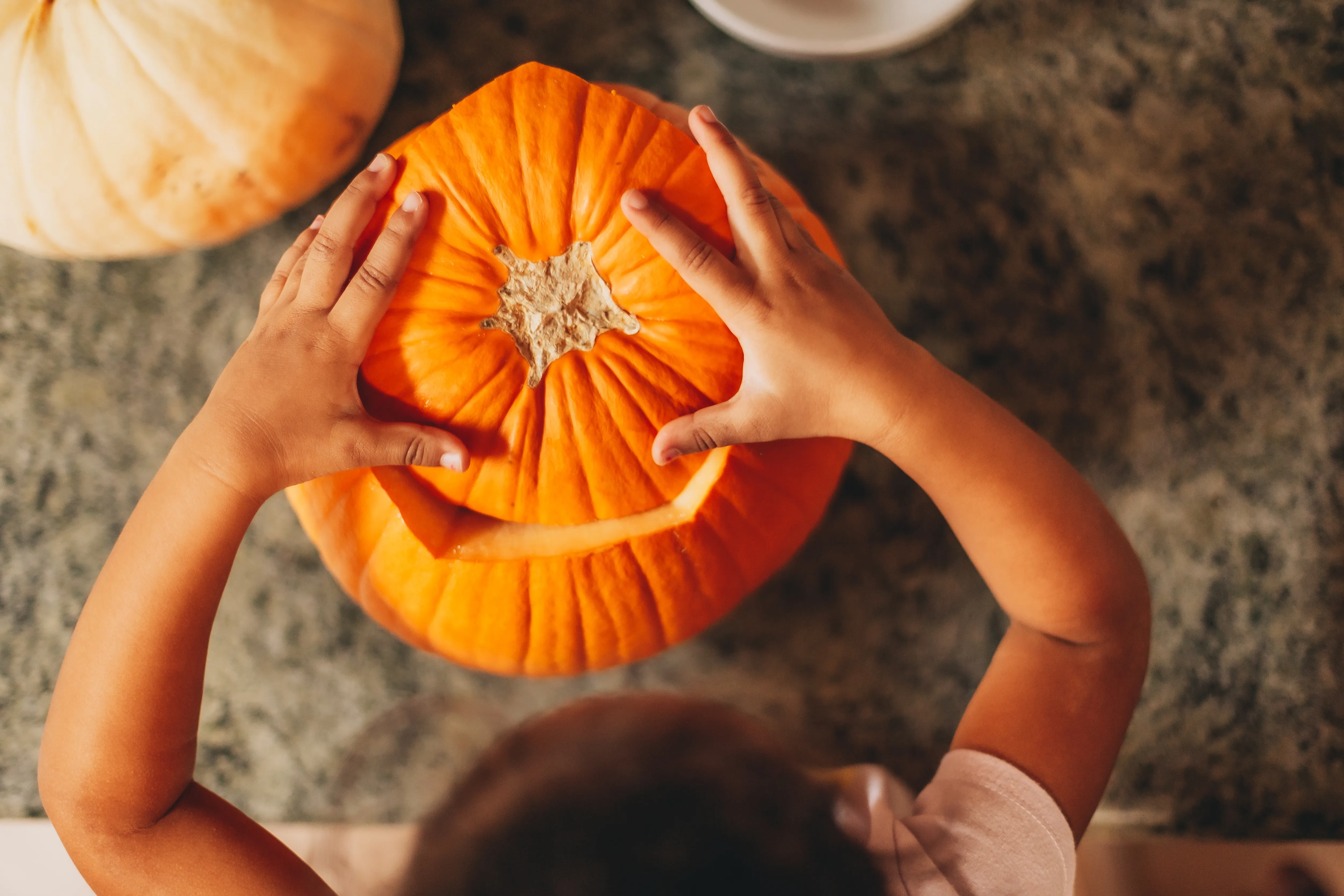
- Pumpkin anatomy dissection. Cut one open and name each part as you point: stem, skin, flesh, seeds, the stringy pulp holding it all together.
- Measure the pumpkin. Wrap yarn around the middle, cut it to length, then line it up against yarn cut for a different pumpkin to see which is bigger.
Pumpkin Math Activities for Pre-K
Counting seeds is the obvious one, but pumpkin math activities stretch from basic counting for 3-year-olds all the way to graphing for pre-k.
- Count the seeds. A handful counted one by one into a cup — simple, and it doubles as fine motor practice.
- Pumpkin patch shape hunt. Cut felt or paper pumpkins in a few sizes and have kids line them up smallest to biggest.
- Weight guessing game. Pass a few different-sized pumpkins around for guesses, then check with a kitchen scale and see who was closest.
- Pumpkin seed graph. Each child counts out ten seeds and glues them onto a simple bar graph so the class can compare totals.
- Pumpkin patterns. Small plastic pumpkins in two or three colors, built into an AB or ABC pattern for kids to extend.
Pumpkin Literacy Activities for Preschool
A pumpkin theme is also a decent excuse to read a few extra books, with some letter and vocabulary work folded in.
- Read a pumpkin story. "Pumpkin, Pumpkin" by Jeanne Titherington and "It's Pumpkin Day, Mouse!" both set up every other activity on this list nicely.
- "P" is for pumpkin. Trace the letter, then brainstorm other P-words together — pie, patch, puddle, pancake.
- Pumpkin word wall. Post basic vocabulary at eye level — seed, vine, orange, round, stem — so the words get repeated all week without you having to drill them.
- Pumpkin name puzzles. Write each child's name on a pumpkin cutout, then slice it into letter-by-letter puzzle pieces.
- Retell the story. After reading, hand out pumpkin-shaped story cards and have kids reorder the events in their own words.
Pumpkin Art and Fine Motor Activities
These pumpkin ideas for preschool lean into creativity, and most of them are doing fine motor work whether the kids notice or not.
- Pumpkin prints. Cut a small pumpkin in half, dip the cut side in paint, stamp it onto paper. Instant fall print, almost no setup.
- Pumpkin seed mosaic. Dry out a batch of seeds, then glue them onto a pumpkin outline to fill in the shape.
- Pumpkin playdough. Mix orange playdough with real pumpkin pie spice so it smells like the season while kids squish it.
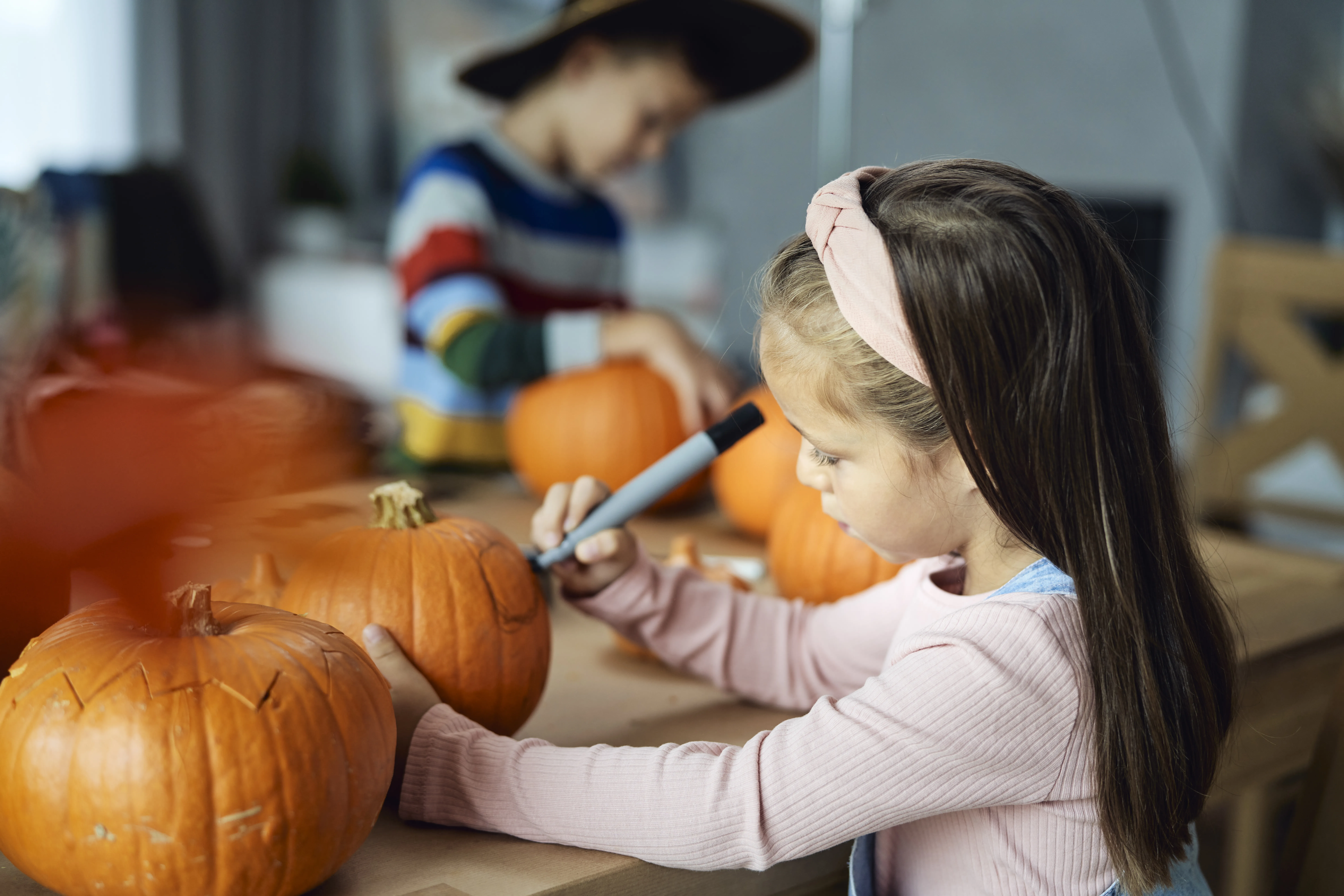
- Chalk marker pumpkins. A real pumpkin, washable chalk markers, zero sharp tools. All the decorating, none of the carving risk.
- Torn paper pumpkin collage. Kids tear orange and brown paper into small pieces and glue them onto a pumpkin outline — great tweezer-grip practice disguised as art.
- Pumpkin suncatchers. Layer orange and yellow tissue paper between two sheets of contact paper cut into a pumpkin shape, then hang it in a window.
Pumpkin Music and Movement Activities
Some of the best preschool activities with pumpkins get kids up and moving, which matters after a long stretch of table time.
- Pumpkin rolling race. Line up mini pumpkins and have kids roll them to a finish line — no hands past the start.
- Pass the pumpkin. Circle up, pass a small pumpkin while music plays, and see who's holding it when it stops. Basically hot potato with a gourd.
- Pumpkin yoga poses. A curled-up "seed," a slowly standing "sprout," a full "pumpkin" pose stretched round and tall.
- Pumpkin hop. Pumpkin cutouts on the floor as stepping stones, hopping from one to the next without touching the ground between them.
- Pumpkin song time. Swap pumpkin lyrics into a tune kids already know, like "Twinkle Twinkle," and it'll stick by the second run-through.
Pumpkin Dramatic Play Activities
Dramatic play is where kids process everything they've picked up about pumpkins by acting it out, and it tends to stick better than almost anything else on this list.
- Pretend pumpkin patch. A basket, a few mini pumpkins, a toy cash register, and kids "shop" while practicing counting out payment.
- Pumpkin farmer role play. Gardening gloves, small shovels, and a sensory bin kids can "plant," "water," and "harvest."
- Pumpkin pie bakery. A play kitchen, a pretend pie, a rolling pin, oven mitts — let them bake it start to finish.
- Pumpkin feelings faces. Paper pumpkin shapes to draw a happy, sad, surprised, or sleepy face on, then a quick chat about a time they felt that way.
Pre-K Pumpkin Activities (A Step Up From Preschool)
Pumpkin activities for pre-k can take on more structure than a typical preschool pumpkin activity, since 4- and 5-year-olds are getting closer to kindergarten-level focus. This is where pre k pumpkin activities really separate from the preschool versions above — longer sequences, more independent measuring, a bit of writing or recording built in.
- Pumpkin circumference chart. Measure a few pumpkins with string, then have kids record and compare the lengths on a chart instead of just eyeballing which is bigger.
- Pumpkin seed estimation jar. Write down a guess before counting a jar of seeds, then compare the guess to the real number.
- Pumpkin life cycle diagram. Instead of just sequencing picture cards, have pre-k kids label each stage with a word or two of their own.
- Pumpkin story writing. A pumpkin picture prompt, and kids dictate or attempt a short sentence about what's happening in it.
- Pumpkin patch map. A simple drawn map with rows and paths, and kids plot where the "biggest," "smallest," and "roundest" pumpkins would sit.
Color In the Fun With Keiki
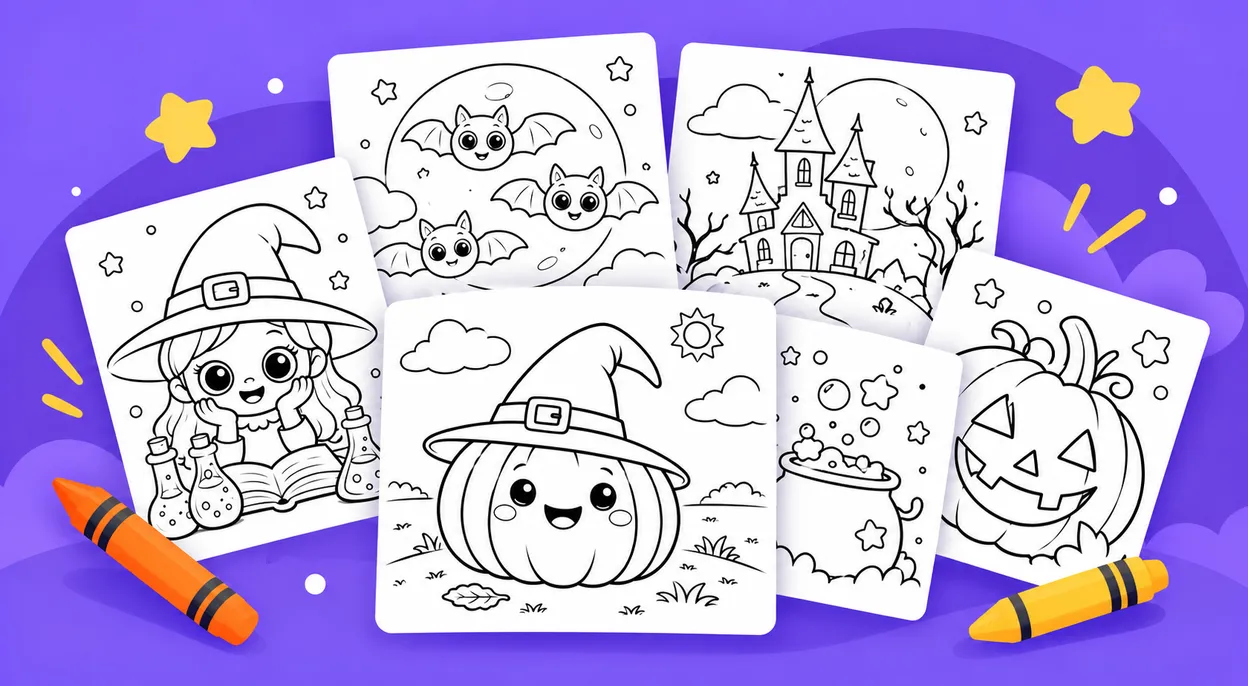
Not every pumpkin activity needs seeds, paint, or cleanup. Some days, the easiest way to keep a pumpkin theme alive is a quiet coloring session, and that's exactly what Keiki's pumpkin coloring pages are for. The collection runs from cute, not-scary pumpkin faces to pumpkin patch scenes, jack-o'-lanterns, and blank pumpkin templates kids can fill in however they want — all free, printable as PDFs, with the kind of chunky, clear outlines that work for small hands still building pencil control. It's a natural comedown after something active like a rolling race or a sensory bin, and the blank templates give pre-k kids a quiet way to sketch out a design before an adult carves the real thing at home.
Safety Tips for Pumpkin Activities With Young Kids
A handful of reminders keep this fun instead of stressful.
- Keep carving tools away from kids entirely. Let an adult do the cutting, and stick to chalk markers, paint, or stickers for the decorating part.
- Watch kids closely around seeds. Pumpkin seeds are small and firm, so supervise closely with toddlers or younger preschoolers who still mouth things.
- Wash hands after sensory play. Raw pumpkin flesh and seeds can carry bacteria from the outer rind, so a quick handwash afterward is worth the thirty seconds it takes.
- Check for mold before reusing a pumpkin. Pumpkin breaks down fast, sometimes within a day or two in a warm room, so inspect a cut or carved pumpkin before kids touch it again.
- Flag related food allergies. Pumpkin is in the same family as squash and cucumber, so note it for any child with a known reaction to related produce.
Build real skills through fun, educational games for your child
Try KeikiTips for Running a Pumpkin Theme Week
Turning this into a full pumpkin theme activities for preschool week rather than a one-off? A little pacing goes a long way.
- Spread it across 3-5 days instead of one. A fresh activity or two a day keeps interest high without burning kids out on the theme by Wednesday.
- Save the messiest options for later in the day. Sensory bins and painting are easier to handle right before dismissal than right before snack.
- Reuse the same pumpkin across multiple centers. The one you cut open for science can become tomorrow’s sensory bin and next day’s seed count.
- Pair active and quiet activities back to back. A rolling race followed by a quiet counting activity keeps the group regulated instead of overstimulated.
- Send one activity home. A coloring page or a “count the seeds” worksheet gives families an easy way to keep the theme going past pickup.