

About this collection
Download free shapes coloring pages for kids — download and print instantly
Discover shapes coloring pages packed with circles, squares and stars. Simple outlines that turn a blank page into proud artwork.
Most popular shapes coloring pages
Hand-picked by parents from our library of 65+ designs.

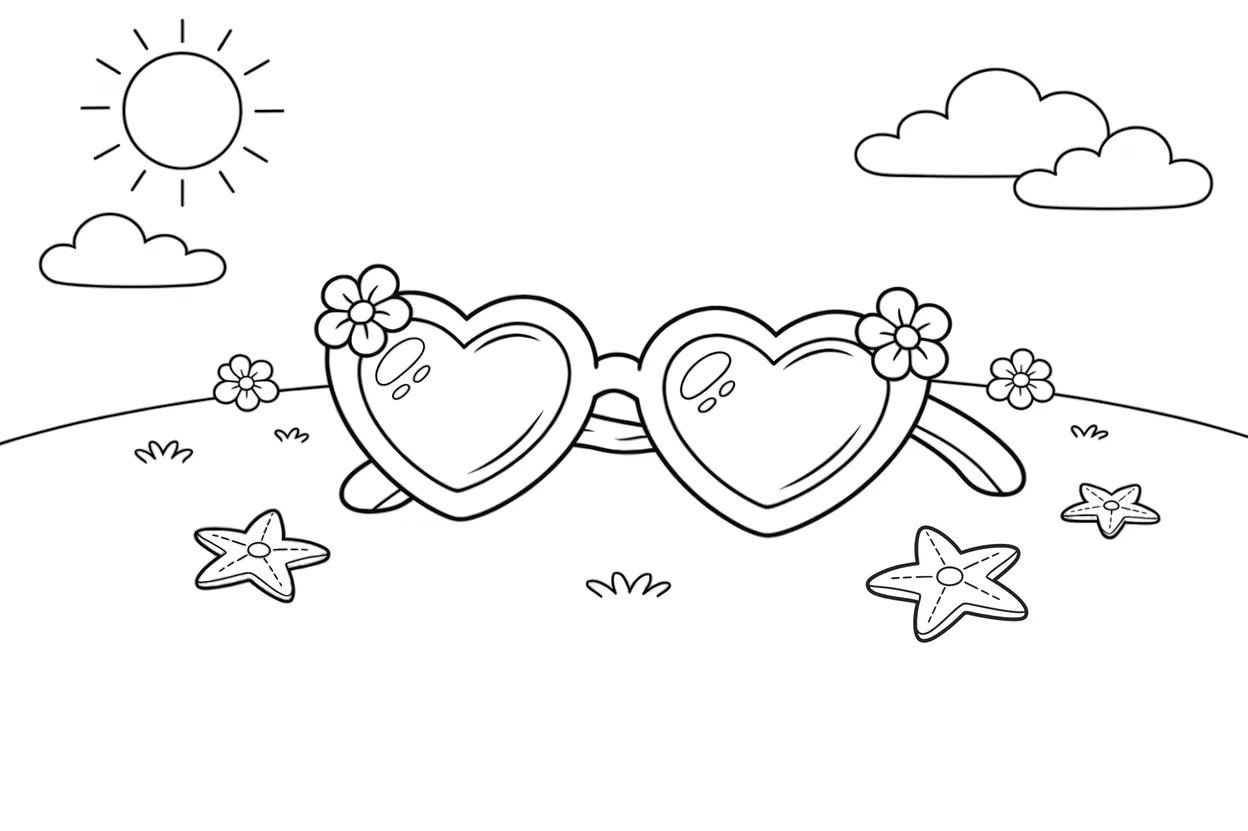
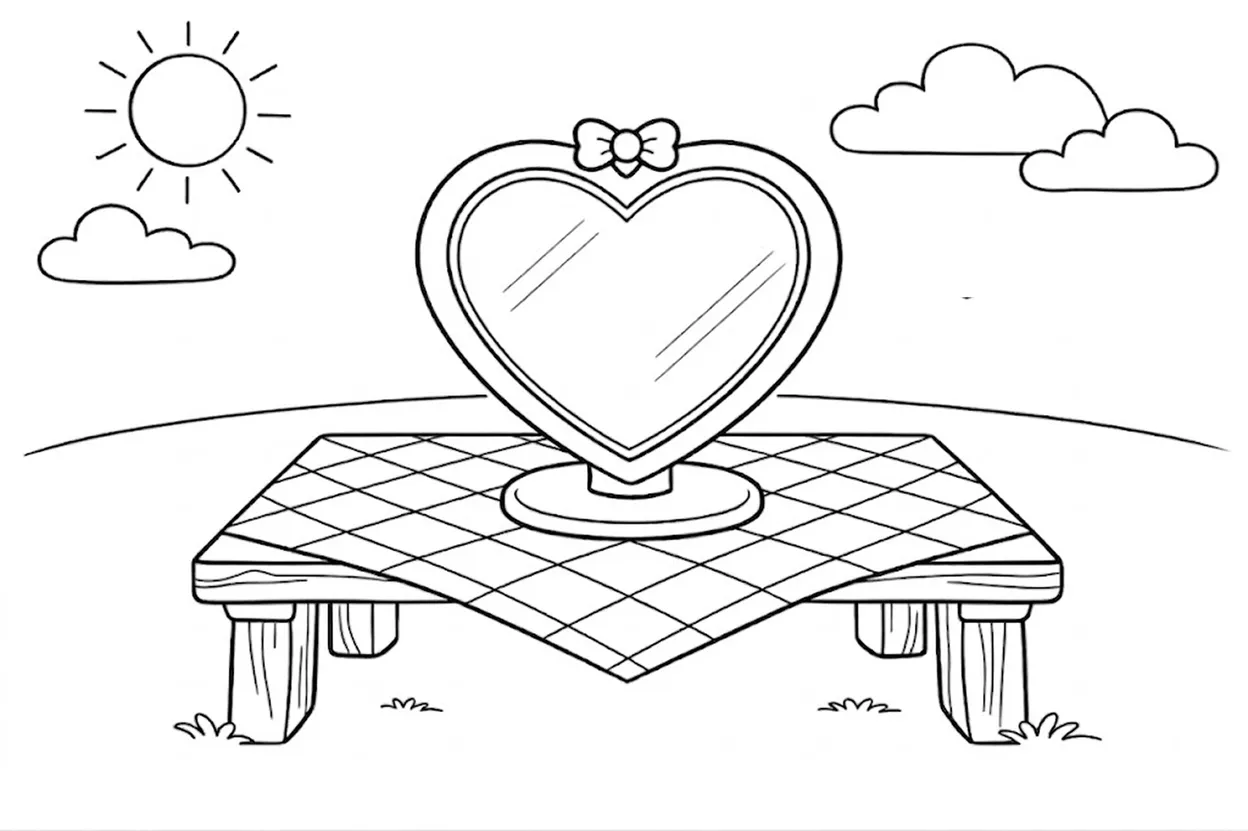
Heart coloring pages
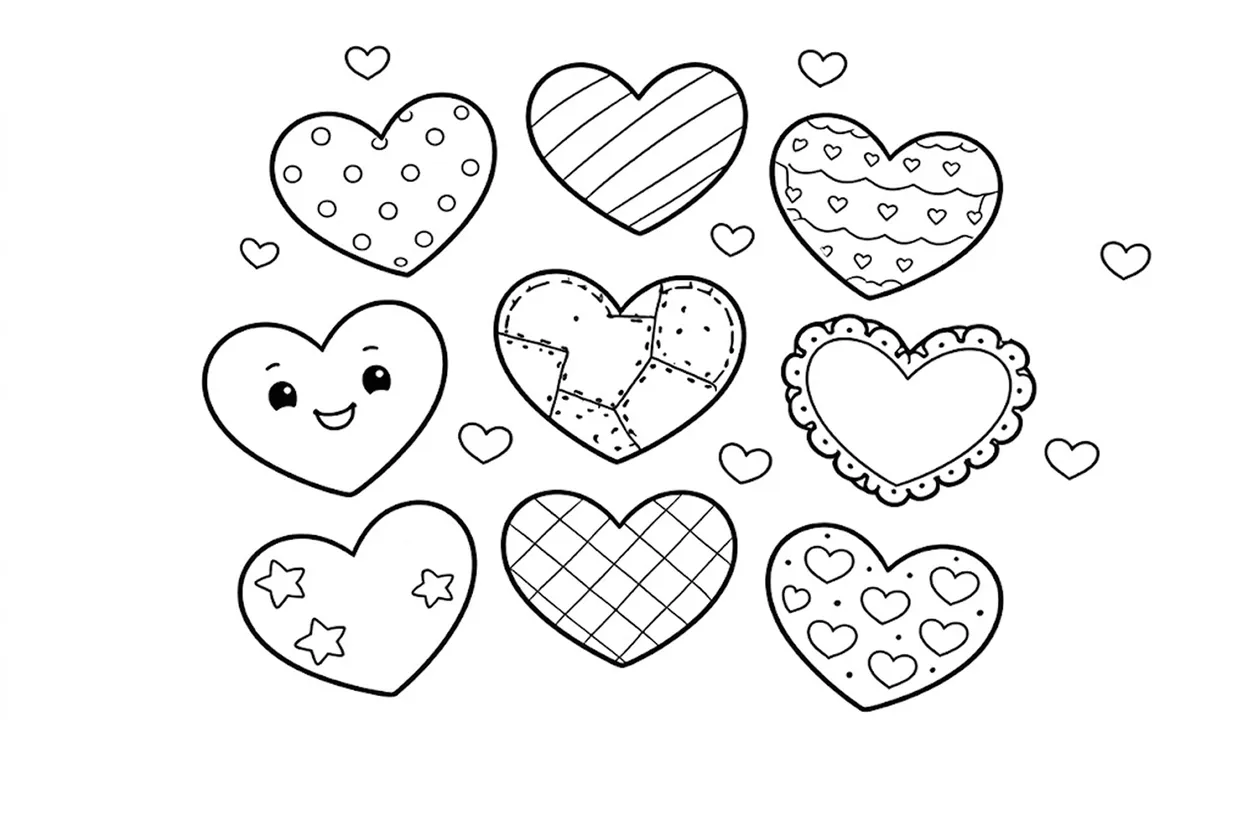
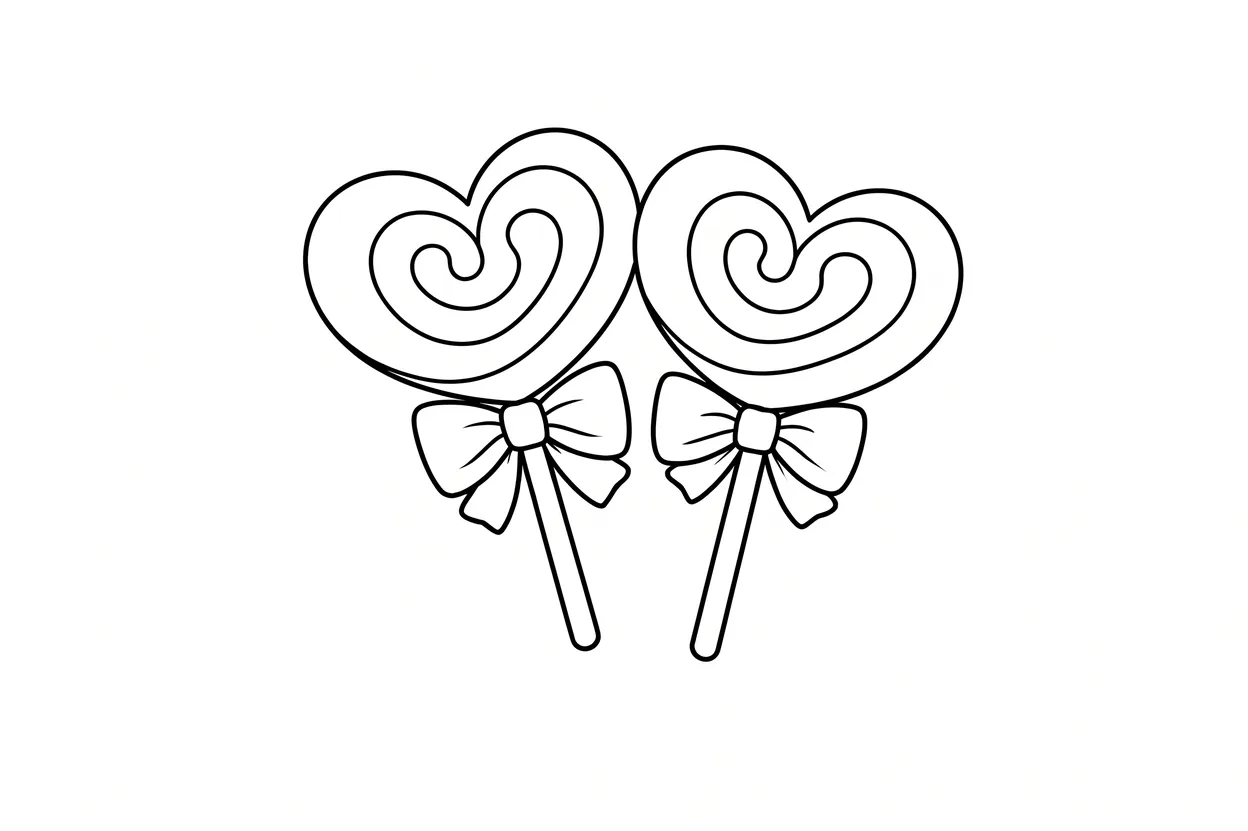
Full of love! These heart coloring pages help kids learn the heart shape while coloring sweet, lovable hearts of every size.

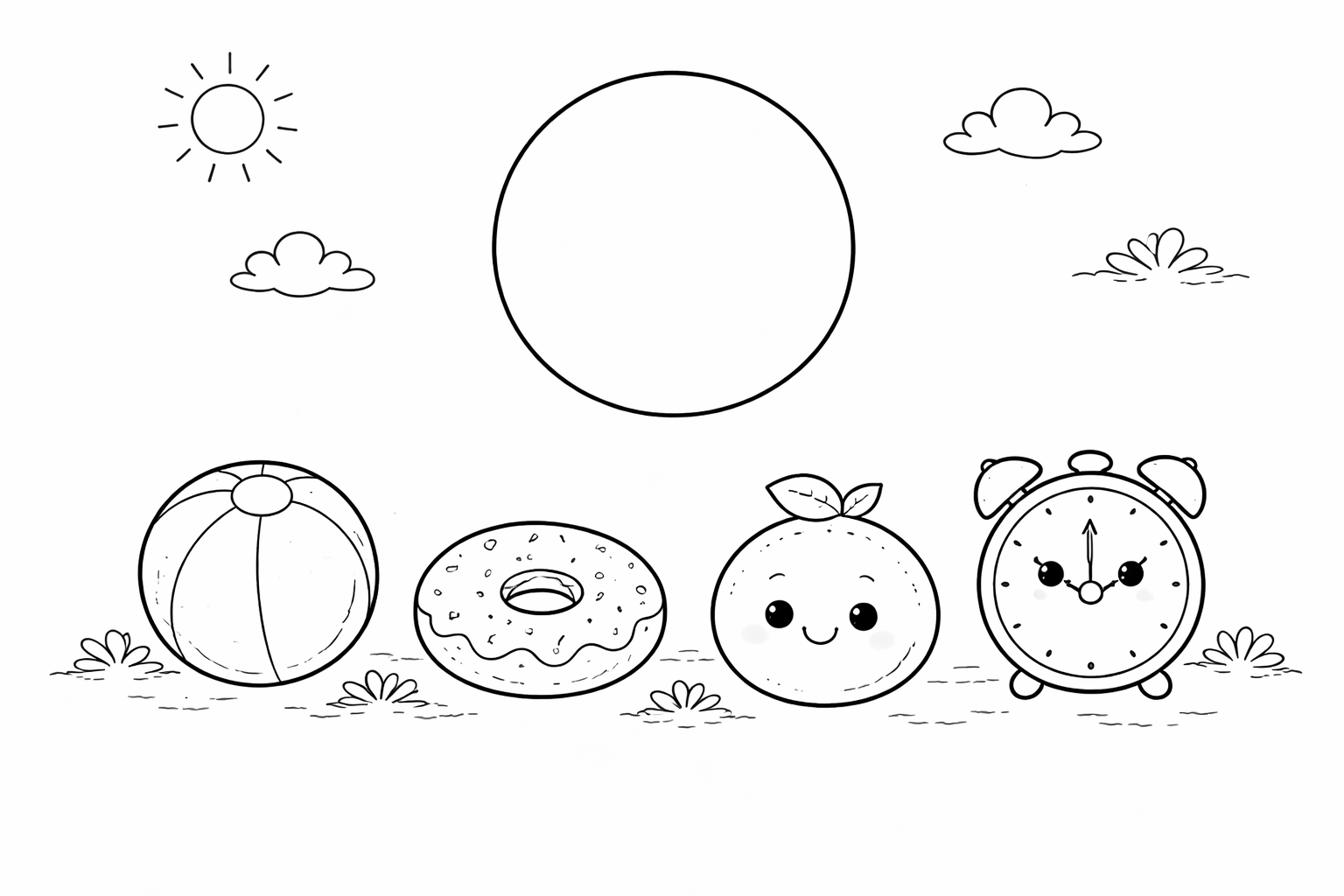
Circle coloring pages
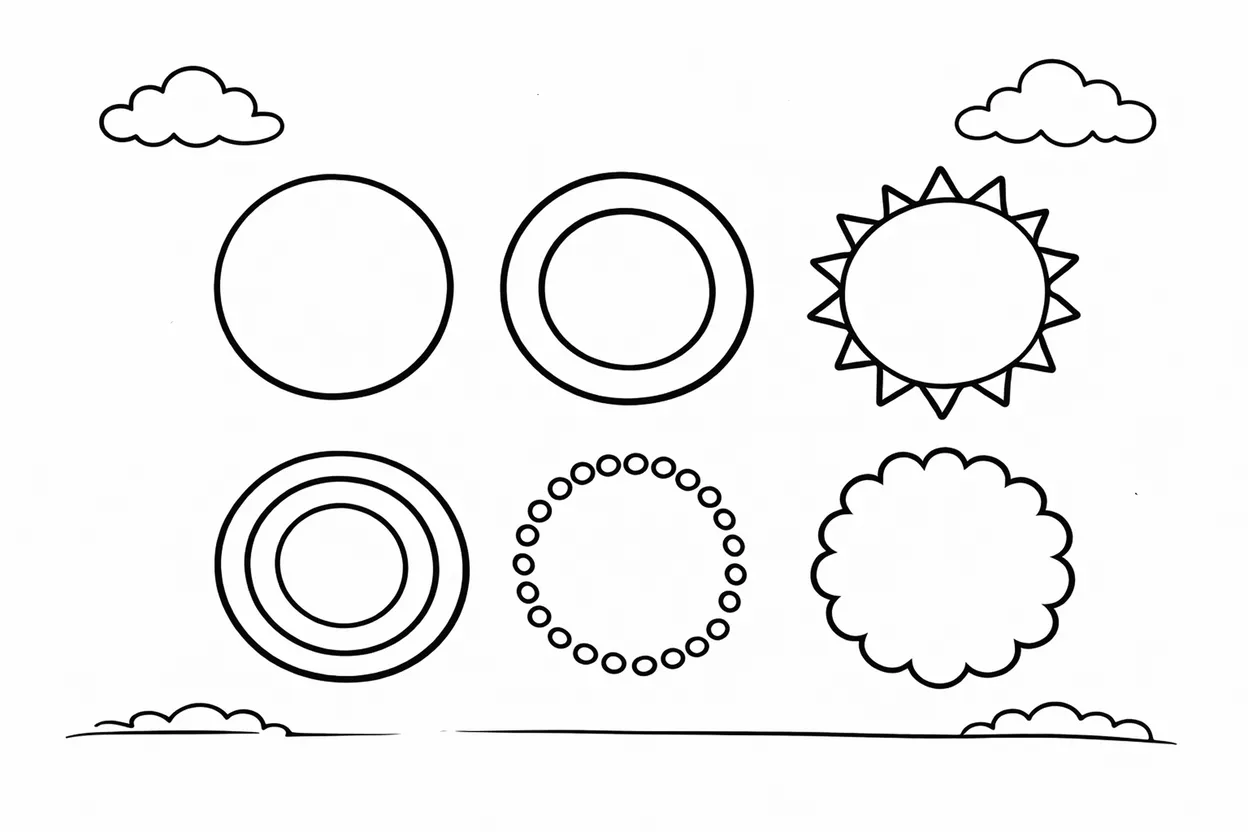
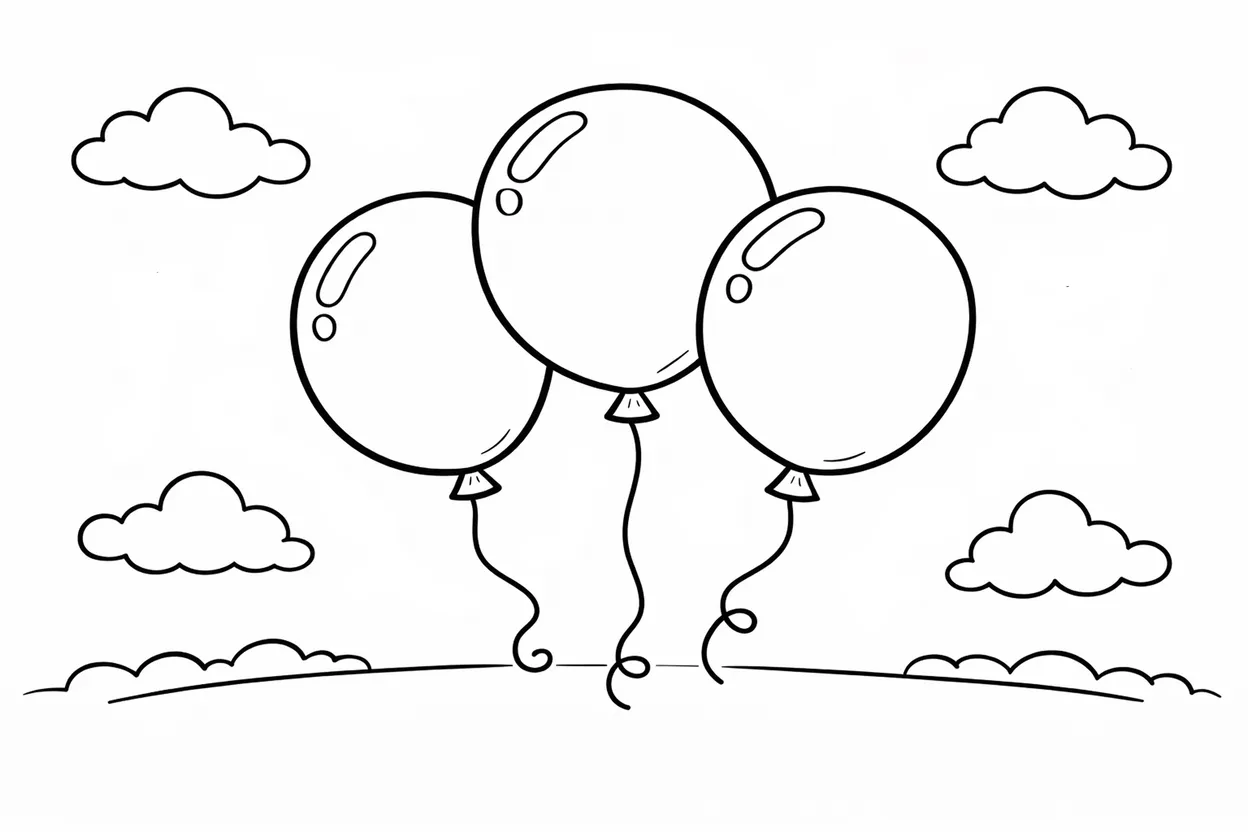
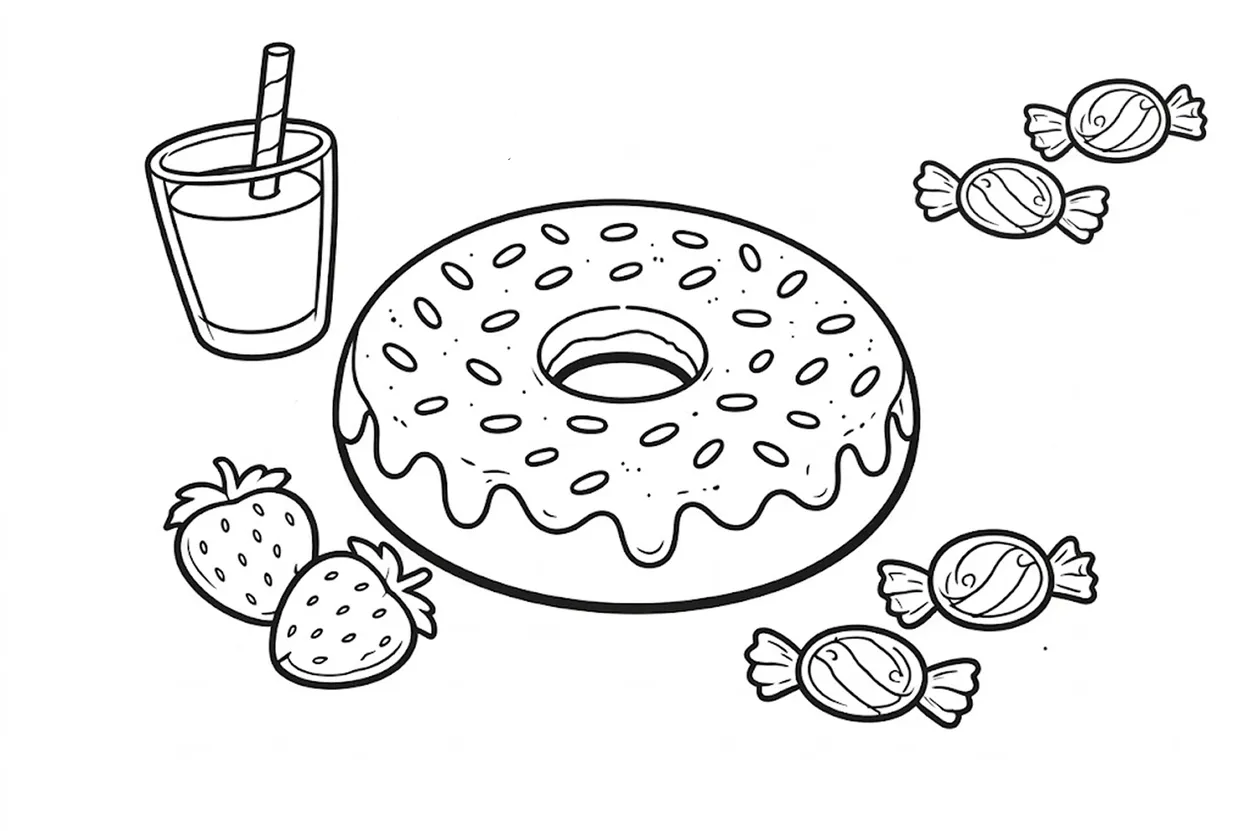
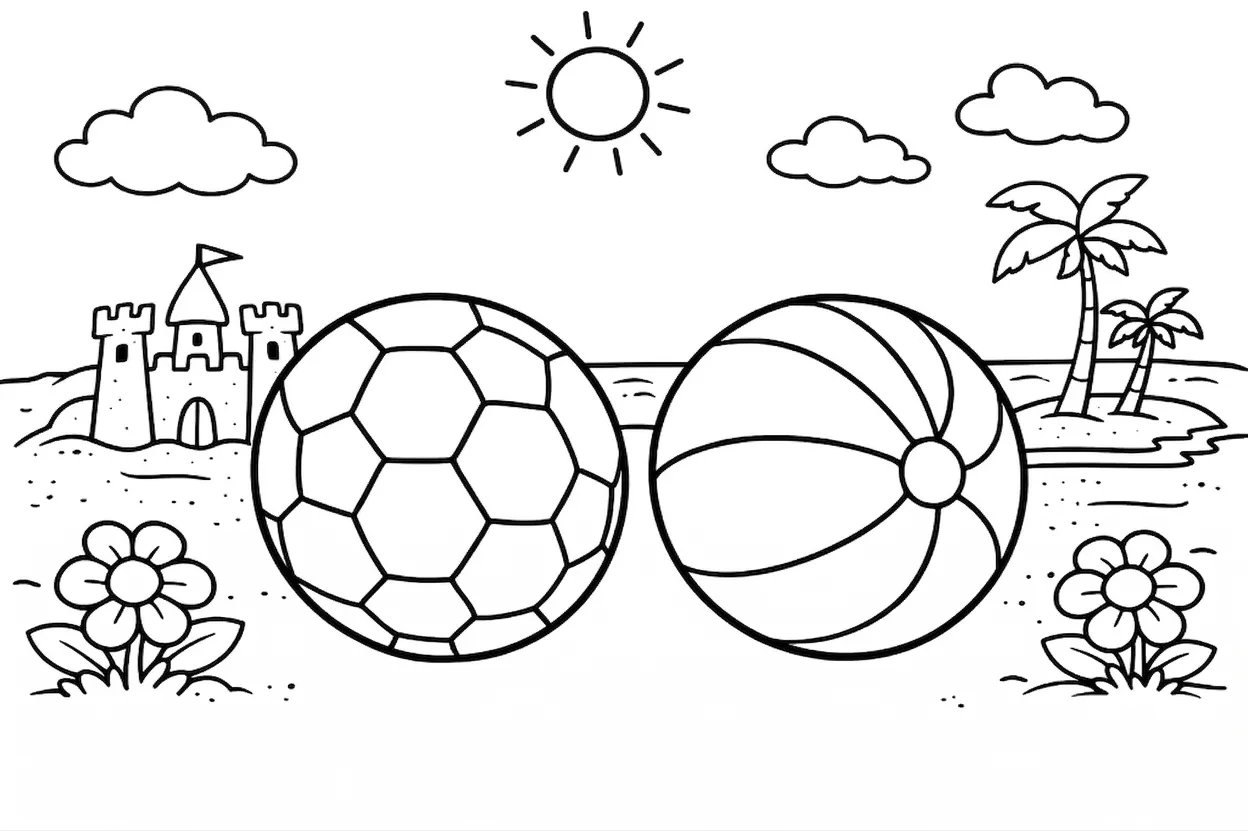
Round and round! These circle coloring pages help kids learn the circle shape while coloring fun round things like balls, suns, and wheels.
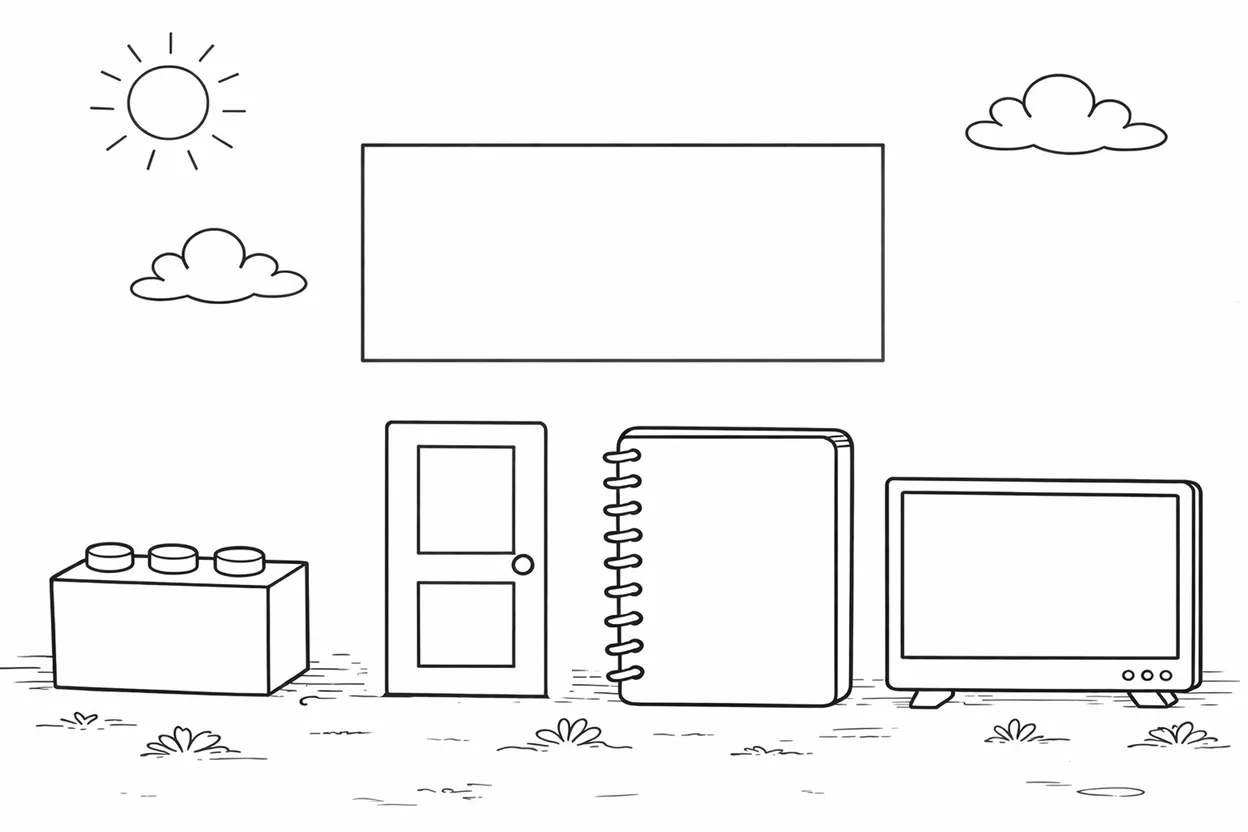
Square coloring pages
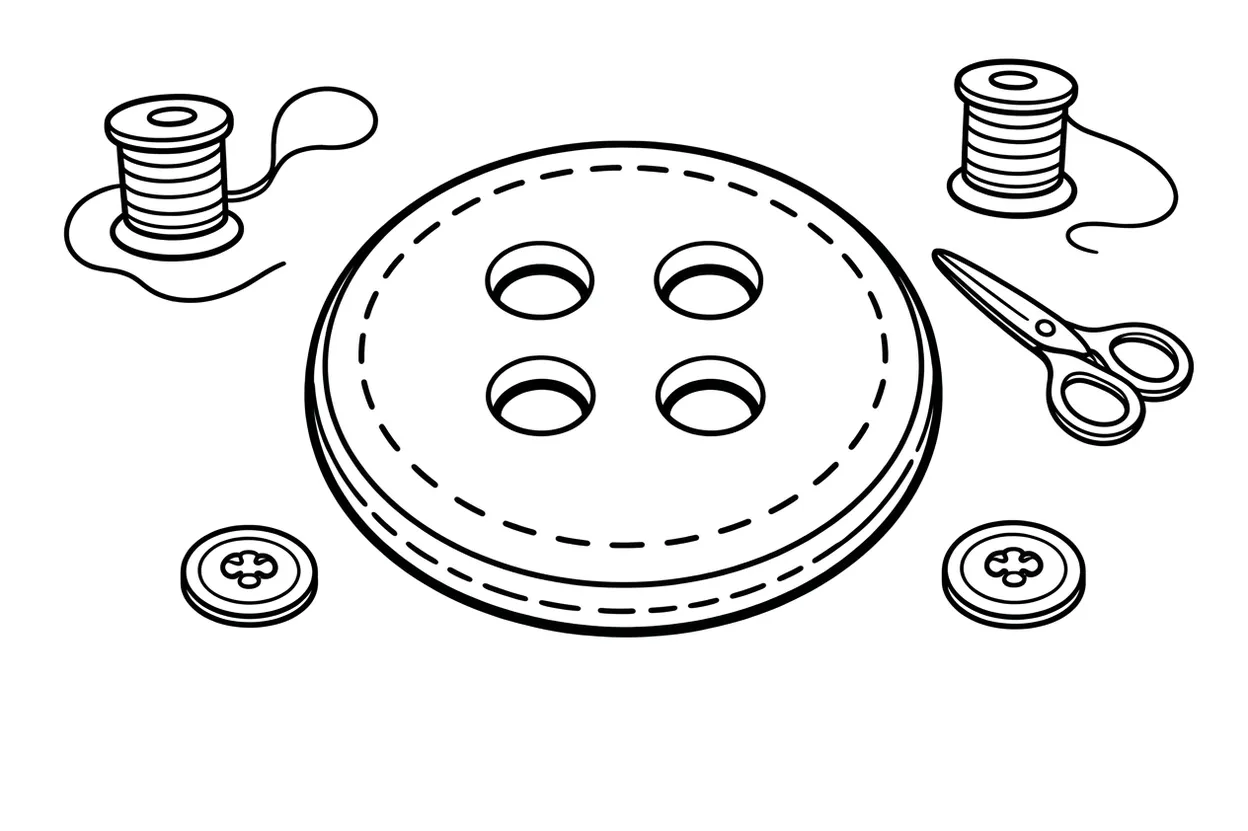
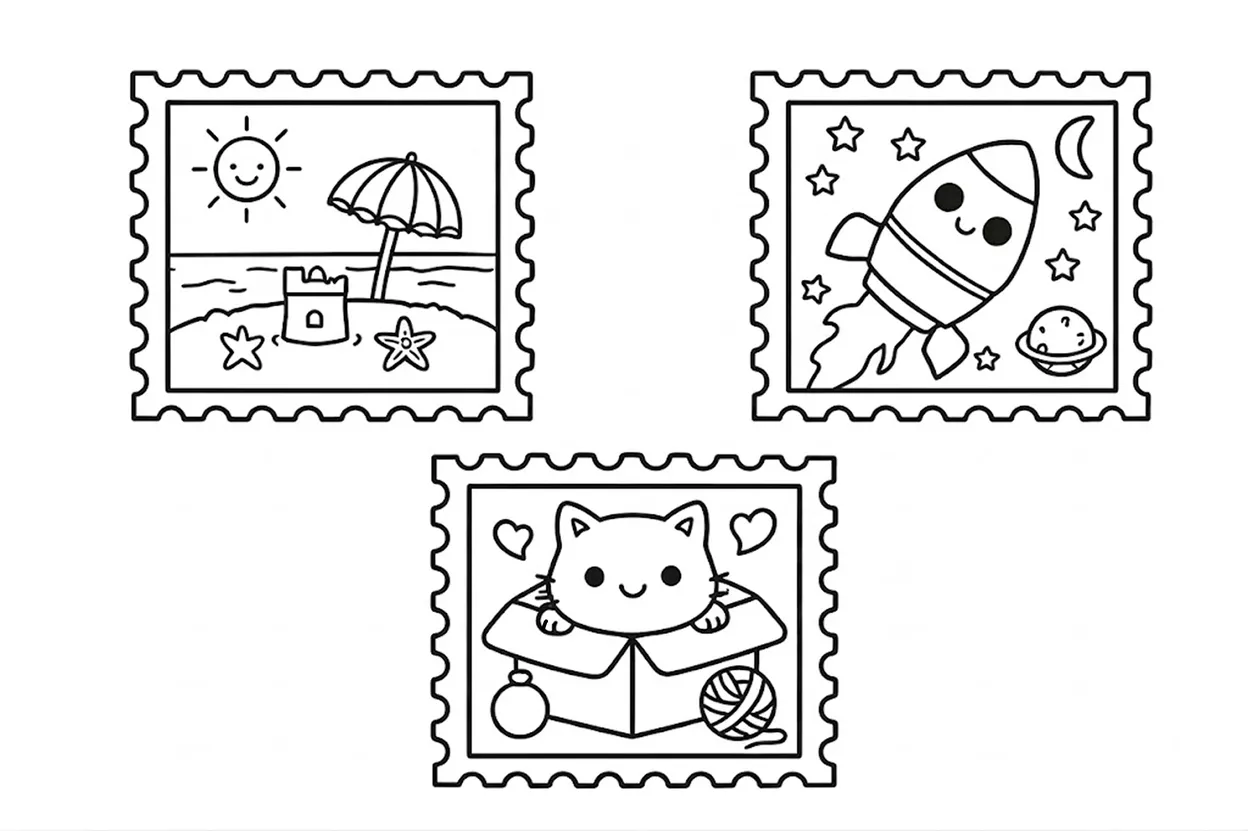
Four equal sides! These square coloring pages help kids learn the square shape while coloring fun boxy things like blocks, windows, and gifts.

Triangle coloring pages
Three pointy corners! These triangle coloring pages help kids learn the triangle shape while coloring fun things like tents, sails, and trees.
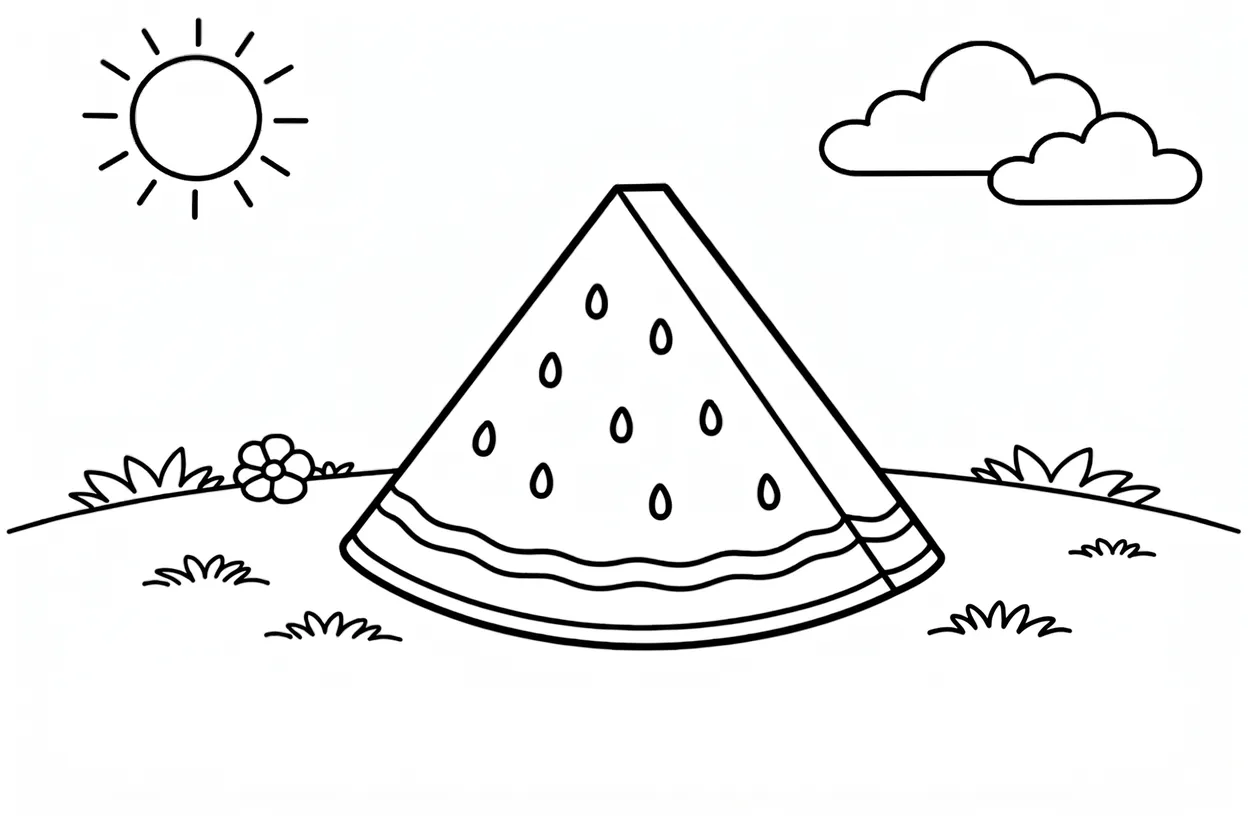
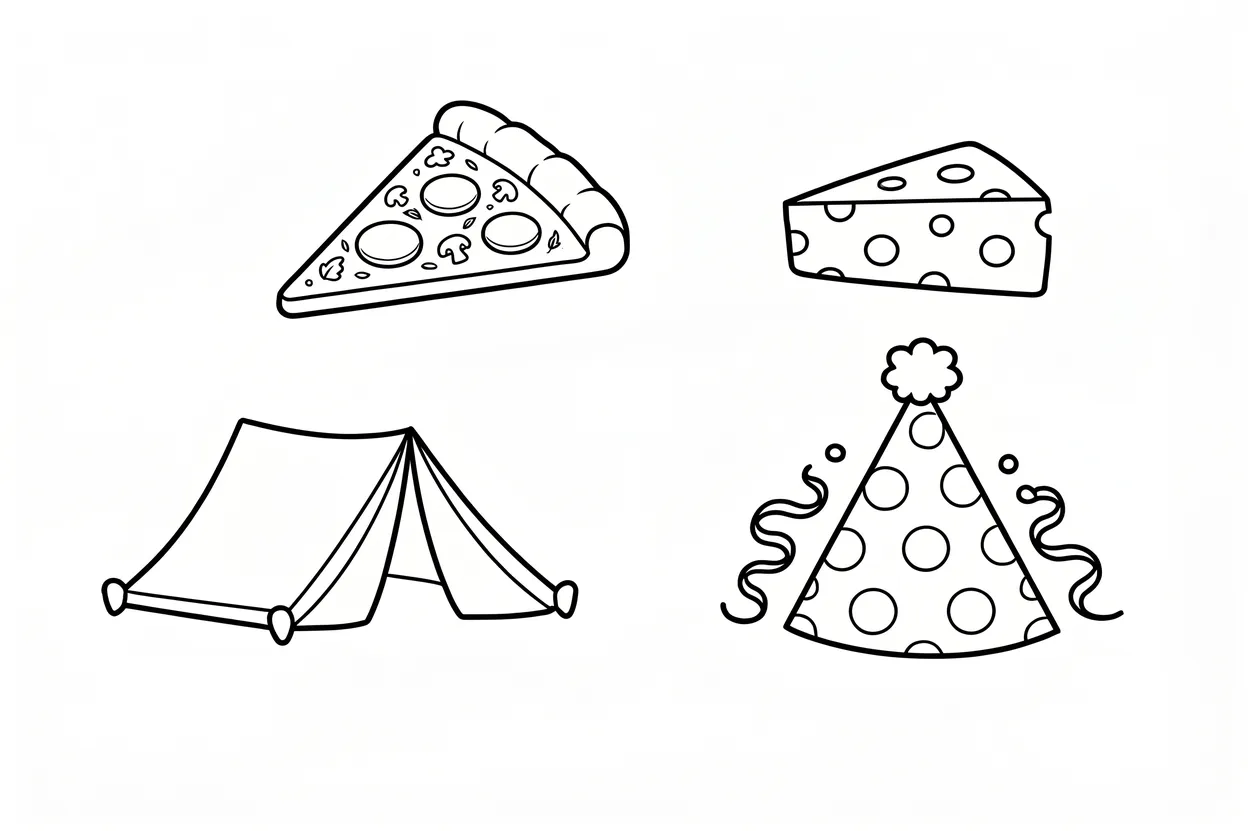
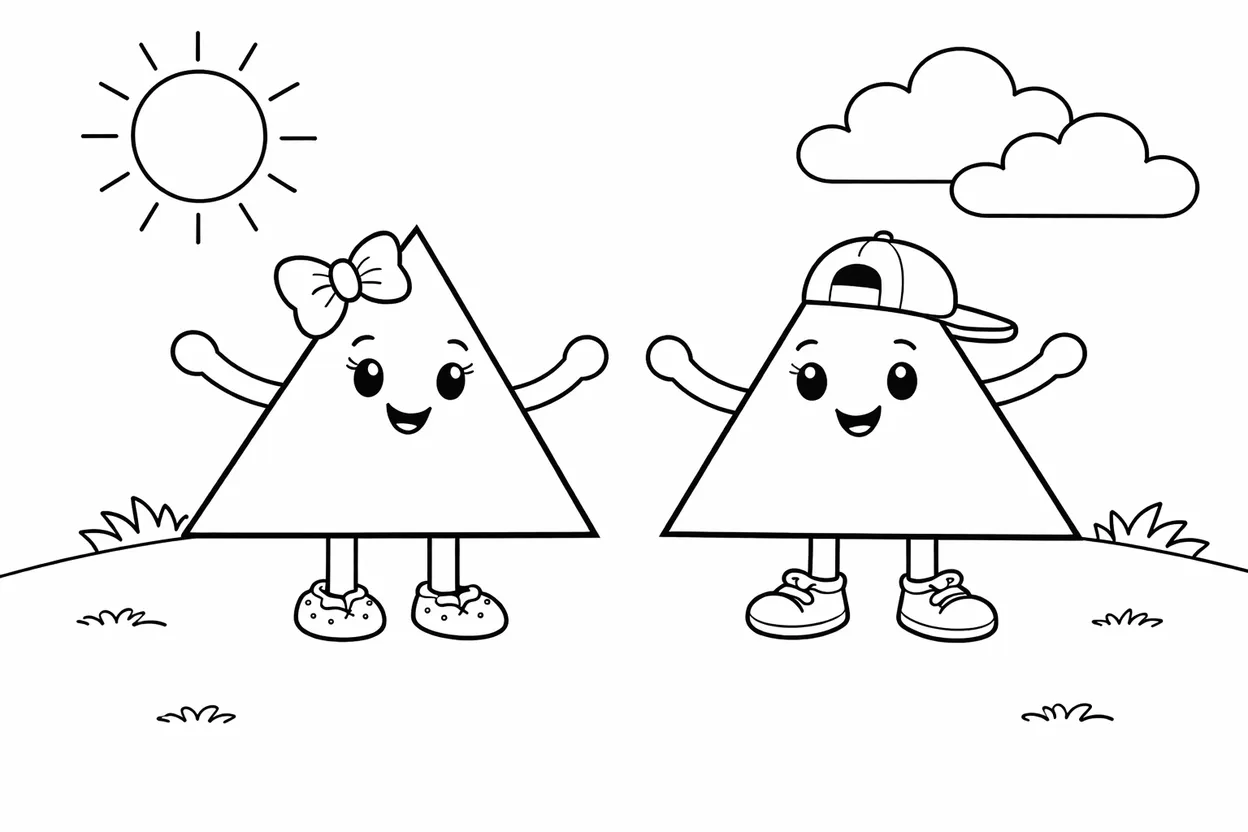
Shapes coloring pages – filling shapes with meaning and color
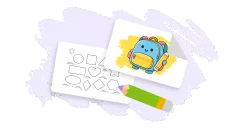
Even simple shape coloring pages make a huge contribution to a child’s development. For adults, shapes and geometric figures seem obvious, but for a toddler this is a new world of abstractions and unfamiliar concepts. At the same time, the foundations of geometry presented in an accessible form offer many benefits for a child’s future development: they train visual analysis, spatial thinking, logic, estimation, and memory. And all of this happens through coloring, in a simple and engaging way.
Geometry all around us – why learning shapes is so important
Wherever you look, you will see different shapes and their combinations. Everything starts with simple, recognizable forms – square, circle, triangle, rhombus – and grows into complex objects, technical, engineered, and man-made. Complex topics cannot be understood all at once. Everyone starts with small steps and accessible concepts. Shapes coloring pages can become that very first push that supports a child’s interest in the surrounding world and the desire to understand how things work. They clearly and simply introduce the basics of shapes and their structure even before a child learns to speak or write.
Why is this needed so early? Geometry is analysis, spatial thinking, logic, and even creativity. All of these are interconnected and develop through interaction with different geometric objects. Even simple shape coloring pages, in addition to entertaining a child and becoming a kind of challenge with oneself (it is not so easy to color a shape without going beyond the outline), also intuitively teach an understanding of proportions. Shape recognition is an important stage of intellectual development. This skill allows a child to group objects by features, which is the first step toward forming logical thinking.
Gradual skill development – from circles to stars and polygons
To keep learning geometry from turning into a boring lesson, we suggest using shape coloring sheets, where learning feels more like a game. While coloring objects, a child intuitively memorizes shapes and learns to distinguish them, which is why such pages can be offered even at ages 1–2. Without expectations of neatness or precision – just for familiarization.
By ages 3–4, children begin to understand that shapes can be combined to build objects. Our shapes coloring pages include images of houses (square + triangle) or cars (rectangles + circles). This develops synthetic thinking – the ability to see the whole through its parts.
At ages 5–6, children begin to grasp more complex forms. You can print the pages and ask the child to add new shapes based on the colored ones, creating more complex objects and compositions.
People often ask
Even very young children can start with a circle. It is the easiest shape to color and perceive. In our simple shape coloring pages, the circle is often shown as a sun or a ball. It has no corners, which allows a child with an unsteady hand to color without pressure or difficulty.
Letters are also complex geometric shapes. For example, the letter “O” is an oval, and “A” is a combination of lines similar to a triangle. Working with shapes coloring pages trains the child’s eye to notice differences in outlines, making it easier to remember letters later.
No. At this age, the process of recognition and the joy of creativity are more important. Our simple shape coloring pages have very thick outlines to support a sense of success.
Yes. This is a classic method recommended by child development specialists. Geometric shapes are a “clean canvas.” Use shapes coloring pages to reinforce the names of basic colors and their shades. Make all triangles yellow, squares green, and so on.
Both formats are important. Digital coloring in Keiki develops touch accuracy and basic digital skills. Printed shape coloring sheets provide tactile experience, allow a child to feel pencil pressure, and explore the texture of paper.