Everyday Sorting Games Growing Early Data Science Thinking For Preschoolers

Preschool learning is often described as playful, intuitive, and curiosity-driven – and for good reason. At this stage, children are building the cognitive foundations that shape how they understand the world. Long before formal math or coding lessons, young learners begin to notice similarities, differences, and relationships. These early observations are not random; they are the building blocks of analytical thinking.
Table of contents
- Why sorting matters in early childhood
- Play and analytical thinking
- Everyday sorting games to try today
- Pattern recognition in early learning
- Research: early cognition and outcomes
- Sorting builds social & emotional skills
- Movement & language in sorting play
- From sorting play to thinking skills
- Tips for parents and educators
- Common mistakes to avoid
- Key insights

Everyday sorting activities – whether organizing toys, grouping colors, or matching shapes – quietly nurture skills that later support logical reasoning and structured problem-solving. When approached intentionally, these simple experiences can lay the groundwork for concepts that eventually appear in fields like data science, without introducing pressure or abstraction too early.
Why Sorting Activities Matter in Early Childhood
Sorting is one of the first ways children make sense of complexity. By grouping objects, they practice decision-making, comparison, and categorization – skills that are foundational to learning across subjects.
In early education, these activities support attention, language development, and executive function. From a developmental perspective, sorting strengthens the brain’s ability to recognize structure in information, which later supports numeracy, literacy, and analytical reasoning.
Crucially, these benefits emerge most strongly when activities remain playful and child-led rather than instructional.
How Play Connects to Analytical Thinking
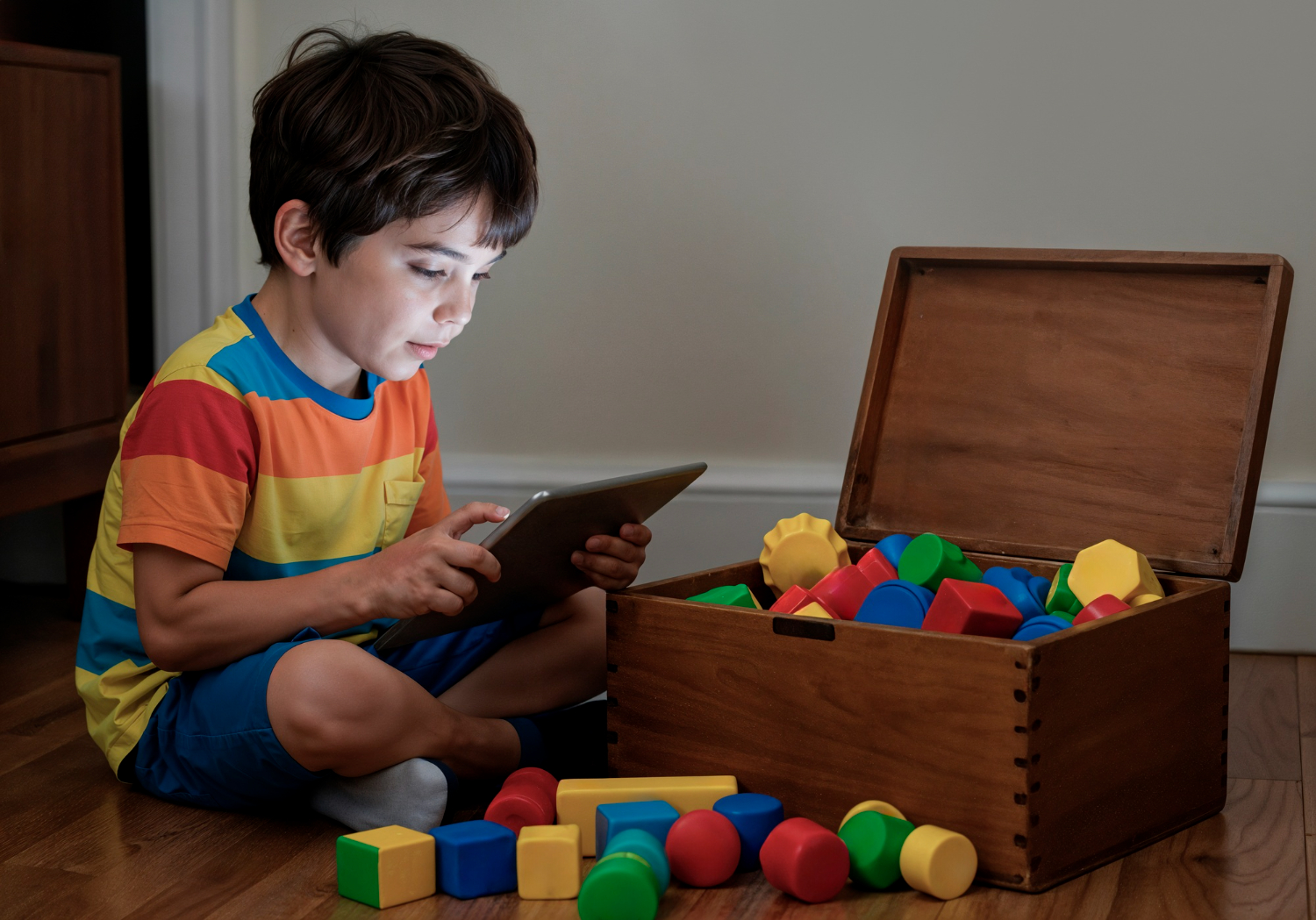
Young children do not need to understand advanced concepts to benefit from structured play. What matters is the process of observing, testing, and adjusting.
Through pattern recognition games, preschoolers learn to notice repeating elements and predict what comes next. This ability to detect regularities is a cornerstone of reasoning that later appears in subjects like statistics and computing.
When children sort objects by size, color, or function, they are practicing the same mental processes adults use to organize information, just at an age-appropriate level.
Everyday Sorting Games You Can Start Today
Many effective learning activities require no special materials. Everyday household items are often enough.
- Invite children to group toys by shared features, such as color or material, and ask them to explain their choices in simple language.
- Use laundry sorting as a learning moment, encouraging children to separate items by size or type while reinforcing sequencing skills.
- Turn snack time into a sorting activity, grouping foods by shape or texture to build observation skills.
These interactions strengthen reasoning while keeping learning embedded in daily life. Animal games for kids can also be a fun and educational way to engage children in learning. Activities like "Simon Says" with animal movements or "Guess the Animal Sound" can help improve memory and cognitive skills. By incorporating animals into games, children can learn about different species and their characteristics in an interactive way.
Help your child
grow with Keiki
We’ll help you turn everyday screen time
into real learning progress.
The Role of Pattern Recognition in Early Learning
Recognizing patterns helps children anticipate outcomes and build confidence in their understanding. This skill supports early math, reading readiness, and problem-solving.
Well-designed pattern recognition games encourage children to test ideas safely. When a child predicts which object comes next and adjusts after feedback, they are practicing hypothesis and revision in a developmentally appropriate way.
Over time, this habit of thinking prepares learners to handle more complex information without fear of mistakes. Pattern recognition is a crucial cognitive skill that can be fostered through engaging activities and games. Ice breaker games for kids are a fun way to help children practice pattern recognition in a social setting. These games can also help build teamwork and communication skills in addition to boosting cognitive development.
By encouraging children to make predictions and learn from their mistakes, they are developing important critical thinking skills that will benefit them in various aspects of their education.
External Research Insight: Early Cognitive Skills and Long-Term Outcomes

A study found that, after adjusting for concurrent development in language and domain-specific skills, improving working memory and attention control abilities during the pre-kindergarten year contributed uniquely to kindergarten reading and math achievement.
These findings suggest that early childhood interventions focusing on cognitive flexibility, working memory, and attention control can have significant positive effects on academic outcomes in later years. Therefore, incorporating playful and engaging activities that target these cognitive skills in the preschool curriculum may be beneficial for children's long-term academic success.
Supporting Social and Emotional Development Through Sorting
Sorting activities are not only cognitive exercises. They also support social and emotional growth.
- Collaborative sorting games teach turn-taking and communication, as children negotiate categories and explain reasoning to peers.
- Open-ended tasks reduce performance anxiety, allowing children to explore multiple “right” answers rather than fixed outcomes.
- Positive feedback reinforces persistence, helping children learn that effort matters more than speed or perfection.
These social dimensions are essential for healthy learning environments. They promote teamwork, empathy, and respect for others' perspectives. Ultimately, sorting activities contribute to the development of well-rounded individuals who are equipped with both cognitive and social skills.
Integrating Movement and Language Into Sorting Play
Young children learn best when multiple senses are engaged. Combining physical movement or language with sorting strengthens retention and enjoyment.
Activities like Yoga games for kids can be paired with classification challenges, such as sorting poses by balance or stretch type. This approach connects physical awareness with cognitive organization.
Similarly, Speech games can incorporate categorization tasks, encouraging children to group words by sound or meaning while building vocabulary and articulation.
Help your child thrive with playful learning
Turn screen time into real growth with Keiki's educational games.
Try KeikiFrom Playful Sorting to Future Thinking Skills
While preschool activities should never be framed around careers, it is worth noting how early habits shape future learning trajectories.
Skills developed through sorting – such as classification, comparison, and abstraction – are foundational to many disciplines. Over time, these habits support subjects that rely on structured thinking, including mathematics, science, and data science.
For parents curious about how analytical skills evolve over time, resources exploring career pathways in data science provide insight into how early cognitive abilities scale into advanced fields. Understanding the importance of early cognitive development in areas like sorting and classification can help parents guide their children towards future success in analytical fields such as data science. By fostering these foundational skills at a young age, children can build a strong academic foundation that will serve them well in various disciplines later on.
Tips for Parents and Educators to Maximize Impact
Intentional guidance can enhance the value of simple activities without making them feel instructional.
- Ask open-ended questions instead of giving instructions, prompting children to articulate their thinking in their own words.
- Allow children to create their own sorting rules, which encourages creativity and flexible reasoning.
- Rotate materials and contexts regularly, keeping curiosity high and preventing routines from becoming rigid.
The goal is exploration, not mastery.
Common Mistakes to Avoid
Even well-meaning adults can unintentionally limit learning potential.
- Avoid correcting “wrong” groupings too quickly, as children learn more from explaining and revising their ideas.
- Do not overcomplicate activities with excessive rules, which can reduce engagement and confidence.
- Resist the urge to link play directly to academic outcomes, keeping the focus on enjoyment and curiosity.
Healthy learning grows from trust and freedom within a gentle structure. Remember, the process of learning is just as important as the end result. Encourage children to ask questions and discover answers on their own, fostering independence and critical thinking skills. Trust in their ability to learn through play and exploration, allowing them to make mistakes and learn from them.
Key Insights
- Simple sorting games support early cognitive, social, and emotional development.
- Play-based classification builds foundations for analytical thinking without pressure.
- Pattern recognition skills developed in preschool support later learning across subjects.
- Everyday activities offer powerful learning opportunities when guided with intention.