22 Enrichment Activities for Kids – Ideas for Every Occasion

Every parent knows what this magic looks like: wide-open eyes, full concentration, and genuine joy when a child makes a new discovery. Development in early childhood happens at lightning speed, and the right activities can make that process even richer. This is where enrichment activities for kids come in, helping children unlock their potential in a comfortable, home-like, and loving atmosphere. In this article, we have gathered ideas for every age, every mood, and every rainy afternoon.
Key Takeaways
- Enrichment activities go beyond the classroom. They nurture curiosity and a love of learning – with no grades and no pressure.
- You do not need special equipment. Most activities use everyday household materials – cardboard tubes, foil, rice, and tape.
- Follow the child, not the checklist. The most effective activity is the one your child actually enjoys. Interest is the most powerful learning accelerator.
- Age matters. Toddlers need sensory exploration; preschoolers benefit from role-play; kindergarteners are ready for structured creative and academic challenges.
- Less is more. Fifteen to twenty minutes of engaged daily play beats a packed schedule. Enrichment should feel joyful, not exhausting.
What Are Enrichment Activities for Kids?
In practice, enrichment activities for preschoolers are more than just clubs or lessons. To better understand their essence, let's look at their main features:
- Going beyond standard programs. These are any activities that complement a school or preschool curriculum, giving a child the opportunity to explore areas that interest them more deeply.
- A focus on curiosity. High-quality enrichment activities for children do not aim to force a child to memorize the alphabet. Their purpose is to show how interesting the world is and how much there still is to discover.
- A focus on the process, not the result. It does not matter if a block tower falls or paints mix into a brown puddle. What matters most are the skills being practiced along the way.
- A safe environment without grades. When activities take place at home, in an atmosphere of acceptance and play, this inevitably increases a child's confidence and willingness to experiment.
Help your child
grow with Keiki
We’ll help you turn everyday screen time
into real learning progress.
Academic Enrichment Activities for Kids
Academic skills do not have to be associated with school and a desk. We can turn reading, writing, and math into an exciting adventure. This is especially important for early elementary school students to support their motivation to learn. Here are excellent enrichment activities for 1st graders and preschoolers that can be easily organized at home.
Grocery store math
You can turn your kitchen or living room into a supermarket. Put price tags on toy foods, give your child “money” (toy bills or coins), and a basket. The child can plan a budget, buy items, and count change. Behind the game, however, is a truly practical way to learn counting and master the basics of addition and subtraction through fun.
Sight word bingo
Reading can be a difficult stage, but play changes everything. Draw bingo cards where, instead of numbers, you write the words your child is currently learning to read. Pull word cards out of a bag and let your child cover the matches with chips. If you are also looking for kindergarten enrichment activities for a group of children, this kind of bingo is an excellent choice.
Storytelling and book making
Take several sheets of paper, fold them in half, and staple them together. Invite your child to become the author and illustrator of their own fairy tale. For children who cannot write yet, you can act as the secretary and write down their ideas. This task develops speech, imagination, and an understanding of story structure.
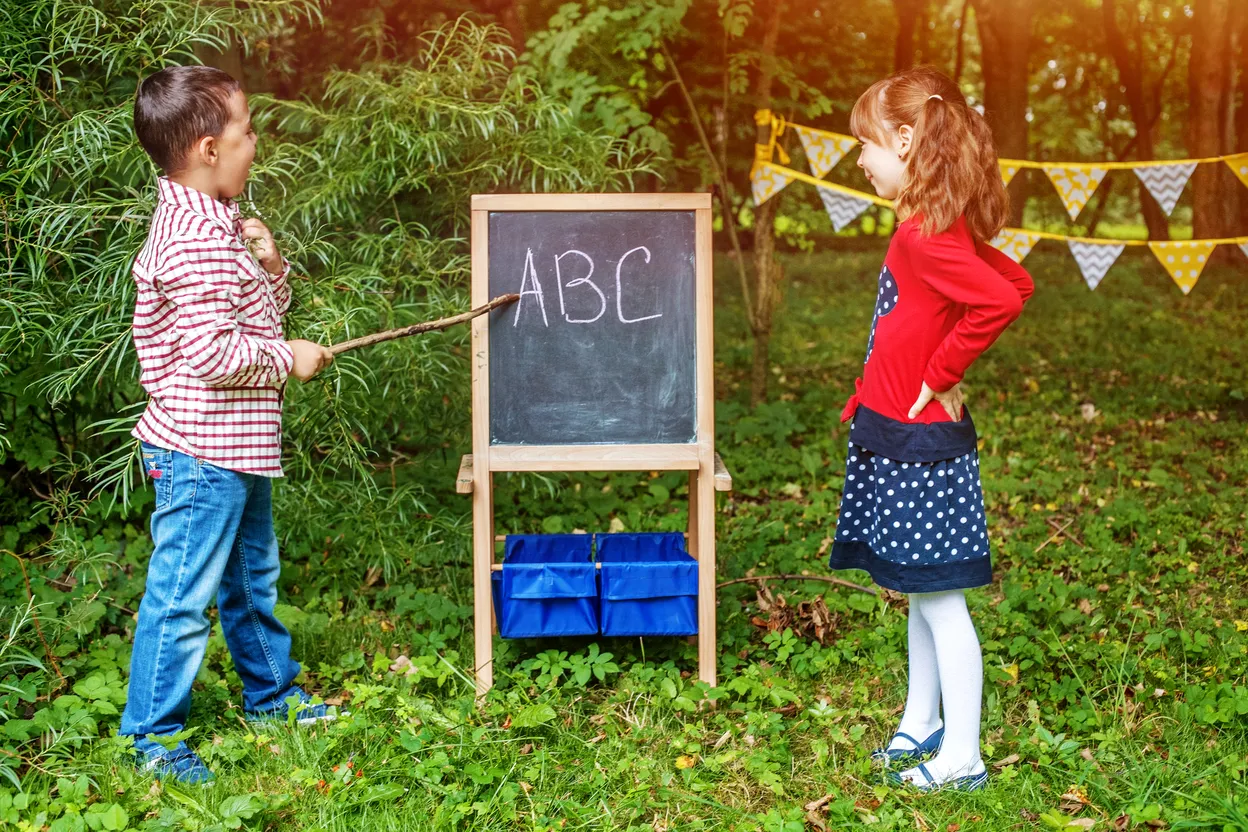
Alphabet scavenger hunt
Give your child a basket and ask them to find objects around the house whose names begin with each letter of the alphabet, or even with a specific letter you are studying today. This is active, dynamic learning that keeps boredom away.
Creative Arts Enrichment Activities
Creativity is the language children speak before they learn to express their thoughts perfectly in words. Art helps them process emotions, develop fine motor skills, and think outside the box. By including fun enrichment activities for kids related to art in your routine, you give them freedom of self-expression.
Process art
Forget coloring pages and strict instructions. Invite your child to paint with unusual objects: dishwashing sponges, cotton swabs, old toothbrushes, or even toy cars, dipping their wheels into paint. The main point here is the action itself, exploring textures, and mixing colors.
Shadow theater
All you need is a desk lamp, a white wall (or a stretched sheet), and figures cut out of cardboard. Turn off the light and immerse yourself in the magic. You can act out well-known fairy tales or invent your own. This develops both imagination and vocabulary.
DIY instruments
Musical development does not always mean buying a piano and attending dull, repetitive lessons. Make maracas from plastic bottles and rice, drums from pots and wooden spoons, or a guitar from an empty box and rubber bands. Explore rhythm, volume, and tempo by creating your own music.
Sensory bins
If you are looking for the best enrichment activities for toddlers, sensory bins are the number one choice. Fill a large plastic container with kinetic sand, beans, rice, or water beads. Hide small toys inside, and provide shovels and tweezers. This calms the nervous system and is incredibly beneficial for toddlers’ brains.
Newspaper fashion show
Give children a stack of old newspapers, masking tape, and safety scissors. Invite them to create unique outfits. This combines spatial thinking, an engineering approach, and pure delight.

STEM Enrichment Activities for Kids
STEM (Science, Technology, Engineering, Mathematics) is the foundation of future professions. But for children, it is first and foremost the magic of experiments and the joy of creating. These activities stimulate cognitive growth.
Sink or float experiment
Classic enrichment activities for preschoolers are often connected with water experiments. Fill a basin with water. Gather various household objects (an apple, a metal spoon, a plastic toy, a wooden block). Before placing each object in the water, ask your child to make a hypothesis: will it sink or stay afloat? Then test it in practice.
Marshmallow engineering
Give your child a pack of toothpicks and mini marshmallows or modeling clay. The task is to build the tallest tower or the strongest bridge. This activity clearly demonstrates and lays the foundations of geometry, balance, and structural physics.
Baking as science
Making simple muffins or pancakes is a real chemistry lab. A child sees in practice how liquid batter becomes a solid sponge cake when heated, and how baking soda reacts with acid, making baked goods rise. Plus, measuring ingredients is excellent math practice.
Nature sorting
Collect stones, cones, leaves, and twigs outside. At home, invite your child to sort them by different features: size, color, and texture. Classification is a basic mathematical and scientific skill.
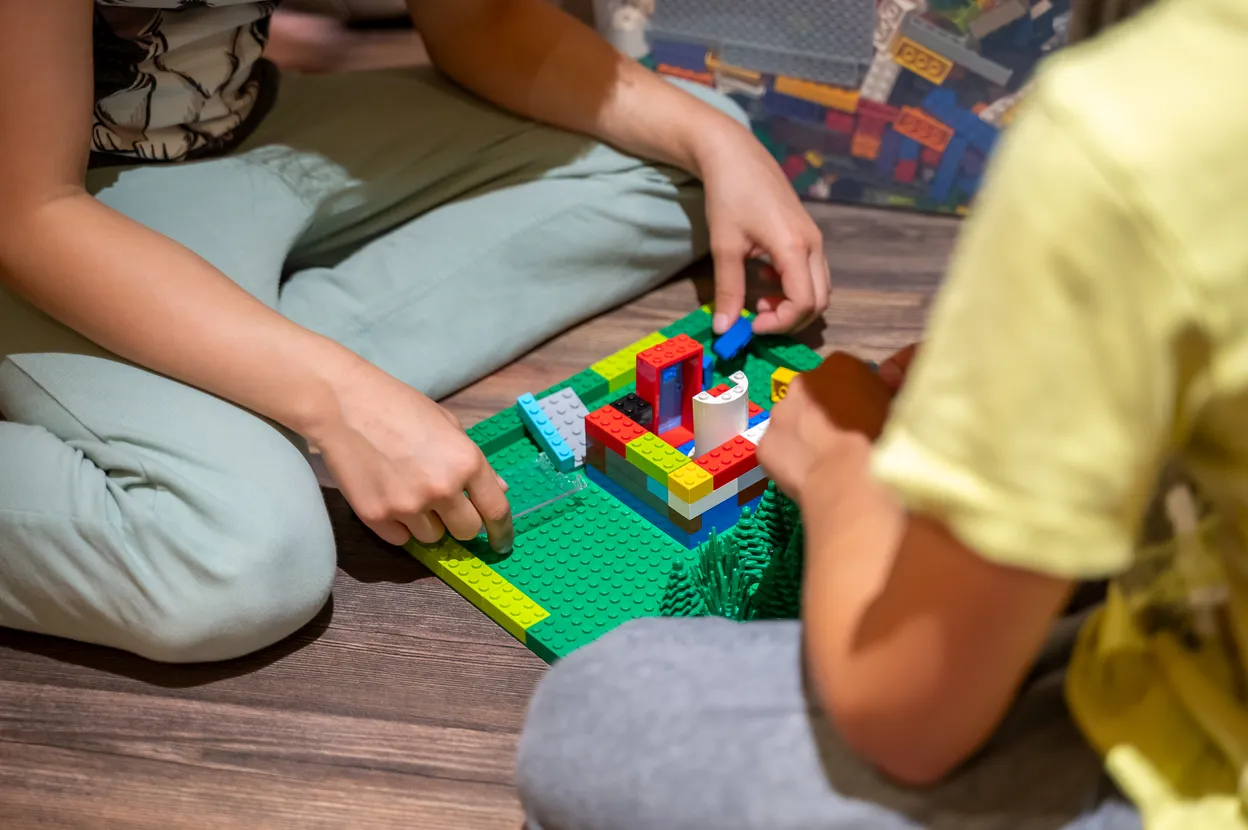
Lego mazes
Instead of building according to instructions, invite your child to take a large flat Lego baseplate and build a maze on it for a small glass marble. To complete the task, the child needs to learn to plan, while the activity itself develops logic and hands-on testing.
Physical and Outdoor Enrichment Activities
Movement is life, and for children, movement is also the main way to explore the world. Time spent outside helps reduce stress, improve sleep, and give the eyes much-needed screen-free time.
Obstacle course
Build an obstacle course right in the living room or yard. Jump over three pillows, crawl under a chair, walk along tape stuck to the floor as if it were a tightrope. This trains coordination, gross motor skills, and balance.
Nature walk bingo
Turn an ordinary walk into an exciting research mission. Draw a bingo card with pictures: a yellow leaf, a bird, a dog, a puddle, an acorn. Let your child look for these objects during the walk and mark them. This teaches children to notice details and stay present in the moment.
Kids yoga
Turn stretching into a game. Get into a “dog” pose, reach toward the sun like a “tree,” or hiss like a “cobra.” This is not only about physical health, but also about teaching a child to calm down and control their body.
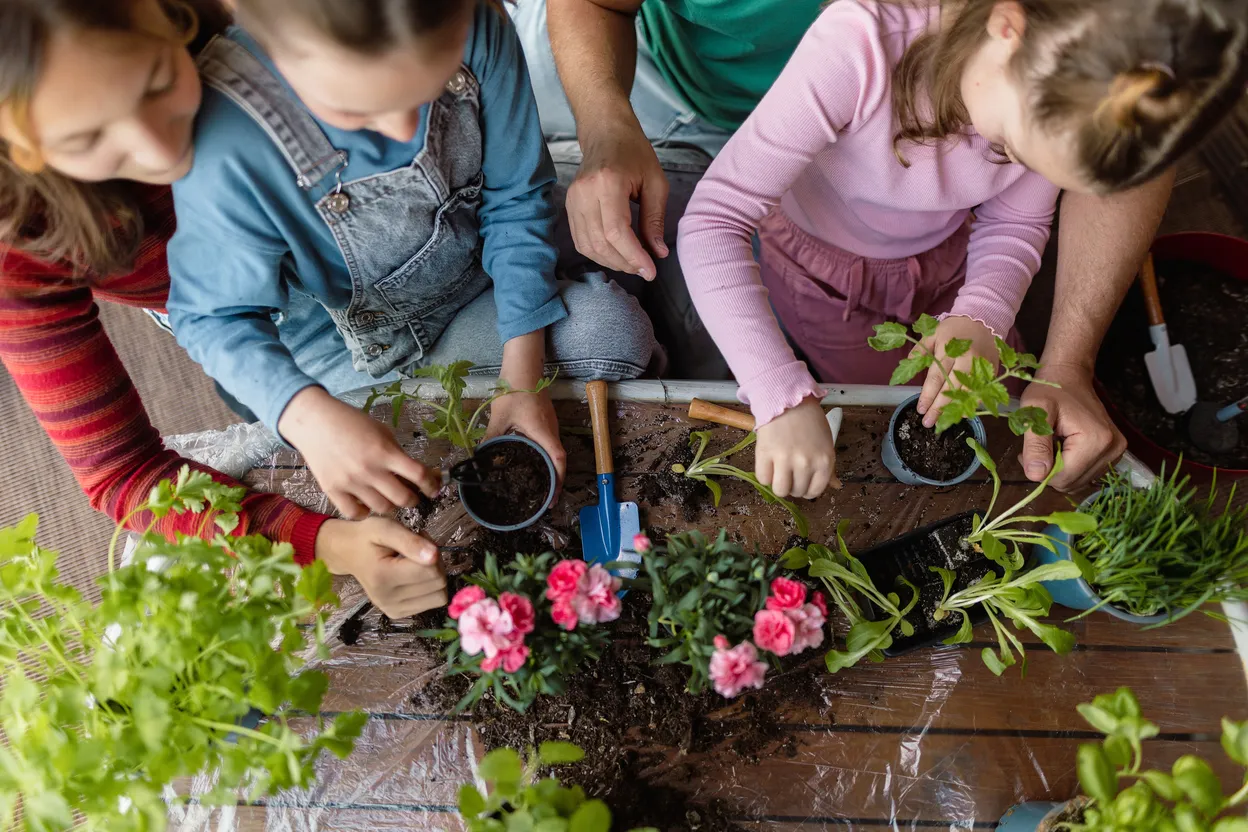
Gardening
Give your child a small patch of soil or simply a pot on the windowsill. Let them plant a seed themselves, water it, and observe its growth. From an early age, you can help your child develop a sense of responsibility and gain an understanding of how natural cycles change.
Social-Emotional Enrichment Activities
In the modern world, emotional intelligence (EQ) often turns out to be more important than academic knowledge. The ability to understand one’s emotions, empathize with others, and work as part of a team – these are the very skills that should be gently built from early childhood.
Emotion charades
Write or draw different emotions on cards: sadness, joy, anger, surprise, fear. Take turns drawing cards and showing the emotion without words, only with facial expressions and body language. The others have to guess. You will be surprised how quickly children learn to recognize other people’s feelings and how positively this will affect your life.
Gratitude jar
Place a beautiful jar in a visible spot. Every evening before bed, together with your child, recall one good event from the day, draw it or write it on a piece of paper, and put it into the jar. With this practice, there is nothing easier than forming positive thinking and learning to focus on the good.
Cooperative board games
Unlike competitive games, cooperative board games invite all players to unite against the game itself (for example, to save all the animals before the sun sets). Thanks to them, young children learn to negotiate, discuss strategy, and enjoy shared victories.
Caring for a living thing
If you have a pet, delegate a manageable part of its care to your child (pouring food, brushing). If there is no pet, a houseplant will work too. Regularly caring for someone or something develops a deep sense of empathy.

How to Choose the Right Enrichment Activities for Your Child
Looking at this huge list, it is easy to feel overwhelmed. How do you choose what will truly suit your child? The main secret: follow the child.
- Focus on interests. If your child is currently obsessed with dinosaurs, use it! Count dinosaurs for math, read books about them, sculpt them from clay.
- Consider age. High-quality enrichment activities for kindergarten will differ from activities for two-year-olds. Five-year-olds need role-playing games and preparation for school in a playful format. Focus on sensory activities and gross motor skills where long concentration is not required.
- Do not overload. Enrichment activities should not turn into a second shift after preschool or school. Let it be 15–20 minutes of sincere, engaged play a day, but with joy.
- Alternate formats. One day, offer quiet academic enrichment activities for kids, and the next day – noisy and active physical games outdoors.
Make Every Day Count with Keiki
We know that modern parents do not always have the resources or time to cut out figures for shadow theater every evening or put together complex sensory bins. And that is normal. Being a good parent also means knowing how to take care of yourself and finding high-quality, safe tools to help.
Different apps can help, including Keiki. It is a safe space without ads or third-party links, developed by experts in early childhood development. At Keiki, we have collected interactive games and puzzles that comprehensively complement enrichment activities for kids.
For example, there is a large collection of games for learning to read and tasks for mastering numbers. But the variety of games is not limited to these categories. Keiki is a comprehensive approach where children from 1 to 6 years old can master the necessary foundation, starting with letters and ending with creativity and logic. Thanks to the app, screen time turns into high-quality learning, stimulating a child’s curiosity and giving you peace of mind.
Help your child thrive with playful learning
Turn screen time into real growth with Keiki's educational games.
Try KeikiConclusion
Childhood is not a race for achievements. But it is a time of discovery, when a child’s brain is more plastic than ever and the thirst for knowledge is limitless. By introducing kids enrichment activities into your everyday life, you build a strong foundation for your child’s future. You show them that learning is fun, creating is safe, and trying new things is wonderful.
Let these ideas become your inspiration. Do not be afraid to get messy with paint, build marshmallow towers, and be silly together with your children. After all, the most valuable thing we can give them is our time, attention, and unconditional love for their development.