

Keiki Blog – parenting & early learning insights
Discover engaging parenting tips, child development insights, and creative learning ideas to support your child’s growth through every stage – curated with care by Keiki
Turn reading practice into playtime


How to Improve Reading Comprehension for Kids

How to Get Kids to Read: A Complete Guide

Speech games for Kids – Fun Ideas to Try
Singing games for kids – rhythmic and engaging ideas for children

Writing Learning Games – Simple Ways to Teach Children to Write

Fun Letter Games for Kids – Help with Mastering the Alphabet

Uncover mysteries and unlock your child’s potential – Guessing Games will help

Typing Games for Kids: Everything You Need to Know

Key Benefits of Reading for Children

14 Short Stories for Kids: Tiny Tales with Big Lessons

14 Vocabulary Games: Turning Language Learning into Playtime

Best Ideas for Name Games and Activities for Kids

Drive-Time Fun: The Ultimate Guide to Car Games for All Ages

35 Activities for Preschoolers That Make Every Day a Learning Adventure

100+ Riddles for Kids: Great Ways to Spend Time Together

Free Kids Educational Games and Activities to Try with Your Child

When Do Kids Learn Colors? A Joyous Journey into the World of Vibrancy
Read, Write, and Explore — Learning & Literacy for Kids
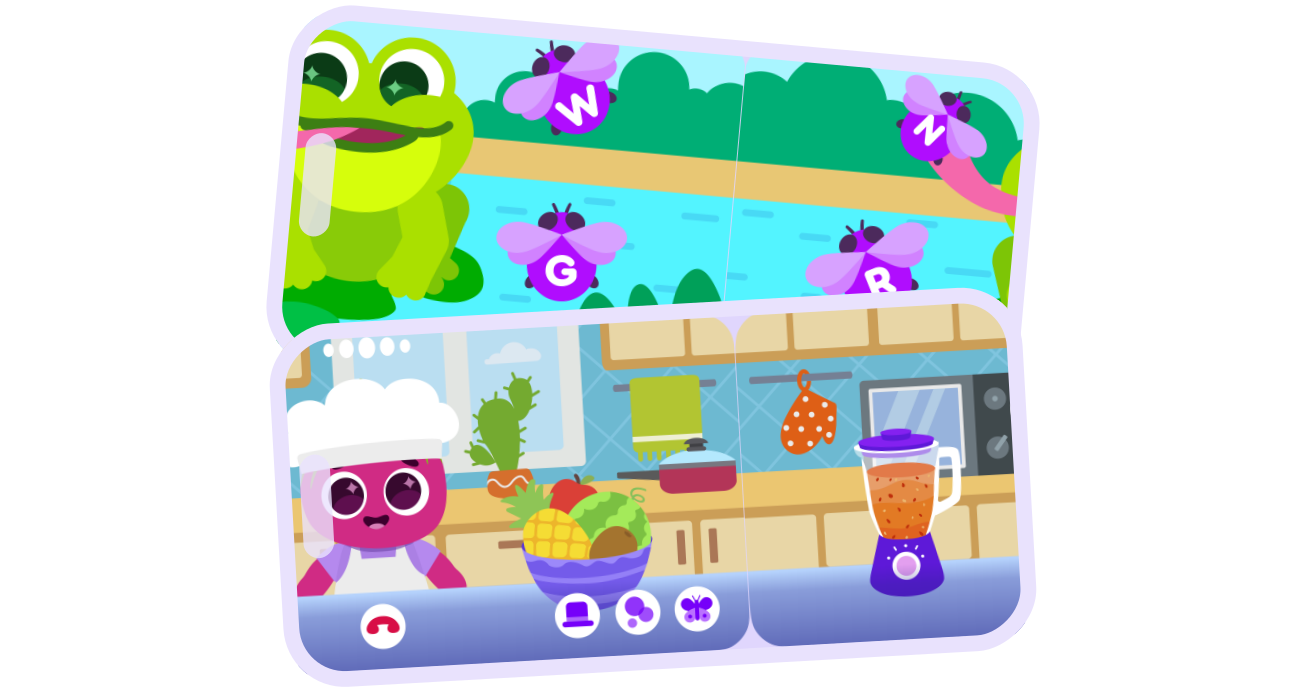
Letters, sounds, stories, and those first wobbly words on paper — this is where reading and writing actually start to click for kids, one small, messy step at a time.
Why Early Literacy Skills Matter
- Sounds come before letters, and letters come before reading. Long before your kid reads a sentence, they're busy noticing shapes and picking out sounds in words — and that groundwork matters more than it looks like.
- Talking and listening build vocabulary. The more words a kid hears (yes, even your running commentary while making dinner), the easier reading and writing come later.
- Scribbles are step one, not a mistake. Those early squiggles build the hand control and confidence kids need before actual letters show up.
- Reading together is doing more than you think. A shared story isn't just cute bedtime routine — it's building attention span, memory, and genuine love for books.
Literacy Skills by Age
Every kid gets there at their own pace, but there's a rough pattern worth knowing. Toddlers are mostly into sounds, rhythm, and flipping through pictures — no real letters yet, and that's exactly where they should be. Preschoolers start spotting letters, matching them to sounds, and getting excited when they recognize their own name. By kindergarten and early grades, kids start blending sounds into words, writing short sentences, and reading little stories solo. Don't rush any of it — skipping a stage usually just leads to frustration for everyone involved.
How Keiki World Supports Early Literacy
Keiki turns letters, sounds, and early reading into games your kid actually wants to play, built for ages 2 to 6. Activities grow with your child, so letter recognition naturally leads into phonics and simple reading as skills develop. Plus, parents get access to printable worksheets covering letters, writing practice, and early reading — a nice way to keep the learning going even when the screen's off.
People often ask
Most kids start noticing individual letters and matching them to sounds around preschool age (3 to 4 years old), though every child moves at their own pace. Toddlers are usually still in the "sounds and rhythm" stage, which is exactly where they should be.
Talking and narrating out loud — even just describing what you're doing while making dinner — helps enormously, since the more words a kid hears, the easier reading and writing come later. Reading together daily also builds vocabulary, attention span, and a genuine love of books.
Not at all — early scribbles are step one, not a mistake. They build the hand control and confidence kids need before actual letters show up, so skipping that stage usually just leads to frustration later.
Keiki turns letters, sounds, and early reading into games built for ages 2 to 6, with activities that grow alongside your child — letter recognition naturally leads into phonics and simple reading as skills develop.
Yes — parents get access to printable worksheets covering letters, writing practice, and early reading, which is a solid way to keep the learning going even when the screen is off.