What Do First Graders Learn in Math?

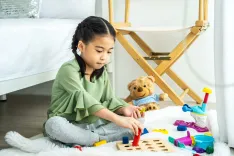
First grade is a turning point in a child’s life. The days of free play with blocks gradually give way to lessons, workbooks, and the first real grades. Even parents quickly notice that the curriculum is getting more challenging.
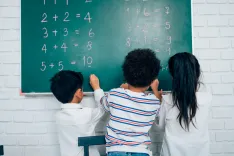
First graders learn seven core math skills: counting and place value to 120, addition and subtraction within 20, basic geometry (shapes and patterns), visual introduction to fractions (halves and fourths), measurement and comparison, telling time and calendar concepts, and collecting data on simple graphs. This article breaks down each topic and offers tips on how to reinforce these skills at home.
A long-term study conducted by Dr. David Geary at the University of Missouri (with support from the U.S. National Institutes of Health) found that basic knowledge of the number system acquired in first grade predicts math performance in seventh grade and even influences financial literacy and everyday calculation skills in adulthood. How well these first-grade math skills are mastered shapes how confidently a person will use numbers ten or twenty years down the road.
Key Takeaways
- First-grade math covers seven core areas: place value, addition/subtraction, geometry, patterns, basic fractions, measurement/time, and data.
- By year’s end, children should count to 120, add and subtract fluently within 10 from memory, and add within 20 using strategies.
- Fractions at this age are visual only — dividing shapes into halves and fourths, not writing expressions like 1/2.
- Place value (tens and ones) is the single hardest concept and the one most likely to cause struggles in second grade if not mastered now.
- Standards recommend no more than 10–15 minutes of daily homework across all subjects for a first grader.
What Do 1st Graders Learn in Math
While preschool mainly covers recognizing numbers and counting objects, first-grade math requires a deeper understanding — this is the stage when the brain is ready to move from the concrete to the abstract.
When parents ask, “What do 1st graders learn in math?” they usually expect to hear only about addition and subtraction. The modern curriculum, however, also includes place value (tens and ones), geometry, measurement, working with data, understanding time, and basic logic. The teacher’s main goal during this period is to help children understand the logic behind numbers — a child should be able to explain why 6 is greater than 4 using drawings, diagrams, or words.
Help your child
grow with Keiki
We’ll help you turn everyday screen time
into real learning progress.
Numbers, Counting, and Place Value
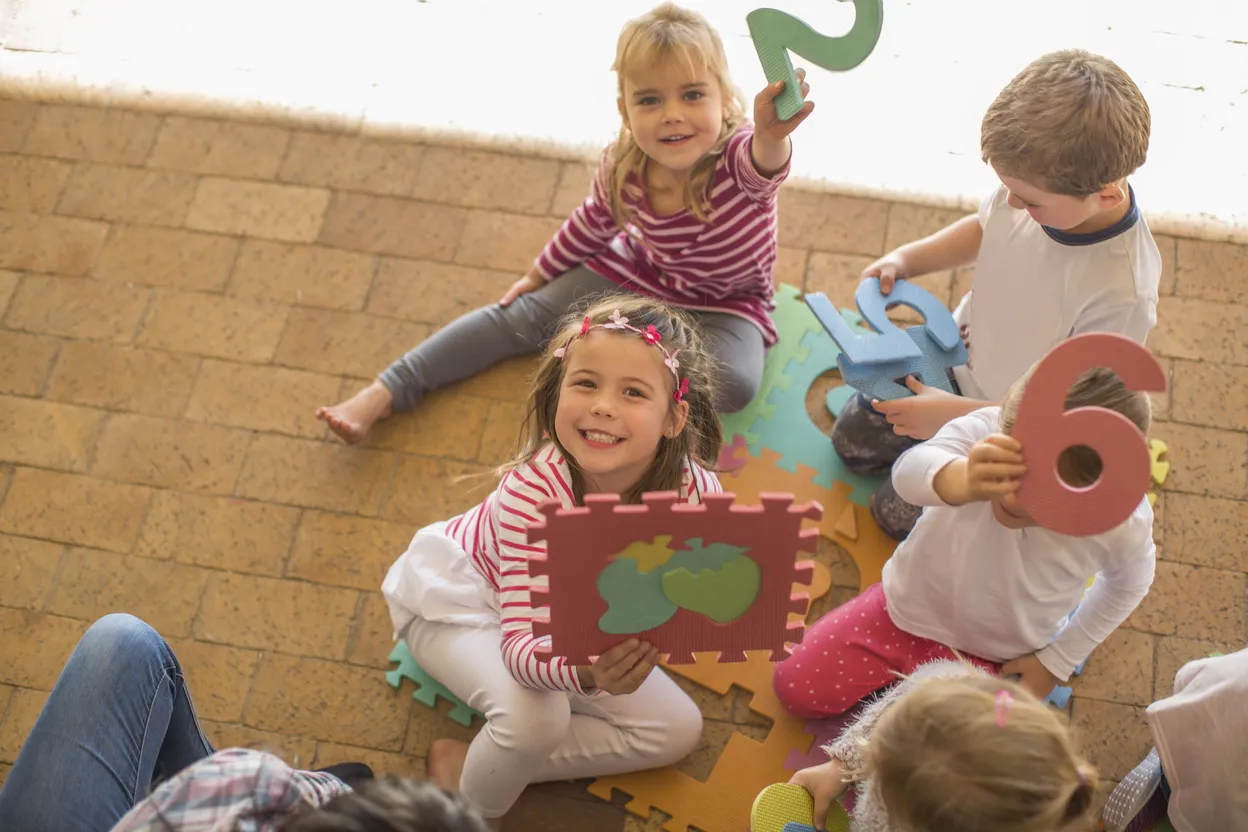
By the end of first grade, children should be able to count fluently to 120 and understand what a two-digit number is made of. In first grade, counting reaches a new level: children no longer stop at the number 20, as they did in kindergarten.
By the end of the year, students should be able to:
- Count aloud to 120, starting from any given number, not just one.
- Read and write numbers up to 120 using digits.
- Count by twos, fives, and tens (for example: 10, 20, 30…), which paves the way for learning multiplication later.
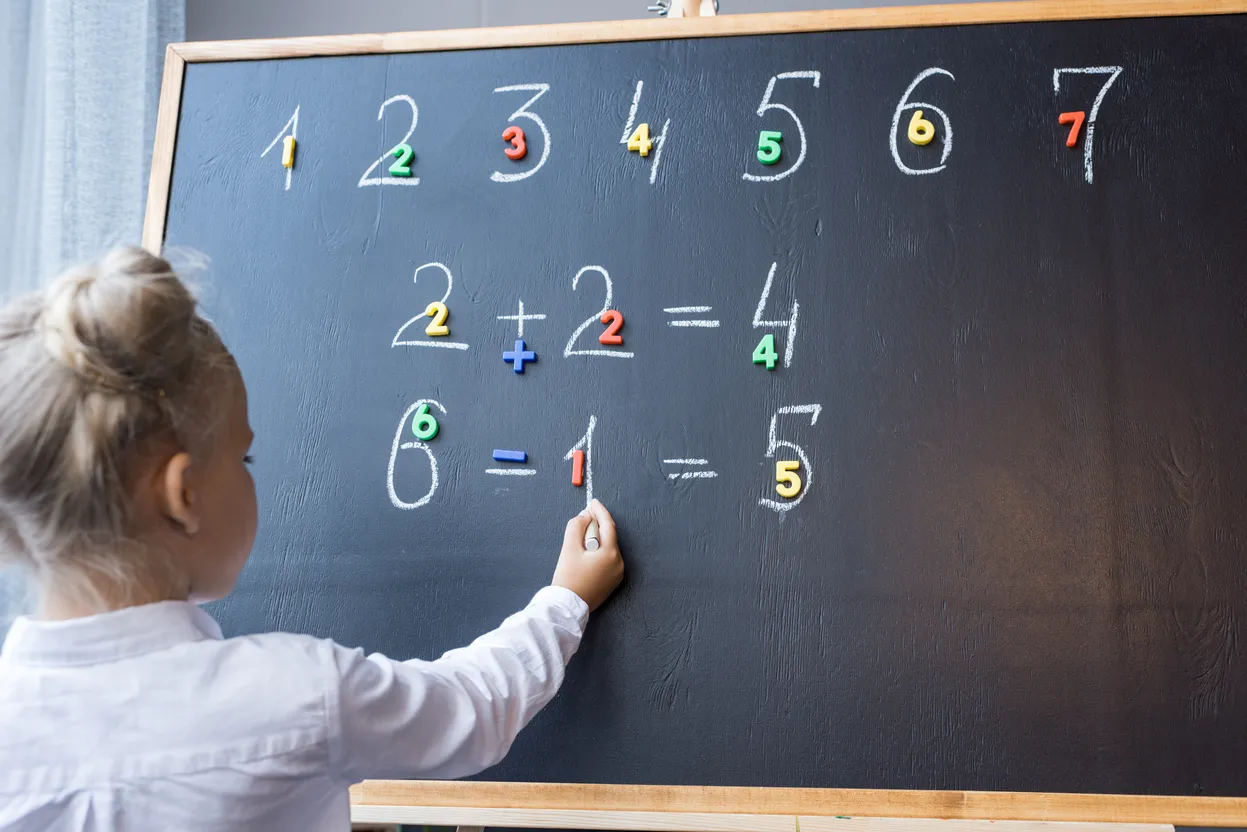
The most challenging first-grade math concept is understanding place value. A child must realize that a two-digit number consists of tens and ones — the number 34 isn’t just a single 3 and a single 4; it’s three groups of ten (30) and four remaining ones (4). Schools use counting sticks or blocks to reinforce this skill.
These are genuinely difficult topics for a first-grade brain, so instant results shouldn’t be expected. But the stakes are real: a child who doesn’t grasp place value now will struggle to add and subtract two-digit numbers in second grade, and a “dislike of math” can snowball quickly from there.
Addition and Subtraction Skills
Addition and subtraction within 20 form the foundation of first-grade math. Children start with concrete objects (blocks, pictures) and move on to abstract numerical expressions.
Key expectations by year’s end:
- Addition and subtraction within 20.
- Understanding the relationship between addition and subtraction — for example, if 5 + 4 = 9, then 9 − 4 = 5 (known as “fact families”).
- Adding three single-digit numbers, for example, 2 + 3 + 4 = 9.
- Solving word problems, which are often the hardest part since they require reading skills, context comprehension, and the ability to formulate the correct equation.
By the end of first grade, a child should know the answers to simple problems within 10 from memory, without counting on their fingers. This “math fluency” isn’t a formality — it’s meant to free up the brain’s working memory for more complex calculations later.
Shapes, Patterns, and Sorting
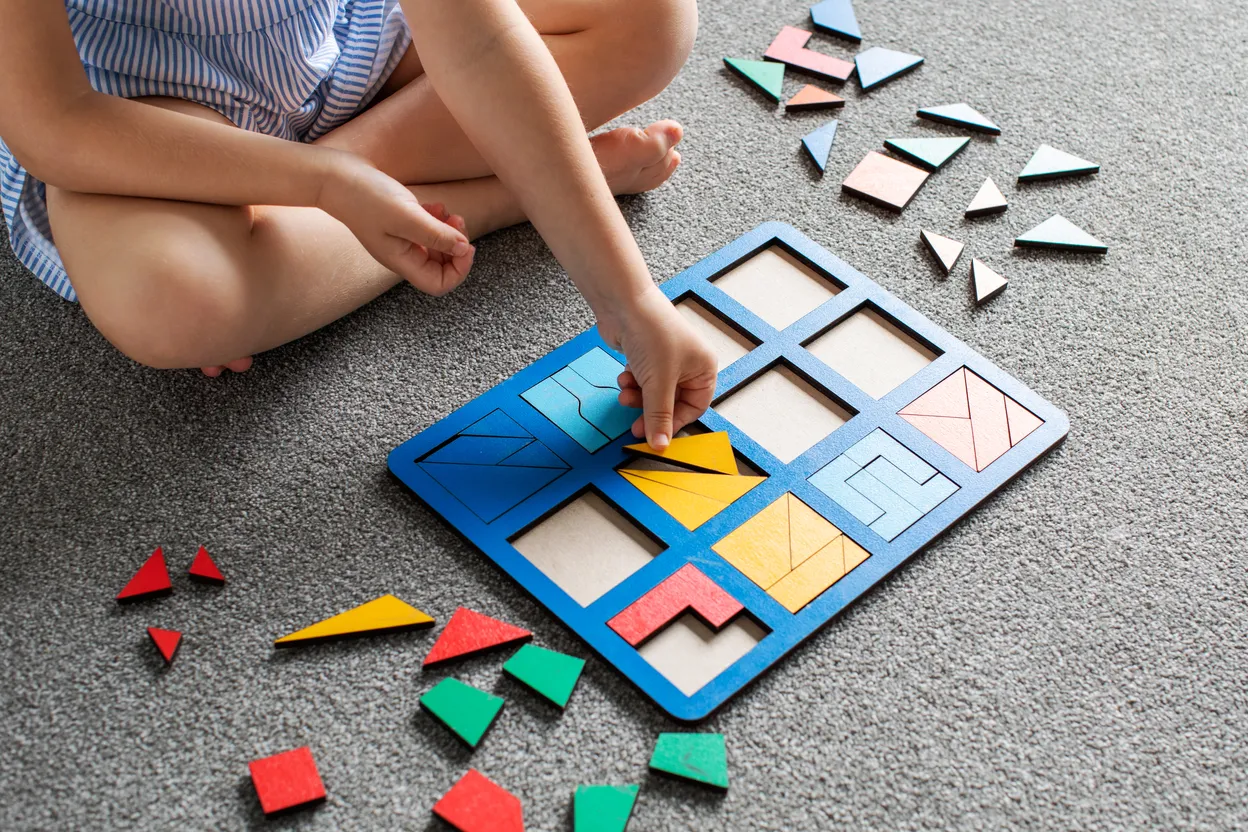
First graders learn to distinguish two-dimensional shapes (square, circle, triangle) from three-dimensional ones (cube, cone, cylinder, rectangular prism) and to describe both by their properties.
Children count the number of sides and vertices in 2D shapes and the faces of 3D shapes. They also practice combining simple shapes into complex ones — for example, combining two triangles to make a rhombus.
Pattern work remains a key part of the curriculum. Children identify patterns in sequences of shapes, numbers, or colors, continue those patterns, and create new, more complex sequences (for example, AAB, AABB, ABC). Identifying patterns lays the foundation for later algebraic thinking.
Basic Fractions
First graders are introduced to fractions, but only through visual means — they don’t write expressions like “1/2 + 1/4.” Instead, they learn about equal shares: dividing whole shapes (circles and rectangles) into two or four equal parts, and using the terms “halves” and “fourths” or “quarters.”
A child should understand that if a pizza is cut into four equal parts, those parts will be smaller than if the same pizza were cut only in half. While they aren’t learning fraction notation yet, this visual foundation prepares them for formal fractions in third grade.
Measurement and Comparison
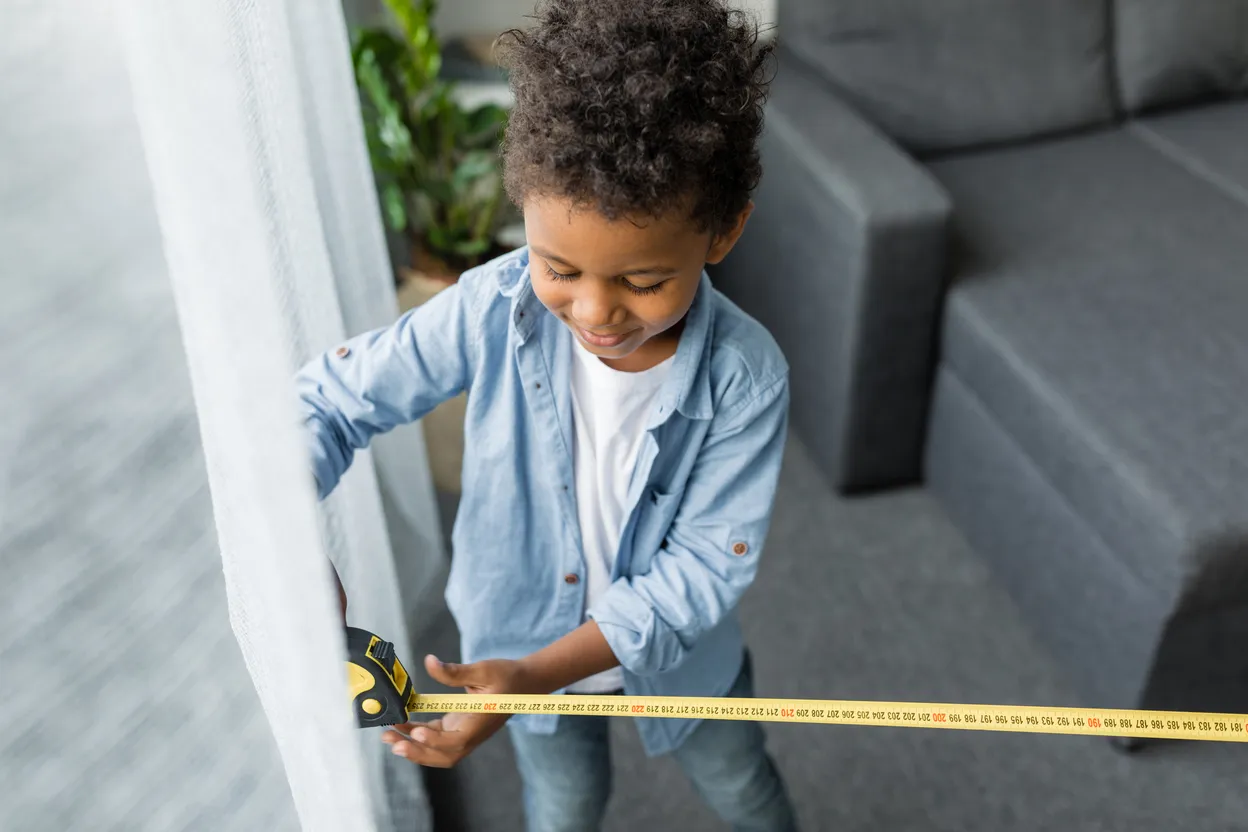
First-grade measurement usually starts with non-standard units: before picking up a ruler marked in centimeters or inches, children measure their desks using pencils, paper clips, or their own footsteps. This teaches the basic principle of measurement — an object is measured from one end to the other, with units placed tightly against one another without gaps or overlaps. Standard rulers are introduced by the end of the year.
Children also practice comparing lengths using logical reasoning: if object A is longer than object B, and object B is longer than object C, then object A is longer than object C. These first-grade math skills also include lining up three or more objects in order of height or size.
Telling Time
By the end of first grade, children are expected to tell time to the nearest hour (e.g., 3:00) and half-hour (e.g., 3:30), and to understand the roles of the hour and minute hands. For a child accustomed to digital screens, reading a traditional analog clock can be a genuine challenge, so connecting digital and analog time displays is an explicit part of the curriculum.
Calendar Concepts
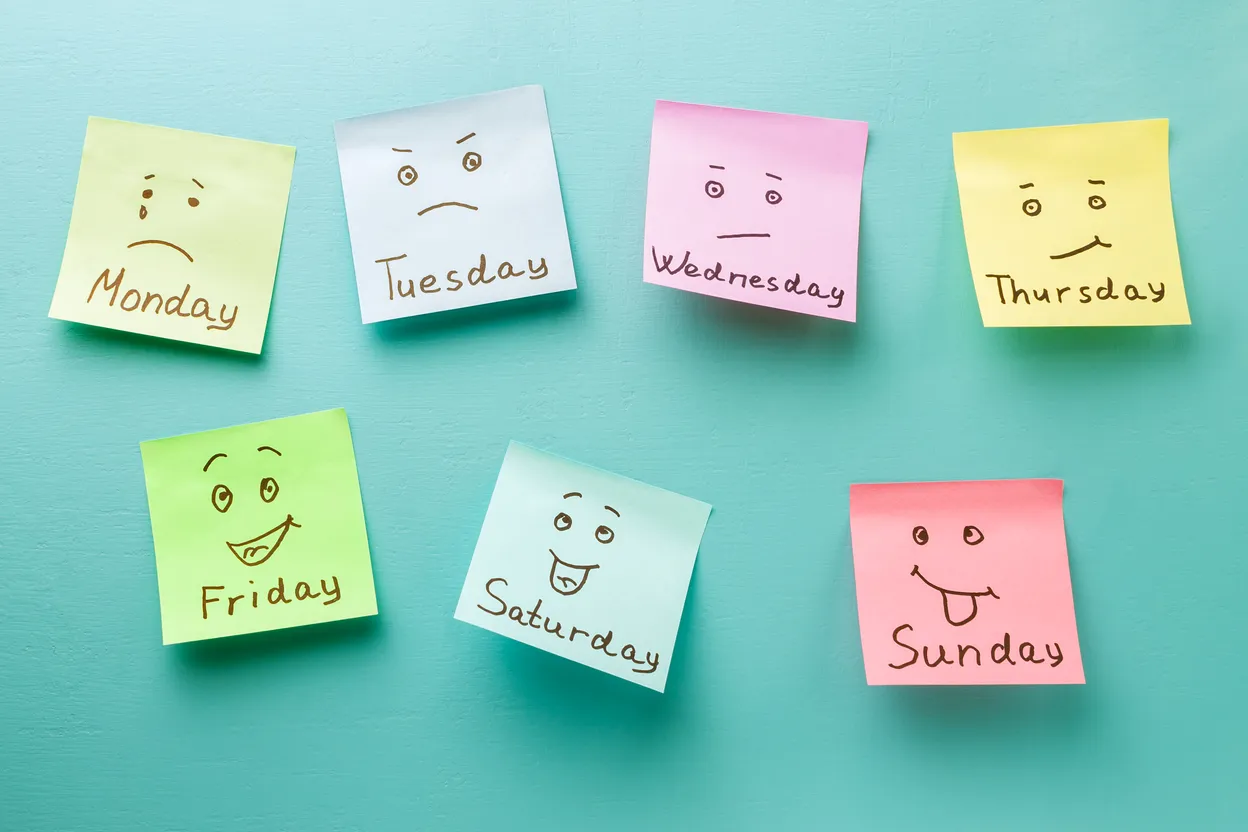
First graders also study the calendar: they memorize the names of all the days of the week and months of the year in the correct order, and practice concepts such as yesterday, today, and tomorrow.
Teachers often start the day by filling in the classroom calendar, asking questions like: “If today is Tuesday the 12th, what day of the week was yesterday?” or “How many days are left until the weekend?” This builds a sense of temporal perspective and planning skills.
Data and Graphs (Yes, First Graders Learn This Too)
Collecting data and creating simple graphs is a mandatory part of the first-grade curriculum. Children ask questions, gather answers, and record them using tally marks, then transfer that data into pictographs (where a picture represents a unit of data) and simple bar graphs.
The most important part of the process is analyzing the finished graph. A first-grader should be able to answer questions such as: “Which color received the most votes?”, “How many children participated in the survey?”, and “How many more people prefer apples to bananas?”
Build Math Confidence Through Play With Keiki
Even with regular practice at home, some children find it hard to focus on abstract numbers. If homework causes your child to cry or resist, it’s time to change your approach — play is the most natural and effective way for 6- to 7-year-olds to learn.
That’s where the Keiki app comes in. Our team of early childhood development experts has turned routine math learning into an adventure kids of any age can dive into, with an entire section of games designed to teach math and build logical thinking. Instead of forcing memorization, the games turn hard-to-grasp concepts into play.
Activities range from learning numbers and basic arithmetic to quick-thinking, logic, and matching games, all built around different themes to keep kids engaged — from sorting fish by color to counting candies — so your child absorbs complex ideas through simple examples.
Build real skills through fun, educational games for your child
Try KeikiConclusion
The transition to serious learning in first grade is a big step. Now that you know what first-grade math covers, you can be your child’s biggest supporter on this journey. First-grade math concepts build on one another like building blocks — without a solid foundation in place value and easy addition within 10, it will be difficult for your child to move forward.
Don’t reduce math to rote memorization: use everyday objects to visualize problems, play board games, ask fun questions during walks, and let apps like Keiki make the process exciting. Your involvement, patience, and positive attitude are the best guarantee that your first grader will love math.