How to Teach Kids Self Care: A Step-by-Step Guide

It's 7:48. You're supposed to be out the door at 7:50, and your four-year-old is on the hallway floor with one sock on, studying the other one like it holds the secrets of the universe. So you grab it, pull it on, zip the jacket, scoop them up. Done. We've all been there, and nobody hands out medals for patience at 7:49 a.m.
The catch? If that happens every morning, your kid never actually gets to practice. And practice is most of what figuring out how to teach kids self care comes down to. Practice, small steps, and more patience than any of us have before coffee.
Self care for kids covers two things that look unrelated but really aren't. One is the body stuff: teeth, hands, clothes, the toilet. The other is feelings, like calming down, resting, or saying "I need help" before the meltdown instead of after it. Underneath, it's the same skill. Notice what you need, then do something about it.
Below you'll find a 6-step teaching method (the one occupational therapists lean on) and 28 self-care activities for kids aged 2 to 6. Some belong in the bathroom, some at bedtime, and a few cover the preschool self care skills kindergarten teachers quietly expect on day one.
Key Takeaways
- Self care for kids has a physical side (dressing, hygiene, eating, toileting) and an emotional side (calming down, rest, naming feelings, asking for help). Teach both.
- Preschool self care skills build slowly. By 5 or 6, most kids can dress themselves completely, according to Lurie Children's Hospital, but bath time still needs a grown-up close by.
- Teach one skill at a time. Break it into tiny steps and let your child do the last step first. That's called backward chaining, and it works.
- A CDC study found nearly 40% of kids aged 3 to 6 use too much toothpaste. Even the "obvious" habits need showing, not just telling.
- A few minutes a day beats one big lesson on Saturday.
What Is Self Care for Kids?
Self care for kids means the everyday things a child does to look after their own body and feelings, at a level that fits their age. For a three-year-old, that might be washing hands before snack. For a six-year-old, it might be noticing they're cranky because they're hungry and going to get an apple. (Okay, a cracker. Baby steps.)
Occupational therapists sort self care for children into four practical buckets: dressing, eating, toileting, and grooming, which covers hands, teeth, hair and baths. Child psychologists would add emotional self-care to that list, and they'd be right. Knowing how to calm down is as much a life skill as knowing how to wipe.
Physical and emotional self-care lean on each other more than you'd think. A kid who can't get the zipper started gets frustrated. A kid with no way to handle frustration throws the jacket on the floor. Work on both and you'll watch each one get easier.
Help your child
grow with Keiki
We’ll help you turn everyday screen time
into real learning progress.
Why Self-Care Skills for Kids Matter
Self-care skills for kids do a lot more than save you time in the morning (though let's not pretend that isn't a big part of the appeal).
- Stronger hands. Buttons, zippers and toothbrushes give a workout to the same finger muscles your child will later use to hold a pencil.
- Thinking in order. Underwear, then pants. Socks, then shoes. Getting dressed is a daily sequencing puzzle, and solving it builds working memory.
- Confidence. Few things beat the face of a three-year-old who just zipped their own coat. Each win makes the next hard thing a little less scary.
- Shorter meltdowns. Kids with a couple of go-to calming tools still get upset. They just come back from it faster.
- Fewer colds. The CDC reports that handwashing education cuts respiratory illnesses like colds by roughly 16 to 21%. With a preschooler in the house, you'll take every percent you can get.
- An easier start at school. A kindergarten teacher has twenty-something kids and two hands. Children who can manage their own coat, bathroom trip and lunch containers spend more of the day actually learning.
- Your sanity. Every skill your kid picks up is one less thing on your list.
How to Teach Kids Self Care: A 6-Step Method
The simplest way to teach kids self care is to choose one skill, chop it into tiny steps, and practice when nobody's in a hurry. OTs use some version of this every day. At home, it looks something like this.
Step 1: Pick one skill (a small one)
Go for the skill your child is nearly ready for, not the one that annoys you most. If they can already pull socks off, putting them on is a good next target. Shoelaces can wait. Trying to fix everything at once is how both of you end up in tears.
Step 2: Break it into tiny steps
To you, "put on your jacket" is one thing. To a preschooler, it's seven. Once you write the steps out, it's much easier to spot exactly where things fall apart. Here's the jacket:
- Lay the jacket on the floor, inside facing up
- Stand at the hood end
- Put both hands into the sleeves
- Flip the jacket up and over the head
- Push arms through the sleeves
- Pull the front edges together
- Zip up (usually with help until age 4 to 5)
Kids know this as the "Montessori jacket flip." To them it's a magic trick. To you it's two free minutes.
Step 3: Try backward chaining
Backward chaining sounds technical, but it's simple. You do every step except the last one, and your child finishes. With socks, you get the sock over the toes and heel, and they pull it up. Once that's easy, they take over the last two steps. Then three.
Starting at the end means your child finishes the job every single time, and finishing feels great. Start at step one and they often run out of steam halfway, which feels a lot less great.
Step 4: Practice when nobody's rushing
The school run is the worst classroom there is. Practice dressing at bedtime with pajamas, on a slow Sunday, or with a teddy during pretend play. Once the skill clicks, it'll start showing up in the mornings too.
Step 5: Put it on the wall
Little kids remember pictures much better than instructions. A picture strip above the sink (wet, soap, scrub, rinse, dry) or a routine chart on the fridge lets your child look up the next step instead of yelling for you. It's especially helpful for neurodivergent kids and anyone who struggles with transitions.
Step 6: Praise the trying
Shoes on the wrong feet? Shirt inside out? Say "You did it all by yourself!" and move on, unless it's snowing and the shoes actually matter. If every attempt gets corrected, kids learn that trying isn't worth it. Right now, the goal is a kid who believes they can figure things out. The neat shirt comes later.
Self Care Activities for Preschoolers: Body and Hygiene
These self care activities for preschoolers sneak hygiene and dressing practice into games, which is pretty much the only way to get a three-year-old on board. You probably have everything you need already.
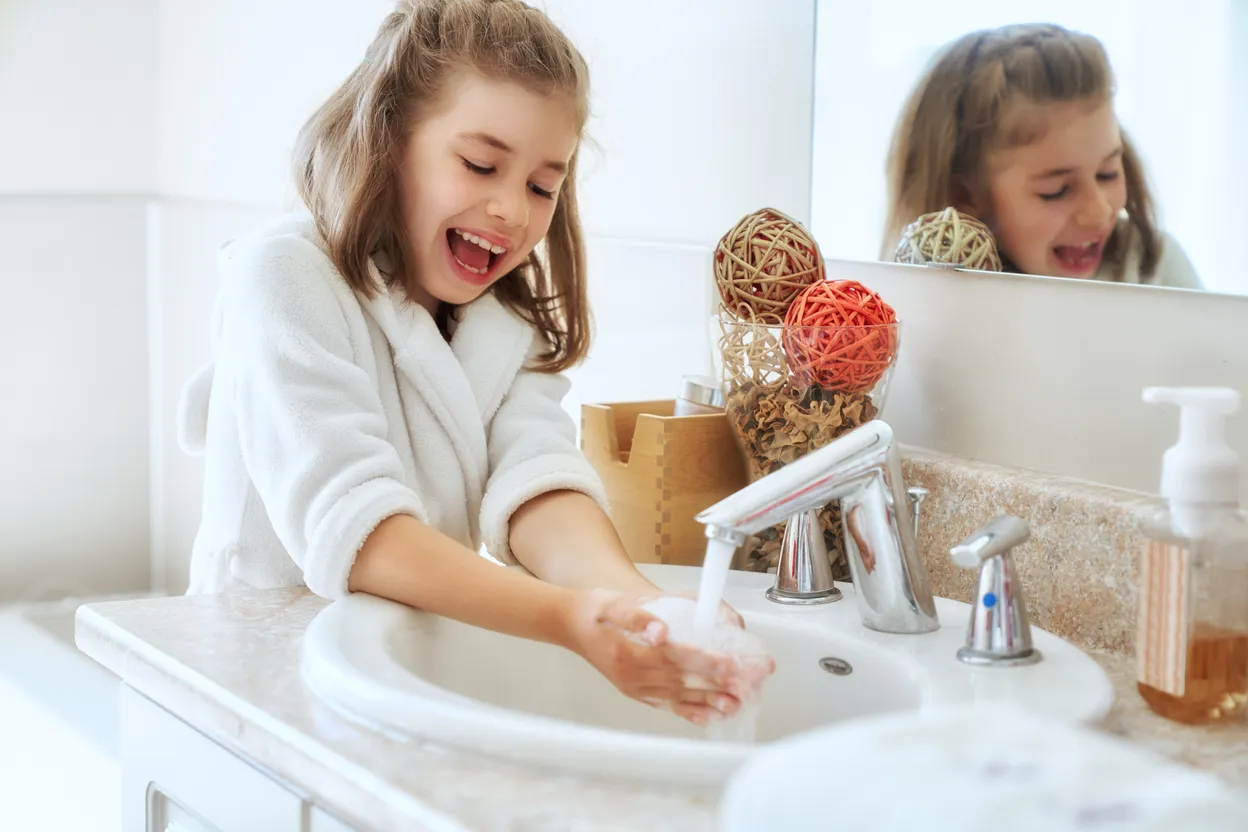
- The handwashing song. The CDC says to scrub for at least 20 seconds, or roughly two rounds of "Happy Birthday." Let your kid pick the song. You'll be hearing a lot of it.
- Glitter germs. Put a pinch of glitter on your child's hands and let them try to rinse it off with plain water. Then try soap. Point made, no lecture needed. (Yes, you'll be finding glitter for a week.)
- Pepper experiment. Sprinkle pepper on a plate of water, add one soapy fingertip in the middle, and watch the pepper scatter to the edges. Cue the "whoa."
- Pea-sized toothpaste challenge. A CDC report found nearly 40% of kids aged 3 to 6 use more toothpaste than they should. Show them what pea-sized actually looks like (under-3s need just a rice-grain smear), then let them try to match it.
- Brush the monster's teeth. Draw teeth on a paper plate, dab on washable paint "food," and hand over an old toothbrush.
- Dress the teddy. Same moves as getting yourself dressed, minus the arm stuck in a sleeve. Big teddy, big clothes.
- Button and zipper board. Glue or sew a couple of large buttons, a zipper and some Velcro onto cardboard. All the fastener practice, none of the wriggling.
- Pajama race. Time the pajama routine and try to beat last night's record. Low stakes, lots of giggles.
- Tissue drill. Blowing air out through your nose on purpose is surprisingly hard for little kids. Practice that part first, then fold, blow, toss, and wash hands.
- Washcloth game. In the bath, call out body parts ("elbows!" "behind your ears!") and let your child scrub each one. By 5 or 6, they can do more of it themselves while you keep an eye on things.
Self Care Activities for Kids: Feelings and Calm
These self care activities for kids handle the emotional side of things: noticing feelings, calming down, and actually getting enough sleep. Several also make good self care ideas for kids who go from zero to meltdown in about four seconds.
- Balloon breathing. Hands on belly, breathe in slowly to "blow up the balloon," then let it out with a long hiss. Three or four breaths is plenty.
- Feelings check-in. Draw four faces (happy, sad, mad, worried) and ask your child to point to one each day. It's hard to handle a feeling you can't name.
- Calm-down corner. A pillow, a blanket, a couple of books, something squishy. Keep it a place to recharge, never a place for punishment.
- Draw your day. Ask them to draw the best and worst part of their day. You'll learn more than "How was school?" ever gets you. ("Fine.")
- Animal stretches. Cat, frog, butterfly. Great before bed or after a long car ride when everyone's wound up.
- Bubble breathing. You can't blow a good bubble without a slow, steady breath out, and that's exactly what a calming breath is. They don't need to know that part.
- "I need a break" card. A small card your child can hand to you or their teacher when words aren't working.
- The word "yet." When your kid says "I can't do it," help them add one word: "I can't do it yet." Practice while they're calm so it's there when they're not.
- A bedtime wind-down. The American Academy of Sleep Medicine recommends 10 to 13 hours of sleep a day for 3- to 5-year-olds, naps included. Doing the same steps in the same order every night (bath, pajamas, teeth, book) makes that far more likely to happen.
- Screen-free slow-down. Twenty or thirty minutes a day when everyone's devices go in a drawer. You might need this one more than they do.

Self Care Activities for Kindergarten: Independence and Responsibility
Self care activities for kindergarten focus on the practical stuff 5- and 6-year-olds handle on their own at school, like their bag, their snack, and their morning. Start them the summer before school or in the first few weeks.
- Pack your own backpack. Make a picture checklist (water bottle, folder, snack, jacket) and let them pack it the night before. You check. They fix.
- Lunchbox practice. Practice opening every container, pouch and bottle that'll be in their lunch. One stubborn yogurt lid can ruin a whole lunchtime.
- Morning routine chart. Pictures for toilet, clothes, breakfast, teeth and shoes. Your child checks each one off, and you get to stop narrating the morning.
- Make your own snack. Peeling a banana, spreading cream cheese, pouring cereal. Messy? Sure. Worth it.
- Shoe-tying practice. Start with a lacing card or a big shoe with two different-colored laces. Most beginners find "bunny ears" easiest.
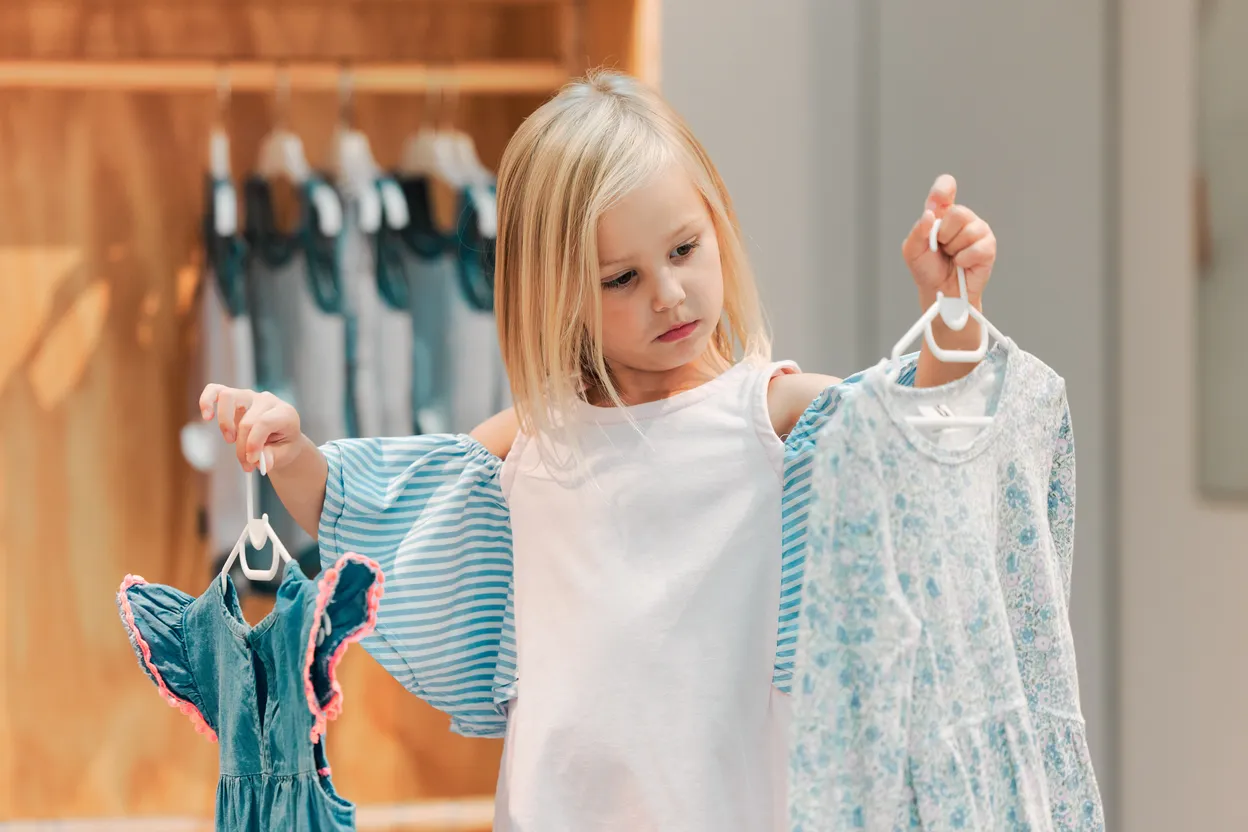
- Pick tomorrow's outfit. Check the weather together, then let them choose. That's one fewer argument at 7:45.
- Coat hook routine. A low hook of their own and one rule: coat and bag go there the second you walk in. It's the same routine they'll follow at school.
- Helper jobs. Watering a plant, feeding the cat, setting the table. Looking after yourself includes looking after your stuff.
Morning and Bedtime Self-Care Routine Checklist
A consistent routine is one of the easiest self-care tools you can give a young child. Kids like knowing what comes next, and you'll like not saying "teeth!" eleven times a night. Draw a little picture next to each step and let your child tick them off.
Morning routine:
- Use the toilet and wash hands
- Get dressed (clothes picked out the night before)
- Eat breakfast
- Brush teeth for two minutes
- Brush hair
- Put on shoes and jacket
- Grab backpack from the hook
Bedtime routine:
- Tidy up toys
- Bath or wash face and hands
- Put on pajamas
- Brush teeth
- Use the toilet
- Read a book together
- Quick feelings check-in: "What was the best part of your day?"
Build real skills through fun, educational games for your child
Try KeikiCommon Mistakes and When to Get Extra Support
The most common mistake is doing it for them because it's quicker. It is quicker, today. But every sock you pull on is practice your kid doesn't get. Close runners-up: teaching during the morning rush, tackling three skills at once, correcting every mismatched sock, and buying clothes with tiny buttons while they're still learning.
If you see very little progress over several months, or your child strongly avoids certain sensations like toothbrushing, haircuts or clothing tags, bring it up with your pediatrician or an occupational therapist. Plenty of neurodivergent kids do really well with picture schedules and extra structure. Needing a bit more support doesn't mean anything's wrong. It just means the steps need to be smaller.