35 Gross Motor Games for Preschoolers

Preschool age is a time of boundless, overflowing energy. It seems as though every three- or five-year-old has a tiny perpetual motion machine hidden inside them, driving them to jump on couches, run through puddles, and balance on curbs. For us adults, this nonstop activity can sometimes be exhausting, but it’s still important for a child’s development. It just so happens that through movement, children learn the limits of their bodies and the laws of physics in the world around them. In childhood, everything is connected: develop the body, and you develop the brain.
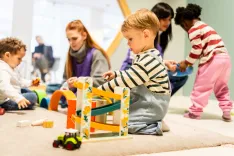
Instead of asking your little one to “sit still,” the modern approach to parenting suggests channeling that energy into something productive. Incorporating the right gross motor activities for preschoolers into your daily routine is the best gift you can give your child’s health and intellect. In this article, we’ve compiled over 35 fun games and activities designed for this purpose.
Key Takeaways
- All that jumping and running isn't just chaos — gross motor play directly builds the foundation for focus, learning, and even holding a pencil.
- Match the activity to the age — 3-year-olds need simple jumps and freeze games, while 5–6-year-olds are ready for rules, speed, and real challenges.
- You don't need a gym or a backyard — a hallway, some painter's tape, and a balloon are enough for a solid workout indoors.
- Kids need at least 3 hours of physical activity a day, with at least one of those hours being genuinely vigorous — most parents underestimate this.
- If a 4–5-year-old avoids all physical play, stumbles constantly, or can't hop, it's worth checking in with a pediatrician — caught early, most delays are easy to address.
What Are Gross Motor Skills and Why Do They Matter
Before we move on to the games, let’s clarify the terminology. What are gross motor skills, and why do pediatricians and educators place so much emphasis on them?
Gross motor skills are the body’s ability to perform movements that involve large muscle groups (arms, legs, torso). These include walking, running, jumping, climbing, throwing, and catching objects. Any muscle movement is part of gross motor skills.
Harmonious physical development is impossible without regular practice of these skills. Here’s why they’re so important:
- The foundation for fine motor skills. A child won’t be able to hold a pencil steadily or fasten buttons if the muscles in their back and shoulders aren’t strong enough. Gross motor skills always develop first.
- Development of the vestibular system. High-quality preschool gross motor activities help children understand where their bodies are in space and develop spatial awareness, which reduces the risk of injuries and falls.
- Strength. Climbing stairs and running strengthen the cardiovascular system and core muscles.
- Balance and coordination. The ability to stand on one leg or catch a ball with both hands requires highly complex synchronization between both hemispheres of the brain.
- Regular, joyful active play not only promotes good health but also directly influences a child’s ability to concentrate, learn new things, and regulate their emotions.
Help your child
grow with Keiki
We’ll help you turn everyday screen time
into real learning progress.
Gross Motor Activities for Preschoolers by Age
A child’s development occurs in spurts. What comes easily to a five-year-old may still be beyond the reach of a three-year-old. Here are the best gross motor activities for preschoolers, tailored to their age-appropriate abilities.
For 3-Year-Olds
At this age, children are learning to control their bodies as they move: they start running without falling when turning, learn to jump on both feet, and throw a ball.
Jumping in Puddles (or on Pillows)
Lay flat sofa pillows on the floor. The child’s task is to jump from one cushion to the next, pushing off with both feet at the same time.
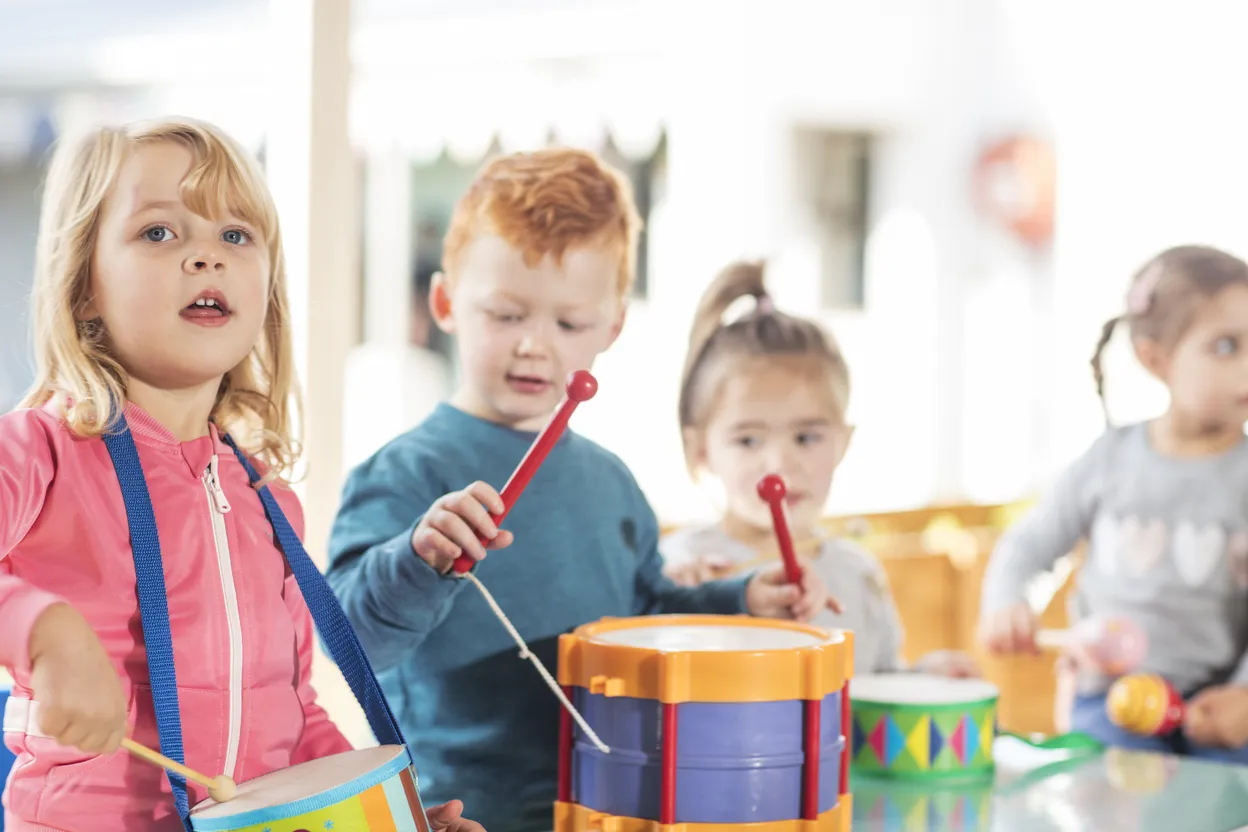
Freeze Dance
Turn on some upbeat music and let the child dance. When the music stops, they must freeze in whatever position they’re in. This is a fun gross motor activity for preschoolers that helps develop self-control and coordination.
Throwing into the Basket
Place a laundry basket a short distance away and give your child soft balls or rolled-up socks. Practice throwing objects from the bottom up.
Walking Along a Line
Tape a straight line on the floor using painter’s tape. Your child should walk along it like a tightrope walker.
Marching
Turn on some rhythmic music and show your child how to march, lifting their knees high. This is great exercise for their core and leg muscles.
For 4-Year-Olds
Four-year-olds are becoming more agile. They can hop on one foot, catch a large ball, and climb with confidence.
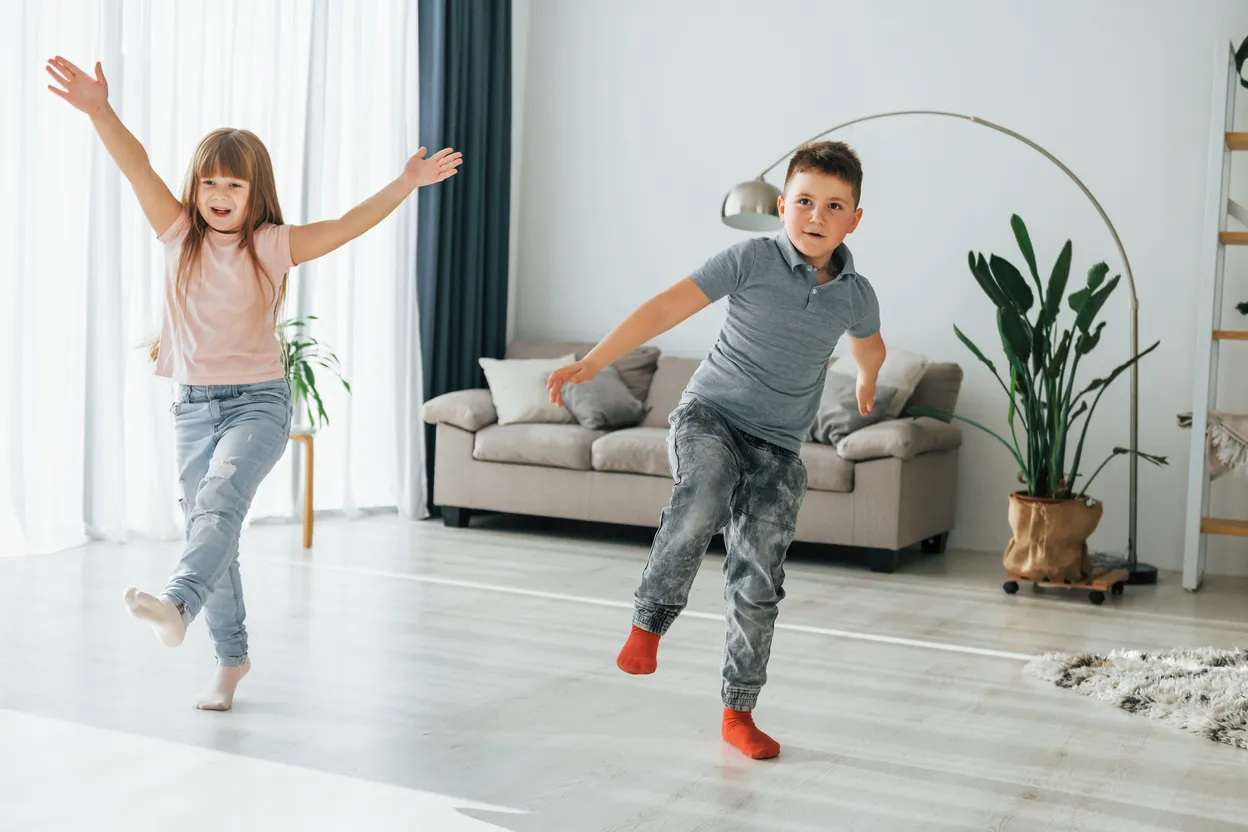
Obstacle Course Using Furniture
Set up a real obstacle course at home. Climb over the sofa, crawl under a chair, and jump over a rolled-up blanket.
Balloon Kick
Inflate a balloon and have your child kick it up with their feet, keeping it from falling to the floor. The balloon’s movements are unpredictable, which is great for training reaction time.
Crab Walk
Support yourself with your hands and feet on the floor (lying on your back) and move around the room. This is a fantastic way to strengthen the core.
Catching a Ball
Throw a medium-sized soft ball to your child. By age 4, they should already be able to catch it with their hands, holding it close to their chest.
Hopscotch at Home
Mark out a hopscotch grid on the floor using tape. Practice alternating between hopping on both feet and hopping on one foot.
For 5- to 6-Year-Olds
By the time they’re getting ready for school, kids love complex rules, team games, and speed competitions.
Twister
The classic game that ties your arms and legs into knots. Any Twister-related activities are always great gross motor games for preschoolers that help with flexibility and balance.
Shuttle Run
Place 5 blocks at one end of the room and an empty box at the other. The child must quickly carry all the blocks, one at a time, to the box.
Jumping Rope
Five-year-olds can start learning to jump over a spinning jump rope (first by simply stepping over a flat one, then over one that’s swaying slightly) .
Balance Pillow
Place a small, light pillow or book on your head. The goal is to walk from wall to wall without dropping the object.
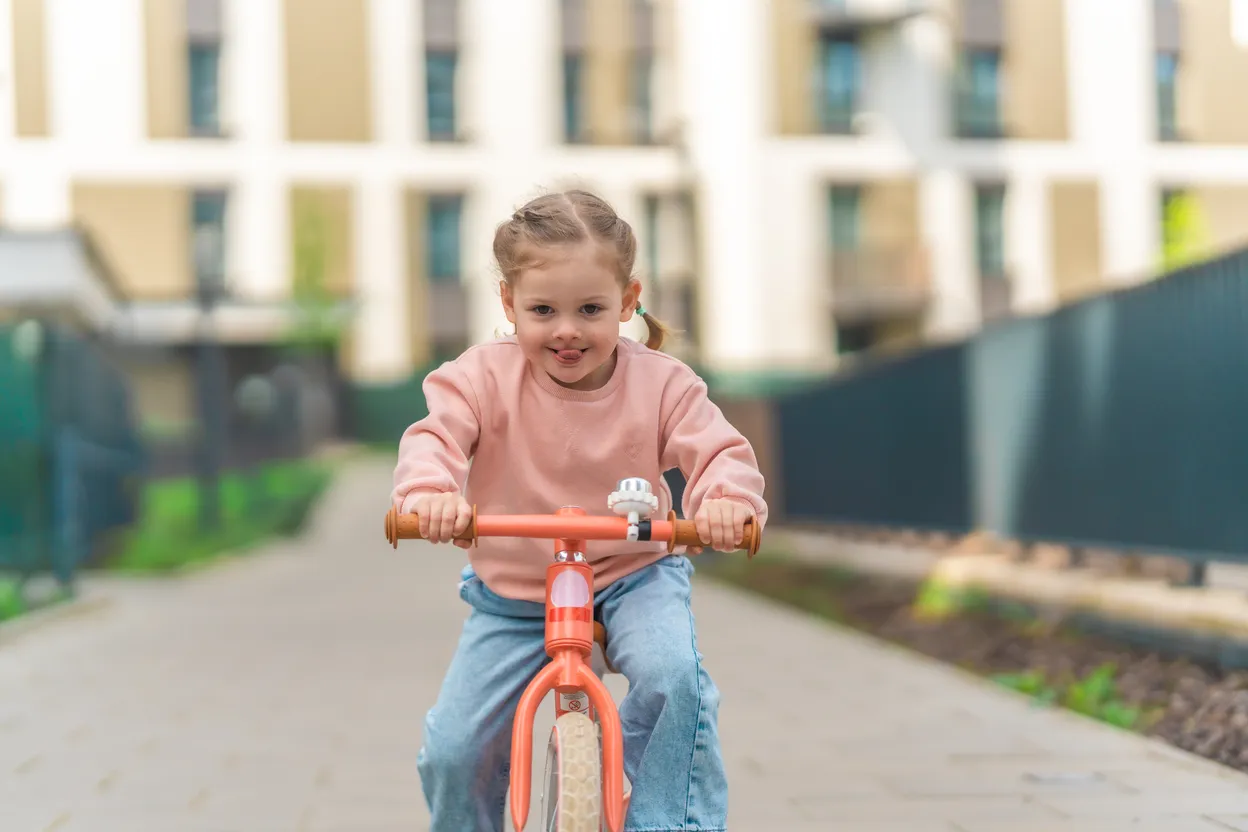
Bicycle or Scooter
Confidently riding a two-wheeled scooter or a bicycle with training wheels is the pinnacle of balance development at this age.
Indoor Gross Motor Activities for Preschoolers
When it’s pouring rain or snowing outside, the walls of your home can start to feel too confining. But even in a small apartment, you can create opportunities for quality physical activity. Our indoor gross motor activities for preschoolers don’t require much space or special equipment.
The Floor is Lava
A true all-time favorite. Children can only move around the room by stepping on “safe islands” laid out in advance: pillows, sheets of paper, or rugs.
Sticky Spider Web
Stick painter’s tape across the doorway to form a chaotic spider web. The child’s task is to crawl through it without touching the sticky tape.
Balloon Volleyball
Stretch a string between two chairs. Toss a balloon back and forth over this makeshift net. This is one of the best gross motor activities for preschoolers indoors, since the balloon moves slowly, allowing the child to prepare for the hit, and won’t break a window.
Bowling with Plastic Bottles
Line up empty plastic bottles in the hallway. Give your child a soft ball. Practice rolling the ball right into the target.
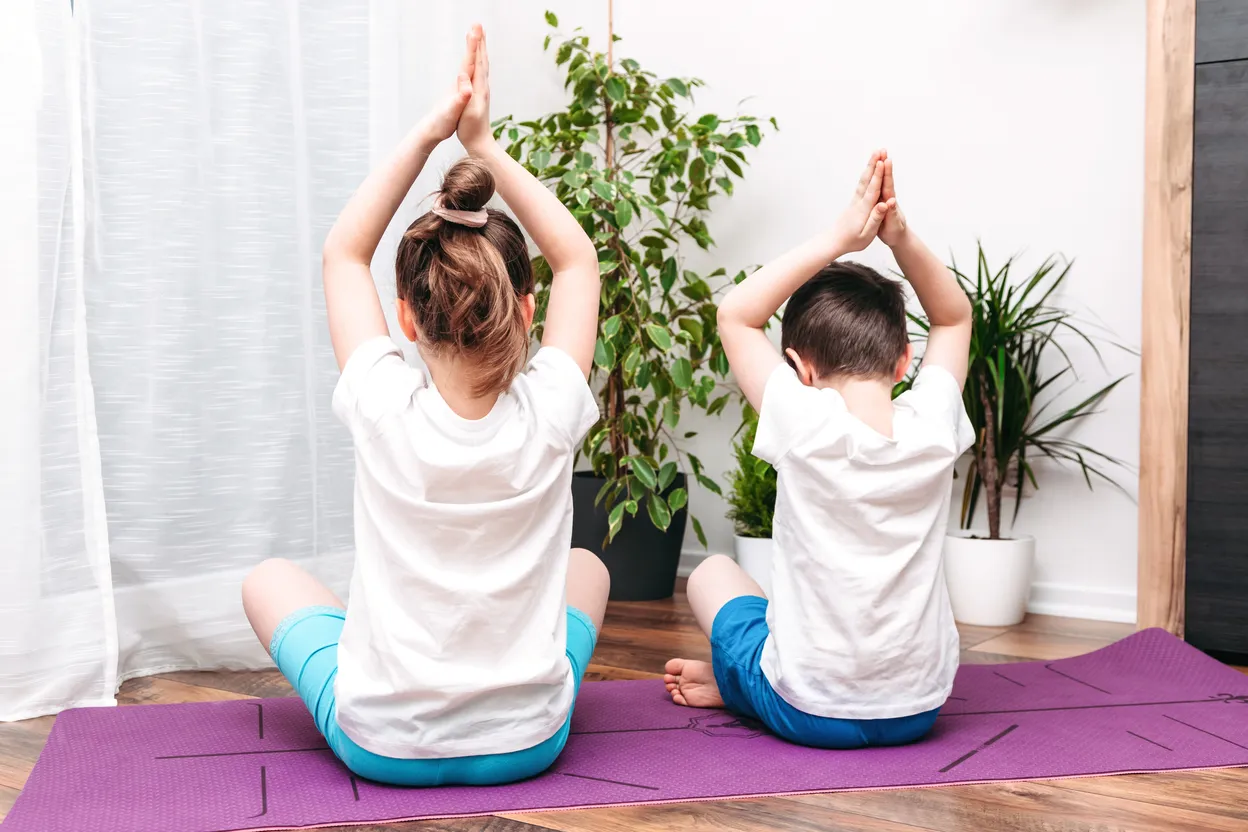
Yoga for Toddlers
Play a video of kids’ yoga, such as one where the poses imitate animals. Stretching like a cat or standing on one leg like a heron is a great way to stretch.
Carrying an Egg on a Spoon
Place a tennis ball or a hard-boiled egg in a tablespoon. The child must carry the spoon down the hallway without dropping the object.
Color Sorting While Jumping
Scatter colored cubes across the floor. Place three baskets in the corner. The child must hop over to a cube, pick it up, hop over to the basket of the correct color, and place it there.
Laser Beam Course
Stretch strings or wool yarn across the hallway at varying heights, securing them to the walls with tape. The child must navigate this “laser beam course” by stepping over or crawling under the strings, just like a secret agent.
Using these gross motor ideas for preschoolers, you can easily keep your child occupied at home for at least an hour while ensuring they get the physical activity they need.
Outdoor Gross Motor Activities for Preschoolers
The street is a natural environment for children’s development. Here, they can run, shout, and fall onto the grass. Gross motor outdoor activities for preschoolers provide plenty of space for wide-ranging movements.
Soap Bubble Hunt
Take a large bottle of soap bubbles with you on your walk. Blow the bubbles, and let your child run, jump, and catch them with both hands in the air.
Drawing Giant Shapes with Chalk
Draw huge circles, triangles, and squares on the pavement. Give commands like, “Jump into the circle! Run to the square!”
Accuracy Ball Games
Draw a target with chalk on a blank wall or fence. Your child can practice throwing a ball right into the center.
Nature Walks
Simple walks through rough terrain, the woods, or a park — where you have to step over roots, balance on logs, and climb hills — are the best form of natural exercise.
Tag the Tail
Tuck a light scarf or ribbon into your child’s waistband to serve as a tail. Your job as a parent is to catch up to your child and pull out the tail. Laughter and running are guaranteed!
Red Light, Green Light
You stand at one end of the play area, and your child stands at the other. When you say “Green Light,” they run toward you. When you say “Red Light,” they must stop abruptly. This is a great exercise in self-control.
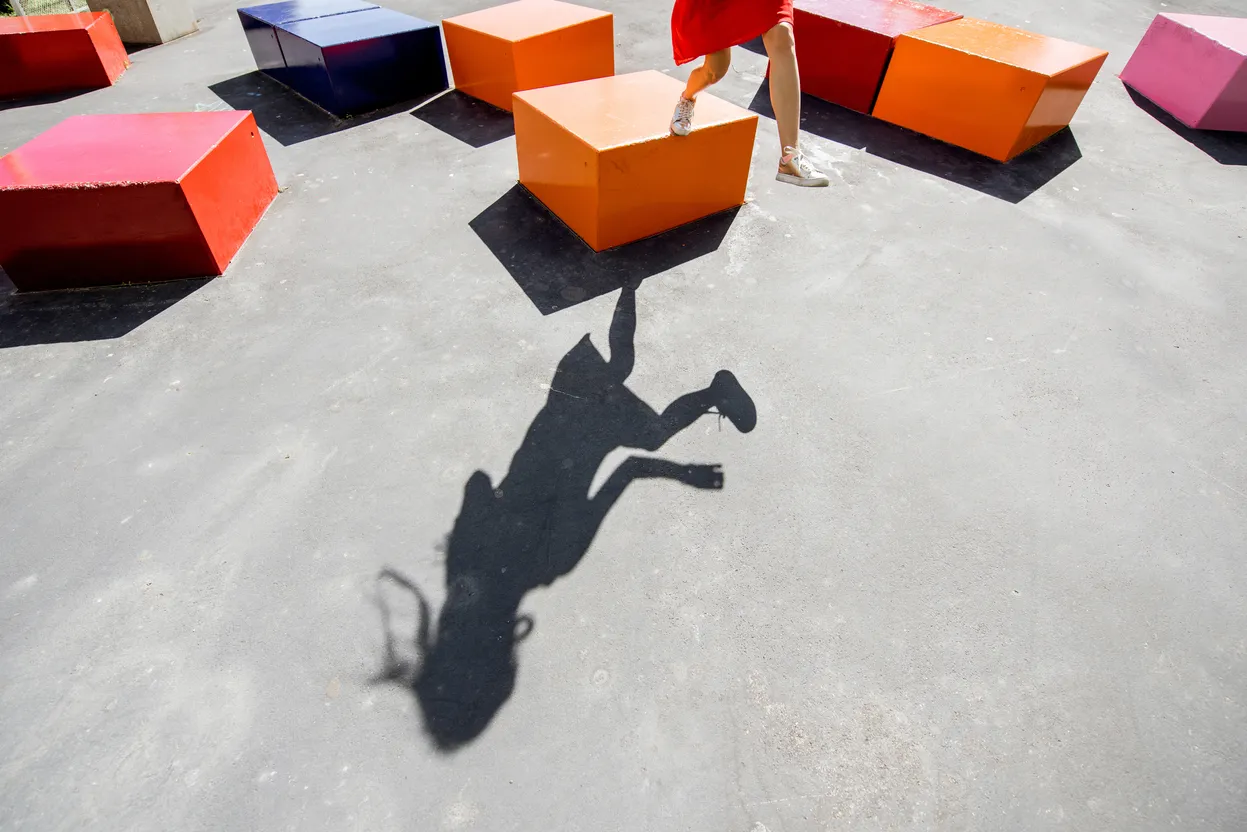
Jumping Over Your Shadow
On a sunny day, challenge your child to catch and step on your shadow while you run away from them.
Flying a Kite
Keeping a kite in the air requires incredible whole-body coordination and obstacle running, since you have to look up at the sky instead of at your feet.
Playground
A standard playground is the perfect workout area. Hanging from the monkey bars, sliding down the slide, and swinging are classic gross motor preschool activities.
Collecting Natural Materials While Crouching
Ask your child to collect 10 pretty rocks or pinecones. Walking in single file while crouching strengthens the leg muscles.
Jumping Over a Stream
Draw two parallel lines with chalk — this is your stream. Gradually increase the distance between them, encouraging your child to jump farther and farther.
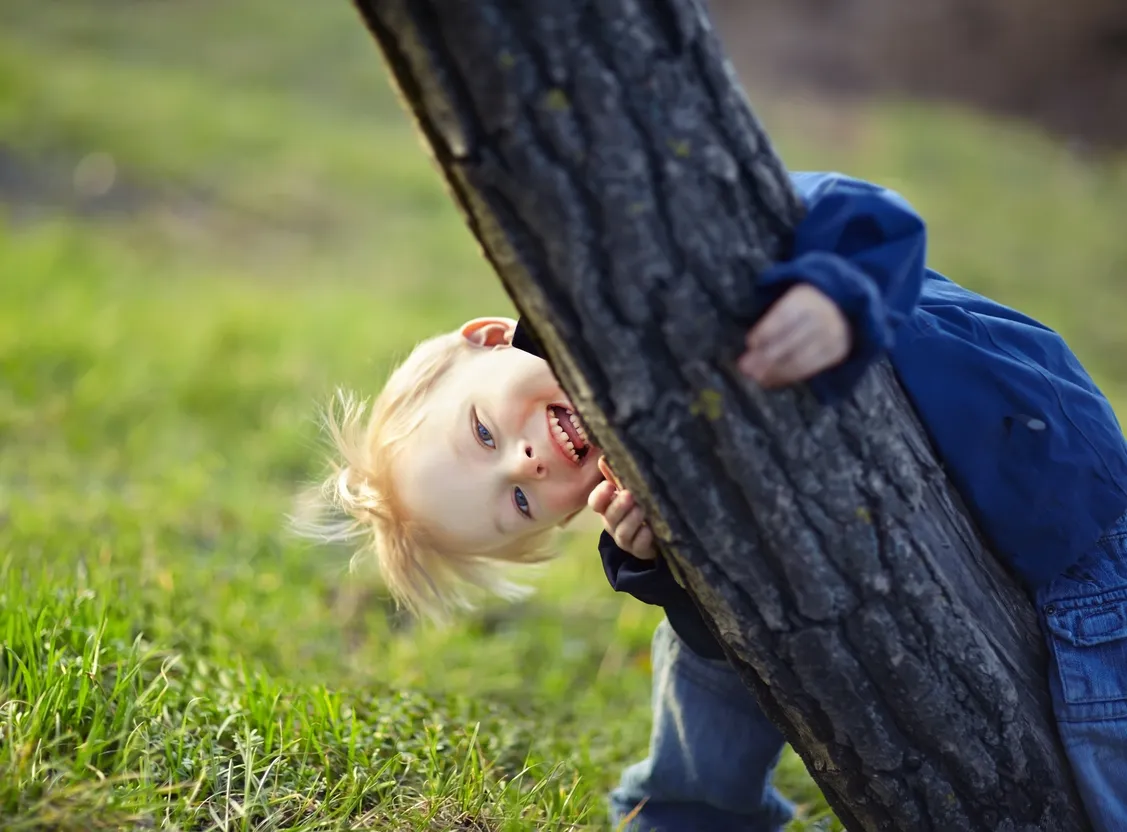
Hide-and-Seek
The process of finding a hiding spot, squatting down, and freezing in an awkward position — all of this engages large muscle groups.
How to Tell If Your Preschooler Might Need Extra Support
We know that every child develops at their own unique pace. Some start hanging from the rings at age three, while others, even at age five, prefer quiet play in the sandbox. However, gross motor skills are the foundation.
Watch your child closely during active play. Consult a pediatrician or pediatric physical therapist if you notice the following red flags:
- a child over 4 years old constantly stumbles on level ground and seems very clumsy;
- the child avoids all physical activities: doesn’t want to climb on the playground, refuses to run, and asks to be carried after just five minutes of walking;
- it’s physically painful and scary for them to lift their feet off the ground, and they can’t hop;
- there is noticeable severe asymmetry — for example, the child uses only their right arm and right leg, dragging their left side;
- the child cannot maintain balance while standing on one leg at the age of 4–5 years.
Weakness in the core muscles, if noticed in time, can be easily corrected with special fun exercises and a course of massage.
Build Coordination Through Play With Keiki
Physical development is the foundation, but for well-rounded growth, it must be combined with cognitive training. A child’s brain works in amazing ways: after good physical activity — for example, after a child has completed a home obstacle course — their nervous system is ready to absorb new intellectual information.
The Keiki platform helps you create this ideal balance. Our app isn’t a replacement for jumping and running — it’s a wonderful complement to them. While you’re resting after an active walk, you can offer your child games that teach counting. And no, they’re far from the boring examples you might imagine. In fact, they’re designed like entertaining quests or interactive, fun challenges. Or you can try coloring pages that give your child freedom for creative self-expression after active play.
Build real skills through fun, educational games for your child
Try KeikiConclusion
Movement is life, and for a preschooler, movement is also the primary way of exploring the world. By incorporating high-quality gross motor activities for preschoolers into your daily routine, you’re not just entertaining your child. You’re helping them build a strong, healthy body and a resilient nervous system.
Let your children run through puddles, climb on couches (while following safety rules, of course!), and balance on curbs. Use our list of 35+ ideas, mix and match them, come up with your own rules, and — most importantly — join in the fun yourself! Your shared laughter and fun will be the best motivation for your little one to love an active lifestyle.