45 Fun Kindergarten Activities for Kids Ages 5–6

What can you do with your child when they're already tired of the usual toys? Especially when you want to do more than just entertain them — you want them to actually learn something along the way? In this article, we've gathered 45 fun activities for kindergarten. You'll find letter and number games, creative projects, active movement games, small science experiments, and activities that help children better understand their emotions.
Table of contents
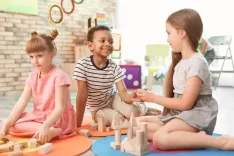
Most of these fun kindergarten activities don't require expensive materials or a trip to the craft store. Some can be pulled together in five minutes at the kitchen table, while a few others need a bit more space — a hallway, a backyard, or a corner of the living room you can clear out for a while.
The main idea behind every activity for kindergarten here is the same: the child isn't just listening to an explanation. They're playing, moving, touching things, guessing, sometimes getting it wrong, and learning without ever really noticing they're being taught.
What Makes a Good Activity for a Kindergarten-Age Child?
At this age, kids still find it genuinely hard to sit still for long and just listen. Their attention works differently — it's tied to movement, curiosity, and doing rather than hearing. That's not a flaw to fix; it's just how five- and six-year-olds are wired, and the activities that work best lean into it instead of fighting it.
For example, instead of simply teaching numbers from a worksheet, you can count toys together as you tidy up. Instead of repeating the alphabet over and over, you can turn it into a hunt for objects that start with a certain sound. The learning happens as a side effect of the fun, not as the main event.
So a good kindergarten activity is one where the child can move, touch objects, create something with their hands, or play by a small set of simple rules — nothing that requires them to sit and absorb information passively.
Why Should Kids Learn Through Play?
Learning doesn't have to look like a lesson, and for a young child it usually shouldn't. Play is often the easiest, least stressful way for a five- or six-year-old to discover something new, because there's no pressure to get it right the first time.
- The child learns without feeling like they're being tested.
- It's easier to hold their attention when their hands and body are involved.
- A single game can quietly build several skills at once.
- The child practices waiting their turn and following simple rules.
- These kindergarten learning activities are easy to repeat at home, again and again, without ever getting stale.
Help your child
grow with Keiki
We’ll help you turn everyday screen time
into real learning progress.
Speech and Reading Activities for Kindergarten
1. Sound Hunt
Pick a sound — say, "m" — and send your child off to find three things around the house whose names start with it. A ball, a bowl, a marker all count. As they collect their little pile of finds, they're training their ear to notice sounds inside words, which is one of the first real building blocks of reading.
2. Word Bingo
This is regular bingo, but instead of numbers, fill the cards with simple words your child already recognizes from books or flashcards. Call the words out one at a time and watch them scan their card for a match. It's a low-key way to build word recognition and memory, and it works just as well with two players as with a whole group of cousins.
3. Put the Story in Order
Grab a handful of pictures from a story your child already knows well, shuffle them, and hand them over. Their job is to lay the pictures back out in the right order — what happened first, what came next, and how it all wrapped up. It's a surprisingly good workout for understanding sequence and for retelling a story in their own words afterward.
4. Name Puzzle
Write your child's name in big letters on a sheet of paper, then cut it apart into individual letters. Mix the pieces up and ask them to rebuild their own name correctly. There's something extra motivating about a puzzle made of your own name, and it's a gentle, personal way to reinforce letter shapes and recognition.
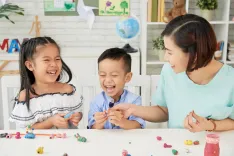
5. Letters Made of Play Dough
Hand your child a lump of play dough and have them roll it into thin "snakes." From there, they can bend and shape each snake into a letter — starting with the letters in their own name is a nice place to begin. Along with practicing letter shapes, this one is quietly great for building the hand strength kids will later need for writing.
6. Reading All Around Us
Tape or prop up a handful of letter cards or simple-word cards around the room ahead of time. Then send your child on a little expedition to find them, calling out each letter or word as they spot it. Turning the whole room into a search field makes letter recognition feel like a game of hide-and-seek instead of a drill.
7. Read and Act It Out
Read your child a short, familiar story out loud while they act out the scenes using toys, stuffed animals, or whatever household objects are handy. Letting them physically play through the plot keeps their attention locked in and deepens how well they actually follow and understand the story, rather than just hearing the words go by.
Kindergarten Math Activities
8. Jump on the Numbers
Draw or tape a row of numbers onto the floor in order, like a homemade hopscotch. Call out a number and have your child hop over and land on it. Because the counting is happening through their whole body, this one tends to stick with wigglier kids far better than a worksheet ever could.
9. Sort and Count
Pour out a pile of small objects — buttons, building blocks, or a mixed bag of toys — onto the table. First have your child sort everything by color into little groups, then count how many ended up in each pile. It's a simple two-step activity, but it quietly covers sorting, comparing amounts, and basic counting all at once.
10. Shape Hunt
Show your child a picture or cutout of a particular shape — a circle works well to start — and then go looking together for real objects that match it around the house. A plate, a clock, a coaster, all suddenly become part of the hunt. It's an easy way to make geometric shapes feel like something that exists in the real world, not just on a worksheet.
11. Filling a Row of Ten
Draw ten empty squares in a row on a sheet of paper. Your child takes turns placing a small object into each square, counting out loud from one to ten as they go. Watching the row fill up gives them a concrete, visual sense of what the number ten actually looks like, which is more useful at this age than reciting the number by itself.
12. Favorite Snack Graph
Poll a few kids or family members on their favorite snack, then draw a simple column for each option on a piece of paper. Every time someone votes for a snack, add a square to that column. By the end, your child has built their very first bar graph without even realizing that's what a graph is — while also practicing counting and comparing amounts.
13. Continue the Pattern
Lay out a simple repeating sequence using colored blocks or shapes — red, blue, red, blue, for example — and then pause and ask your child what comes next. Once they've got the hang of it, let them build a pattern of their own for you to guess. This one is deceptively good for building early logic and an eye for patterns, a skill that shows up again and again in later math.
14. Roll the Dice and Add
Give your child two dice to roll. Ask them to name the numbers that come up on each one, and then count them together to find the total. It's a friendly, low-stakes introduction to addition that feels like a game rather than a math lesson, and it holds up well as a quick five-minute activity whenever there's a short wait to fill.
Active Movement Activities for Kindergarten
15. Dance and Freeze
Put on some music and dance around together. When the music cuts off, call out a letter, and your child has to freeze and try to shape their body into it. Between the dancing and the sudden freeze, this activity works coordination and movement skills while sneaking in some extra letter recognition.
16. Animal Relay
Challenge your child to cross the room or yard the way different animals move — hopping like a frog, lumbering like a bear, or scuttling sideways like a crab. Kids tend to throw themselves into this one with real enthusiasm, and it's a great outlet for burning off energy while building coordination and gross motor skills.
17. Toss and Count
Set out a few boxes or baskets, each labeled with a number, spaced a short toss apart. Your child throws a ball or small beanbag toward them, earning points that match whichever container it lands in. Tallying up the score at the end folds in some extra counting practice without it ever feeling like the point of the game.
18. Obstacle Course
Build a simple obstacle course out of pillows, chairs, and other safe household items you have lying around. As your child makes their way through it, narrate using words like "over," "under," "through," and "around" so the course also becomes a lesson in spatial language, not just a physical challenge.
19. Walk the Line
Stick a strip of tape to the floor, or draw a line with chalk if you're outside, and ask your child to walk along it heel-to-toe without stepping off to either side. It looks almost too simple, but it's genuinely useful for building balance and body control — and older siblings usually can't resist trying it too.
20. Musical Shapes
Scatter large paper shapes across the floor and turn on some music. When the music stops, call out a shape, and your child has to race to find it and stand on it before the music starts again. It's basically musical chairs with a geometry twist, combining movement with shape recognition.
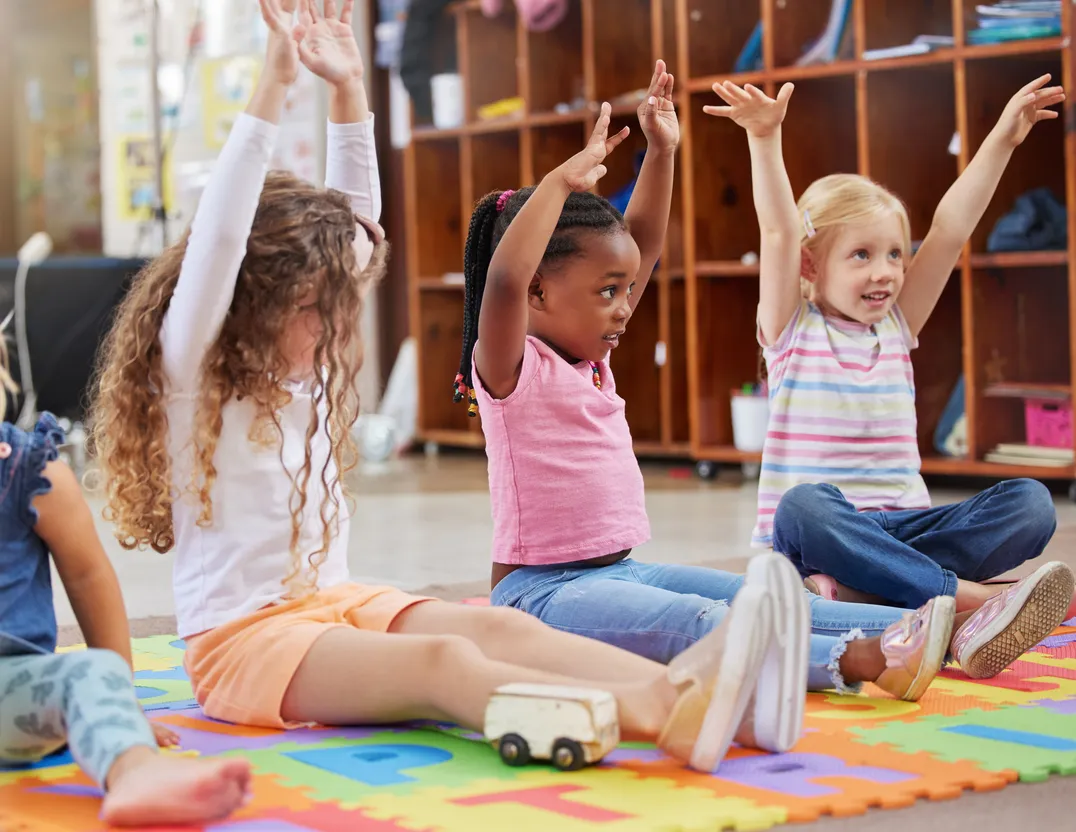
STEM and Simple Science Activities for Kindergarten
21. Sink or Float?
Fill a bowl with water and gather a handful of small household objects — a spoon, a cork, a coin, a plastic toy. Before dropping each one in, ask your child to guess whether it will sink or float, then test it together and see who was right. It's a small experiment, but it's a genuine introduction to making a prediction and then checking it against reality.
22. Flowers That Change Color
Stand a white flower or a stalk of celery in a glass of water mixed with a few drops of food coloring, then just wait. Check back with your child over the next day or two to see how much the color has crept up the petals or stalk. Watching something change slowly, almost invisibly, is a good early lesson in patience as much as it is in science.
23. Drawing Shadows
On a sunny day, head outside and use chalk to trace the outline of a person's or object's shadow on the pavement. Come back an hour or two later, trace the shadow again in the same spot, and compare the two outlines together. It's a simple, visual way for your child to notice that shadows move and change shape throughout the day, even though nothing about the object itself has changed.
24. Toy Car Races
Build a few small ramps out of stacked books and pieces of cardboard, each at a different height. Let your child race toy cars down them and see which one ends up going the farthest or fastest. Beyond just being fun, it's a hands-on first taste of cause and effect — and, really, of basic physics.
25. What Does a Magnet Attract?
Hand your child a magnet along with a small collection of household objects — some metal, some not. Have them test each item one at a time and sort it into one of two piles: "attracts the magnet" or "doesn't attract the magnet." The sorting itself builds observation and comparison skills, and kids are often surprised by which everyday objects do and don't respond.
26. Weather Journal
Each day, step outside or look out the window together and note the weather using simple symbols — a sun, a cloud, a raindrop. By the end of the week, look back over the whole chart together and figure out which kind of weather showed up the most. It turns something your child already notices every day into a small, ongoing exercise in observation and pattern-spotting.
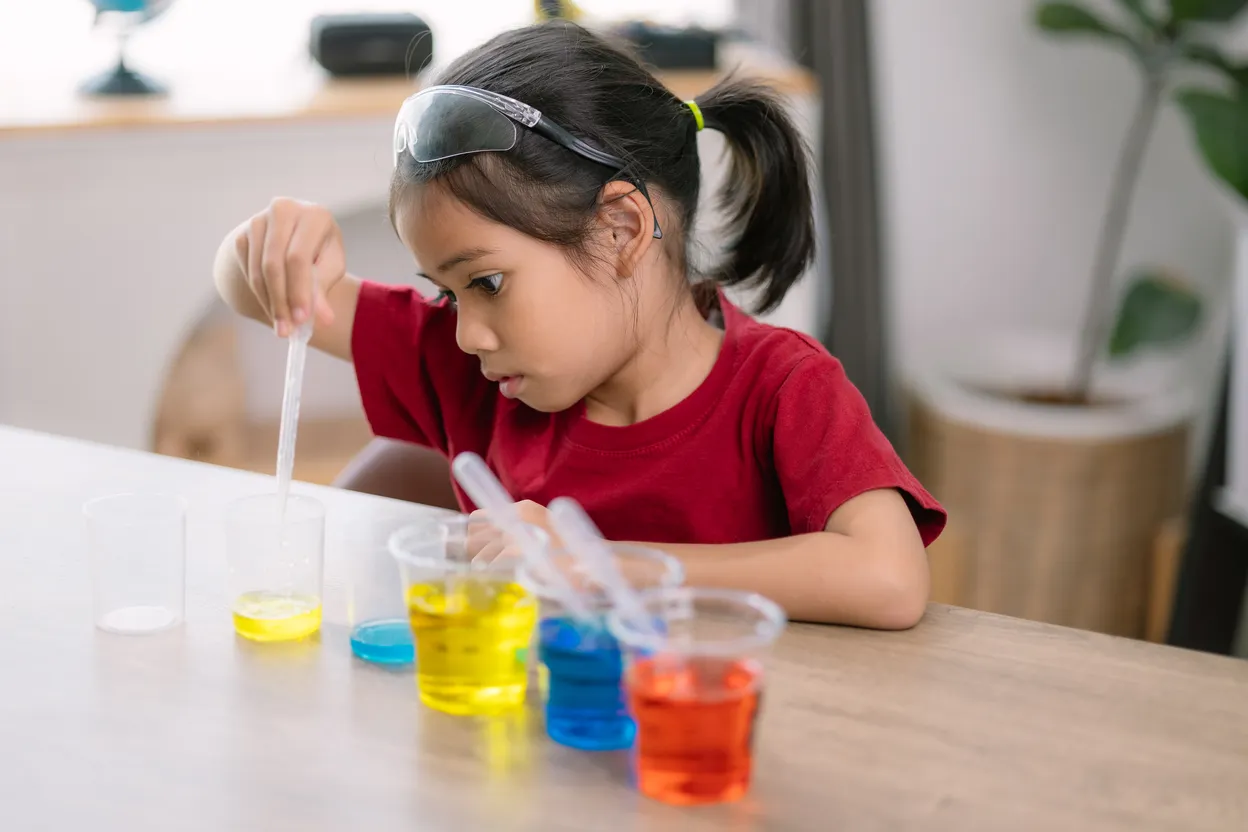
Creative Activities and Fine Motor Skills for Kindergarten
27. Lacing Cards
Punch a row of holes around the edge of a cardboard shape. Give your child a shoelace, ribbon, or thick piece of string and let them thread it in and out of the holes at their own pace. It's a quiet, focused activity that builds fine motor skills and hand coordination — genuinely useful groundwork for learning to write and, eventually, tie their own shoes.
28. Learning to Cut
Draw a mix of straight, wavy, and zigzagging lines across a sheet of paper. Hand your child a pair of child-safe scissors and let them practice cutting along each line, working up from the easier straight lines to the trickier curves. This one builds hand coordination and scissor control gradually, a skill that takes real repetition to develop.
29. Clothespins and Colors
Set out a few cards in different colors along with a matching set of colored clothespins. Your child's job is to clip each clothespin onto the card that shares its color. It's a small, satisfying task that strengthens the same finger muscles used for writing while reinforcing color recognition along the way.
30. The Picture That Appears
Before your child sees, draw a simple picture on white paper using a white wax crayon — it'll be invisible against the page. Then hand your child a paintbrush and some watercolors and have them paint over the entire sheet. As the paint spreads, the hidden picture will slowly reveal itself, which tends to get a genuinely delighted reaction every time.
31. Paper Plate Weaving
Cut a ring of small notches around the edge of a paper plate. Give your child a length of string or yarn and show them how to thread it through the notches, going over one and under the next all the way around. The steady over-under motion is excellent, low-key practice for fine motor skills and hand coordination.
32. Tweezer Sorting
Scatter a mix of small pom-poms, erasers, or other safe little objects on the table. Using kitchen tongs or a child-sized tweezer, have your child pick each one up and sort it by color into the different sections of an empty egg carton. The pinching motion required is great for the small hand muscles kids will later use for writing, and it takes real concentration to get each piece into its section without dropping it.
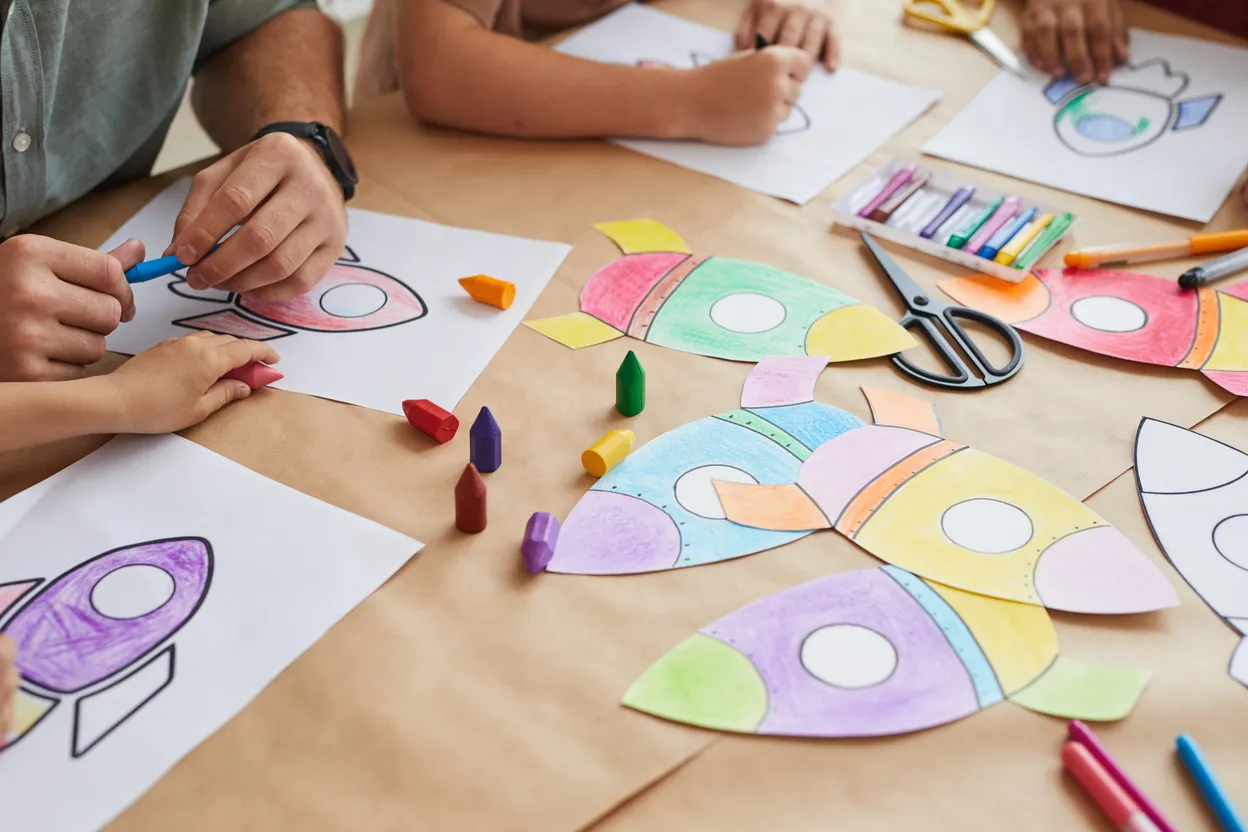
Activities for Emotional Development
33. Emotions Wheel
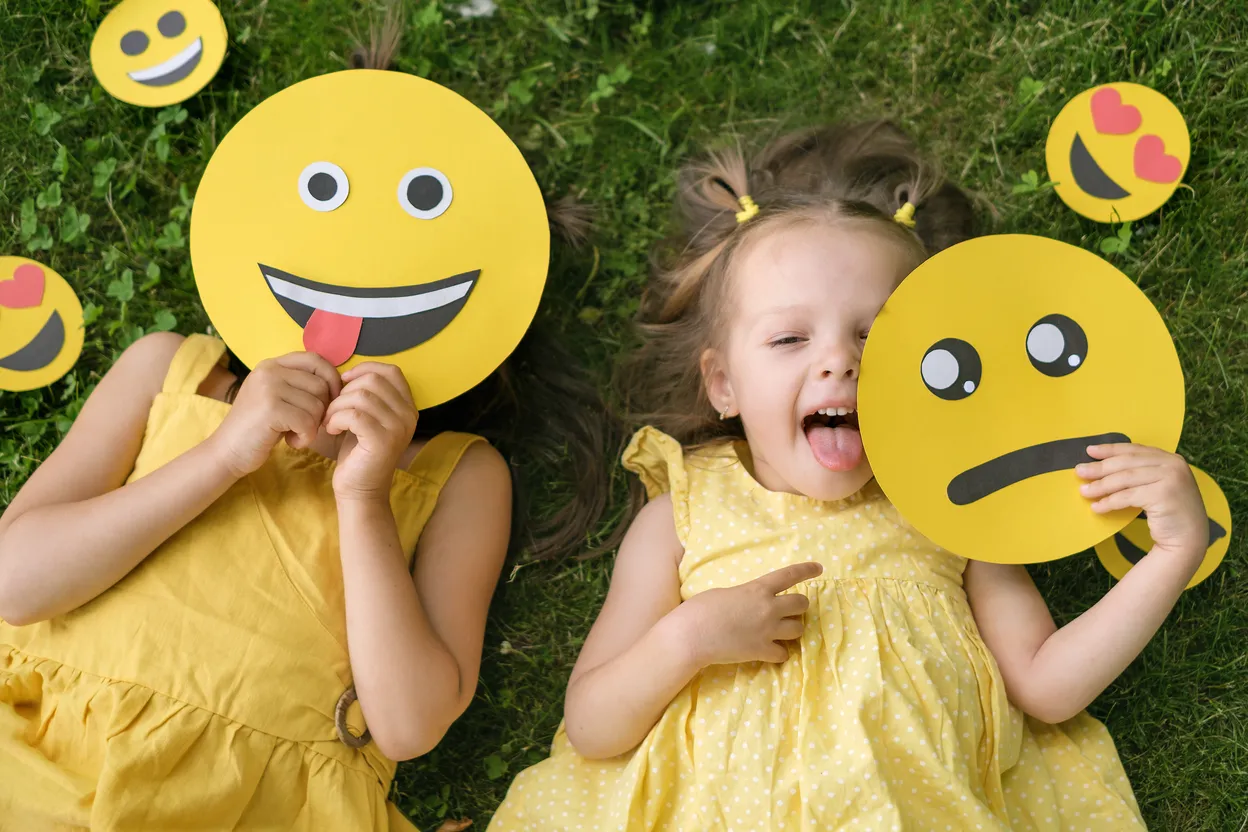
Draw a handful of simple faces showing different emotions — joy, sadness, anger, fear, surprise — and arrange them around a wheel, or just lay them out as cards. Have your child pick one or spin the wheel, then talk about a time they actually felt that way. Putting a name and a face to a feeling helps kids understand their own emotions and gives them the words to talk about them instead of just acting them out.
34. Kindness Jar
Keep an empty jar somewhere visible in the house. Whenever your child, or anyone else in the family, does something kind, drop a pom-pom, button, or other small object into it. Watching the jar slowly fill up over days and weeks builds a real awareness of kind actions and gives the whole family a small, shared way to notice care for one another.
35. Calm-Down Jar
Fill a clear jar or bottle with water and a generous amount of glitter, then seal the lid tightly so it can't spill. When your child is winding up or needs a moment to settle, shake the jar together and watch quietly as the glitter drifts slowly down to the bottom. It gives them something calming to focus on, and over time it becomes a physical cue that helps them shift out of a big feeling on their own.
36. Compliment Circle
Sit down together in a circle, whether it's just the two of you or the whole family. Going one at a time, each person says something kind to the person sitting next to them. It's a small ritual, but it builds real practice in kindness, in paying attention to others, and in giving and receiving a compliment gracefully.
37. Solving Conflicts
Set up a simple made-up scenario — say, two children both wanting the exact same toy — and ask your child what they think could be done about it. Once they've offered an idea, try acting it out together and see how it plays out, then talk about whether it actually solved the problem. Working through a low-stakes, imaginary conflict like this builds real negotiation skills they can draw on later, when the conflict is real.
38. Draw What Made You Happy
Ask your child to draw one thing that made them happy that day — it might be something big or something as small as a good breakfast. Once they're done, let them tell you or another child about the drawing and why they chose it. The drawing itself is almost secondary; the real value is in helping them notice and put words to a good moment instead of letting it slip by unremarked.
Group Kindergarten Classroom Activities
39. Morning Circle
Gather everyone into a circle and greet each child by name as the day begins. Going around the circle, each child then takes a turn greeting the others in their own way. It's a small routine, but it does a lot of quiet work for building social skills and giving every child a clear, daily sense that they belong to the group.
40. Job Wheel
Put together a short list of small, doable tasks — watering the plants, handing out pencils, helping straighten up the shelves — and assign a new one to each child on a daily or weekly rotation. Having an actual job, even a tiny one, tends to make kids feel genuinely useful, and it builds real responsibility and independence over time.
41. "Which Would You Choose?"
Ask your child a simple either-or question — "Would you rather be able to fly or be invisible?" is always a good one to start with. Let them pick a side and then explain their reasoning, however silly or serious it turns out to be. Questions like these are a great low-pressure way to get kids talking, and they build speech, imagination, and the confidence to explain their own opinion.
42. Word Relay
Spread a set of word cards out across the far end of the room. Call out a word, and have the child race over, find the matching card among the pile, and bring it back to you. It combines word recognition with quick thinking and a bit of physical energy, which makes it a good one for restless afternoons.
43. Weather Chart
Each morning, look out the window together and figure out what the weather is doing. Add a mark to a running chart — sunny, cloudy, or rainy — and once the week is over, sit down together and compare the results. It's a gentle daily habit that builds observation skills and gives kids their first hands-on experience reading a simple chart.
44. Collaborative Big Drawing
Take one large sheet of paper and divide it into sections, one per child. Each child draws their own section however they like, and once everyone's finished, the sections come back together into a single big picture. Seeing their individual piece become part of something bigger is a nice, concrete lesson in creativity and working together toward a shared result.
45. Mystery Box
Hide an object inside a box where your child can't see it, then offer a few clues one at a time — "It's round," "It's small," "It's red." Let them guess what's inside after each clue, or hold out until the very end for extra suspense. It's a simple setup, but it draws on speech, close listening, memory, and a good bit of logical thinking as the clues stack up.
Help your child thrive with playful learning
Turn screen time into real growth with Keiki's educational games.
Try KeikiHow to Choose the Right Activity for Your Child
Choose short activities. If your child has already lost interest, it's better to wrap up the game and offer something else.
Don't over-explain. If an activity needs a long set of instructions, it's easier to just show your child one example.
Switch up the materials. You can practice the same skill in different ways — count blocks today, buttons tomorrow, and toys the day after.
Alternate calm and active games. After a movement game, offer something quieter — drawing, sorting, or a word game.
There's no need to make tasks harder than they are. If writing is difficult, your child can spell a word out with letter tiles instead. If it's hard to tell a story in words, use pictures.
Give your child a choice. Sometimes it's enough to ask: “Do you want to play with numbers or letters today?”